





Calcium D3 Nutrition
(0 Results)
Calcium D3 nutrition plays a crucial role in supporting overall wellness and maintaining strong bones. Combining calcium with vitamin D3 may help the body absorb calcium more effectively, potentially promoting better bone health. Explore a variety of options that might support your daily nutritional needs and help you maintain a balanced diet. Whether you're looking to support your skeletal system or simply aiming to ensure adequate nutrient intake, calcium D3 nutrition could be an excellent addition to your daily regimen.


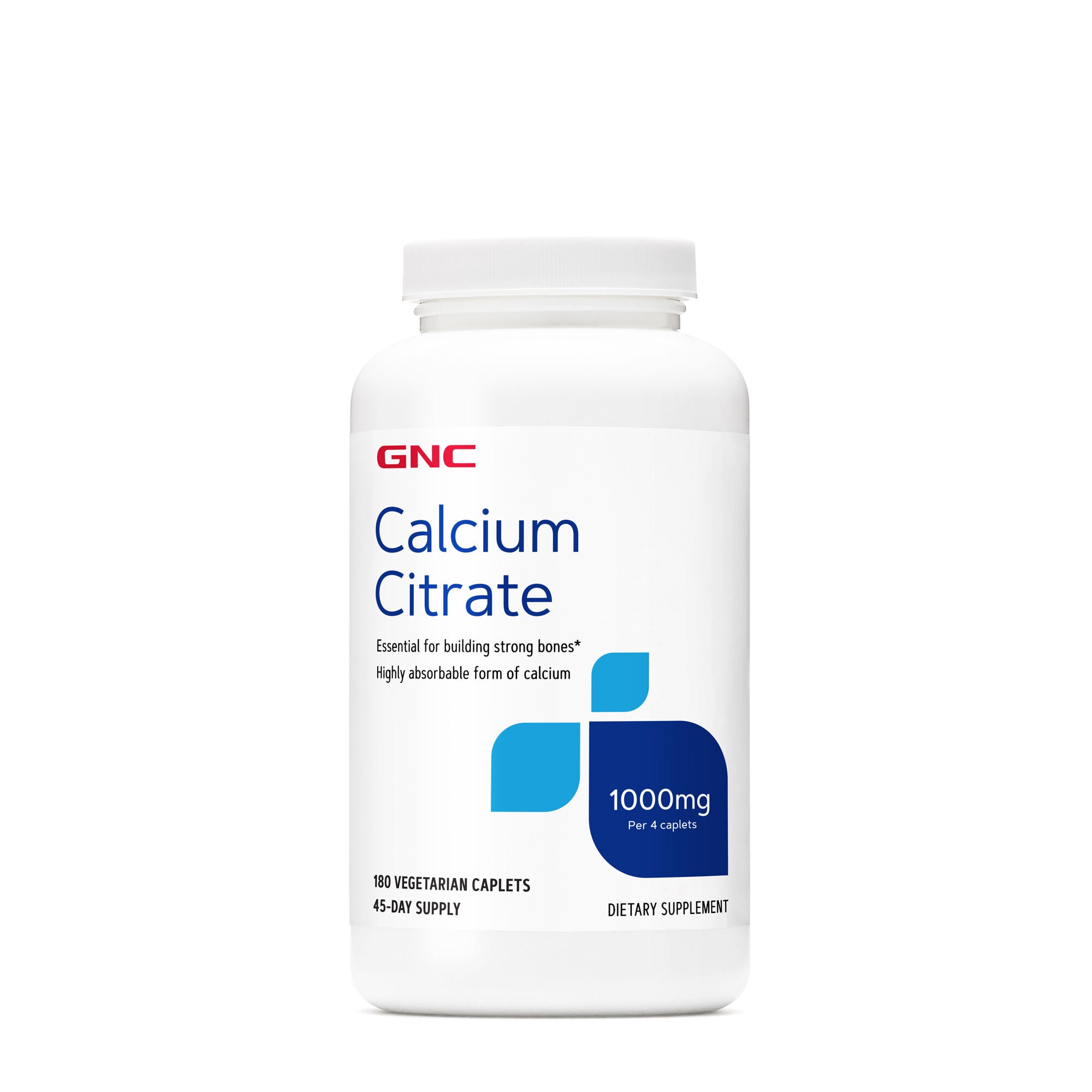
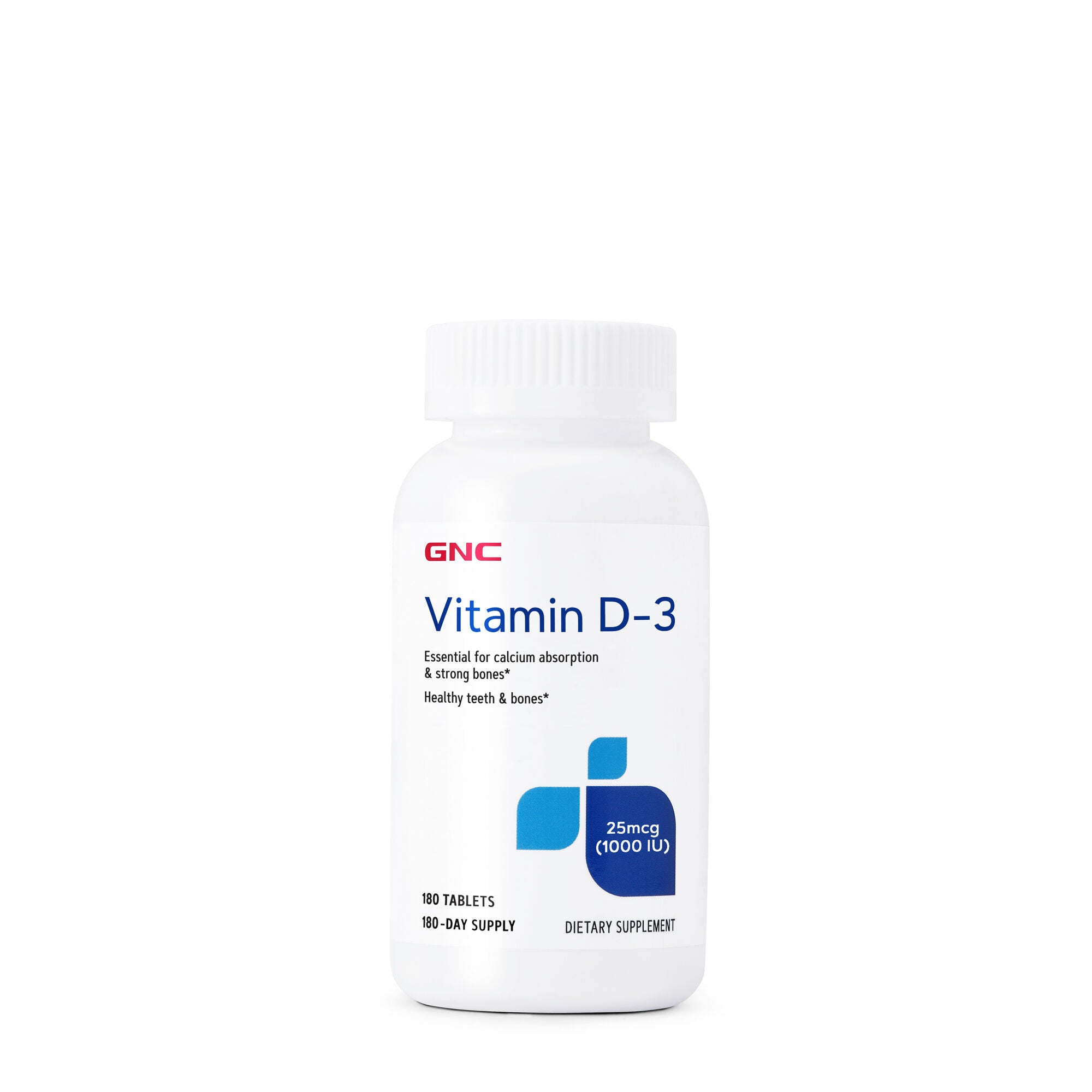
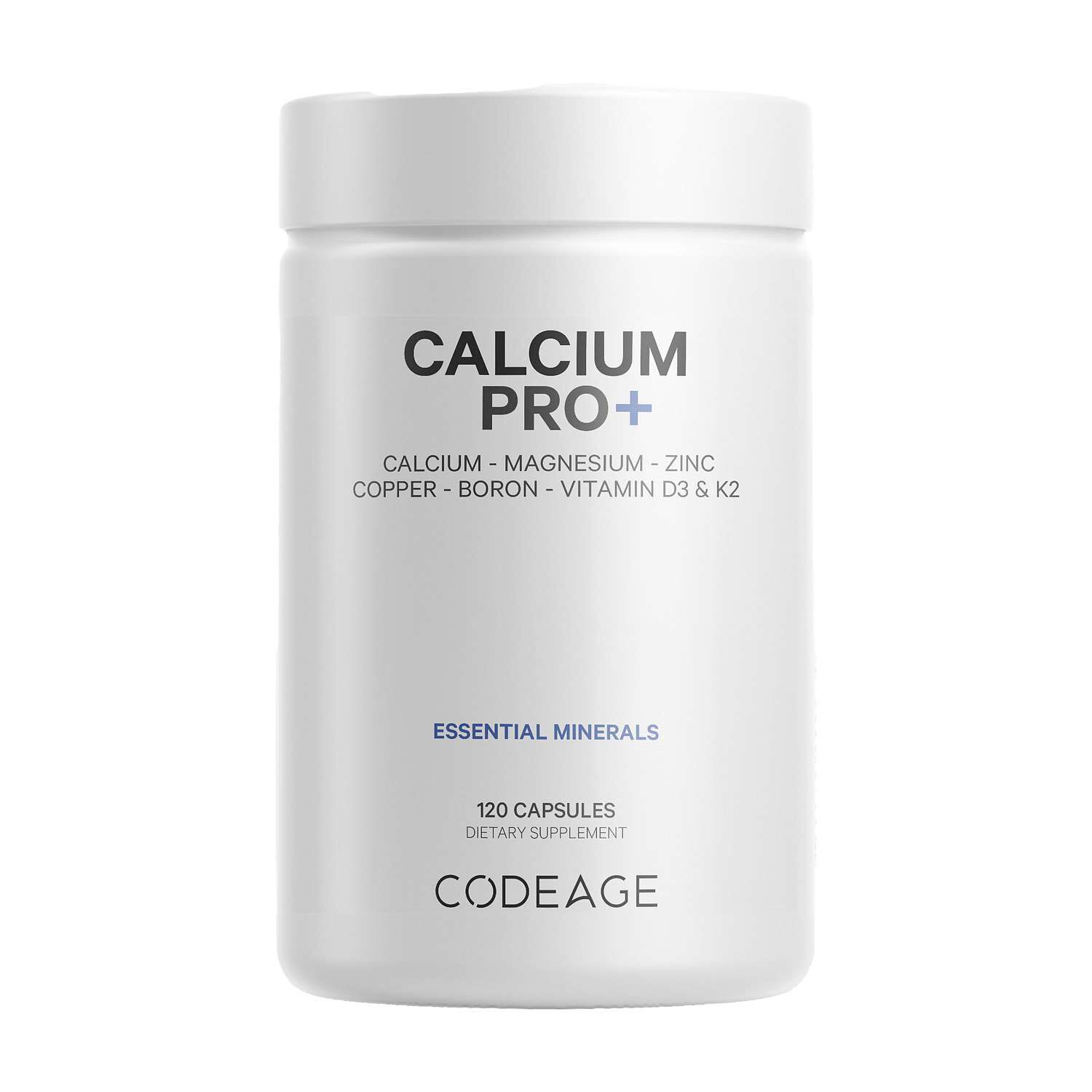


Calcium D3 nutrition brings together a mineral found in bones and teeth and a form of vitamin D commonly used in dietary supplements. Calcium and vitamin D3 are often paired because vitamin D has a role in normal calcium absorption. A calcium and D3 supplement may complement dietary intake, but the details behind that pairing vary from one formula to another. Some formulas feature calcium and D3 alone, while others include additional minerals or vitamins. Tablets, capsules, softgels, gummies, chewables, and powders offer different textures, serving sizes, and ways to fit into an established routine. Those differences matter just as much as the nutrient names on the front of the package. A shopper who prefers an unflavored capsule may approach the category differently from someone who enjoys a fruit-flavored chewable or wants a powder that can be measured and mixed according to its label. Everyday foods also provide useful context for comparing calcium D3 supplements. Milk, yogurt, cheese, calcium-set tofu, and certain fortified beverages contain calcium; fatty fish, egg yolks, and some fortified foods contain vitamin D. The amounts vary by food and serving, and a fortified food’s label identifies the nutrients added to it. Supplements offer another format for these nutrients rather than a substitute for the variety found in meals. Adults exploring this category may be comparing ingredient sources, looking for a particular serving format, or reviewing how a combination formula fits alongside products they already use. The most meaningful differences often appear in the Supplement Facts panel: calcium per serving, vitamin D per serving, the number of pieces in that serving, and any additional ingredients. A large number on the front label does not describe all of those features. Calcium D3 nutrition is therefore a category where a close look at the package can reveal more than the formula name alone, especially when two containers look similar but have different serving instructions.
Calcium source is one of the first distinctions visible on an ingredient label. Calcium carbonate and calcium citrate are common forms, and they differ in composition and the amount of calcium they contain by weight. The calcium amount listed in Supplement Facts refers to the calcium itself, rather than the weight of the entire calcium compound. This distinction makes the nutrient line more useful for comparison than the ingredient name alone. Vitamin D3 may also appear as cholecalciferol, its ingredient name. Vitamin D quantities can be expressed in micrograms, abbreviated mcg, and International Units, abbreviated IU; one microgram of vitamin D equals 40 IU. These units describe the same nutrient in different ways, not two separate ingredients. Serving size provides another important piece of context. A listed serving might consist of one tablet, two chewables, or a measured scoop, so the number of servings in a container can differ from the number of pieces inside it. Consider two bottles with the same piece count: if their labeled serving sizes differ, they represent different numbers of servings. Beyond those numbers, the full ingredient list describes the experience of using the formula. Chewables and gummies may contain sweeteners, flavors, colors, or coating ingredients, while capsules and softgels have shell materials that can matter to shoppers with dietary preferences. Some D3 comes from lanolin, while other D3 comes from lichen; the source cannot always be determined from the words “vitamin D3” alone. Gelatin, plant-derived capsule materials, and allergen statements are separate details worth distinguishing from the nutrient source. A plant-derived D3 ingredient does not, by itself, describe every other ingredient in the formula. Products that pair calcium and D3 with magnesium offer another composition to compare. The Calcium Magnesium Vitamin D3 Bone Health collection provides a related category for exploring that combination, with individual labels supplying the specific nutrient amounts, sources, and serving formats.
The practical fit of a calcium D3 supplement often comes down to small details that are easy to overlook in a product name. Tablet dimensions, capsule count per serving, flavor, texture, and preparation requirements all shape the experience. For someone who already uses several capsule-based supplements, the number of additional pieces in a serving may be a deciding factor. For someone who dislikes sweet flavors, an unflavored format may feel more familiar than a gummy or chewable. Powder introduces a different set of considerations, including the labeled measuring method, mixing instructions, and the need for a suitable drink or other preparation described on the package. These are differences in format, not evidence that one option is universally better than another. Packaging matters, too. Bottle size, closure design, inner seals, and clearly printed serving information can influence how conveniently a product fits into a household routine. A container kept in its original packaging retains the ingredient list, directions, lot information, and expiration date together, rather than separating the supplement from the details needed to identify it. Storage instructions explain the conditions intended for that particular formula, including any directions concerning moisture or light. Texture and flavor are product characteristics rather than reliable measures of nutrient content, and appearance alone does not establish whether a supplement remains suitable for use. The labeled date and storage information offer more useful reference points. Intended audience is another distinction: adult formulas and products labeled for other age groups are not interchangeable simply because both mention calcium and D3. Likewise, a combination supplement may overlap with nutrients listed in a multivitamin or another mineral formula. Looking at the individual nutrient lines together makes that overlap visible without assuming that a larger serving is the better fit. For shoppers comparing calcium with vitamin D3, a well-matched format may make the routine more convenient, while clear labeling provides a grounded basis for distinguishing one formula from another. Ingredient source, serving size, dietary preferences, and packaging details bring the category into focus beyond the familiar calcium and D3 names.
