Calcium Magnesium Vitamin D3 For Men
(0 Results)
Calcium magnesium vitamin d3 for men may play a key role in supporting overall wellness, especially for those looking to maintain an active lifestyle. Combining these important nutrients could help fill common dietary gaps and offer nutritional support tailored to men's unique needs. Explore a variety of options designed to fit your routine, whether you’re focused on daily wellness or looking to complement your fitness goals. Find the right calcium magnesium vitamin d3 for men to help you stay on track with your health journey.
-
 $20.99
-

-
-

-

-
 $39.99
-

-
 Trace Minerals$29.99
-

-

-
 Nature's Fusions$29.99
-
 Nature's Fusions$29.99
-

-
-

-

-
 Portions Master$29.99
-

-


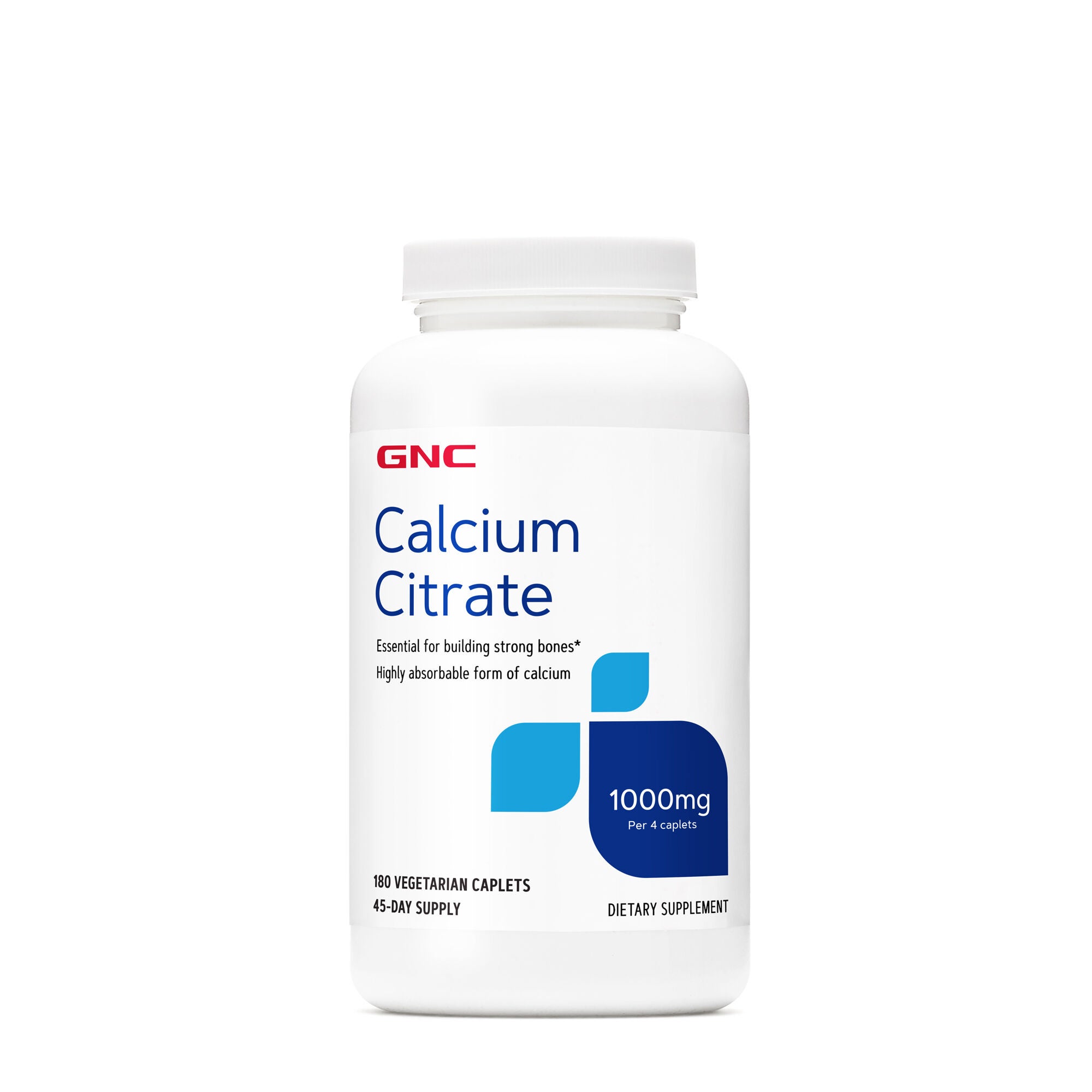
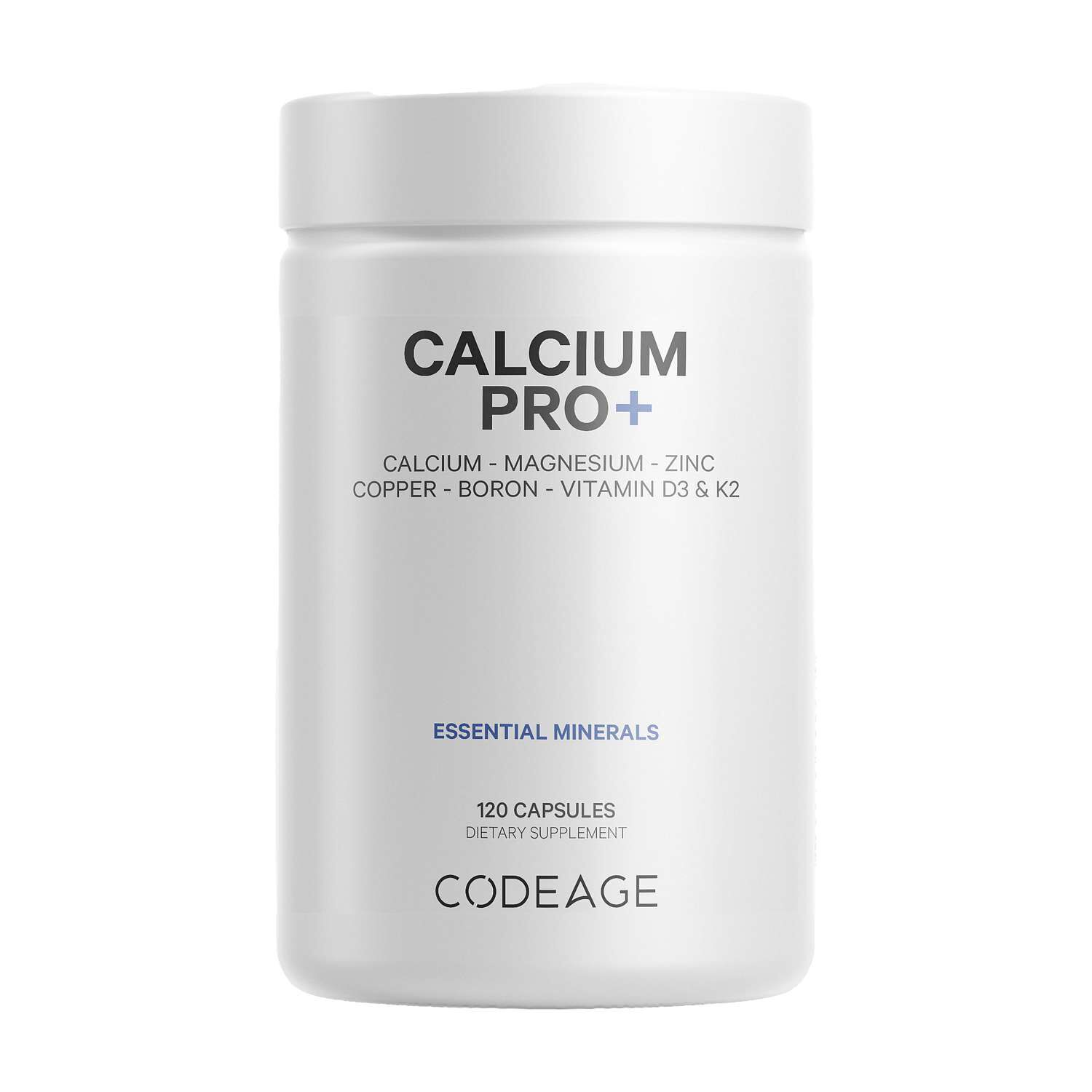
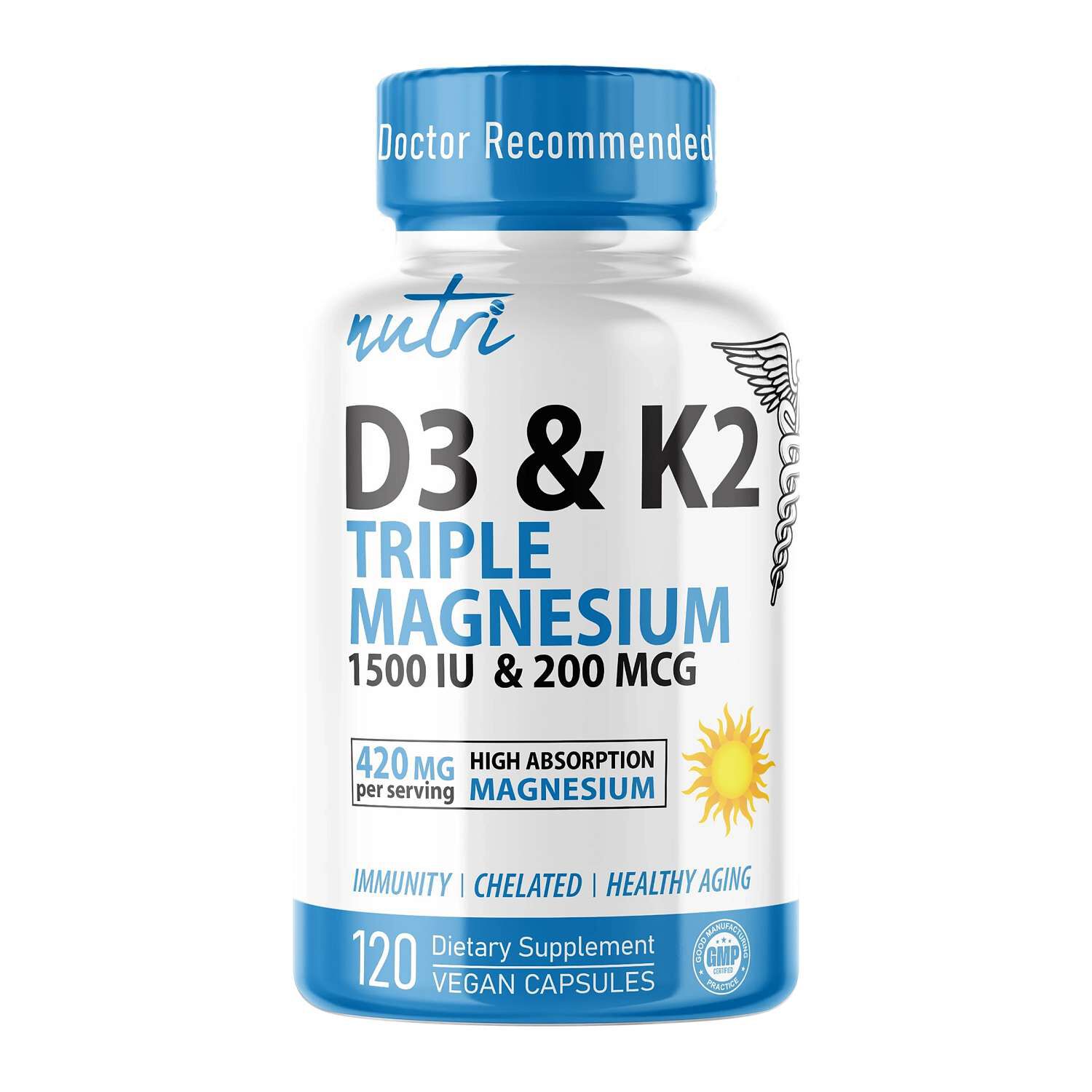
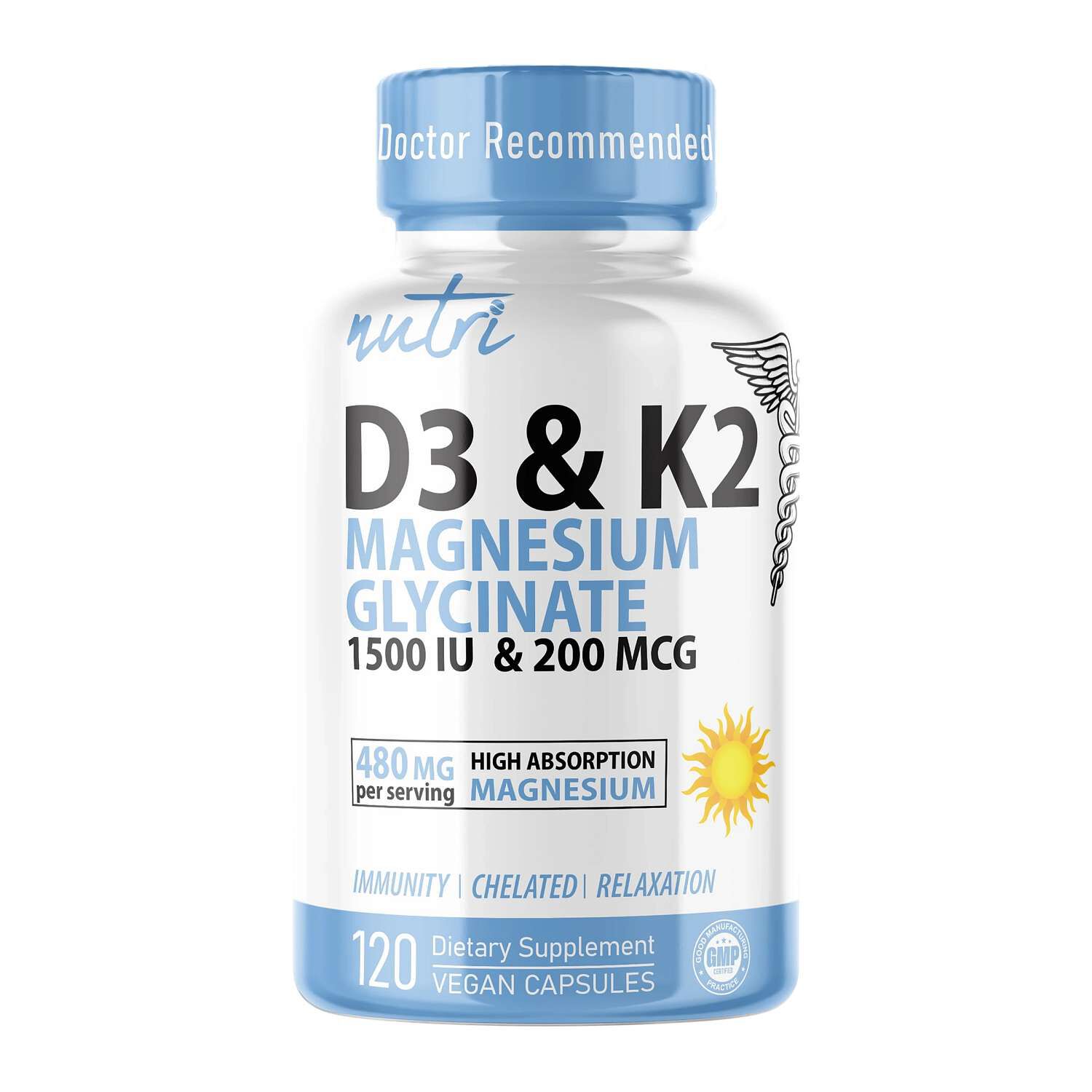
Calcium, magnesium, and vitamin D3 supplements for men combine two minerals with a form of vitamin D in a single formula. Together, these nutrients may support normal bone health and muscle function, while vitamin D3 may support the absorption of calcium. Calcium is associated with the structure of bones and teeth, and magnesium participates in many normal processes throughout the body. Vitamin D3, also called cholecalciferol, is one form of vitamin D used in supplements. For shoppers comparing this category, the most useful distinctions are often the amounts of each nutrient, the mineral sources, and the number of tablets, capsules, or chewables in a serving. A combination formula may suit men who prefer to keep these nutrients together rather than manage several separate containers. That convenience does not mean every blend has the same proportions or fits the same eating habits. A man who regularly eats yogurt, cheese, and calcium-fortified foods has a different dietary starting point from someone whose meals rarely include those foods. Magnesium also appears in foods such as beans, nuts, seeds, and whole grains, so the broader eating pattern matters when considering a supplement. These formulas are intended to complement food choices, not stand in for varied meals. Shopping by the phrase calcium magnesium vitamin D3 for men can narrow the category, but the Supplement Facts panel provides the details needed to compare formulas meaningfully. Look at the listed serving size alongside the nutrient amounts: a serving that consists of several tablets is different from a serving that consists of one capsule. The amount shown for the full serving should not be confused with the amount in each individual piece. Calcium and magnesium are generally listed in milligrams, while vitamin D may be listed in micrograms with an accompanying International Unit measurement. Keeping those units and serving sizes in view makes side-by-side comparisons more straightforward, especially when containers look similar from the front.
The form of each ingredient adds another useful point of comparison. Calcium carbonate and calcium citrate are two calcium sources that may appear on labels, while magnesium sources can include citrate, oxide, or glycinate. Those names identify different compounds; they do not, on their own, establish which formula is the best match for every shopper. The amount of the mineral listed in Supplement Facts is distinct from the weight of the full compound used to supply it. A clearly presented label makes that distinction easier to understand without relying on a large number printed elsewhere on the package. Vitamin D3 sourcing can matter, too. Some D3 comes from lanolin, a substance associated with sheep’s wool, while other D3 is sourced from lichen. Men following a vegan eating pattern may want to compare that source along with the capsule shell and other ingredients rather than judge suitability from the nutrient name alone. Tablet coatings, capsule materials, sweeteners, colors, and flavorings can also influence personal preferences. Tablets offer a familiar format, but their dimensions and the number in a serving deserve attention. Capsules have a different texture and shape, while chewables and gummies bring flavor and texture into the comparison. Flavored formats may contain added sugars or sugar alcohols, making the ingredient list and nutrition information useful companions to the front label. A fruit flavor does not establish the amount of calcium or magnesium, and a larger piece does not necessarily contain more of either mineral. For someone who dislikes carrying several tablets, serving size may be a deciding detail; someone who prefers an unflavored option may place more emphasis on the delivery format. Packaging also matters in practical ways. A clearly legible label, an easy-to-identify serving size, and storage directions that are simple to locate can make a container easier to manage in an everyday routine. These are tangible differences worth comparing alongside nutrient amounts, rather than treating all calcium, magnesium, and D3 combinations as interchangeable.
Everyday use is another part of finding a suitable format. A man who eats breakfast at home may prefer a container that stays in a designated cupboard, while someone who frequently travels may pay closer attention to package size, closure style, and how easily the original label remains accessible. Following the product’s labeled directions keeps the intended serving and handling requirements clear. Storage instructions are particularly relevant for chewable and gummy formats, whose texture can change when exposed to unsuitable conditions. Keep the closure secure and follow the package guidance about moisture, light, and storage location; a bathroom counter beside a steamy shower may not match those instructions. The printed use-by date and any handling details are also worth checking before moving a supplement into a daily organizer. Original packaging retains the ingredient list, serving information, and other details that can otherwise be easy to lose. Men who already use a multivitamin or another mineral blend can compare the labels for overlapping calcium, magnesium, and vitamin D rather than assuming each container serves a separate purpose. A formula with more ingredients is not automatically a closer match for an individual’s preferences, and a men’s category label does not replace the specifics on the package. For households comparing related categories, Calcium Magnesium Vitamin D3 For Women provides another browsing option, with the same attention to serving size, nutrient amounts, and ingredient sources remaining useful. The strongest basis for comparison is concrete: what the formula contains, how those amounts are expressed, what a serving looks like, and whether the format fits an established routine. Whether the priority is a straightforward tablet, a capsule with a particular shell material, or a flavored chewable, those details help distinguish calcium, magnesium, and vitamin D3 formulas without relying on broad front-label language. A thoughtful selection centers on clear labeling, dietary preferences, and practical everyday use.