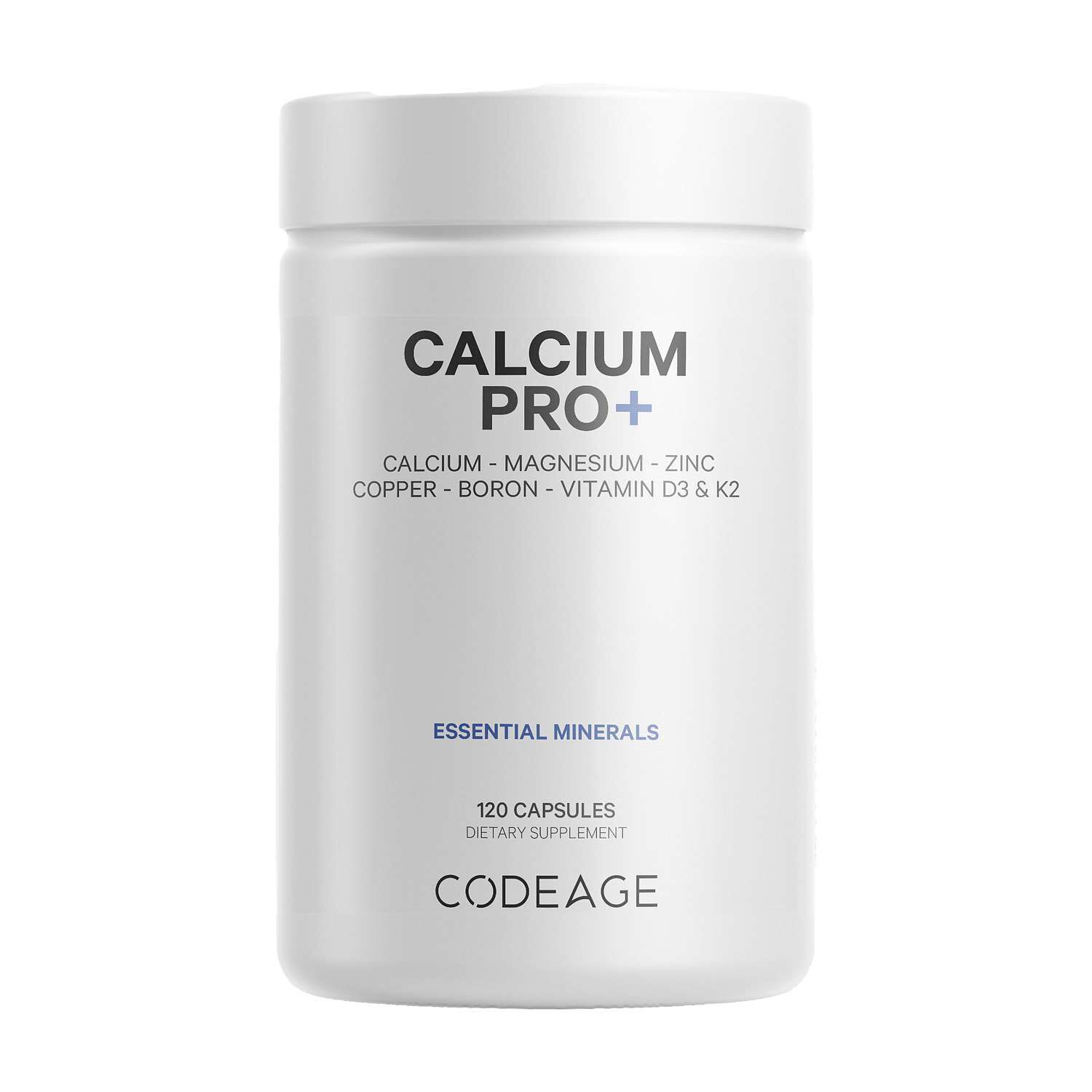


Calcium And Vitamin D Supplements For Men
(0 Results)
Calcium and vitamin D supplements for men may offer support for those looking to maintain a well-rounded wellness routine. These supplements are designed with the needs of men in mind, providing options that could fit into a variety of lifestyles and daily habits. Whether you're focused on staying active or simply aiming to support your nutritional goals, exploring calcium and vitamin d supplements for men might be a helpful addition to your regimen. Discover a range of choices that may align with your personal preferences and wellness journey.
-

-

-

-

-

-

-

-

-

-

-

-

-

-

-

-

-

-
 $21.99
 -
 $15.99




Calcium and vitamin D supplements may fit into a nutrition routine for men who want a convenient way to add these nutrients alongside meals and other daily habits. Calcium is a mineral found in foods such as dairy products, canned fish with soft bones, tofu made with calcium, and some leafy greens, while vitamin D appears in select foods and may also be produced when skin is exposed to sunlight. Eating patterns, age, time spent outdoors, and personal food preferences can all shape how much someone gets from food and beverages. For men ages 19 through 70, commonly cited dietary reference values list 1,000 mg of calcium per day and 600 IU of vitamin D; for men over 70, the reference values often rise to 1,200 mg of calcium and 800 IU of vitamin D. These figures include food and supplements together, so they work best as general context rather than a personal target. A healthcare professional may help determine whether a supplement makes sense, particularly for anyone managing a health condition, taking prescription products, following a restricted eating pattern, or already using several fortified foods and supplements. Shoppers browsing Calcium and Vitamin D Supplements can compare serving size, nutrient amounts, form, and directions in one place. A straightforward label may be especially useful for someone building a morning routine before work, packing a travel toiletry bag, or keeping a bottle beside a regular evening habit. For a thoughtful gift, these products may suit a father, partner, brother, or friend who appreciates practical additions to a well-organized wellness routine, although the recipient’s preferences and professional guidance should always shape the choice.
When comparing formulas, look first at the amount of calcium and vitamin D supplied per serving, then consider the form of calcium used. Calcium carbonate is commonly taken with food, while calcium citrate may be taken with or without food, depending on the product directions. Some people prefer a smaller tablet, a chewable format, or a serving that fits easily into a busy schedule; others may favor a formula with fewer added ingredients or a combination designed for use alongside a multivitamin. Since the body may absorb calcium more efficiently when an individual serving contains 500 mg or less, shoppers may wish to review the serving instructions and consider whether the label suggests one serving or divided servings. This does not mean every person should split a serving, and directions can vary by formula. It also helps to account for calcium from milk, yogurt, fortified plant beverages, cheese, and other foods before adding a supplement. Vitamin D amounts are often shown in IU, and labels may also list micrograms; 600 IU equals 15 mcg, while 800 IU equals 20 mcg. For adults over 70, commonly referenced intake guidance may show 800 to 1,000 IU per day, though individual needs can differ. A healthcare professional can help interpret a label in the context of diet, age, medications, and personal health history. Reading the Supplement Facts panel, serving directions, allergen statement, and storage guidance may make the shopping process simpler, especially when several similar-looking options sit together on a shelf.
During the cooler months, routines often shift indoors: a morning walk may give way to a gym session, outdoor time may become shorter, and hearty meals may replace lighter fare. Those changes can make it useful to take a fresh look at everyday food choices without treating a supplement as a substitute for varied meals. Calcium and vitamin D products may work best as one small part of a broader routine that includes foods with calcium, regular movement suited to the individual, and guidance from a qualified professional when needed. Men who spend much of the day at a desk, travel often, or prefer plant-based foods may appreciate the convenience of a clearly labeled option, while men who already consume several servings of dairy or fortified beverages may want to compare their usual intake before selecting a formula. It is also wise to review combined intake from multivitamins, fortified drinks, meal replacements, and single-nutrient products. Public nutrition references commonly place the upper limit for calcium at 2,500 mg per day for adults through age 70 and 2,000 mg for older adults, while the upper limit for vitamin D is often listed at 4,000 IU, or 100 mcg, per day; these figures include food and supplements and are not personal recommendations. A pharmacist or healthcare professional may provide more relevant direction, including whether a particular form fits an individual’s routine. With careful label reading and a realistic view of dietary habits, shoppers may find a calcium and vitamin D supplement that feels simple to use, easy to remember, and appropriate for the season ahead.