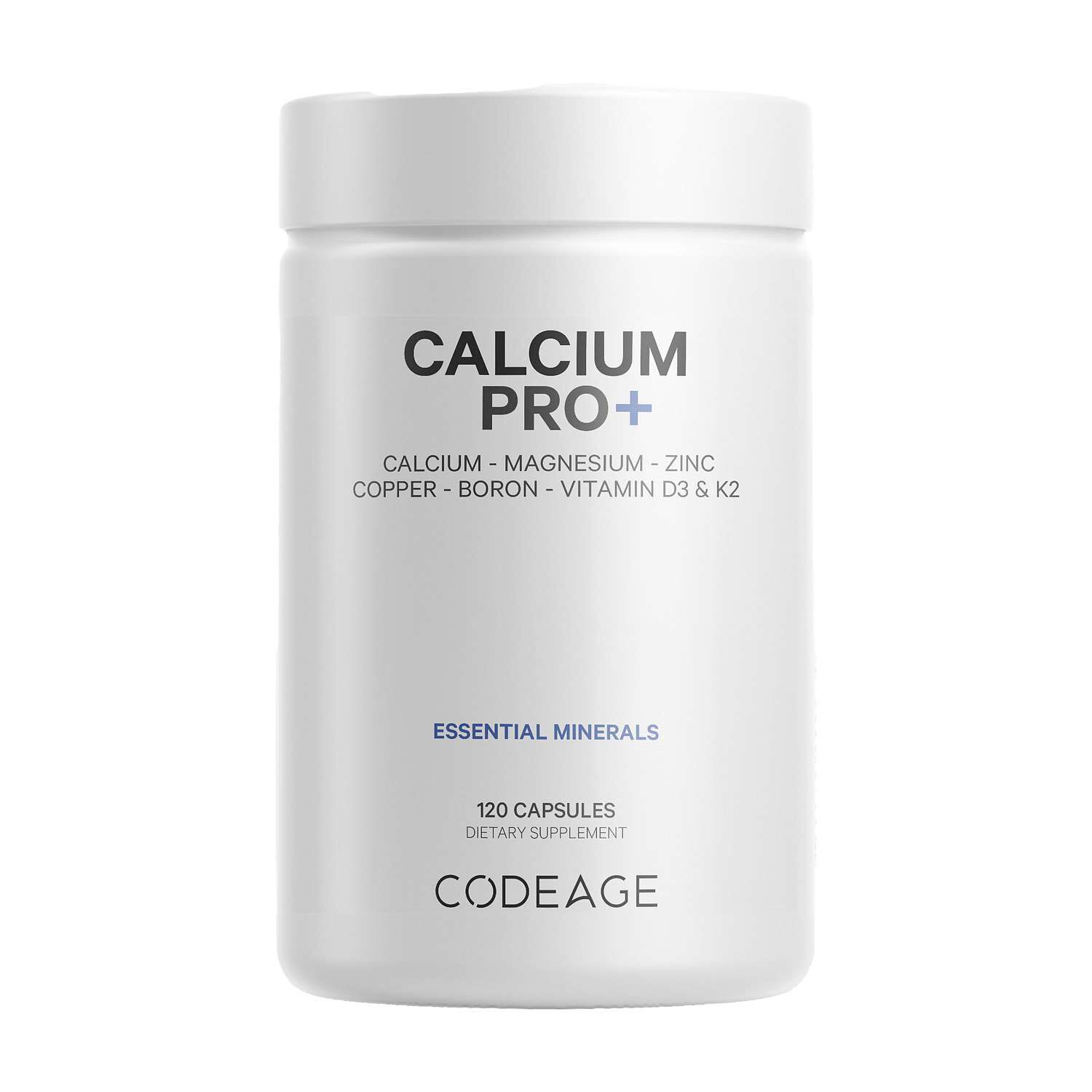
Calcium And Vitamin D Supplements For Women
(0 Results)
Calcium and vitamin D supplements for women are popular options for those looking to support their wellness routines. These supplements may play a role in helping maintain healthy bones and overall well-being, especially when paired with a balanced diet and regular exercise. Explore a variety of calcium and vitamin D supplements for women that could fit your lifestyle and nutritional preferences. Find convenient options designed to help you meet your daily goals and support your journey toward feeling your best every day.

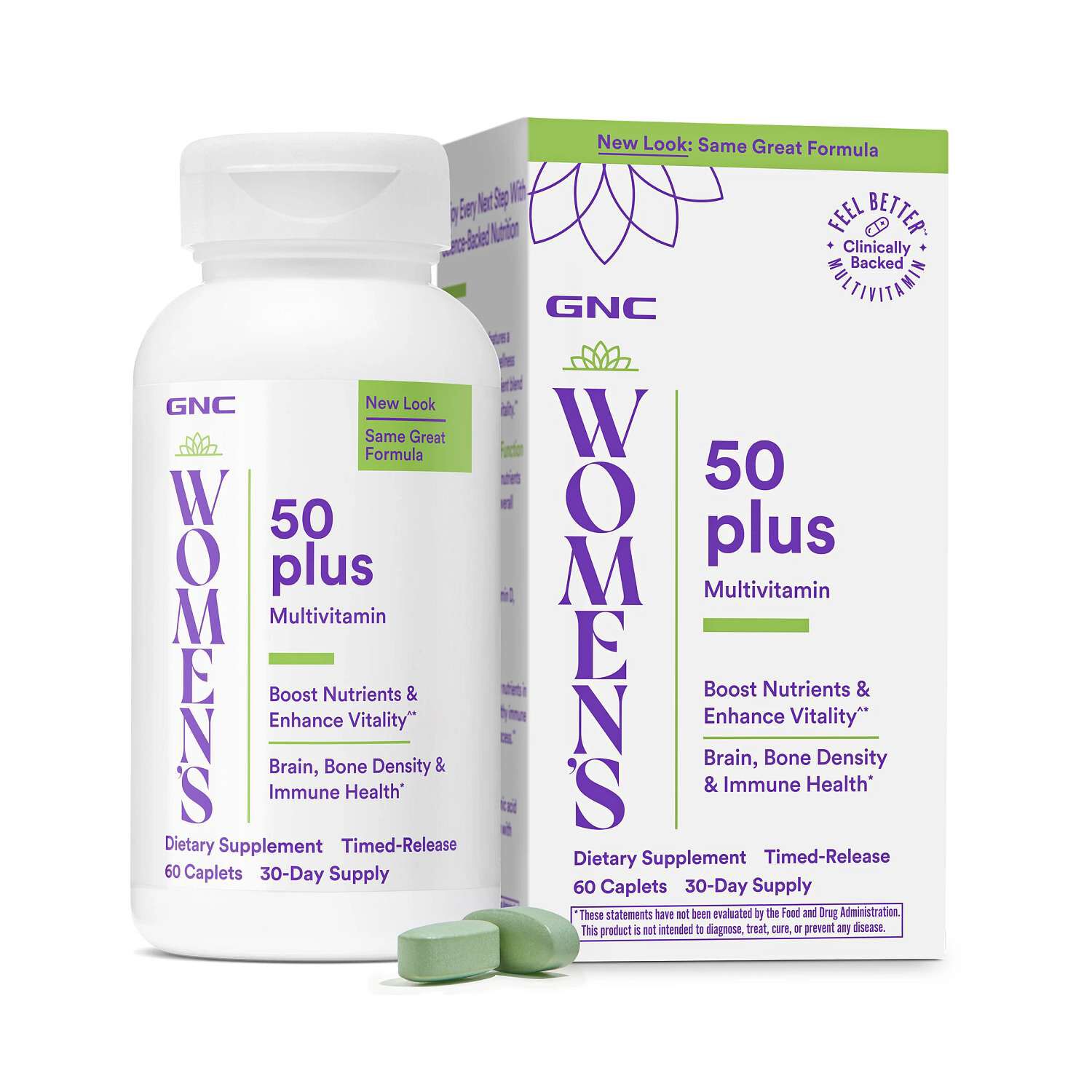











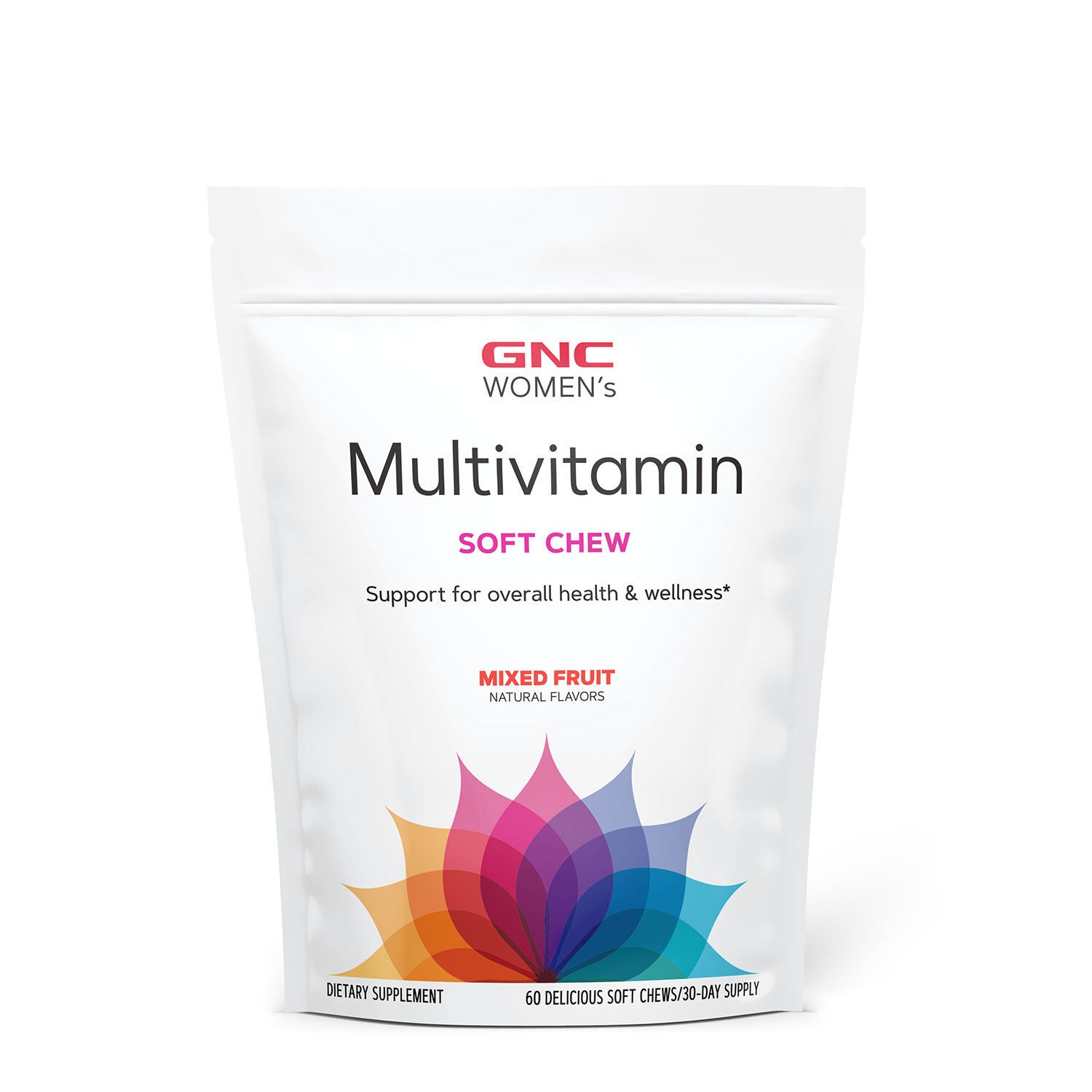




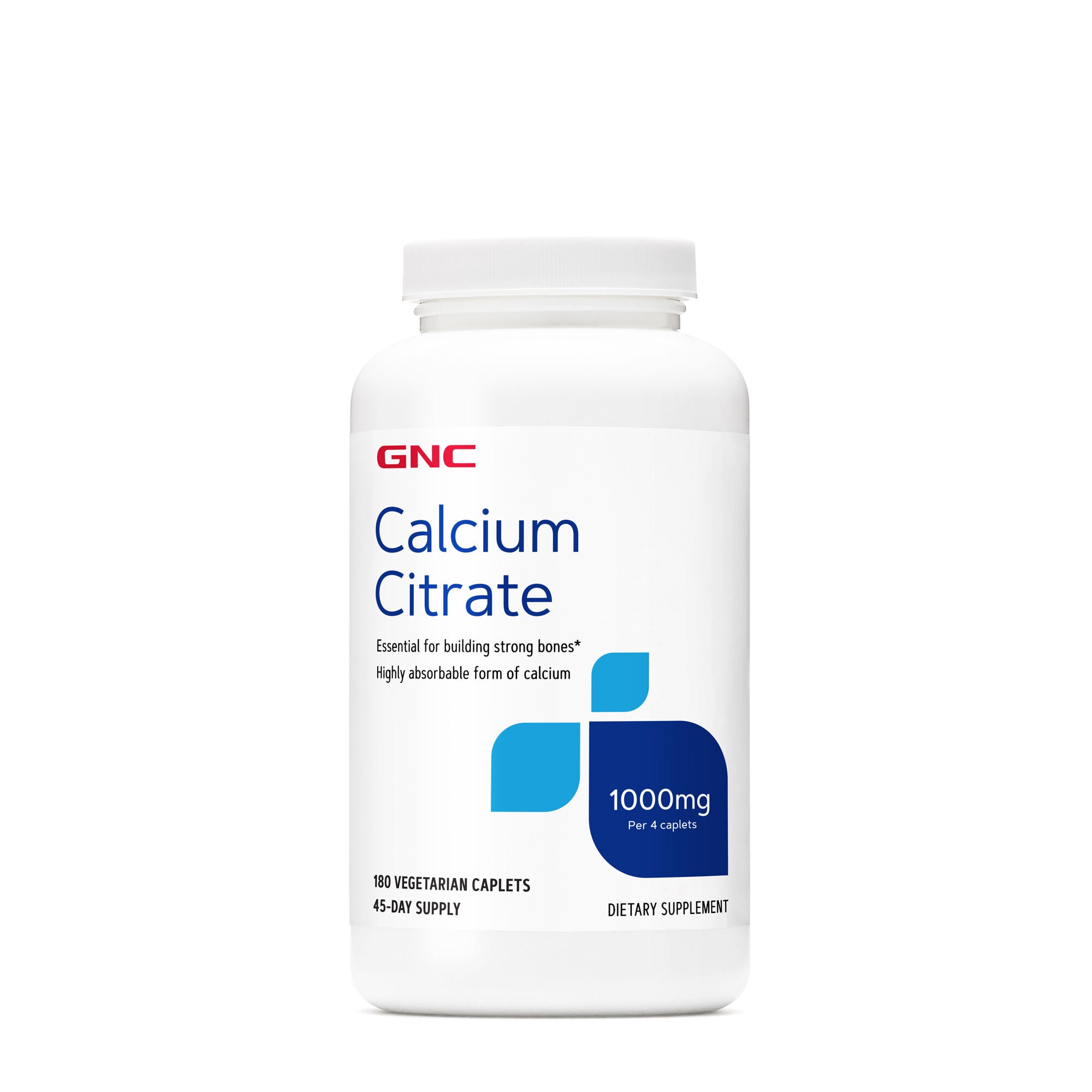

Calcium and vitamin D supplements for women may offer a convenient way to complement meals when everyday food choices do not provide enough of these nutrients. Calcium is found in milk, yogurt, cheese, fortified plant-based beverages, tofu made with calcium, canned fish with soft edible bones, and leafy greens such as kale and collards. Vitamin D is found in a smaller range of foods, including fatty fish, egg yolks, and fortified dairy or plant-based beverages. Intake can vary from one day to the next, especially during busy stretches when breakfast becomes a quick smoothie, lunch is eaten at a desk, or cooler weather makes outdoor routines less appealing. A simple approach may be to review the calcium and vitamin D already present in meals before choosing a supplement, then discuss the remaining amount with a healthcare professional. Commonly referenced daily intake ranges for women are 1,000 milligrams of calcium for adults ages 18 through 50 and 1,200 milligrams for women ages 51 and older, with food and supplements considered together. Vitamin D guidance often falls within 600 to 800 international units for younger adults and 800 to 1,000 international units for women ages 51 and older, although individual circumstances may call for a different amount. Women who are pregnant, breastfeeding, postmenopausal, managing a health condition, or taking prescription medicines may benefit from personalized guidance before adding a new supplement. These products can also make a thoughtful gift for a mother, sister, partner, or friend who is building a more consistent wellness routine, particularly when paired with practical encouragement to review nutrition and supplement choices with a qualified professional.
When comparing calcium supplements, the form listed on the label can be an important purchase consideration. Calcium carbonate typically provides a higher amount of elemental calcium per serving and may be a budget-conscious option; it is generally intended to be taken with food. Calcium citrate may be a suitable choice for people who prefer a supplement that can be taken with or without a meal, including some older adults or people who have been advised to choose a form that is easier to tolerate. Since labels may list both the calcium compound and the amount of elemental calcium, shoppers may want to compare the elemental calcium amount rather than judging products by the size of the tablet or the weight of the compound alone. Vitamin D3, also called cholecalciferol, is frequently paired with calcium and may help the body absorb calcium. Tablets, chewables, gummies, and other formats can offer different experiences, so flavor, texture, serving size, dietary preferences, and ease of storage may all matter. A large serving may not be the most convenient fit for someone who travels often, while a smaller format may suit a desk drawer, kitchen cabinet, or bedside routine. Calcium is often absorbed more efficiently in amounts of roughly 500 milligrams or less at one time, so a healthcare professional may suggest dividing a larger daily amount across meals rather than taking it all at once. Checking the Supplement Facts panel can also help shoppers compare serving sizes, vitamin D amounts, added minerals, sweeteners, allergens, and whether the formula fits personal dietary preferences.
A careful routine can make these products easier to use consistently during the cooler months, when schedules shift and time outdoors may change. Some people place a supplement beside a regular meal, while others use a weekly organizer or set a reminder connected to an established habit, such as morning tea or an evening snack. Calcium may interfere with the absorption of certain medicines, and other vitamins or minerals may also affect how a supplement fits into a daily schedule, so a pharmacist or healthcare professional can provide guidance on spacing and suitability. Taking more than needed is not automatically better; higher supplemental intake may contribute to digestive changes and may not be appropriate for everyone. Anyone with a history of kidney concerns, a restricted diet, difficulty swallowing tablets, or a medication routine should seek individual guidance before selecting a product. Shoppers looking for similar nutritional support for another adult in the household can also browse Calcium and Vitamin D Supplements for Men. With attention to dietary intake, elemental calcium, vitamin D form, serving size, format, and professional guidance, women may find a supplement option that fits naturally into the rhythm of everyday life.