





Calcium Magnesium Vitamin D3 For Women
(0 Results)
Calcium magnesium vitamin d3 for women is a popular combination for those seeking to support their overall wellness routines. These essential nutrients may play a role in helping women maintain a balanced lifestyle, especially when paired with a healthy diet and regular exercise. Explore a wide selection of calcium magnesium vitamin d3 for women, crafted to fit different preferences and daily needs. Discover convenient options that could make it easier to prioritize your wellbeing every day.
-
 $20.99
-
-

-

-
 $39.99
-

-

-

-
 Trace Minerals$29.99
-
 Nature's Fusions$29.99
-

-

-
 Nature's Fusions$29.99
-
 Portions Master$29.99
-

-

-
 $29.99
-


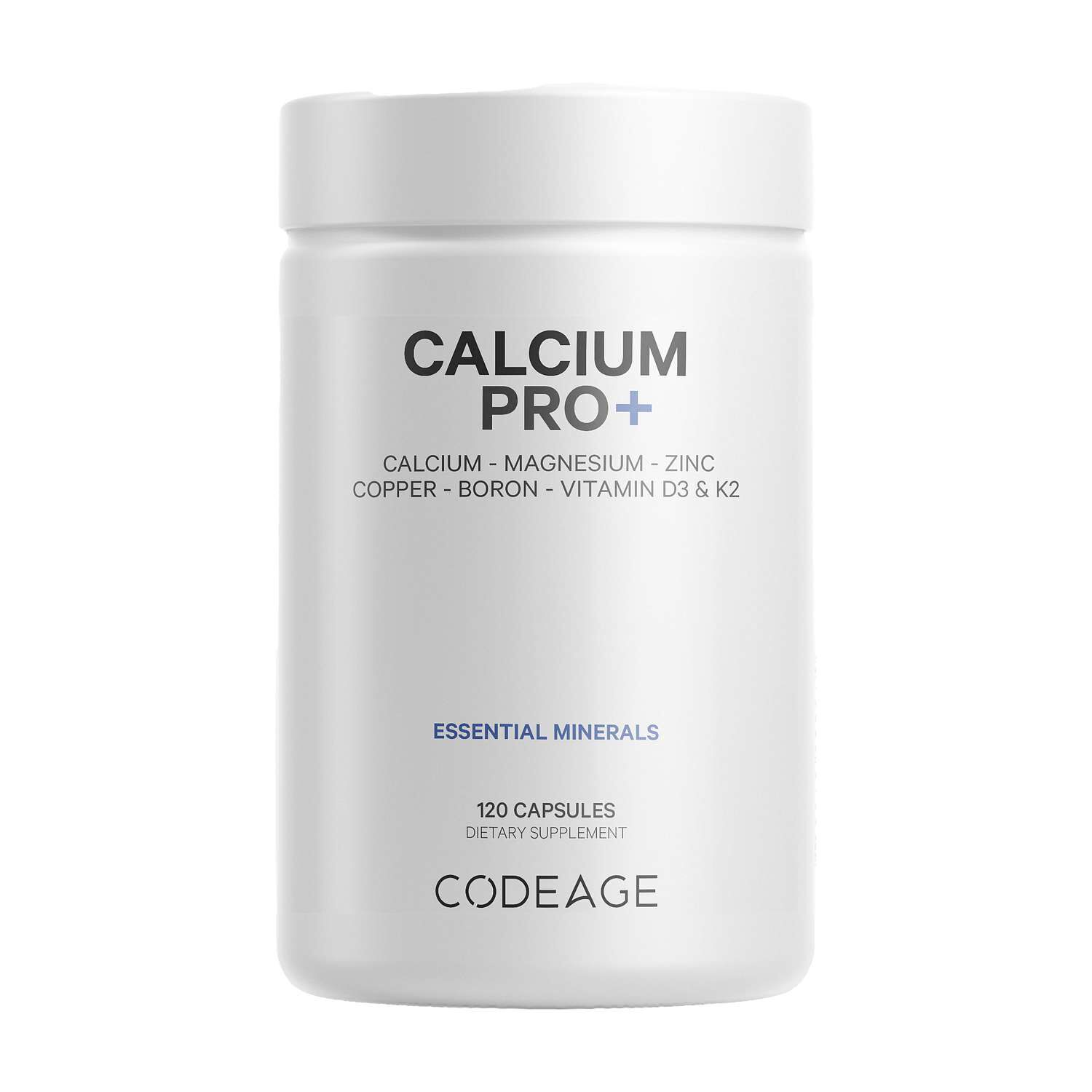
Calcium, magnesium, and vitamin D3 for women combine two minerals and a vitamin in supplements intended to complement everyday nutrition. These nutrients are often grouped together in formulas centered on bone health: calcium may support normal bone structure, vitamin D3 may help with calcium absorption, and magnesium may support normal muscle function. A combination formula may appeal to women who prefer a single supplement format rather than separate containers for each nutrient. The category includes different nutrient amounts, ingredient sources, textures, and serving sizes, so similarly named formulas are not necessarily interchangeable. Some place greater emphasis on calcium, while others feature a different proportion of magnesium or vitamin D3. That distinction matters when comparing labels alongside an existing wellness routine. Food remains an important part of the picture, with dairy foods, fortified beverages, leafy vegetables, nuts, and seeds contributing different nutrients to a varied eating pattern. Supplements may complement that pattern rather than replace meals or the variety they provide. For adult women with different food preferences and daily schedules, the appeal is often practical: a clearly labeled combination that fits into an established routine. Someone who enjoys yogurt at breakfast and someone who prefers fortified plant-based beverages may approach the same category with different preferences. The same is true for a woman who favors capsules and one who would rather have a chewable format. Products described as being for women also deserve a closer look at their actual composition, since that wording alone does not describe the mineral forms, serving amount, or additional ingredients. A useful comparison begins with what each formula contains and how it is presented, rather than assuming that every combination has the same nutritional profile. Clear ingredient descriptions and straightforward serving information provide context for the differences among calcium, magnesium, and D3 combinations.
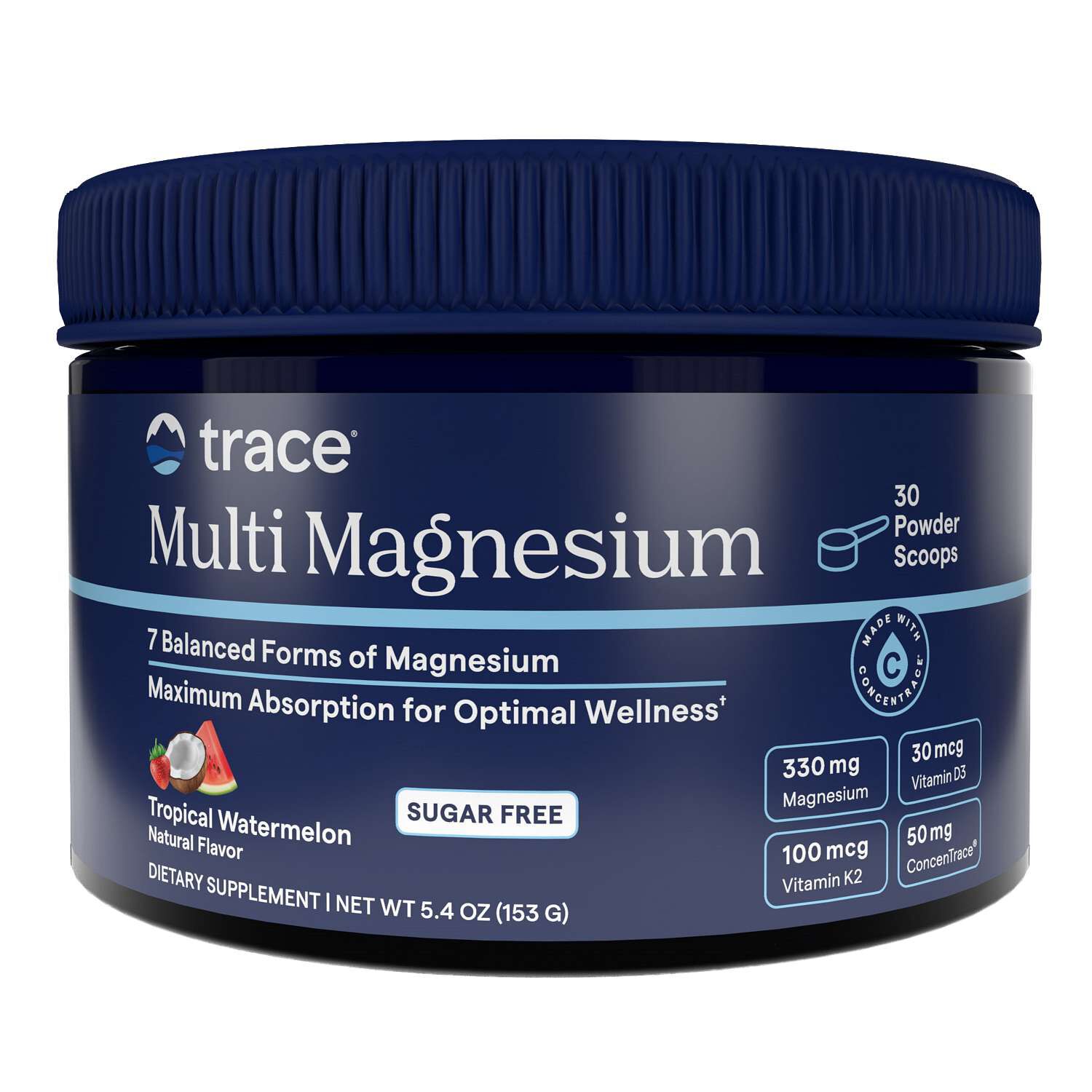
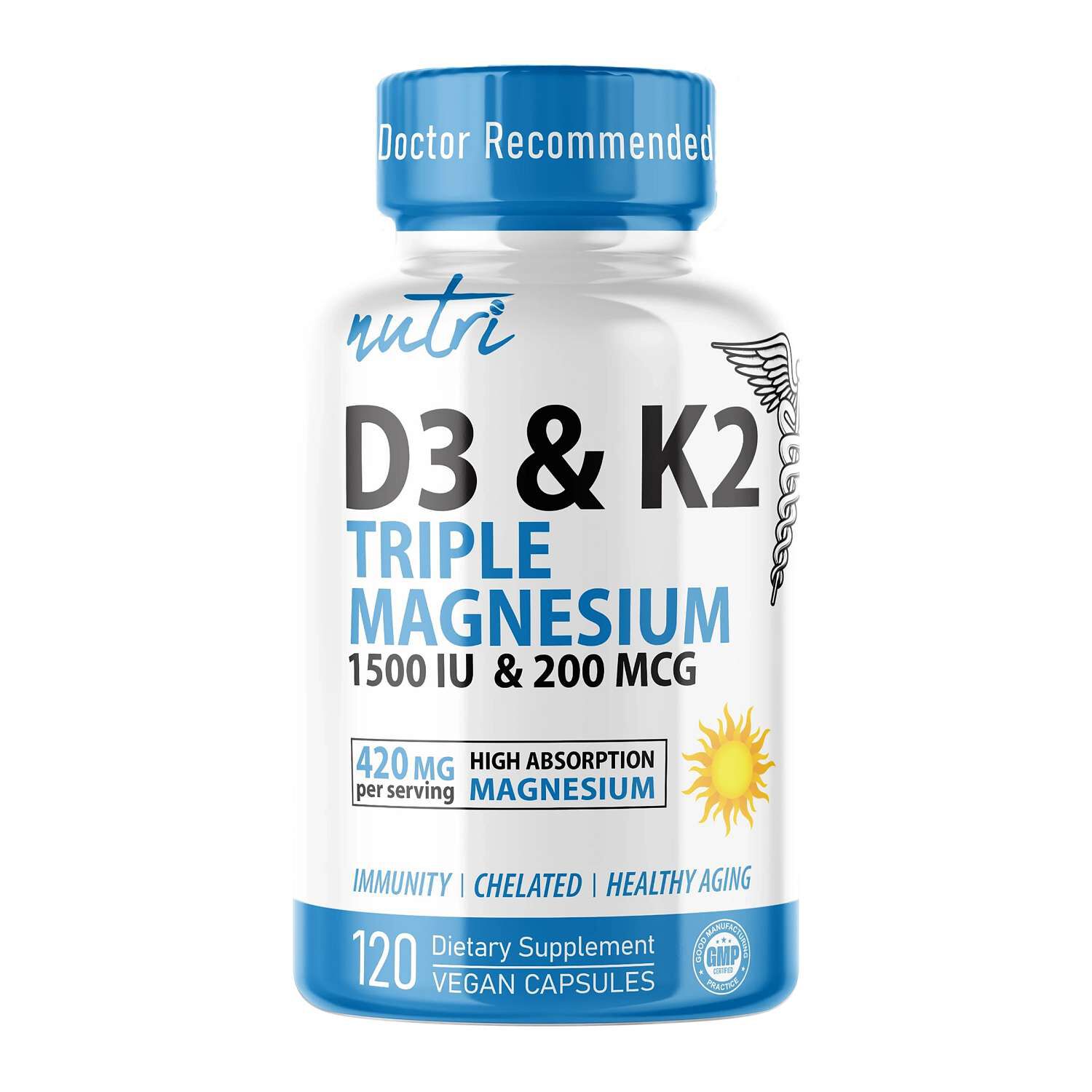
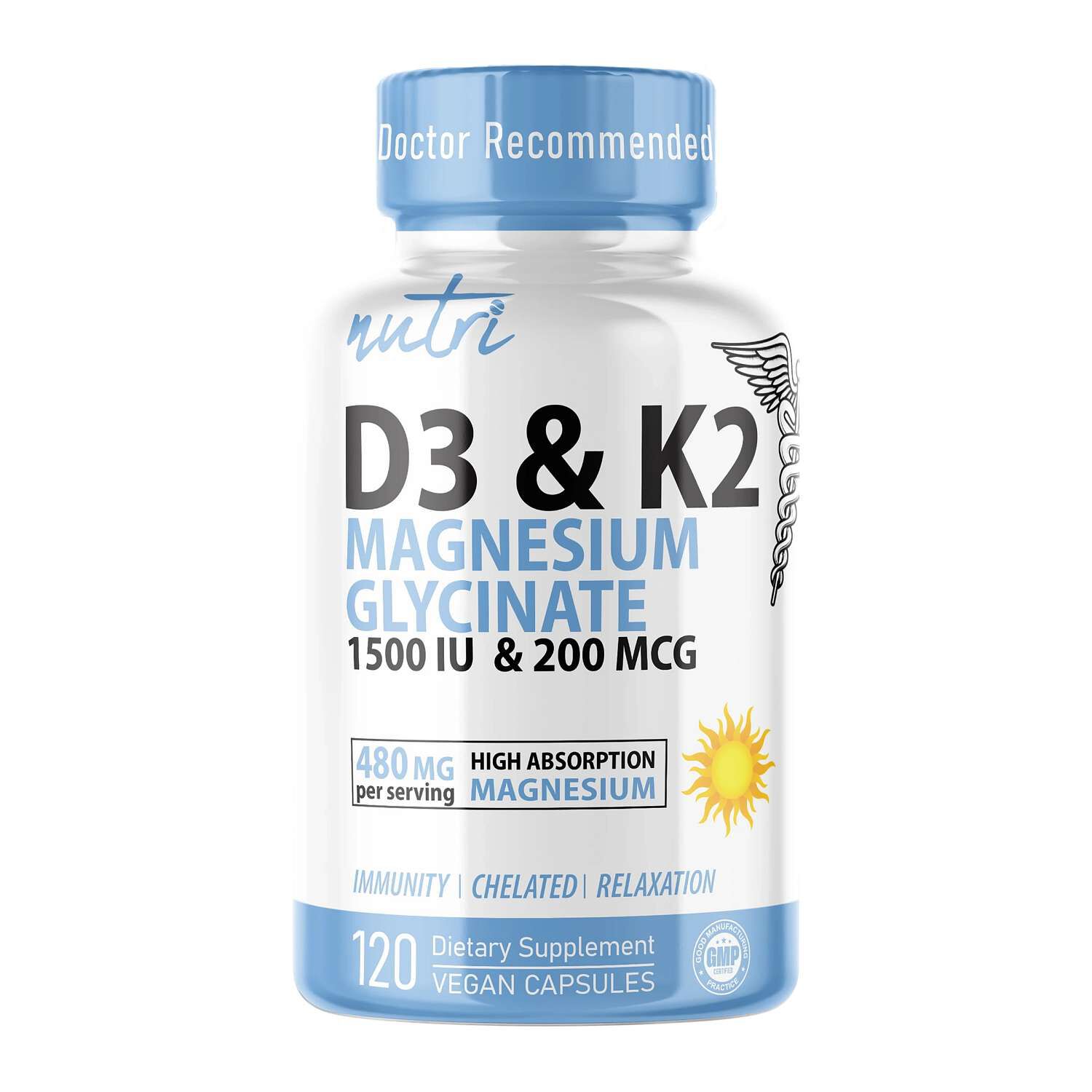
Format is one of the most noticeable distinctions within this category. Tablets and capsules offer familiar options, while softgels, chewables, gummies, powders, and liquids provide other textures and ways of incorporating a supplement into the day. A compact bottle of capsules has a different practical character from a container of flavored powder that requires measuring and mixing. Chewables and gummies may appeal to women who prefer a flavored format, although their ingredient lists may include sweeteners, colors, or other components that differ from those in an unflavored tablet. Tablet dimensions, capsule size, texture, and the number of pieces in a labeled serving all shape the everyday experience. One tablet and one serving are not always the same thing, and the amount shown on the Supplement Facts panel generally refers to the stated serving. Calcium and magnesium amounts are commonly expressed in milligrams, while vitamin D may be shown in micrograms and international units. Ingredient names add another layer of detail. Calcium carbonate and calcium citrate are familiar calcium forms; magnesium may appear as oxide, citrate, glycinate, or another named form. Vitamin D3 may also be identified as cholecalciferol. These names describe ingredients, but they do not, by themselves, establish which formula is appropriate for a particular person. The source of vitamin D3 and the material used for a capsule shell may also matter to shoppers with vegetarian or other ingredient preferences. Allergen statements, gelatin content, flavoring ingredients, and added sugars are further points of distinction where applicable. A simple-looking front label may sit above a much more detailed ingredient panel, especially when a formula contains additional vitamins or minerals. For shoppers who prefer a shorter ingredient list, that detail may be as meaningful as the format itself. For others, the deciding feature may be a familiar flavor, a smaller tablet, or a serving format that feels comfortable and manageable.
The broader selection of Calcium Magnesium Supplements For Women provides another point of comparison, particularly when distinguishing mineral combinations from formulas that also contain vitamin D3. The presence of D3, the amount of each nutrient per serving, and any additional ingredients are separate details worth considering together. A front label featuring all three nutrient names does not necessarily describe their proportions or explain how many tablets, capsules, or chewables make up a serving. For women who already include a multivitamin or another supplement in their routine, overlapping ingredients are another label detail that may influence their preferences. Beyond composition, packaging and intended use affect how a product fits into daily life. A bottle that stays in a dry kitchen cabinet presents a different storage situation from one carried in a gym bag or tucked into luggage. Container size, closure design, and legible serving information may all influence the practical experience. For powders and liquids, measuring tools and preparation directions add considerations that are less prominent with tablets or capsules. Storage directions, date markings, and keeping the original label with the contents are also relevant to product care; prolonged exposure to moisture or unsuitable storage conditions may affect texture or quality. Gummies, for example, have a different texture and packaging profile from dry tablets, while a liquid introduces concerns such as keeping its closure secure. Manufacturing information and clearly identified testing programs may provide additional context, without serving as a substitute for the ingredient and serving details. Ultimately, calcium, magnesium, and vitamin D3 supplements for women are distinguished by more than a shared trio of nutrients. Mineral forms, dietary preferences, serving size, flavor, packaging, and the presence of other ingredients create meaningful differences across the category. Those concrete details help describe how a formula may fit into a personal wellness routine while keeping the focus on everyday nutrition and individual preferences.
Best Sellers

Related Pages

Top Collections
- Zinc Supplements | Top Brands at Great Prices | GNC
- Cortisol Supplements
- Joint Mobility Supplement Packs
- NAD+ Supplement Tablets
- Best Brand of Magnesium Glycinate
- Top Rated Collagen | Shop Customer Favorites | GNC
- Iron Supplements
- Peptide Supplements
- Protein Powders For Muscle Growth Support
- Vitamins That Help Support Weight Gain