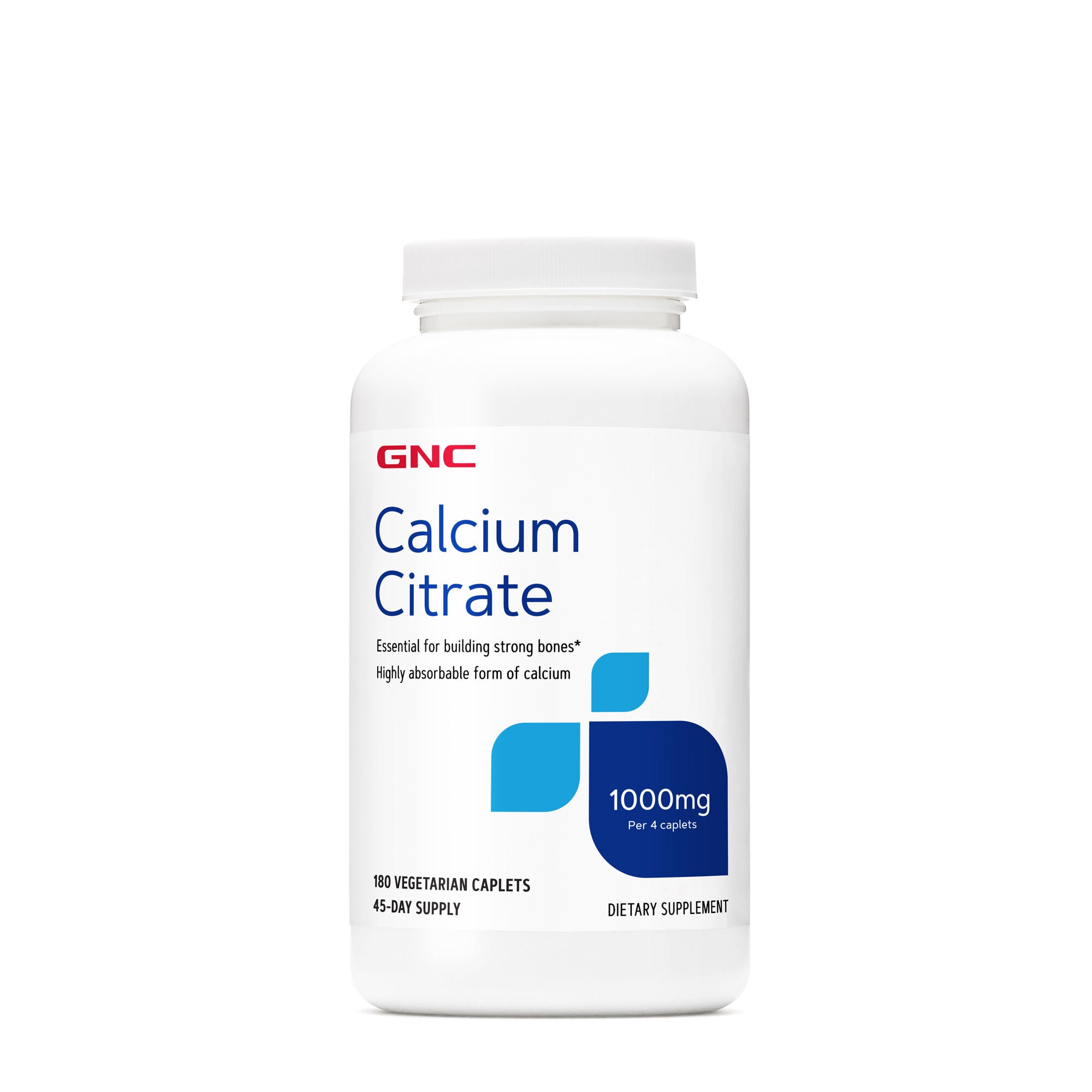
Calcium Magnesium Vitamin D3 For Postmenopausal Women
(0 Results)
Calcium magnesium vitamin d3 for postmenopausal women offers a convenient way to support your wellness routine during a new stage of life. These supplements may help you maintain your daily intake of key nutrients that are important as your body’s needs change over time. Explore a variety of calcium magnesium vitamin d3 for postmenopausal women, and discover options that could fit seamlessly into your supplement regimen.
-

-

-
-

-

-

-
 $39.99
 -
 $20.99
 -

-
-

-

-

-

-

-

-

-
 Portions Master$29.99


Calcium, magnesium, and vitamin D3 are often considered together when choosing a daily supplement routine for postmenopausal women. During the years after menopause, nutrition priorities may change, and many women look for convenient ways to add these nutrients alongside a varied eating pattern. Calcium may help maintain normal bones and teeth, while vitamin D3 may help the body absorb and use calcium. Magnesium may contribute to normal muscle function and may help the body use vitamin D. These nutrients work in different ways, so a combination can be a practical choice for someone who prefers a single formula rather than several separate bottles. A supplement does not replace meals, and food may remain a valuable source of calcium and magnesium. Yogurt, milk, cheese, calcium-fortified beverages, tofu prepared with calcium, leafy greens, almonds, beans, seeds, and certain fish can all contribute to a balanced routine. Vitamin D3 is found in fewer foods, although fortified beverages, eggs, and fatty fish may provide some. Time spent outdoors can also vary with weather, clothing, location, and personal habits, making it worthwhile to consider the full picture of diet and daily routine when comparing products. For shoppers exploring broader options, Calcium and Vitamin D Supplements for Women may offer another place to compare formulas designed with women’s nutritional preferences in mind.
When comparing calcium magnesium vitamin D3 supplements for postmenopausal women, begin with the Supplement Facts panel rather than relying only on the front label. Check the amount of each nutrient per serving, the number of tablets or capsules that make up a serving, and whether the product is intended for once-daily use or divided servings. Calcium may appear as calcium carbonate or calcium citrate, and the label may list the elemental calcium amount, which is the figure shoppers generally use when comparing products. Some people prefer calcium citrate because it may be easier to take without a meal, while calcium carbonate is commonly taken with food; product directions should guide use. Magnesium may appear in several forms, including citrate, glycinate, oxide, or other compounds, and the amount per serving can differ considerably. Vitamin D3, also called cholecalciferol, may be included in micrograms, international units, or both. A familiar format, manageable serving size, and clear instructions can make a product easier to use consistently, particularly when the morning routine is already crowded with coffee, commutes, school drop-offs, or work commitments. Shoppers may also wish to consider tablets, capsules, chewables, or powders based on personal preference, along with flavor, sweeteners, allergens, dietary certifications, and storage directions. It can be helpful to review the entire day’s intake across multivitamins, fortified foods, and separate mineral products so overlapping nutrients are easier to spot. People with a history of kidney concerns, digestive concerns, or nutrient-related conditions, as well as those taking prescription or over-the-counter medicines, should speak with a qualified healthcare professional before starting a new supplement. A pharmacist or other licensed professional may also explain whether calcium should be taken apart from certain medicines and whether a particular form fits an individual routine. Follow the product label and professional guidance instead of assuming that a larger serving is more suitable.
These products may suit postmenopausal women building a straightforward wellness routine, adults who do not regularly eat calcium-rich foods, or shoppers seeking a convenient combination of nutrients in one purchase. They may also be considered as a thoughtful gift for a mother, sister, partner, or friend who already enjoys organizing a daily vitamin routine, especially during the cooler months when schedules often shift indoors and meal patterns can become less varied. A supplement can sit neatly beside a breakfast bowl, a water glass, or a weekly organizer, turning an easy-to-forget task into a familiar part of the day. Even so, gifting supplements calls for consideration: the recipient’s dietary pattern, preferences, current products, and professional guidance matter more than packaging or serving size. Choose a product that matches the recipient’s comfort with tablets or chewables, and include the original label so directions and ingredient information remain available. For personal use, some shoppers find it helpful to connect the routine with an existing habit, such as brushing teeth after breakfast or preparing an evening cup of tea, while others prefer a divided schedule if the label recommends more than one serving. Keep supplements stored as directed and out of reach of children. Nutritional needs vary by age, diet, health history, and other products being used, so a conversation with a healthcare professional can help determine whether a calcium magnesium vitamin D3 formula fits an individual plan. With attention to the label, food intake, serving directions, and personal preferences, shoppers may find a practical option for a postmenopausal nutrition routine without making the process feel complicated.