Calorie Burning For Weight Loss
(0 Results)
Calorie burning for weight loss is a popular focus for those looking to support their wellness journey. Exploring options that may help the body use energy efficiently can be an important part of reaching your goals. Whether you’re interested in active lifestyle support or seeking products that align with your fitness routine, there are many choices available that could complement a balanced approach to calorie burning for weight loss. Discover a range of supplements and nutritional solutions designed to fit into a variety of healthy living plans.
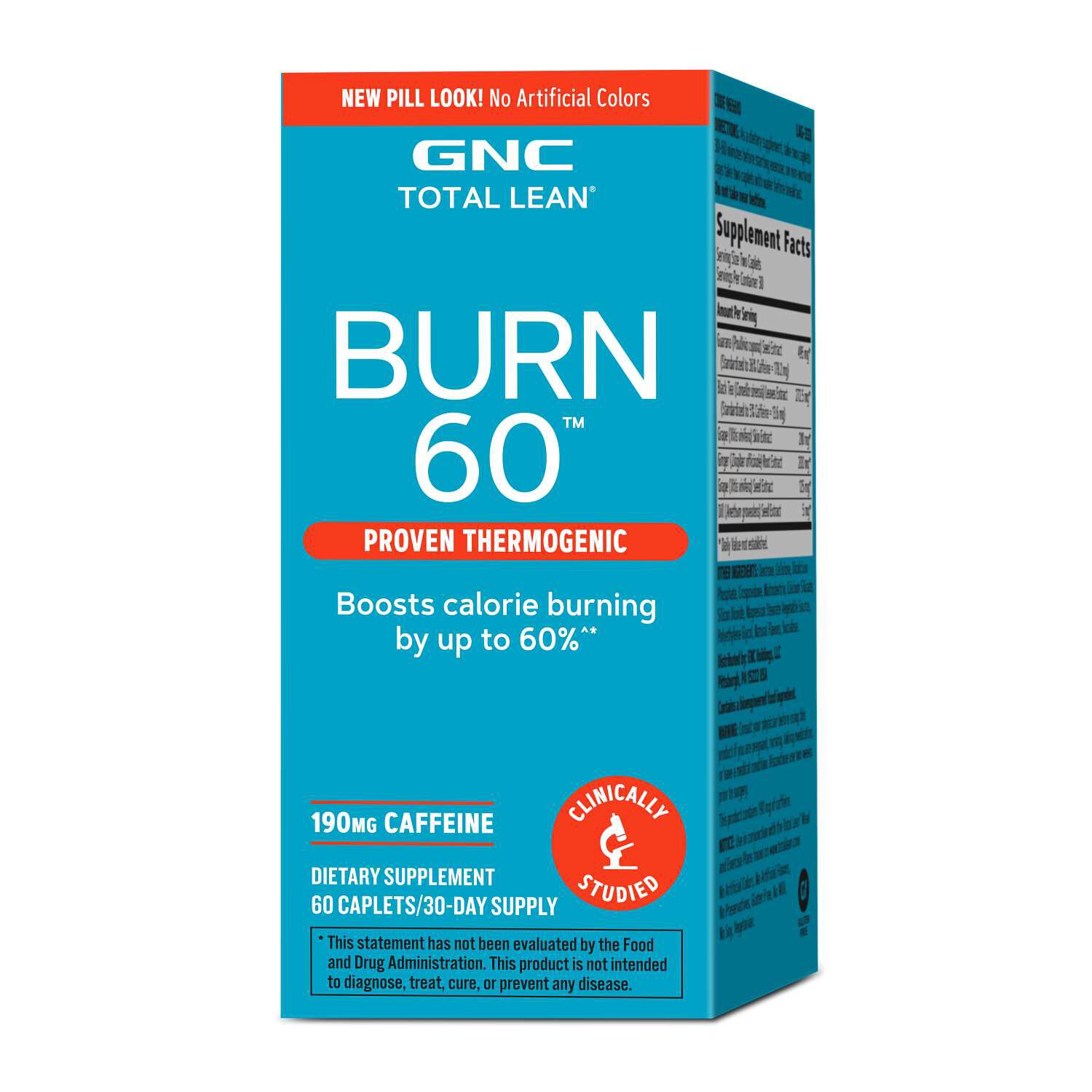

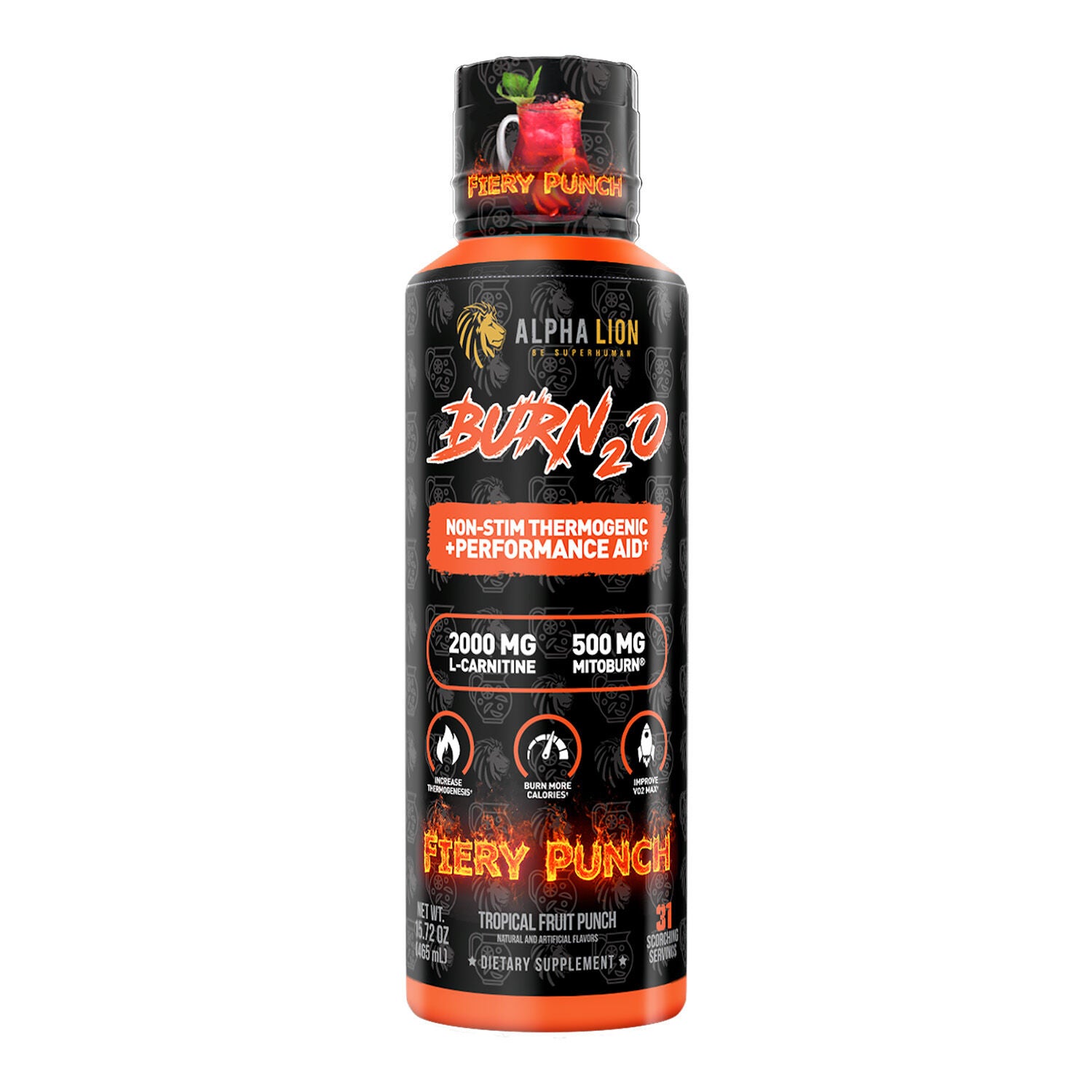
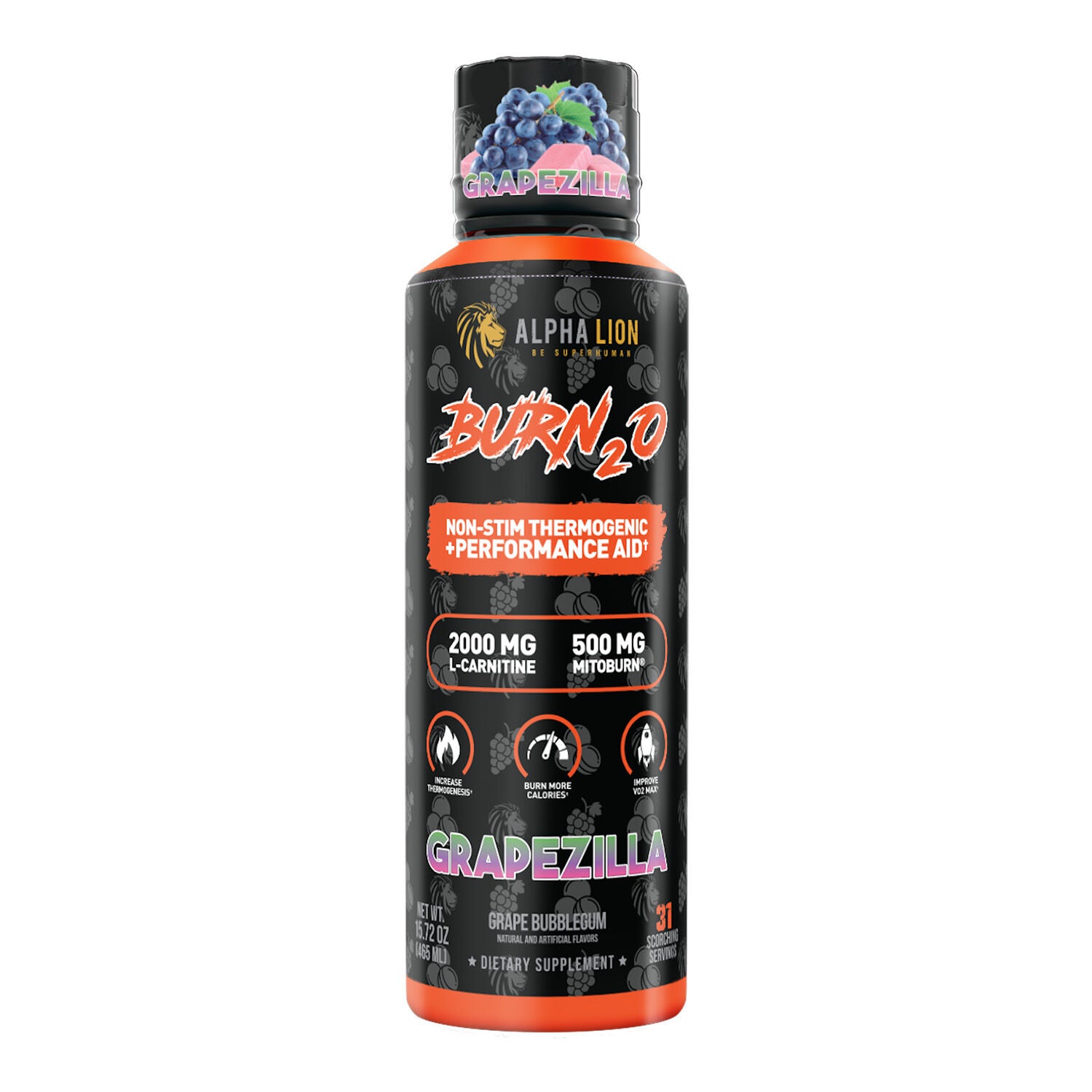

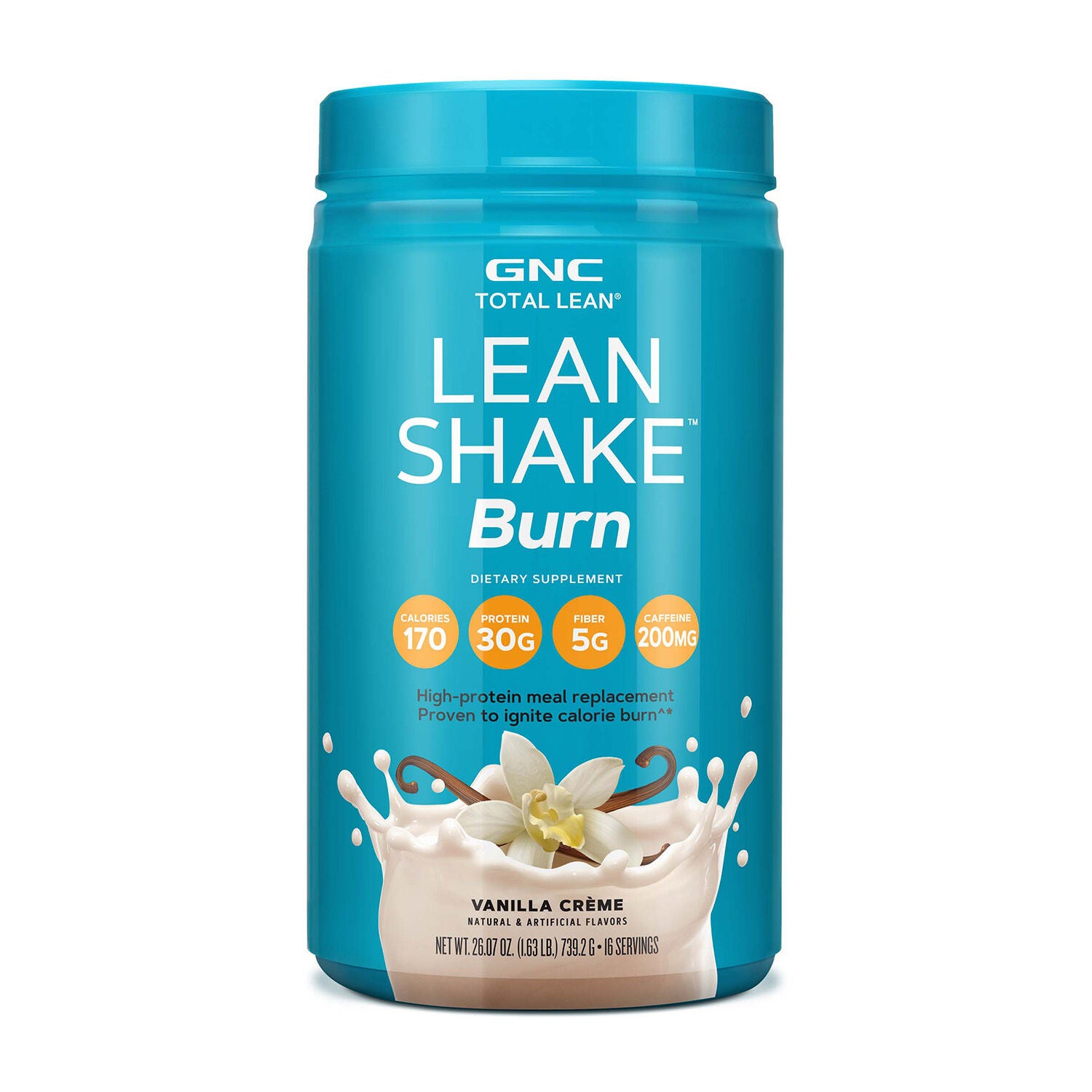
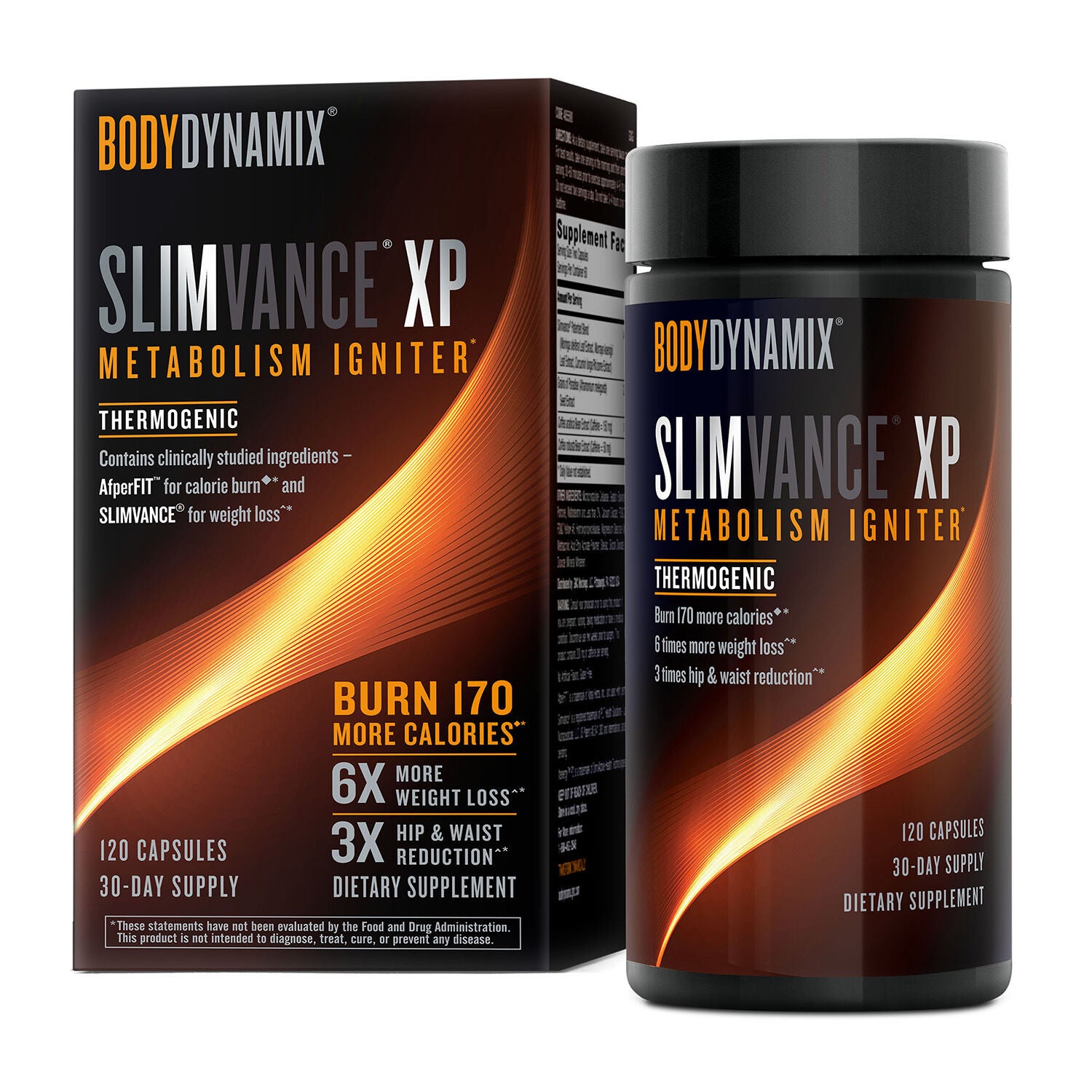

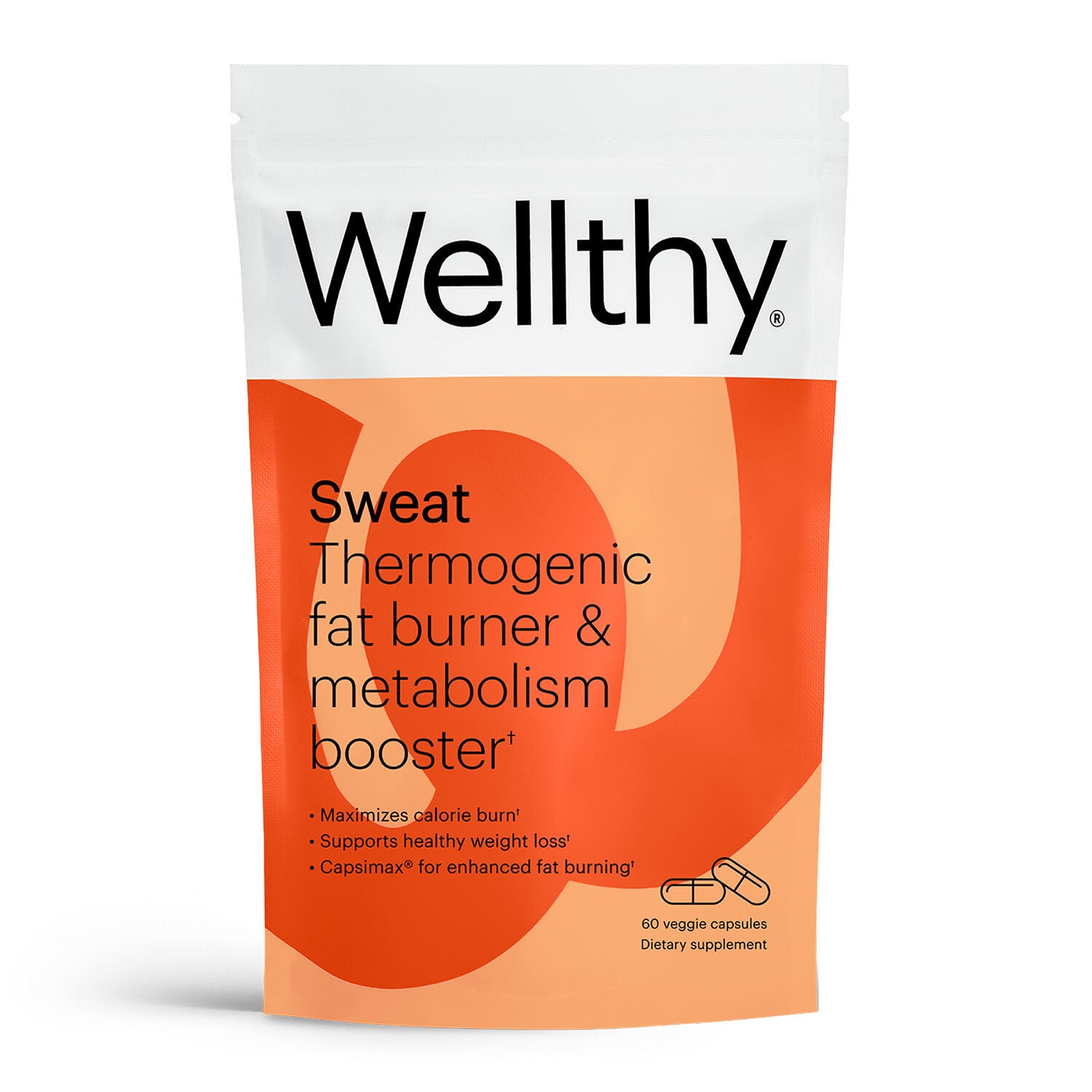
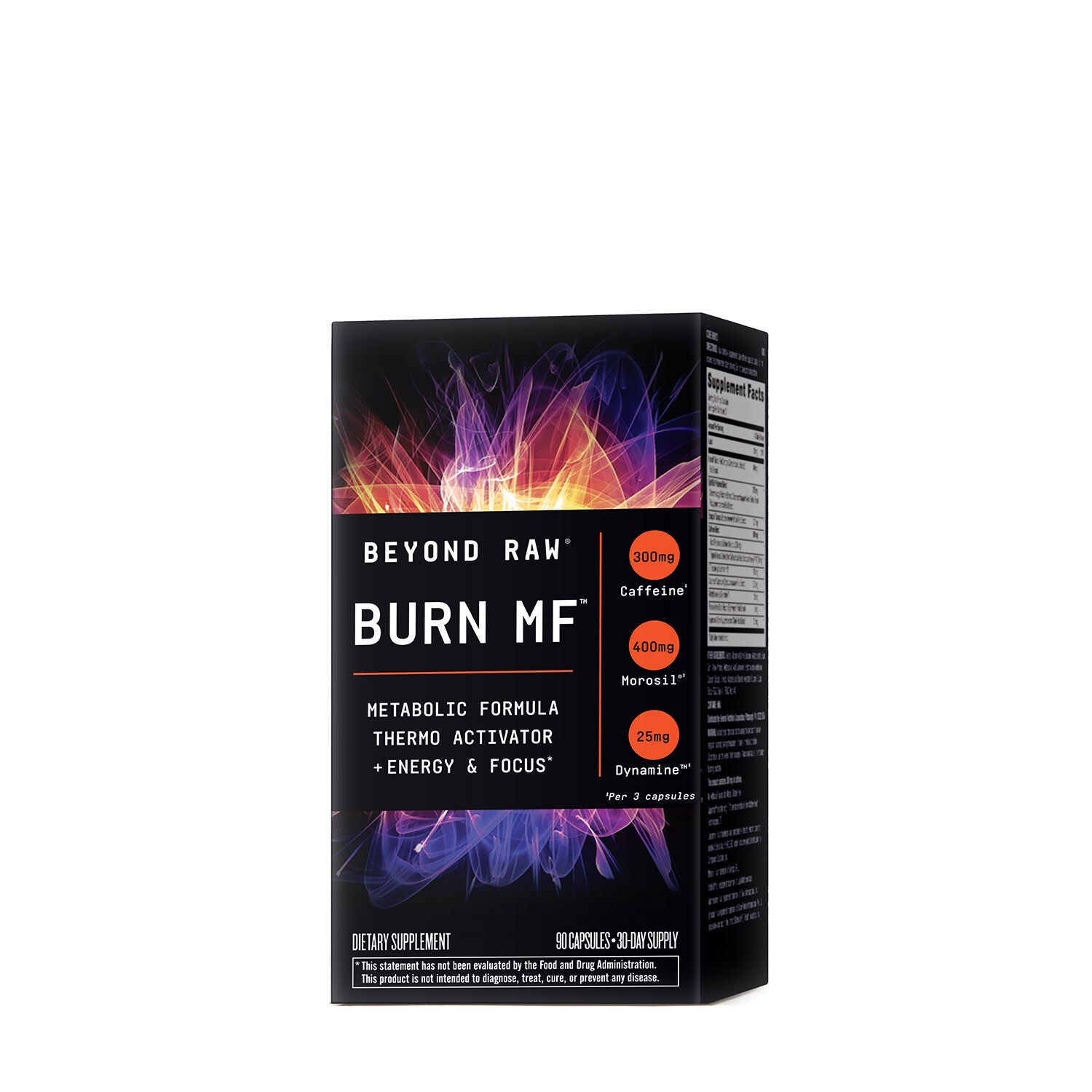


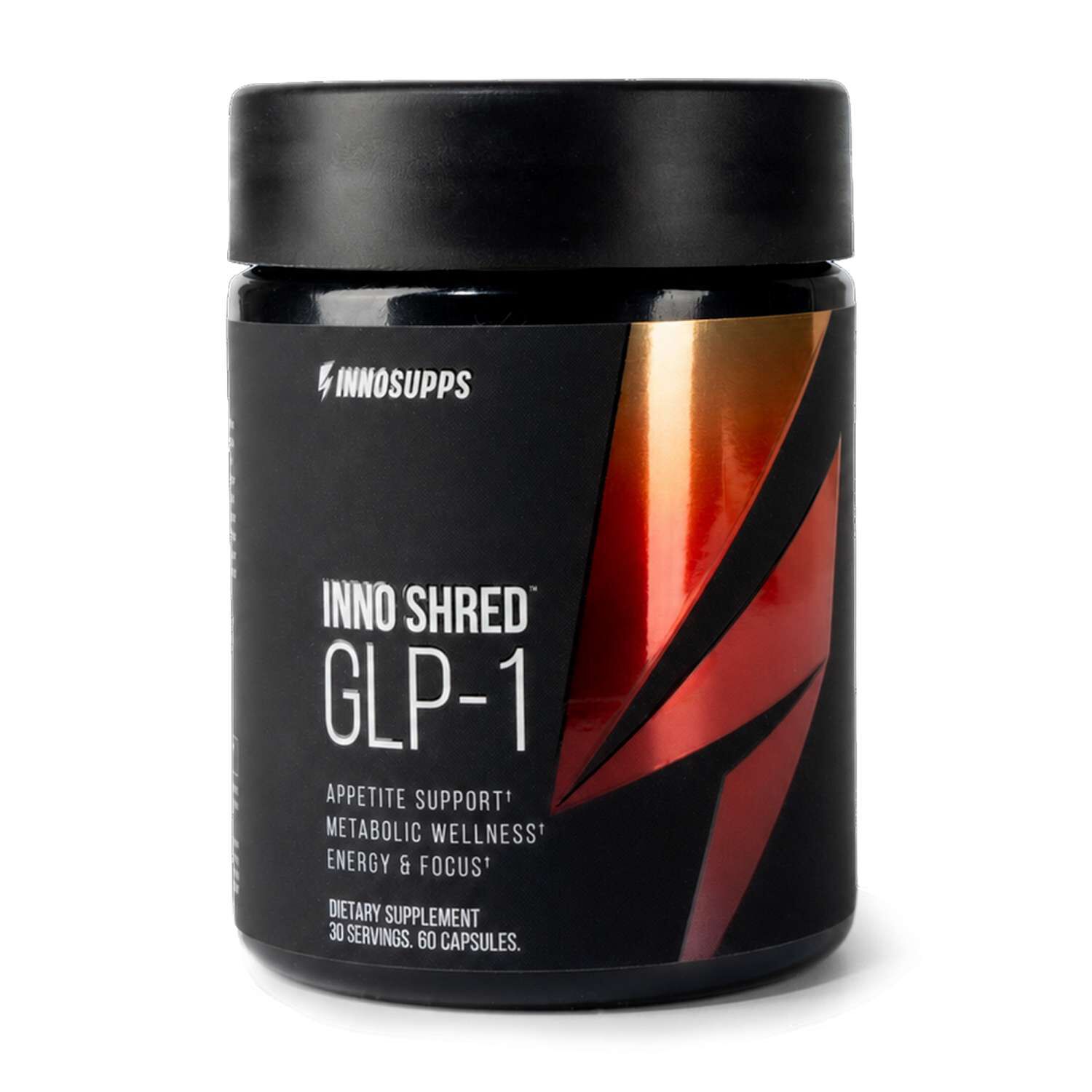
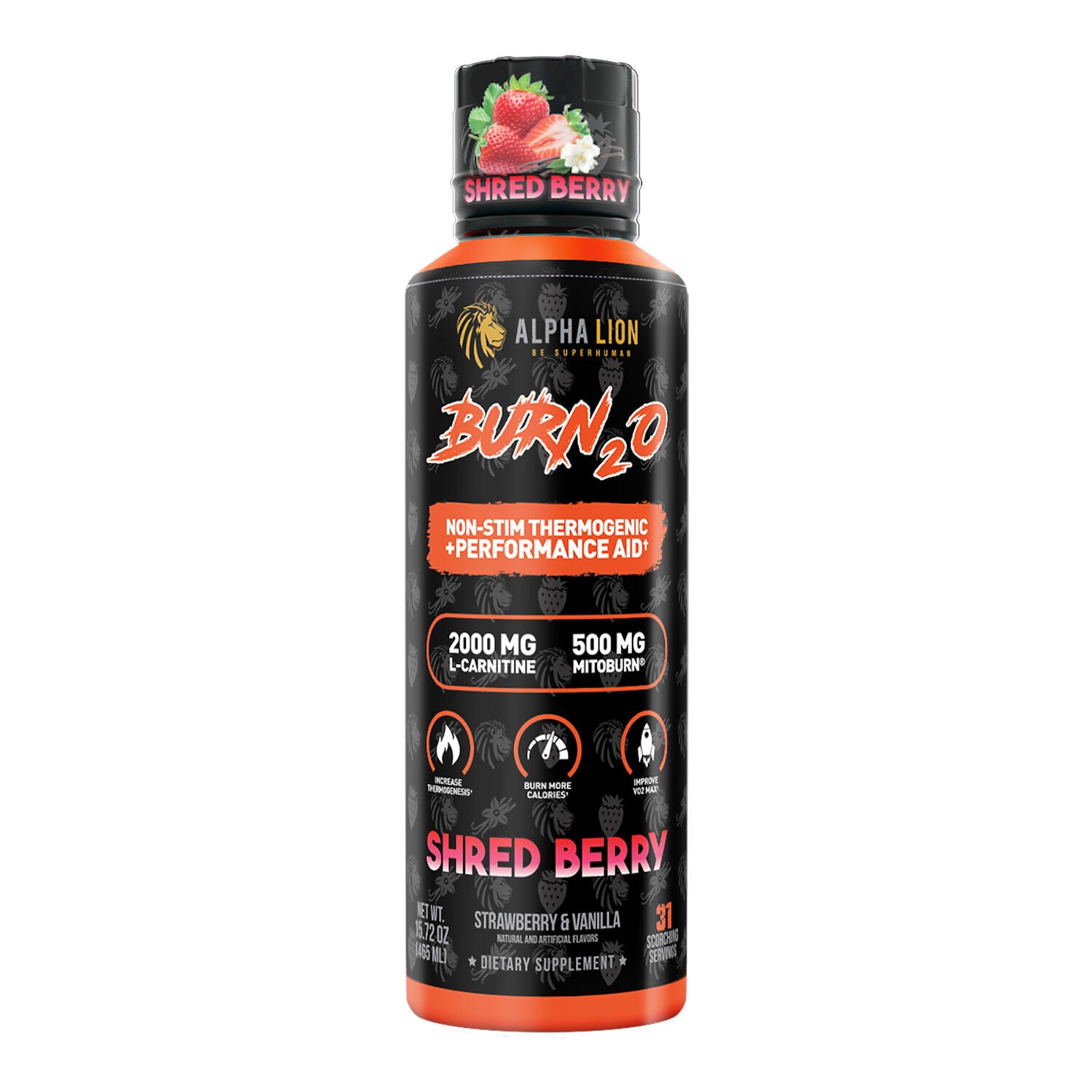
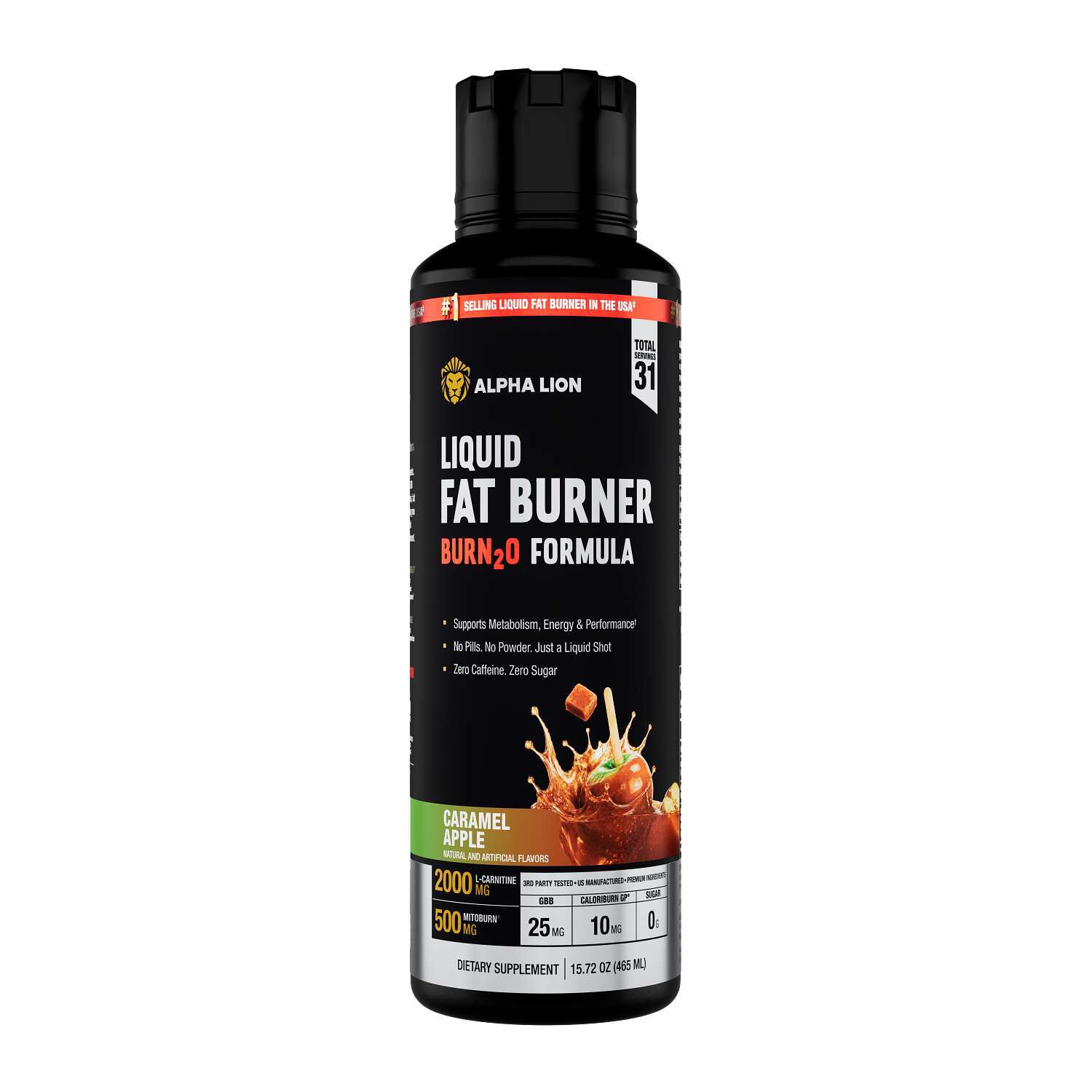
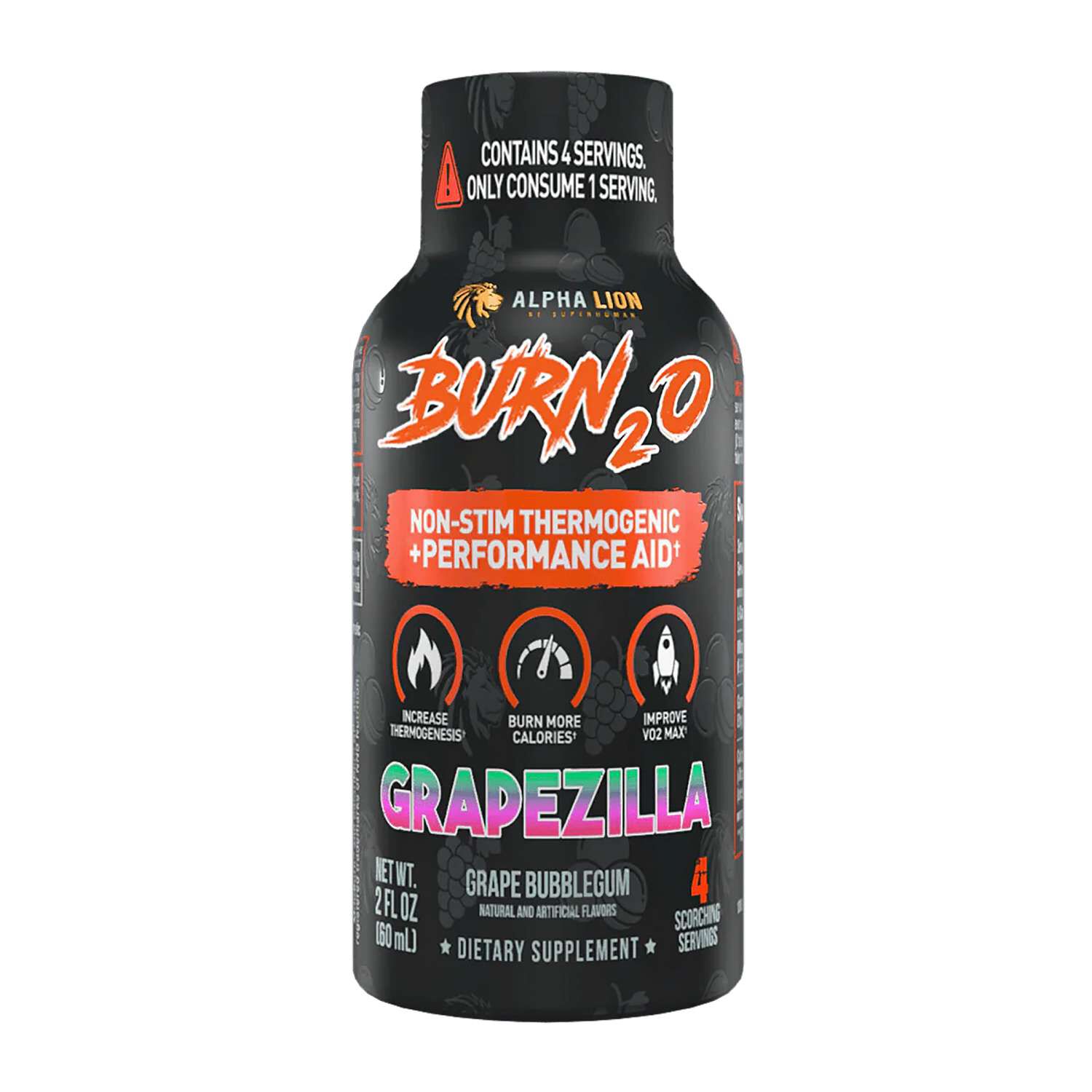

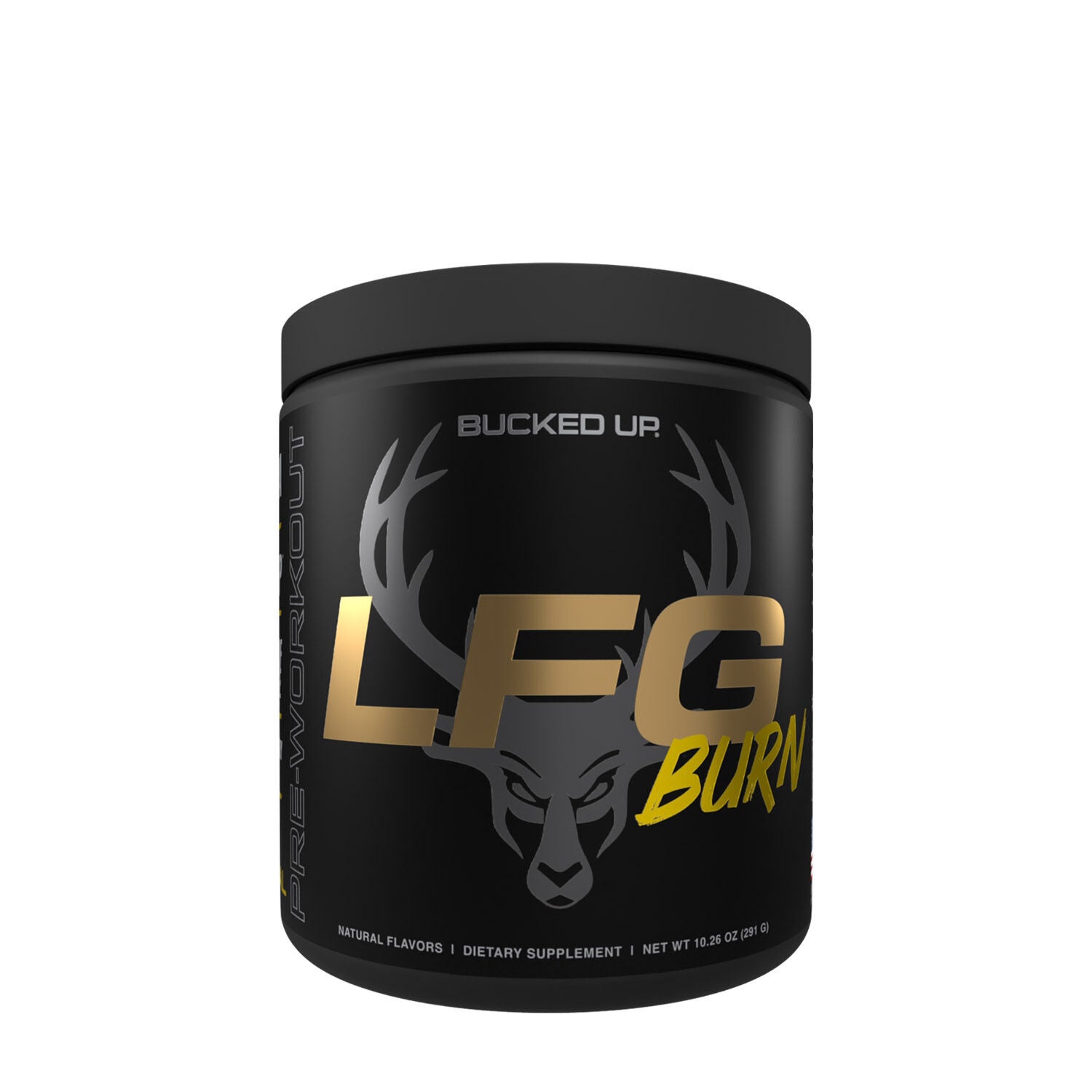

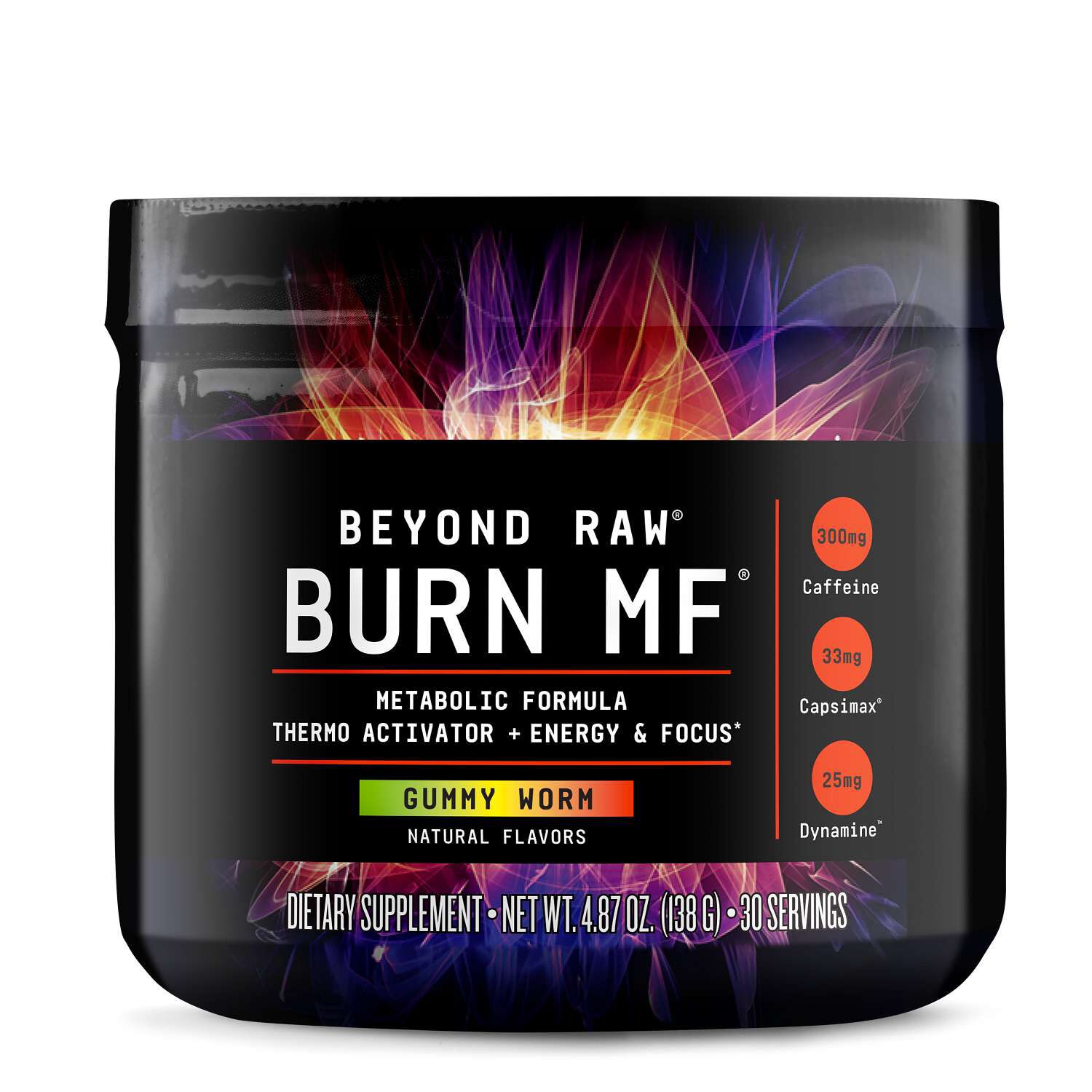
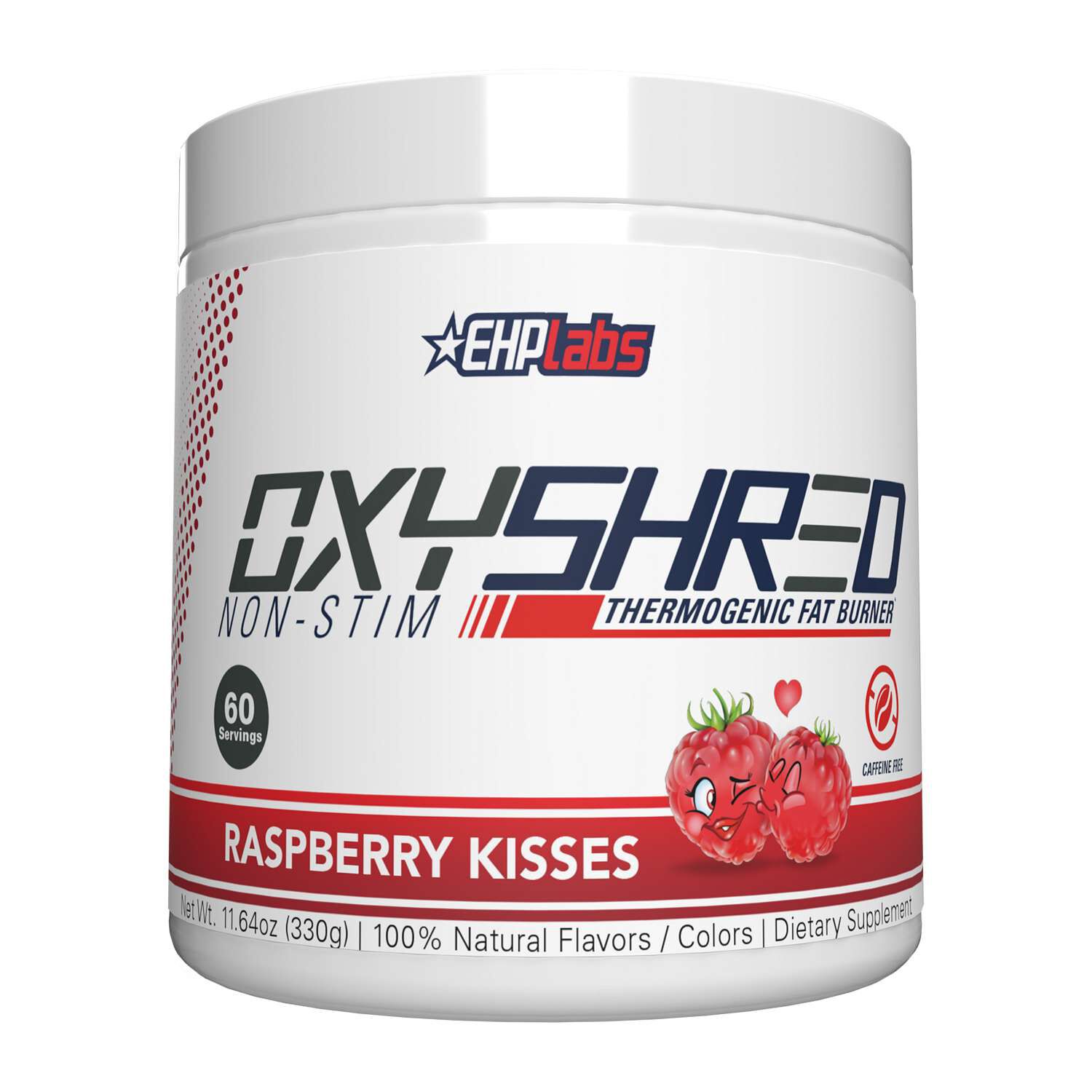
Calorie burning for weight loss involves the relationship between energy consumed through food and drinks and energy used throughout the day. A calorie deficit means energy intake is lower than energy expenditure; over time, that difference may contribute to weight loss. Calorie use includes more than exercise. The body uses energy at rest, during digestion, and through everyday movement, from walking across a parking lot to carrying groceries upstairs. Body size, age, activity habits, and other individual factors influence energy needs, so the same routine will not produce identical results for everyone. Products associated with this category are intended for adults exploring supplements as one part of a broader weight-management routine, rather than as a replacement for meals or movement. Capsules, tablets, powders, and drink mixes offer different ways to incorporate a supplement into an established schedule. A capsule format may appeal to someone who prefers a brief addition to a morning routine, while a powder may suit someone who already uses a shaker bottle. These practical differences matter because a product’s format, ingredients, and serving directions are more useful points of comparison than dramatic descriptions of calorie burning. The phrase itself can suggest an immediate, noticeable event, but everyday energy expenditure is an ongoing process, much of which happens without a workout. Sweating heavily or feeling energized is not a direct measurement of fat loss. Likewise, a fixed calorie-to-pound calculation does not account for every change that can occur during weight management. Progress may vary over time, and a single day offers limited context. For shoppers browsing this category, the most relevant background is straightforward: supplements may complement a routine, but their presence does not establish a calorie deficit. Food portions, beverages, daily activity, and consistency remain part of the larger picture. That distinction helps keep the focus on intended use and realistic expectations rather than treating a capsule or drink as a shortcut.
Ingredient details help distinguish products that otherwise appear similar on the shelf. Some formulas contain caffeine, including caffeine supplied by botanical ingredients such as tea or coffee extracts. Others are formulated without added caffeine. The amount per serving matters, particularly when a daily routine already includes coffee, espresso, tea, or other caffeinated beverages. Two formulas with similar descriptions can differ in ingredient quantities, serving sizes, and directions, making the Supplement Facts panel a more informative reference than the front label alone. Botanical names, extract amounts, and any stated standardization provide additional context about what a serving contains. A named blend may group several ingredients together, whereas another label may list each ingredient separately with its amount. Neither presentation should be mistaken for evidence of a particular weight-loss outcome. Vitamins and minerals may also appear alongside botanical ingredients, but a longer ingredient list does not establish that a formula is a better match. Format introduces another set of considerations. Capsules differ in size, and their shells may use gelatin or plant-derived materials. Tablets can have coatings and a different texture from capsules. Powders and drink mixes vary in sweetness, flavor intensity, serving volume, and how readily they mix with liquid. A flavored drink may be appealing at home yet less convenient during a commute, while a capsule may be simpler to pack but less suitable for someone who dislikes that format. Some mixes also contain calories, carbohydrates, or added sugars, which belong in the same daily food-and-beverage picture as anything else consumed. Allergen statements and other ingredients can be relevant to personal preferences and dietary requirements. The serving size deserves particular attention: one serving is not necessarily one capsule or one scoop. Container size, scoop size, and suggested frequency are separate details, and packaging appearance alone does not explain them. These distinctions make label information valuable for understanding what a product is, how it is intended to be used, and whether its format makes sense within an existing routine.
Everyday suitability also extends to packaging, storage, and the setting in which a supplement would be used. A tightly closing container, a readable label, and a format that travels neatly can matter as much as flavor preference. Someone moving between an office and an evening workout may value a compact container, while someone mixing a drink at home may care more about measuring convenience and cleanup. Powders require attention to the package’s moisture and storage directions, and capsules and tablets have their own labeled storage conditions. Original packaging keeps ingredient information, serving directions, lot details, and date markings together. A container’s size or sturdy appearance is not a measure of the formula’s suitability, just as a bold label is not evidence of results. Where independent testing marks appear, the stated scope of testing provides more useful context than the mark alone; testing for ingredient identity or certain contaminants is different from demonstrating weight-loss outcomes. For adults comparing related categories, metabolism support for weight loss offers another way to explore products with overlapping purposes, while individual labels remain the reference for ingredients and intended use. The best practical match may differ between a recreational walker, someone who regularly trains with weights, and someone whose workday includes frequent movement. Their schedules, food preferences, and tolerance for different formats need not look alike. Weight-management supplements are also personal purchases, since ingredient preferences and established routines are difficult to judge for another person. A thoughtful comparison therefore stays grounded in the details: the amount in a serving, the presence of caffeine, the delivery format, and the directions on the package. Within that context, calorie-burning supplements may have a place in an adult’s routine without becoming its defining feature. A realistic view leaves room for ordinary meals, enjoyable movement, and habits that remain workable beyond any single container.
- Q: What are calorie burning supplements?
A: Calorie burning supplements are products that may be formulated with ingredients intended to support your body's natural metabolism and energy expenditure during physical activity. - Q: How might calorie burning supplements fit into a fitness routine?
A: Some people choose to include calorie burning supplements as part of their overall wellness plan, which could also involve regular exercise and balanced nutrition. - Q: When is the best time to take calorie burning supplements?
A: The timing for taking calorie burning supplements can vary depending on the product and personal preferences. Some individuals may choose to take them before workouts or with meals, but it's always helpful to follow the directions on the product label. - Q: Are there specific ingredients commonly found in calorie burning supplements?
A: Many calorie burning supplements may contain ingredients such as caffeine, green tea extract, or L-carnitine, which are often included to support energy and metabolism. - Q: Can lifestyle choices impact how calorie burning supplements work?
A: Lifestyle factors like regular physical activity, balanced eating habits, and adequate sleep may play a role in supporting your body's natural ability to burn calories alongside any supplement regimen.