

Carb Needs For Active Lifestyles
(0 Results)
Maintaining an active lifestyle requires a well-balanced diet that fuels the body with the necessary nutrients. Carb needs for active lifestyles play a crucial role in providing the energy required for optimal performance and recovery. Carbohydrates may help sustain endurance, support muscle function, and promote overall vitality. Explore various options tailored to meet the unique demands of your fitness routine, ensuring you stay energized and ready to tackle any challenge.
-
-

-

-

-

-

-

-

-
-

-
.jpg?sw=305&sh=305&sm=fit "Demo Day Carbohydrate Power - Big Cherries (30 Servings) | GNC")
-

-

-

-
 $34.99
 -
 Raw Nutrition$34.99
 -
-
-
-

-

-

-

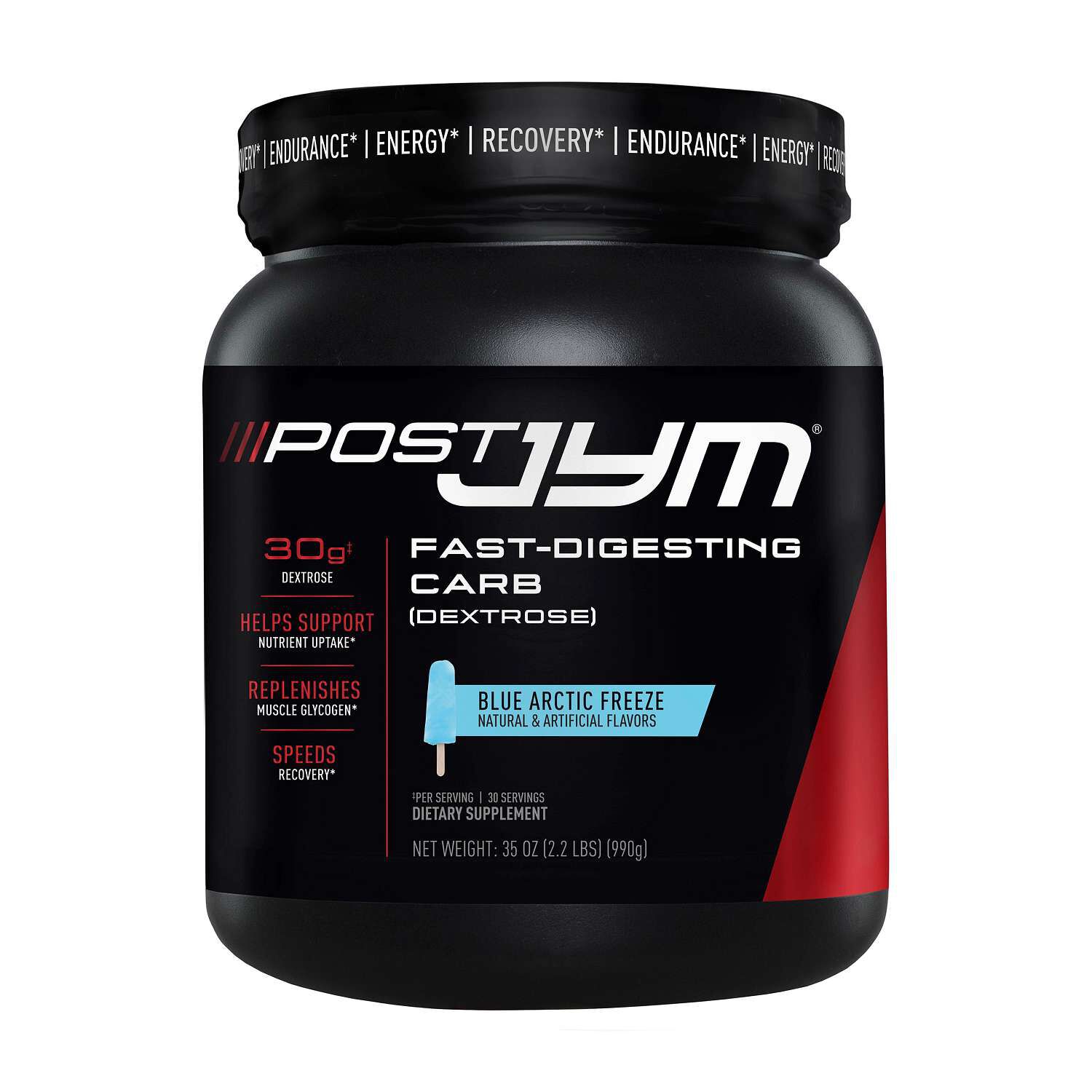
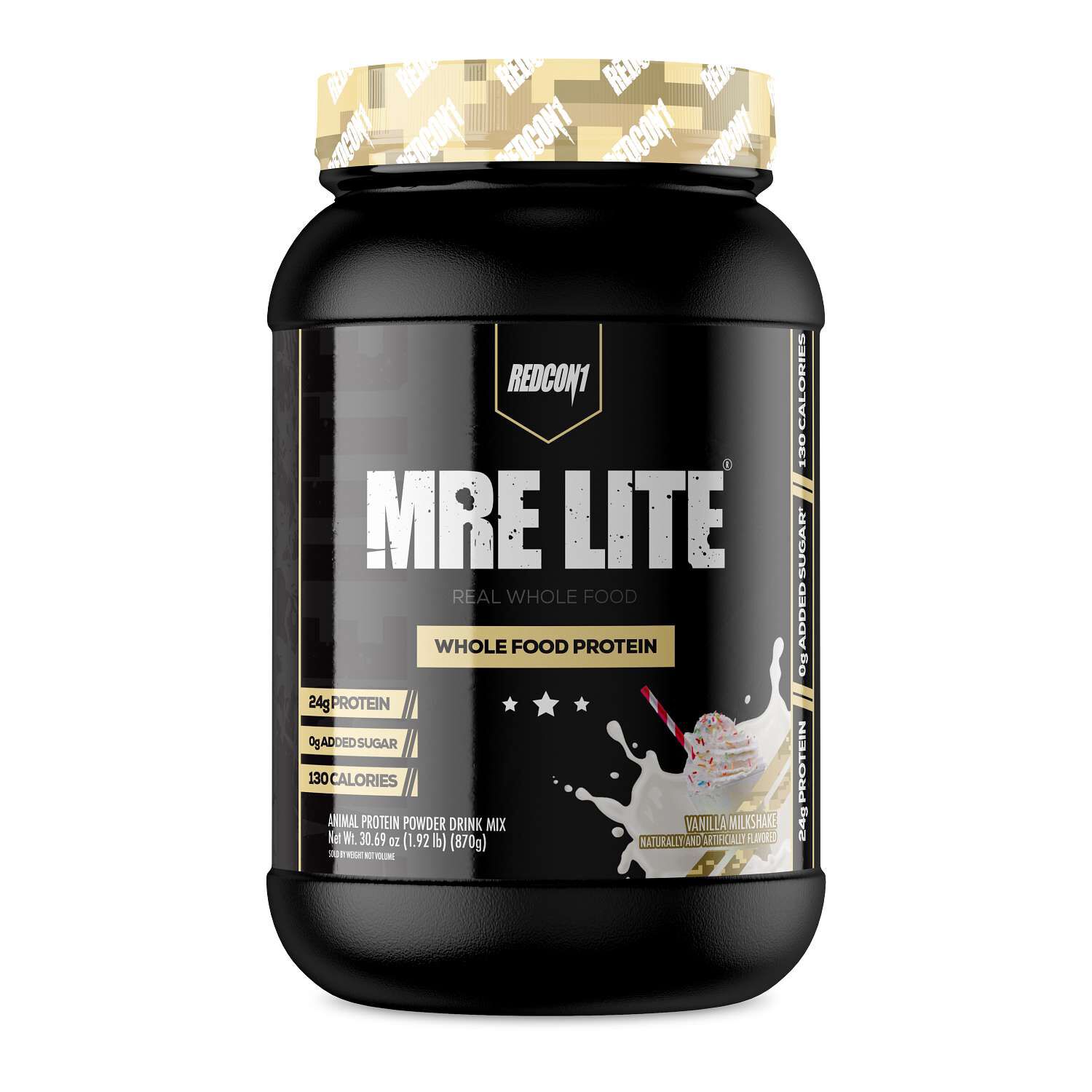
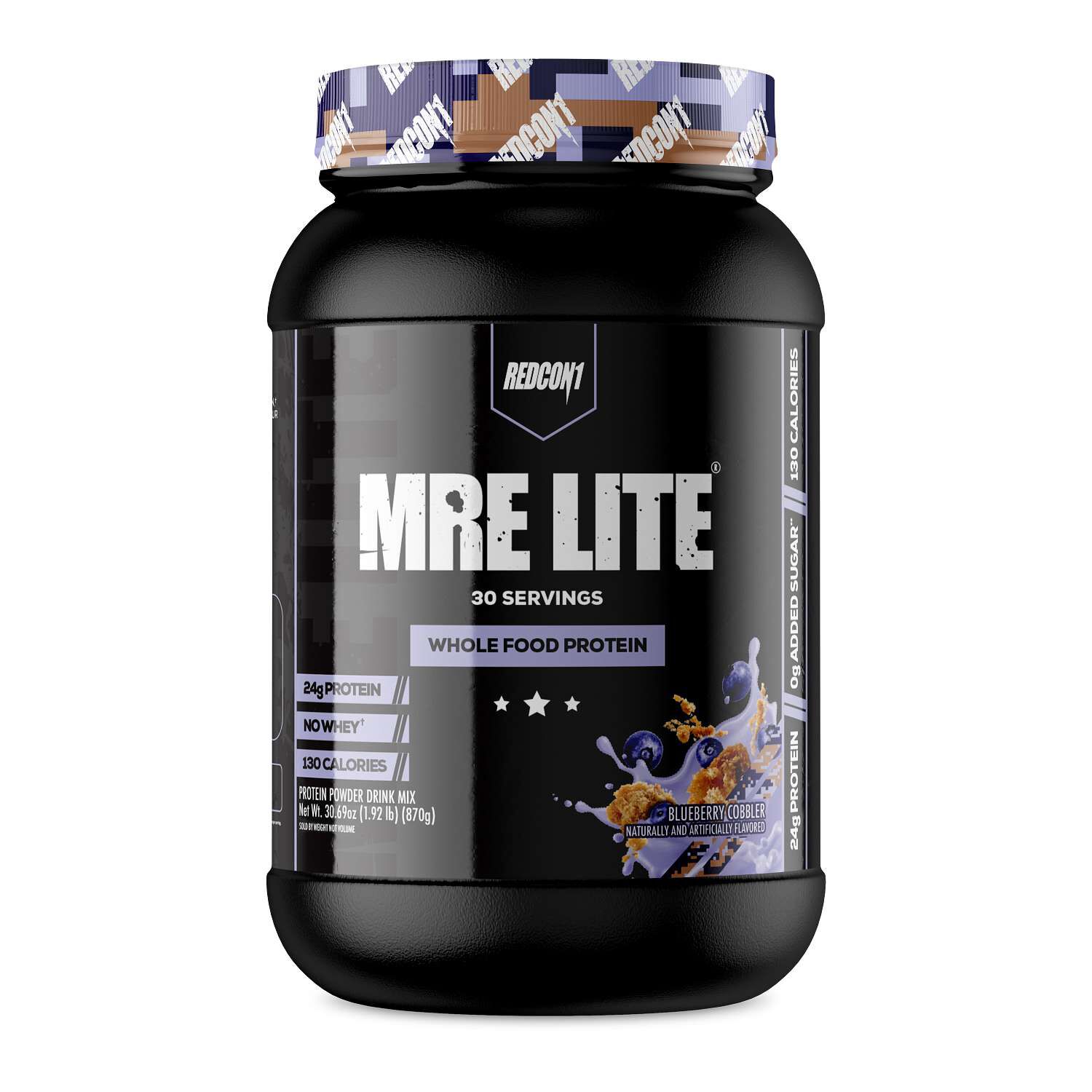
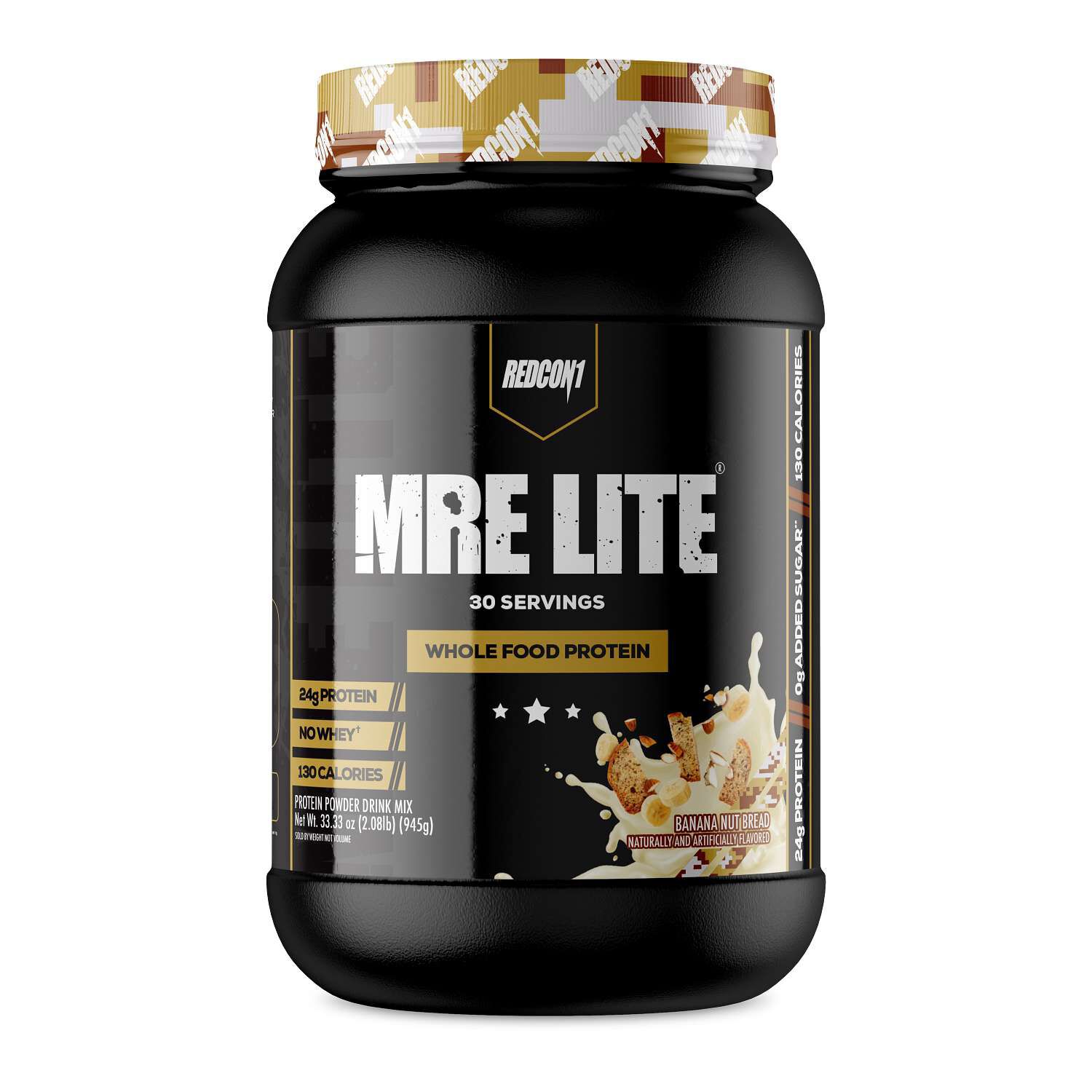
Carbohydrates can play a practical role in fueling active routines, from early walks and gym sessions to long rides, weekend hikes, court games and endurance training. The products gathered in this collection are designed for shoppers looking to add convenient carbohydrate options to a broader eating pattern. Choices may include drink mixes, ready-to-use beverages, energy gels, chews, bars, powders and other portable formats that could fit into a training bag, desk drawer or car console. Carbohydrate-rich foods such as oats, rice, potatoes, whole-grain breads, fruit and vegetables may also contribute to an active person’s daily intake, while purpose-made products could offer portability when a kitchen or full meal is not nearby. A useful starting point is matching the format to the occasion: a larger serving may suit a meal or longer recovery window, while a compact gel, chew or beverage may be easier to carry during movement. Flavor, texture, serving size, dietary preferences, caffeine content and mixing instructions are all worth reviewing before purchase. Some shoppers may prefer a simple powder that can be measured into a bottle, while others may want individually wrapped portions for a race, trail day or busy commute. During warmer weather, a chilled drink mix may fit naturally into outdoor plans; as cooler months arrive, portable bars, chews and pantry-friendly powders may be convenient for indoor training, weekend travel and changing schedules. Keeping several formats available may make it easier to choose an option that suits the day without treating one product as the right choice for every activity. People who spend much of the day on their feet, train before work, practice in the evening or combine several activities may appreciate products that can travel with them. They may also make thoughtful gifts for runners, cyclists, hikers, swimmers, dancers, team-sport participants and fitness-minded friends who enjoy trying new ways to organize their training nutrition. A small assortment can be especially useful for someone preparing a gym bag, refreshing a home workout station or planning a destination event. Read the label for carbohydrate amount per serving, serving count, ingredient details and directions, and consider how each option fits with the foods and beverages already included in the day. Personal preferences matter: a person who likes a light, quick-to-consume format may reach for a drink or chew, while someone who prefers a more substantial texture may choose a bar or food-based option. Products with different flavors and formats can also help prevent routine fatigue during repeated training sessions.
Carbohydrate needs can vary with body size, movement, workout duration and training intensity, so a product selection may be most useful when viewed as part of the full day rather than as a standalone solution. A commonly used planning range for lighter activity is about 3 to 5 grams of carbohydrate per kilogram of body weight, while moderate training lasting around an hour may align with roughly 5 to 7 grams per kilogram. Higher-endurance routines lasting one to three hours may fall near 6 to 10 grams per kilogram, and very high-output schedules involving four or more hours may be discussed in the range of 8 to 12 grams per kilogram. These figures are broad reference points, not personal instructions, and an individual’s needs may differ. For a session planned several hours ahead, a meal containing familiar carbohydrate foods may be a comfortable way to prepare. Closer to activity, a smaller snack may be easier to manage, depending on personal preference and the demands of the session. For exercise lasting longer than about 60 to 90 minutes, some active people may choose products that provide approximately 30 to 60 grams of carbohydrate per hour, using a drink, gel, chew or comparable format according to the label and their own routine. After activity, combining carbohydrate-containing foods with a protein source may fit a replenishing meal or snack pattern. Timing, portion size and product format can all be adjusted around the realities of work, travel, weather and appetite. Someone leaving for a dawn run may value a compact option that can be opened quickly, while a cyclist on an extended route may organize several servings in accessible pockets. A parent moving between practices may appreciate individually portioned choices, and a hiker may prioritize lightweight packaging and straightforward storage. Shoppers exploring broader nutrition options may also visit Health Support For Active Lifestyle for additional categories that may complement an active routine. As with any dietary product, label directions and ingredient information deserve attention, particularly for shoppers managing dietary preferences, allergies or other personal considerations. A qualified healthcare professional or registered dietitian may help someone determine a more individualized approach, especially when training demands are substantial or routines change. With thoughtful selection, carbohydrate products could provide convenient options for planning before movement, carrying during longer sessions and pairing with meals afterward, whether the setting is a sunlit trail, a neighborhood route, a busy gym or a cool-season training space.
Best Sellers
-
 GNC Pro Performance
 -
GNC Pro Performance
-
 GNC Pro Performance
 -
 GNC Pro Performance