Exercise Carb Boosters
(0 Results)
Fuel your workouts and optimize your performance with exercise carb boosters. Designed to support energy and endurance, these supplements could be the key to pushing through intense training sessions. Whether you're looking to maintain stamina during long runs or power through high-intensity interval training, incorporating exercise carb boosters into your routine may help you reach your fitness goals. Explore a variety of options to find what best suits your needs and take your exercise regimen to the next level.
-

-

-
-

-
.jpg?sw=305&sh=305&sm=fit "Demo Day Carbohydrate Power - Big Cherries (30 Servings) | GNC")
-

-

-
 $34.99
 -
 Raw Nutrition$34.99
 -

-

-

-
-
-
-
-

-
 144$34.99
 -
-
-
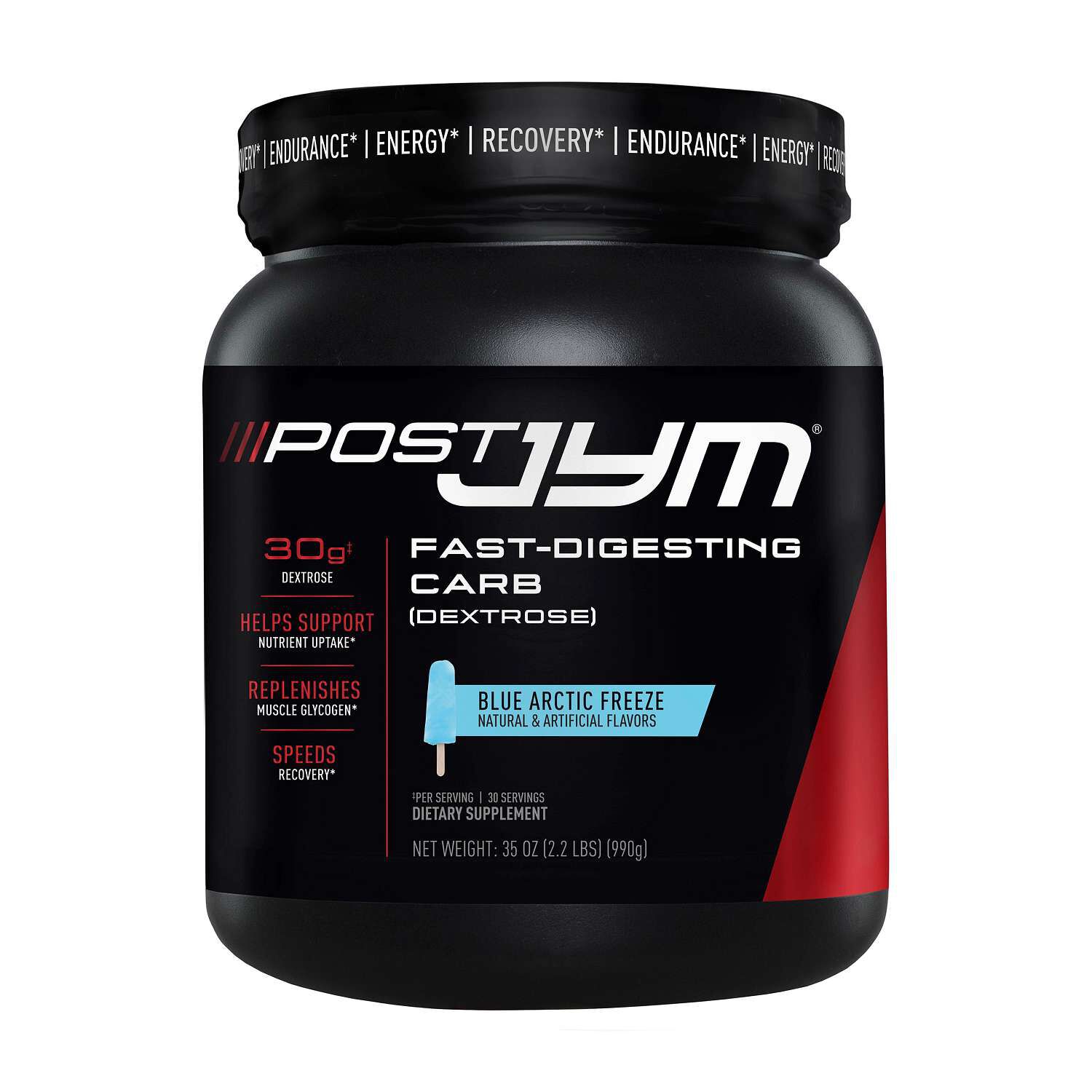


Exercise carbohydrate supplements are concentrated sources of carbohydrates formulated for use around physical activity, commonly before, during, or after a workout. Powders, drink mixes, gels, and chews offer different ways to carry and consume carbohydrates without bringing a full meal to the gym, track, or trail. These products may provide an additional source of energy for exercise, particularly during longer sessions when convenient access to food matters. Their intended use ranges from a drink mixed before an early training session to a compact gel tucked into a cycling jersey for a long ride. The category includes formulas made with dextrose, maltodextrin, fructose, starch-derived ingredients, or combinations of carbohydrate sources. Dextrose is a simple sugar, while maltodextrin is made from starch; other formulas use ingredients such as highly branched cyclic dextrin. These ingredient names describe different carbohydrate sources, not a universal ranking of product quality. How a formula fits a routine depends on its serving size, texture, flavor, preparation requirements, and intended timing. Some products contain carbohydrates as their main ingredient, while others also contain sodium or other electrolytes. Those distinctions matter when comparing a plain carbohydrate powder with a flavored exercise drink mix. A powder focused on carbohydrates is not necessarily interchangeable with an electrolyte drink, and an electrolyte drink does not necessarily contain much carbohydrate. Nutrition Facts and ingredient panels provide a clearer picture than the product name alone. Carbohydrate grams per serving, sugars, sodium, and any additional ingredients help distinguish one type of formula from another. Serving sizes also vary, so a scoop, pouch, or packet is not a consistent unit across the category. For shoppers comparing exercise carbohydrate supplements, the most meaningful differences often come down to what is in each labeled serving and how that serving fits the way they train. A runner carrying a small handheld bottle, for example, has different packing considerations than someone setting a large shaker beside an indoor bike.
The best format for a particular routine often reflects the practical details of the workout. A powder allows preparation in a bottle or shaker and comes with directions for the amount of liquid to use. A gel arrives in a compact pouch, while chews offer a solid format that requires chewing rather than sipping. Each has its own considerations for carrying, opening, measuring, and cleanup. During a long outdoor ride, a packet that fits neatly into a jersey pocket can be more convenient than a container that needs a separate scoop. At an indoor training station, a premixed bottle within reach may be a simpler choice than individually wrapped servings. Flavor and texture also deserve attention: a lightly flavored drink, a sweeter gel, and a chewy solid present very different experiences during exercise. Directions may specify taking a product with water, and preparation details vary by formula. Mixing a powder with the labeled amount of liquid helps keep its intended concentration consistent; adding extra powder changes both the texture and the carbohydrate amount in the bottle. For someone heading out before breakfast, a carbohydrate drink may offer a convenient addition to a pre-exercise routine when a full meal is impractical. During extended cycling, distance running, or other sustained activity, carbohydrate supplements may help supply energy as the session continues. After demanding exercise, carbohydrates may support the replenishment of muscle glycogen, the carbohydrate stored in muscle. A carbohydrate source alongside a meal or snack containing protein may fit a post-workout eating routine, although these products are not substitutes for varied meals. Shorter or less demanding sessions may not call for a dedicated carbohydrate product at all. Exercise duration, intensity, access to regular food, and personal preferences all affect whether the format makes sense. A relaxed neighborhood walk and a lengthy training ride create different demands, even when both happen on the same cool morning. That context is more useful than assuming every gym visit needs the same drink or packet.
Beyond the formula itself, packaging, storage, and everyday handling influence how well exercise carbohydrate products fit into a gym bag or training schedule. Resealable powder containers suit routines with access to measuring tools and a mixing bottle, while individual packets simplify portioning away from home. Closure quality and packet condition matter when products travel alongside shoes, towels, and other gear. An intact seal and a securely closed lid help protect the contents from accidental spills and exposure to moisture. Storage directions on the package take precedence, and powders generally belong in a dry location with the lid secured after use. A dry scoop keeps water from entering the container, and prepared drinks should be handled according to their label directions rather than left forgotten in a warm car. Reusable bottles and shakers need regular washing, including their lids and seals, where drink residue can collect. These small practical details are especially relevant when workouts move between outdoor routes and indoor spaces during the cooler months. A bottle carried on a chilly trail still needs the same attention to preparation and cleaning as one used beside a treadmill. For student athletes, training may sit between lectures, team meetings, and travel, making portability and straightforward preparation particularly relevant. Carb Supplements for College Athletes offers a related category for that setting. Athletes participating in organized competition also have sport-specific supplement requirements to consider; ingredient transparency and relevant third-party testing information are useful comparison points, without implying that every formula meets every organization's rules. Dietary preferences and labeled allergen information matter as well, especially for blends with added flavors or other ingredients. Someone who prefers an unflavored powder for mixing has different priorities from a runner who wants a ready-portioned pouch. Whether the setting is a quiet weight room, a busy campus recreation center, or a weekend cycling route, a suitable carbohydrate supplement brings together a clearly labeled formula, a manageable serving format, and preparation that fits the occasion.
Best Sellers
-
Gorilla Mind
-
 Beyond Raw