Cellular Energy Boosters
(0 Results)
Discover the potential benefits of cellular energy boosters designed to support your body's natural energy production. These supplements might help you maintain vitality and endurance throughout the day, making it easier to stay active and alert. Whether you're looking to optimize your workout performance or simply need an extra push to get through a busy schedule, cellular energy boosters could be the key to unlocking sustained energy and overall well-being. Explore a range of options that may fit your lifestyle and health goals, and take a step towards feeling more energized and rejuvenated.

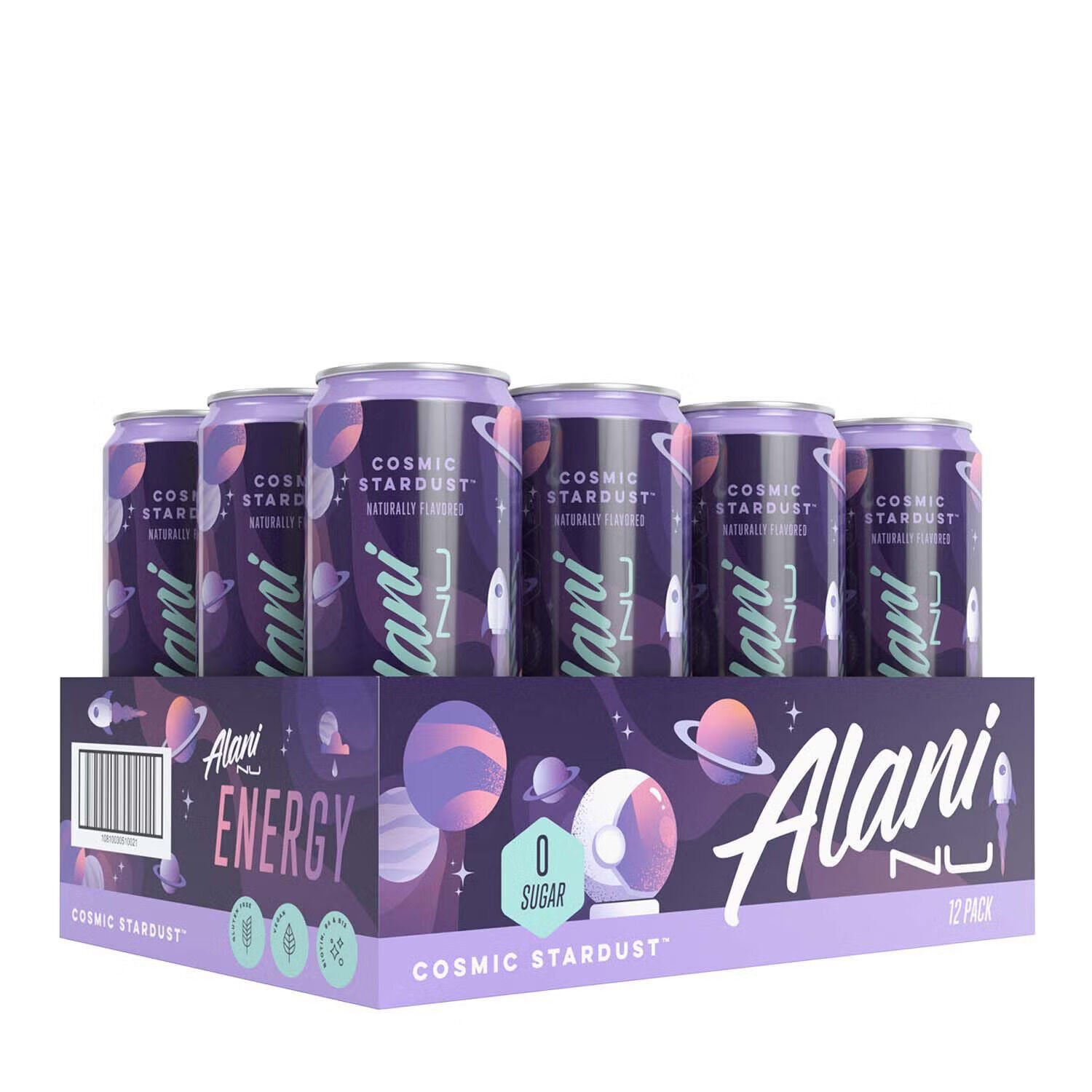

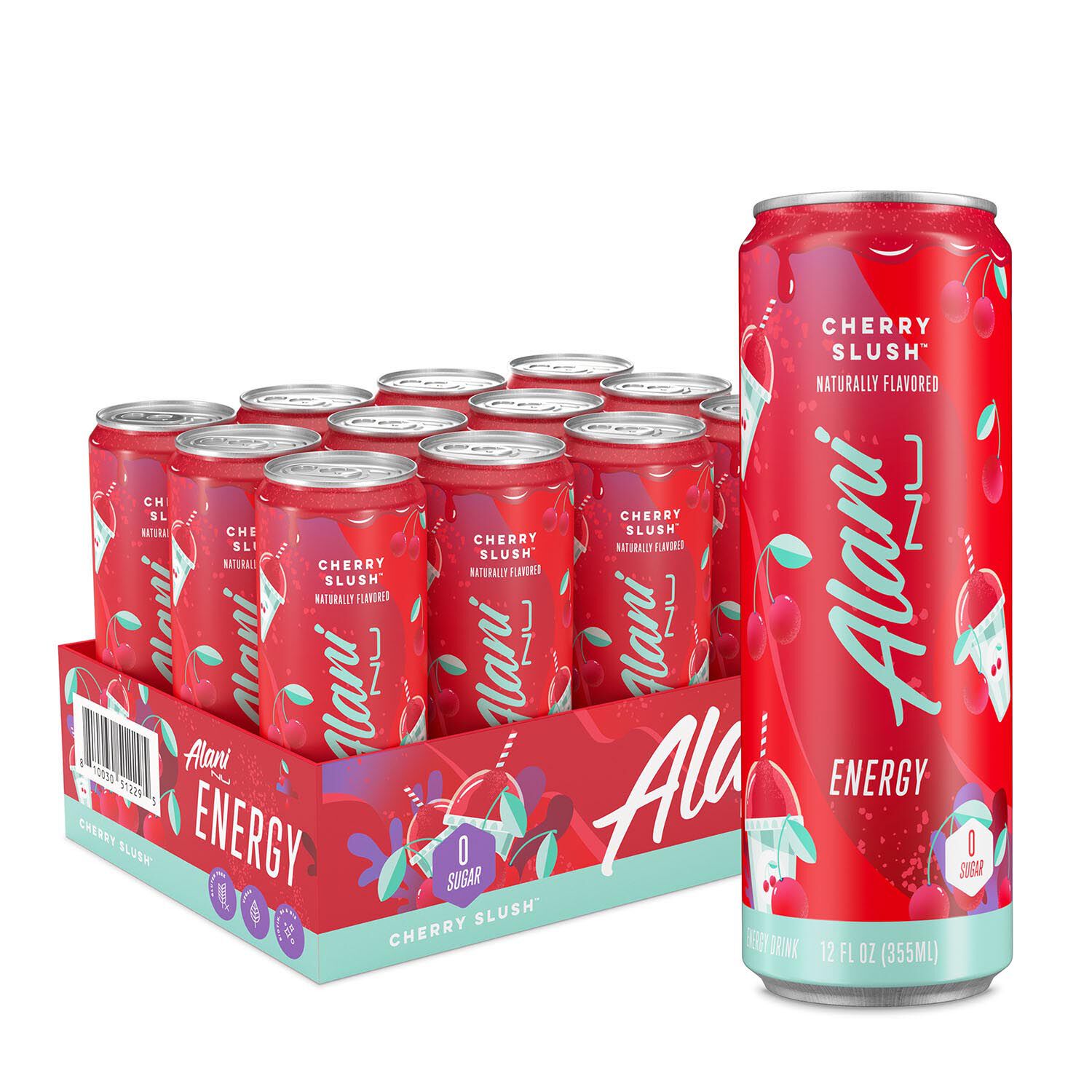

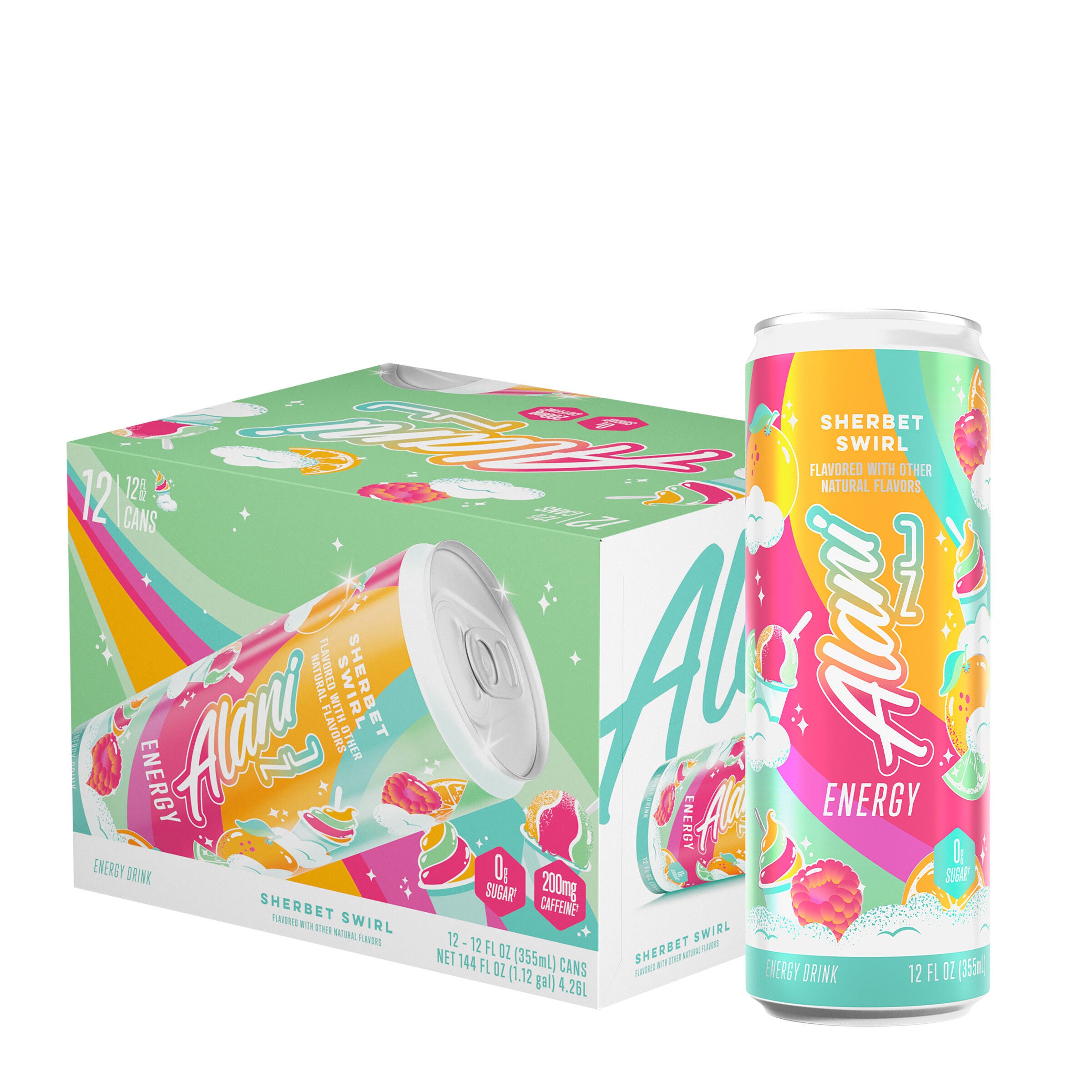


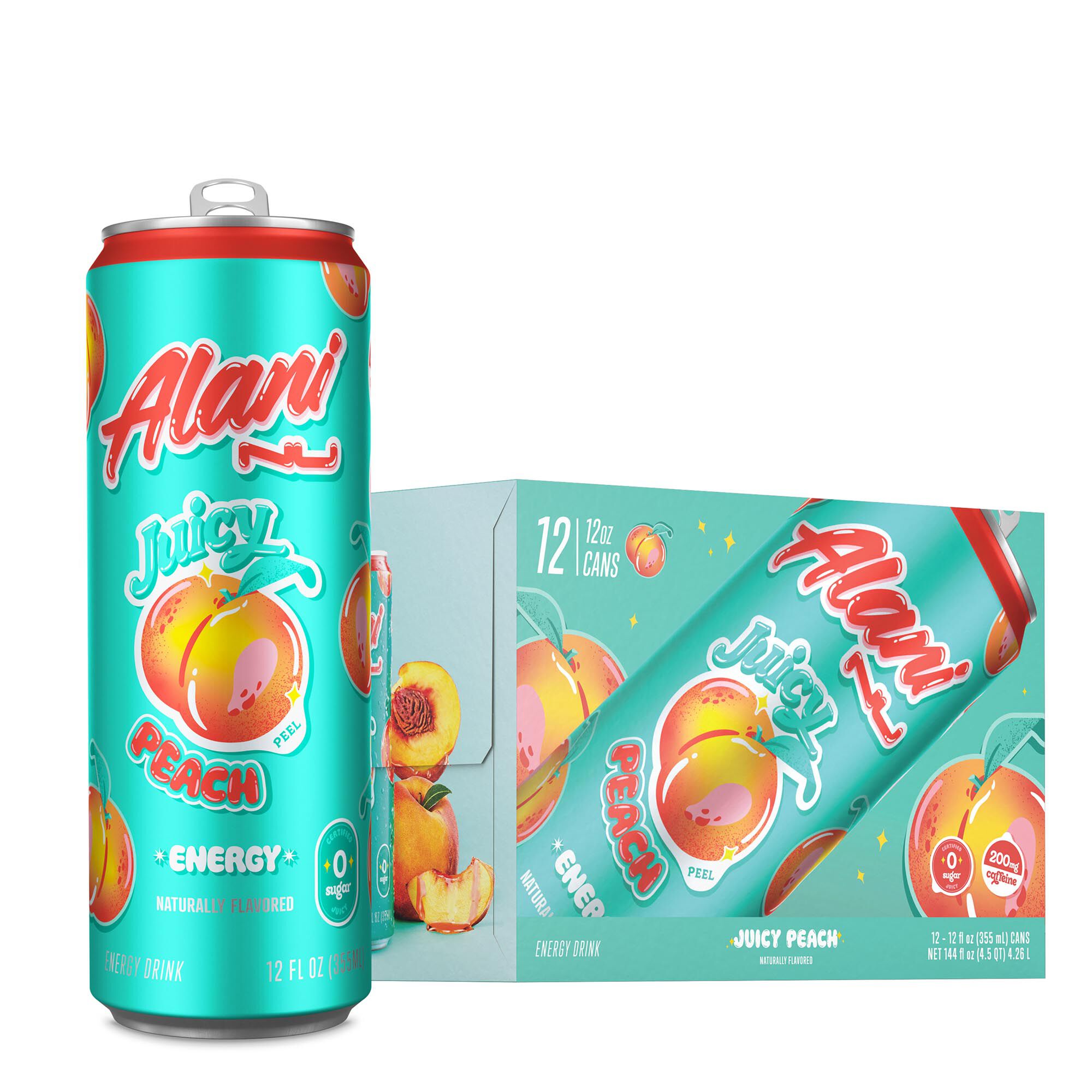
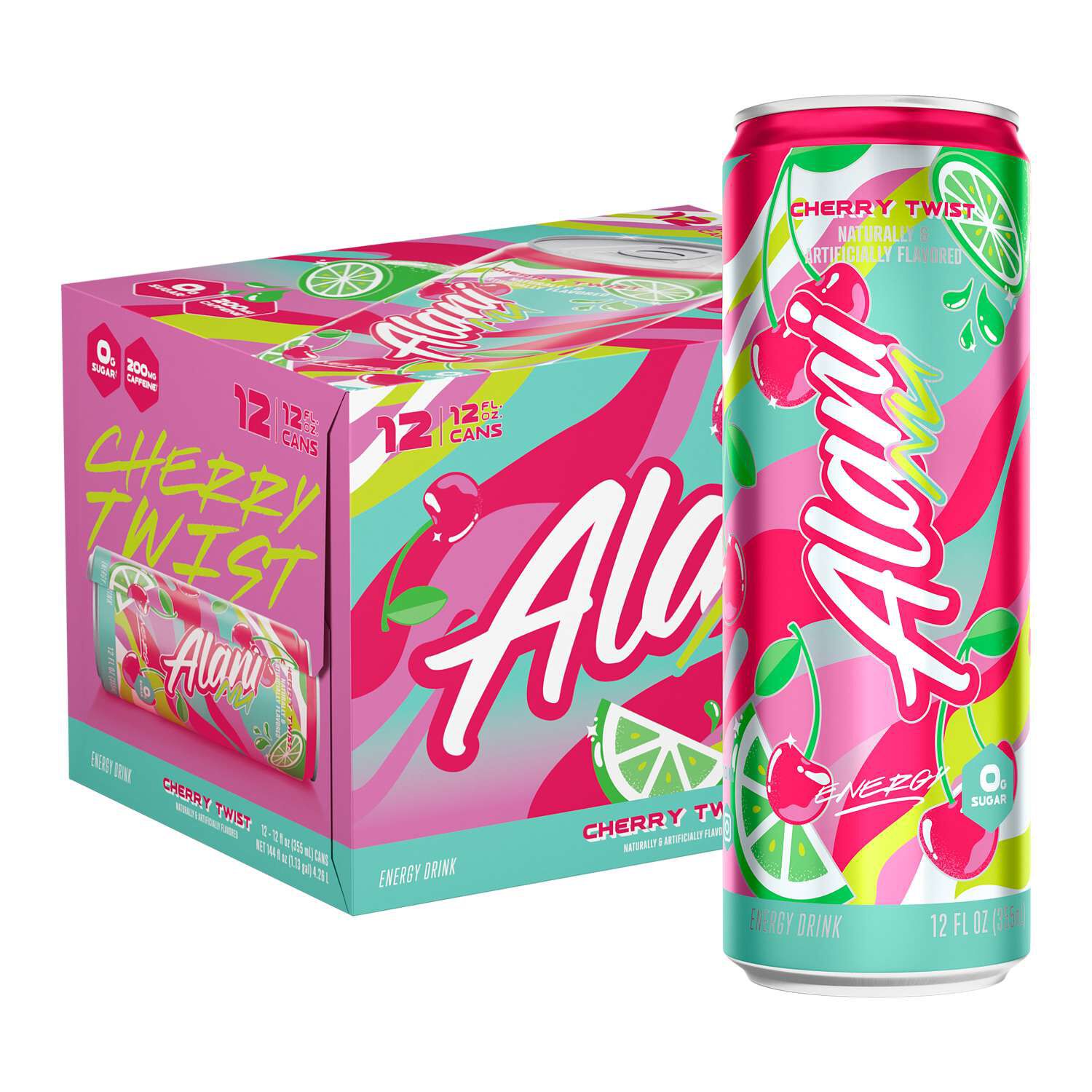
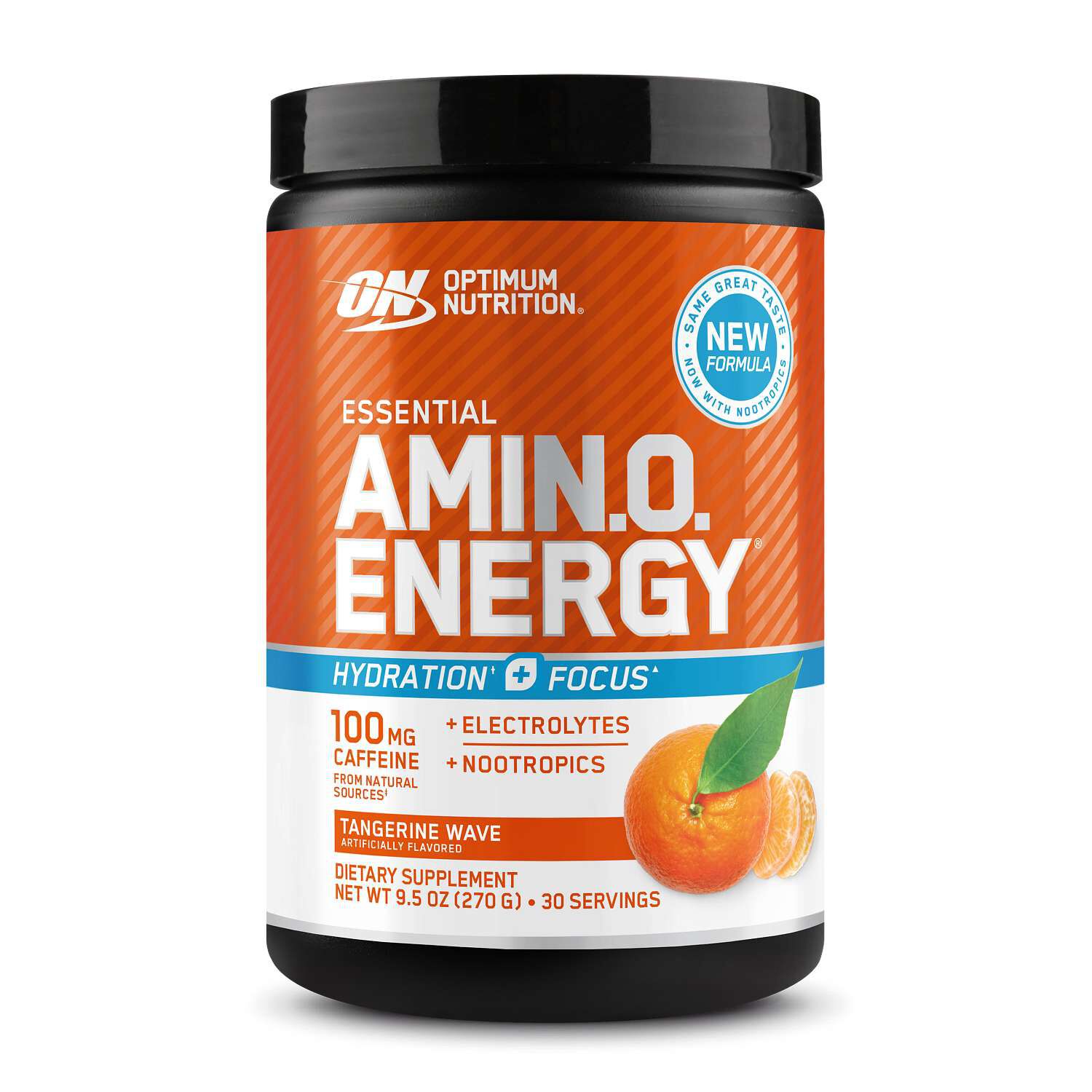


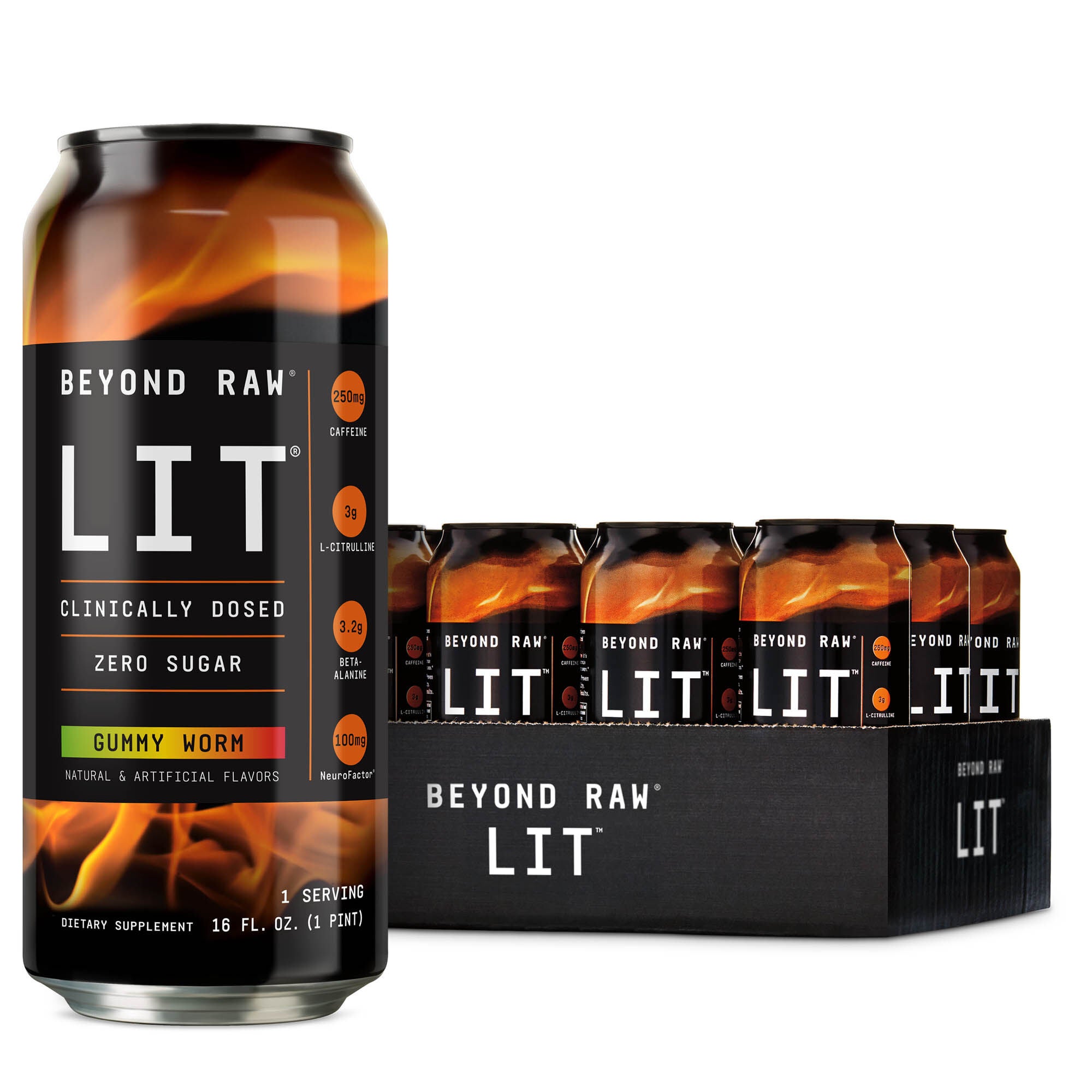
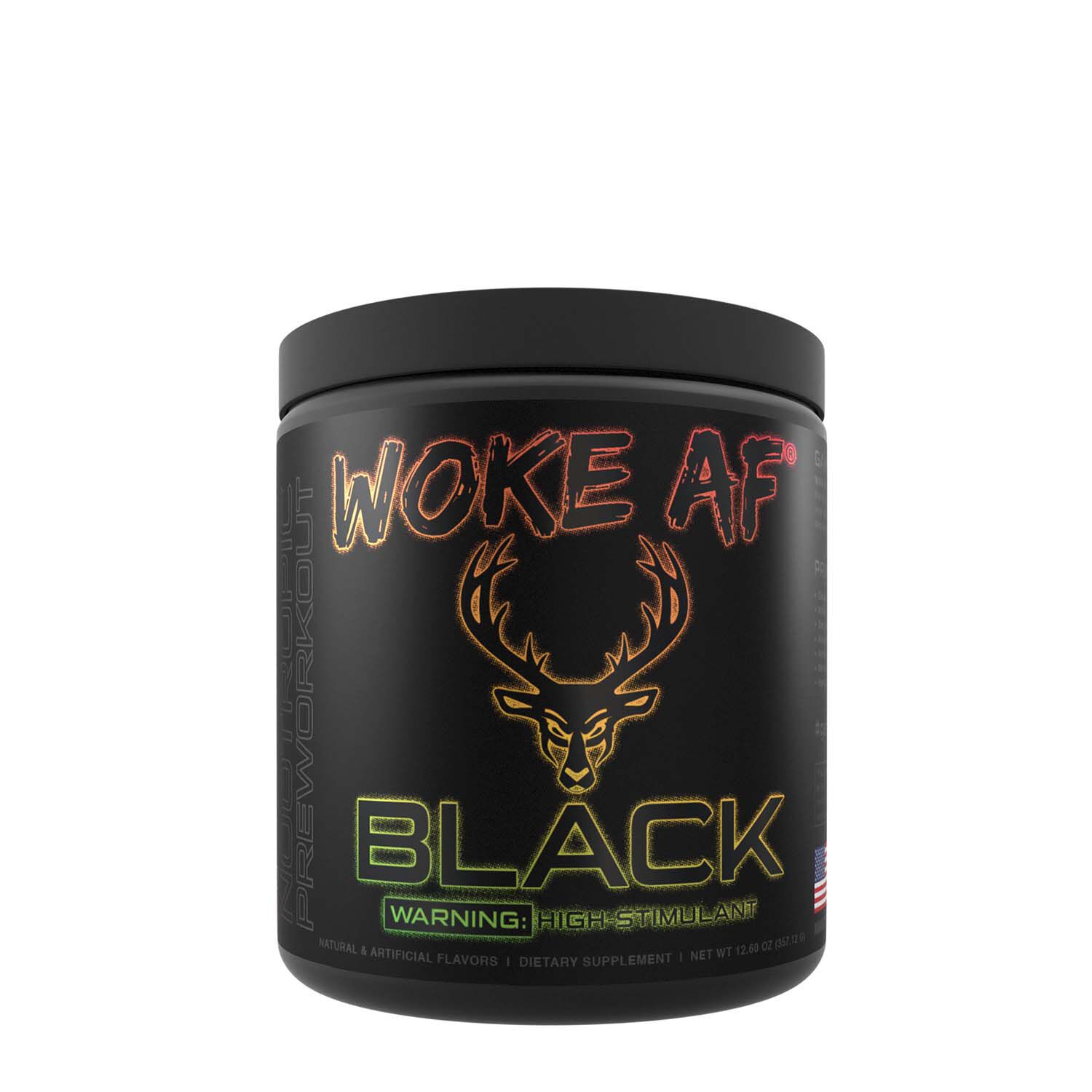
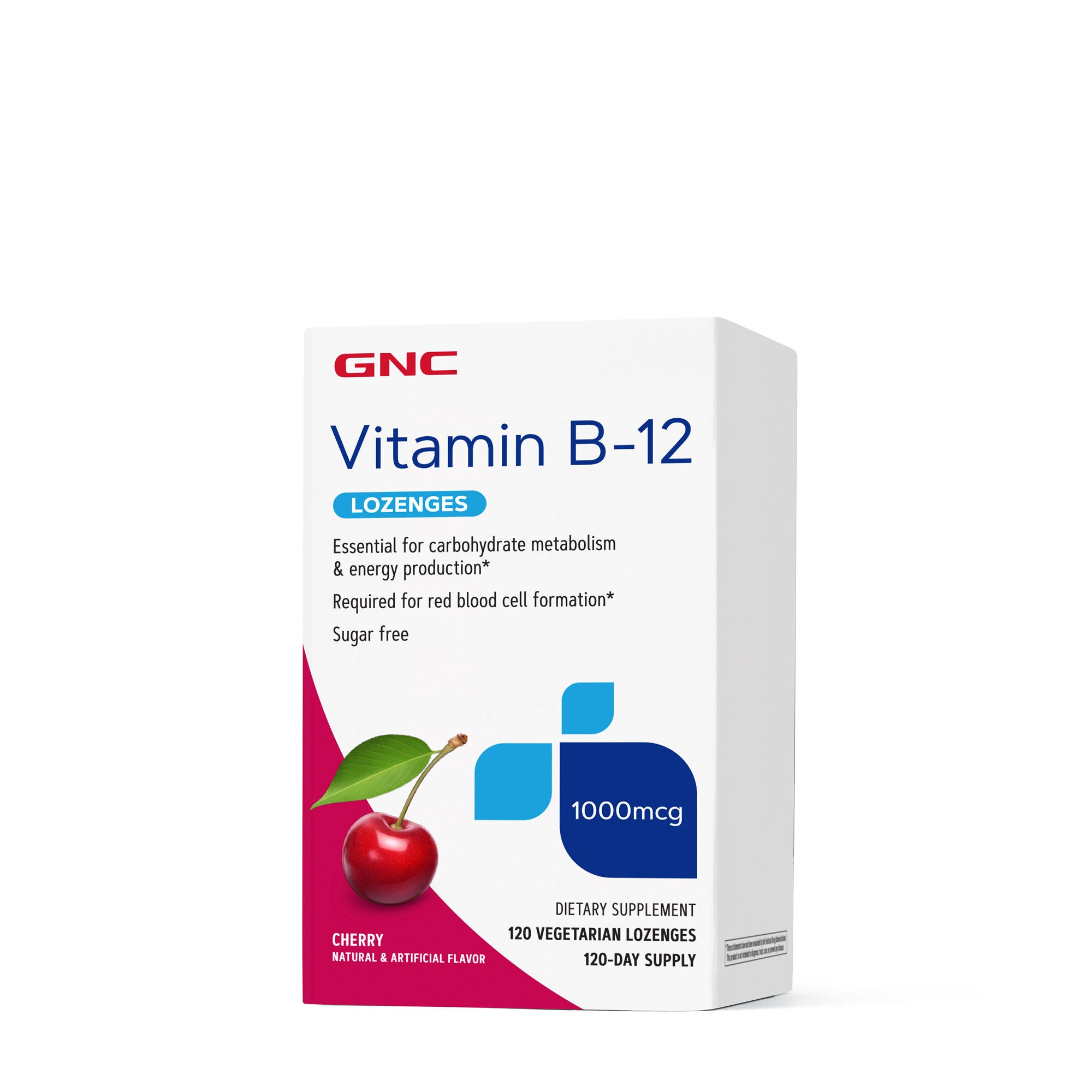


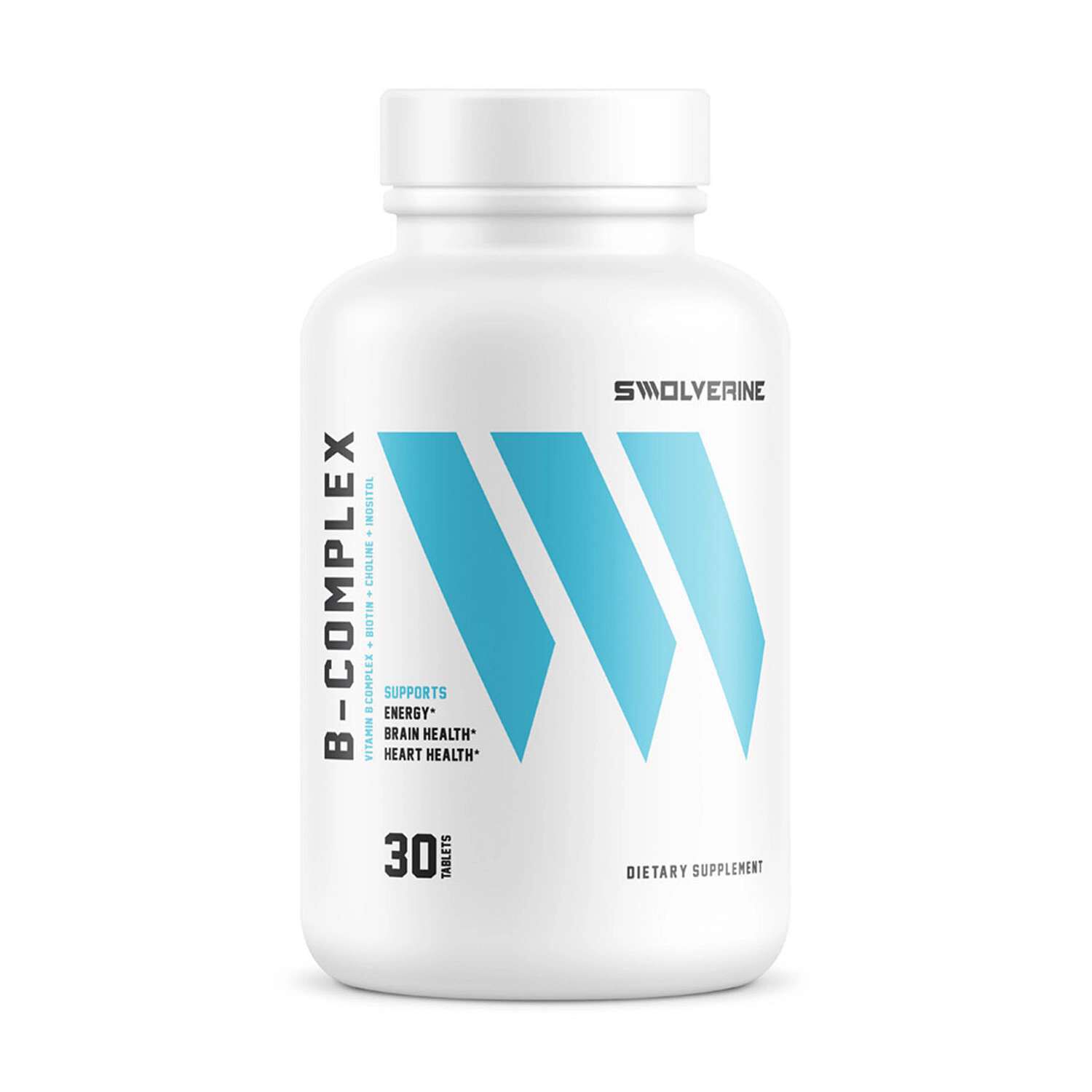

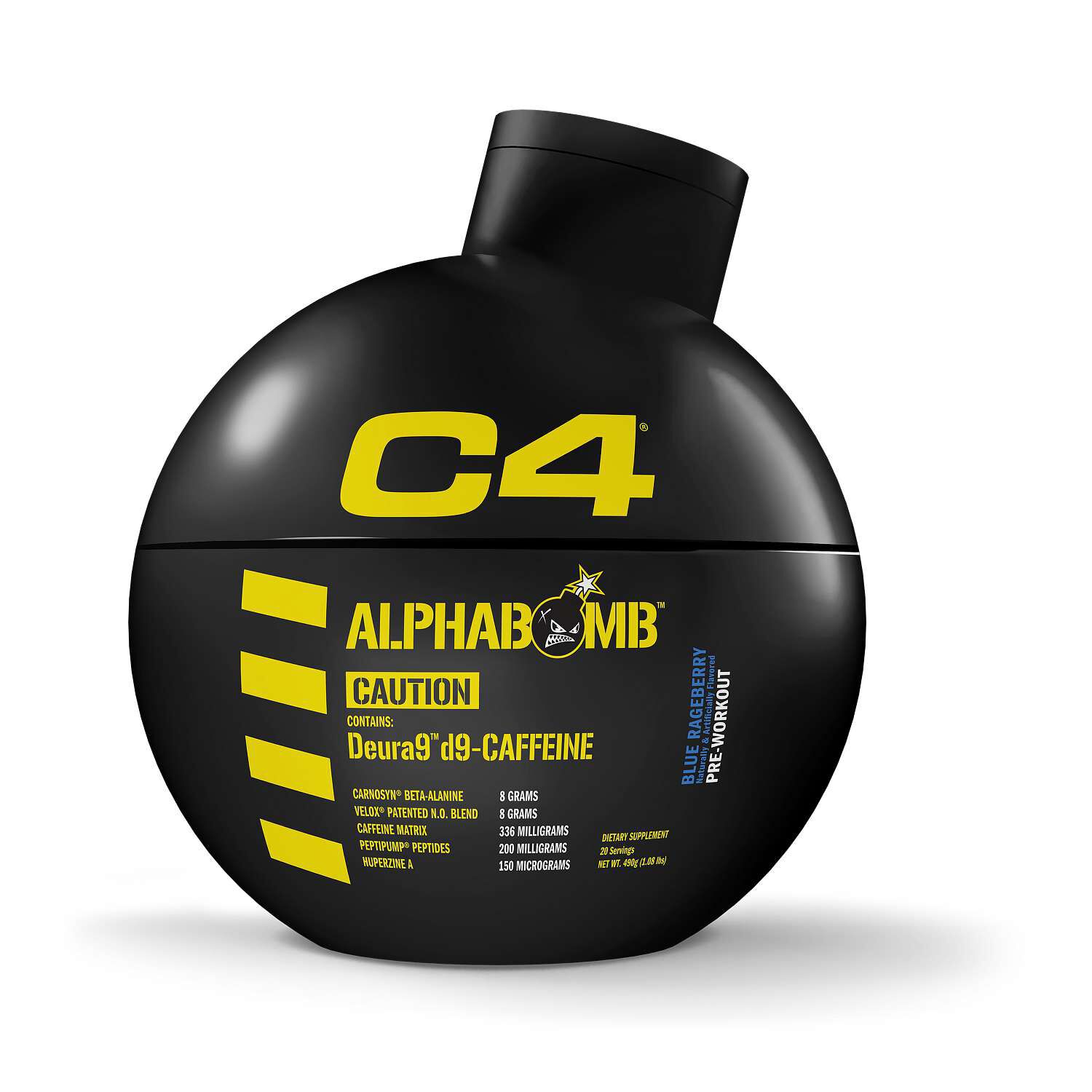
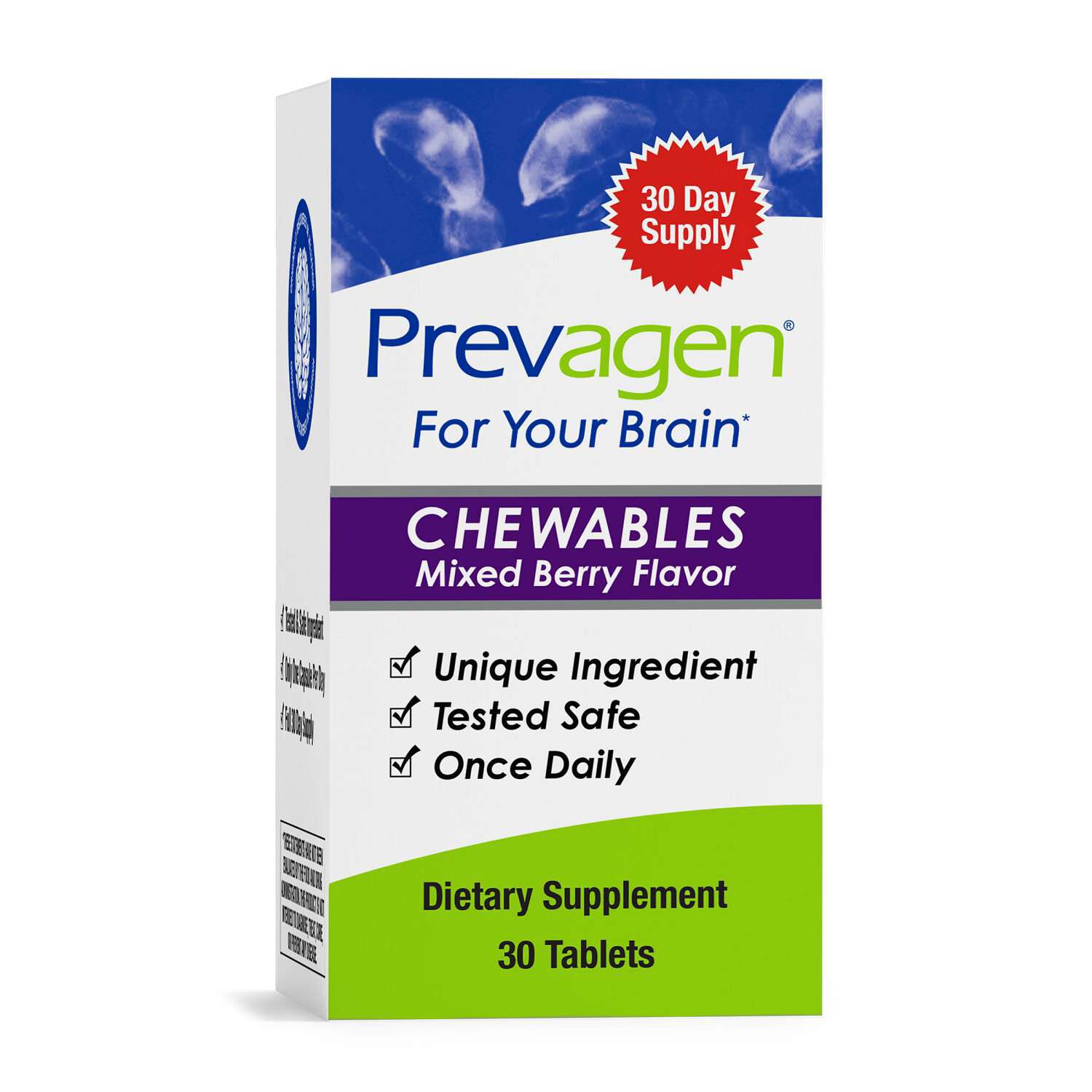
Cellular energy supplements are nutritional products formulated with ingredients that may support the body’s normal energy metabolism. In this context, cellular energy refers to the processes cells use to convert nutrients from food into usable energy, including the production of adenosine triphosphate, or ATP. Mitochondria are structures within cells involved in much of that activity. The category includes a range of formulas, from single-ingredient capsules to blends containing vitamins, nutrient compounds, and botanical ingredients. B vitamins, coenzyme Q10, carnitine, and nicotinamide-related ingredients are among the names shoppers may encounter on labels, although their presence and amounts vary by formulation. These ingredients are not interchangeable, and the phrase cellular energy does not describe one standard recipe. Some formulas focus on a particular nutritional pathway, while others bring several ingredients together in one serving. Cellular energy support also differs from simply choosing a caffeinated beverage: not every supplement in this category contains caffeine, and a formula’s name alone does not establish its stimulant content. For adults interested in everyday nutritional support, these products may fit alongside regular meals, physical activity, and consistent rest. Someone with a desk-based schedule may prefer a simple capsule format, while an adult with an established fitness routine may favor a formula that fits neatly beside other daily nutrition products. The intended use is nutritional support rather than a substitute for food, sleep, or thoughtful daily habits. A familiar ingredient name can provide a useful starting point, but the Supplement Facts panel offers a clearer picture of what each serving contains. Ingredient amounts, serving size, and the presence of additional vitamins or botanicals help distinguish otherwise similar-looking formulas. That distinction matters when comparing a straightforward single-ingredient option with a blend whose composition is more involved. A modest-looking bottle and a larger container may also provide very different numbers of servings, so package size by itself tells only part of the story.
Format is another meaningful part of choosing cellular energy supplements. Capsules, tablets, softgels, and powders have different handling characteristics, ingredient materials, and serving instructions. Capsule shells may use gelatin or plant-derived materials, while softgels may contain oils and other ingredients listed outside the Supplement Facts panel. For shoppers with dietary preferences, those details can be just as relevant as the featured nutrient. A person who prefers plant-derived capsule materials will have different label priorities from someone mainly interested in a compact serving format. Tablets and capsules also vary in dimensions, and serving size may involve more than one piece. Powders offer a different experience, with measured portions, mixing directions, and flavor considerations that deserve attention before choosing a container. An unflavored powder is not necessarily tasteless, and its texture may depend on the ingredients and the liquid used according to label directions. A flavored formula introduces another set of preferences, especially for someone who already uses flavored protein or hydration products. Ingredient lists can identify sweeteners, colors, flavoring ingredients, and sources such as milk, soy, or wheat when present. Caffeine content is another distinction worth noting, particularly when a daily routine already includes coffee, tea, or other caffeinated products. Serving amounts should be read in context: the quantity printed on the front of a package may refer to a full serving rather than an individual capsule. Milligrams, micrograms, and grams are different units, so similar-looking numbers do not necessarily represent similar amounts. Product care is largely about following the storage directions on the package. Keeping the original container and its label together preserves access to serving instructions, ingredient information, and date markings. A tightly closed lid and a storage location consistent with the label are practical considerations for bottles used every day. Containers left near a damp sink, carried loose in a gym bag, or transferred into an unlabeled jar present a different handling situation from a bottle kept in its designated place. Packaging, closure design, and ease of measuring or dispensing all contribute to how comfortably a format fits into an established routine.
The most useful comparison between cellular energy formulas is often the one grounded in ordinary daily use. A shopper who wants a short ingredient list may prefer a focused formula over a blend with many components. Another person may value a combination format because it places several selected ingredients in one labeled serving. Neither approach makes every formula equivalent, and a longer ingredient list does not, by itself, establish a greater effect. Someone who already takes a multivitamin has a different comparison to make from someone whose supplement routine contains only a protein powder: overlapping vitamins and repeated ingredients become visible when the labels are considered together. The practical details matter, too. A serving that suits a breakfast routine may feel less convenient for someone who usually eats away from home, while a powder requiring mixing calls for a different setup than a capsule bottle. Personal preferences around flavor, capsule materials, serving size, and caffeine help narrow the category without relying on dramatic language or assumptions about immediate results. Shoppers exploring adjacent nutritional approaches may also find useful context among Natural Boosters for Energy, where ingredient profiles and formats provide another basis for comparison. Descriptions such as natural do not identify a uniform composition, so the ingredient panel remains important across related categories. For a gift, an adult recipient’s established preferences are a more thoughtful starting point than an unfamiliar blend chosen only for its name. Familiar formats, clearly labeled ingredients, and compatibility with the recipient’s stated dietary preferences matter more than elaborate packaging. Whether selected for personal use or for someone who already enjoys choosing nutritional products, cellular energy supplements are best understood through their actual contents and intended use. Clear serving information, readable labeling, appropriate storage instructions, and a format that fits everyday habits provide concrete points of comparison. Those details keep the focus on what is in the container and how the product is designed to be used, rather than on broad assumptions about what an energy-focused name might mean.