





Children's Herbal Vitamin Gummies
(0 Results)
Children's herbal vitamin gummies offer a convenient and tasty way to support your child’s daily wellness routine. With a variety of flavors and carefully selected herbal blends, these gummies are designed to fit easily into busy lifestyles. Explore options that may help provide the nutritional support growing kids need, all in a form they’re likely to enjoy. Discover how children's herbal vitamin gummies could be a fun addition to your family’s wellness journey.
-

-
-
-
-

-

-

-
-

-
-

-
-

-
-
-

-

-
 $18.99
 -
 $14.99
 -
 $13.99


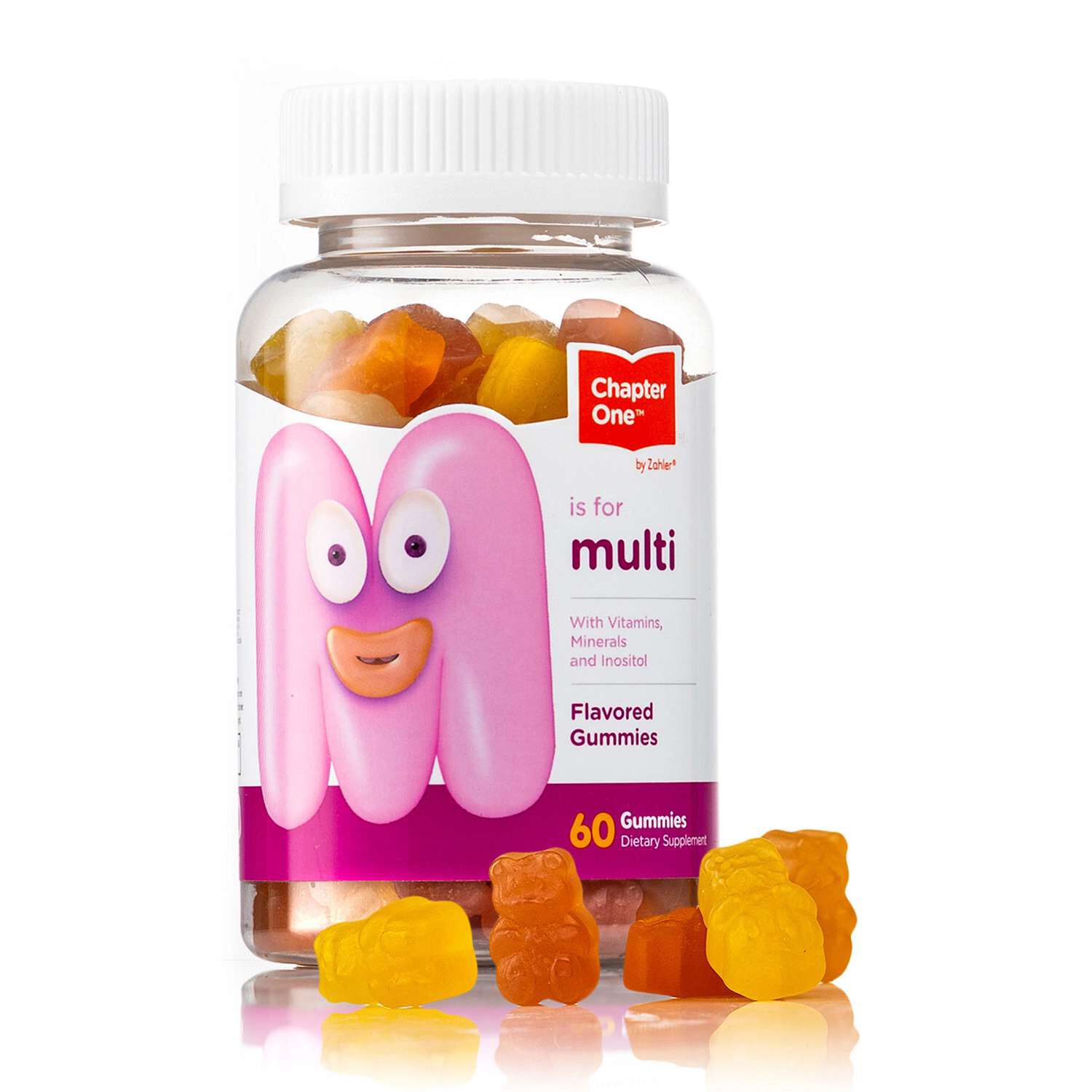
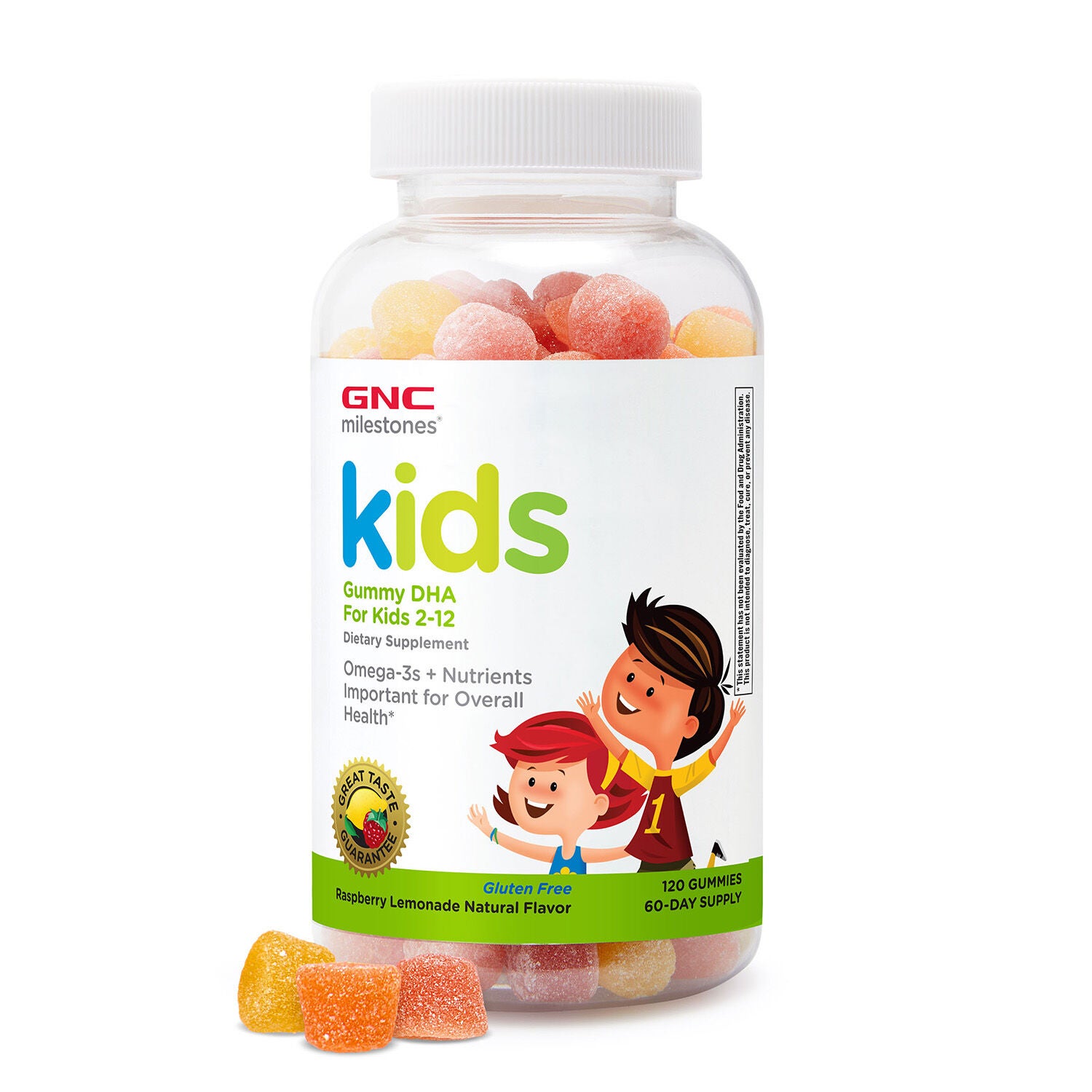
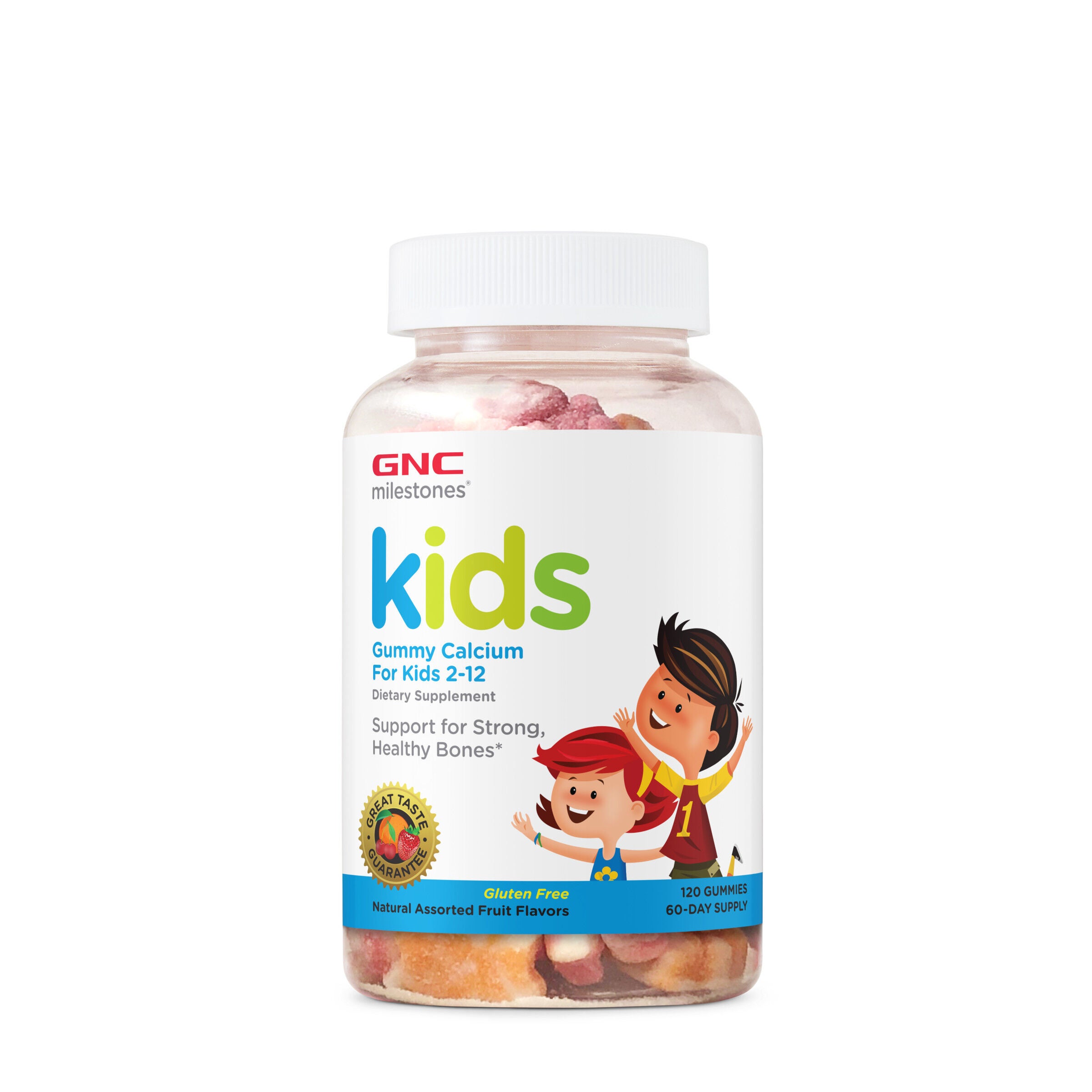
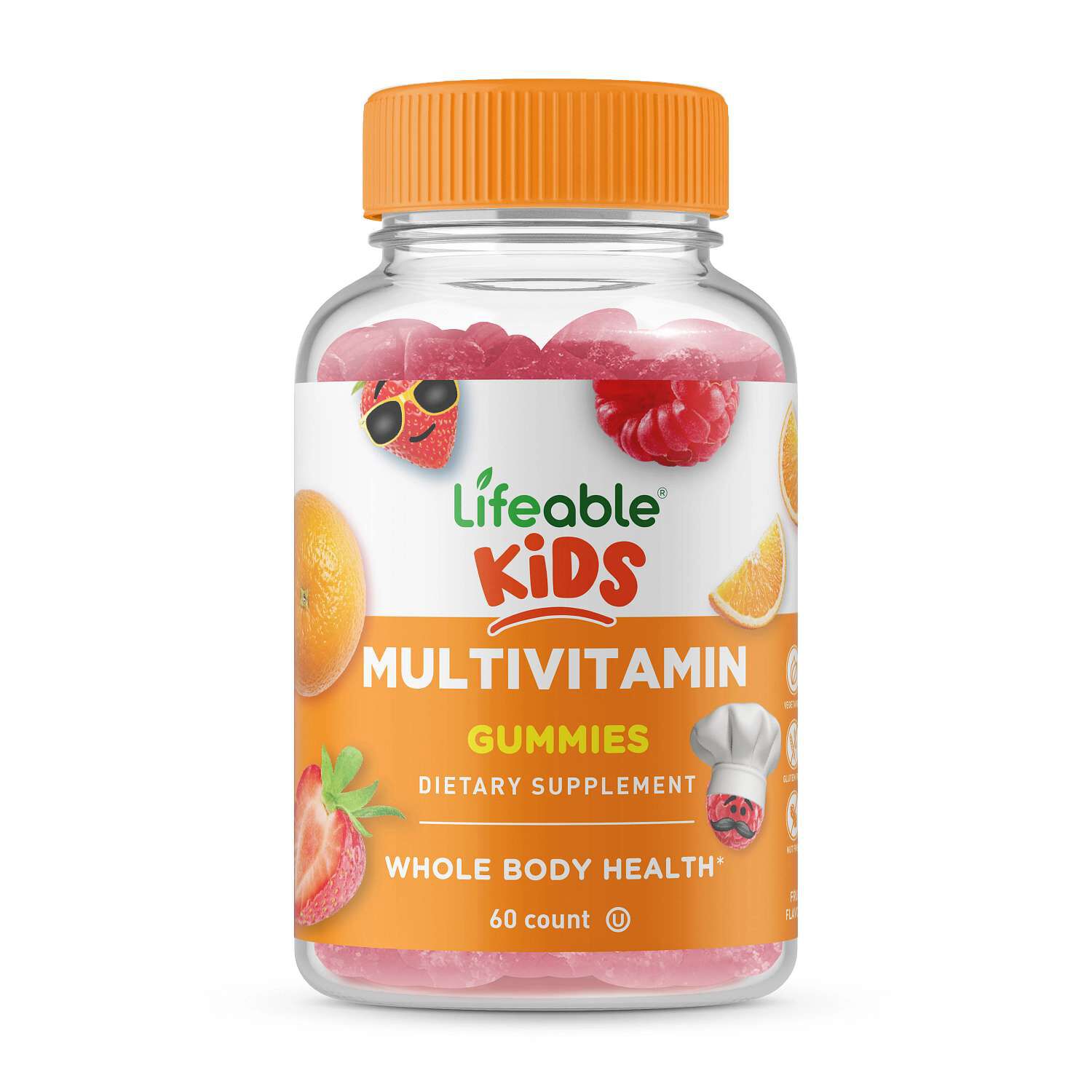
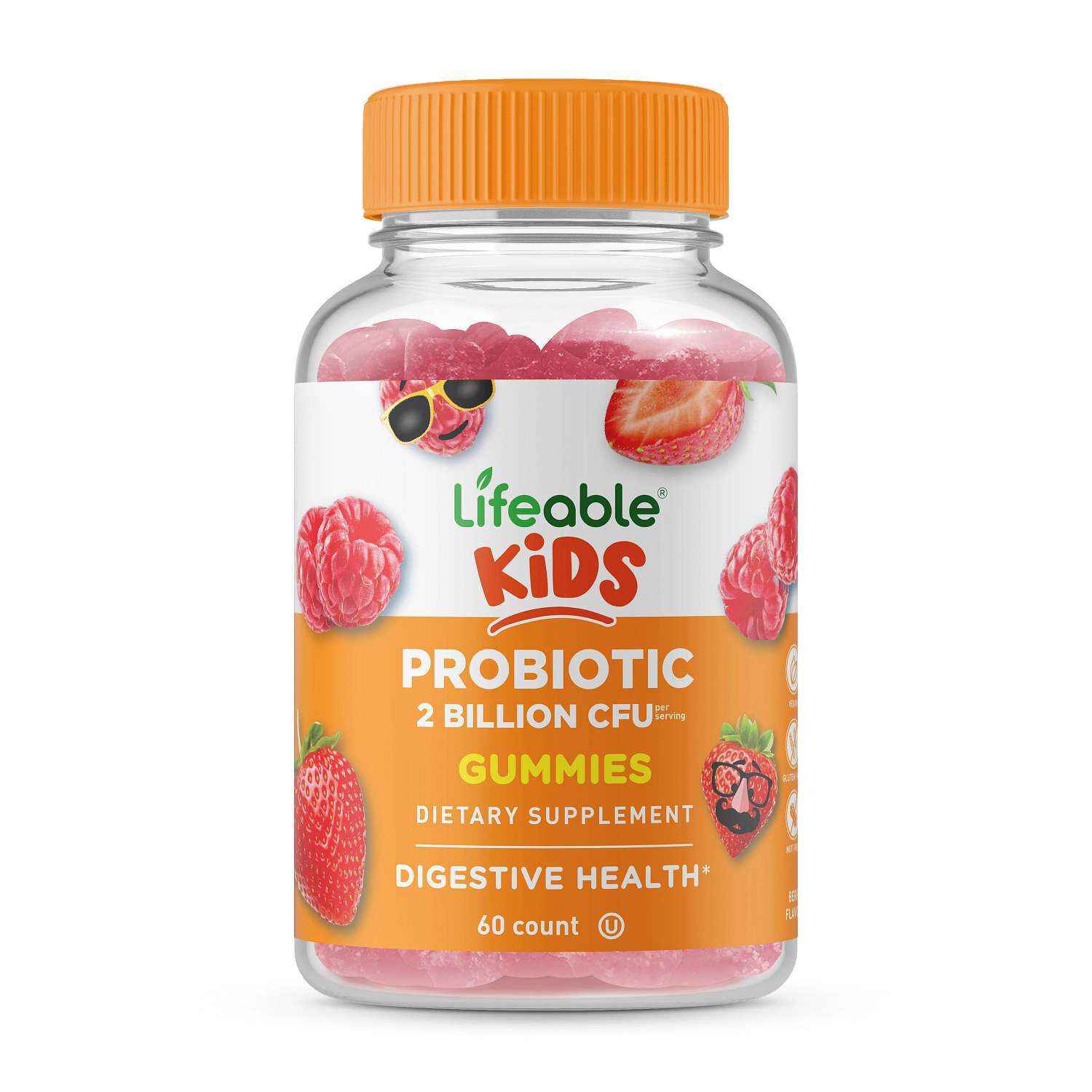
Children's herbal vitamin gummies are chewable supplements made for children, combining vitamin ingredients with botanical extracts or other plant-derived ingredients in some formulas. The category covers several kinds of formulations, so a children's multivitamin gummy, an elderberry gummy, and a gummy containing herbal ingredients are not necessarily interchangeable. Some formulas list vitamins such as A, C, or D, while others include minerals such as zinc alongside vitamins. Zinc is a mineral, even when it appears in a product described as a vitamin gummy. Botanical ingredients may include elderberry, chamomile, or lemon balm, depending on the formula; their presence should be confirmed on the label rather than assumed from a berry flavor or an illustration of leaves. Elderberry is a fruit ingredient, while chamomile and lemon balm come from different plants, and those distinctions matter when comparing ingredient lists. A fruit-flavored gummy does not necessarily contain fruit extracts, just as a plant-based gummy base does not necessarily mean the formula includes herbs. For parents and caregivers browsing children's herbal vitamin gummies, the most useful comparisons begin with the labeled age range, serving size, nutrient amounts, and named botanical ingredients. The Supplement Facts panel identifies listed vitamins, minerals, and other dietary ingredients, while the accompanying ingredient list describes the gummy base, sweeteners, flavors, and other components. Where botanical details are provided, the plant name, plant part, and whether the ingredient is an extract or powder offer more context than a general reference to an herbal blend. Amounts also deserve a close look: information may be presented per serving rather than per individual gummy. Two bottles with similar fruit flavors can have different serving sizes and ingredient profiles. These products are intended as supplements rather than candy or replacements for varied meals, and their purpose is better understood through the label than through their bright colors or playful shapes. Clear distinctions between nutrients, herbs, fruit ingredients, and flavorings make this category easier to browse without treating every children's gummy as the same kind of product.
The gummy itself is another important part of the comparison. Children's vitamin gummies can use pectin, gelatin, or other gelling ingredients, and the ingredient list provides a clearer picture of the base than the word “gummy” alone. Pectin is commonly derived from fruit, while gelatin is animal-derived; a pectin base by itself does not establish that every ingredient in the formula meets a vegetarian or vegan preference. Any dietary designation should apply to the finished product, not just one component. Sweeteners also vary, with formulas potentially using sugar, glucose syrup, fruit juice concentrates, or other ingredients to create their flavor and texture. Added sugar information, when shown, helps distinguish products that otherwise look similar from the front of the package. Fruit imagery should not be treated as a substitute for reading that information. Colors and flavors may come from different sources, and shoppers with particular ingredient preferences can compare the wording on each label. Food allergen declarations and manufacturing statements are separate details worth reviewing rather than inferring from a short description. Texture can differ as well: some gummies have a smooth surface, while others have a coating, and shapes may range from small fruit pieces to familiar animal forms. Those features describe the format, not its suitability for a particular age. A child who dislikes swallowing tablets may find a chewable format more approachable, but the age guidance remains an important distinction between children's gummies and other supplements. Flavor preferences are personal, too. A berry blend, citrus flavor, or mixed-fruit assortment may appeal differently to different children, even when the nutrient lists are similar. For a household comparing options for more than one child, separate age ranges and serving directions can be more relevant than choosing a shared flavor. Packaging deserves attention alongside ingredients: readable directions, a clearly marked serving size, and a closure designed for the container make the bottle easier for an adult to manage as part of an established household routine.
Intended use and everyday handling round out the comparison of children's herbal vitamin gummies. Labels can specify different age ranges, serving quantities, and use directions, and those details belong to the individual formula rather than to gummies as a whole. A colorful package or small gummy shape does not establish that a product is intended for younger children. Gummies are meant to be chewed as directed, and adult supervision keeps their use distinct from an ordinary snack. In a busy household, that distinction may be easier to maintain when an adult handles the bottle, checks its directions, and puts it away after use instead of leaving it beside a cereal bowl or in a child's backpack. Keeping supplements in their original containers preserves access to the ingredient list, serving information, storage directions, and expiration date. A candy jar or unmarked container removes that context and makes similar-looking gummies harder to tell apart. Storage instructions vary by formula, so the bottle's own directions are the reference for care. Closing the container securely and keeping it out of children's reach are practical parts of handling a product that resembles a sweet. Moisture and exposure during storage may affect gummy texture, making packaging care relevant even though these products are consumed rather than worn or used repeatedly. Before opening a new container, the seal and printed date are also useful details to check. Parents, guardians, and other caregivers may browse this category when comparing a child's supplement format or looking more closely at a formula's botanical ingredients. The related Summer Kids Vitamin Gummies collection offers another place to browse children's gummy formats while keeping the same attention on age labeling, ingredients, and serving information. Across children's herbal vitamin gummies, the clearest comparison is the combination of what is in the formula, whom the label describes it for, how the serving is presented, and how the container fits into an adult-managed routine.


 Chewable Tablets_Front.jpg?sw=305&sh=305&sm=fit "ChildCalm - 60 Chewable Tablets (30 Servings) | GNC")
