Chloride Supplements
(0 Results)
Chloride supplements may play a role in supporting overall wellness as part of a balanced routine. As an important electrolyte, chloride is found naturally in the body and is involved in various physiological processes. Whether you’re looking to complement your daily nutrition or seeking options to help maintain your electrolyte balance, explore a range of chloride supplements designed to fit your lifestyle and wellness goals.
-
 459$24.99
 -

-
 $24.99
 -
-
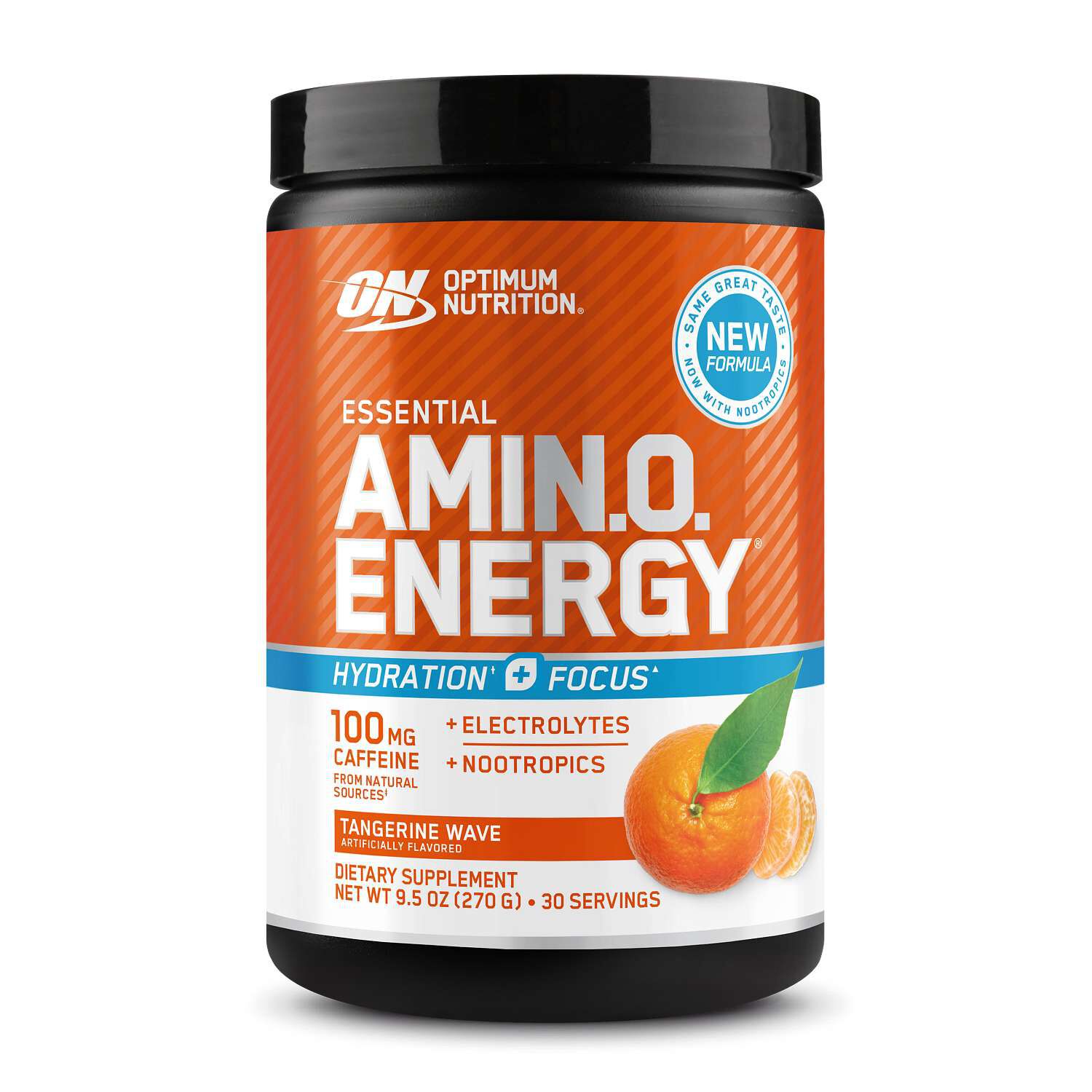
 Optimum Nutrition459$24.99
 -

Chloride supplements provide chloride, a mineral classified as an electrolyte, in compounds paired with minerals such as sodium, potassium, or magnesium. These pairings matter because a chloride-containing supplement supplies more than chloride alone: the accompanying mineral also shapes its composition and intended use. Sodium chloride is the compound commonly known as table salt, while potassium chloride and magnesium chloride appear in a variety of mineral supplements and electrolyte formulas. Chloride also occurs in everyday foods, so supplements represent one possible source rather than the only way to consume it. For shoppers browsing chloride supplements, the most useful starting point is the distinction between a single-mineral formula and a broader electrolyte blend. A magnesium-focused formula containing magnesium chloride is different from a drink mix that combines sodium chloride with several other mineral sources, even though both include chloride. Product names do not always make that distinction obvious. The Supplement Facts panel and ingredient list offer a clearer picture of which minerals are present, how much is listed per serving, and whether chloride itself has a declared amount. A listed quantity of magnesium does not represent the same quantity of chloride, and the weight of a mineral compound is not interchangeable with the amount of each mineral it contains. Likewise, a formula described as an electrolyte supplement does not necessarily contain chloride; the actual ingredient sources determine that. Understanding these differences makes the category easier to compare without assuming that every powder, capsule, or tablet serves the same purpose. Intended use may center on a mineral-specific nutrition routine, a measured addition to a beverage, or an electrolyte option for exercise and other active pursuits. The best product comparison begins with what the formula actually contains, rather than treating the word “chloride” as a description of everything in the container.
Format is another meaningful consideration when comparing chloride supplements, especially when the product needs to fit into an established routine. Tablets and capsules offer a measured serving format without requiring a flavored drink, although the number of tablets or capsules per serving can vary. Tablet dimensions, capsule shell ingredients, and any coating are practical details for shoppers who have preferences about oral supplement formats. For those exploring a magnesium-focused option, Magnesium Chloride Tablets for Active Adults offers a more focused category to consider alongside broader chloride-containing formulas. Powders bring a different set of considerations, including the recommended amount of water, serving measurement, flavor, and the presence of sweeteners or other added ingredients. A powder intended for a full bottle of water may taste quite different when mixed into a small glass, so preparation directions matter as much as the flavor description. Mineral ingredients can contribute salty or bitter notes, and flavored blends differ in how they balance those characteristics. Unflavored does not necessarily mean tasteless. Liquid concentrates may suit shoppers who prefer adding a measured amount to a beverage, but their serving instructions and measuring tools deserve close attention because concentration varies by formula. Single-serving packets can be convenient for a gym bag or work tote, while a resealable container may suit a regular at-home routine. Picture the difference between preparing a drink on a kitchen counter with a scoop nearby and packing a bottle for an afternoon at the recreation center: the more practical format depends on where preparation happens and what needs to travel. Packaging size alone is not a reliable comparison, either. The serving size and number of servings provide more useful context than the appearance of a large tub or small bottle. These everyday details help distinguish formats without assuming that one delivery method is inherently better than another.
Beyond format, comparing chloride supplements means looking closely at the whole formulation and how it fits alongside other foods, beverages, and supplements. A simple mineral formula may appeal to someone who wants a short ingredient list, while a blended electrolyte product may appeal to someone seeking several minerals in one serving. Neither approach makes every formula interchangeable. Sodium chloride, potassium chloride, and magnesium chloride contribute different accompanying minerals, and a blend may contain additional mineral sources that do not supply chloride at all. Shoppers who already use a multivitamin, mineral supplement, or electrolyte beverage can compare the declared amounts across those labels to understand where ingredients overlap. This is a product-comparison step, not a reason to assume that adding more minerals will produce a better experience. Dietary preferences also affect the choice. Capsule materials, sweeteners, colors, flavor ingredients, and allergen statements can matter just as much as the featured mineral. For someone who prefers plant-derived capsule shells or avoids a particular ingredient, the detailed label is more informative than a broad description on the front of the package. Care and storage deserve similar attention. Keeping containers securely closed, following storage directions, and using a clean, dry measuring scoop may help preserve the intended condition of a powder. Moisture exposure can affect texture and handling, particularly with mineral ingredients that readily attract water. Original packaging also keeps preparation instructions, ingredient information, and date markings close at hand, whether a container stays in a cupboard or travels in a bag. Supplements are a personal purchase, so choosing one for another adult calls for knowing that person’s stated preferences rather than guessing at nutritional needs. For personal use, the most relevant comparison is usually straightforward: the mineral pairing, the declared amounts, the serving format, the supporting ingredients, and the practical demands of preparation and storage. Together, those details give chloride supplements a clearer place within a considered nutrition routine, whether the priority is a portable packet, a beverage-ready powder, or a tablet format with a clearly defined serving.