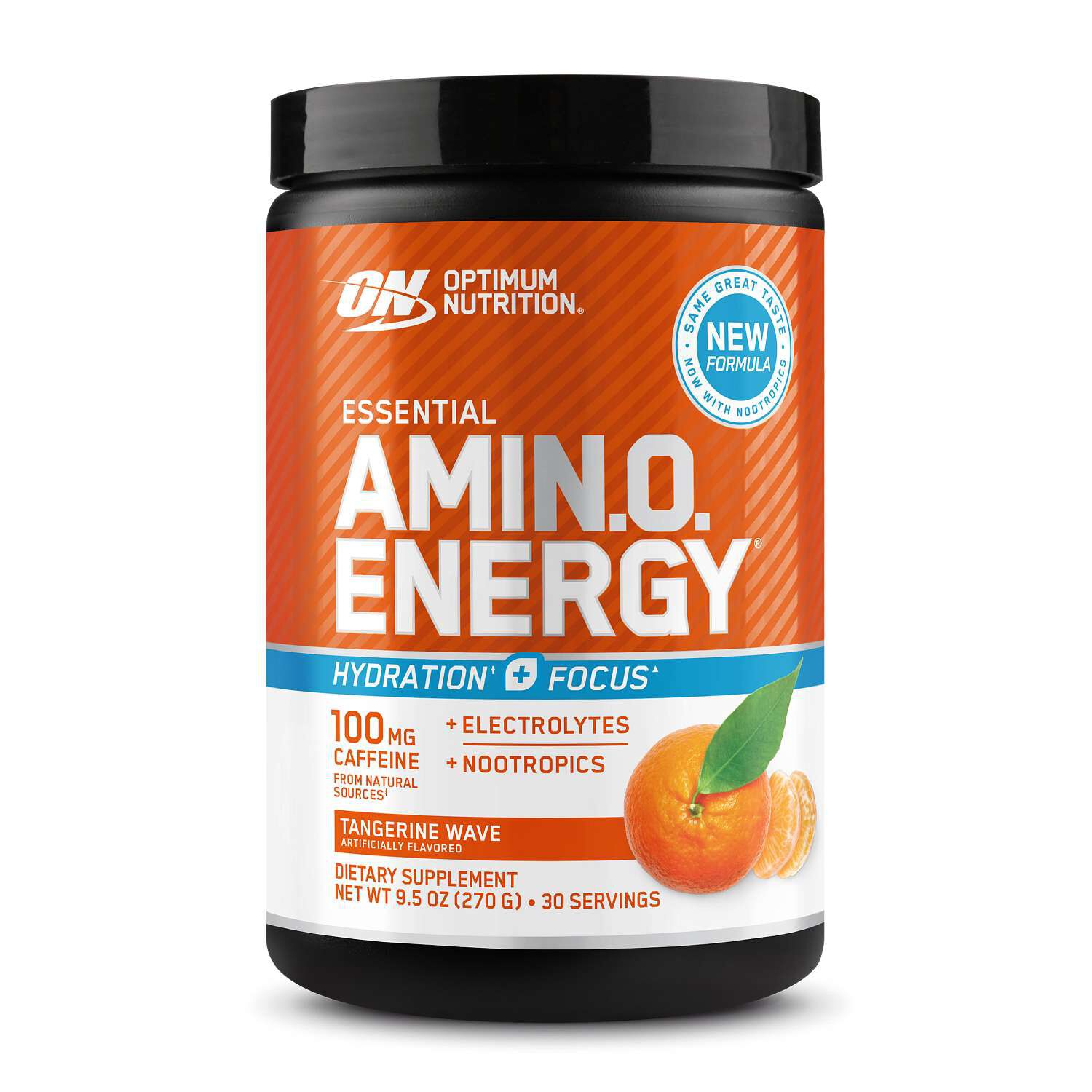
Electrolyte Supplements
(0 Results)
Stay hydrated and energized with our selection of electrolyte supplements. Whether you're an athlete looking to replenish after a tough workout or simply seeking to boost your hydration levels, electrolyte supplements are a convenient and effective way to support your active lifestyle. With a variety of options to choose from, you can easily find a supplement that fits your needs and helps you maintain optimal electrolyte balance. Explore our range of electrolyte supplements to stay at your best, no matter what life throws your way.
-
-
 459$24.99
-
 Optimum Nutrition459$24.99
-
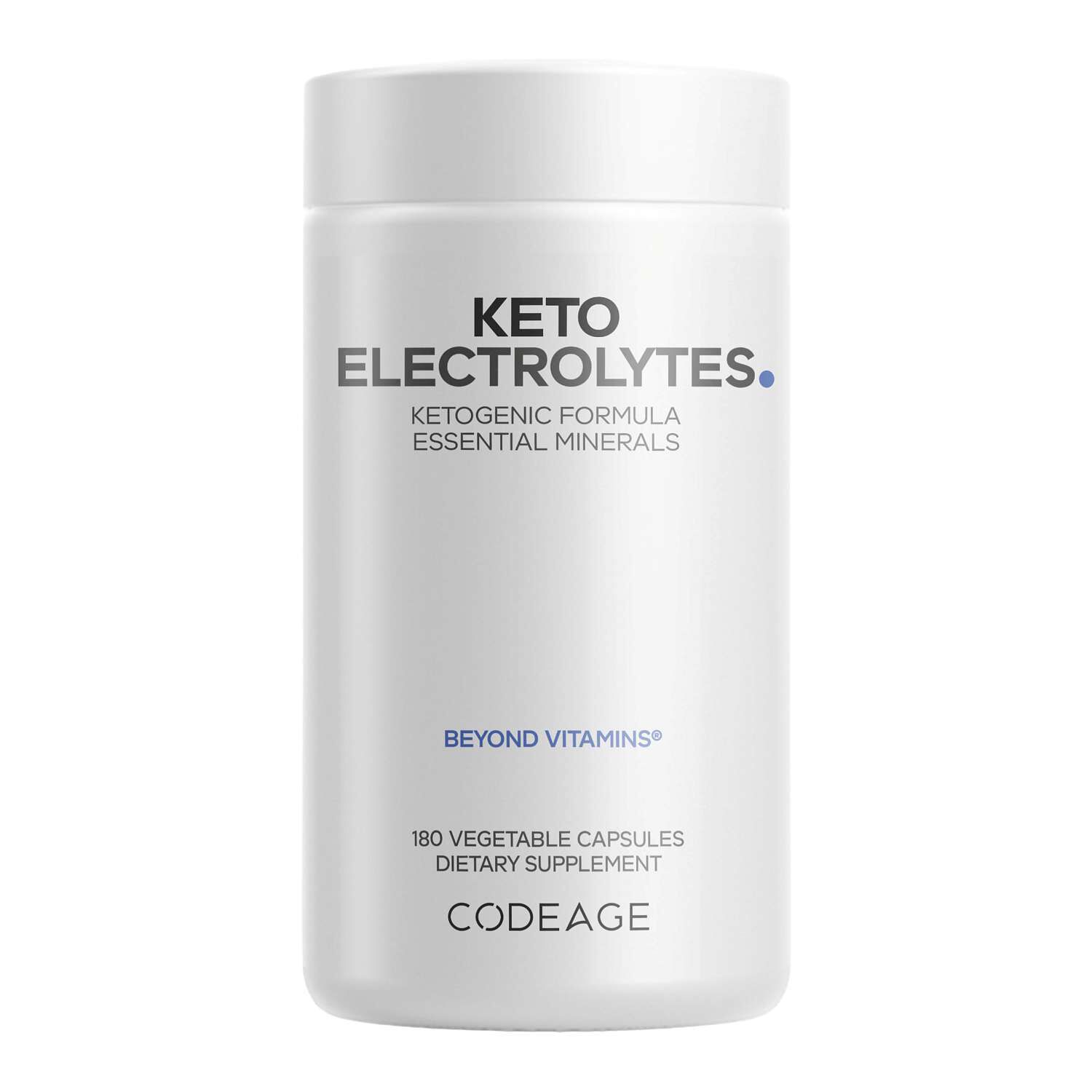
 Angry Supplements$24.99
-

-
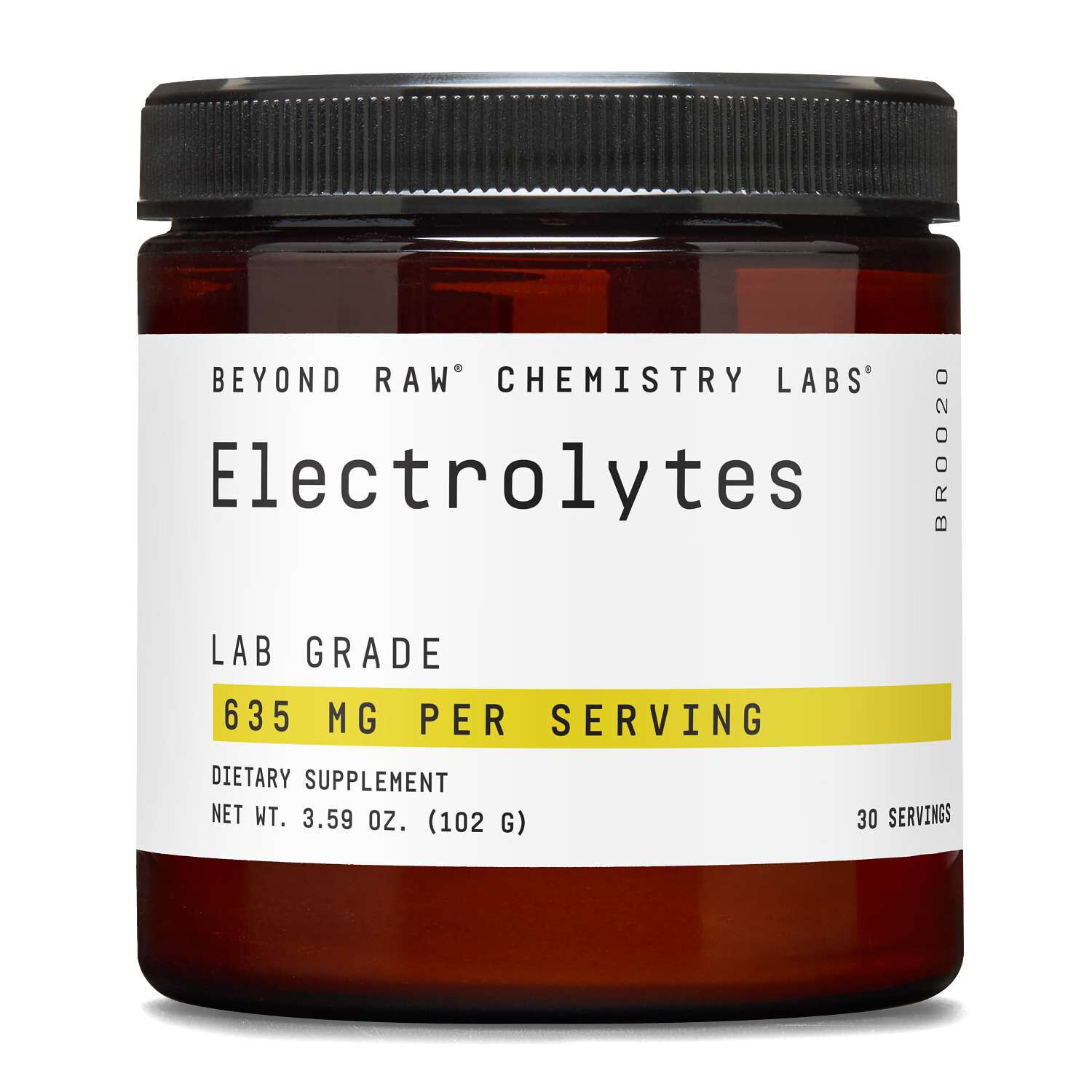 Beyond Raw$24.99
-
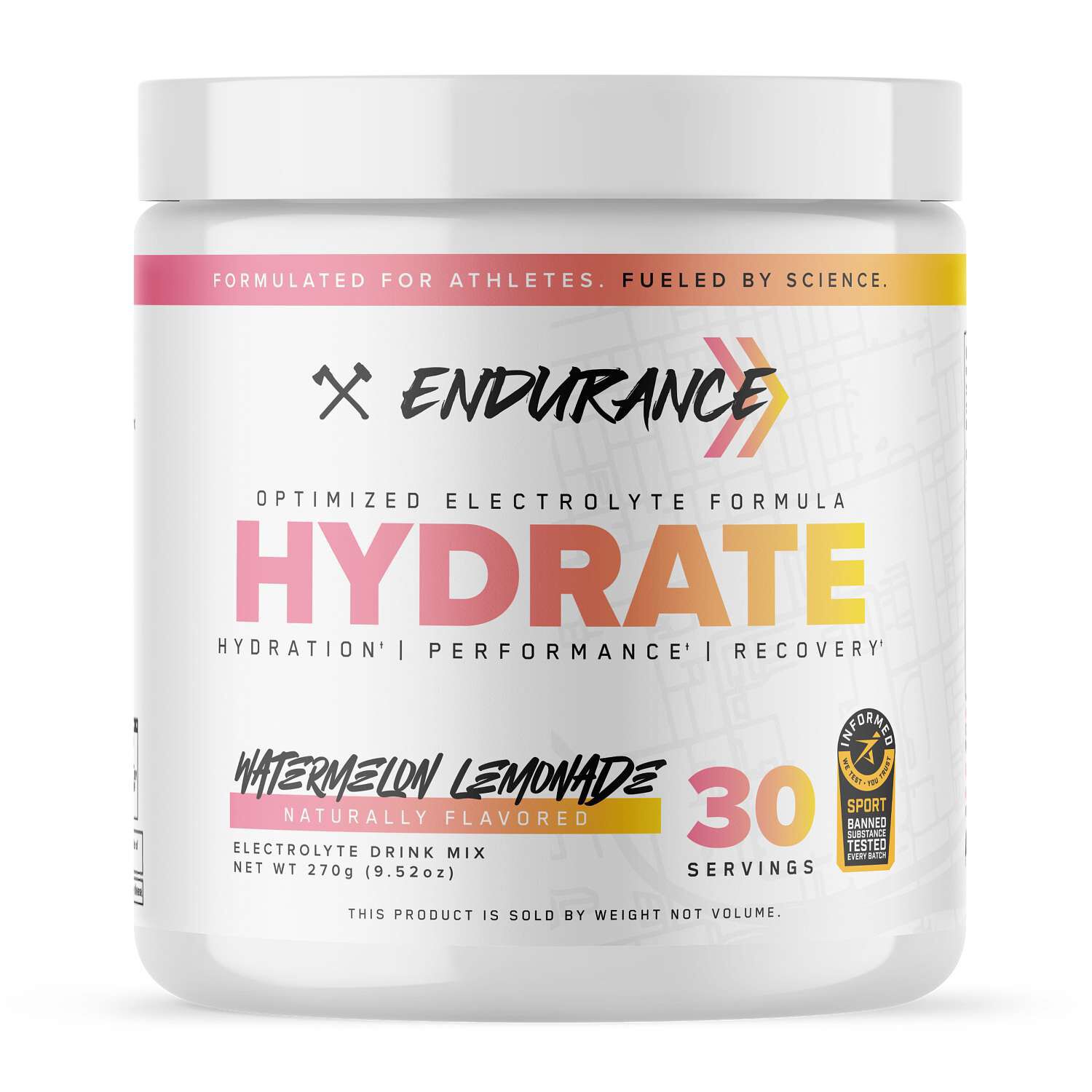 Axe & Sledge Supplements$29.99
-

-

-
-

-

-
 $24.99
-
-

-

-

-

-
-

-

-

-
 $26.99
-

Electrolyte supplements are powders, tablets, capsules, and beverages formulated with minerals such as sodium, potassium, magnesium, calcium, and chloride. Electrolytes carry an electrical charge when dissolved in water, and these minerals also occur naturally in foods and drinks. As part of an activity routine, electrolyte supplements may help replenish minerals lost through sweat and may support hydration alongside water. Their intended use often centers on extended exercise, repeated training sessions, or activities that involve substantial sweating, rather than every ordinary trip to the gym. A runner preparing for a long distance, a cyclist spending several hours on an indoor trainer, and someone heading to a recreational basketball game may have different priorities when comparing formulas. Duration, effort, personal preferences, and the rest of the day’s food and beverage choices all provide useful context. Water and a varied diet may meet many everyday hydration and mineral needs, so an electrolyte supplement is not automatically necessary for every workout. The category also encompasses considerable variety: some formulas focus on a small selection of minerals, while others include several electrolytes along with carbohydrates or additional ingredients. An electrolyte powder is not necessarily interchangeable with a sports drink, and a capsule does not offer the same drinking experience as a tablet dissolved in a bottle. Meaningful comparisons start with the serving size, the amount of each listed mineral, and the preparation directions. Sodium and potassium amounts can differ substantially between formulas, even when the packaging describes a similar intended use. A serving intended for a large bottle may also differ from one designed for a smaller glass. Looking at those details together gives a clearer picture than relying on flavor names or a broad description on the front of the package. The most relevant distinctions are what the formula contains, how it is prepared, and whether its intended use fits the activity and drinking routine being considered. That context keeps the focus on practical differences rather than treating every electrolyte supplement as the same option.
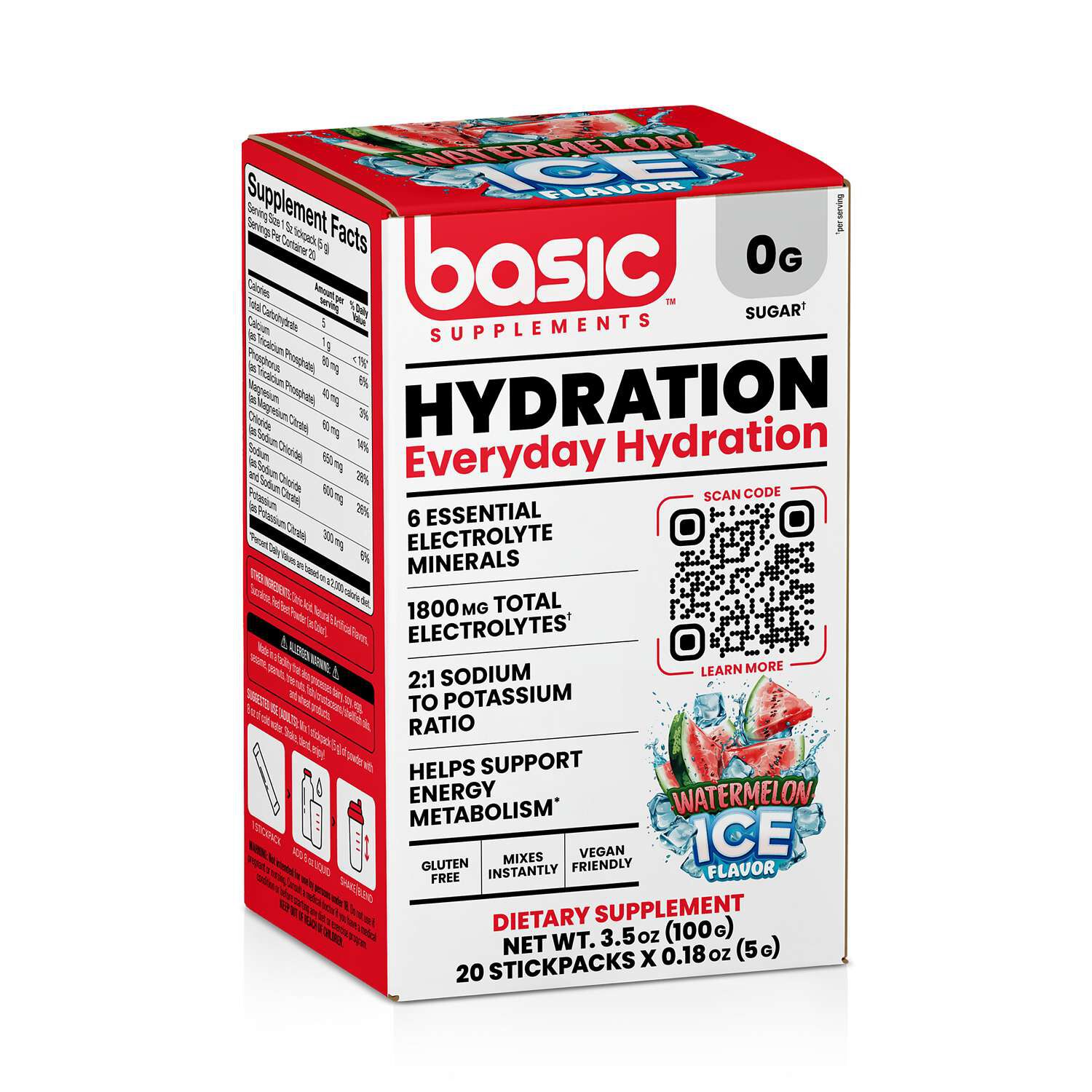
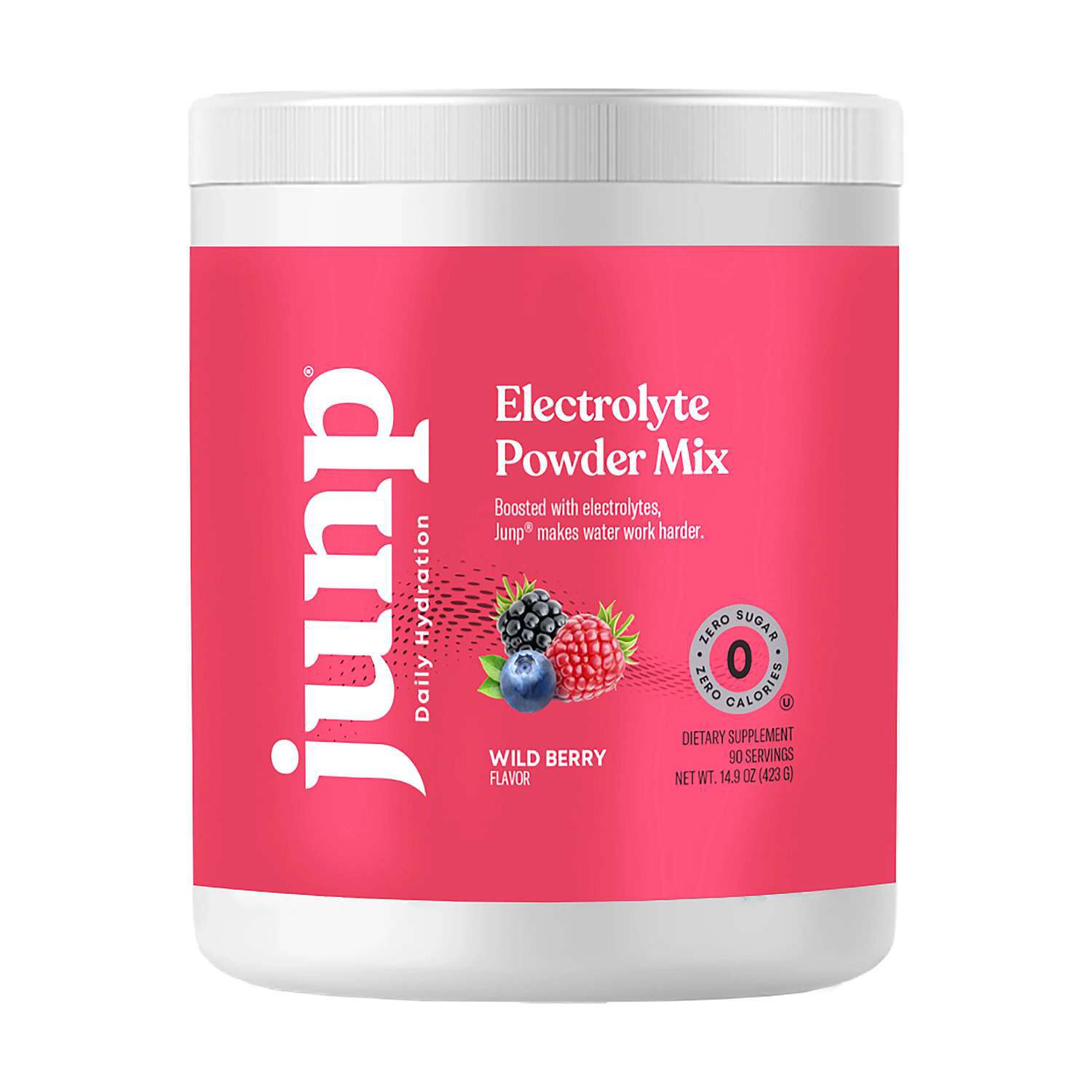
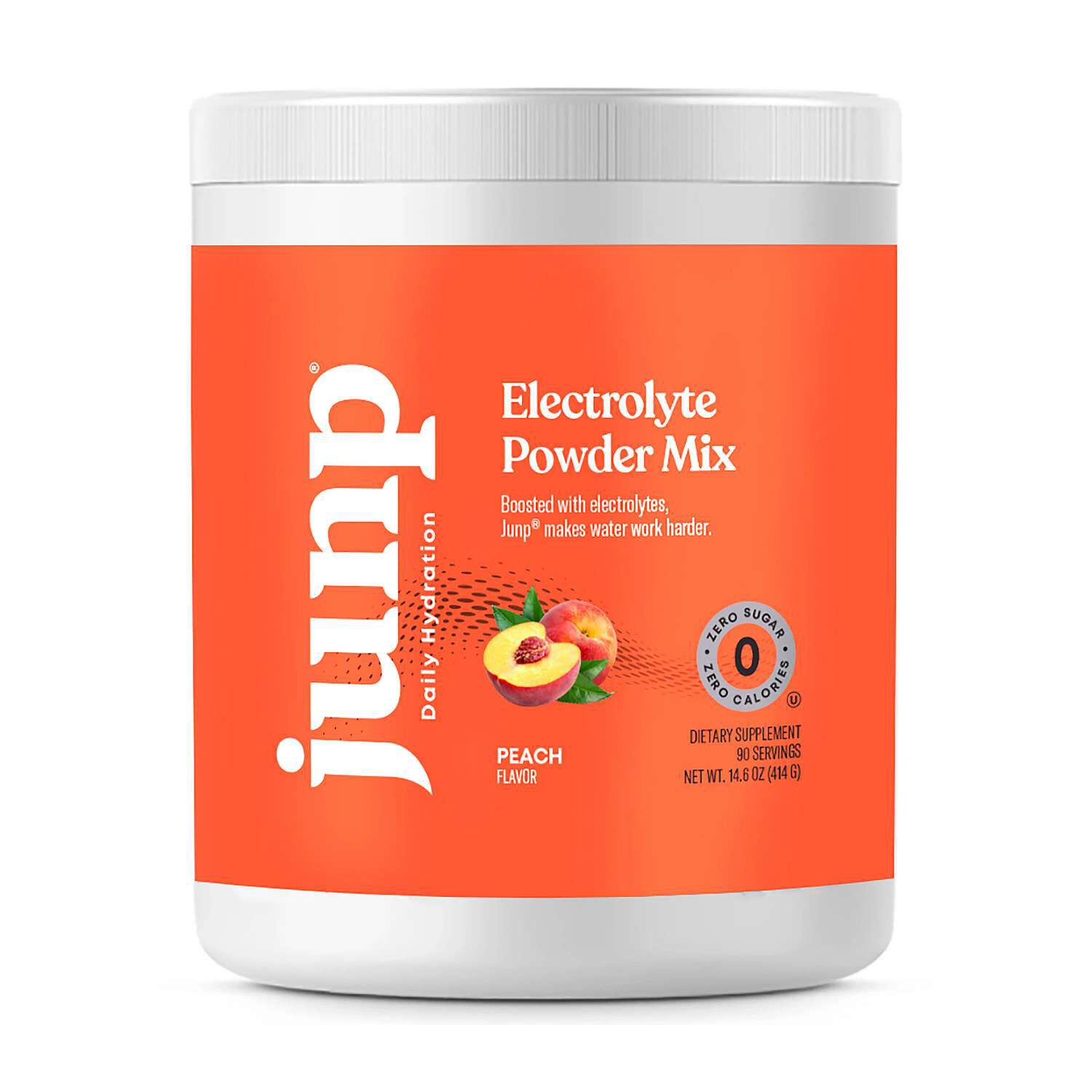
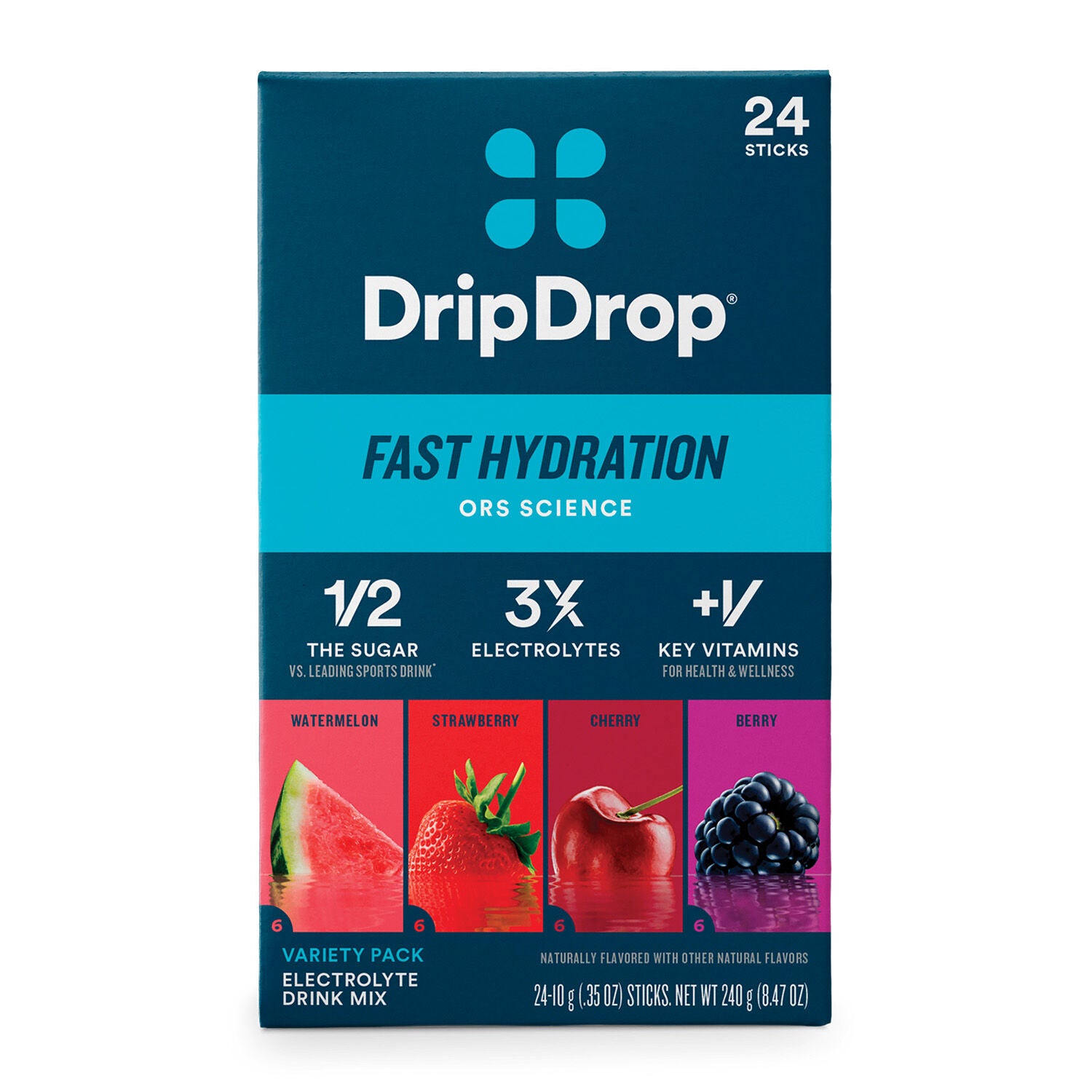
Format is often the first practical decision because it shapes how an electrolyte supplement fits into the day. Individual powder packets are compact enough for a gym bag or running vest, with a measured serving that can be mixed according to the label. A larger powder container offers a different setup: it typically requires measuring a portion and having a suitable bottle or glass nearby. For someone who prepares a drink before leaving home, that extra step may fit naturally into the routine. For someone mixing a beverage between work and an evening training session, a packet may be easier to carry. Dissolvable tablets offer another approach, although the preparation directions may include a waiting period before the drink is ready. Capsules and swallowable tablets do not create a flavored beverage and should be considered according to their own labeled directions. Ready-to-drink options require no mixing, but their containers take up more space than dry formats. Beyond convenience, flavor and texture deserve attention. Citrus, berry, and unflavored options provide different drinking experiences, and sweetness can come from sugar, other sweeteners, or a combination of ingredients. An unflavored formula can still have a noticeable mineral taste; the absence of added flavor does not mean the finished drink will taste identical to plain water. The recommended water quantity matters here, too, because using a different amount changes the concentration and taste. Formulas containing carbohydrates may provide a source of energy during extended activity, while options without added sugar offer a different nutritional profile. Neither description alone establishes which formula suits a particular shopper. The ingredient list and Nutrition Facts or Supplement Facts panel provide more useful detail, including serving size, mineral quantities, carbohydrate content, and any other listed ingredients. Dietary preferences also warrant a closer look at the label, particularly for shoppers comparing sweeteners, animal-derived ingredients, or allergen disclosures. A clear view of both composition and preparation makes it easier to distinguish a convenient format from a formula that actually matches the intended use.
Everyday handling and storage are part of choosing electrolyte supplements, especially when containers move between a kitchen shelf, a locker, and a workout bag. Powders and dissolvable tablets generally need protection from moisture, with packaging closed as directed after use. A dry measuring scoop, an intact packet, and attention to the labeled storage conditions may help preserve the product’s intended texture and usability. Powder clumping or a tablet beginning to dissolve inside its container can make preparation less convenient, which is why packaging design matters alongside the ingredient panel. Single-serving formats reduce the need to carry a larger container, while a securely closing lid may suit someone who measures servings at home. For mixed beverages, a bottle with enough capacity for the recommended water quantity and room for mixing is a practical consideration. Bottle cleaning and any directions about using or storing a prepared drink also belong in the routine; the supplement label and the bottle’s care instructions address different parts of that process. These small details become noticeable during real activities. A runner filling a bottle before a long training session may prioritize a familiar flavor and a packet that opens easily. Someone attending a fitness class after work may prefer a format that fits beside shoes and a change of clothes. A cyclist planning several hours of exercise may pay particular attention to serving directions, mineral quantities, and whether carbohydrates are included. Those scenarios illustrate different shopping priorities, not a single formula suitable for everyone. Comparing electrolyte supplements by intended use, mineral composition, preparation method, flavor, and storage requirements keeps the decision grounded in information available on the label. The Electrolyte Supplement Deals page provides another way to browse the category with those preferences in mind. Whether the preferred format is a powder, a dissolvable tablet, a capsule, or a prepared beverage, the useful comparison remains the same: what each serving contains and how it fits the routine in which it will be used.