





Chlorophyll Liquid Supplements For Adults
(0 Results)
Chlorophyll liquid supplements for adults may offer a convenient way to incorporate this vibrant green compound into your daily routine. Sourced from plants, chlorophyll is often chosen by those looking to support their wellness journey with plant-based options. Whether added to water or your favorite beverage, these liquid supplements may fit seamlessly into a variety of lifestyles. Explore the selection of chlorophyll liquid supplements for adults and discover options designed with adult needs in mind.
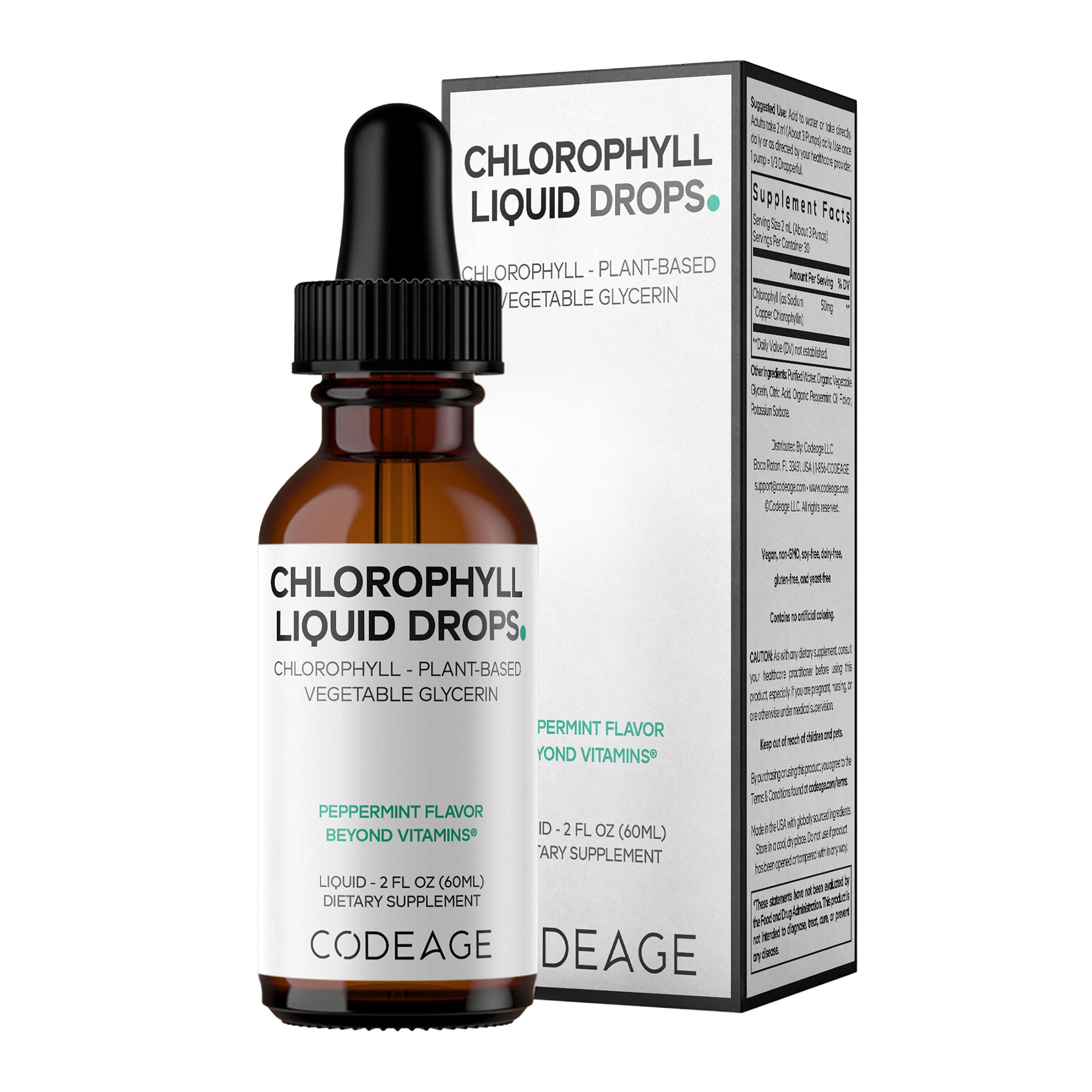
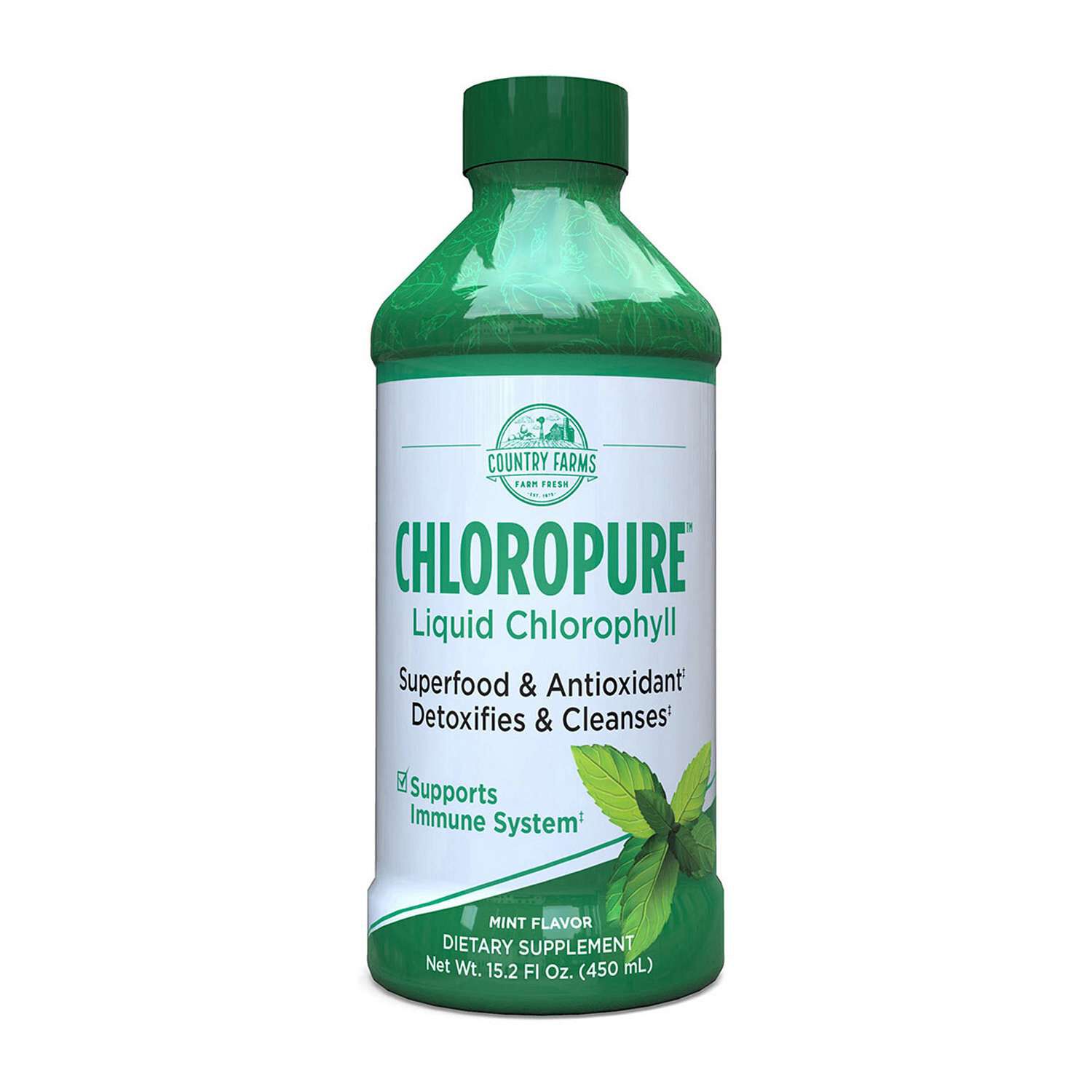
Chlorophyll liquid supplements for adults offer a liquid format for shoppers who prefer a measured serving over a tablet or capsule. Chlorophyll is the green pigment found in plants, where it plays a role in absorbing light for photosynthesis. Spinach, parsley, and other green vegetables naturally contain it, but the ingredient in a supplement bottle is not always identical to the pigment in a leaf. Many liquid formulas use chlorophyllin, a water-soluble derivative of chlorophyll, often identified on the label as sodium copper chlorophyllin. That distinction matters when comparing ingredient lists: the familiar term “liquid chlorophyll” can describe products with different ingredient sources, concentrations, and supporting ingredients. A liquid formula commonly includes water along with the listed chlorophyll ingredient, and some formulas also contain glycerin, flavoring, sweeteners, or preservatives. Unflavored and mint-flavored options represent different taste preferences rather than different measures of ingredient quality. The format may appeal to adults who enjoy mixing a supplement into a beverage, prefer not to swallow another capsule, or want a serving method that fits an established daily routine. Liquid chlorophyll drops and larger pourable bottles belong to the same broad category, although their serving methods can differ considerably. Neither the depth of the green color nor the size of the bottle establishes how much chlorophyllin a serving contains. The Supplement Facts panel is the more useful reference for that comparison. Research on the effects of oral chlorophyll supplements in humans remains limited, so broad wellness language should not be treated as evidence of a particular outcome. These products are dietary supplements, not substitutes for vegetables or a varied diet. For shoppers exploring this category, the most meaningful distinctions are often straightforward: the named ingredient, the amount per serving, the flavor profile, the measuring method, and the storage requirements. Those details provide a clearer picture of what a bottle is like to use than a dramatic description of what it might accomplish.
Comparing liquid chlorophyll supplements starts with reading serving information alongside bottle volume. A larger bottle does not necessarily contain more servings, and a smaller bottle does not necessarily have a lower concentration. The amount of chlorophyll or chlorophyllin listed per serving, the liquid volume that makes up that serving, and the stated number of servings per container answer different questions. A milliliter measurement describes volume; a milligram amount describes the quantity of the listed ingredient. Keeping those units separate makes side-by-side comparisons easier. With chlorophyll drops, a serving might be expressed as a specified number of drops or a measured volume, depending on the formula. A full dropper should not be assumed to equal one serving, since dropper size and label directions vary. Clearly printed markings and an easy-to-read panel are useful features for someone measuring a serving at a kitchen counter before breakfast or preparing a beverage later in the day. Taste deserves the same attention as concentration. Mint flavor may suit someone who enjoys a cool herbal note in water, while an unflavored formula may better suit someone who prefers fewer added flavors. Unflavored does not necessarily mean tasteless, and the beverage used for mixing may influence how noticeable the formula tastes. Ingredients such as glycerin or sweeteners may also affect sweetness and mouthfeel. Shoppers with dietary preferences can look for explicit labeling about ingredient sourcing and suitability rather than assuming that every green liquid has the same composition. A plant-associated ingredient does not, by itself, describe every ingredient in the finished formula. For someone who already uses other supplements, reviewing the full ingredient panel also helps identify whether a chlorophyll liquid includes added vitamins, minerals, or botanical ingredients beyond its main component. A shorter ingredient list and a more elaborate blend are different formulation choices; neither alone establishes a better match. The practical fit comes from understanding what is in the bottle and whether its taste, serving format, and directions suit the intended routine.
Everyday usability also depends on packaging and care, especially with a deeply colored liquid that requires measuring. A small dropper bottle may fit neatly into a designated supplement area, while a pourable format may suit someone who prefers using a separate measuring utensil. The closure, neck opening, and measuring device deserve a closer look because they shape the experience of handling the bottle repeatedly. An easy-to-grip cap and readable serving marks can be useful details, particularly in a shared kitchen where supplements need their own organized space. Dark-colored splashes may leave marks on light surfaces or fabrics, making a washable preparation area a practical choice. Product directions remain the reference for whether a formula should be shaken, how it should be diluted, and which beverages are appropriate for mixing. The label also establishes storage conditions, including whether refrigeration is needed after opening. That requirement matters for someone considering a bottle for an office routine or regular travel: a format that works well beside a home refrigerator may be less convenient in a bag throughout the day. Bottle material alone does not establish storage suitability, and an intact closure does not replace attention to the labeled storage directions and date information. Larger containers can suit regular routines, but their usefulness depends on serving size and any stated instructions for use after opening. Adults shopping for themselves may find these practical details more relevant than elaborate wellness language, while anyone choosing a supplement as a gift benefits from knowing the recipient’s preferences beforehand. A familiar flavor and a preferred format are more personal considerations than attractive packaging. When browsing Chlorophyll Supplements for Daily Detox, the same focus on ingredient identity, serving information, and product directions supports a grounded comparison. Across liquid chlorophyll formulas, a thoughtful selection centers on clear labeling and a manageable routine, with realistic expectations about the limited research on human benefits. The right fit is a formula whose composition, flavor, packaging, and care requirements are easy to understand before it becomes part of the day.
Best Sellers
-
 Nature's Fusions
