





Chlorophyll Supplements For Healthy Metabolism
(0 Results)
Chlorophyll supplements for healthy metabolism offer a convenient way to support your wellness journey. Sourced from green plants, these supplements may be a helpful addition to your daily routine if you are looking to maintain overall vitality. Whether you’re interested in plant-based options or simply exploring new ways to care for your body, chlorophyll supplements for healthy metabolism could be a valuable part of your nutritional goals. Discover various forms and strengths to find an option that fits your lifestyle.

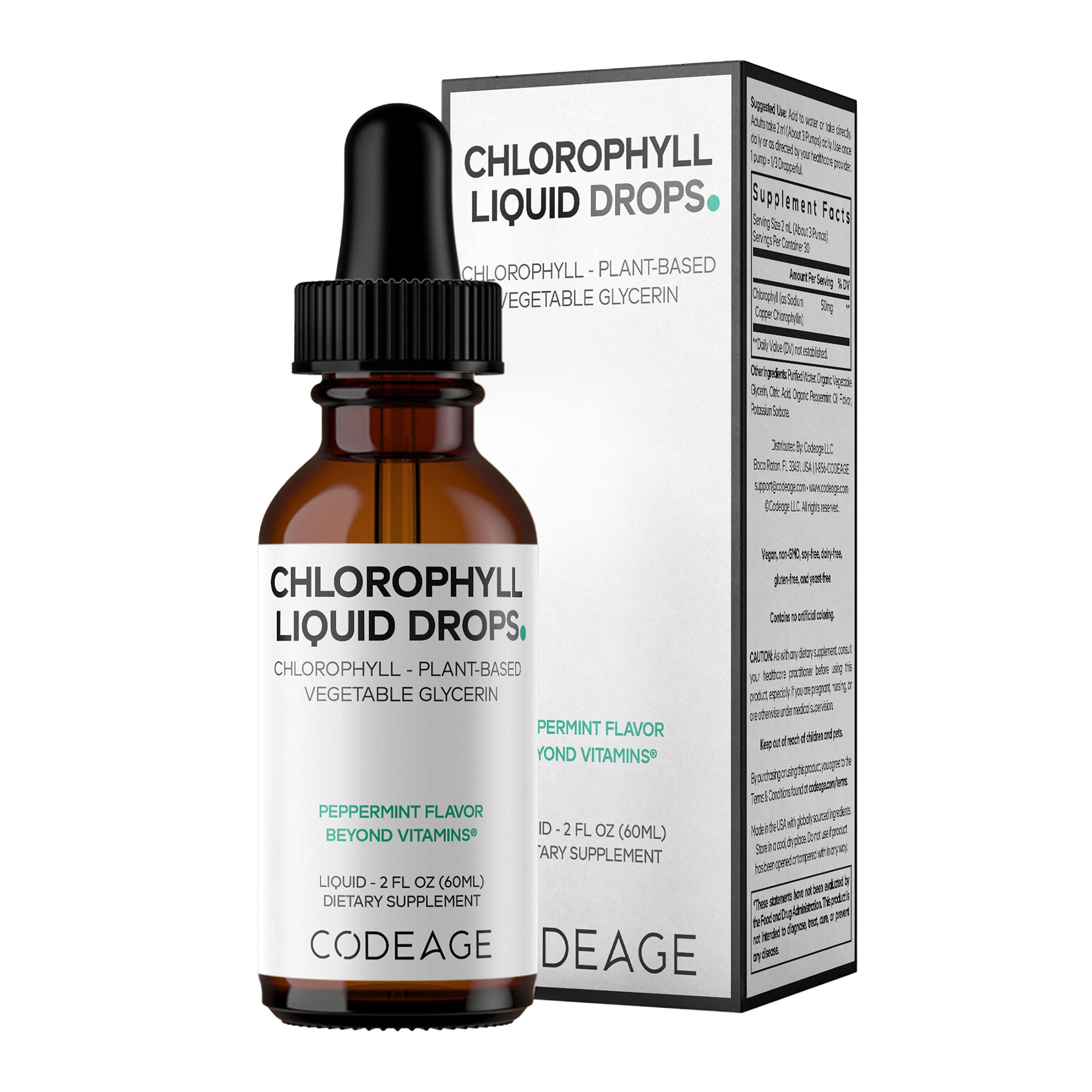

Chlorophyll supplements for healthy metabolism bring together a familiar green plant pigment and an interest in everyday nutrition, but the connection deserves a clear distinction. Chlorophyll is the pigment involved in photosynthesis, the process plants use to capture light energy. Human metabolism refers to the many chemical processes that convert food into usable energy and maintain normal body functions. Research has not established that taking a chlorophyll supplement directly increases metabolic rate or meaningfully changes weight management outcomes. That distinction matters when comparing supplements: a green color, a plant connection, or a wellness-oriented label does not establish a metabolic benefit. Many supplements labeled as chlorophyll actually contain chlorophyllin, a modified, water-soluble form derived from chlorophyll. The ingredient panel may identify it more specifically as sodium copper chlorophyllin. These terms describe related ingredients, but they are not interchangeable descriptions of the original pigment found in leafy vegetables. Spinach, kale, parsley, and other green foods contain naturally occurring chlorophyll along with nutrients and, in whole vegetables, dietary fiber. A chlorophyll supplement is a different type of product, intended to supplement food intake rather than stand in for a varied diet. For adults browsing this category, the most useful distinctions often involve the actual ingredient, the serving amount, the delivery format, and how the product fits an existing routine. Someone who already keeps a glass of water beside breakfast might prefer a liquid format, while someone who organizes supplements in a small daily container might prefer capsules or softgels. Neither preference demonstrates a difference in metabolic effects. A thoughtful comparison starts with what the label says rather than assumptions about what a darker green liquid or a larger serving could accomplish. Keeping those expectations grounded allows chlorophyll supplements to be considered for what they are: dietary supplements with different formulations, practical features, and intended uses, not a substitute for the broader habits associated with everyday nutrition.
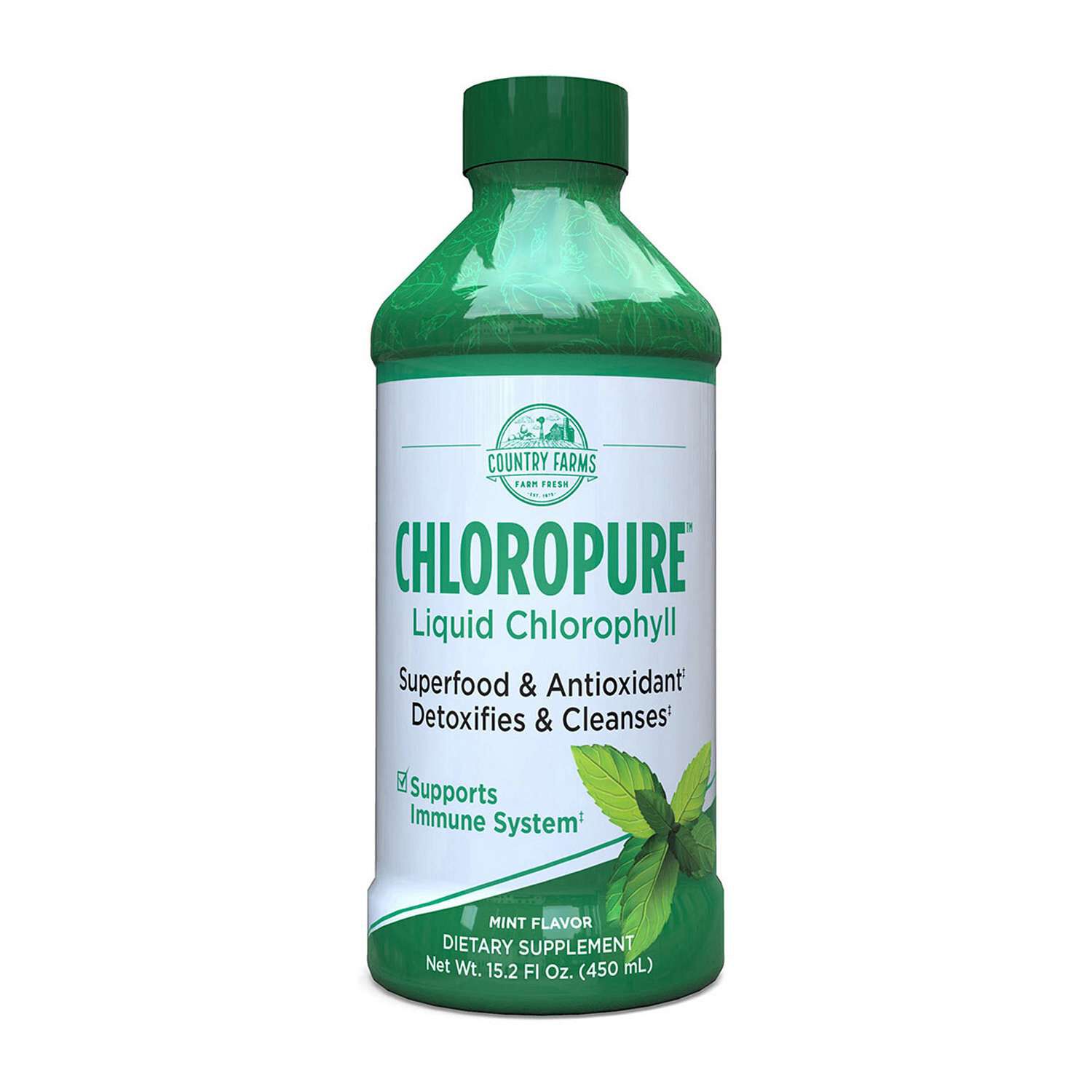
Liquid chlorophyll drops, bottled liquids, capsules, and softgels offer different experiences, particularly when it comes to measuring, flavor, and portability. Drops generally require measuring a specified amount, sometimes with a marked dropper, while other liquids use a serving measured in milliliters. Preparation directions vary, so a liquid intended for dilution is different from one labeled for another method of use. The color can be vivid enough to leave marks on a countertop, cloth, or porous surface, making careful pouring and a promptly closed cap worthwhile practical considerations. Some liquids have an earthy flavor; others contain mint flavoring or additional ingredients that change the taste. Flavor descriptions are useful, but the full ingredient list gives a clearer picture of what goes into each serving, including sweeteners, preservatives, and other formulation components. Capsules and softgels keep the ingredient enclosed, which could suit shoppers who prefer not to mix a drink or experience the flavor of a liquid. Their shell materials also deserve attention. Gelatin and plant-derived capsule materials differ, and a plant-associated ingredient does not automatically mean the finished supplement suits a vegetarian or vegan preference. Serving size is another meaningful distinction: one serving might consist of several capsules rather than a single capsule, and a dropperful is not a universal measurement across bottles. Comparing the amount listed per serving, alongside the number of servings in the container, creates a more useful picture than comparing bottle dimensions alone. Packaging matters in ordinary settings, too. A bottle used at the kitchen counter has different handling demands from a container carried in a work bag. A secure closure, legible directions, and clearly marked measurements are practical details worth noticing. For storage and care, the label is the reference for whether refrigeration is needed after opening, how the container should be closed, and when the product should be used by. Original packaging also keeps ingredient information, serving directions, and storage requirements together instead of separating the supplement from the details needed to use it as intended.
Choosing among chlorophyll supplements also involves deciding whether a focused formula or a blend better matches the purpose of the purchase. A focused formula makes it easier to see the chlorophyll-related ingredient and its stated amount, while a blend may include other plant ingredients, vitamins, or minerals. Each added component changes the composition of the product; its presence does not establish a stronger effect on metabolism. When several supplements are part of the same routine, reading their panels side by side can reveal overlapping ingredients that are less obvious from the names on the front of the packages. Clear labeling is especially helpful here, including a stated serving size, identifiable ingredient forms, and an explanation of any testing or certification shown on the package. A quality-related seal should be considered according to what it actually evaluates, rather than treated as evidence of a metabolic outcome. Likewise, liquid and capsule formats should not be ranked by appearance or by an assumption that one must work better because it looks more concentrated. Evidence for a meaningful metabolic benefit remains limited, and format alone does not resolve that uncertainty. The category may appeal to adults who enjoy exploring plant-derived supplements or who want a format that fits a familiar breakfast, lunch, or travel routine. Personal preferences carry more weight than novelty: an unflavored liquid may appeal to someone comfortable with an earthy taste, while an enclosed format may be a better practical match for someone who values simple preparation. For a related selection organized around a different wellness theme, explore Chlorophyll Supplements for Daily Detox; that category name does not establish a detoxifying effect. Across either selection, the most meaningful product details remain the same: ingredient identity, formulation, serving information, dietary suitability, and clear handling directions. Those details offer a grounded way to compare chlorophyll supplements while keeping the distinction between a shopping theme and demonstrated product effects in view.
Best Sellers
-
 GNC SuperFoods
 -
 Country Farms