Chocolate Protein Powders For Active Lifestyles
(0 Results)
Chocolate protein powders for active lifestyles could be a delicious way to support your fitness journey and daily nutrition goals. With a rich, satisfying flavor, these powders may fit seamlessly into post-workout shakes, morning smoothies, or on-the-go snacks. Whether you’re fueling up before exercise or recovering after a busy day, chocolate protein powders for active lifestyles might offer the versatility and taste that help keep you motivated and energized. Explore options designed to complement your routine and satisfy your chocolate cravings.
-
-

-

-
-

-
-

-

-

-

-

-

-

-
-
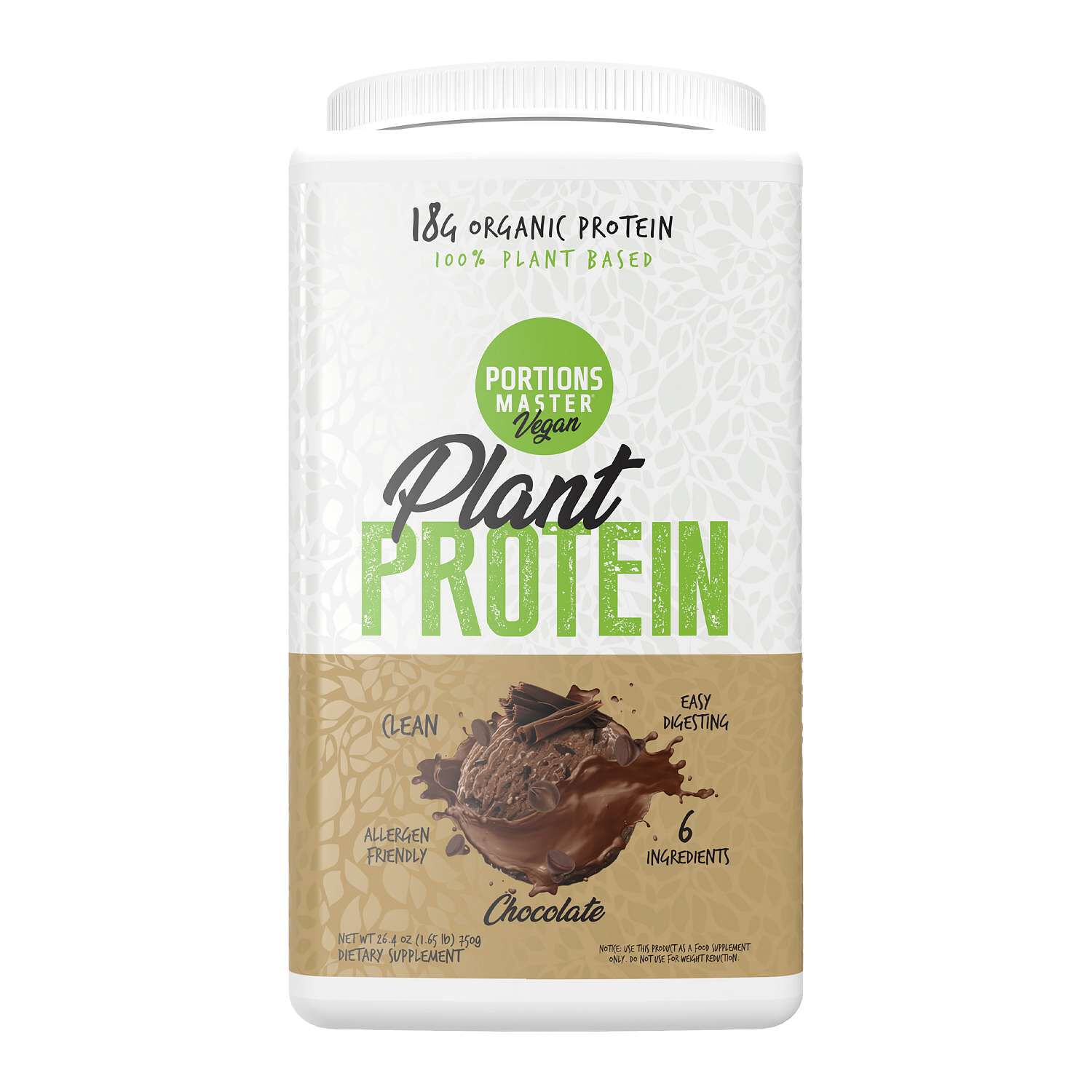
 Portions Master$49.99
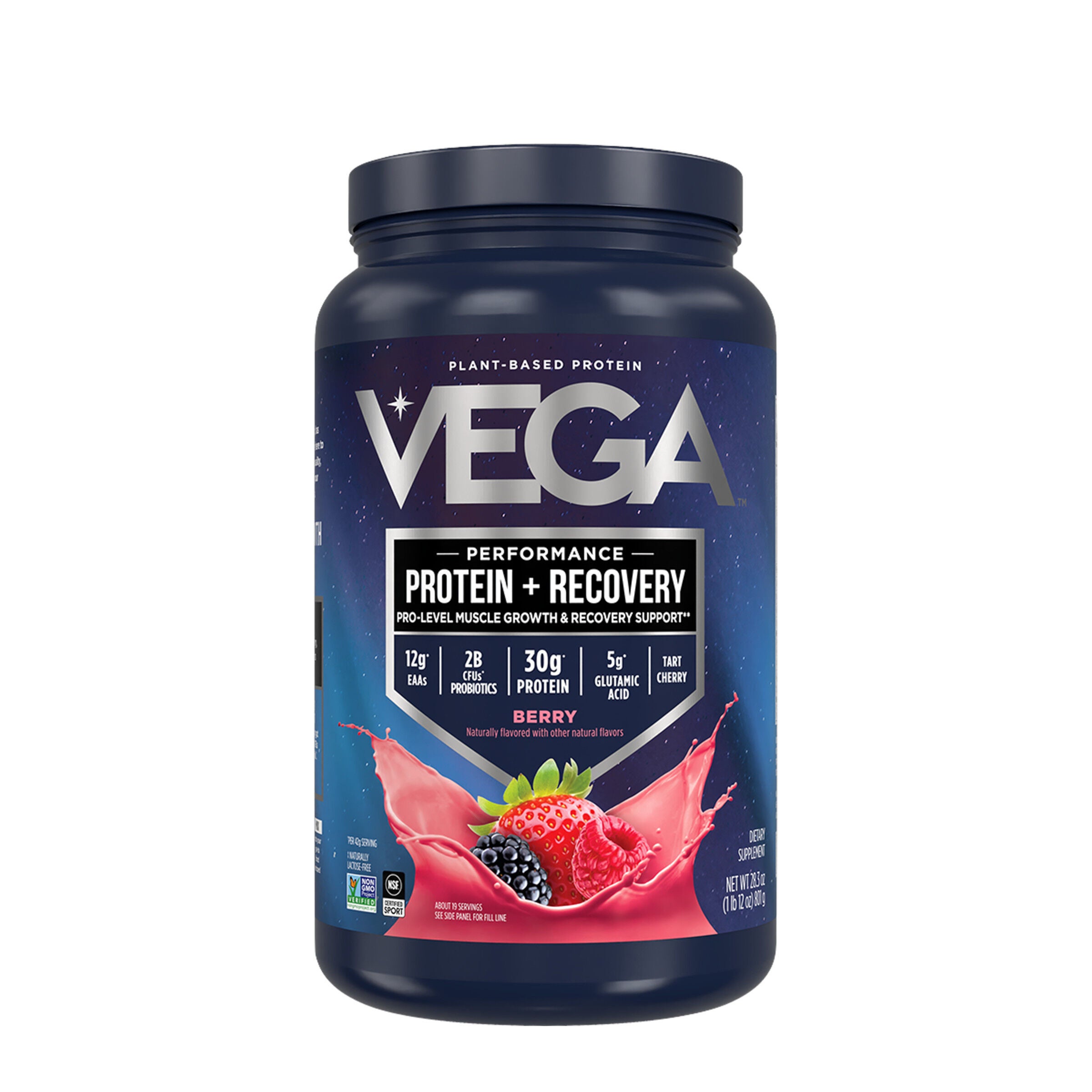
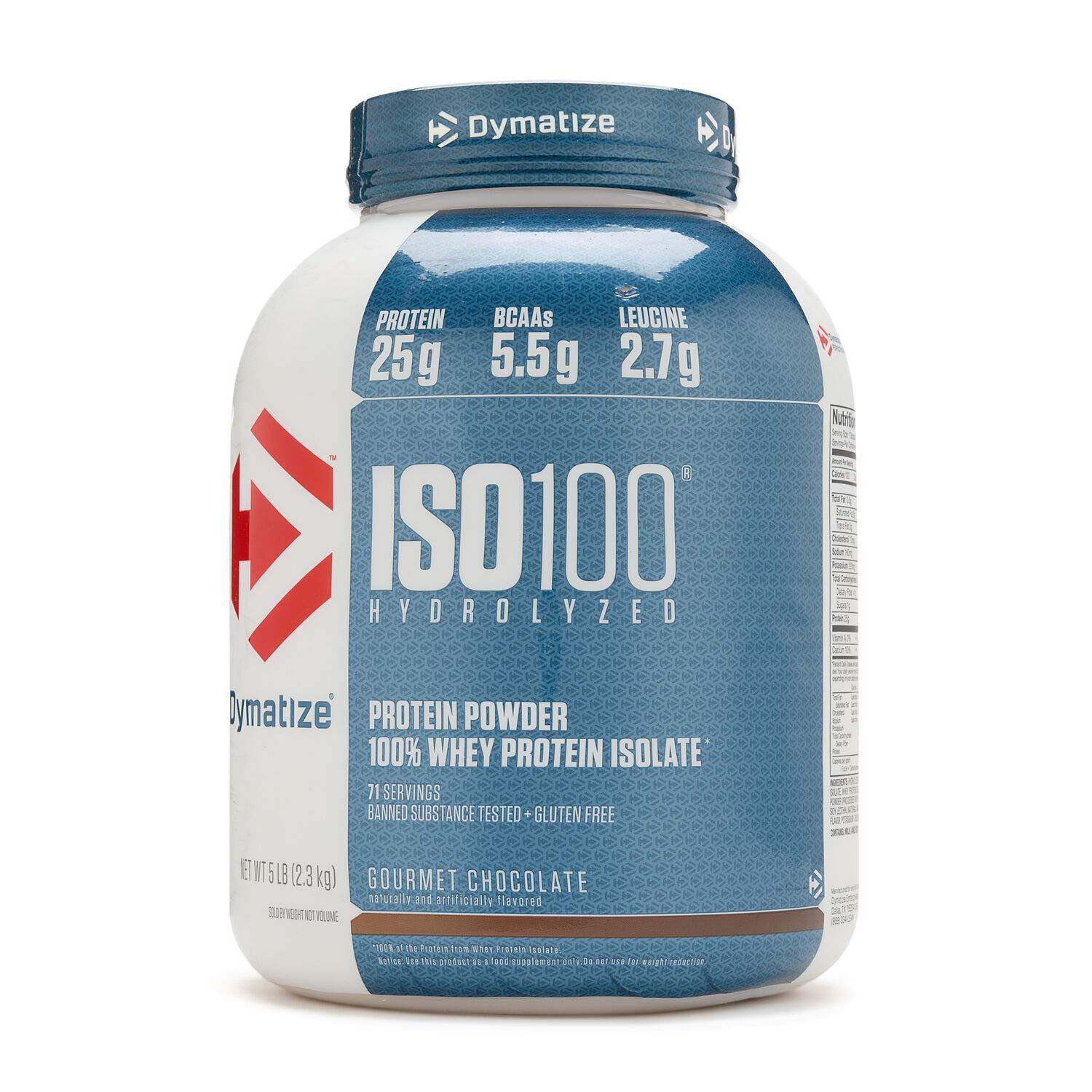
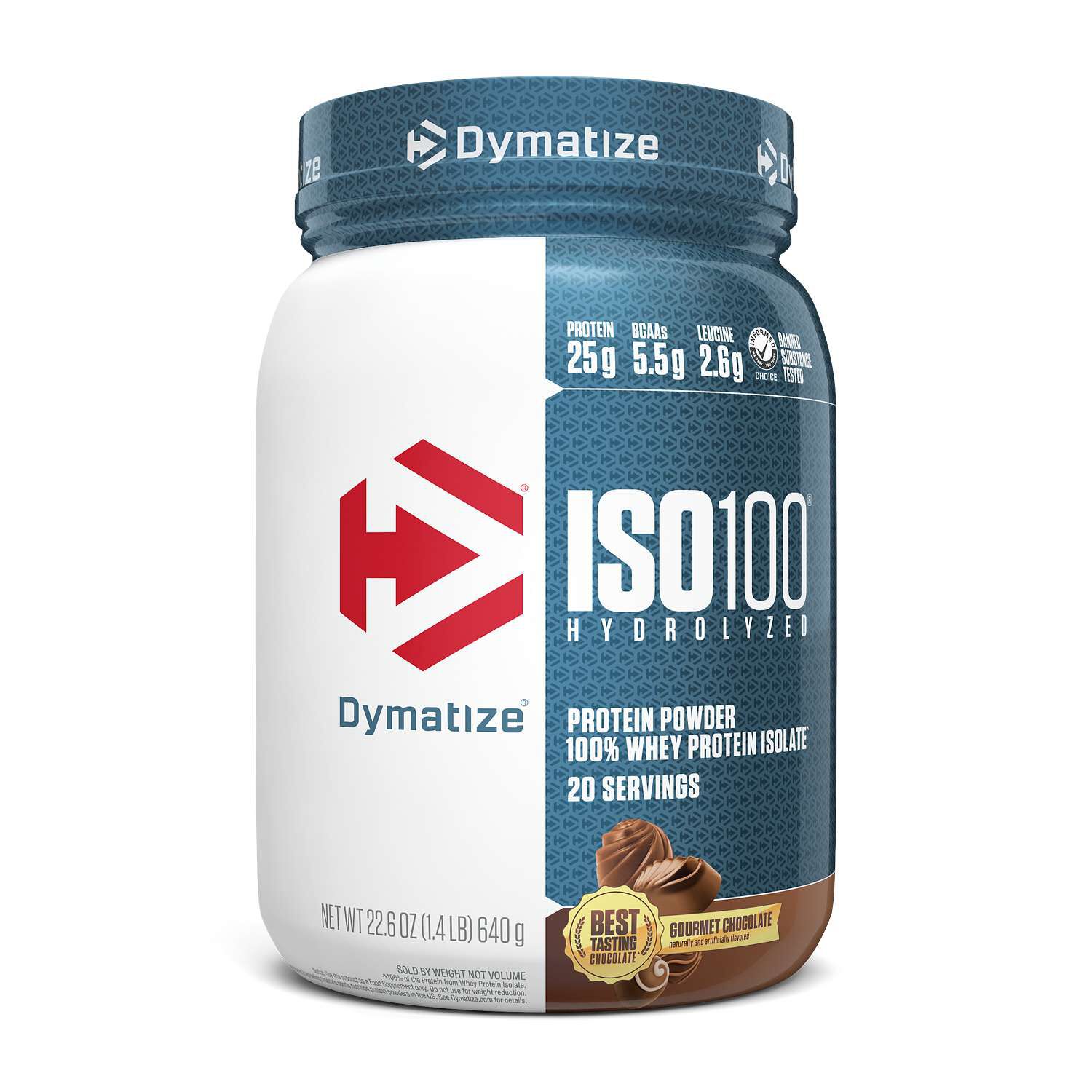
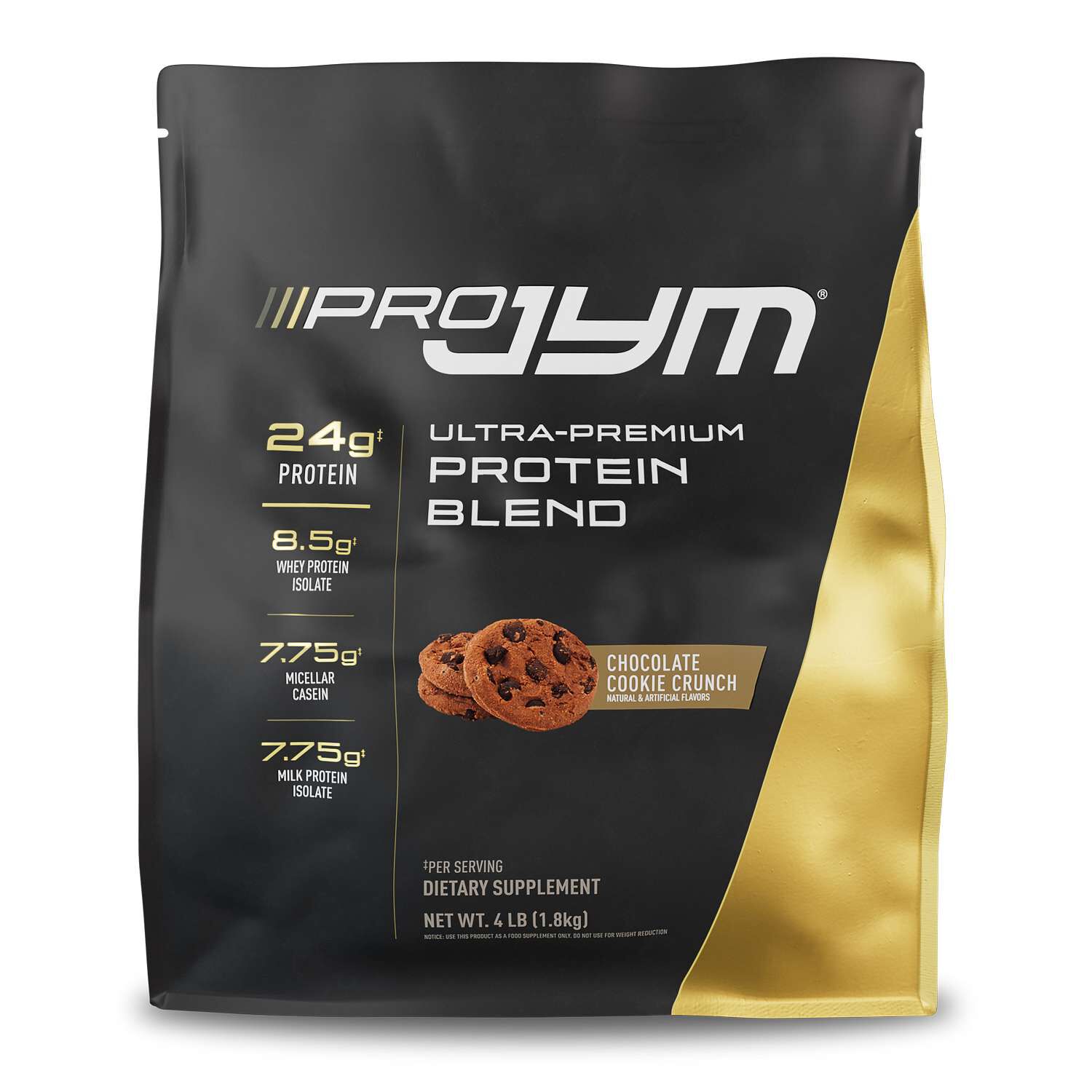
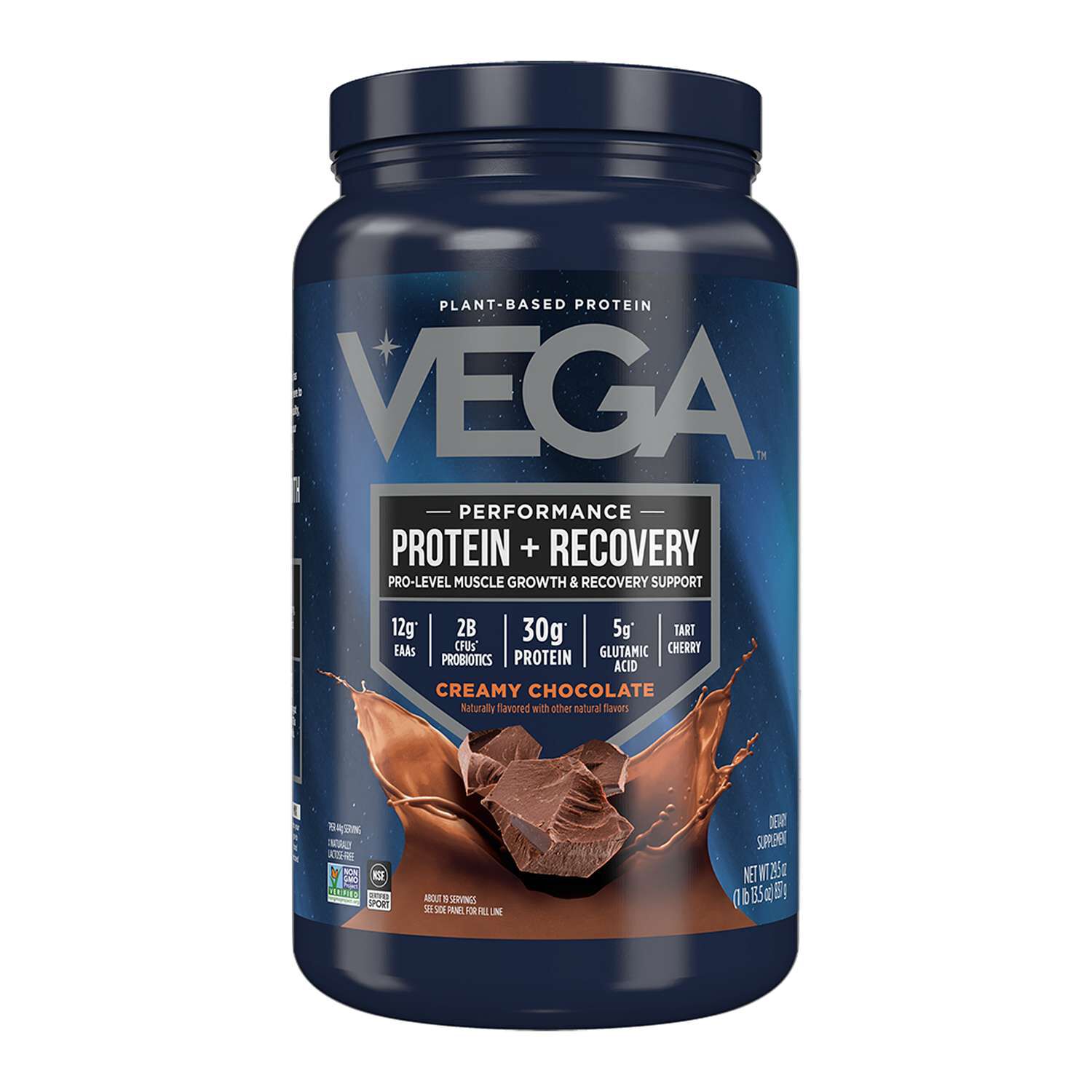
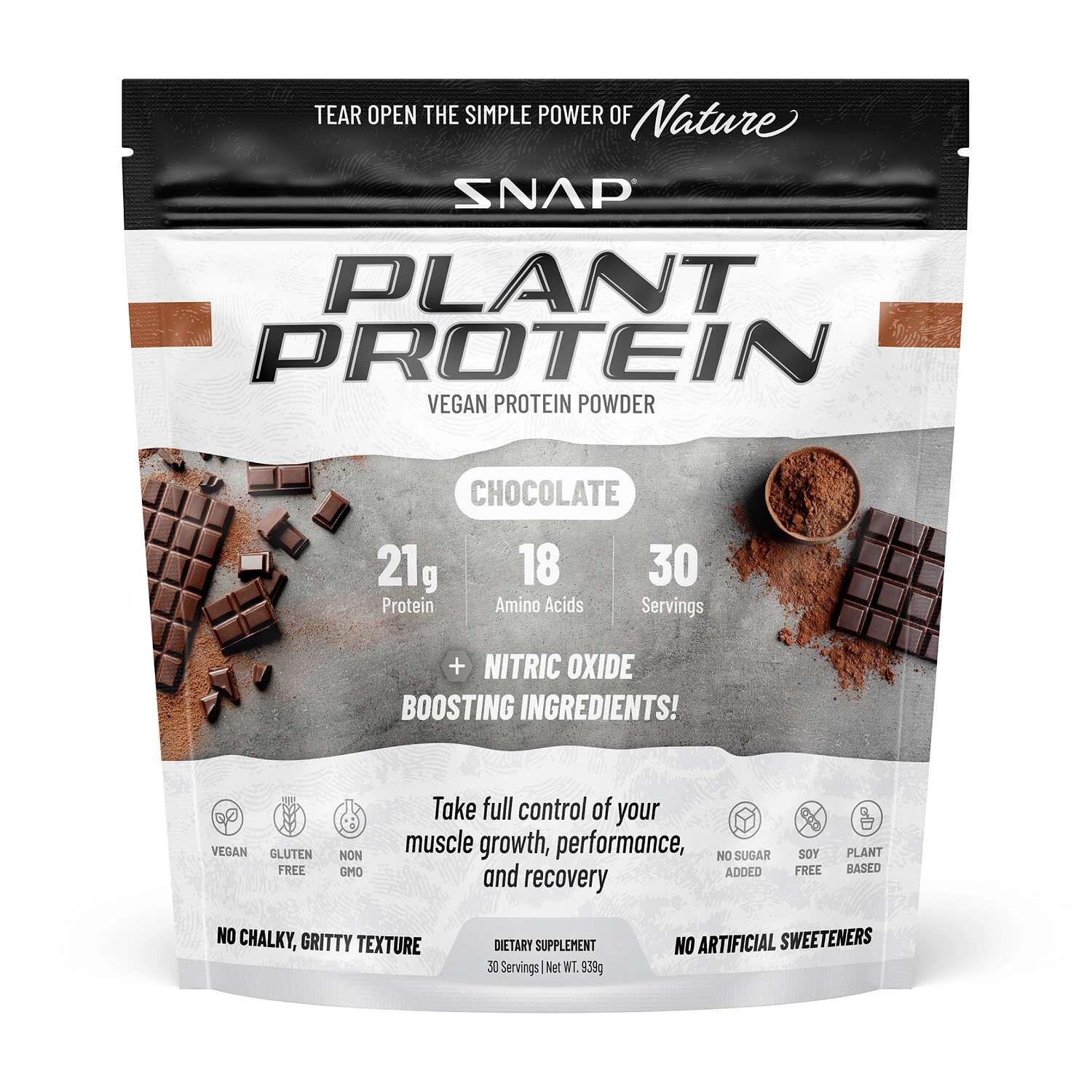
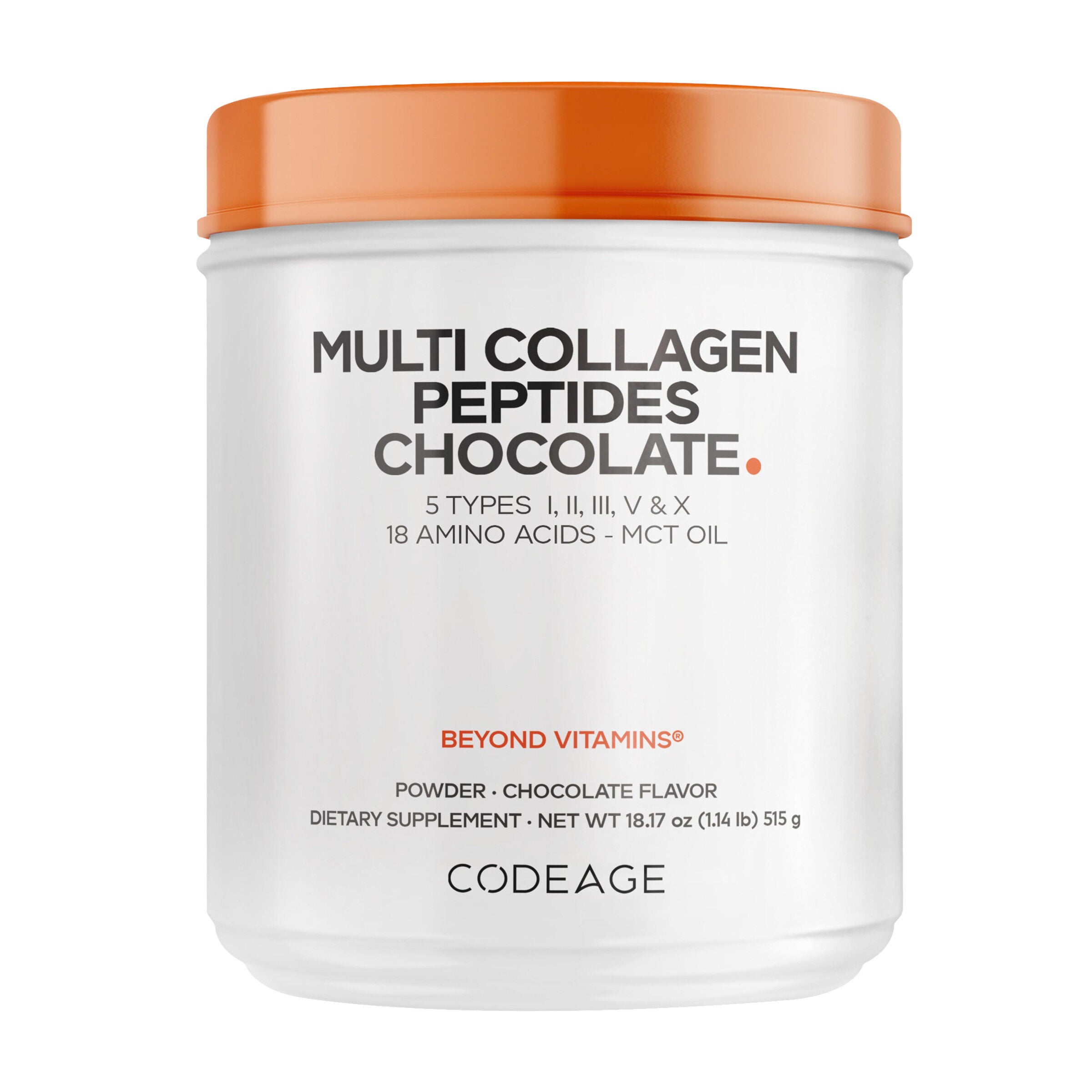
Chocolate protein powders for active lifestyles bring a familiar cocoa flavor to a category with plenty of differences in protein source, texture, sweetness, and intended use. For someone heading from a strength-training session to the office, a shake might be a practical addition to breakfast. For a recreational runner, weekend hiker, or regular gymgoer, chocolate powder might fit into a smoothie or an afternoon snack alongside other foods. Protein may support muscle maintenance and recovery after exercise, but choosing a powder also involves everyday details: how it tastes with water, whether it blends well with a preferred beverage, and how its serving size fits the rest of a meal. Whey, casein, soy, pea, and rice proteins are among the sources found in this category. Whey and casein come from milk, while plant-based options use ingredients such as peas, soybeans, rice, or combinations of plant sources. Whey concentrate and whey isolate are distinct forms; isolate generally contains a higher proportion of protein by weight and less lactose, although it is still milk-derived. A blend may combine multiple protein sources, so the ingredient list matters more than the chocolate name on the front of the container. Across Chocolate Protein Powders, the most useful comparisons start with the labeled protein grams per serving, the serving weight, and the ingredients that accompany the protein. Many powders provide around 20 to 25 grams of protein per serving, though amounts vary, and that range is a comparison point rather than a requirement for everyone. Scoop sizes differ, too: two powders with similarly sized containers can have different serving counts and different amounts of powder in each serving. An option for occasional smoothies may look different from one chosen for daily shaker-bottle use, even when both have the same chocolate flavor description.
Chocolate flavor can range from mellow milk-chocolate sweetness to a darker cocoa character, with texture playing an equally important role in the drinking experience. Cocoa, flavorings, sweeteners, and the protein base all contribute to the result. Some formulas include sugar, while others use sweeteners such as stevia, monk fruit, or sucralose; personal preference often comes down to sweetness intensity and the finish after each sip. A powder that tastes balanced in a banana smoothie may taste quite different when mixed only with water. Milk and plant-based beverages contribute their own flavor and texture, and their nutrition becomes part of the finished shake. Almond beverages, oat beverages, and soy beverages are not interchangeable from a nutrition standpoint, so the powder label tells only part of the story when other ingredients are added. Chocolate pairs naturally with banana, peanut butter, berries, oats, and coffee, making it a versatile flavor for routines that extend beyond a basic shake. A chocolate-and-banana blend has a different character from a cocoa-forward drink mixed with coffee, while nut butter adds richness and changes the nutrition of the serving. For someone mixing a drink at a desk or in a gym locker room, preparation with a shaker bottle may matter more than performance in a countertop blender. Mixing directions provide a useful starting point for the amount of liquid and the preparation method; less liquid generally creates a thicker drink, while more creates a thinner one. Some formulas include gums or other ingredients that affect consistency, and plant proteins can have a different mouthfeel from milk-derived proteins. Powder can also be stirred into yogurt or oatmeal when the label allows that use, although texture and flavor will differ from a beverage. Baking requires more attention because protein powder does not behave exactly like flour. Recipes developed for the particular protein type offer a more dependable starting point than swapping equal amounts into an existing recipe.
The nutrition panel and ingredient list help distinguish chocolate protein powders that otherwise look similar. Protein grams are only one part of that comparison: calories, carbohydrates, added sugars, fat, fiber, and sodium also vary by formula. A powder intended primarily as a protein supplement differs from one formulated and labeled as a meal replacement, and chocolate flavor alone says nothing about that intended use. Clear labeling is particularly relevant for shoppers with ingredient restrictions. Milk, soy, wheat, eggs, peanuts, and tree nuts are among the ingredients or allergens worth checking for where applicable, along with any manufacturing statements on the package. A plant-based description does not replace a careful review of those details. For competitive athletes or people whose sports organizations have supplement policies, independent certification can be another meaningful distinction. Certifications such as NSF Certified for Sport or Informed Sport involve defined testing programs, but their scope should be checked rather than interpreted as a statement about every aspect of a powder. Package design matters in ordinary use as well. A resealable pouch takes up space differently from a rigid tub, and the opening needs to accommodate regular scooping without making storage awkward. Following the labeled storage directions, keeping the scoop dry, and closing the package securely help protect the powder from moisture during use. The printed date and any directions for handling a prepared drink deserve attention, especially when a shake is packed for later rather than consumed immediately. Container size is also a practical consideration for someone using powder only a few times a week compared with someone sharing a kitchen with other regular users. As a gift for an active friend or family member, chocolate protein powder is a more personal choice than its familiar flavor might suggest; knowing the recipient’s preferred protein source, ingredients, and sweetness preferences matters. Whether the routine centers on lifting, cycling, group fitness, or simply fitting a snack into a busy day, a thoughtful match comes down to the formula, preparation, and flavor someone actually enjoys using.