





Plant Protein Powders For Active Lifestyles
(0 Results)
Plant protein powders for active lifestyles could be a convenient way to support your wellness journey. Whether you’re looking to complement your workout routine or seeking plant-based options, these powders might fit seamlessly into your daily regimen. Explore a range of plant protein powders for active lifestyles that may align with your fitness goals and nutritional preferences.

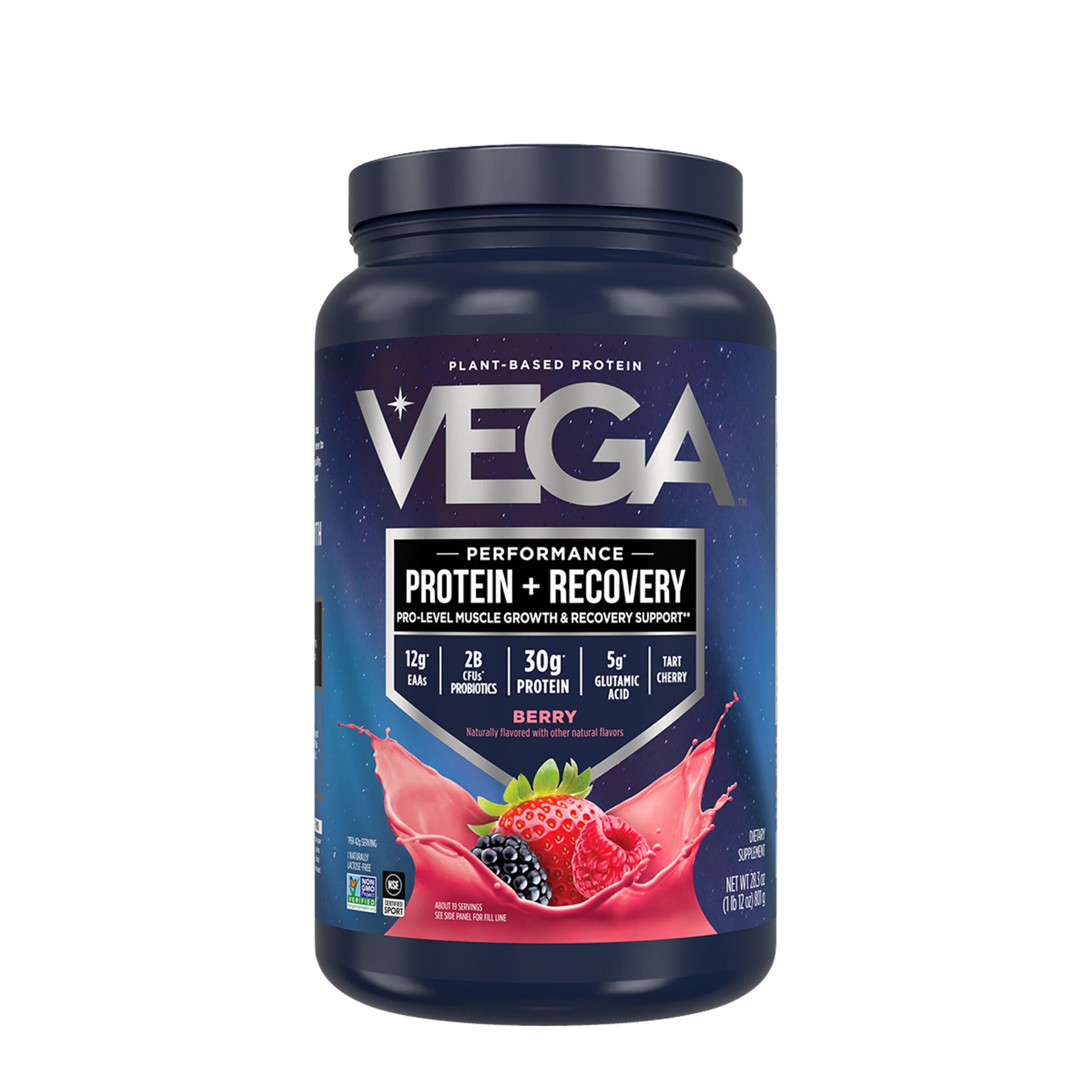
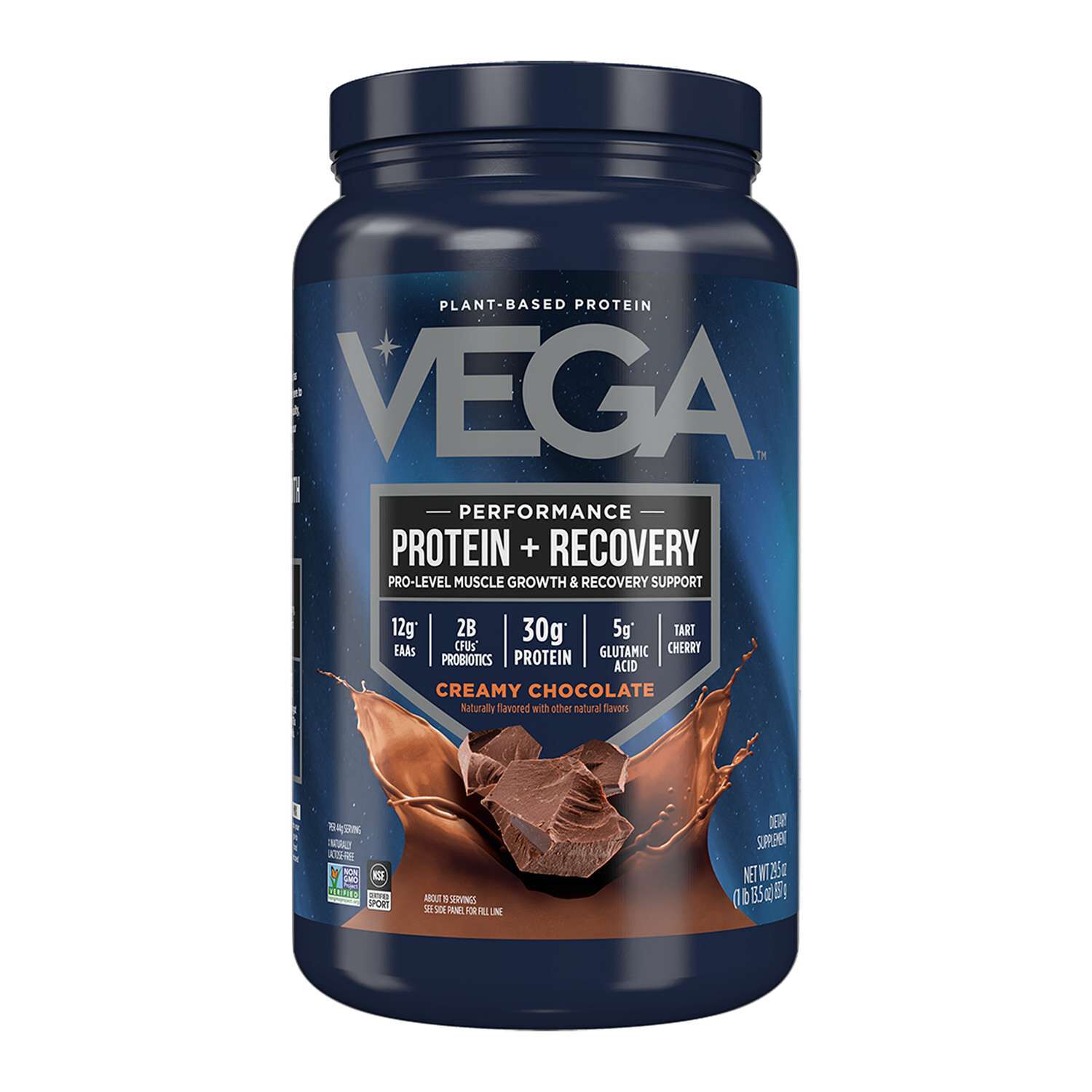

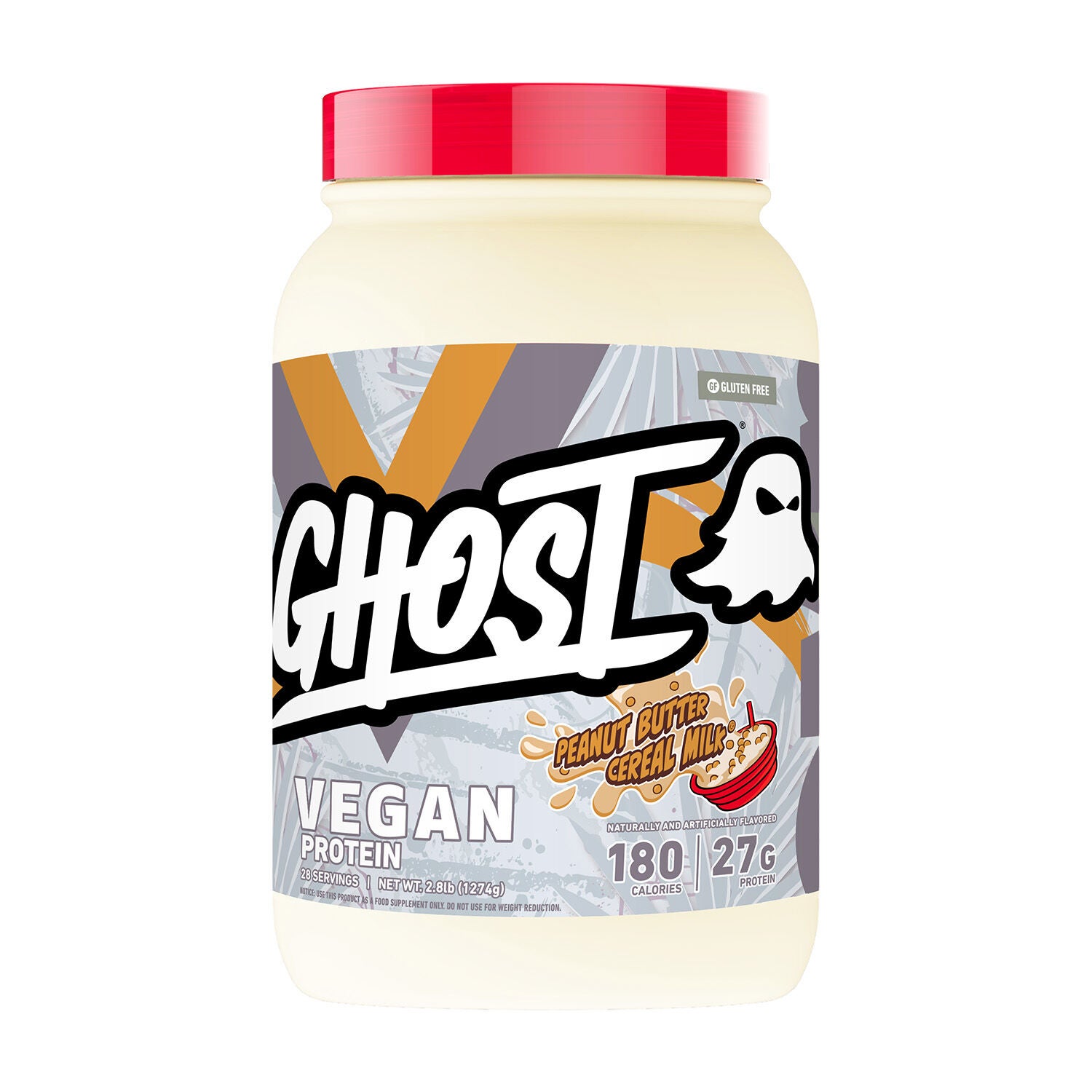
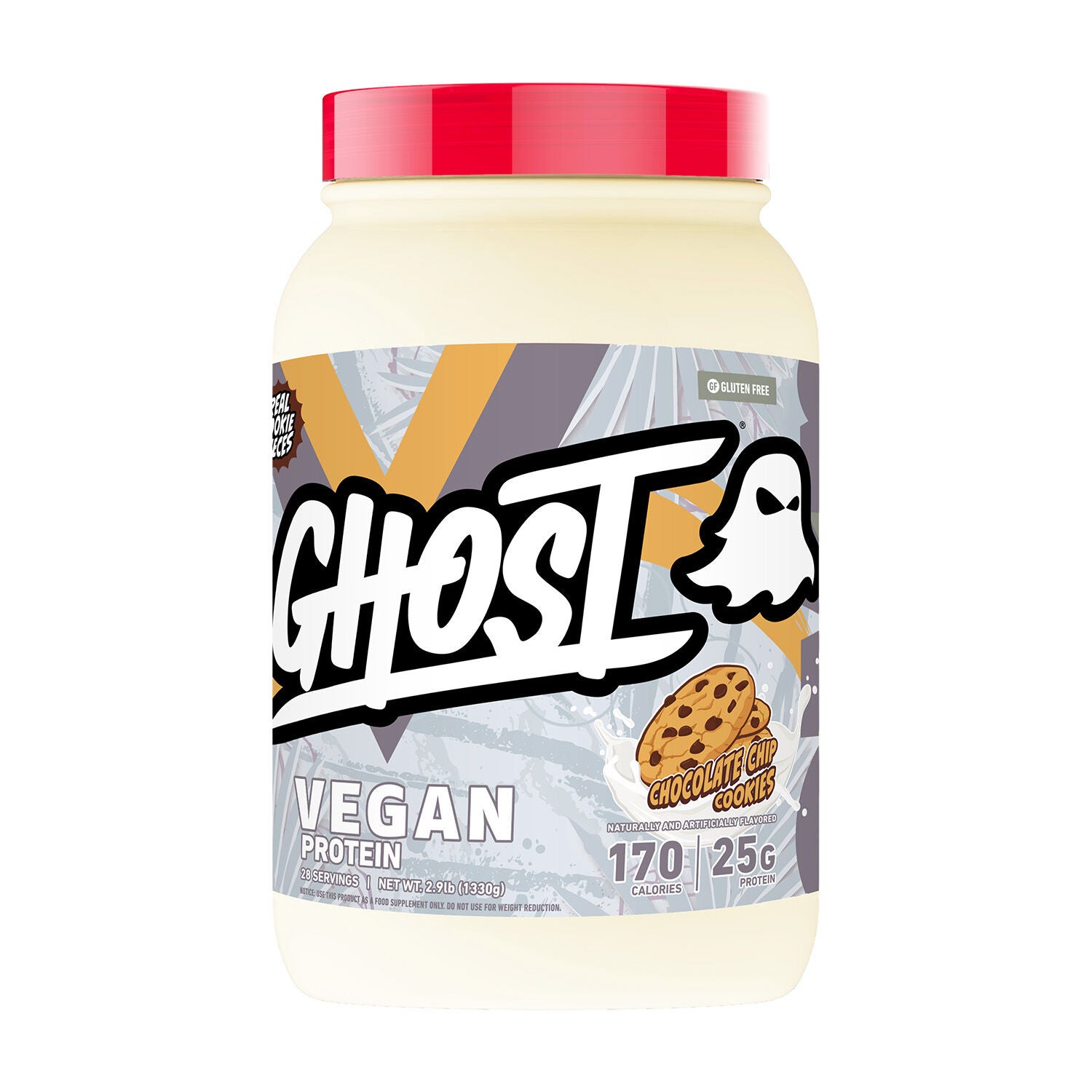
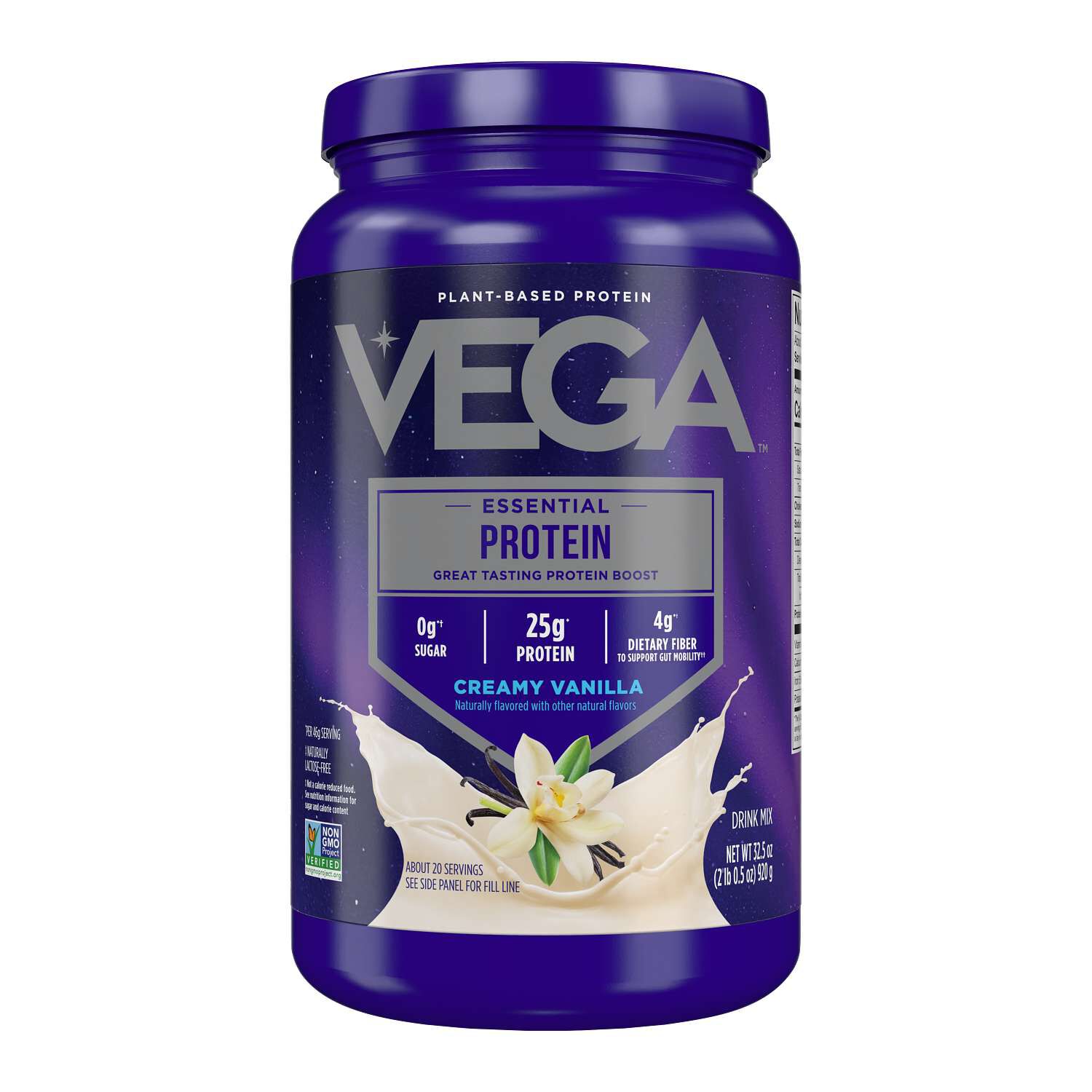
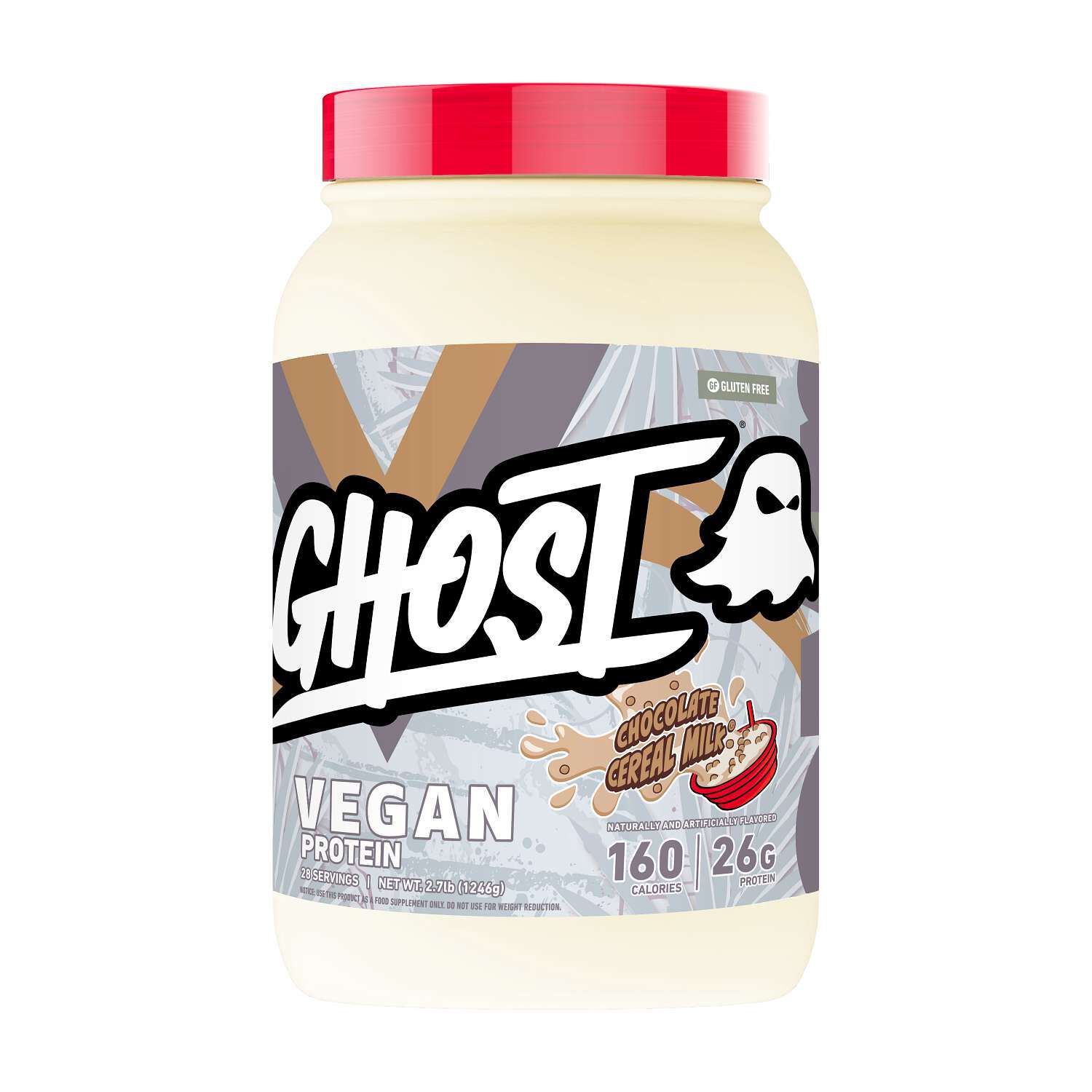


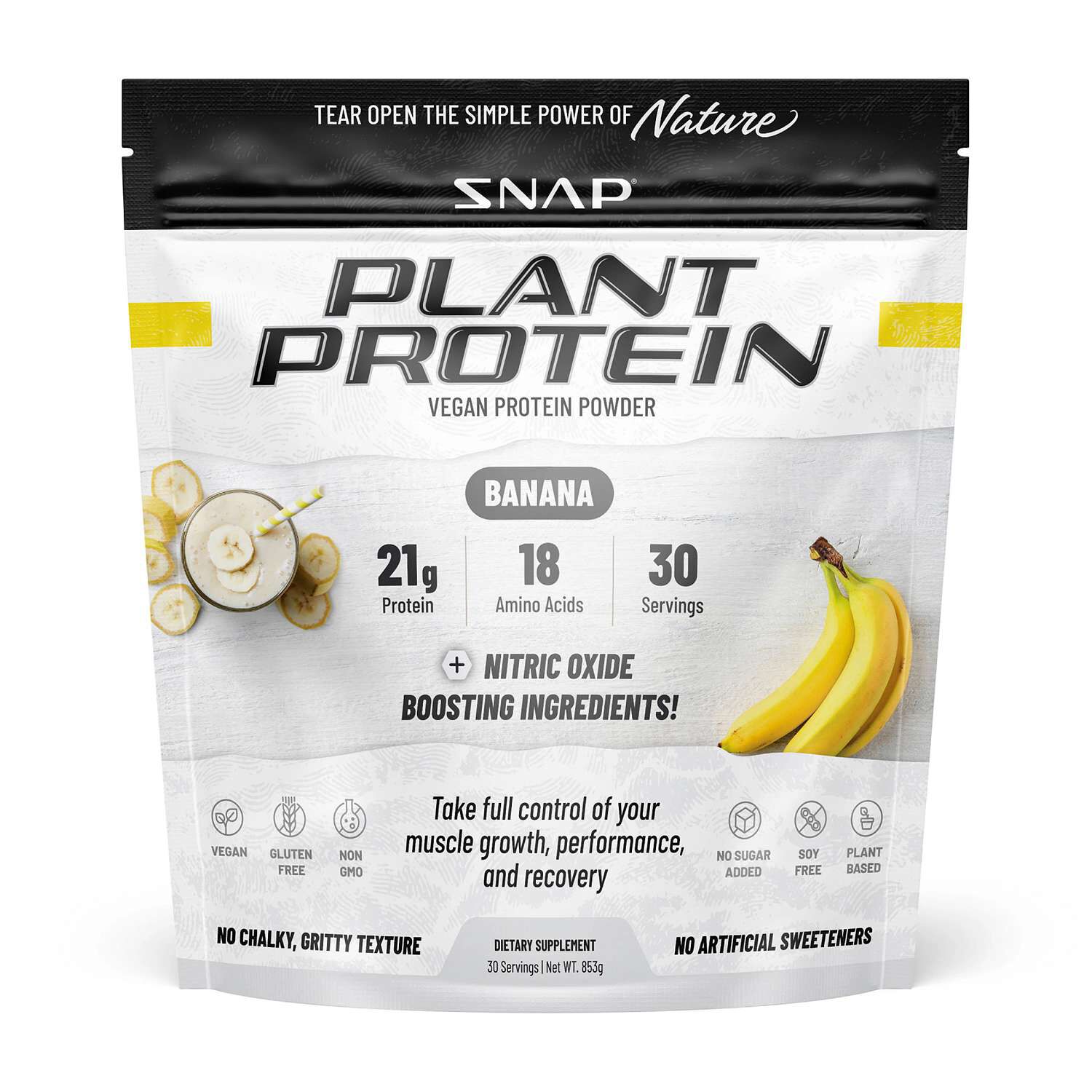

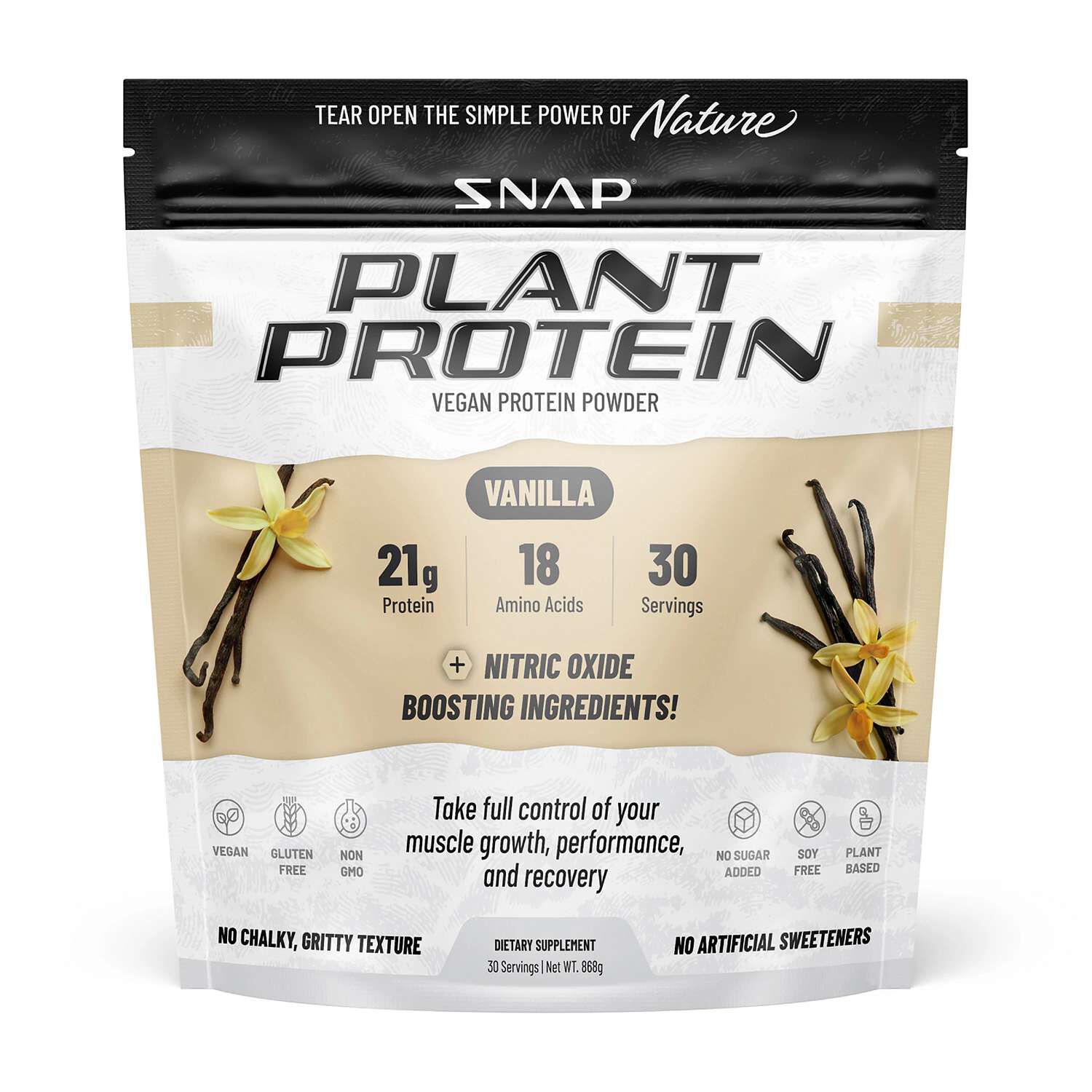

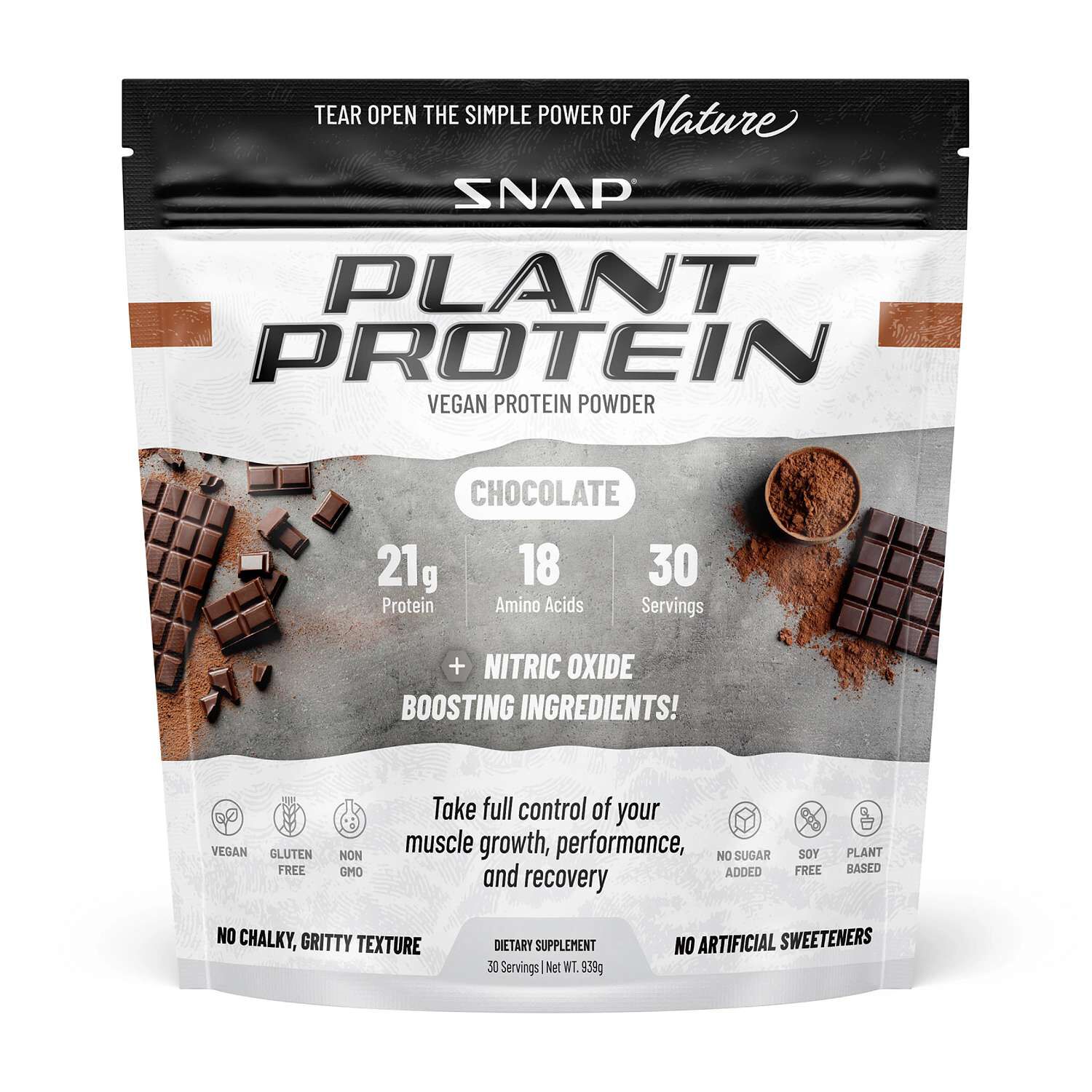

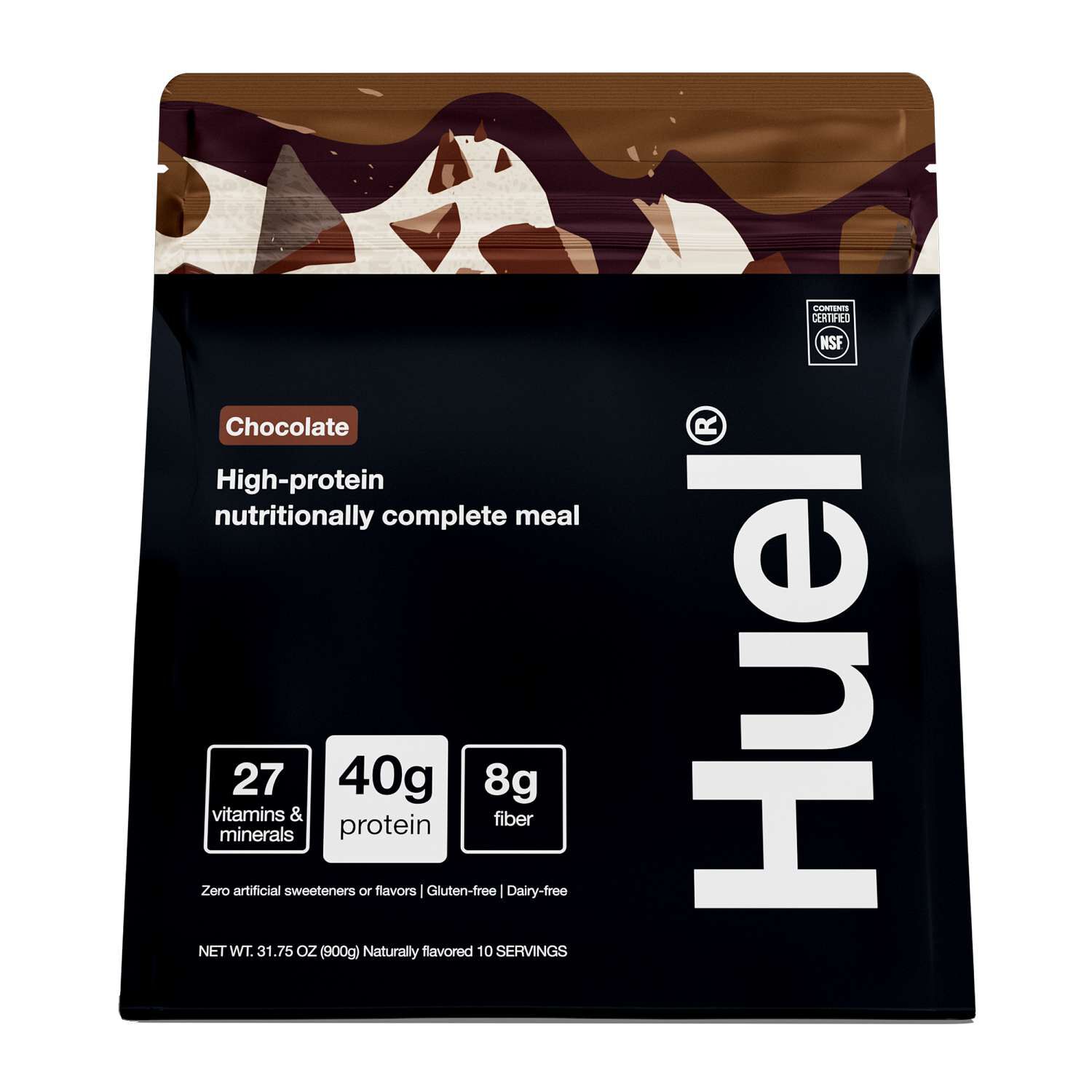
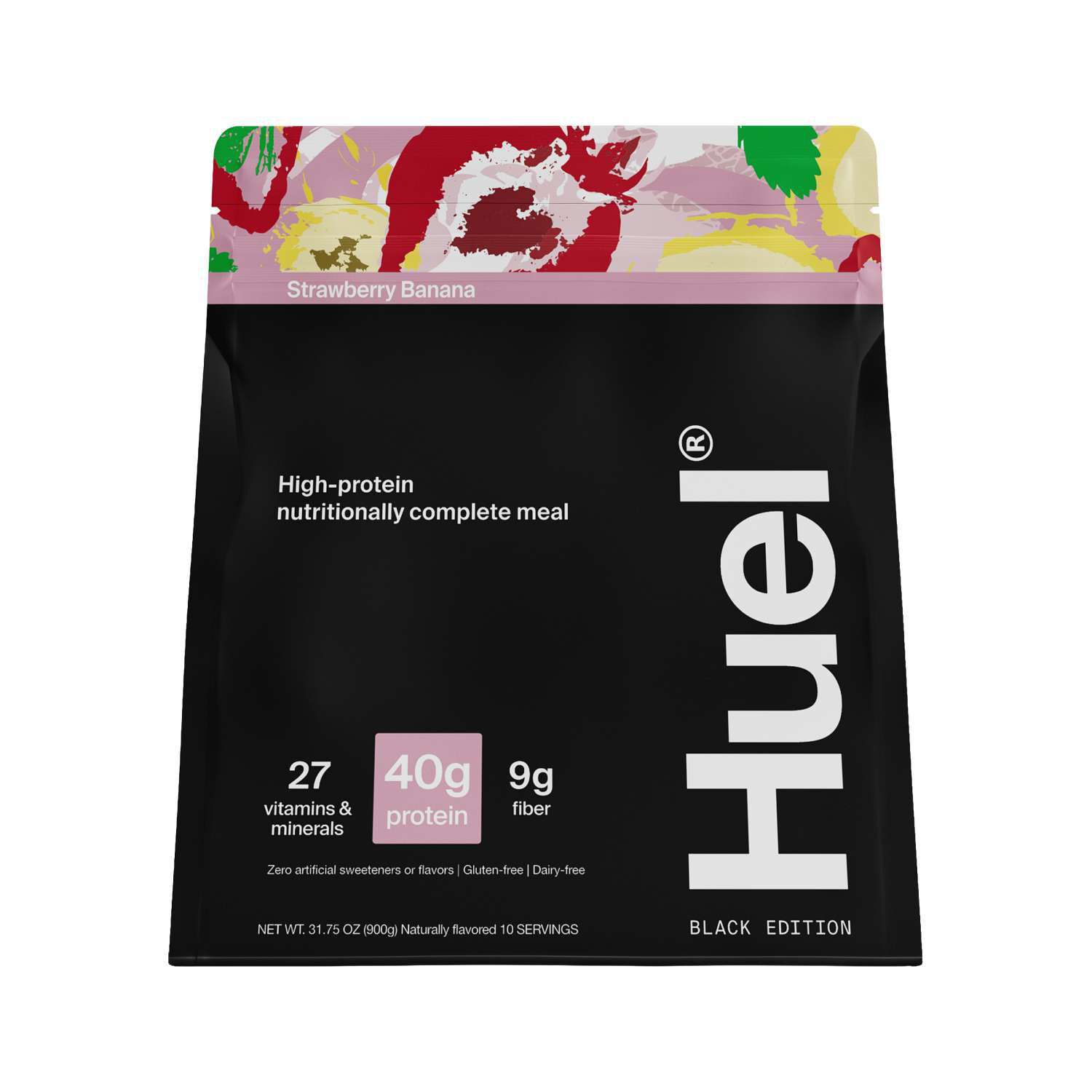
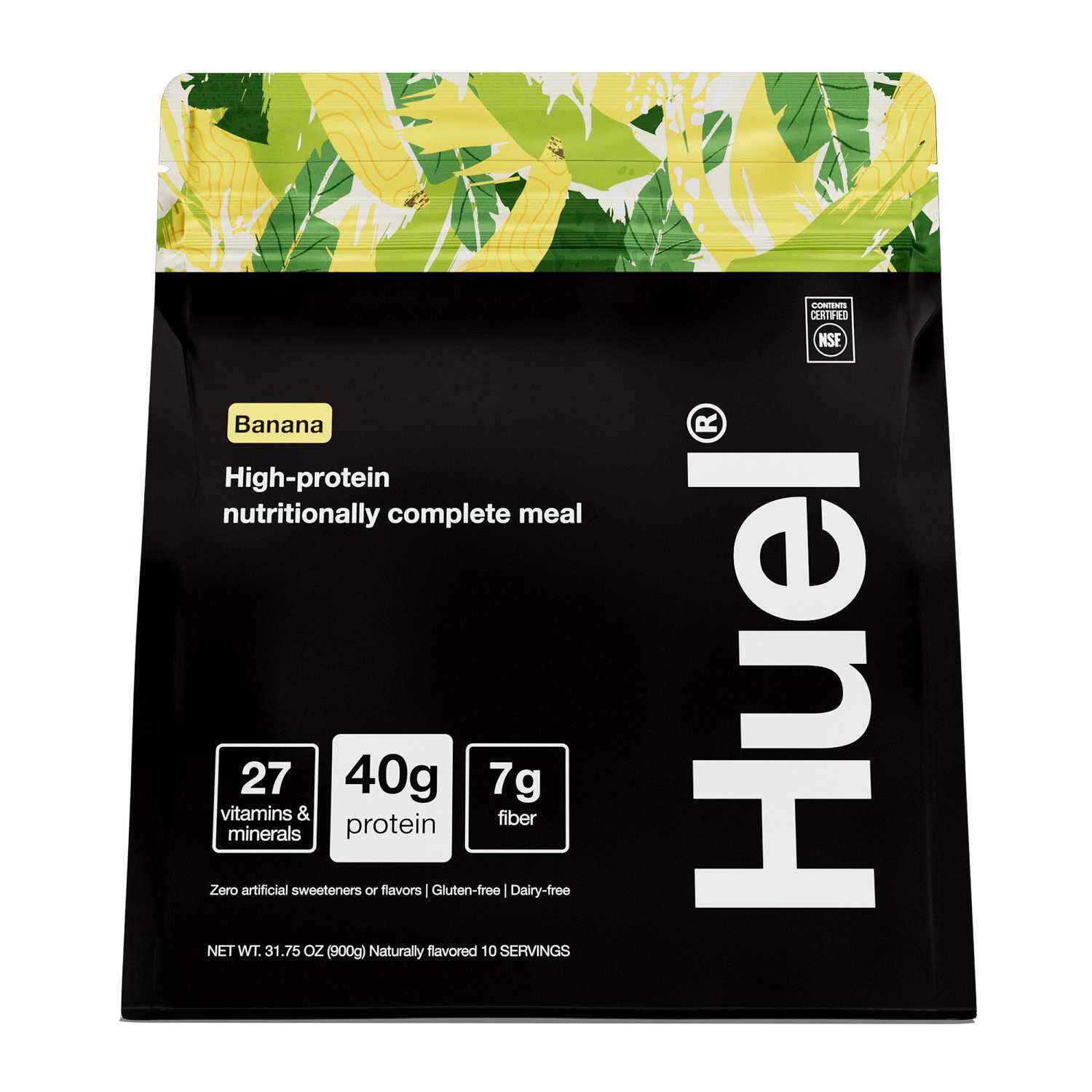


An early lifting session, a lunchtime walk, and an evening bike ride each leave a different window for meals and snacks. Plant protein powders for active lifestyles may offer a practical option for those moments, with a scoopable format suited to shakes, smoothies, and familiar foods. The category includes powders made from peas, brown rice, soy, pumpkin seeds, sunflower seeds, and combinations of plant ingredients. Each source has its own nutritional composition, flavor, and texture, so the differences extend beyond the name on the front of the container. Pea protein is common in both single-source formulas and blends, while rice protein frequently appears alongside other plant sources. Soy provides all nine amino acids that the body cannot make on its own; blends of different plant proteins bring together sources with differing amino acid profiles. The ingredient list identifies those sources, and any additional amino acid information provides another point of comparison. Some formulas list around 20 to 25 grams of protein per serving, although the amount depends on the recipe and serving size. Comparing grams of protein alongside the stated scoop size gives a clearer picture than comparing scoops alone. Calories, carbohydrates, fat, fiber, and added sugar also vary, even between powders with similar protein amounts. A straightforward formula may suit someone who wants to add protein to an existing breakfast, while a blend with other ingredients may appeal to someone who prefers a more substantial shake. These powders are relevant to vegan and vegetarian shoppers, as well as people who simply enjoy incorporating more plant-based foods into their routines. Runners, recreational cyclists, strength-training enthusiasts, and people balancing movement with a busy workday may find different uses for the same format. The most useful comparison is how a powder fits the foods, flavors, and preparation habits already part of everyday life, rather than whether its packaging looks especially athletic. A shake after a gym visit and a spoonful mixed into breakfast are different occasions, but both belong within the everyday uses of this category.
Flavor and texture often determine whether a plant protein powder becomes a regular pantry ingredient or an occasional addition. Vanilla, chocolate, and unflavored varieties create different starting points, while sweetness varies with the type and amount of sweetener used. Pea and seed proteins may have earthy notes, and some rice-based formulas may feel more textured than others. An unflavored powder is not necessarily tasteless; its underlying ingredients still influence the finished drink. Water keeps preparation simple and leaves more of the powder’s flavor noticeable, while oat, almond, or soy beverages introduce their own taste and consistency. The same serving mixed into a small amount of liquid will differ from one blended into a larger smoothie, making the preparation directions a useful reference for texture. A shaker bottle suits a quick drink between errands, while a blender accommodates fruit, oats, and other ingredients for a more substantial snack. A vanilla powder paired with banana and cinnamon has a different character from an unflavored blend mixed with berries and a spoonful of yogurt. Chocolate pairs naturally with familiar ingredients such as peanut butter, banana, or coffee. Fans of cocoa-rich shakes can also explore Chocolate Protein Powders For Active Lifestyles when flavor is a priority. Beyond drinks, plant protein powder may fit into oatmeal, yogurt bowls, or pancake batter, though the powder’s absorbency and texture matter when adapting a recipe. A formula intended primarily for shakes will not necessarily behave like flour in baking. Added ingredients deserve attention here, too: fiber, gums, sweeteners, and flavorings all contribute to the finished recipe, and preferences differ from person to person. For a commuter carrying breakfast out the door, easy mixing may matter most. For someone who enjoys blending a shake at home, a thicker texture may be welcome. Those practical distinctions make taste, preparation method, and intended use useful considerations alongside the nutrition panel.
Packaging details help distinguish plant protein powders that otherwise look similar. The serving size, number of servings, ingredient order, allergen statement, and preparation directions describe different aspects of the formula. Plant-based does not automatically mean suitable for every dietary restriction. Soy is a common plant protein source, and some recipes include ingredients derived from tree nuts or other foods that shoppers may need to avoid. Vegan labeling, dairy ingredient statements, and notices about shared manufacturing equipment address separate questions, so the actual label matters more than assumptions about the category. Third-party testing or certification is another detail worth considering when it appears on the packaging. Different programs evaluate different things, such as ingredient identity or substances restricted in organized sports; a certification should be understood according to its stated scope rather than treated as a broad claim about every aspect of a powder. Athletes participating in organized competition may have sport-specific requirements to consider when comparing supplements. For everyday use, container size and handling are more practical distinctions. A larger tub requires pantry space and a consistent place for the scoop, while individual packets suit a gym bag or an overnight trip. Storage directions and the printed date provide the relevant reference for keeping the powder between uses. A dry scoop, a tightly closed container, and protection from moisture are sensible parts of product care. Shaker bottles also need attention around the lid, seals, and mixing insert, where residue may collect after a drink. For someone who already enjoys plant-based shakes, a familiar flavor may make a thoughtful addition to a fitness-themed gift, particularly when ingredient preferences are known. Personal taste matters more than novelty in that setting. Across busy weekdays, training days, and less structured routines, plant protein powders may serve as one convenient food-related option among many. Their everyday appeal rests on a straightforward combination: a suitable protein source, a flavor worth returning to, clear label information, and a preparation method that fits comfortably into the day.
Best Sellers
Related Pages

Top Collections
- Joint Mobility Supplement Packs
- Daily Collagen Supplements | Top Brands & Deals | GNC
- GLP 1 Support For Adults
- Zinc Supplements | Top Brands at Great Prices | GNC
- Supplements For Yoga Joint Flexibility
- Supplements For Balance
- Capsule Supplements For Energy And Stamina
- Adult Mobility Supplements
- Chronic Fatigue Supplements
- Vitamins For Hair Loss