

Cholesterol Health Support
(0 Results)
Maintaining optimal cholesterol health support could be vital for overall well-being. A variety of supplements and vitamins might assist in managing cholesterol and promoting a balanced lifestyle. Explore options that may help you achieve your health goals, potentially supporting heart health and contributing to your daily nutritional needs. Discover how incorporating these products into your routine could aid in your journey towards better cholesterol management.
-
 $34.99
 -

-
 $24.99
 -
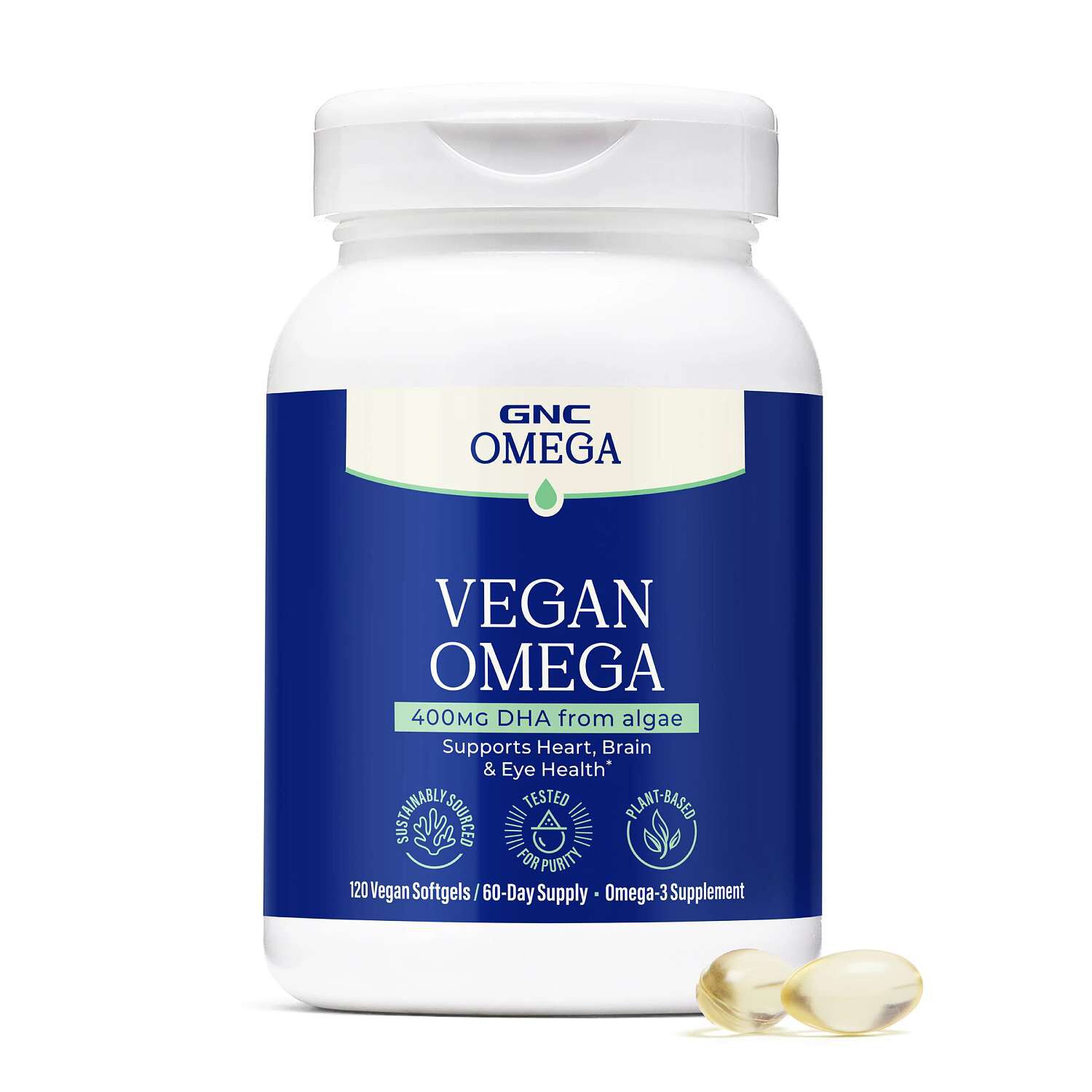 $44.99
 -
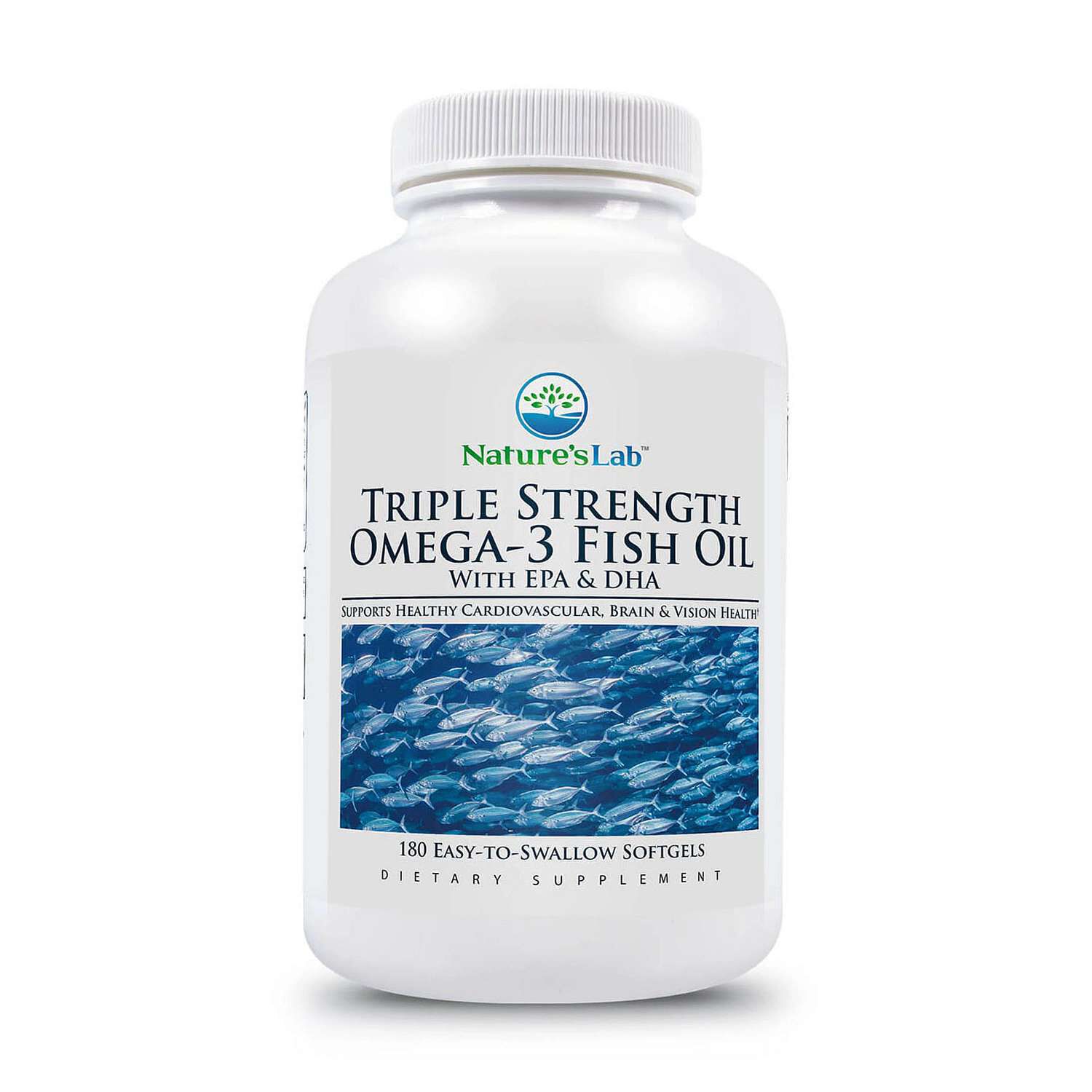 $24.99
 -
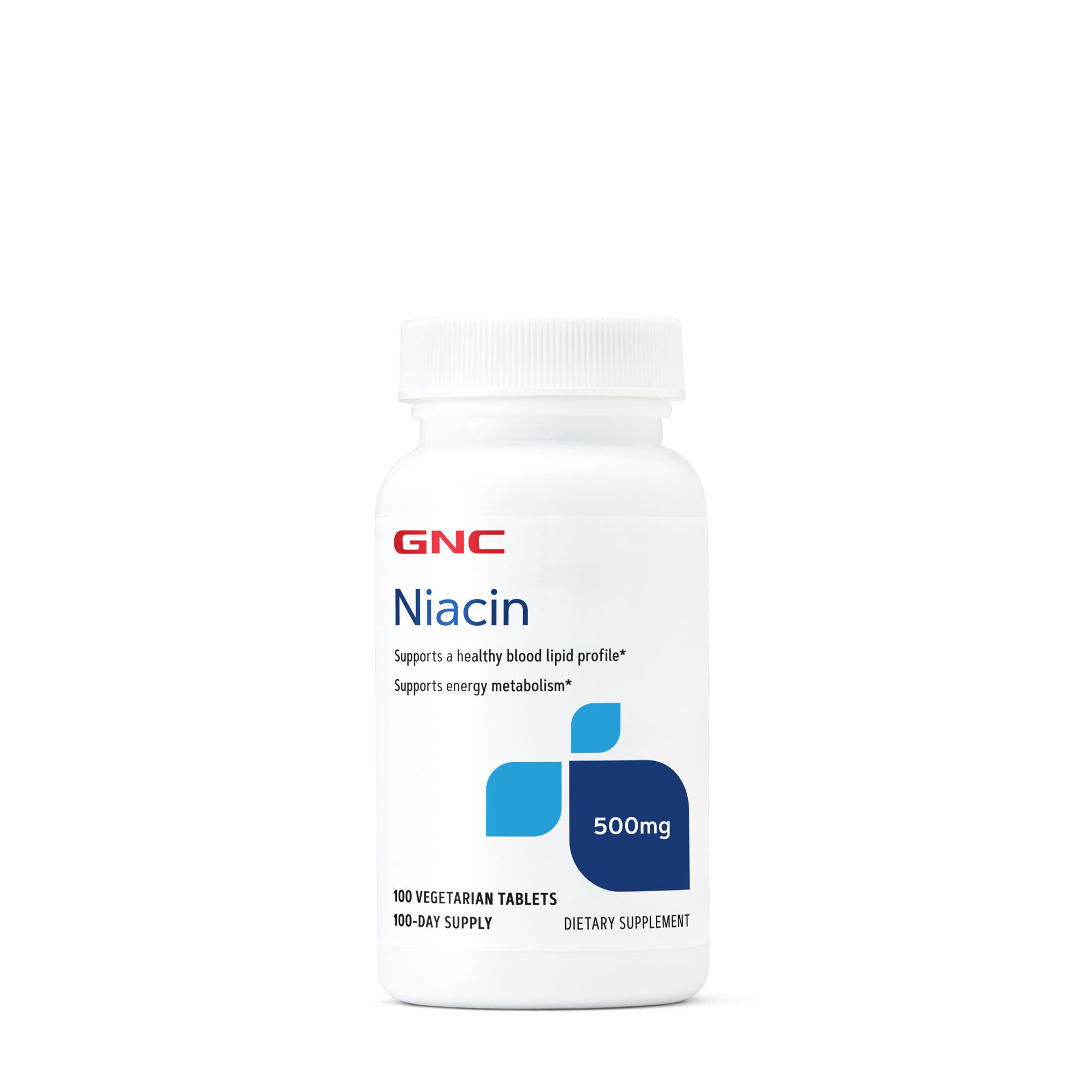
-
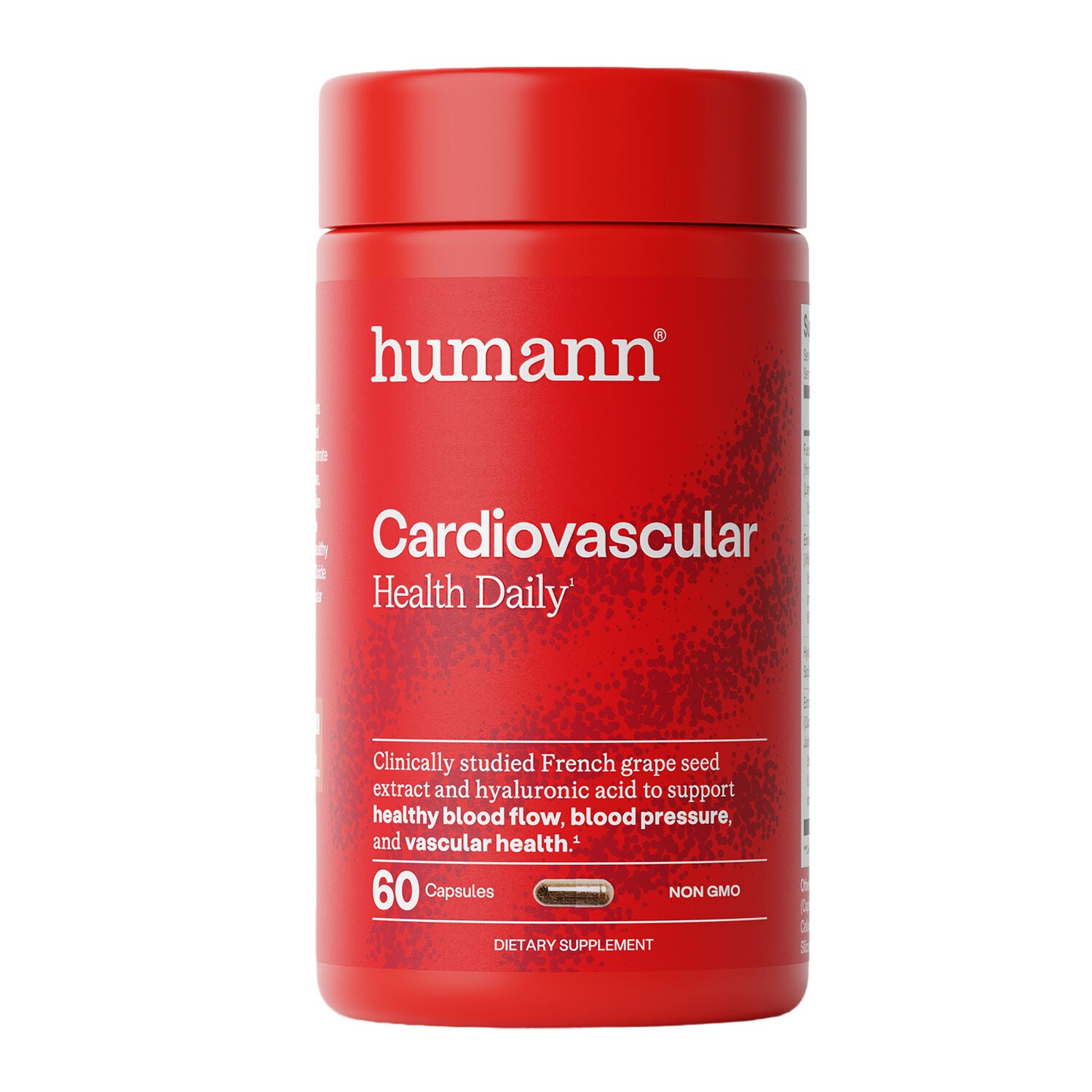 $29.99
 -
-
-

-
-
-
-

-

-

-
 Divine Health$34.99


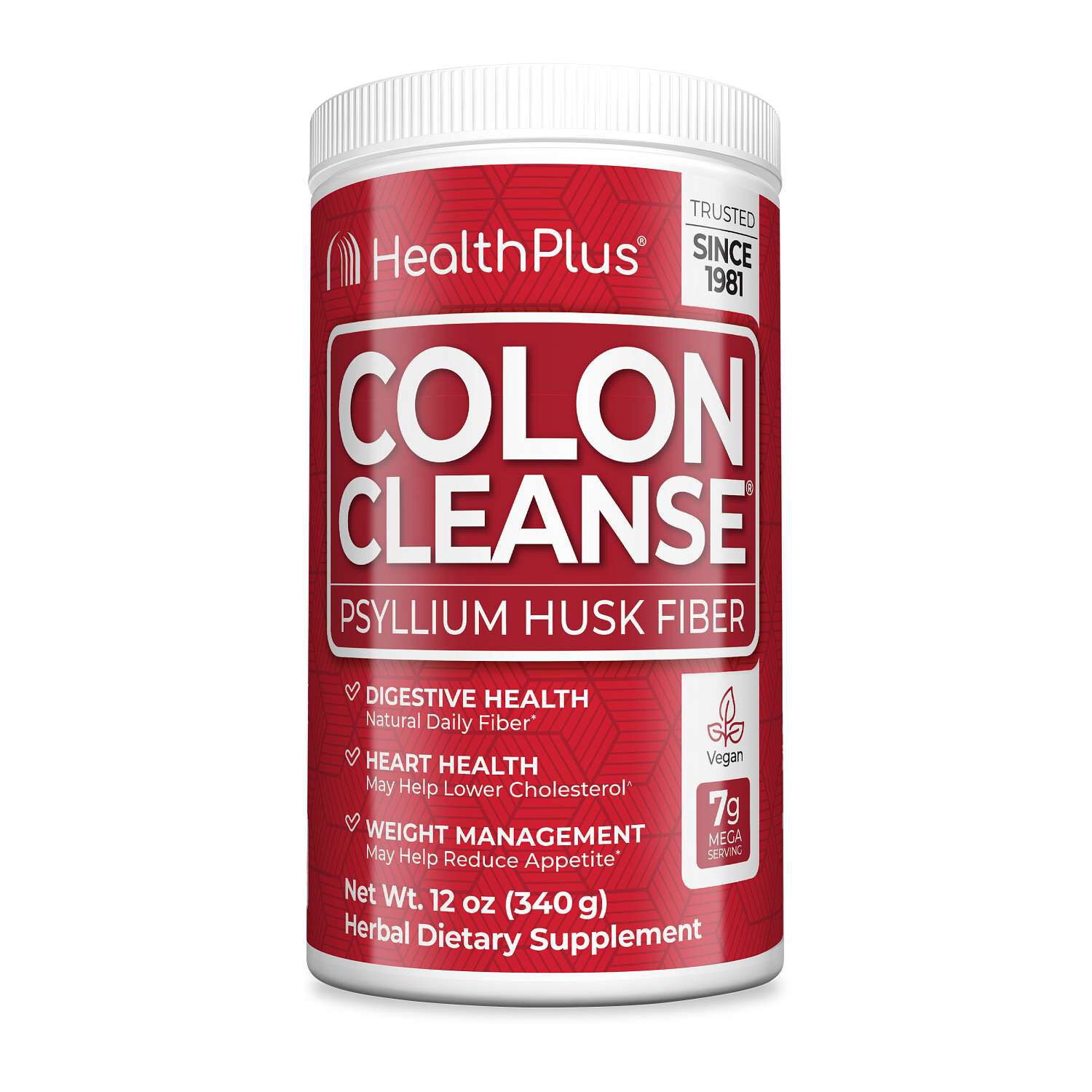
Cholesterol health support products may appeal to shoppers building a thoughtful daily wellness routine around nutrition, movement, and conversations with a healthcare professional. Cholesterol is a waxy substance the body uses for important functions, while different forms, including LDL cholesterol, HDL cholesterol, and triglycerides, play different roles in overall heart health. Since personal needs can vary, a product selected for one household may not be the right choice for another. Plant sterols and stanols are often chosen because they may reduce the amount of cholesterol absorbed through the digestive tract. Soluble fiber, including psyllium, may form a gel-like texture during digestion that could help move some cholesterol out of the body. Flaxseed, particularly when milled or ground, may offer fiber and plant-based fatty acids that could support a heart-conscious eating pattern. Omega-3 fatty acids are another familiar option; they may be more closely associated with support for triglycerides than with LDL cholesterol. These distinctions matter when comparing labels, serving sizes, and intended uses. A shopper looking for cholesterol support may want to review the Supplement Facts panel, check the amount of each featured ingredient, and consider whether the format fits naturally into everyday habits. Capsules may suit someone who prefers a quick addition to breakfast, while powders or ground seeds could blend into oatmeal, yogurt, smoothies, or a bowl of fruit. Psyllium products should be used according to package directions and taken with sufficient liquid, since fiber expands when mixed with water. Anyone adding more fiber may prefer to do so gradually and pay attention to how their body responds. A simple routine often works best: a container near the morning coffee, a measured serving stirred into a favorite recipe, or a supplement placed beside other items used each day. During the cooler months, when hearty meals and indoor routines become more common, these products may fit alongside meals featuring oats, beans, lentils, vegetables, fruit, nuts, and whole grains. They are not a replacement for individualized care, and a supplement’s presence on a shelf should not be taken as proof that it will change a person’s cholesterol measurements. Results may differ based on diet, family history, activity, age, health history, and current treatment. For shoppers seeking information tailored to women’s wellness routines, Cholesterol Support Supplements for Women offers a focused place to continue browsing.
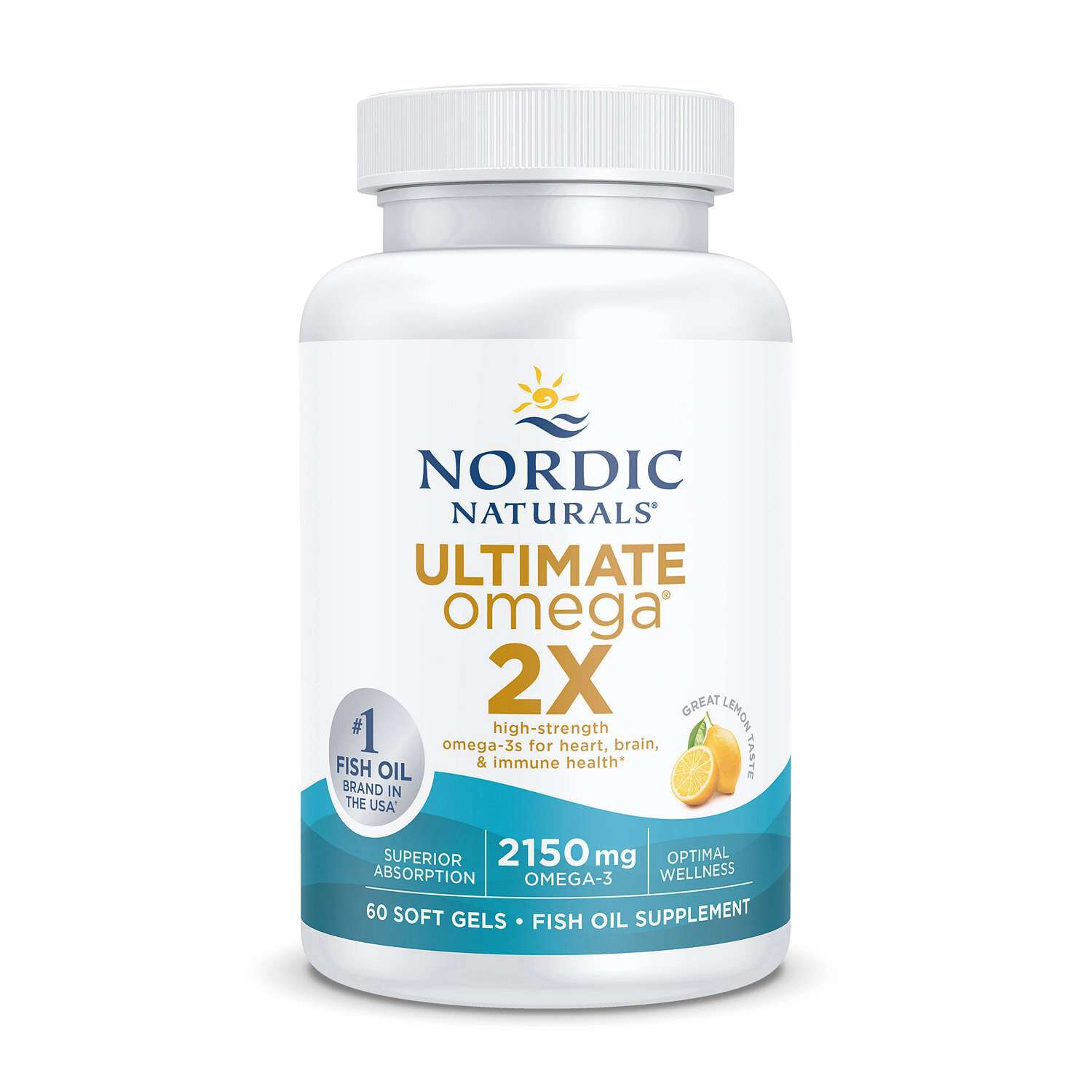
Choosing a cholesterol support product also means looking beyond a familiar ingredient name. Read the serving guidance, ingredient list, allergen information, and any cautions provided on the label. People who take prescribed medicines, use products that affect blood clotting, are preparing for a procedure, or manage an ongoing health concern should speak with a qualified healthcare professional before adding a new supplement. Fish oil and garlic products, for example, may interact with medicines that affect clotting, while certain red yeast rice products may contain monacolin K, a compound similar to lovastatin, and may carry comparable concerns without consistent amounts from one product to another. Because formulations can vary, red yeast rice deserves particular care and professional review rather than casual use. Plant sterols, psyllium, flaxseed, and omega-3 products may each have a different place in a broader wellness plan, but they should be considered with realistic expectations: over-the-counter products may offer modest support, and they may not provide the same results as prescribed cholesterol treatments. A healthcare professional can help interpret a lipid panel, review family history, consider current medicines and supplements, and decide whether a product makes sense for an individual routine. This conversation can be especially helpful for a parent, partner, or older relative who receives a supplement as a practical gift. A well-chosen wellness item may feel more personal when paired with a note encouraging them to review the label and discuss it with their care team, rather than presenting it as a solution. For anyone shopping for themselves, clear organization can make follow-through easier: keep the product with a compatible meal, use the measuring tool supplied with powders, and avoid doubling up on overlapping ingredients across several formulas. A balanced pattern of nourishing food, regular movement suited to personal ability, restorative sleep, and routine professional care may work alongside selected supplements. If a label makes sweeping promises or leaves the ingredient amounts unclear, another option with straightforward information may be easier to evaluate. Careful comparison, practical serving habits, and informed guidance can help shoppers choose cholesterol health support products that fit their preferences while keeping personal wellness decisions grounded in context.
Best Sellers
-
 Nordic Naturals
 -
 Nordic Naturals
 -
 Nordic Naturals