CLA Supplements For Active Adults
(0 Results)
CLA supplements for active adults could be a valuable addition to your wellness routine. Designed with the needs of those who lead an energetic lifestyle in mind, these supplements may help support your fitness journey. Explore options that may align with your personal goals and discover how CLA supplements for active adults might fit into your daily regimen.


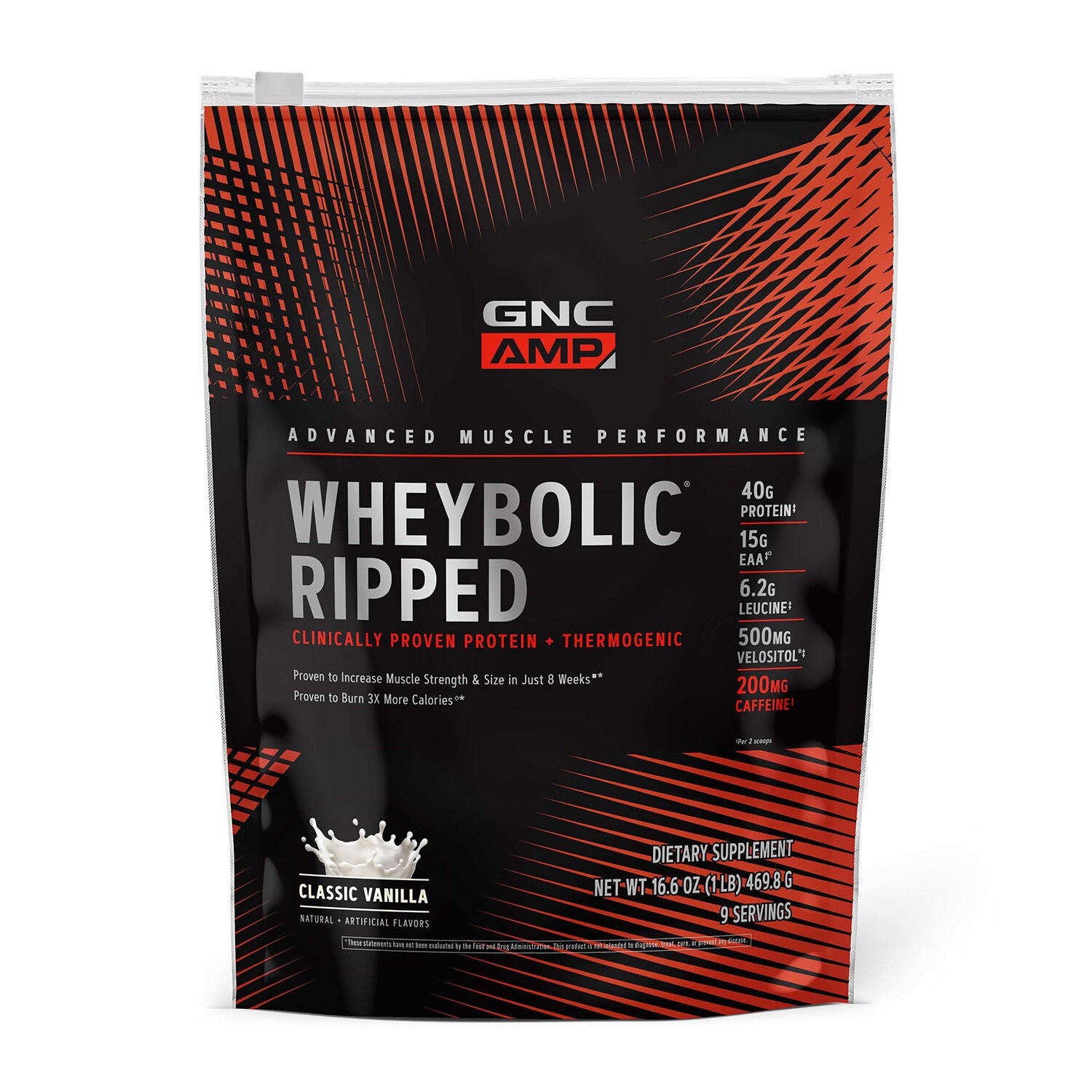


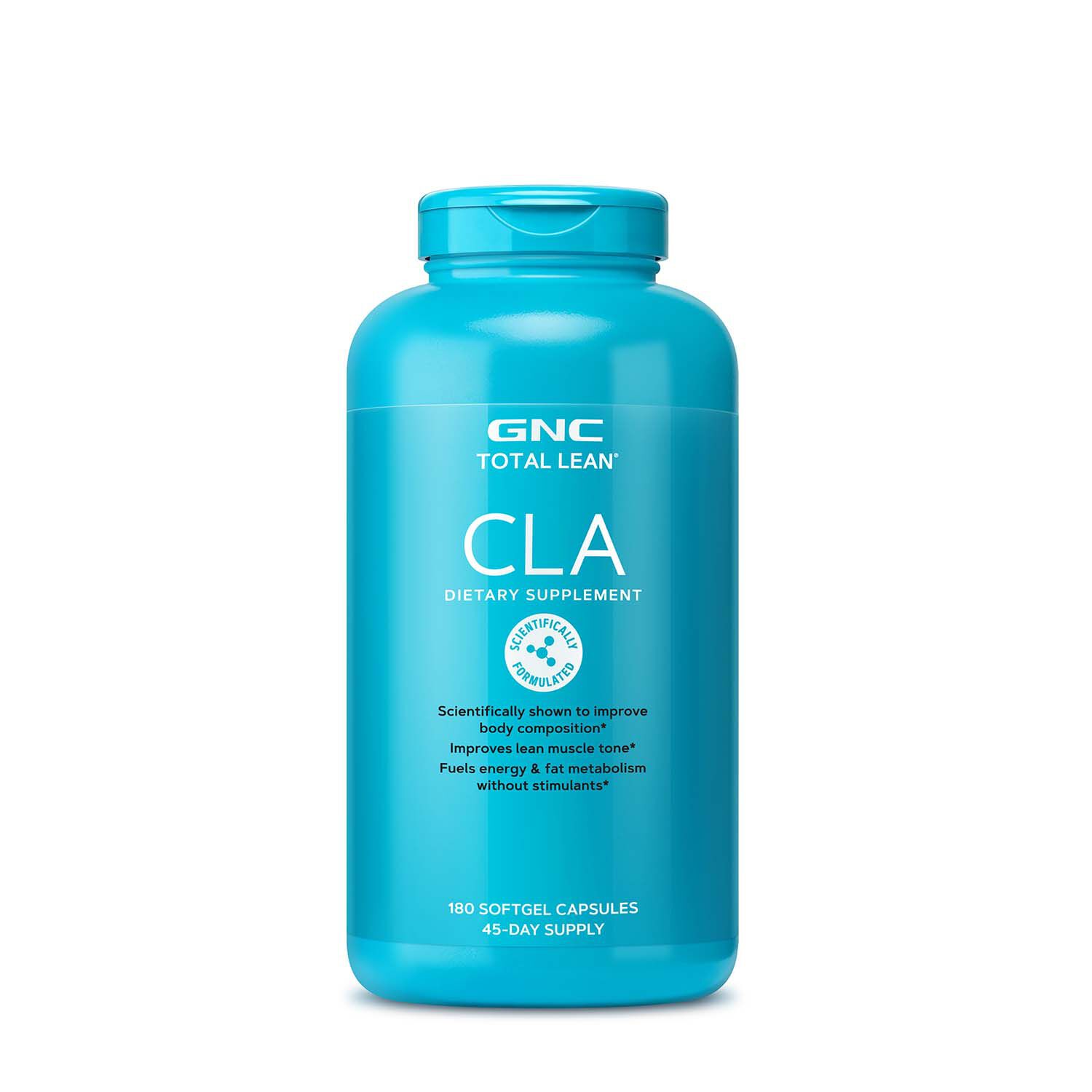


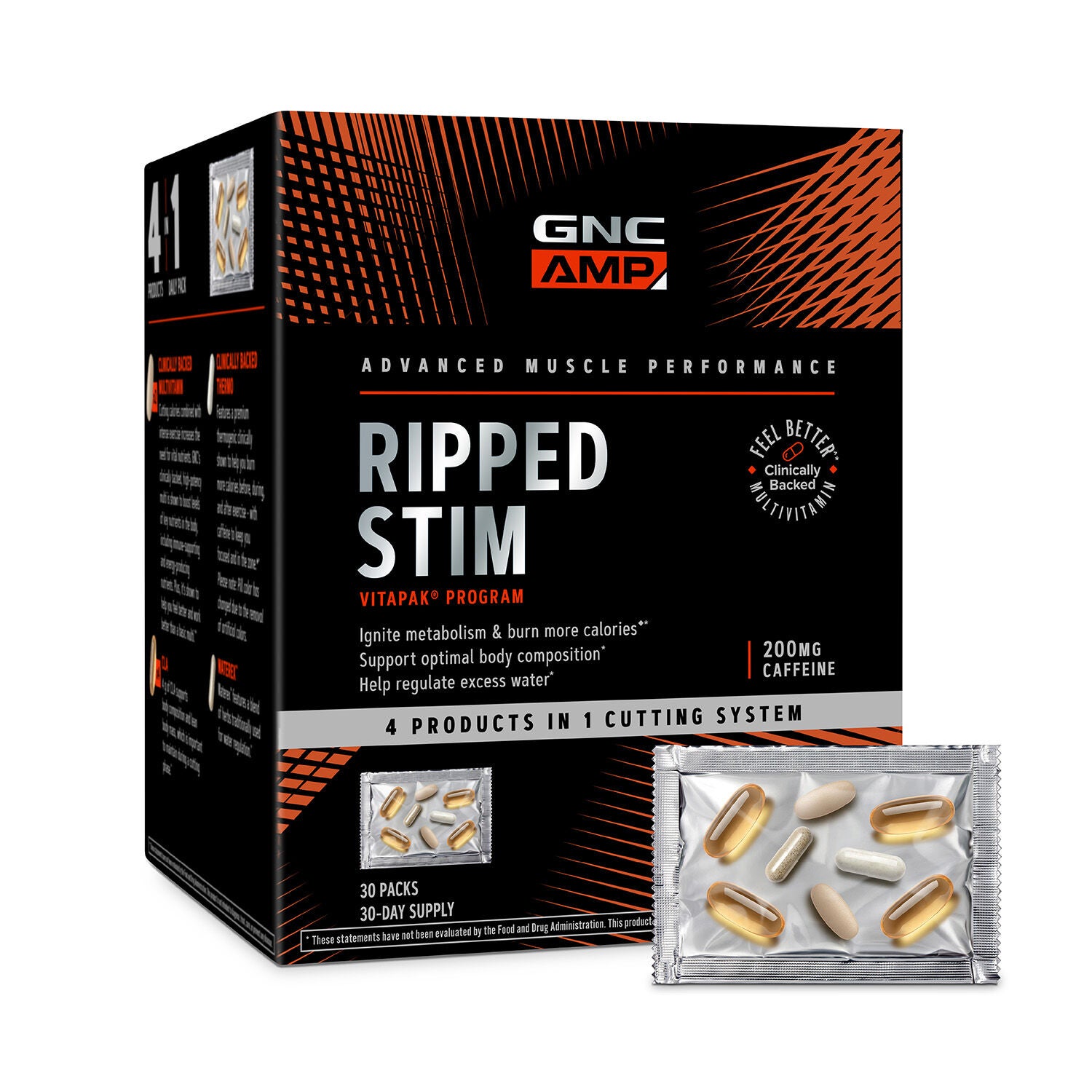
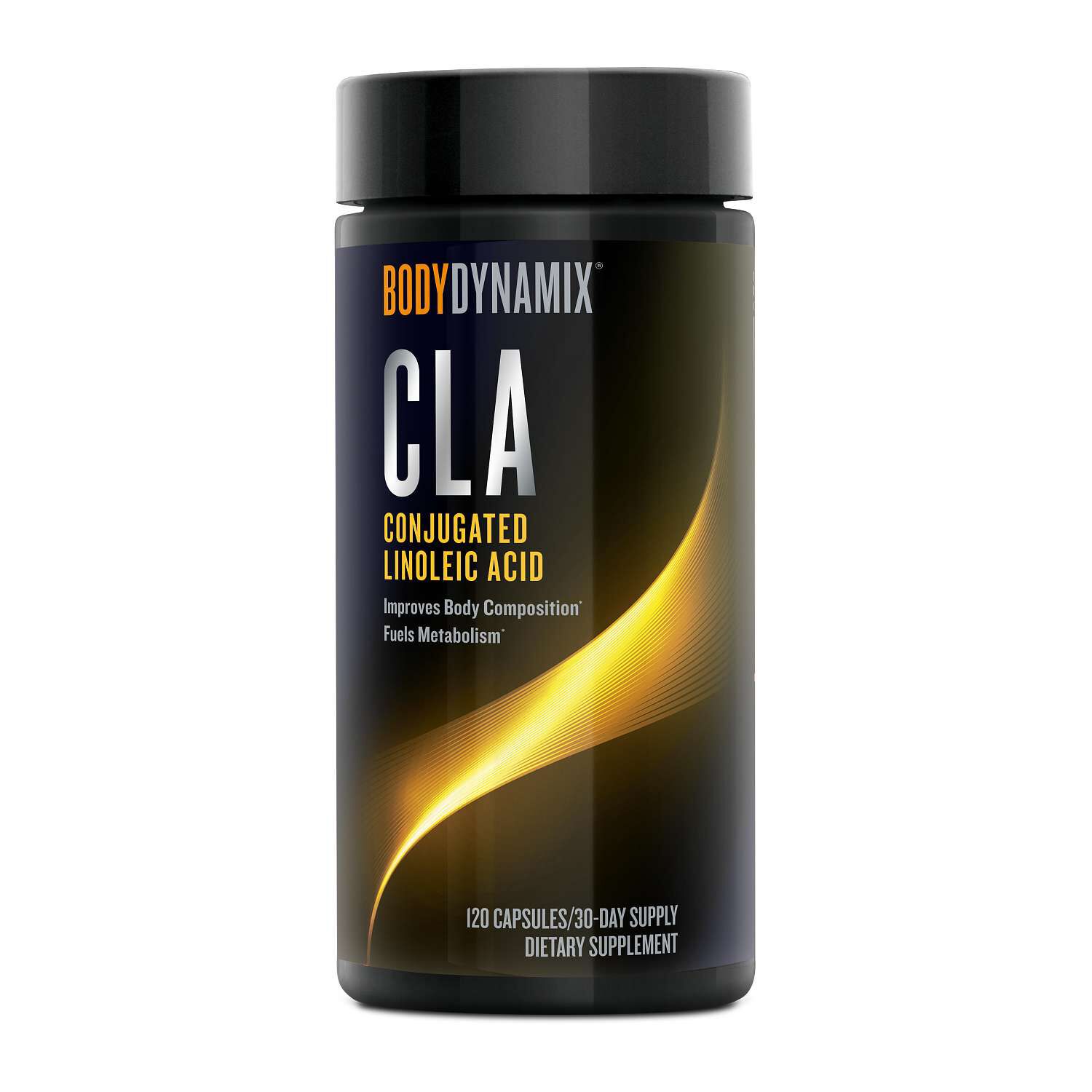




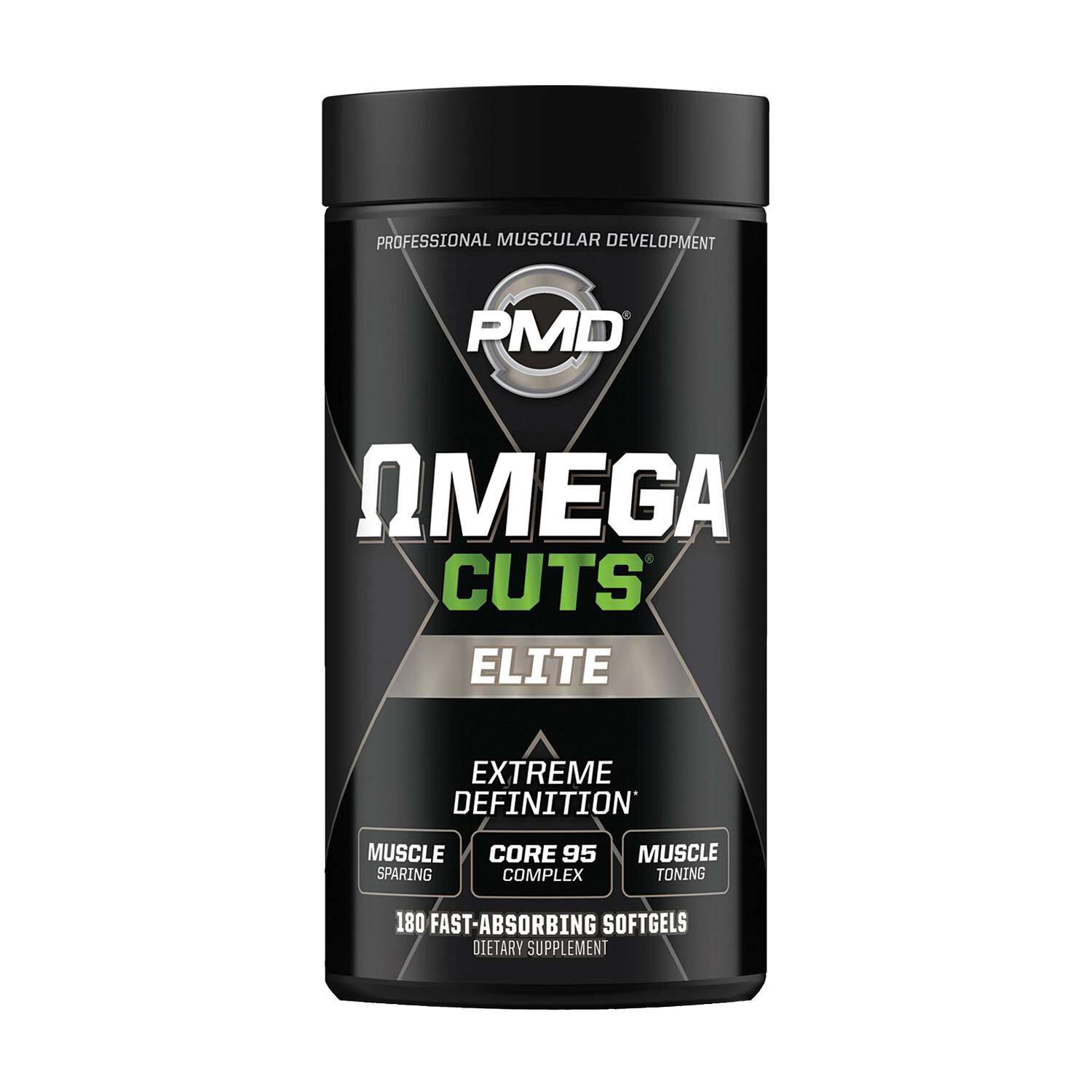
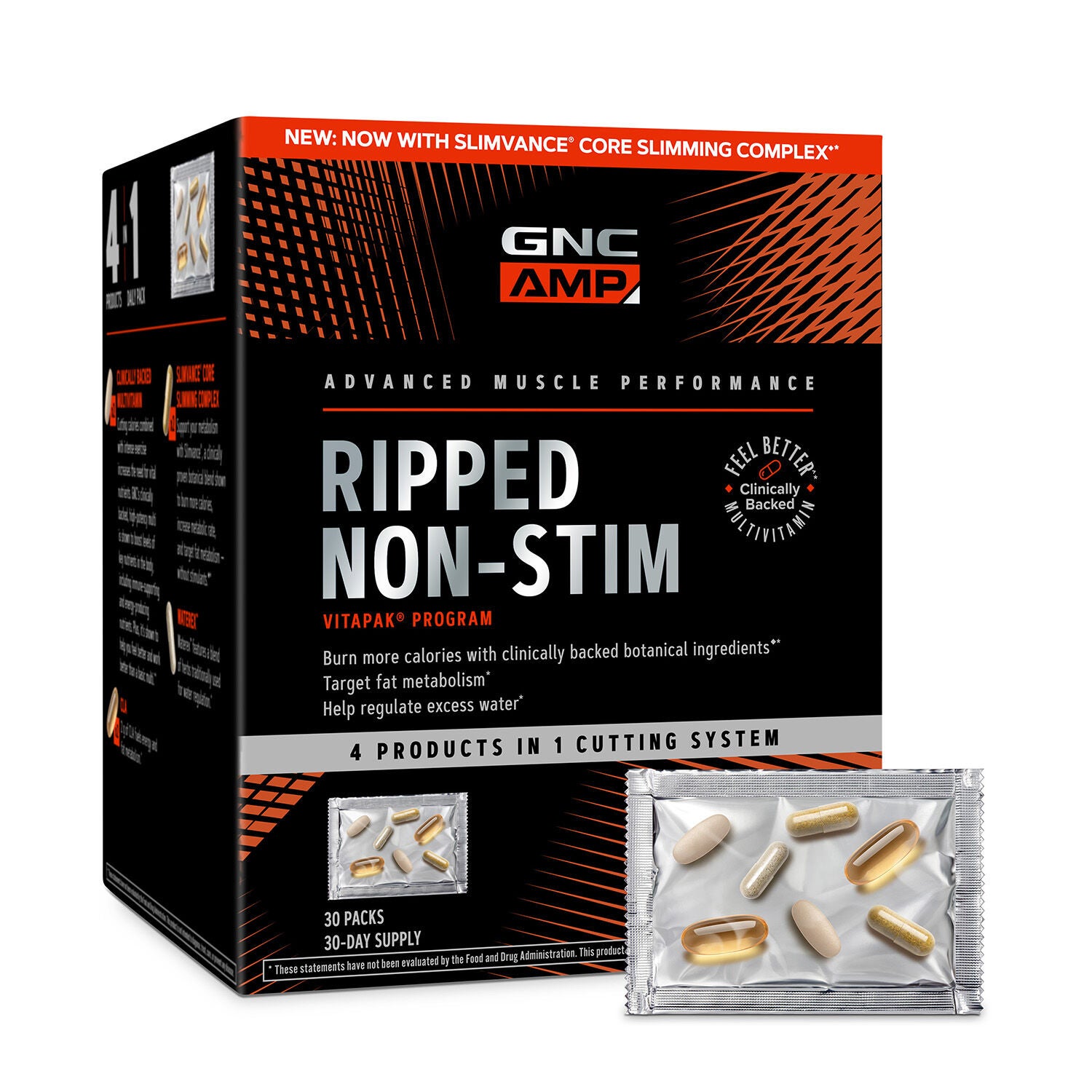
CLA supplements for active adults contain conjugated linoleic acid, a group of related fatty acids found naturally in certain meat and dairy foods, including beef, lamb, and milk products. In supplements, CLA commonly comes from plant oils, such as safflower oil, that undergo processing to produce a concentrated CLA ingredient. The source matters because a plant-derived oil and the finished capsule are not necessarily the same thing from a dietary standpoint. CLA is often associated with body composition goals, though research findings are mixed and individual experiences can differ. It is not a protein supplement, and it is distinct from the omega-3 fats found in fish oil. For adults who walk, cycle, swim, lift weights, or take group fitness classes, CLA may be one consideration within a broader nutrition routine rather than the centerpiece of an exercise plan. Regular meals, an appropriate training schedule, and time to rest remain part of that broader picture. Someone who trains before work may prioritize a simple format that fits breakfast, while someone with an evening gym routine may prefer keeping supplements with other regularly used pantry items. Neither scenario calls for a sport-specific version of CLA; the more useful distinctions are the formula, serving directions, ingredient sources, and fit with personal preferences. The term conjugated refers to the arrangement of bonds in the fatty acid, not a particular capsule style or a description of workout intensity. That distinction can make unfamiliar labels easier to interpret. CLA also occurs in foods in varying amounts, so a food source and a concentrated supplement should not be treated as interchangeable portions. For shoppers comparing this category, understanding what CLA is offers a better starting point than broad fitness language on a bottle. The relevant comparison is between the actual contents and intended use of each formula, not between different exercise identities or athletic ambitions.
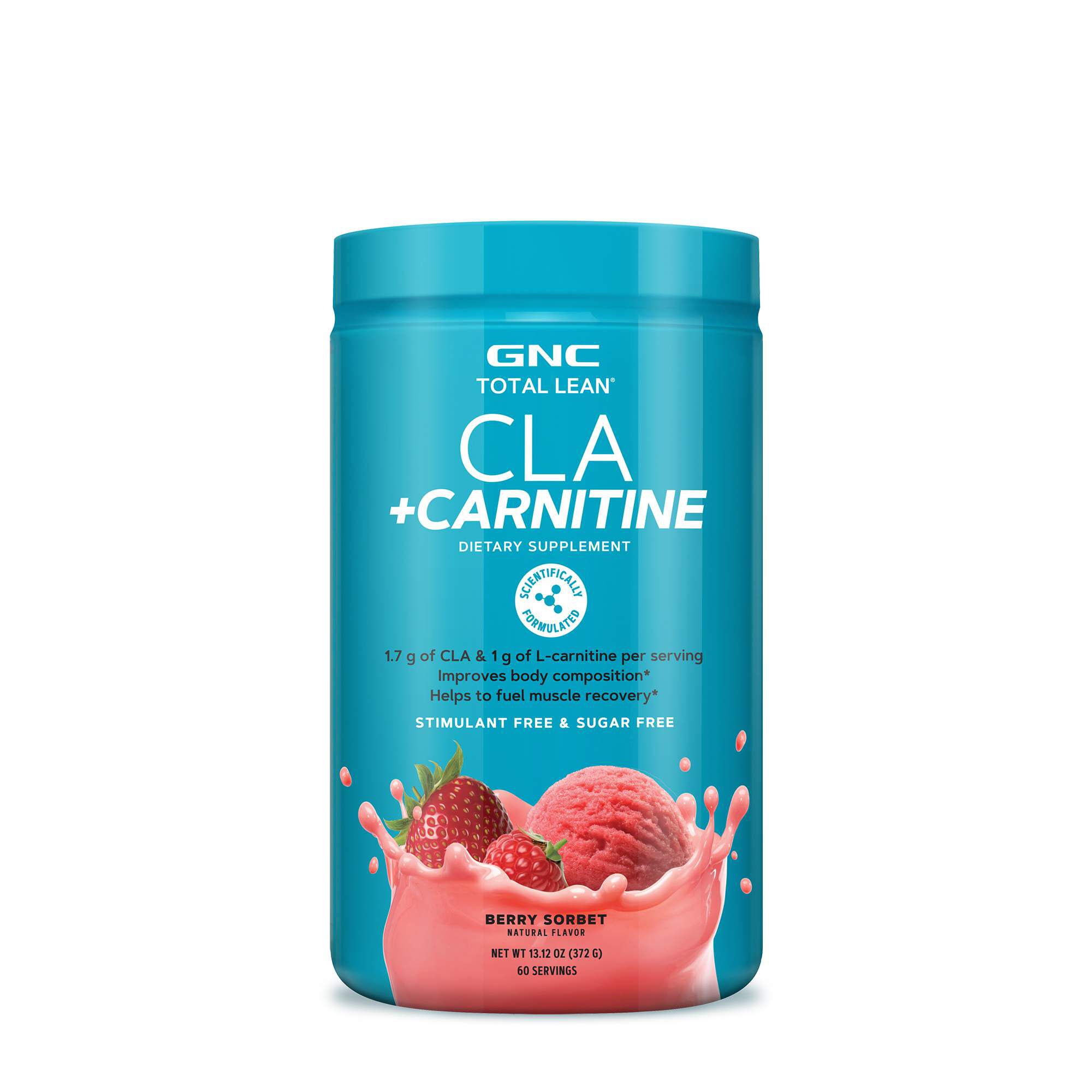
Format and label details help distinguish CLA supplements that otherwise look similar. Oil-filled softgels are a familiar option in this category, but capsule size, the number required per serving, and the ingredients used in the shell can differ. A smaller capsule is not automatically a smaller serving, and a bottle with more capsules does not necessarily contain more servings. Reading the serving size alongside the amount of CLA per serving makes those comparisons more meaningful. It is also worth distinguishing the weight of an oil blend from the amount of CLA that blend supplies; those figures may appear separately on the label and should not be assumed to mean the same thing. When a formula identifies a percentage of CLA, that percentage describes the ingredient concentration rather than an expected result. The Supplement Facts panel and ingredient list offer different kinds of information, so both deserve attention. One describes serving amounts, while the other can identify capsule materials, carrier ingredients, and other components. Gelatin, glycerin, coloring ingredients, or additional oils may matter to someone with particular dietary preferences. A formula made with plant-derived CLA is not automatically suitable for a vegetarian eating pattern if its capsule contains animal-derived gelatin. Likewise, the food sources in which CLA naturally occurs do not establish the allergen profile of a manufactured supplement. The finished product’s own label is the relevant reference. Shoppers exploring these distinctions can also browse CLA Supplements For Adults With Dietary Restrictions while checking individual ingredient statements. For someone who prefers a straightforward formula, a shorter ingredient list may be easier to review. Others may consider blends, making it important to account for every included ingredient rather than focusing only on the CLA named on the front. These details are especially useful when comparing bottles with similar designs but different serving sizes, capsule materials, or combinations of ingredients.
Day-to-day practicality matters just as much as the initial label comparison. A supplement intended for regular use has to fit an ordinary schedule, whether that means breakfast before a commute, lunch between meetings, or dinner after a recreational sports practice. Directions vary by formula, including the number of capsules in a serving and any instructions about taking them with food, so the package should remain the reference rather than a routine borrowed from another bottle. Workout timing alone is not a reason to assume that CLA belongs immediately before or after exercise. For an adult already using protein powder, a multivitamin, or another nutrition supplement, reviewing the ingredient lists together can make overlapping ingredients easier to spot. A simple routine may also be easier to organize than several bottles with different directions. Storage deserves the same attention. Keep the container tightly closed and follow its storage instructions, using a dry cabinet away from direct sunlight and sources of heat when the label calls for those conditions. A gym bag left in a car or a shelf beside a steamy shower may not match the package directions. Keeping the original container also preserves the serving information, ingredient statement, and date marking for later reference. For travel, the packaging needs to keep capsules contained and protect them from unnecessary exposure to moisture; the label should remain accessible even when space is limited. Bottle dimensions, cap design, and the legibility of directions can all influence how convenient a format feels in everyday use. These are practical considerations, not measures of how a supplement might affect the body. The most useful choice is one that matches the shopper’s ingredient preferences, intended use, and ability to follow the labeled directions. For active adults, thoughtful comparison keeps the focus on what a CLA formula actually contains and how it fits alongside established eating and exercise habits.
Best Sellers
-
 Create Wellness