CLA Supplements For Cutting Phase
(0 Results)
CLA supplements for cutting phase could be a popular choice for those looking to support their fitness journey. Many athletes and fitness enthusiasts turn to these supplements when focusing on their cutting phase, aiming to help maintain their hard-earned progress. Explore a variety of CLA supplements for cutting phase that may fit seamlessly into your routine, whether you’re preparing for competition or simply striving toward your personal goals.
-
-

-
-
 NDS Nutrition$69.99
 -
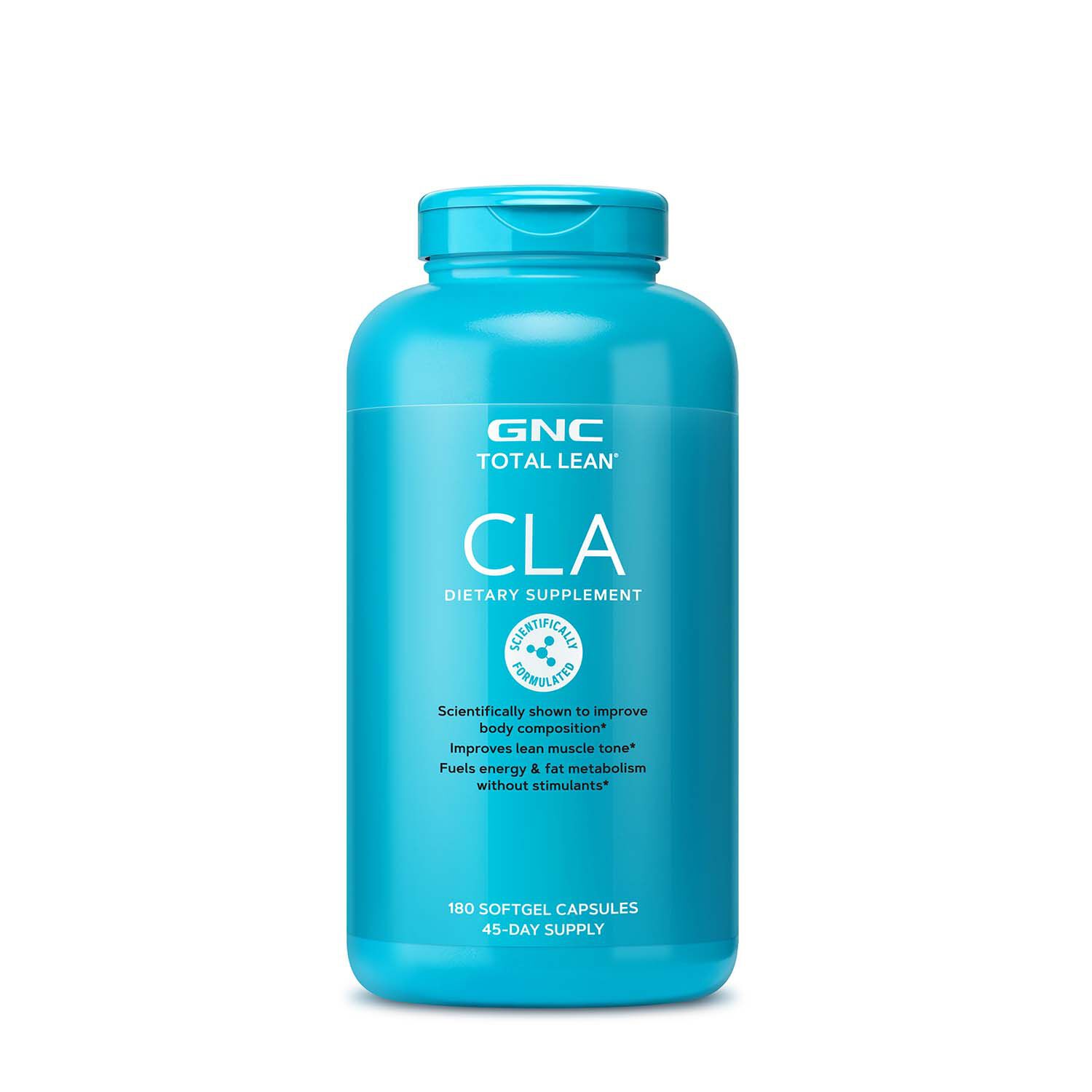
-

-
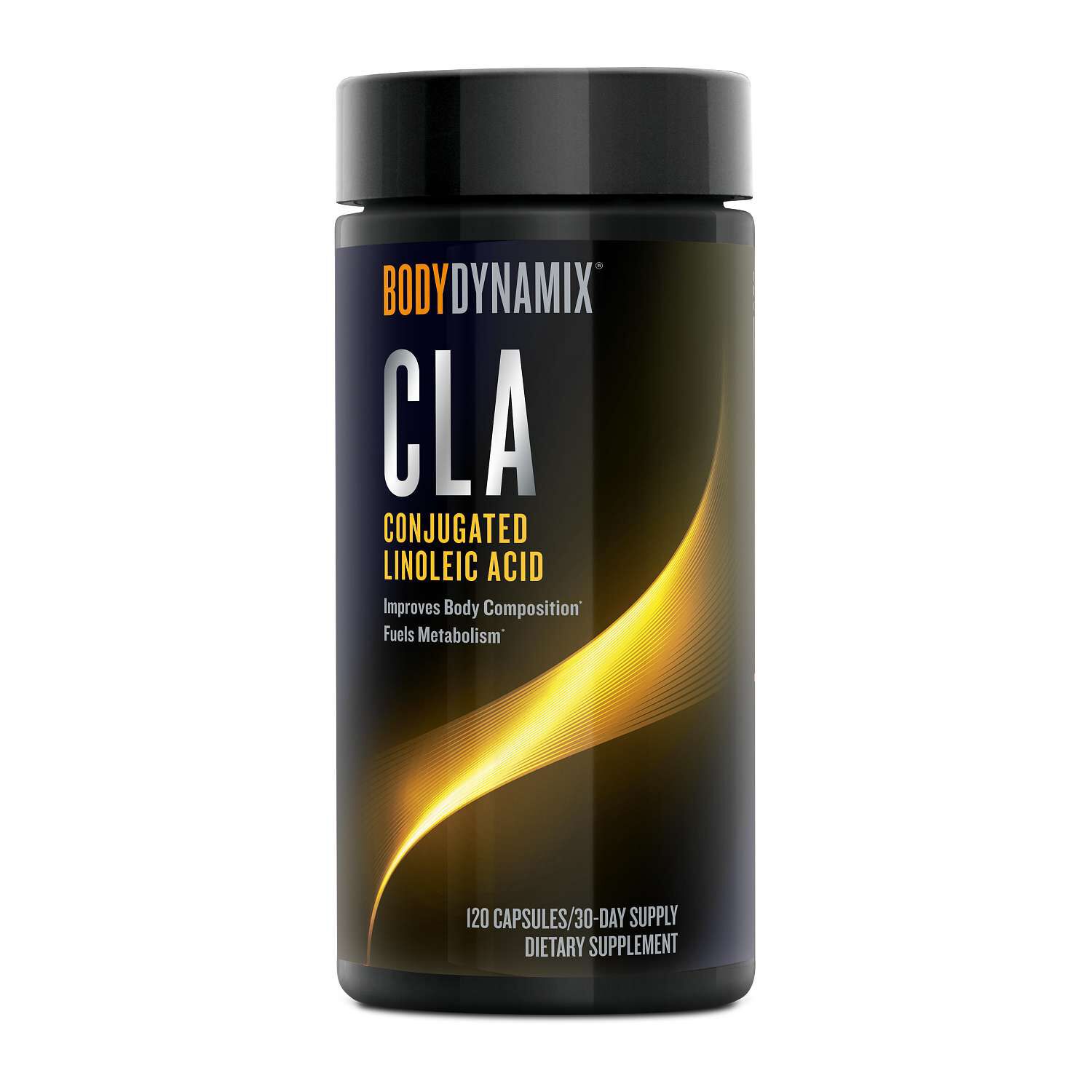
-
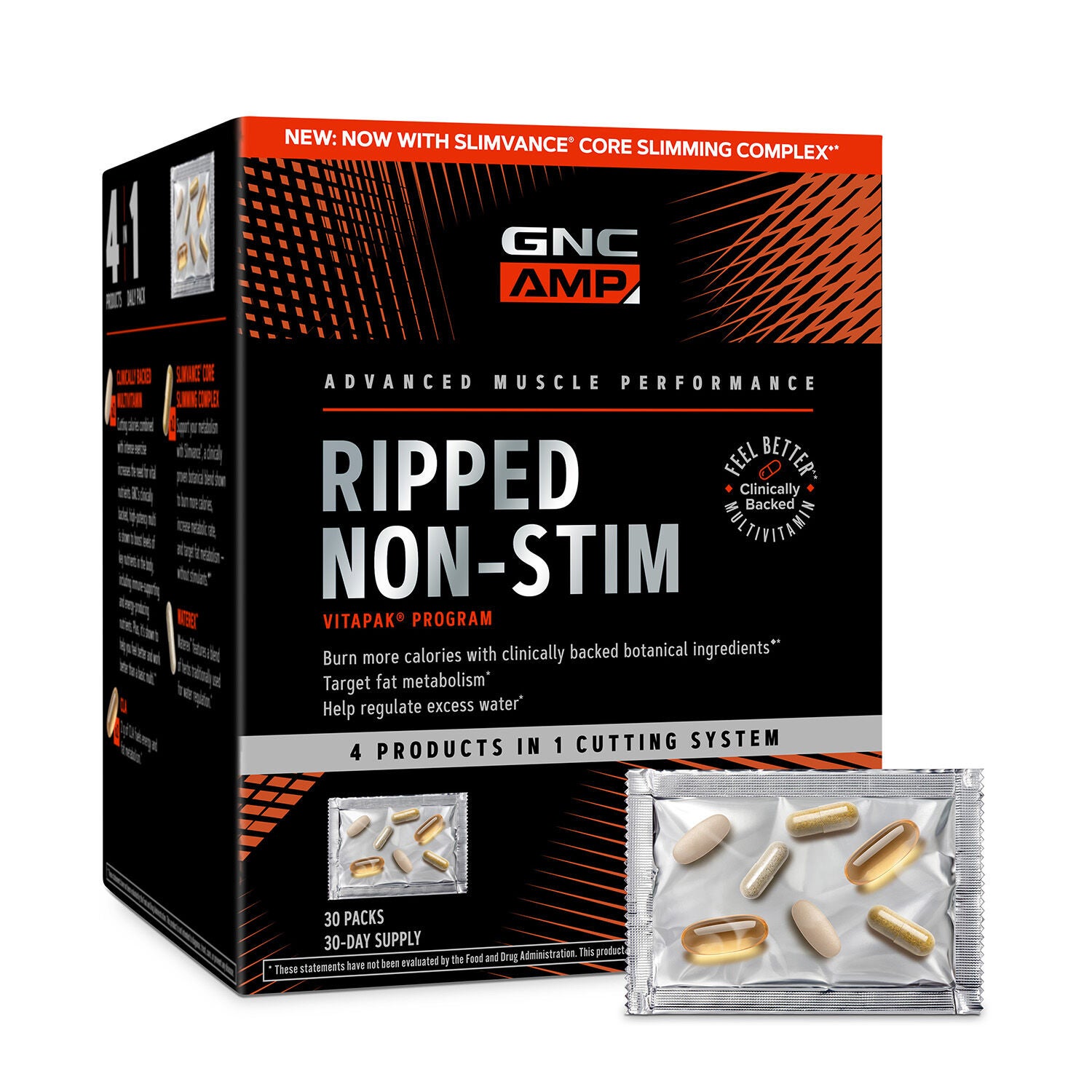
-
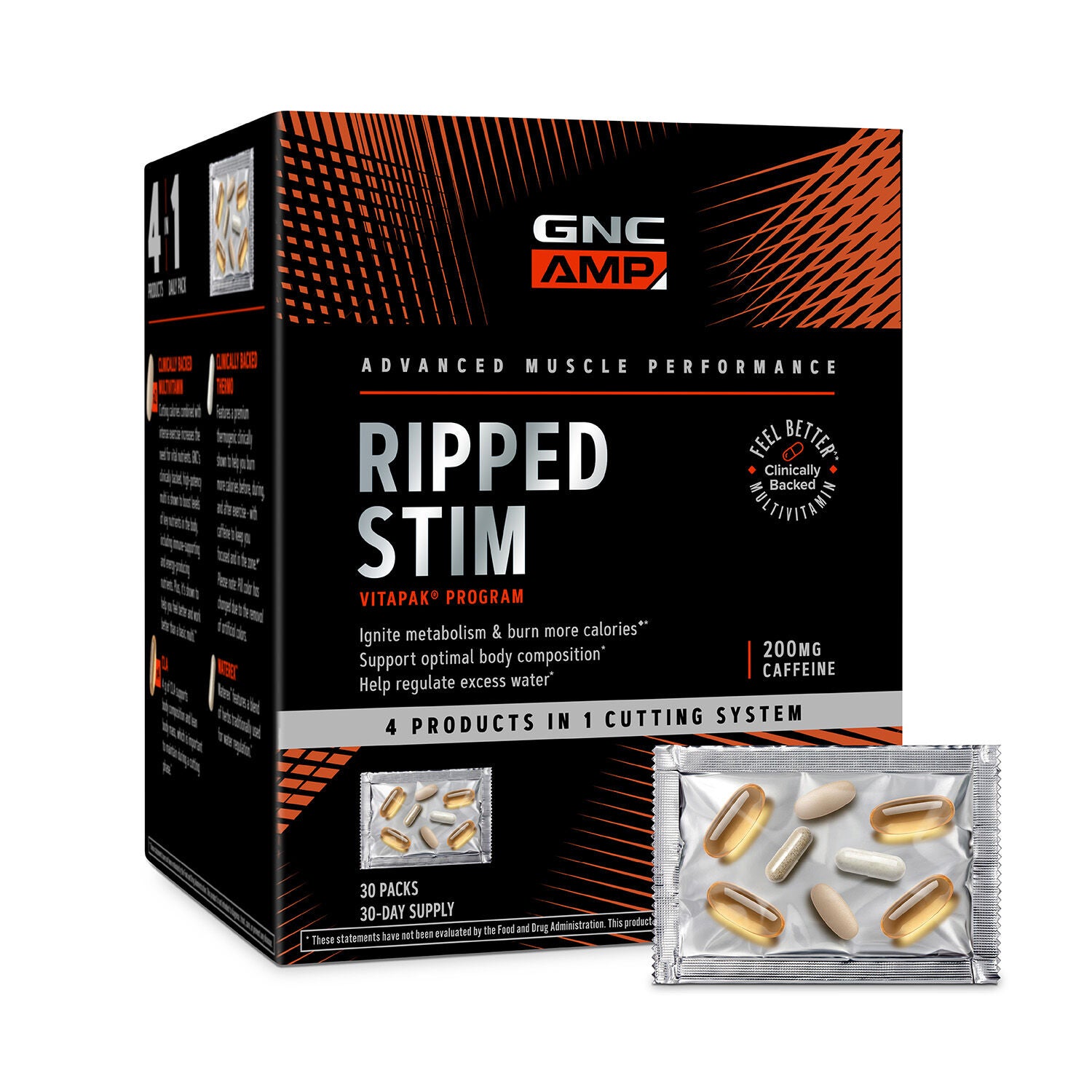
-
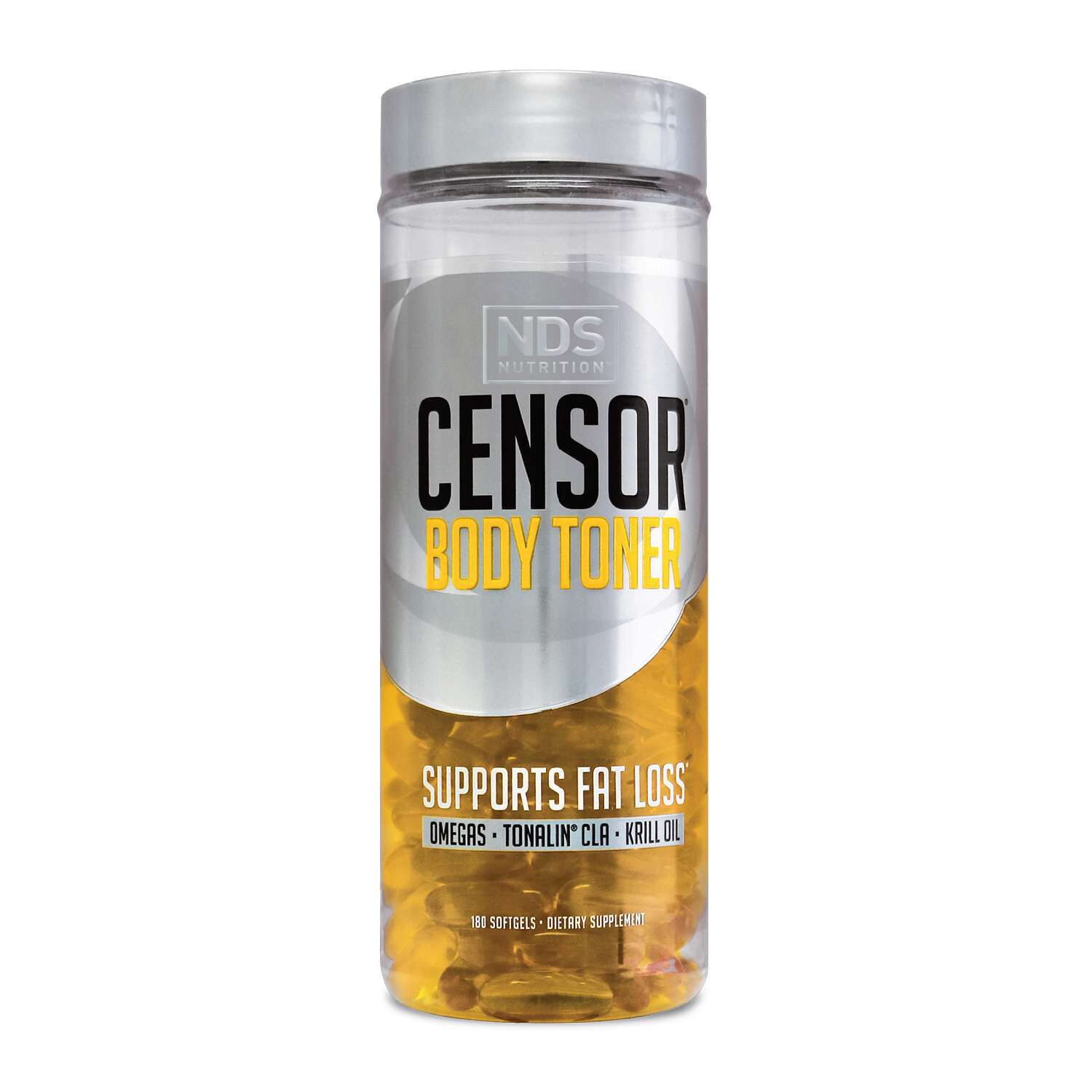 NDS Nutrition$84.99
 -

-
 NDS Nutrition$49.99
 -
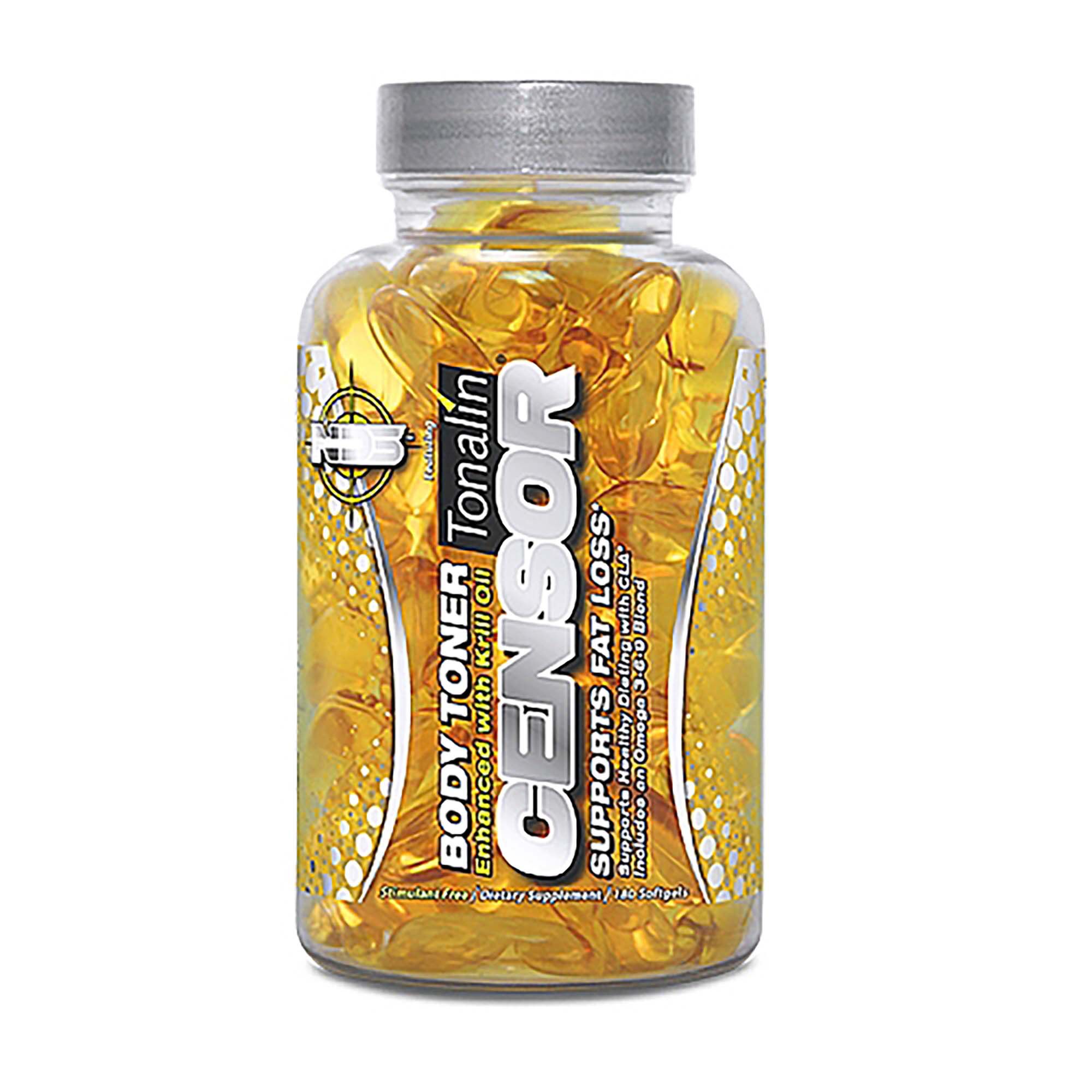
-

-

-
 NDS Nutrition$109.99
 -

-

-
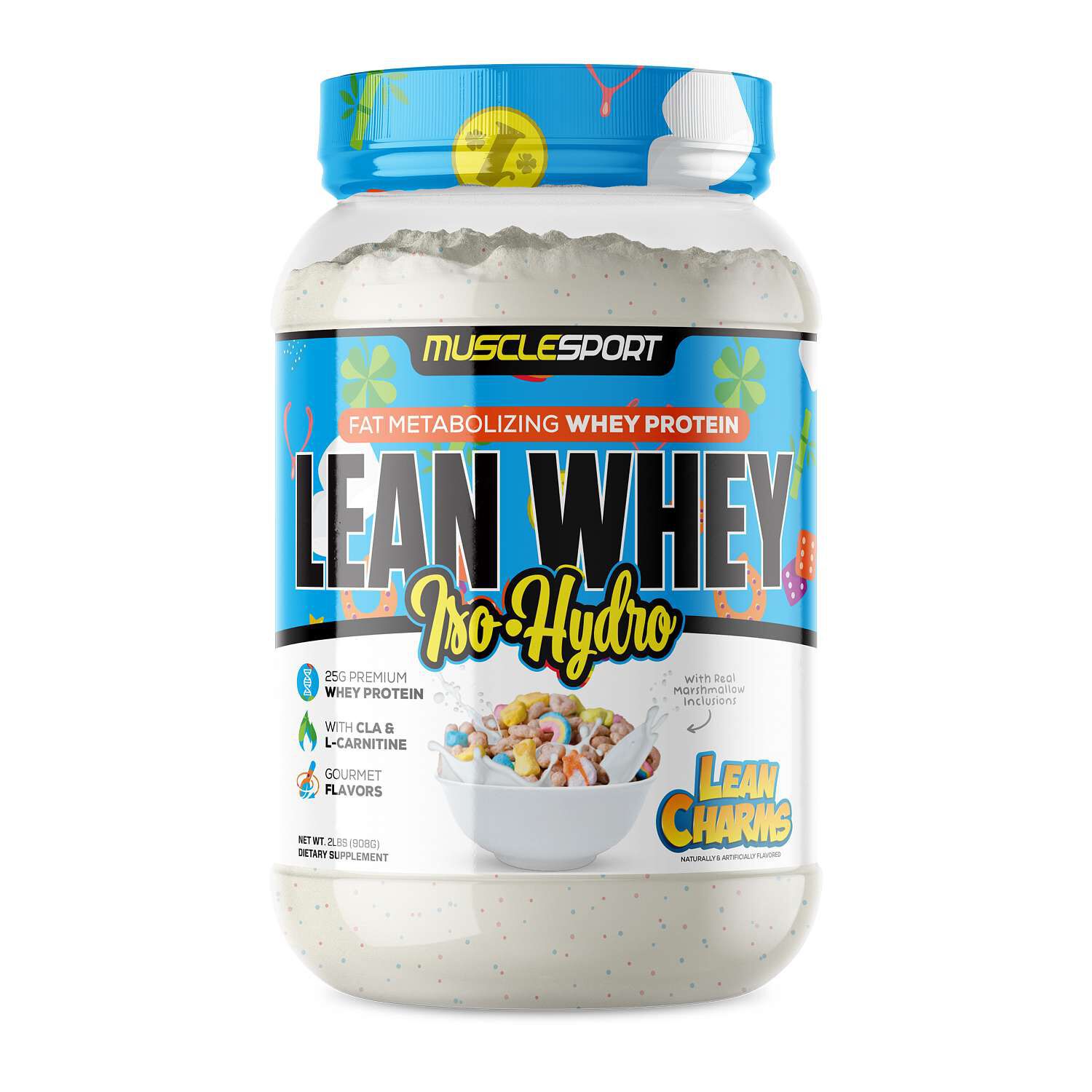
-

-

-
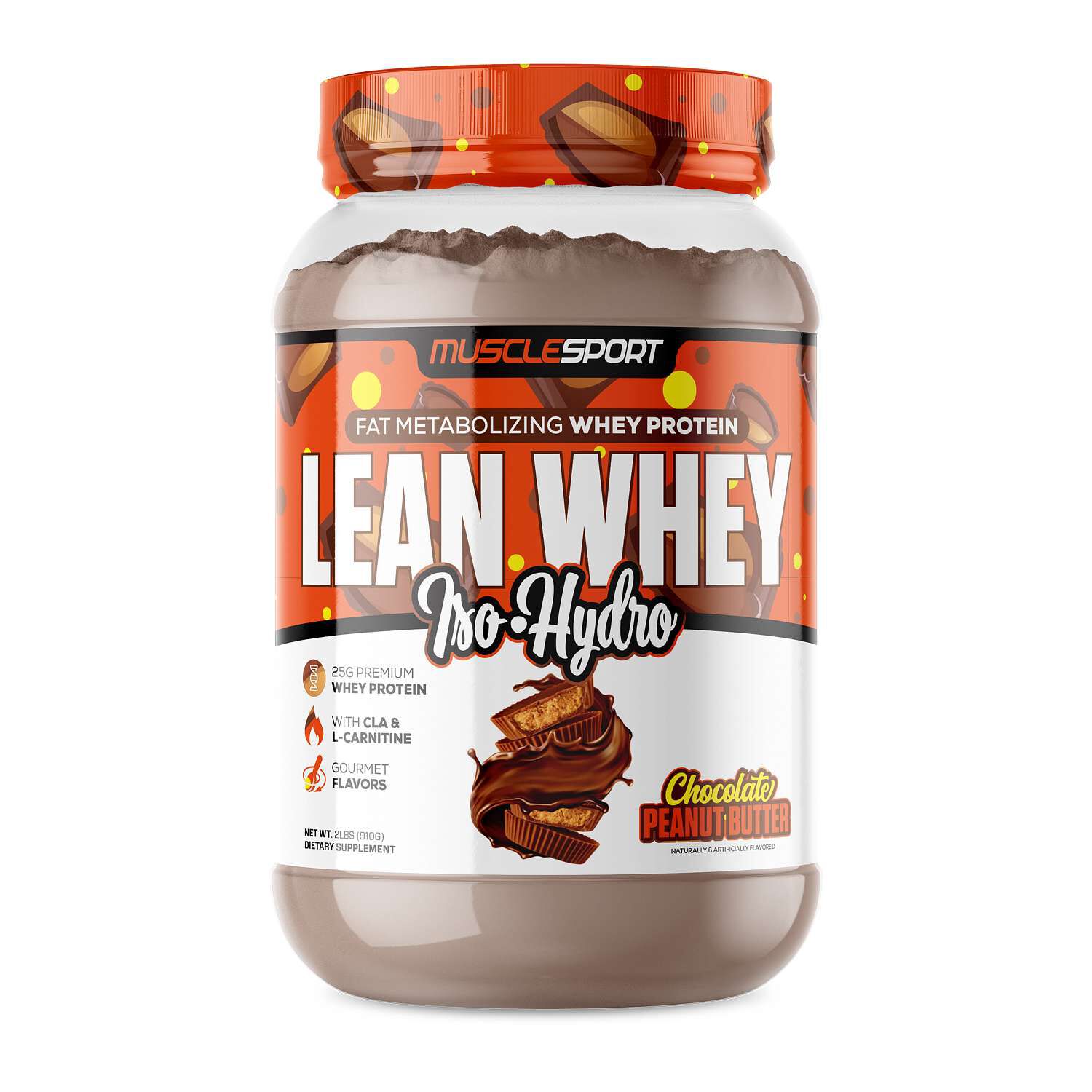
-

-

CLA supplements for a cutting phase center on conjugated linoleic acid, a group of related fatty acids found naturally in foods such as dairy and beef. Supplemental CLA is commonly made from vegetable oils, including safflower oil, and packaged in measured servings. In fitness settings, a cutting phase generally refers to a period focused on reducing body fat while maintaining an established strength-training routine and paying close attention to food intake. That context explains why CLA often appears alongside products intended for body-composition goals, although the category name should not be mistaken for a prediction of results. Research on supplemental CLA and body composition has produced mixed findings, and any changes may be modest or absent. Claims about rapid fat loss, targeted changes to particular areas, or reliable muscle retention go beyond what a shopper should assume from the ingredient name alone. CLA is a fatty acid, not a protein source or a stimulant, and a CLA-only formula differs from a blend containing caffeine or other active ingredients. The distinction matters for someone comparing a straightforward softgel with a more complex fitness supplement. An experienced recreational lifter might be interested in CLA while organizing a planned cutting phase, while another shopper might simply be comparing fatty-acid supplements within an existing nutrition routine. Neither situation makes every formula interchangeable. Ingredient source, serving size, capsule material, and the presence of additional ingredients all shape the practical differences between options. The most useful background is therefore less about dramatic before-and-after language and more about understanding exactly what the bottle contains. CLA supplements belong within the wider context of food choices, training, and personal preferences; they are not meal replacements, and their inclusion does not establish that a particular physique outcome will follow. For shoppers browsing this category, clear labeling and a manageable format offer more concrete comparison points than ambitious imagery or an aggressive-sounding product description.
The details on a CLA supplement label deserve particular attention because the amount of oil and the amount of active CLA are not necessarily the same. A label might describe an oil ingredient by weight and separately state its CLA concentration, so comparisons are most meaningful when they use the same measurement. Milligrams per softgel, milligrams per serving, and the number of softgels in a serving describe different things. A bottle with more capsules does not automatically contain more servings, and a larger number on the front panel may refer to an oil blend rather than CLA alone. The Supplement Facts panel and ingredient list provide the context needed to distinguish those descriptions. Single-ingredient formulas keep the focus on CLA, while combination formulas introduce other ingredients that require their own consideration. CLA itself is not caffeine, but that does not establish the caffeine content of a finished blend. Softgels are a familiar format for oil-based ingredients, with a flexible outer shell surrounding the liquid contents. Shell composition varies: some use gelatin, while others may use different materials. A plant-derived oil does not, by itself, mean the entire softgel suits a vegetarian eating pattern. Other ingredients may include glycerin, water, colors, or materials used to form the shell, making the full label more informative than the source of the oil alone. Capsule dimensions, shape, and serving count also influence everyday fit. Someone who prefers fewer capsules may evaluate a serving differently from someone who prioritizes a smaller softgel. For a shopper with a carefully organized food routine, clearly identified ingredient sources and allergen information may matter as much as format. Quality details are worth reading with similar precision. Manufacturing information and independent testing statements describe different aspects of a product, and the scope of any testing matters more than a broad impression of quality. Verification of ingredient identity or composition does not demonstrate a particular body-composition result. These distinctions make it easier to compare CLA supplements on their actual contents rather than treating every bottle in the category as equivalent.
Intended use and day-to-day handling round out the comparison, particularly for shoppers whose cutting phase already involves meal preparation, scheduled workouts, and a crowded kitchen cabinet. A supplement that fits neatly into that setting has clear serving information, legible directions, and packaging that suits the space where it will be stored. The manufacturer’s directions are the reference for intended use; the words “cutting phase” do not establish a separate serving amount or a universal schedule. There is also no single result timeline that applies to everyone shopping for CLA. A routine built around early training sessions looks different from one organized around evening workouts, but those differences alone do not establish a special CLA timing requirement. Practical organization can remain simple: keeping the original label accessible preserves the ingredient details, serving information, lot identification, and storage directions together. For oil-filled softgels, package care is especially relevant. Exposure to unsuitable storage conditions may affect the shell or contents, so the bottle’s storage instructions matter when choosing between a kitchen shelf, a gym bag, or a cabinet near an appliance. A secure closure and intact packaging are useful details to inspect, and the date printed on the container remains part of the product information rather than something to discard with the outer packaging. Shoppers who participate in organized sports may also want to distinguish general quality testing from certification addressing their sport’s supplement requirements; those are not automatically the same. Because ingredient preferences and existing routines are personal, CLA is usually a more considered purchase than a casual fitness gift. For browsing across related physique-focused categories, CLA Supplements For Beach Body offers another way to explore the same ingredient theme without changing what CLA is or what its label needs to communicate. Whether the preference is a simple formula, a particular capsule material, or a clearly stated oil source, a useful comparison stays grounded in composition, format, intended use, and realistic expectations rather than an assumed transformation.
Best Sellers
-
GNC Total Lean
-
GNC Total Lean
-
NDS Nutrition
-
NDS Nutrition