CLA Supplements For Thigh Fat Reduction
(0 Results)
Exploring options to support your fitness journey may lead you to cla supplements for thigh fat reduction. These supplements are popular with individuals seeking to complement their healthy lifestyle and workout routines. With a focus on balanced nutrition and regular exercise, cla supplements for thigh fat reduction could be an addition to your wellness plan as you work toward your goals. Discover a variety of choices designed to fit different preferences and support your active lifestyle.
-
-

-

-
-
-
-

-
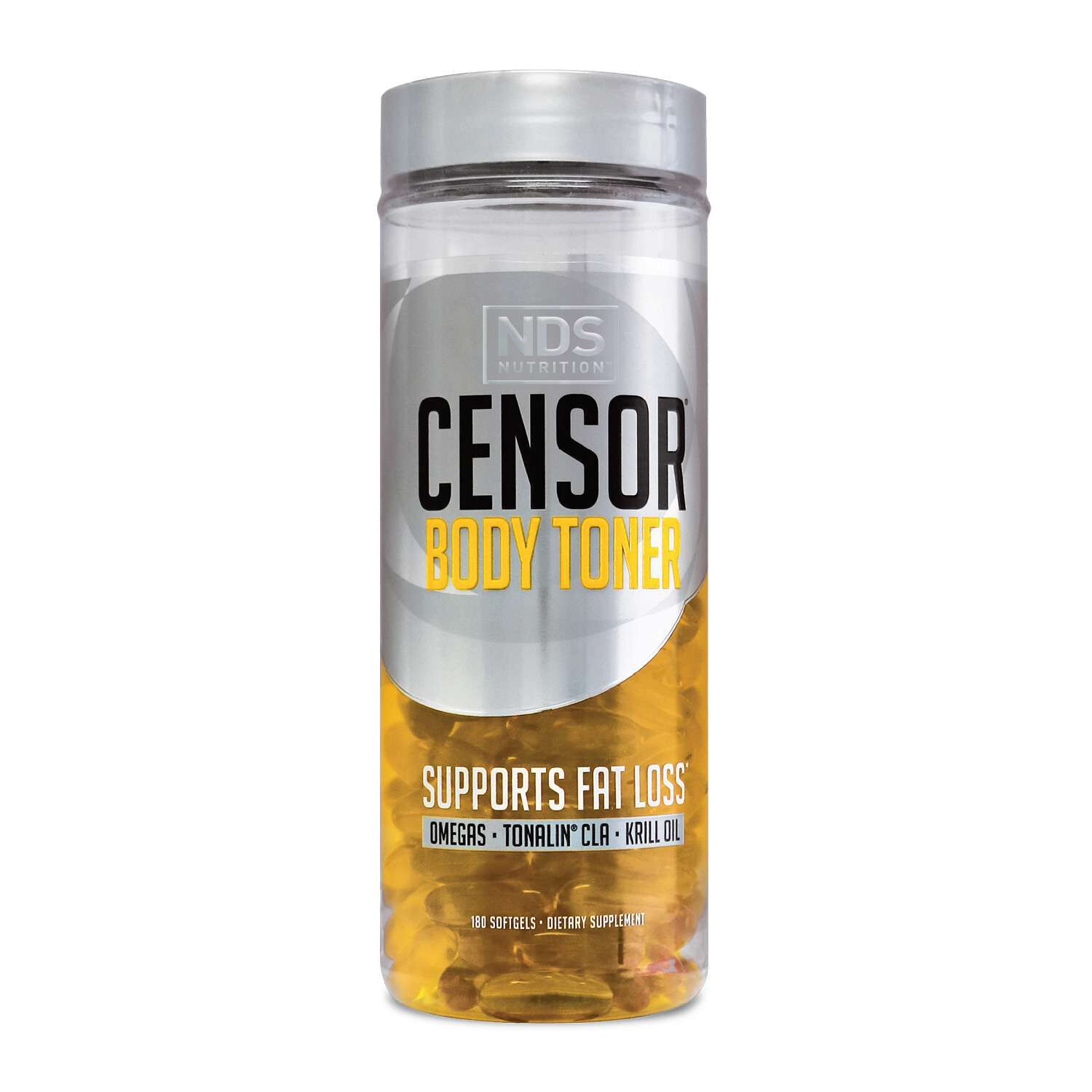 NDS Nutrition$84.99
-
 NDS Nutrition$49.99
CLA supplements contain conjugated linoleic acid, a group of fatty acids found naturally in foods such as beef and dairy. They are often considered by adults interested in body composition, including shoppers searching for CLA supplements for thigh fat reduction. That search deserves an important distinction: there is no reliable evidence that taking CLA selectively reduces fat in the thighs. Body fat distribution varies from person to person, and a supplement label cannot establish where a change in body composition might appear. Research on CLA supplementation and body composition has produced mixed findings, making expectations of visibly slimmer thighs an uncertain basis for choosing these products. A more practical way to browse this category is to consider the ingredient, serving format, label details, and place a supplement might have in an existing routine. CLA is a fatty acid rather than a protein powder, a meal replacement, or an exercise program, and those differences matter when comparing products with different intended uses. Concentrated CLA ingredients used in supplements are commonly derived from vegetable oils, including safflower oil; the ingredient statement is the place to verify the source of a particular formula. The source oil and the amount of CLA listed per serving are separate details, so a prominent oil quantity on the front of a package should not stand in for a careful reading of the Supplement Facts panel. Someone whose goal involves the fit of jeans around the thighs may approach this category differently from someone simply comparing fatty acid supplements, but both shoppers benefit from the same clear distinction between product composition and hoped-for appearance changes. Searches centered on one body area can make narrow claims sound appealing. A sound comparison instead starts with what is in the container, how that information is presented, and whether the format suits the person who would use it. The category is best understood as a selection of dietary supplements, not as a targeted solution for changing thigh shape.
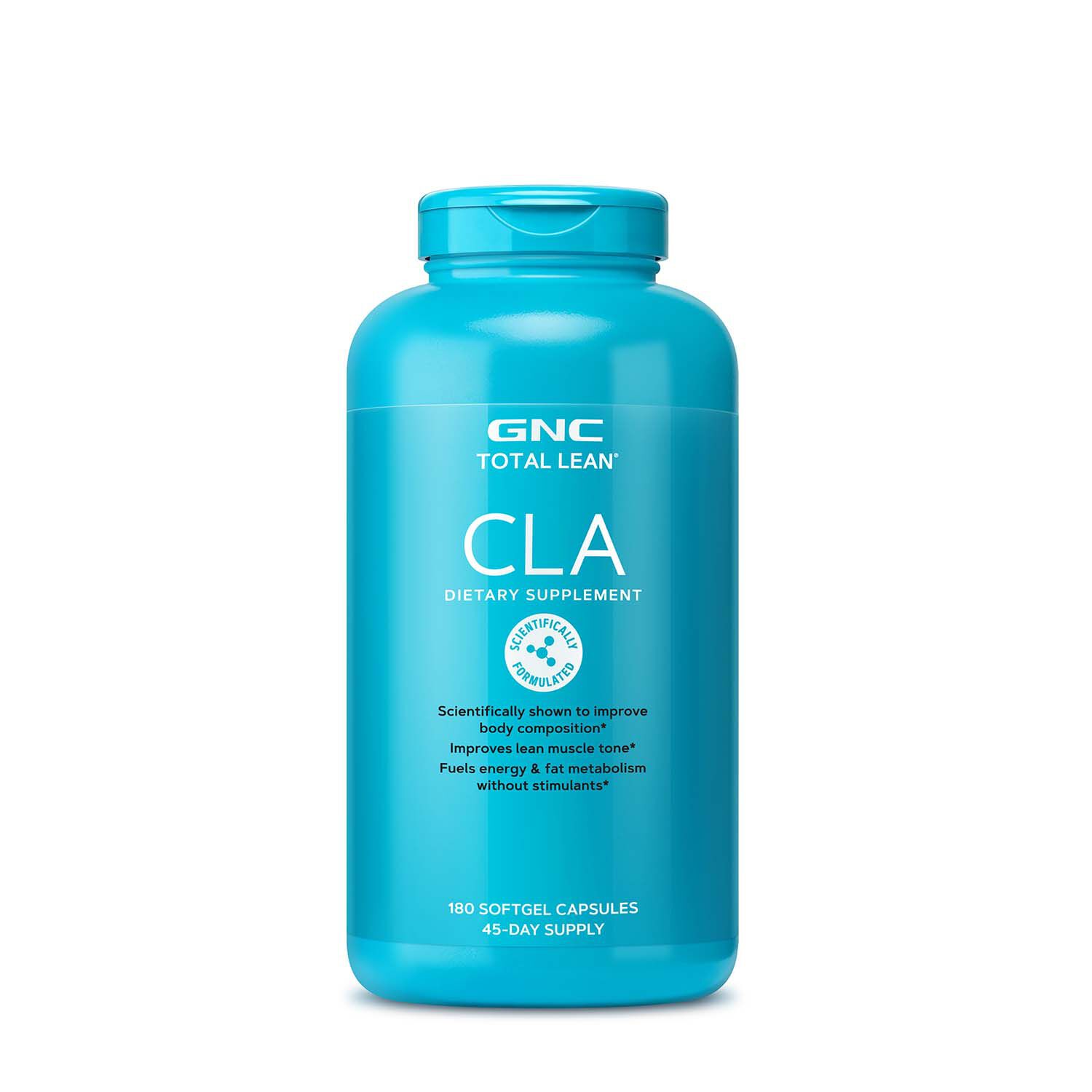
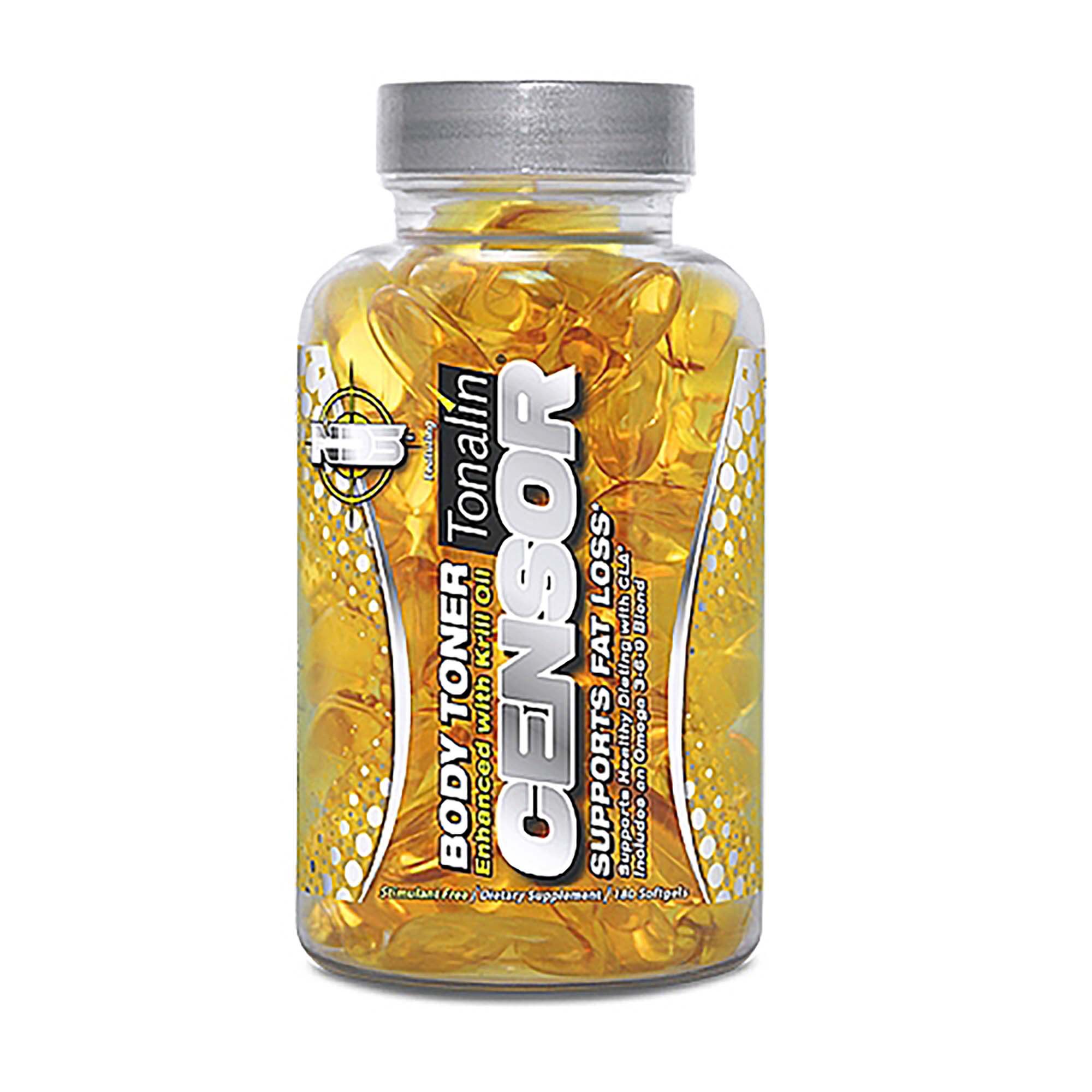
Softgels are a familiar format for oil-based CLA supplements, and their construction deserves attention alongside the featured ingredient. The shell may contain gelatin, glycerin, water, or other ingredients identified on the label. A vegetable-derived oil does not by itself establish that the finished softgel is suitable for a vegetarian eating pattern, since the shell may have a different source. Shoppers with specific ingredient preferences can compare the Supplement Facts panel with the other-ingredients statement rather than relying only on front-label descriptions. Serving size is another meaningful distinction. One serving may consist of more than one softgel, so the CLA quantity per serving and the quantity per individual softgel are not necessarily the same. For example, a bottle that lists two softgels as one serving should be read differently from a bottle that lists one softgel as one serving, even when the front panels look similar. The number of softgels in a container also differs from the number of labeled servings. Keeping those details separate makes it easier to compare packaging without assuming that a larger bottle represents a longer routine. If a label identifies both an oil amount and a CLA percentage, those figures describe different aspects of the formula; neither should be casually substituted for the other. Single-ingredient formulas and blends also require different attention. A blend may contain additional ingredients with their own amounts and intended uses, making the full panel more informative than the word CLA alone. Softgel dimensions, shell ingredients, and the number included in a labeled serving may influence everyday preferences as much as bottle design. Someone who prefers fewer pieces in a supplement organizer may prioritize a different format from someone who values a narrowly focused ingredient list. These are practical product considerations, not indicators of greater fat loss. Clear labeling, understandable serving information, and a format that fits the intended user's preferences offer more useful comparison points than imagery suggesting a change in one specific part of the body.
The intended audience for this category is adults considering CLA as part of a broader supplement routine, rather than shoppers looking for a special product for the inner thighs or outer thighs. Those location-based descriptions do not identify distinct forms of CLA. For a broader category perspective, CLA Supplements For Adults Seeking Fat Loss offers a related browsing path without making one body area the defining selection criterion. In everyday use, the practical questions are often simple: whether the label is easy to read, whether the container fits the usual storage space, and whether the serving directions are clear. A bottle kept alongside other supplements should remain identifiable, with its ingredient information, directions, lot information, and date marking accessible. Product care is about preserving the condition described by the manufacturer, not extending use beyond the package guidance. Storage instructions vary, so the container's directions should determine where it belongs. Original packaging can be useful because it keeps the label and closure together; a loose handful of softgels in a gym bag separates the contents from information needed to identify them. Packaging quality also matters during handling. An intact closure, legible printing, and clear product identification are more relevant to a consumable supplement than the kind of long-term durability expected from exercise equipment. For someone assembling a personal routine, these small details may make a format more convenient without implying anything about its effects on body shape. CLA is also a highly personal purchase, and a body-size-focused supplement is generally a better self-selected item than an unsolicited gift. Preferences about ingredients, eating patterns, and appearance are individual, and packaging cannot resolve those considerations for another person. Whether the starting point is a thigh-focused search or a general interest in CLA, the most useful selection criteria remain concrete: the stated ingredient source, CLA amount per labeled serving, other ingredients, serving format, and storage directions. Those details support an informed product comparison while keeping expectations separate from the suggestion that a supplement could determine exactly where body fat changes.
Best Sellers
-
GNC Total Lean
-
GNC Total Lean
-
NDS Nutrition
-
NDS Nutrition