

Collagen For Athletes
(0 Results)
Collagen for athletes could be a game-changer in supporting performance and recovery. As an essential protein found in muscles, tendons, and ligaments, collagen may play a vital role in maintaining joint health and flexibility. Athletes looking to optimize their training regimen might consider incorporating collagen supplements into their routine, as these products could support muscle recovery and promote overall wellness. Whether you're a seasoned athlete or just starting your fitness journey, exploring how collagen can complement your lifestyle might offer valuable benefits. Discover how this versatile supplement may help you achieve your athletic goals while potentially enhancing your body's resilience.

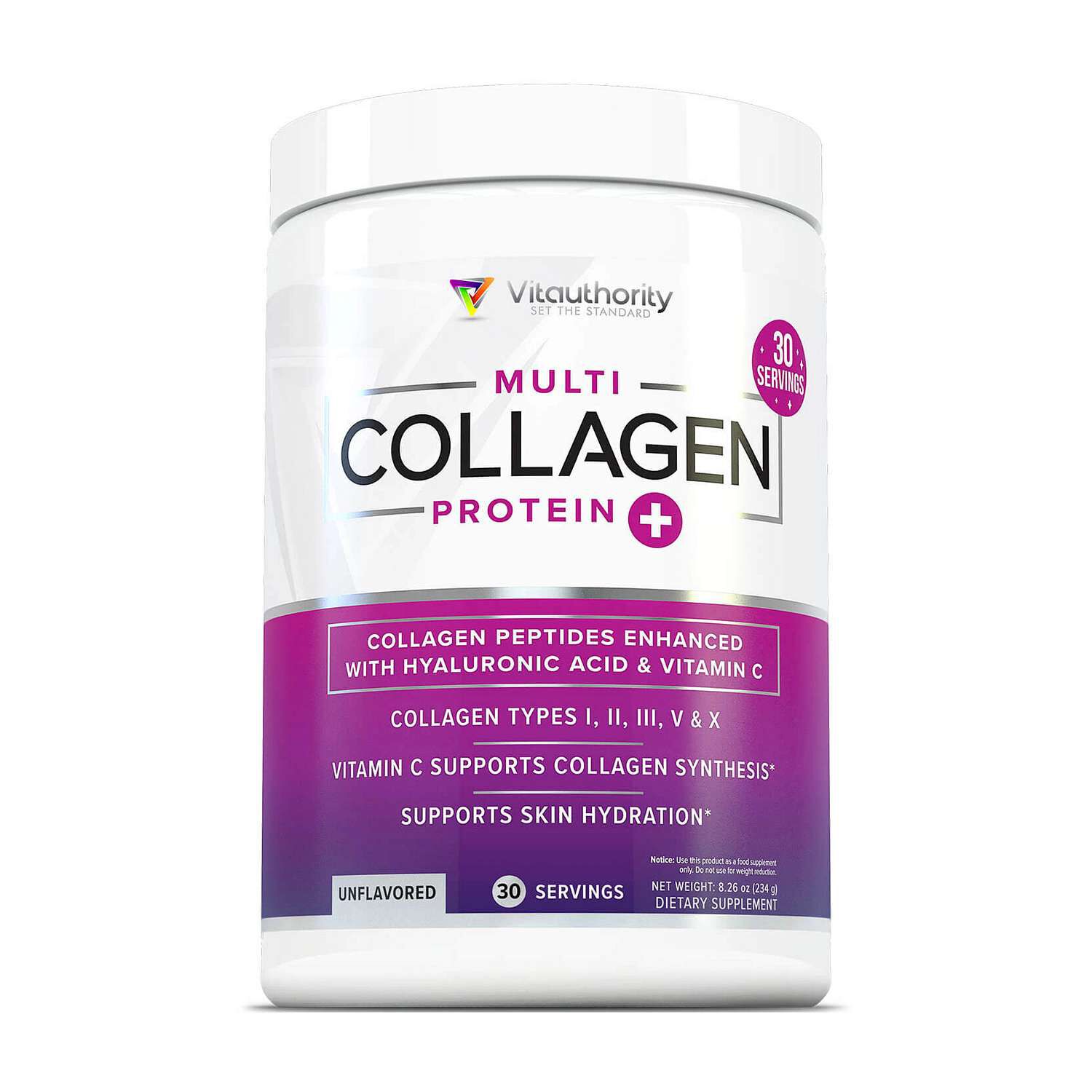
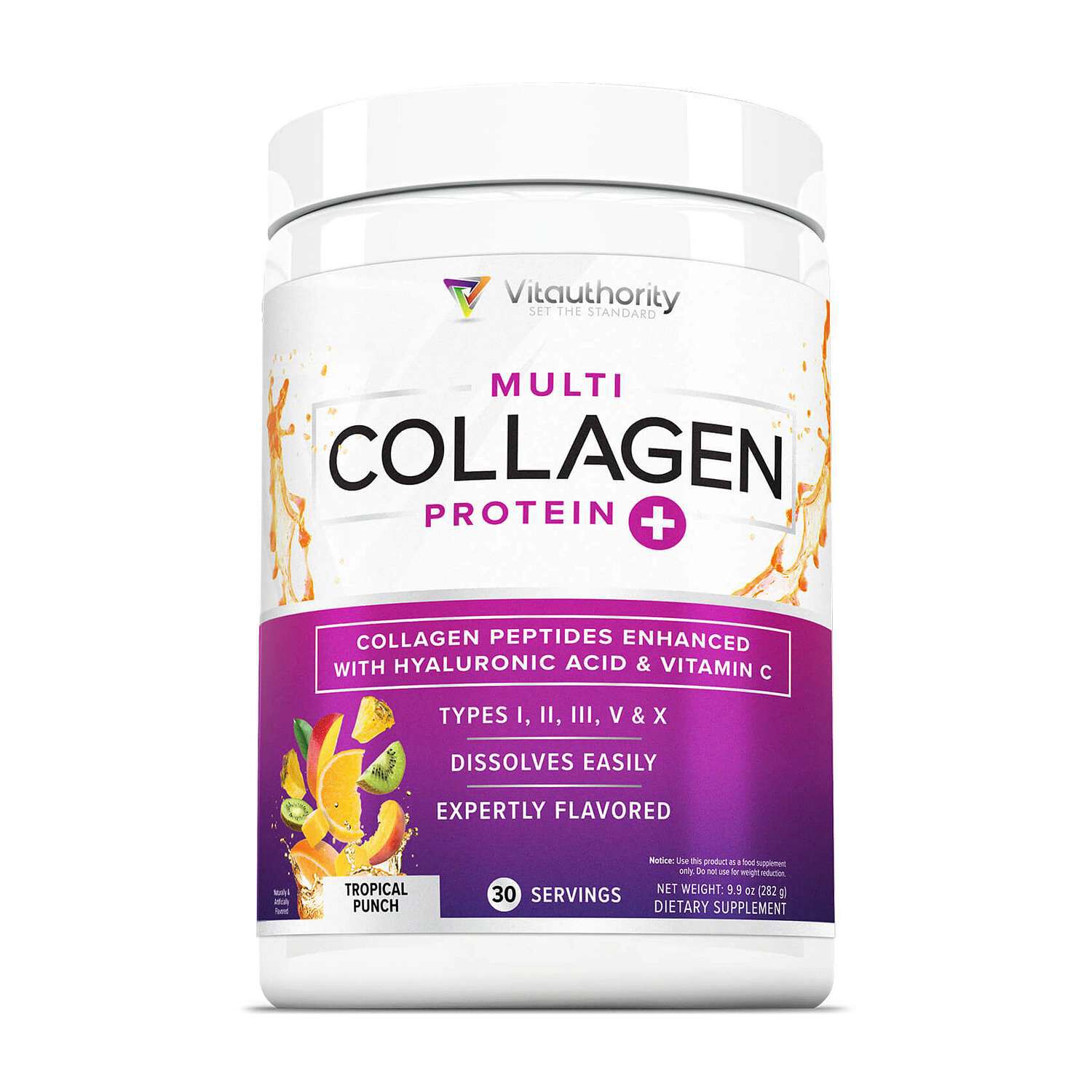
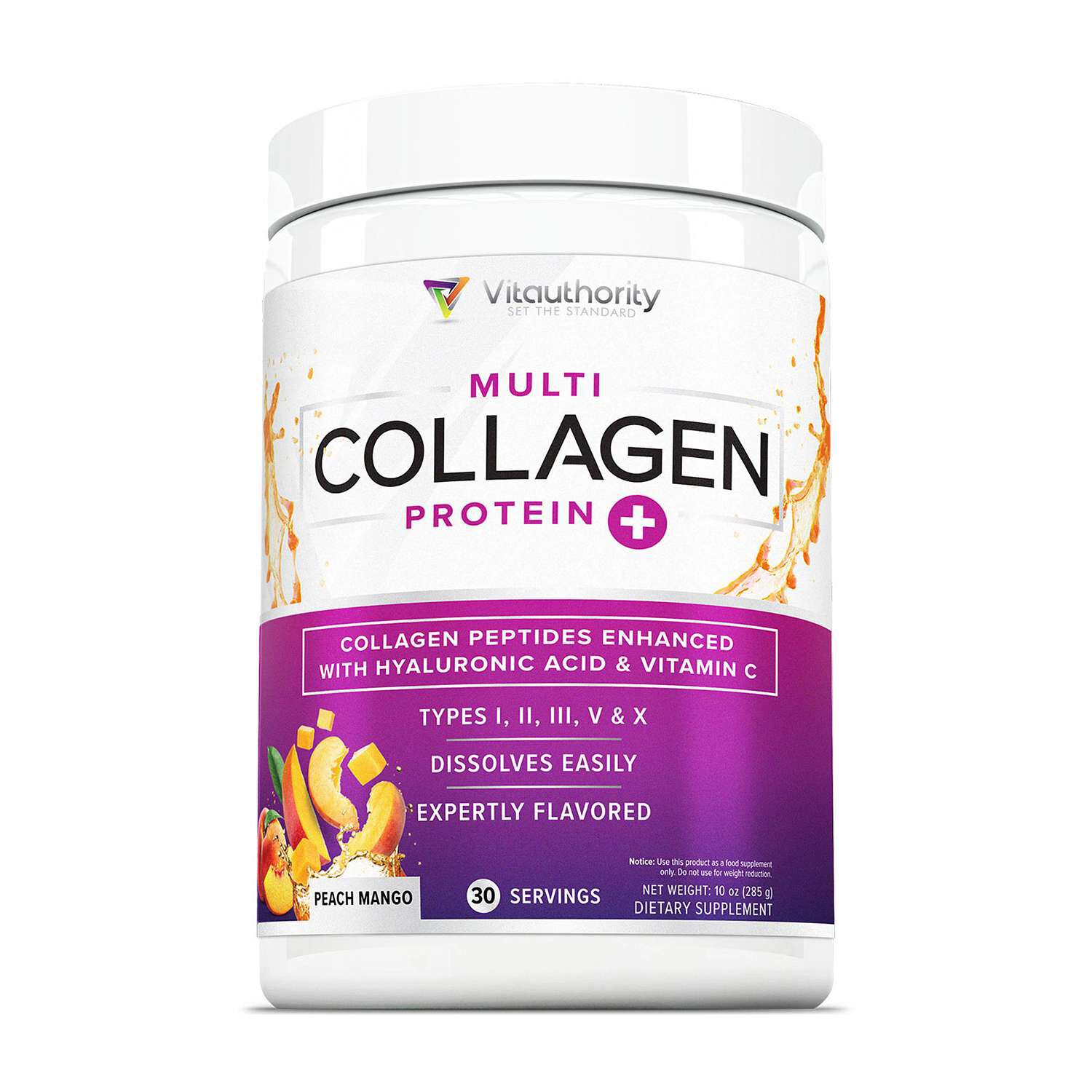

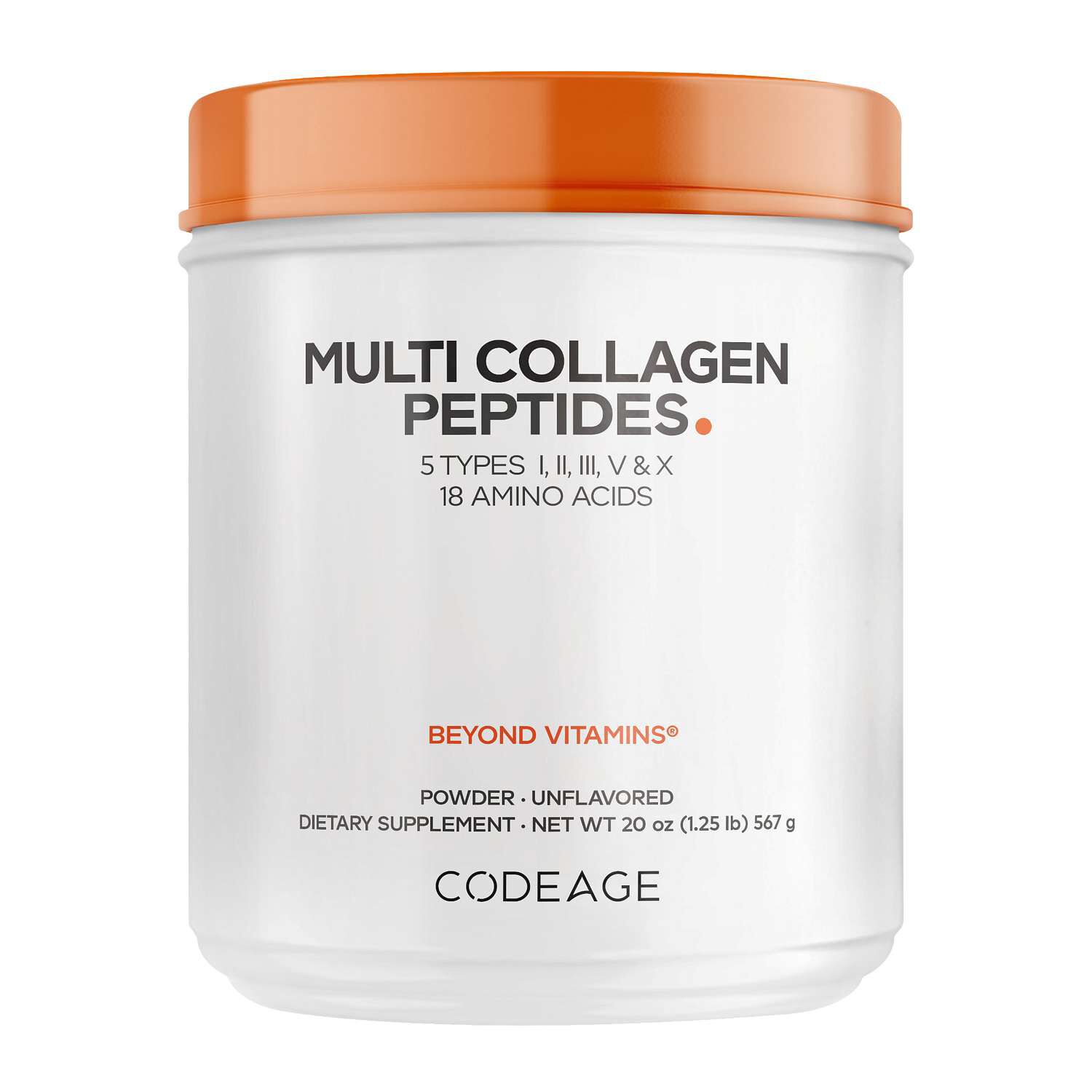

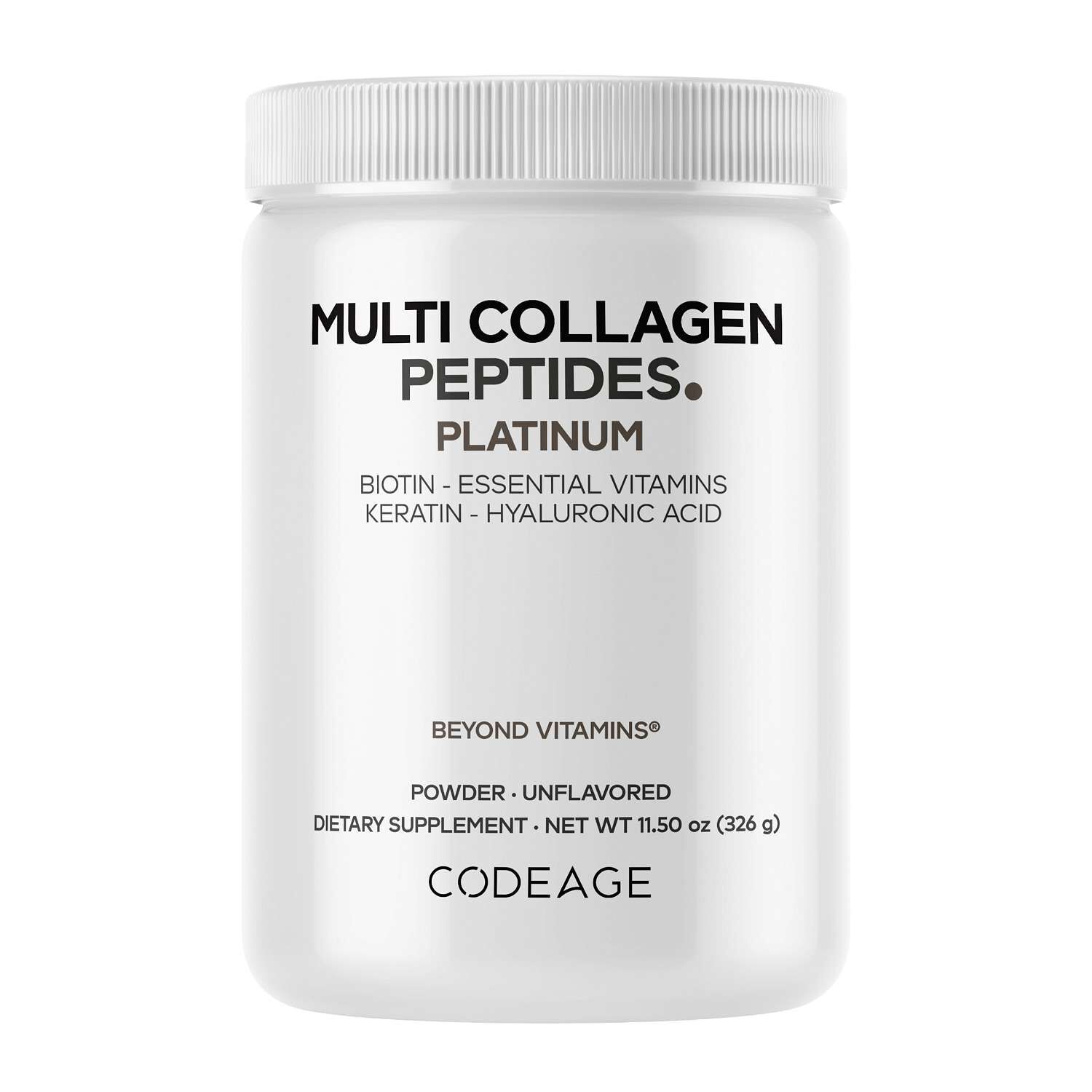


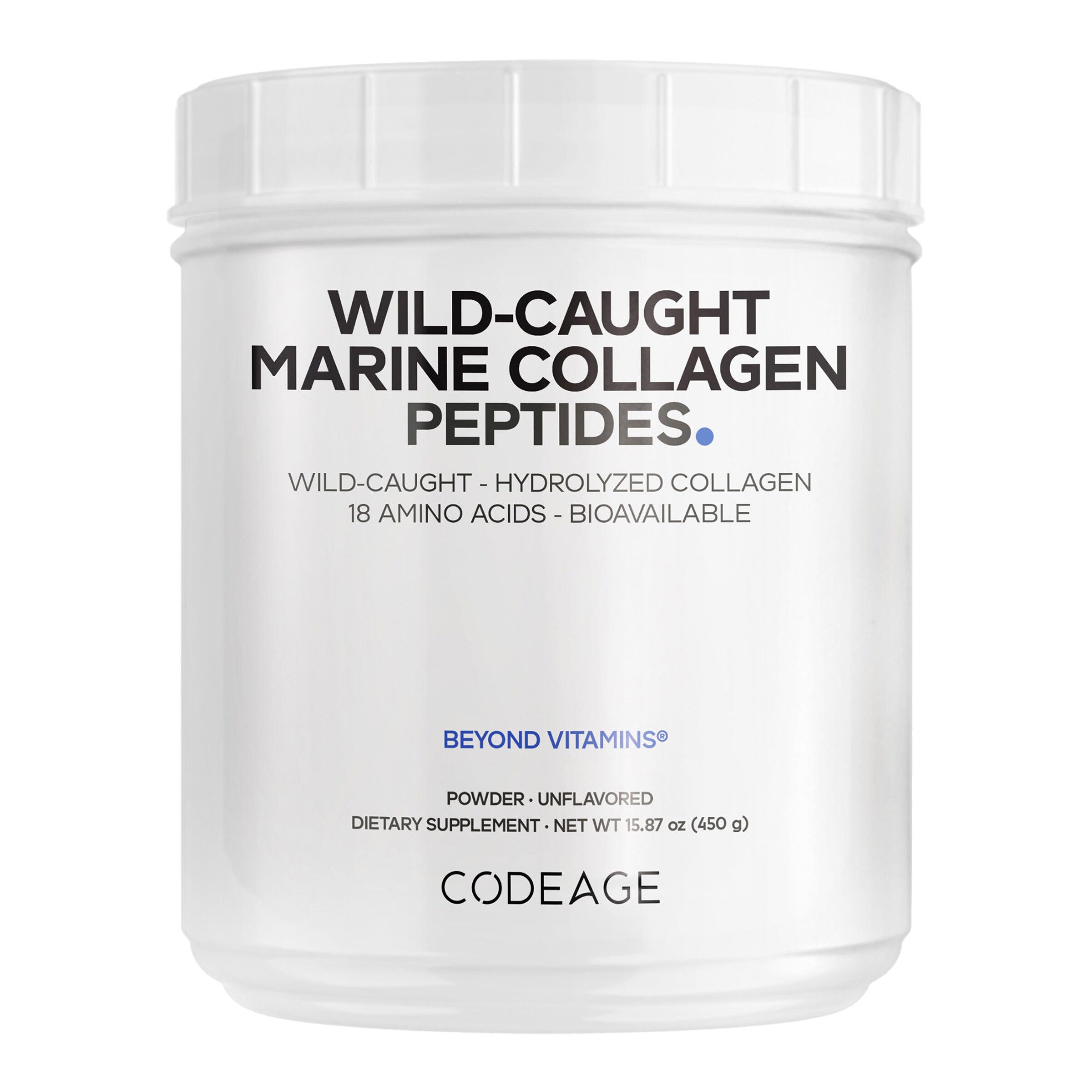
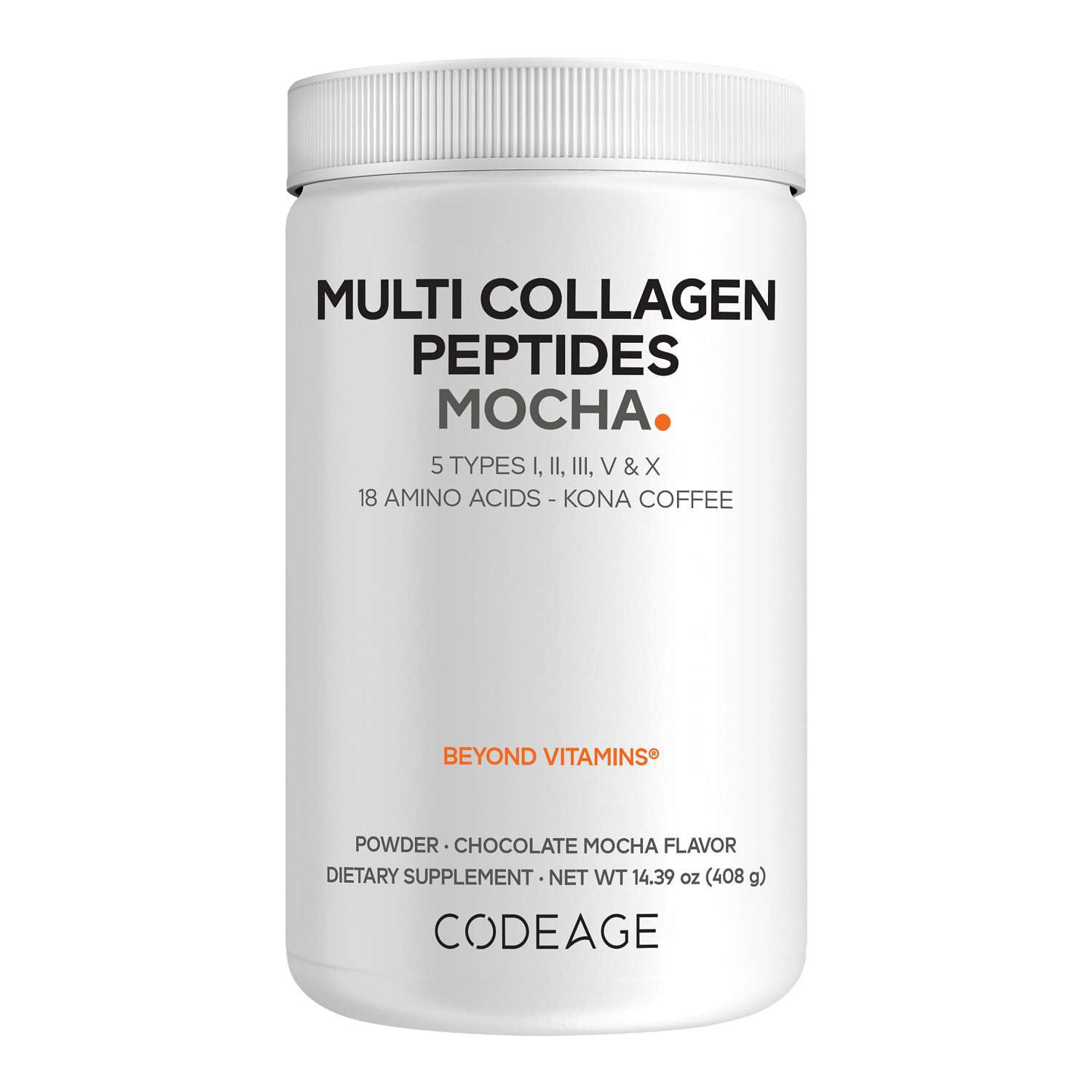
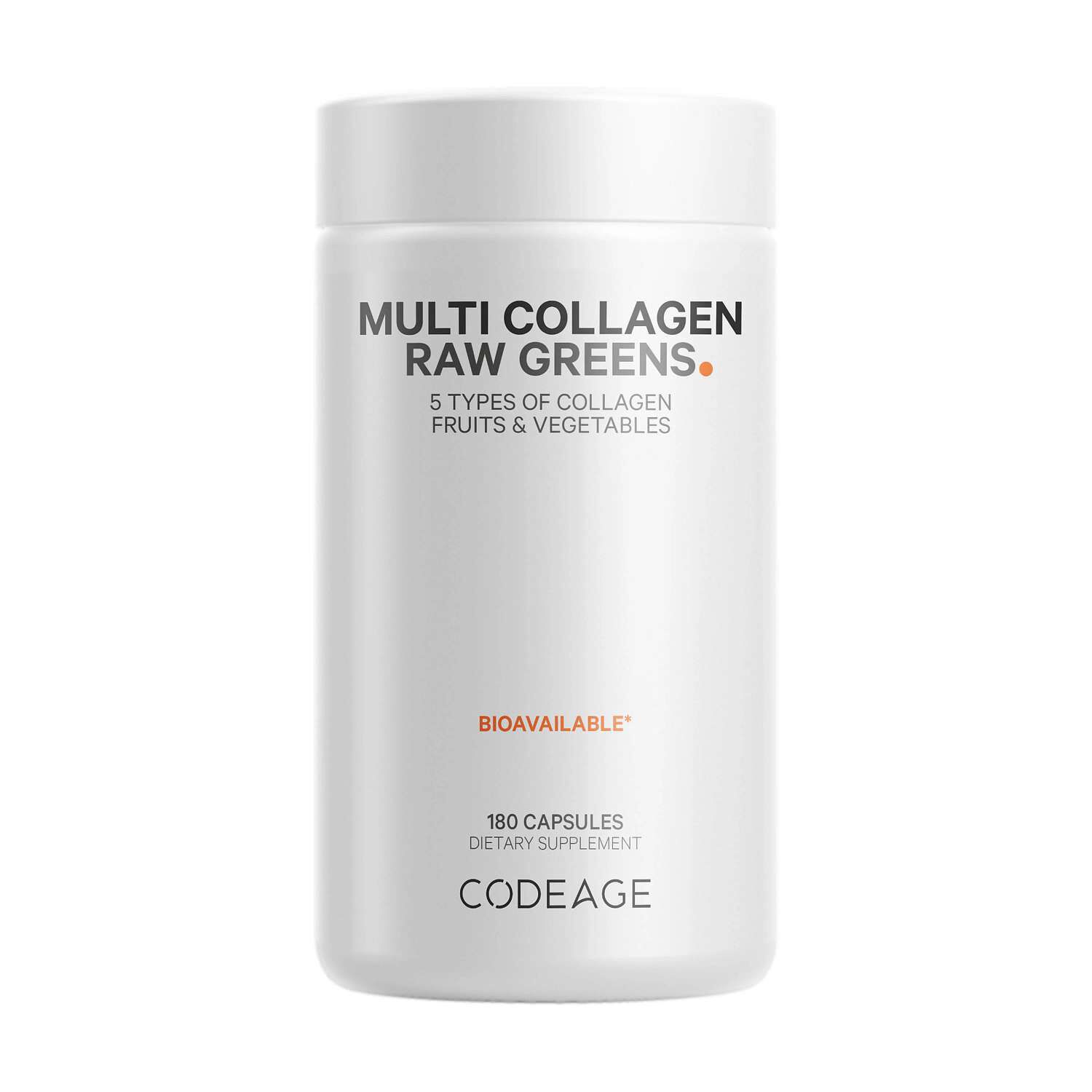
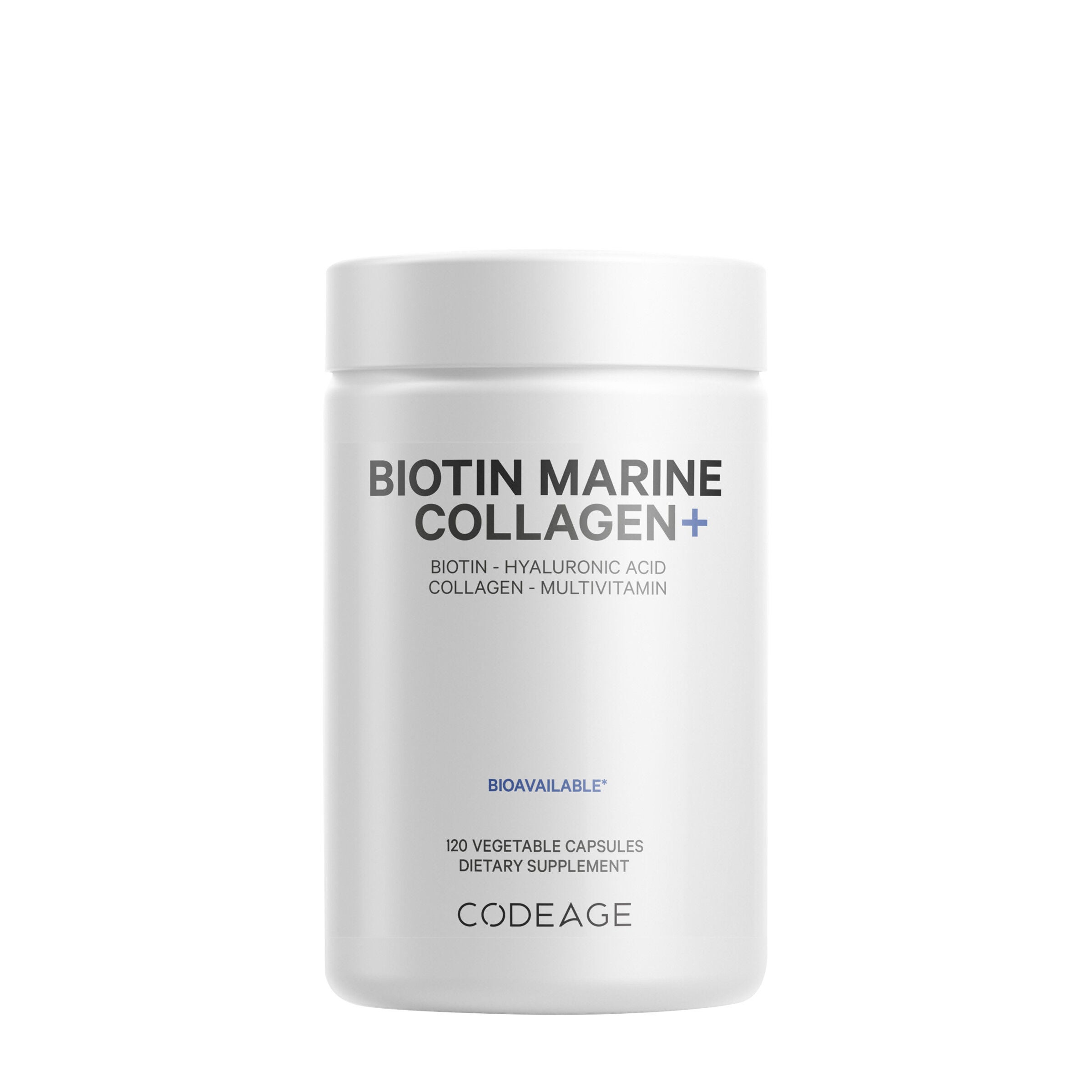
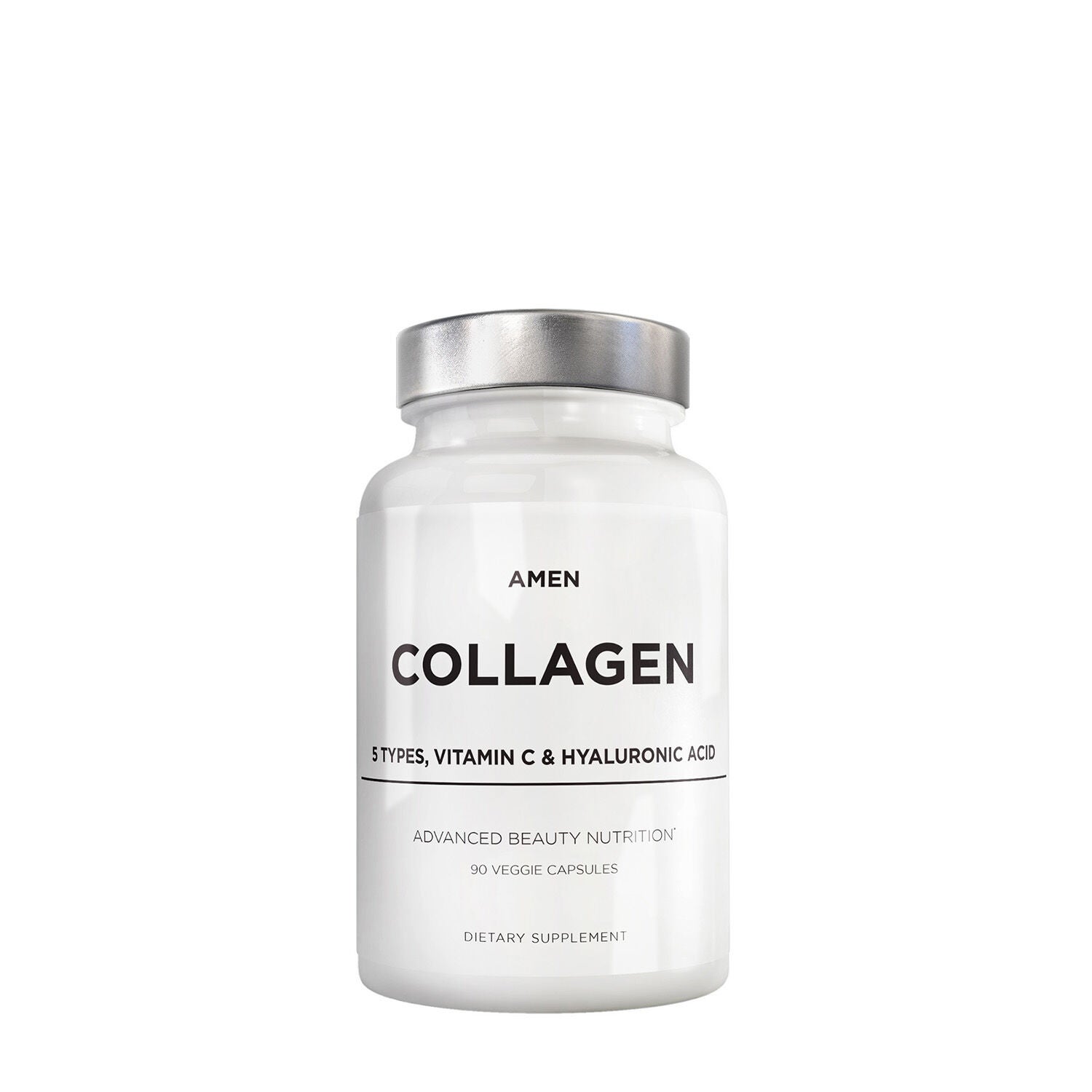
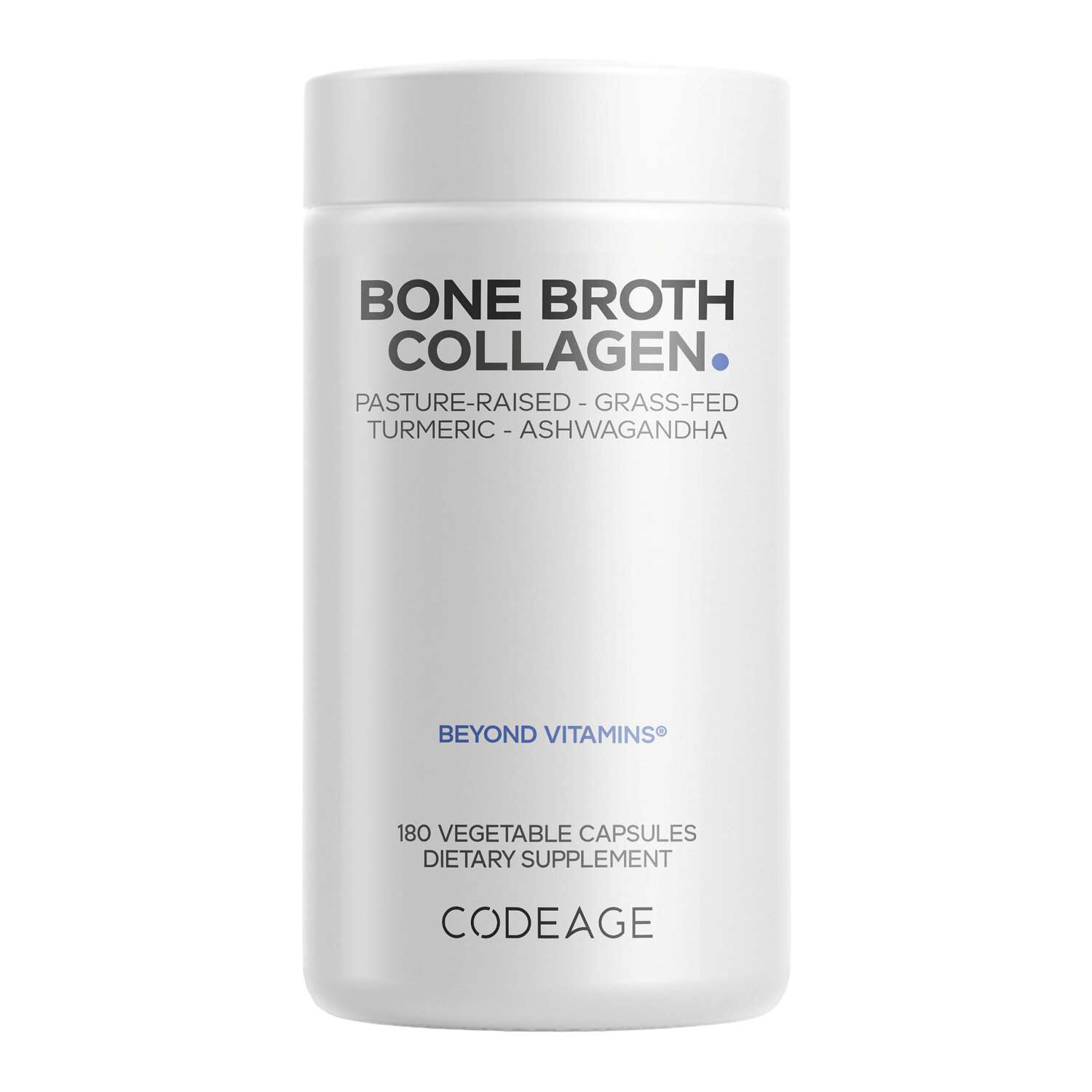

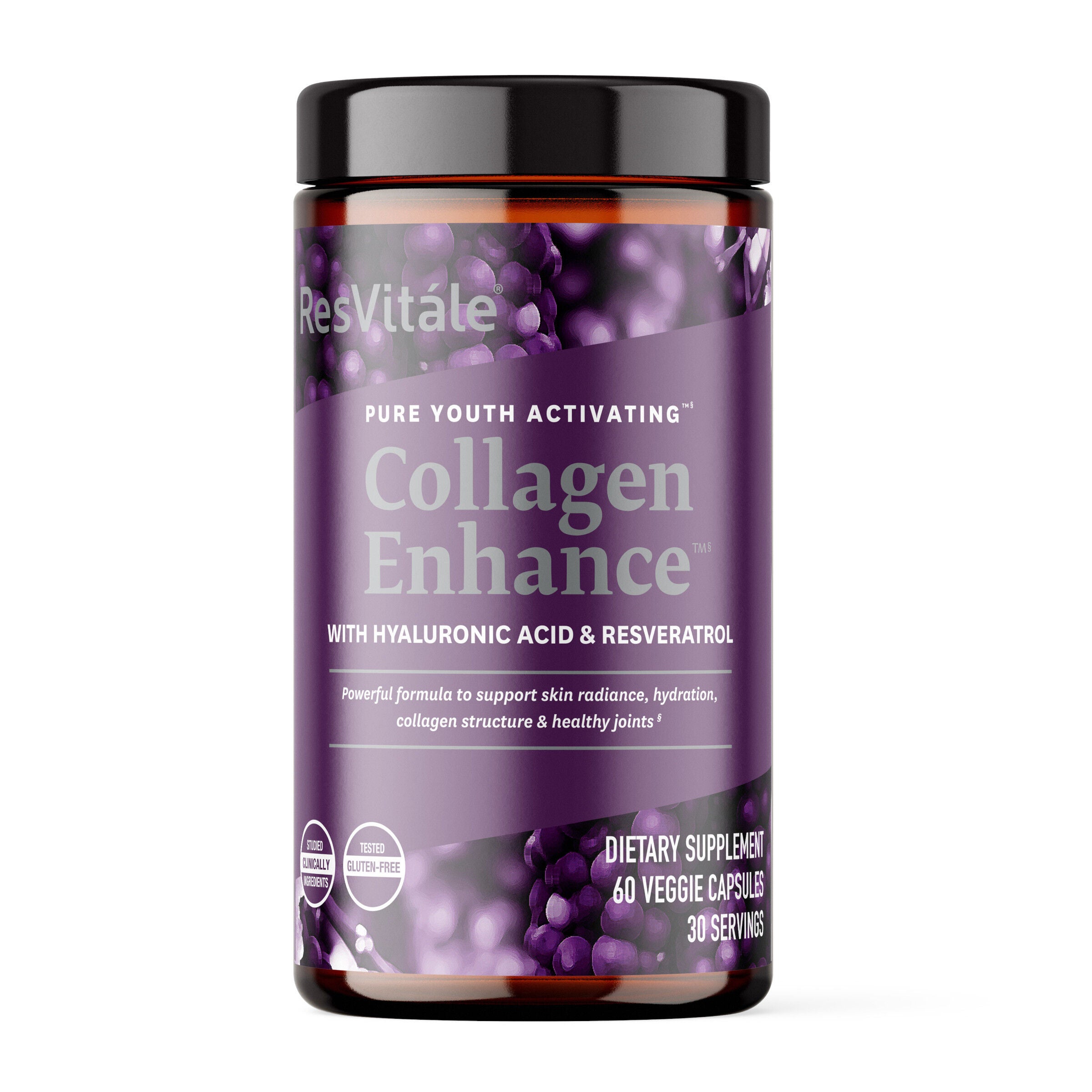


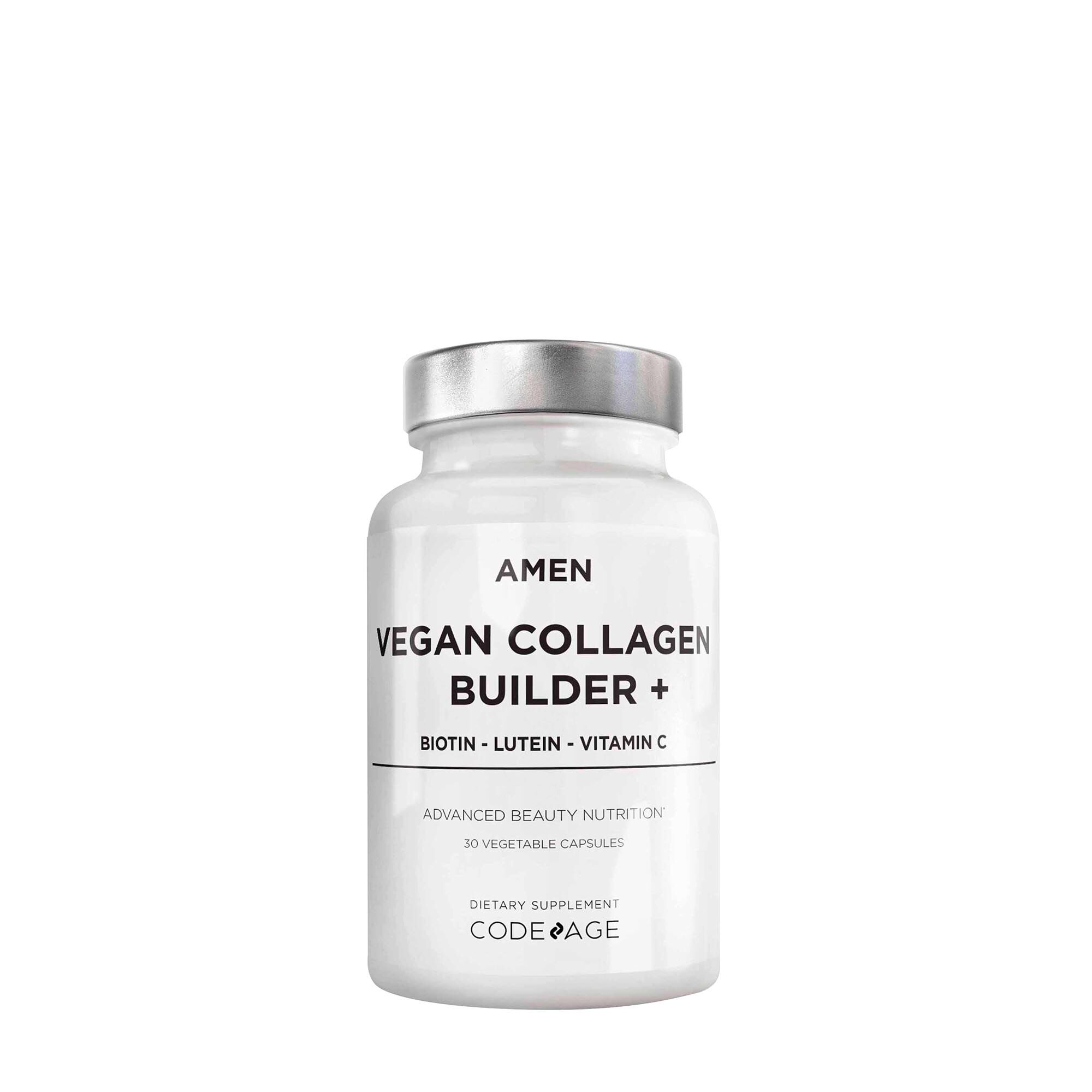
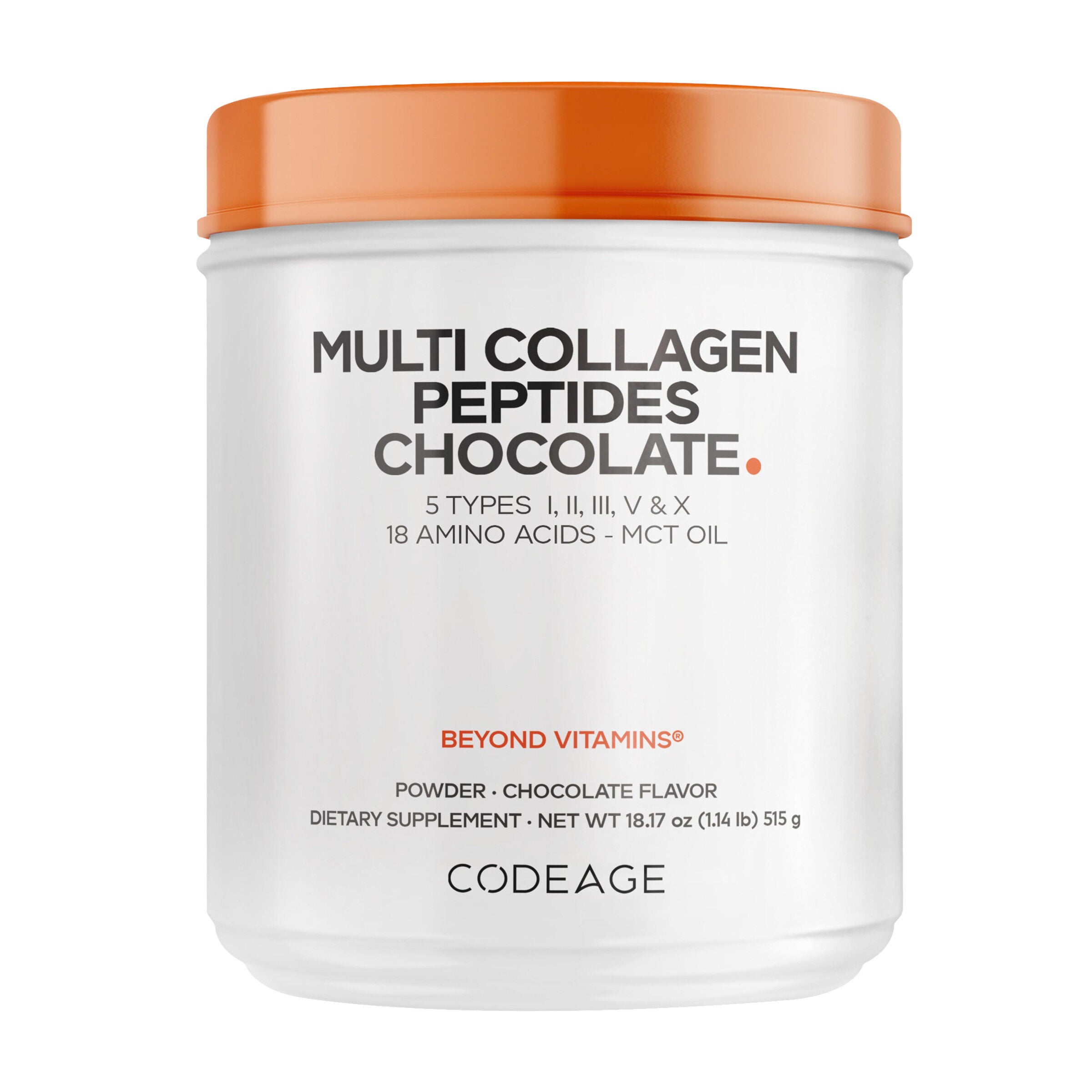
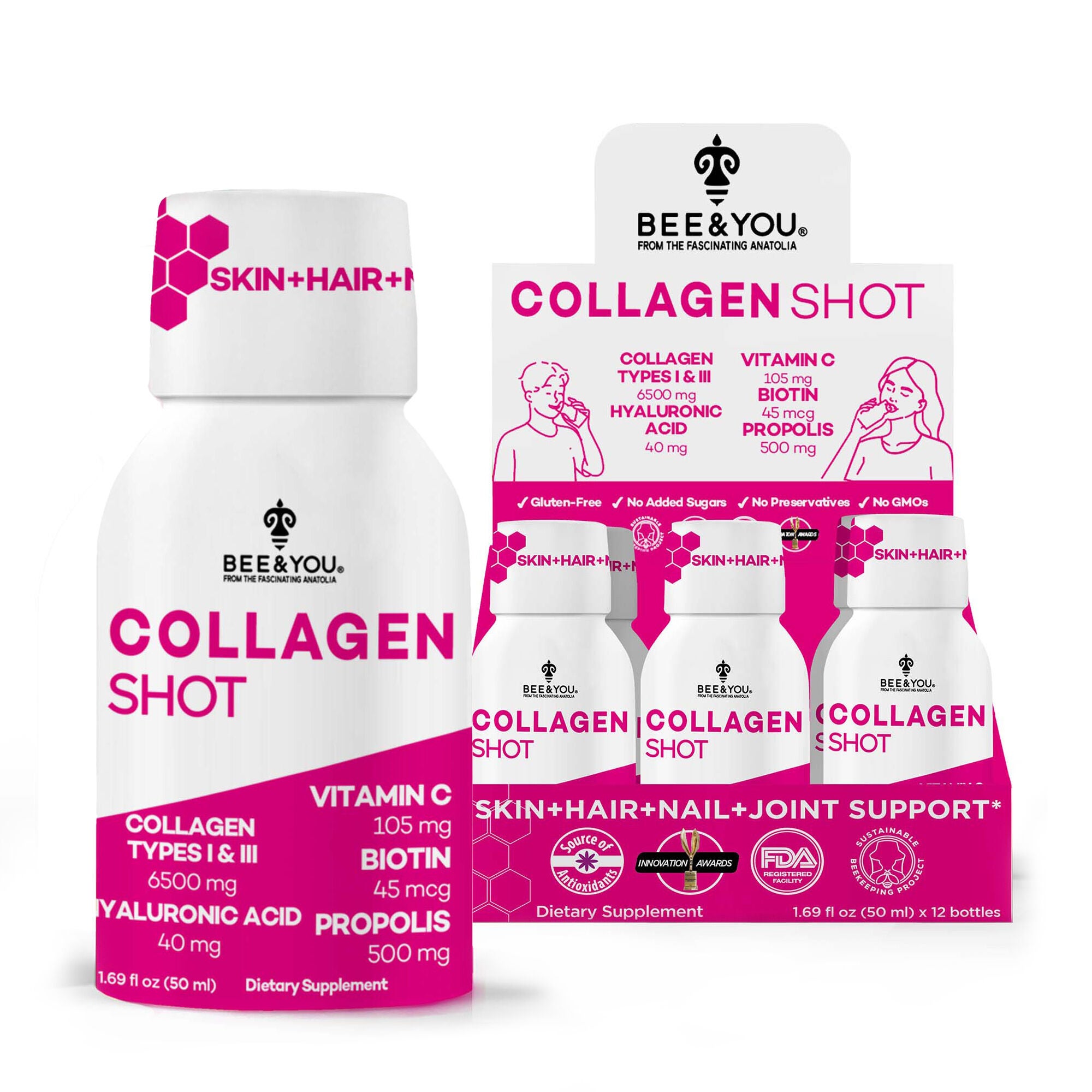
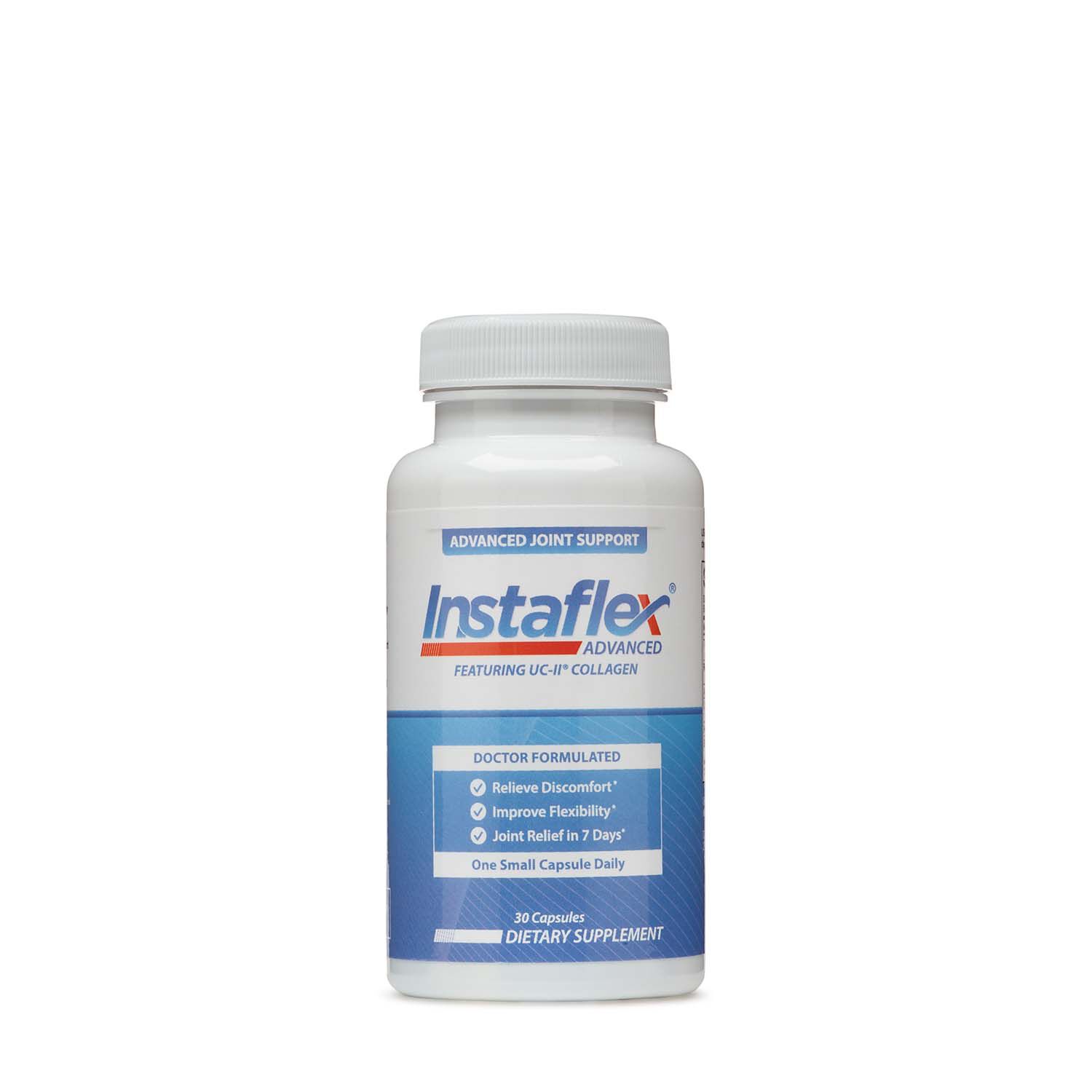
Collagen for athletes brings together a category of supplements suited to different sports, schedules, and everyday food preferences. Collagen is a structural protein found naturally in connective tissues, including tendons, ligaments, cartilage, and skin. Collagen supplements generally come from animal sources, with bovine and marine sources among the common options. Many powders contain hydrolyzed collagen, also called collagen peptides, which refers to collagen that has been processed into smaller protein fragments. That description identifies the ingredient’s form; it does not establish what an athlete will experience from taking it. For runners heading out before sunrise, weightlifters packing a shaker alongside their training shoes, and recreational players moving between work and evening practice, the practical differences often begin with format. Powders offer a measured serving that may fit into a drink or food preparation, while capsules and chewable formats have their own serving sizes and directions. These formats are not necessarily interchangeable: the amount of collagen per serving can differ considerably, and a serving may involve more than one capsule or piece. Reading the Supplement Facts panel gives a clearer picture than comparing container size or counting servings alone. Collagen also has a different amino acid profile from proteins such as whey, egg, and soy. It contains substantial amounts of glycine and proline but lacks tryptophan, so it is not a direct nutritional replacement for those other protein sources. An athlete comparing collagen peptides with a conventional protein powder is therefore comparing ingredients with different characteristics, not simply different flavors of the same thing. Collagen belongs within the broader context of varied meals, adequate food intake, and an approach to training that suits the individual. A supplement label describes what is in a serving; it does not predict changes in performance, establish a recovery timeline, or account for the demands of every sport.
Choosing among collagen supplements for athletes involves looking closely at the source, ingredient list, serving format, and intended preparation. Bovine collagen comes from cattle, while marine collagen commonly comes from fish; the specific source matters for dietary preferences and food allergies. Because collagen itself is animal-derived, a product described as plant-based should be examined for what it actually contains rather than assumed to contain collagen peptides. Some formulas contain collagen alone, while others include vitamin C, flavorings, sweeteners, or additional nutrients. Vitamin C has a role in normal collagen formation, but its presence on a label is not evidence that a formula will produce a particular athletic result. The amount of each listed ingredient and the directions for use provide a more useful basis for comparison than a lengthy list of additions. Flavor and texture deserve attention, too, especially for something intended to become part of an ordinary routine. Unflavored does not always mean undetectable: the source and preparation may influence aroma, mouthfeel, or how noticeable a powder is in plain water. A flavored option may suit a shaker after an outdoor session, while an unflavored powder may work better in oatmeal or another familiar food when the label allows that preparation. Mixing directions matter because powders can behave differently in cold liquids, warm drinks, and thicker foods. A spoon stirred through a small mug creates a different mixing environment from a shaker filled with ice water. Following the stated method, including any temperature guidance, may make preparation more consistent. Packaging is another practical consideration. A resealable tub may suit a kitchen shelf, while individual packets may be easier to carry between the office and a training facility. For either format, storage instructions and the best-by date matter. A dry scoop, a securely closed lid, and storage away from excess heat and moisture may help preserve the product’s intended condition.
The best fit for a collagen supplement depends as much on an athlete’s actual day as on the wording on the front of a container. A distance runner who eats breakfast after an early outing may prefer a format that fits that meal; a strength athlete who already uses a protein shake may want to compare ingredient amounts before adding another powder to the same drink. Someone traveling for weekend tournaments may place more value on portability and clearly labeled portions than on a large container. During the cooler months, a familiar warm breakfast or indoor training routine may offer a convenient setting for preparation, provided the product’s directions permit it. None of these situations establishes a universal serving amount or an exact window around exercise. Serving directions vary, and findings from a particular research setting do not automatically apply to every formula, training program, or athlete. Competitive participants also have considerations beyond flavor and convenience. Independent certification for sport is worth examining where relevant, along with the certifying organization’s published testing scope and a verifiable listing for the formula. A general statement about quality is not the same as documentation of testing for substances restricted in sport, and no certification removes every concern. Athletes subject to competition rules remain responsible for understanding those rules and checking supplements accordingly. For gift giving, familiar preferences are a better starting point than assumptions about what someone’s training requires. Collagen is a personal category, so the recipient’s preferred source, food restrictions, flavor choices, and usual format all matter. A runner who enjoys a quiet breakfast ritual may have different preferences from a teammate who carries everything in a compact gym bag. Browsing Collagen Gifts for Athletes may offer a starting point for a thoughtful choice grounded in those everyday habits. Across formats, the most useful comparisons stay concrete: what the serving contains, where the collagen comes from, how it is prepared, what testing is documented, and whether it fits the intended recipient’s routine.
Best Sellers
-
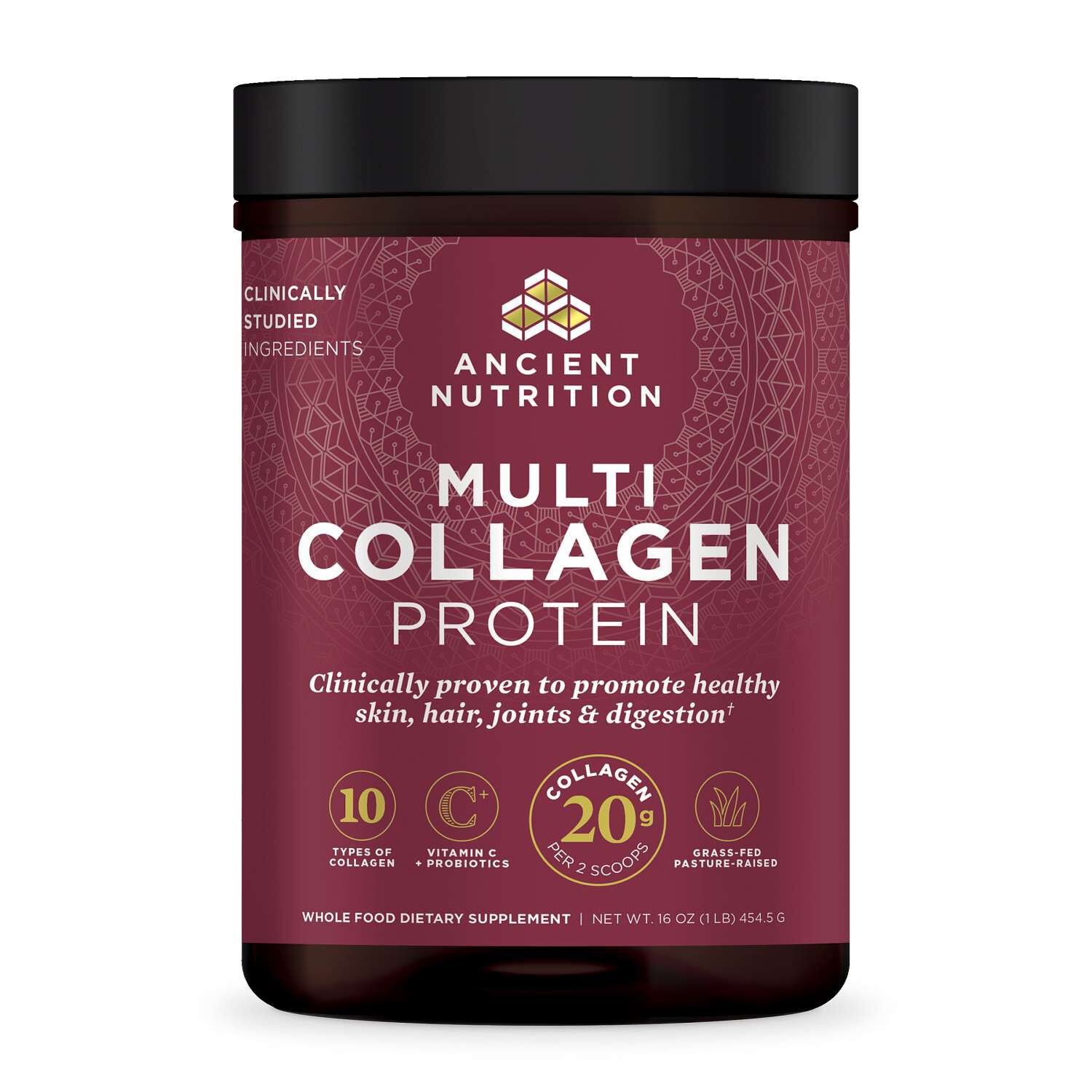 Ancient Nutrition
 -
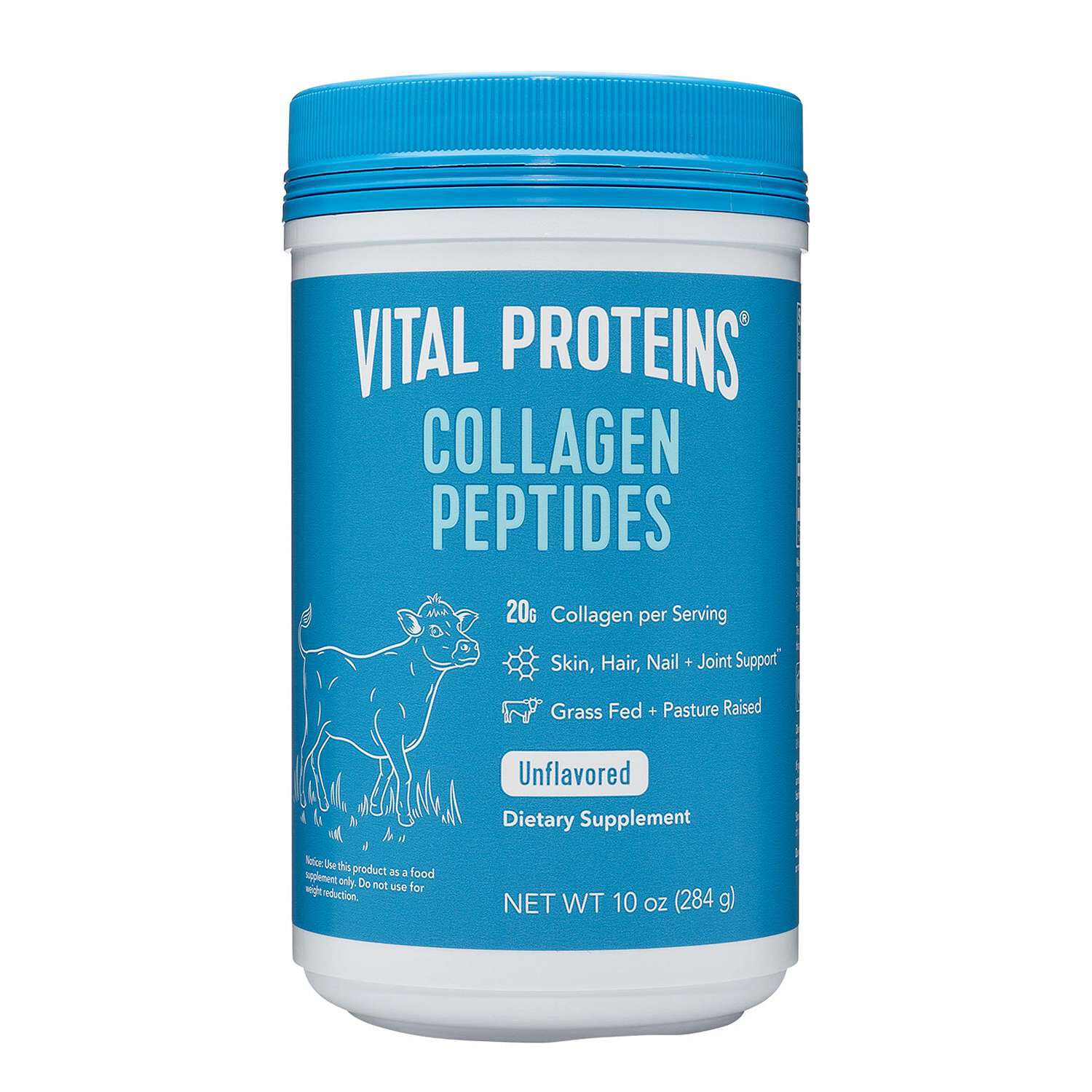 Vital Proteins