





Collagen For Mobility
(0 Results)
Discover the potential benefits of collagen for mobility with our curated selection of high-quality supplements. Collagen, a vital protein in the body, plays a crucial role in maintaining the health and flexibility of joints, tendons, and ligaments. Incorporating collagen into your daily routine could support overall joint function and promote an active lifestyle. Explore our range of collagen products designed to help you stay on the move and maintain your body's natural agility.
-
-

-
 $24.99
-

-

-

-
 44$44.99
-
-

-

-
-

-
-

-
-
-
-
-
-
-

-
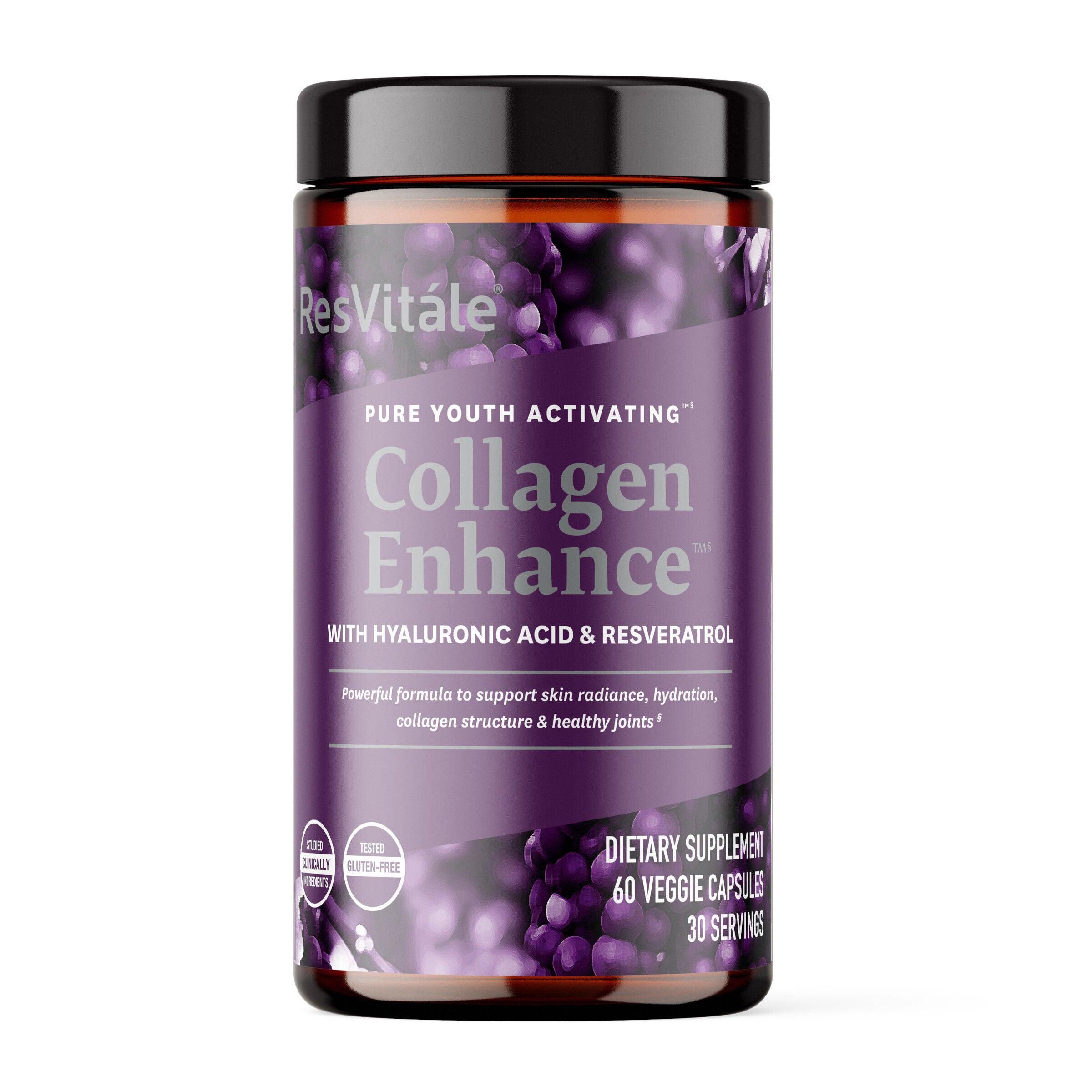
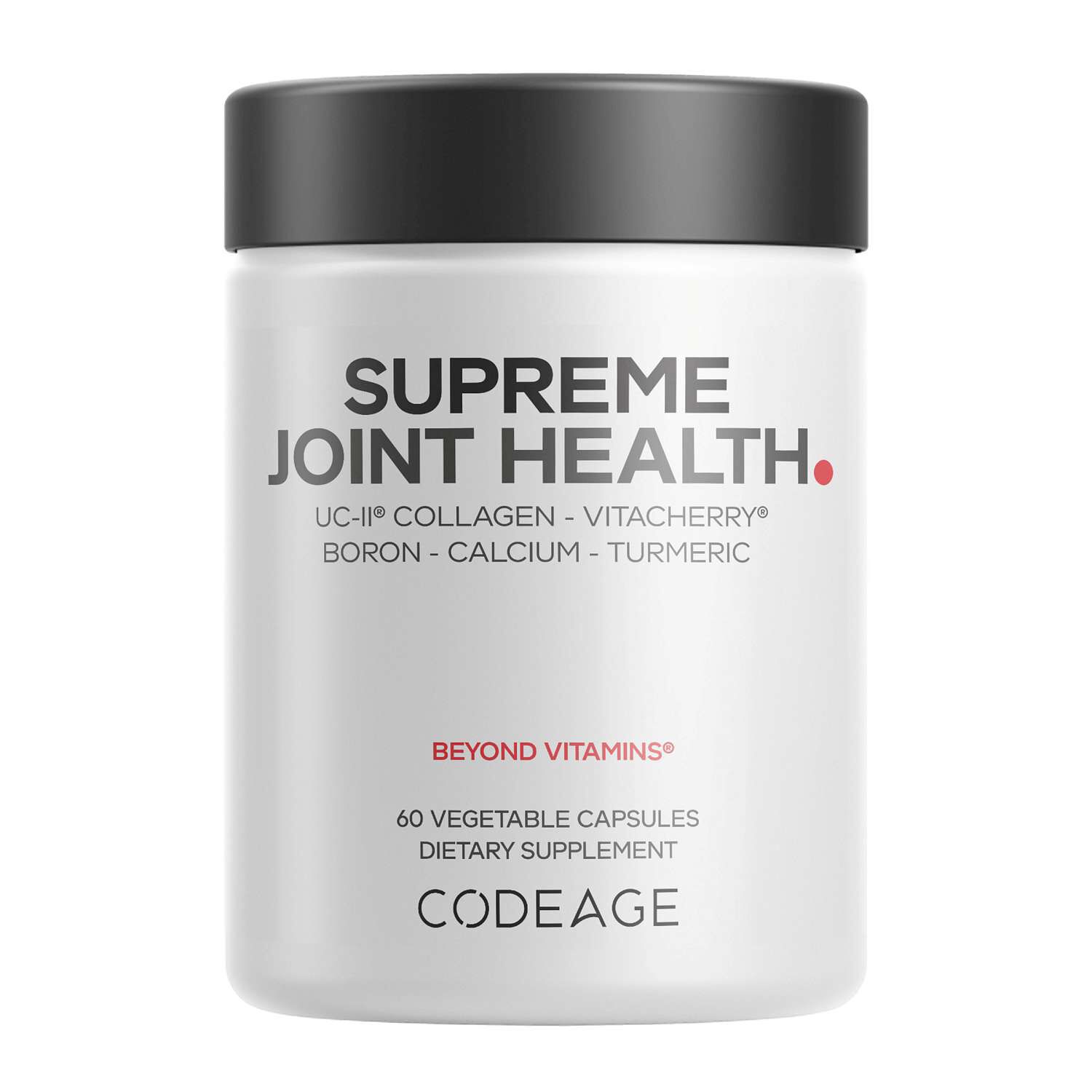
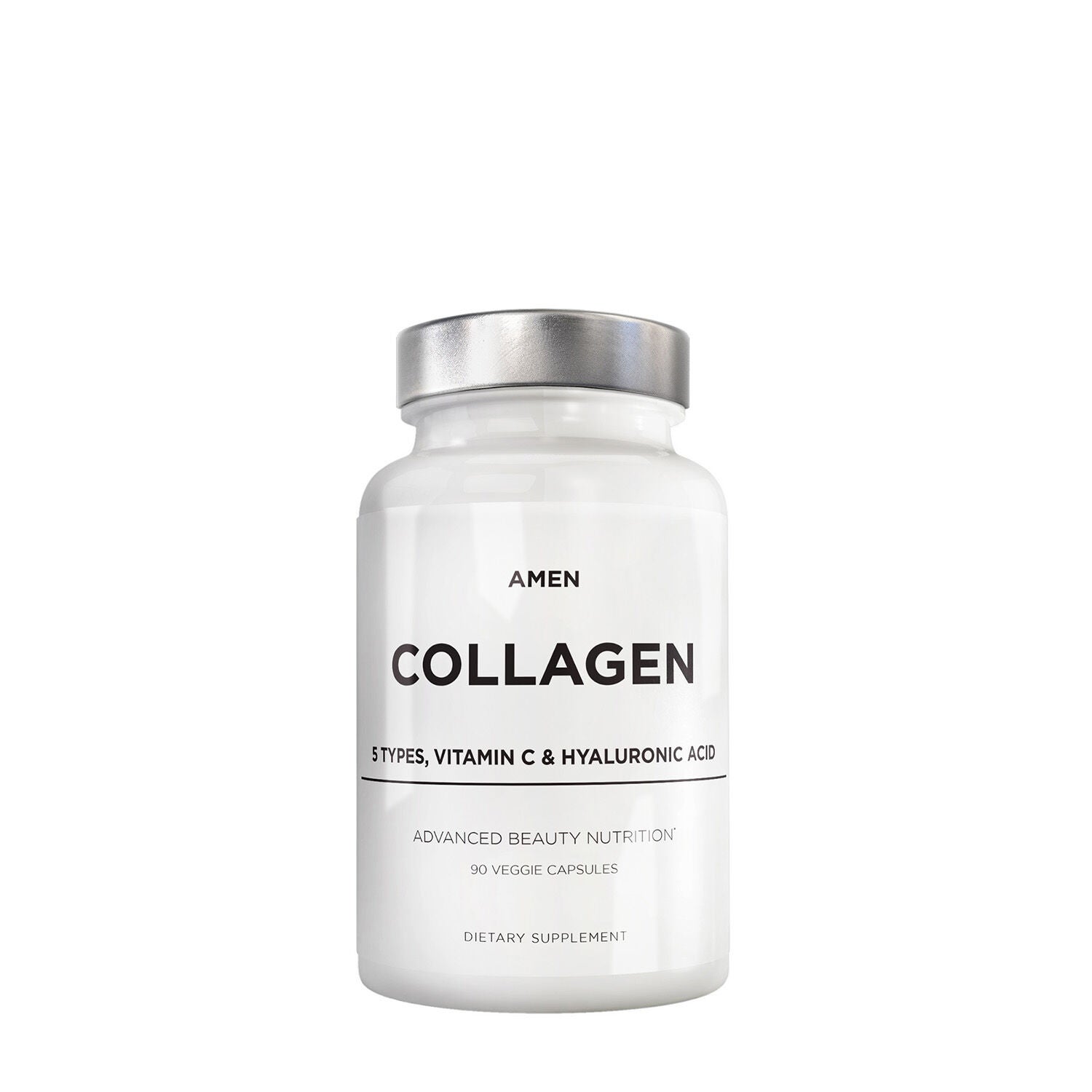
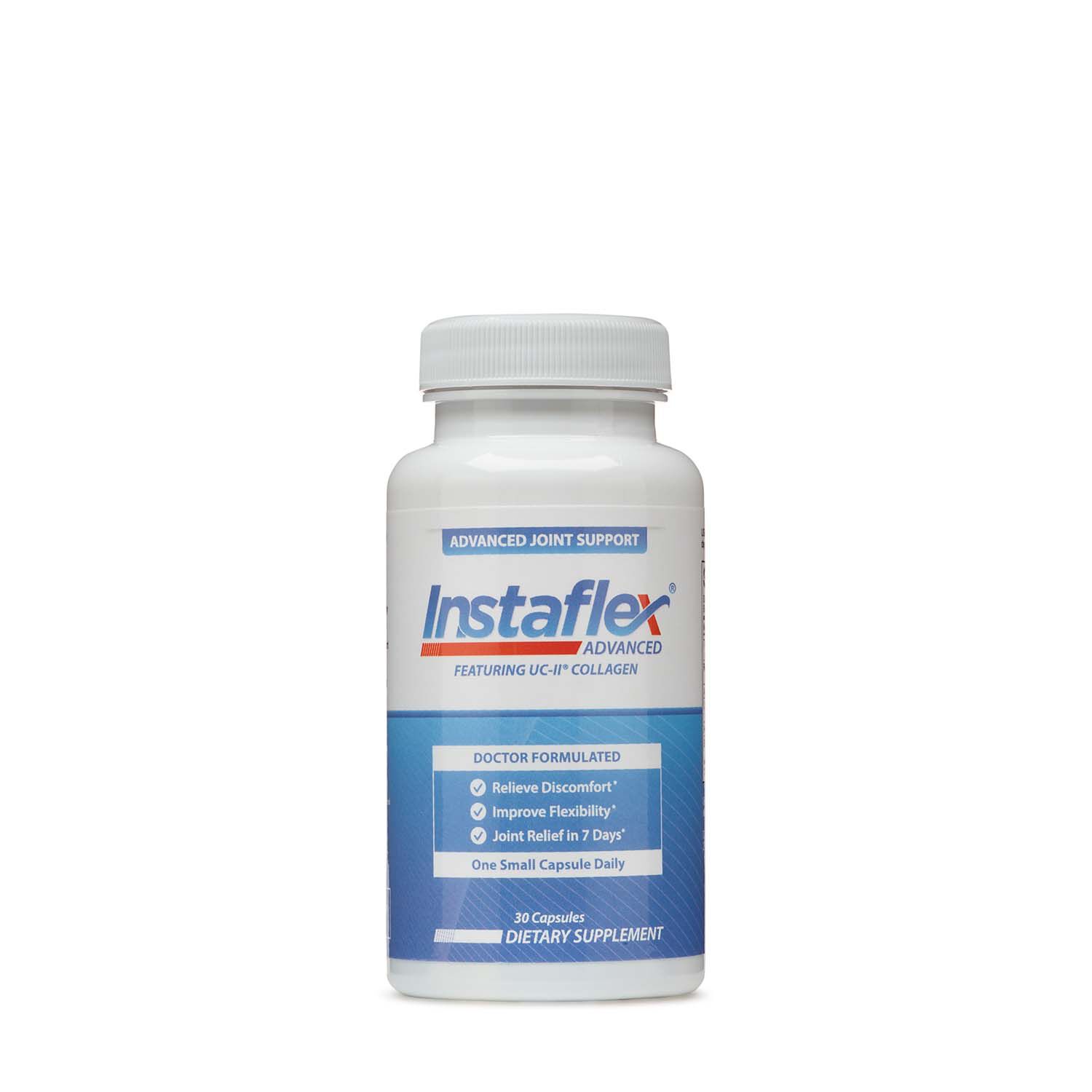
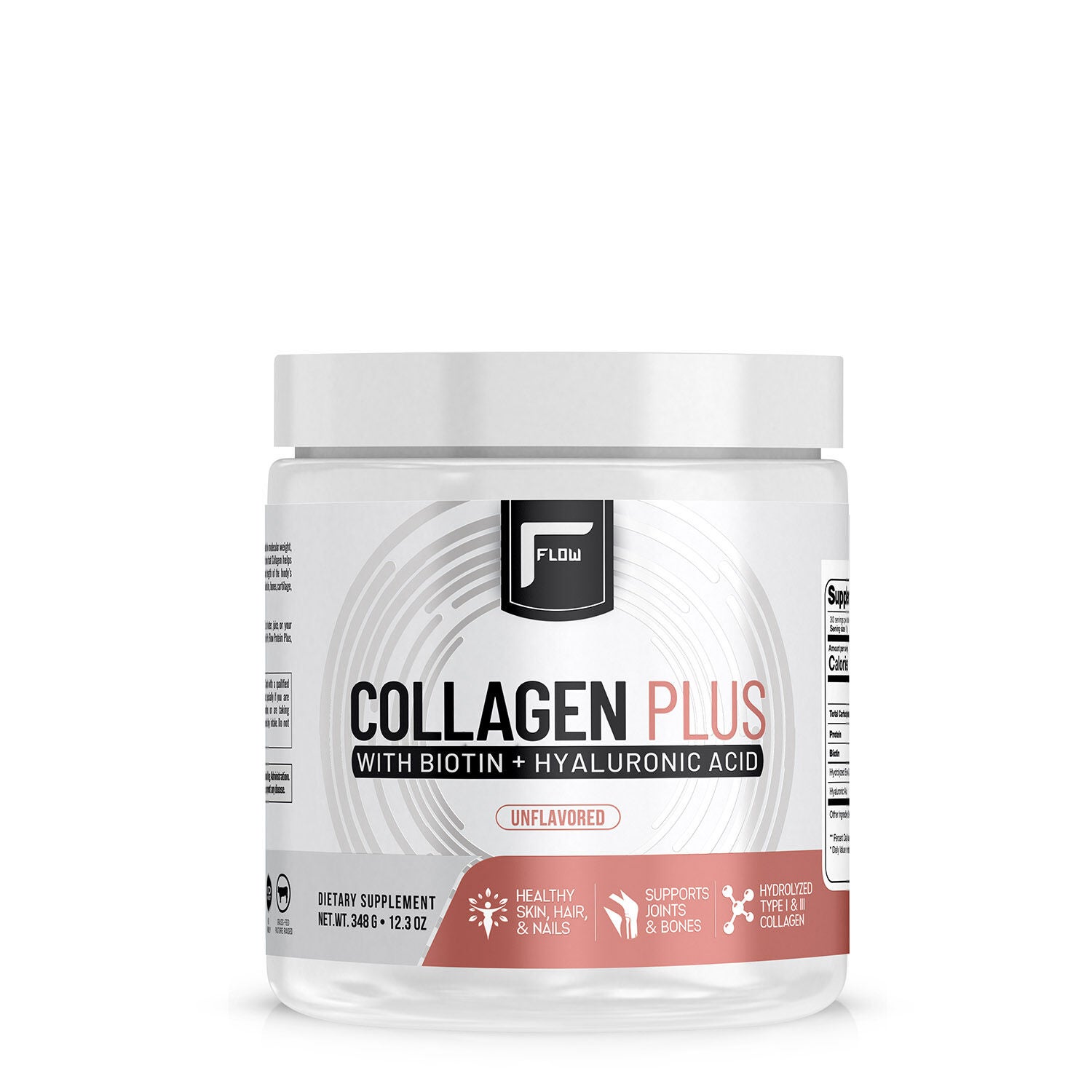
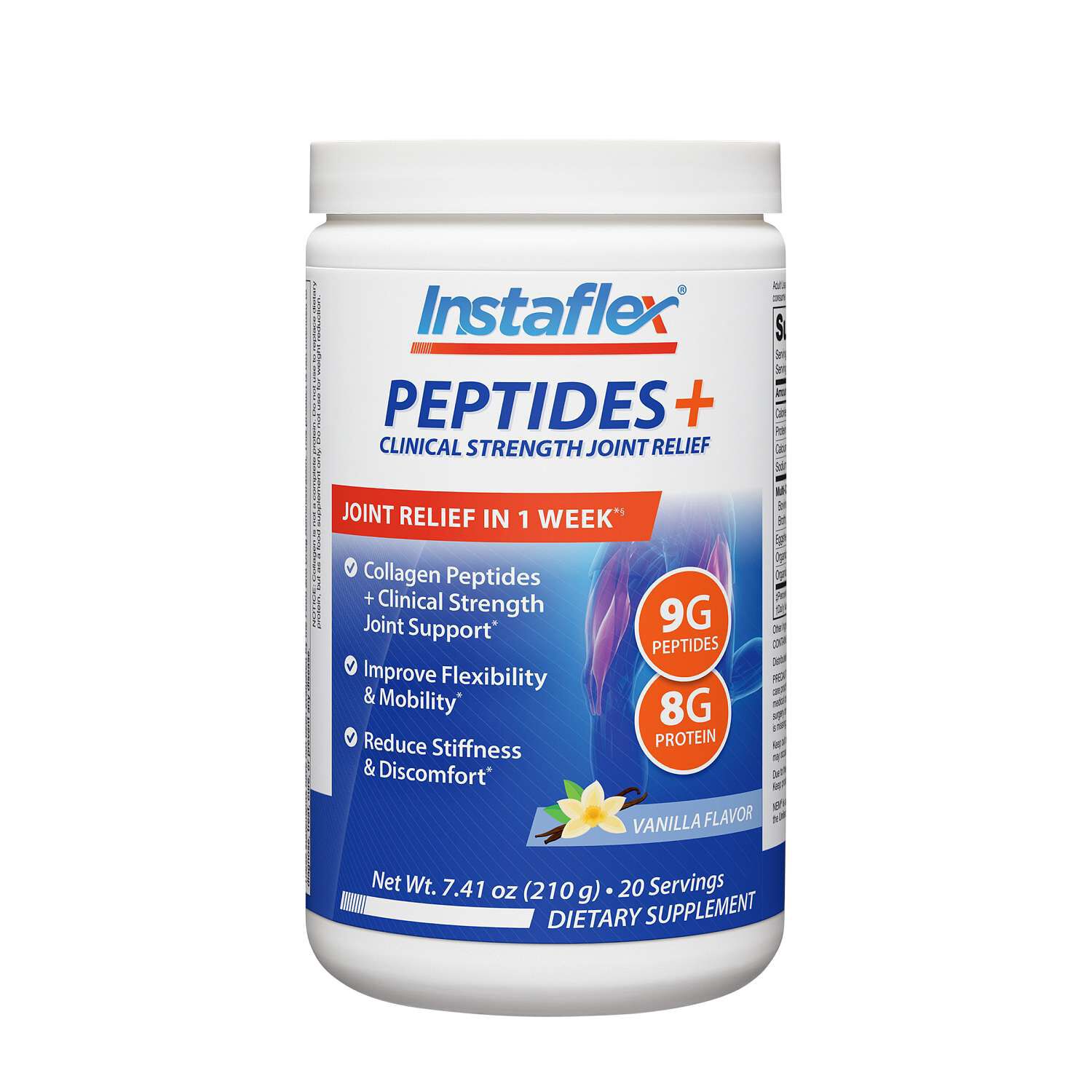
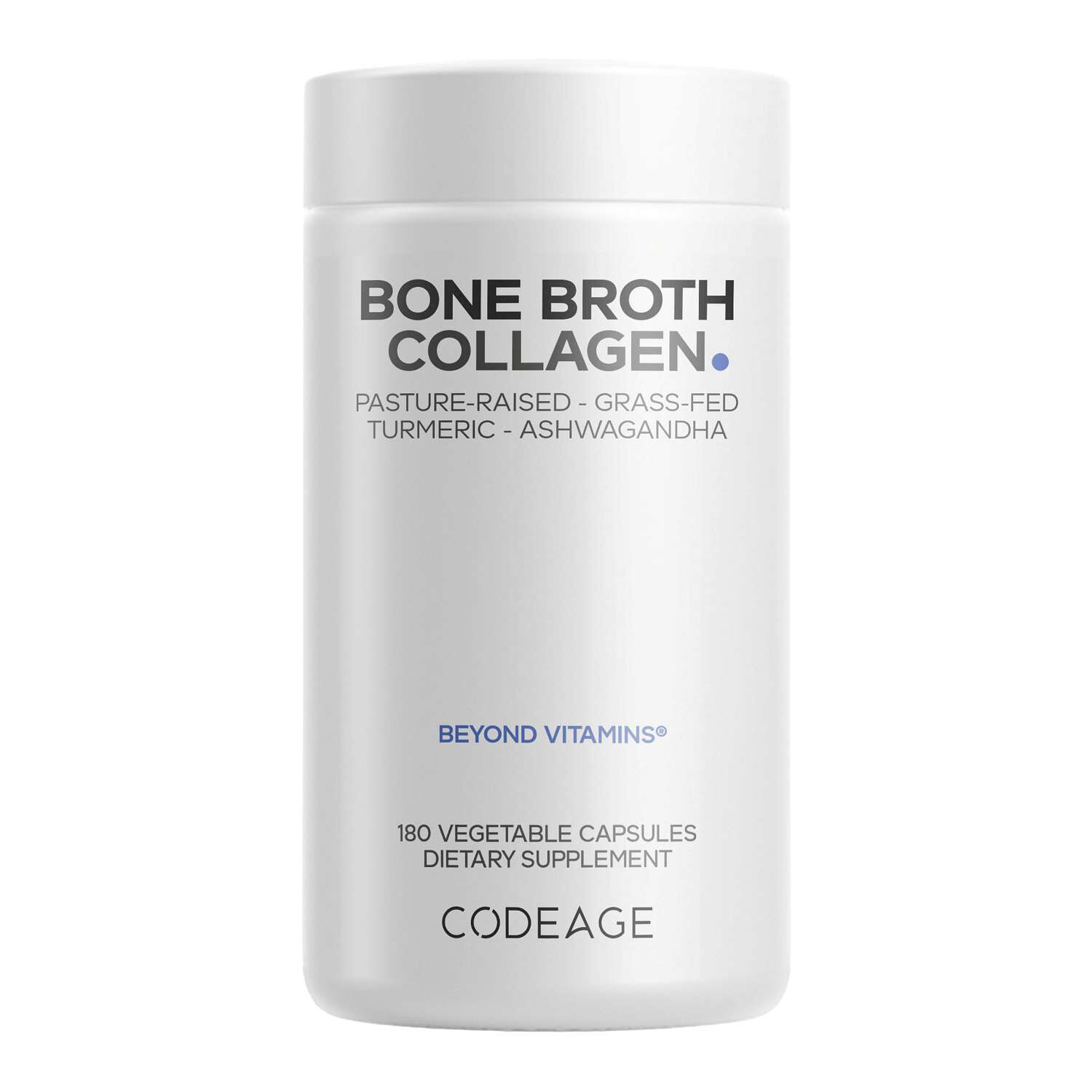
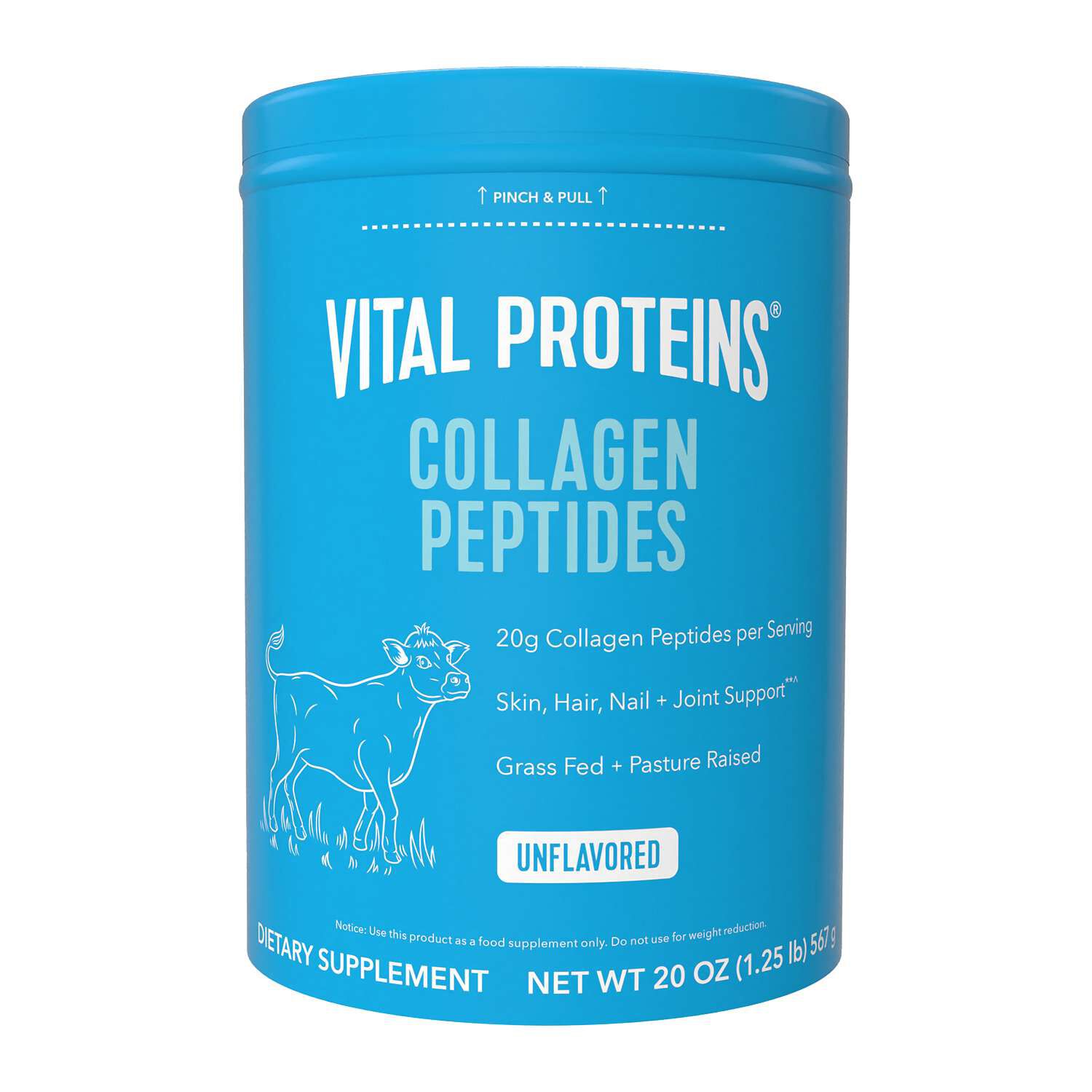
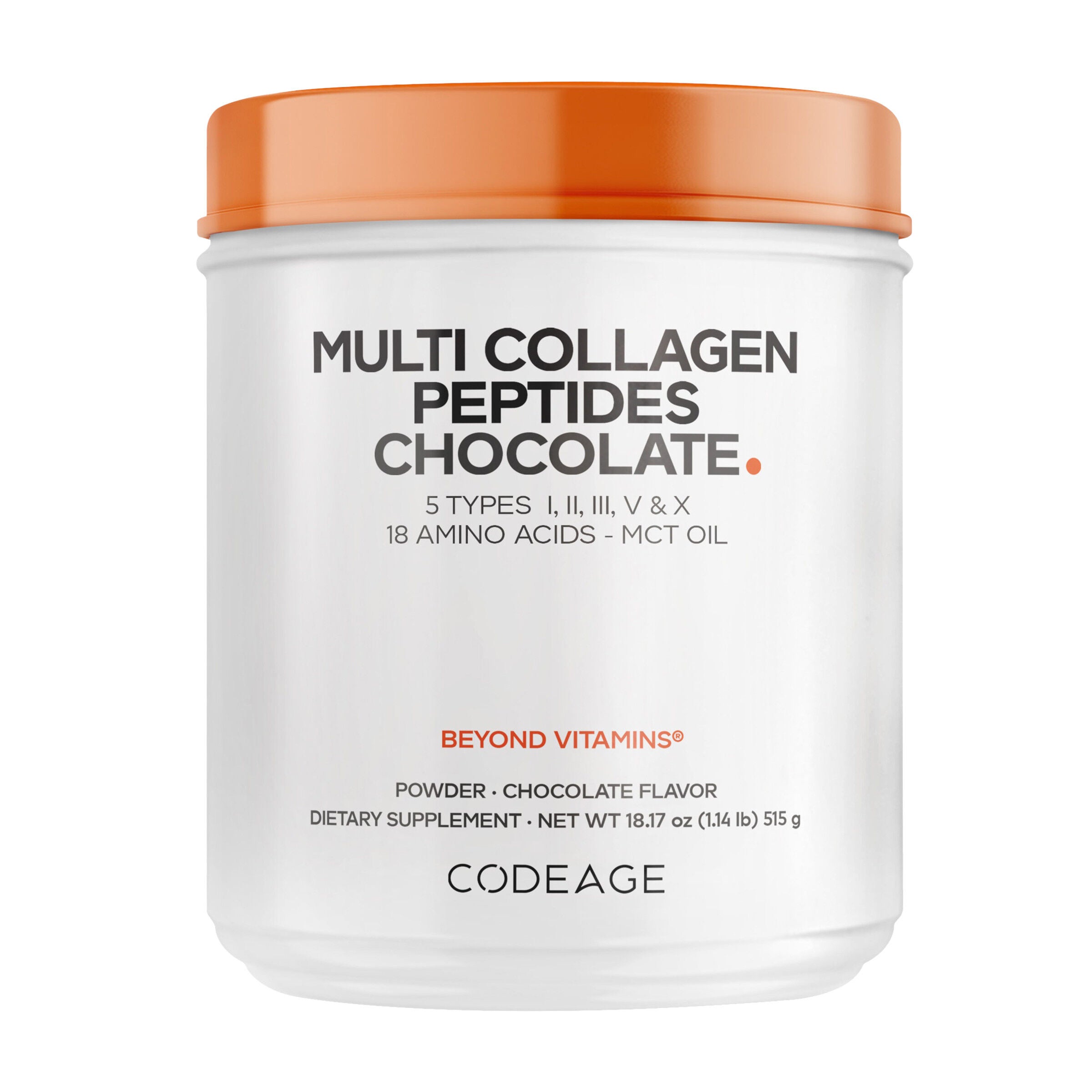
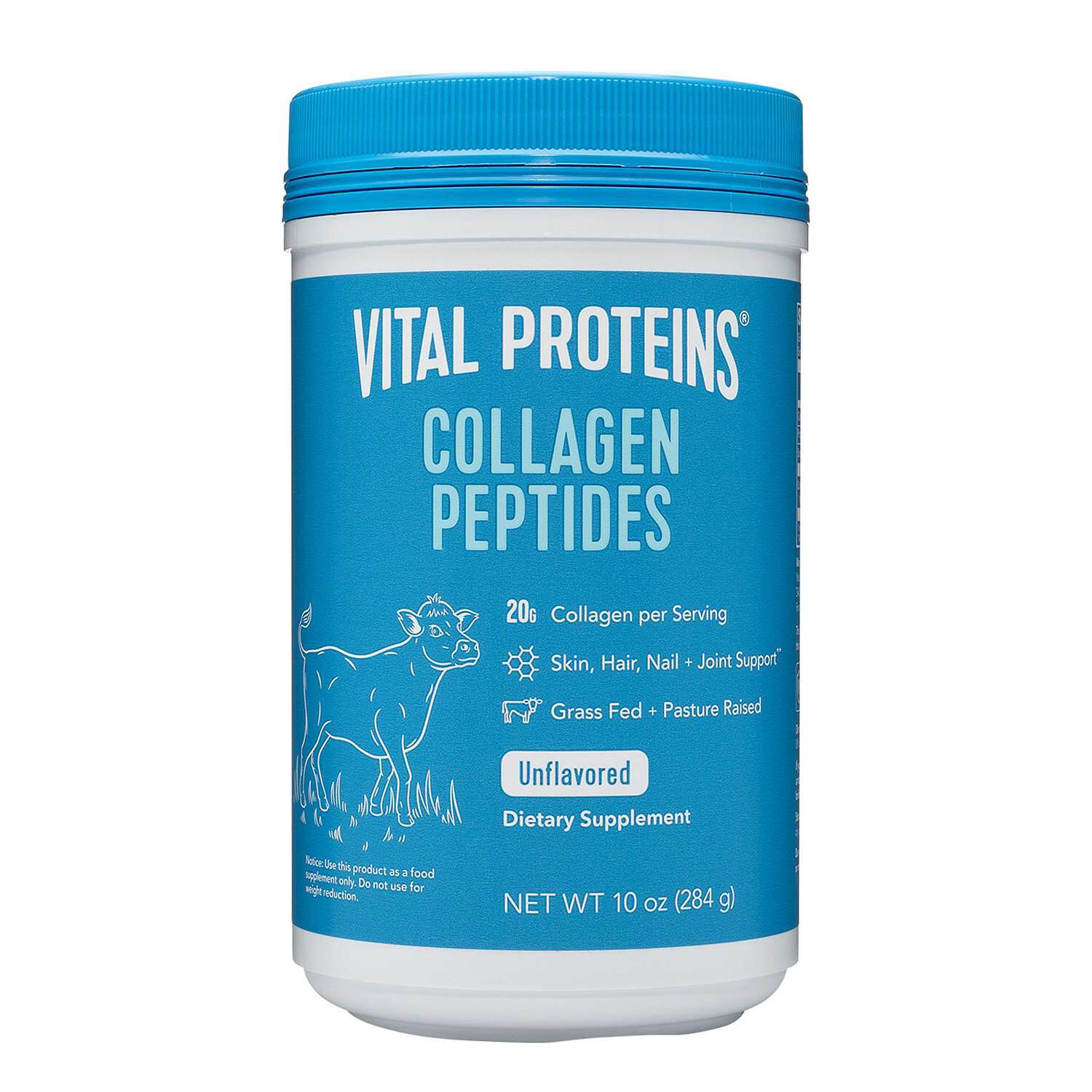
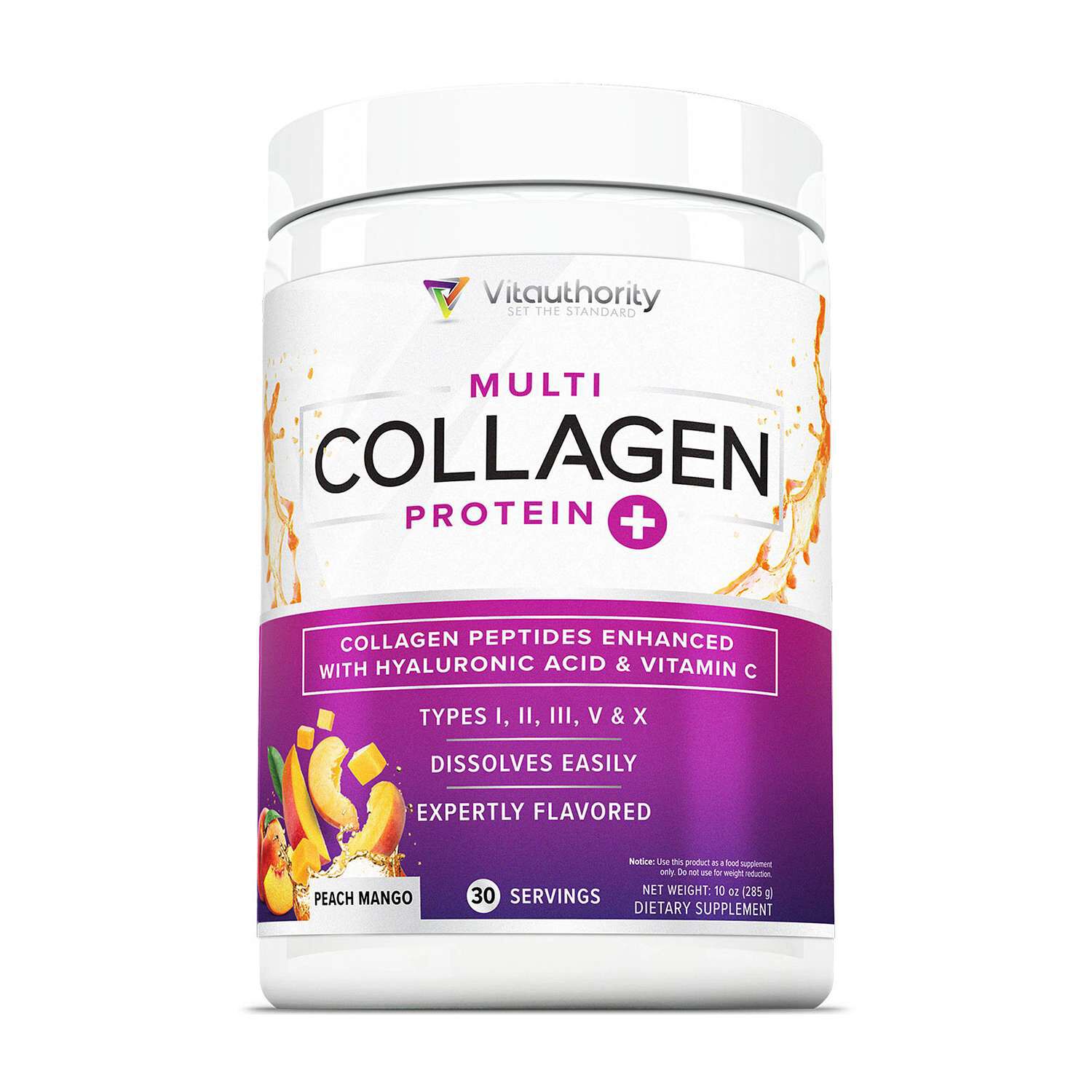
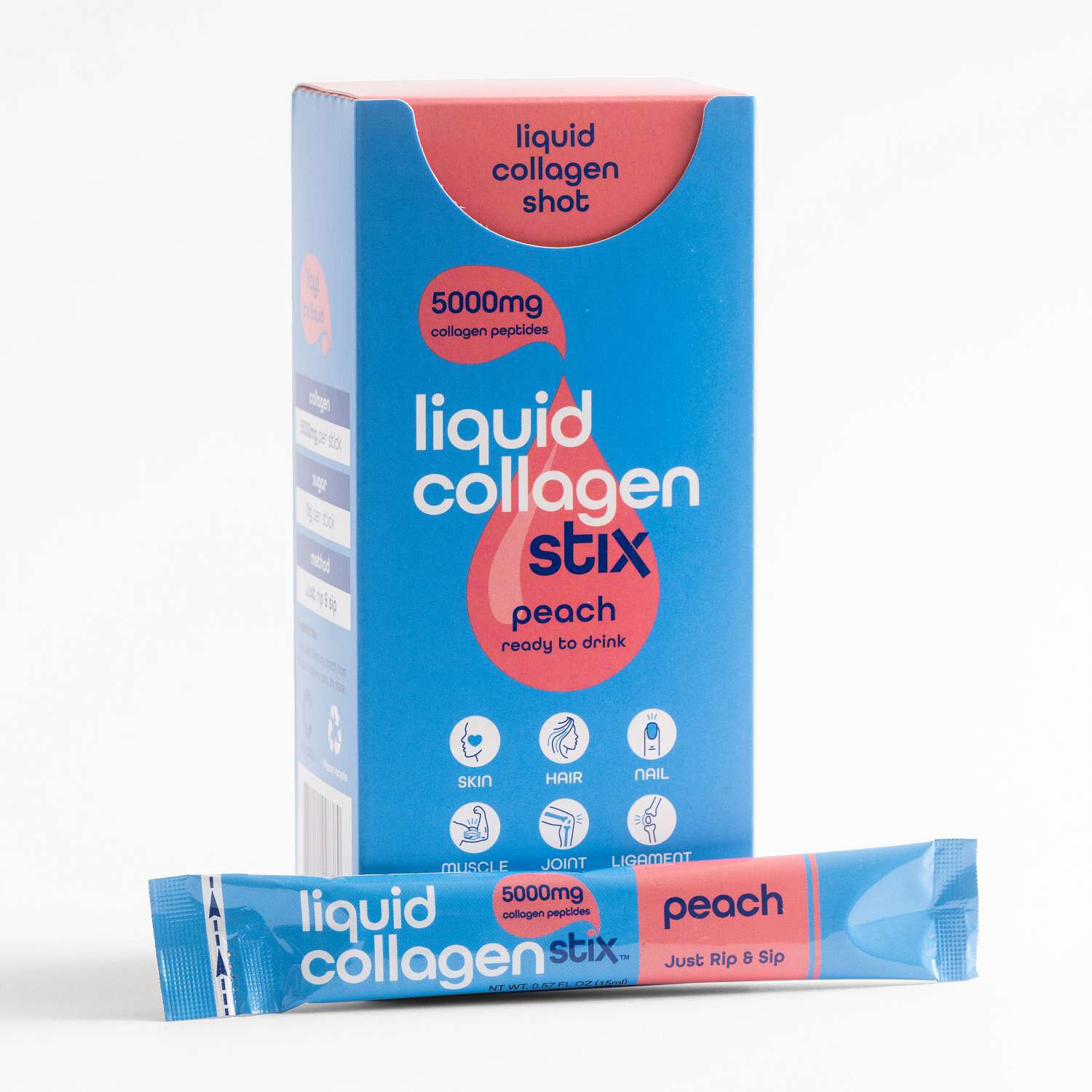
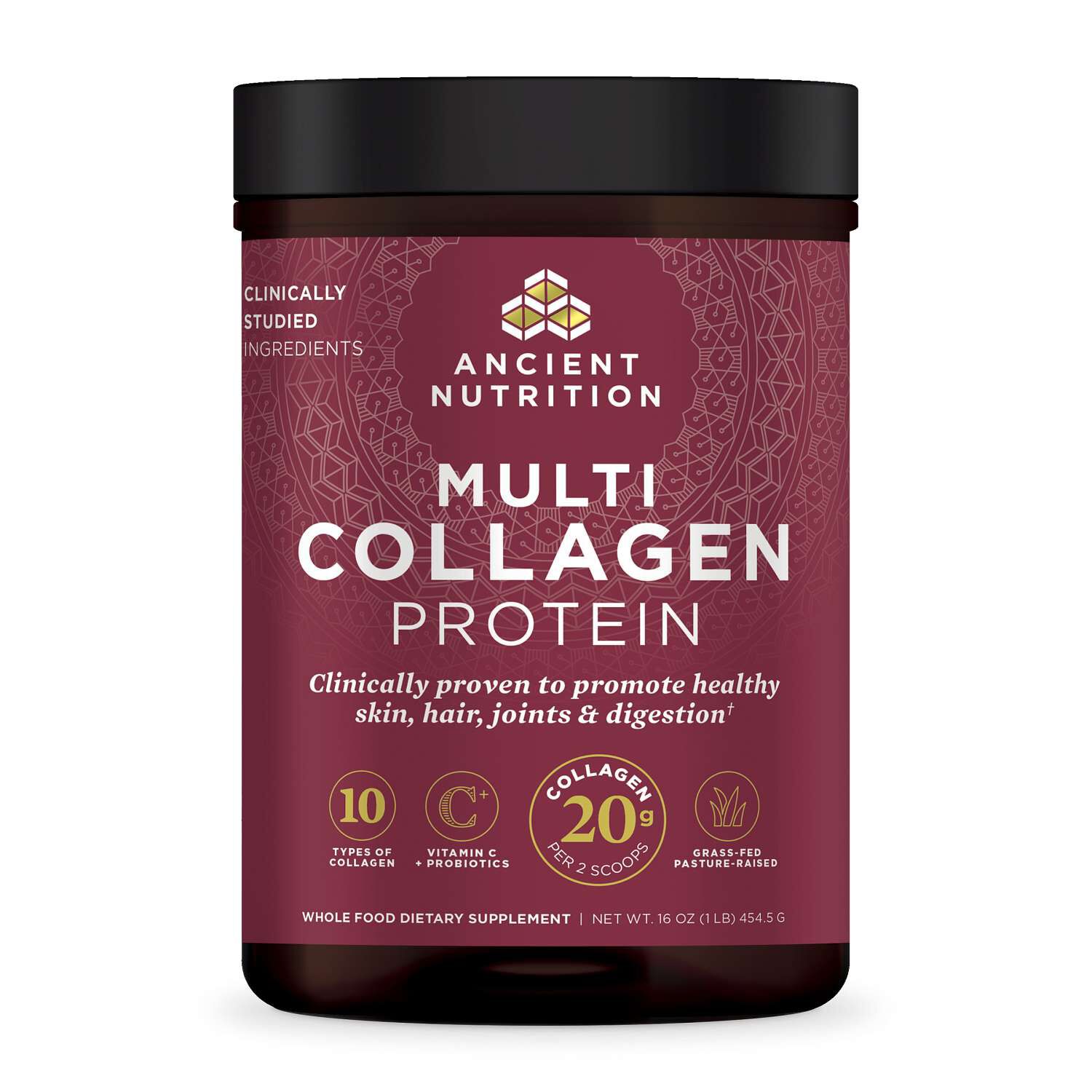
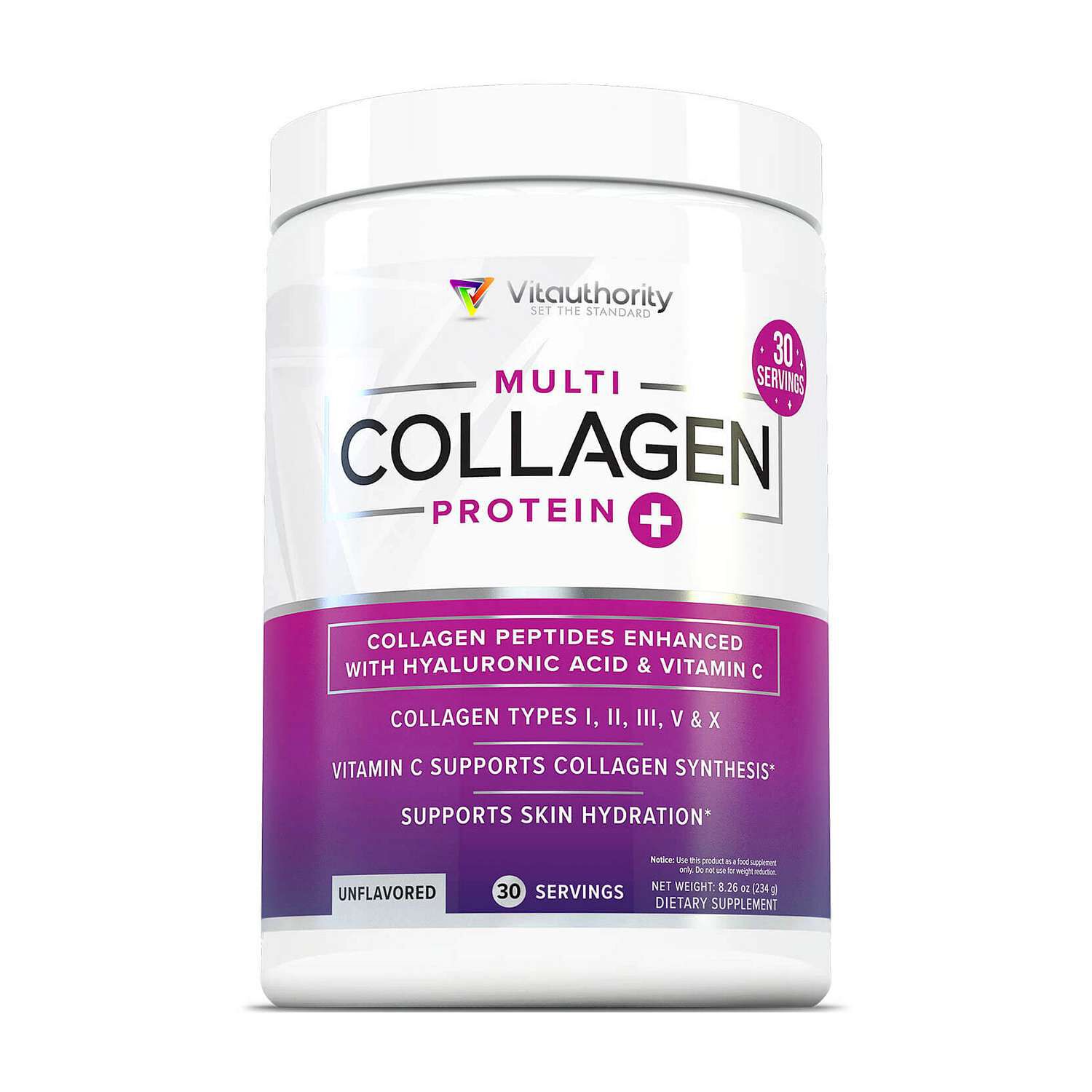
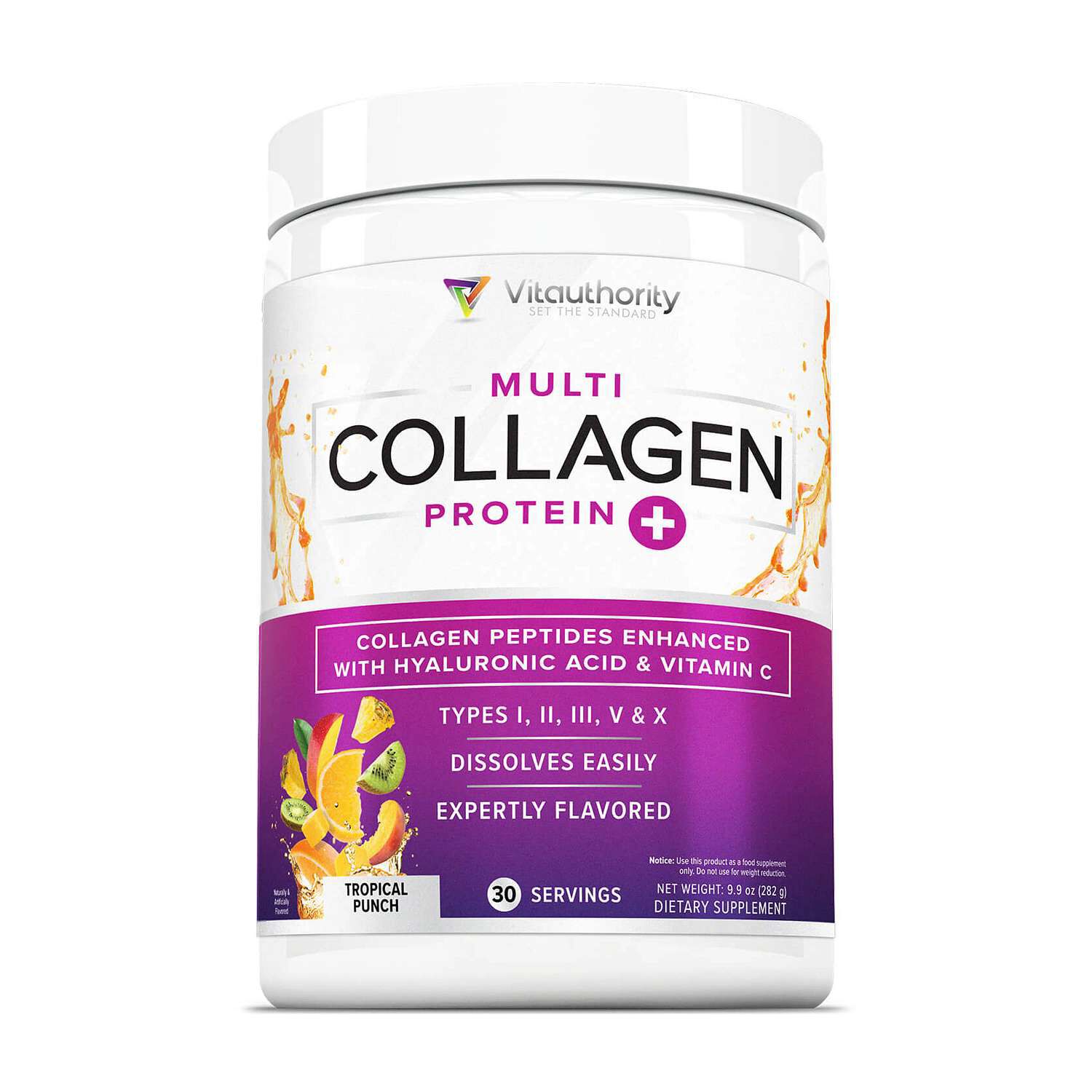
Collagen for mobility includes dietary supplements that may support everyday movement, flexibility, and joint comfort as part of a balanced wellness routine. Collagen is a structural protein naturally found in connective tissues, including cartilage, tendons, ligaments, and bone. Supplements provide collagen from animal sources in several forms, with powders, capsules, tablets, and liquids offering different ways to fit a serving into the day. For someone who enjoys neighborhood walks, recreational tennis, strength training, or spending hours tending a garden, the appeal may be a supplement that aligns with an active lifestyle. Mobility is not limited to athletic performance; it also relates to familiar movements such as climbing stairs, getting up from a chair, or reaching for something on a high shelf. When comparing collagen for mobility, the most useful starting points are the collagen source, its form, the amount per serving, and any accompanying ingredients. Hydrolyzed collagen, often labeled collagen peptides, has been processed into smaller protein fragments. Other formulas contain undenatured type II collagen, a different form that should not be compared with peptides by serving weight alone. Types I and III are commonly associated with skin, bone, and other connective tissues, while type II is associated with cartilage. Those distinctions describe the collagen itself, not a ranking of which supplement is best for every person. A larger number on the front of a container does not, by itself, establish a better match for a particular routine. The Supplement Facts panel and ingredient list provide a clearer basis for comparison than broad front-label language. Collagen supplements may complement an approach to everyday mobility, but the format, ingredient profile, and practical demands of using them matter, too. Keeping the focus on normal movement and realistic expectations makes it easier to compare the category without treating a supplement as a shortcut to a particular outcome. A useful comparison connects what is in the container with how that serving would fit into an ordinary day.
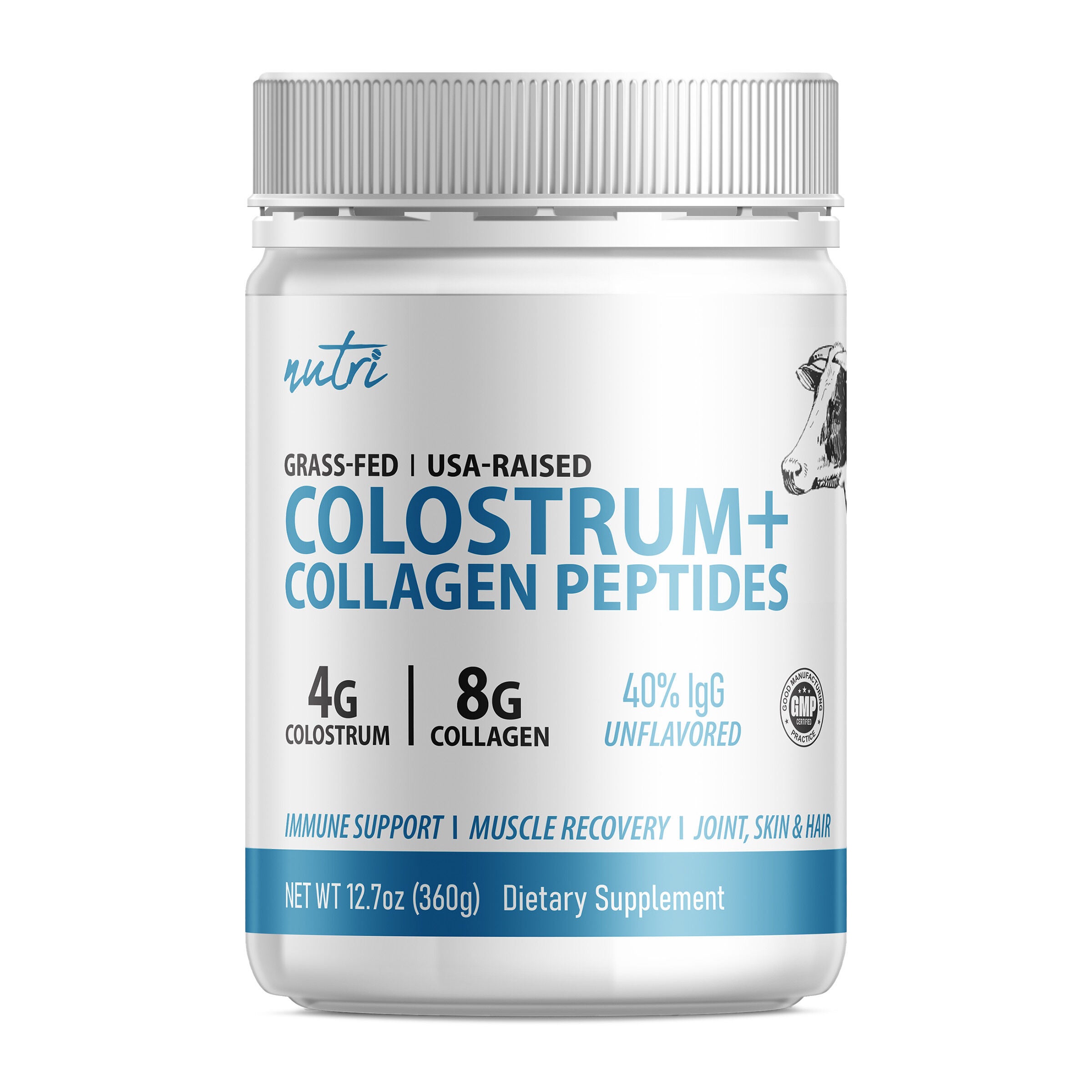
The source and formulation deserve a close look, especially when dietary preferences shape the choice. Bovine collagen comes from cattle, marine collagen commonly comes from fish, and some type II collagen ingredients come from chicken. A marine designation does not mean plant-based, and the source should be identified on the package rather than inferred from flavor, color, or imagery. Collagen itself is animal-derived; a plant-based formula containing nutrients associated with collagen production is a different kind of supplement. Ingredient lists may also include vitamin C, hyaluronic acid, minerals, or other components selected for a mobility-focused formula. Vitamin C may support normal collagen formation, but the presence of several ingredients does not automatically make one formula a better fit than a simpler option. Comparing each ingredient and its listed amount helps distinguish the collagen portion from the rest of the blend. Serving information is equally important: one powder may list its collagen amount per scoop, while a capsule formula may require several capsules for the labeled serving. Grams and milligrams are different units, so matching the units before comparing amounts prevents an easy misreading. For powders, flavor and texture can matter as much as the label details when choosing something for repeated use. An unflavored powder may suit coffee, oatmeal, or a smoothie, although unflavored does not always mean undetectable. Flavored options may be a better match for a separate drink, particularly when sweetness and aroma are part of the preference. Solubility varies with the formulation and preparation method, and the package directions can clarify suitable liquids and mixing steps. Capsules and tablets avoid adding a flavor to food or drinks, while liquid formats have their own serving and storage considerations. None of these formats establishes a particular mobility outcome; the comparison is about finding an ingredient profile and method of use that suit the intended routine. Someone who already prepares a breakfast smoothie may find a powder practical, while someone who prefers a separate supplement routine may favor another format.
Practical fit becomes clearer when the choice is pictured in an ordinary setting rather than an idealized routine. A container kept beside the breakfast supplies serves a different purpose from a bottle carried in a work bag, and each setting raises simple questions about measuring, portability, and storage space. Powder users may prefer a clearly marked scoop and a container opening wide enough to reach without spilling. For capsules or tablets, the number per serving and the package closure may matter more than mixing instructions. Individually portioned formats may suit travel or a long day away from home, provided the packaging preserves the information needed for use. Storage and care are part of comparing supplements, too. Follow the package directions for temperature, moisture, and any refrigeration requirements, and keep containers securely closed between uses. A dry measuring utensil helps avoid introducing moisture into a powder. Original packaging also keeps the ingredient list, serving directions, lot information, and date markings together, which is useful when more than one supplement is part of a household routine. Package size is best considered alongside the stated number of servings and expected use, rather than the visual size of the tub or bottle. Clear labeling about the animal source, added ingredients, and testing practices can provide further context, although a testing statement does not establish that a supplement will deliver a particular result. Collagen also has a different amino acid profile from many other dietary protein sources, so its role in a routine is distinct from choosing food or a protein supplement primarily for general protein intake. For a related wellness focus, explore Collagen For Bone Support. Whether the daily rhythm includes a walk with the dog, a session at the gym, or time spent on a favorite hobby, collagen for mobility may fit as one part of that broader routine. The most relevant comparison keeps the intended use, serving details, dietary preferences, and day-to-day convenience in view, with expectations grounded in what the label actually describes.
Best Sellers
-
Ancient Nutrition
-
Vital Proteins
Related Pages
Top Collections
- Joint Mobility Supplement Packs
- Daily Collagen Supplements | Top Brands & Deals | GNC
- Supplements For Yoga Joint Flexibility
- Zinc Supplements | Top Brands at Great Prices | GNC
- Supplements For Balance
- Capsule Supplements For Energy And Stamina
- Chronic Fatigue Supplements
- Adult Mobility Supplements
- Vitamins For Hair Loss
- Blood Pressure Support Supplements