Collagen For Bone Support
(0 Results)
Explore the potential benefits of collagen for bone support and discover how this natural protein could play a role in your wellness journey. Often found in connective tissues, collagen may help maintain the structure and strength of bones, making it a popular choice for those looking to support their skeletal health. With its versatile nature, collagen might also complement other aspects of your daily routine, offering a holistic approach to well-being. Dive into the possibilities that collagen for bone support can offer and consider how it could fit into your lifestyle.
-

-
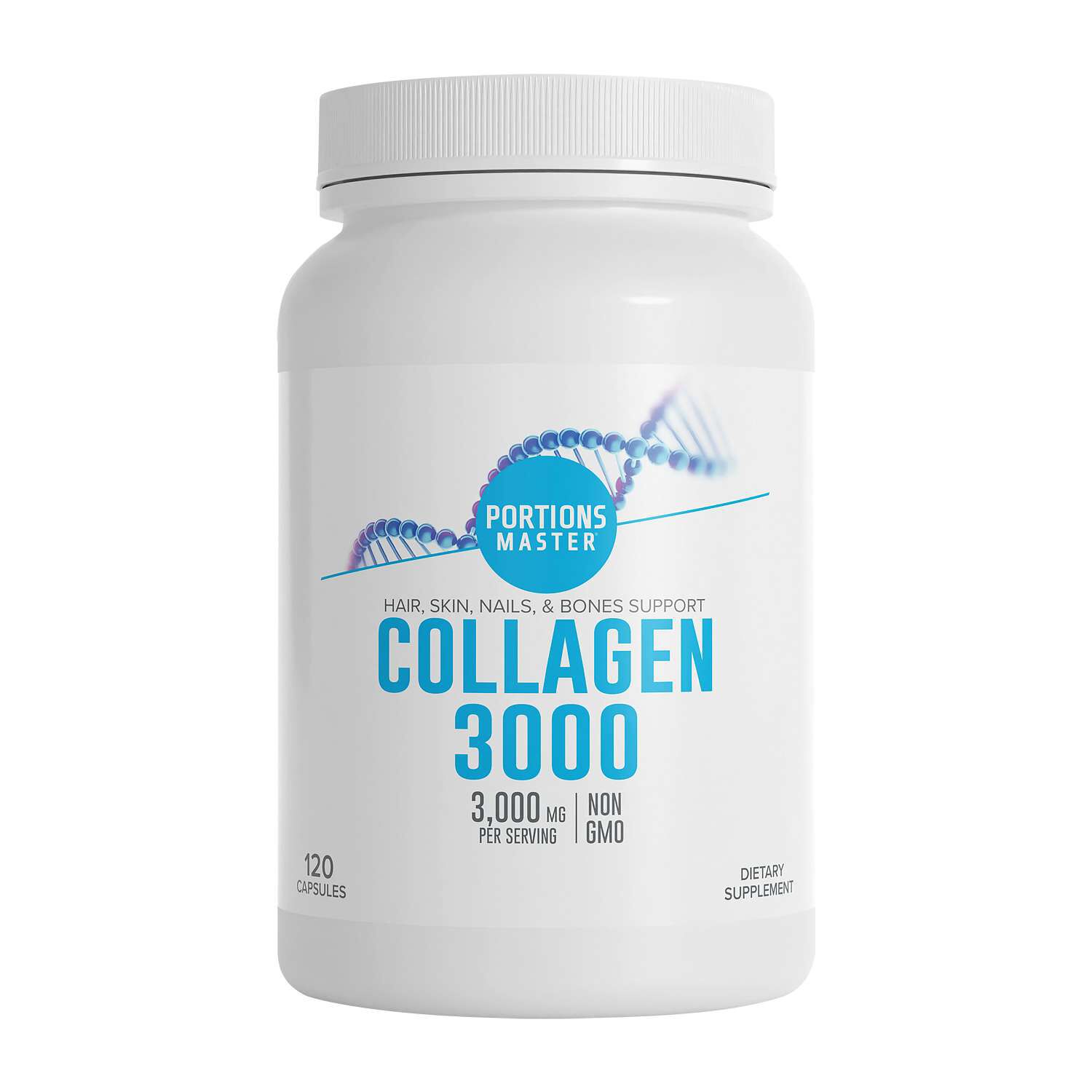 Portions Master$29.99
-
-

-
-
-
 44$44.99
-

-

-
-

-
-

-
-
 $42.99
-
 $24.99
-
-
-
 $34.99
-

-

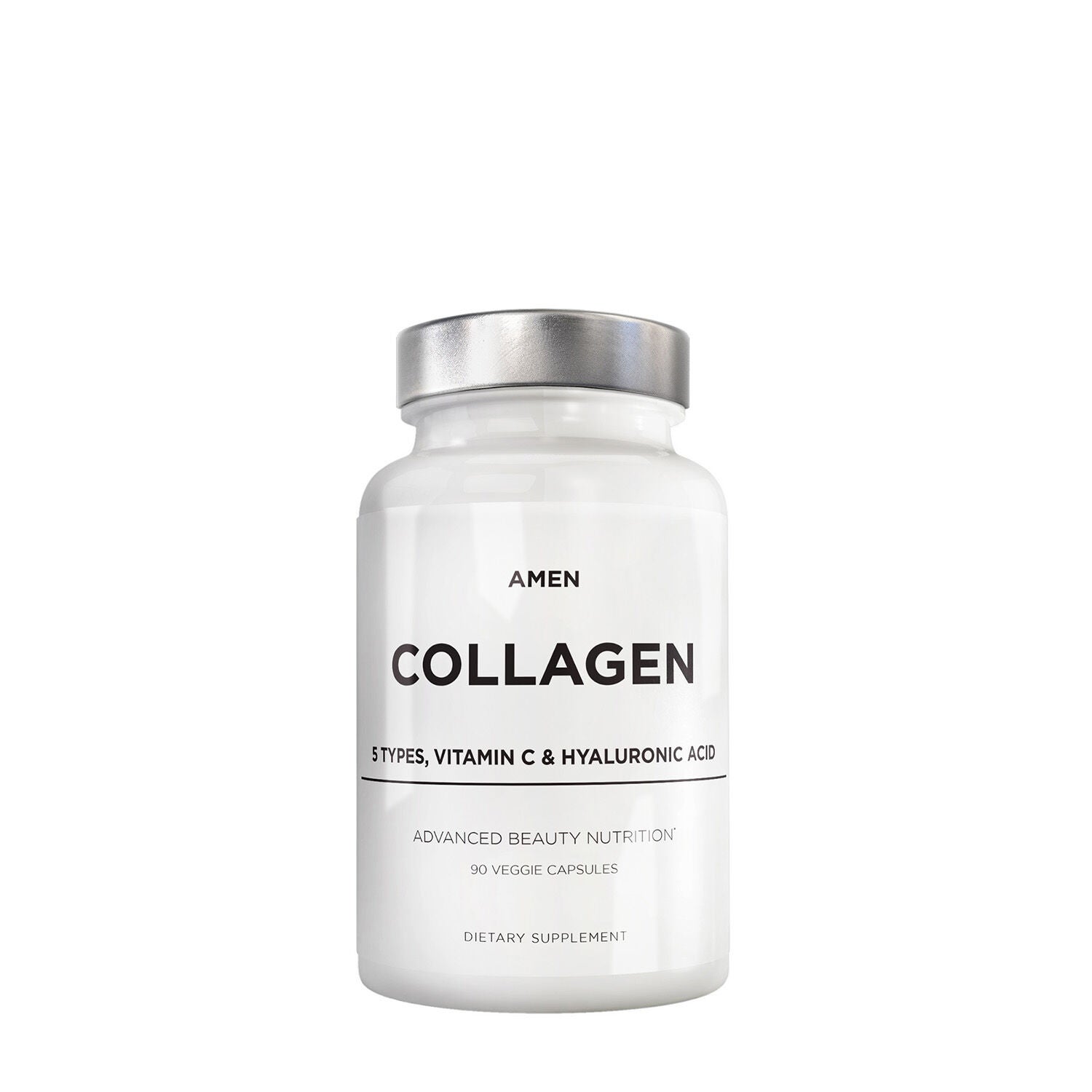

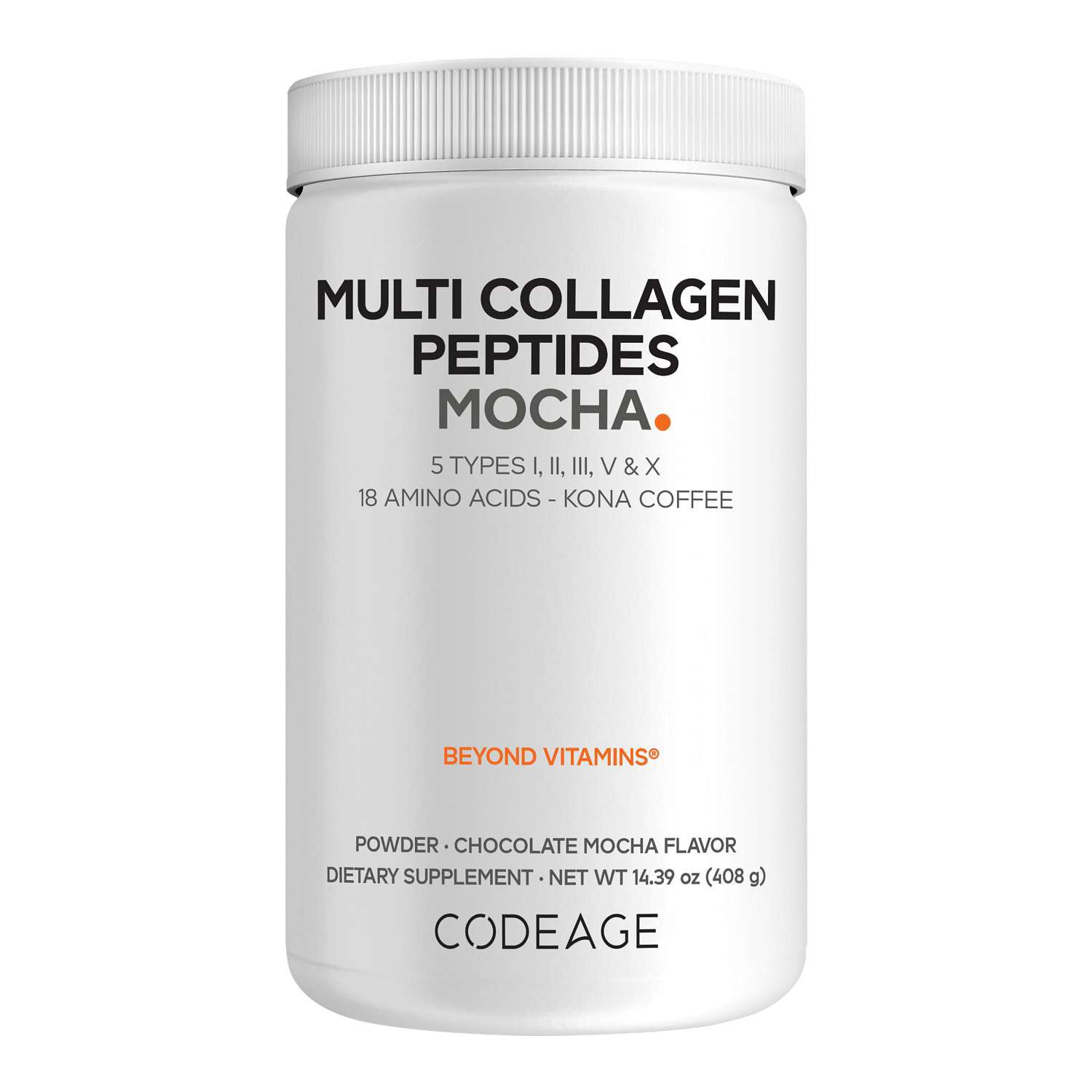
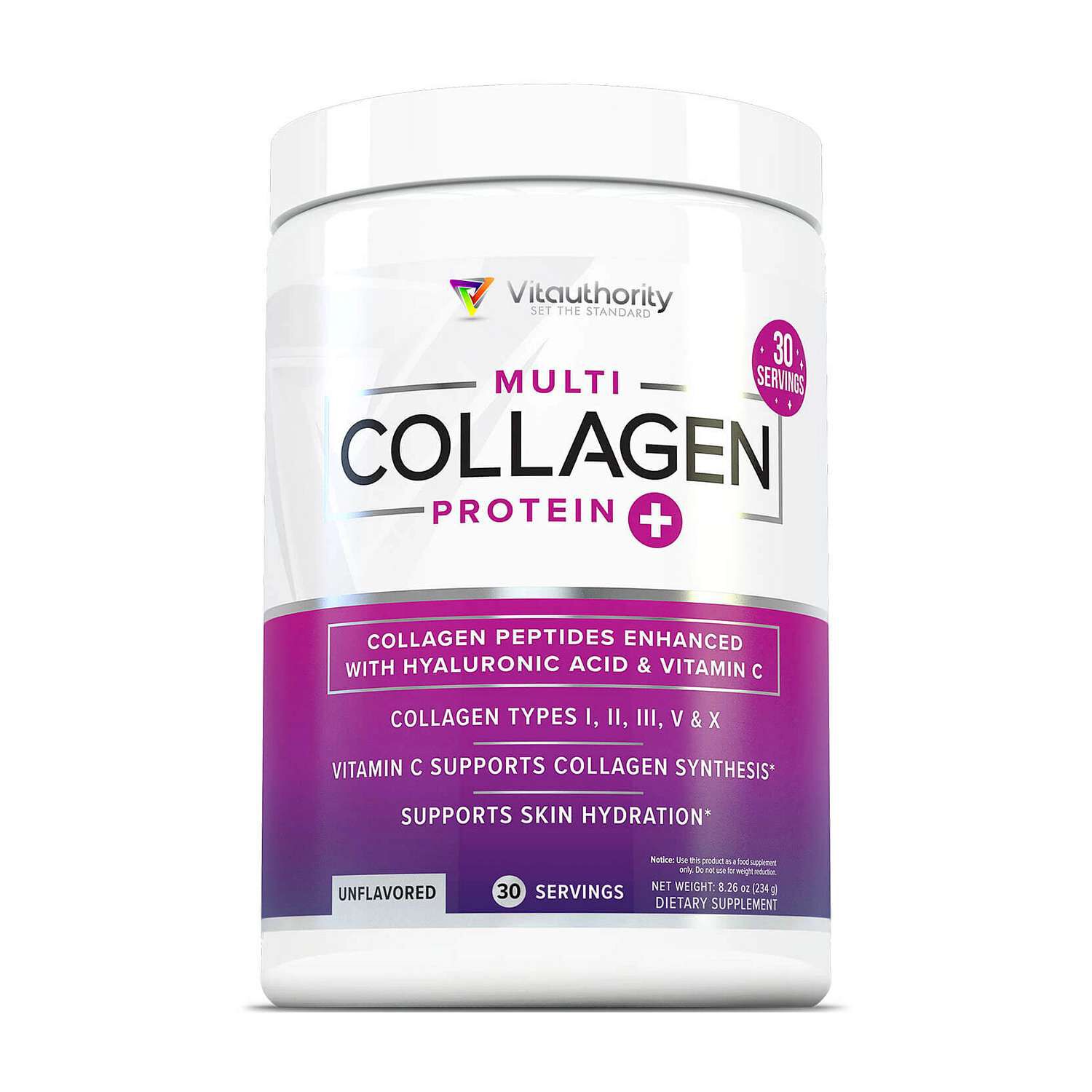
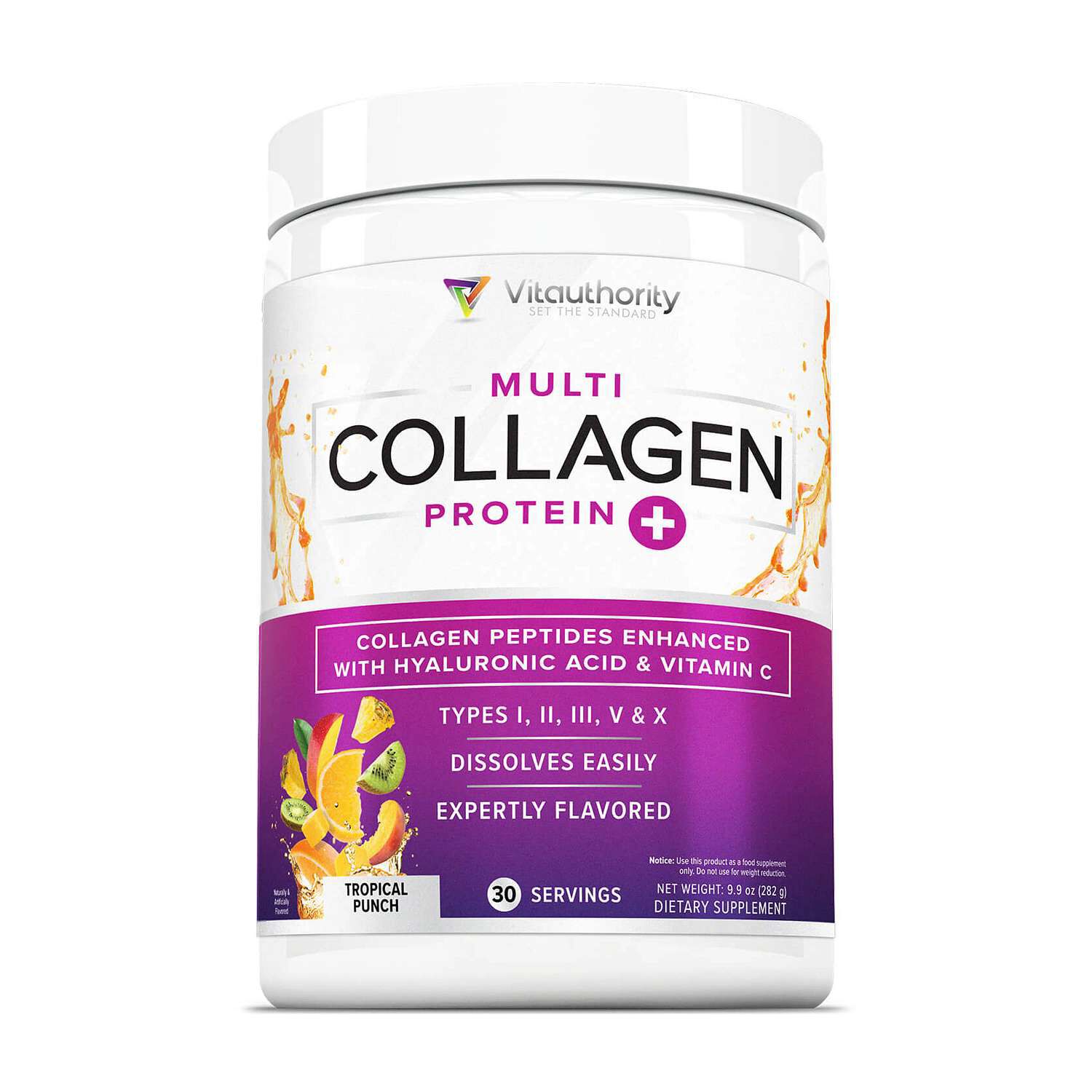
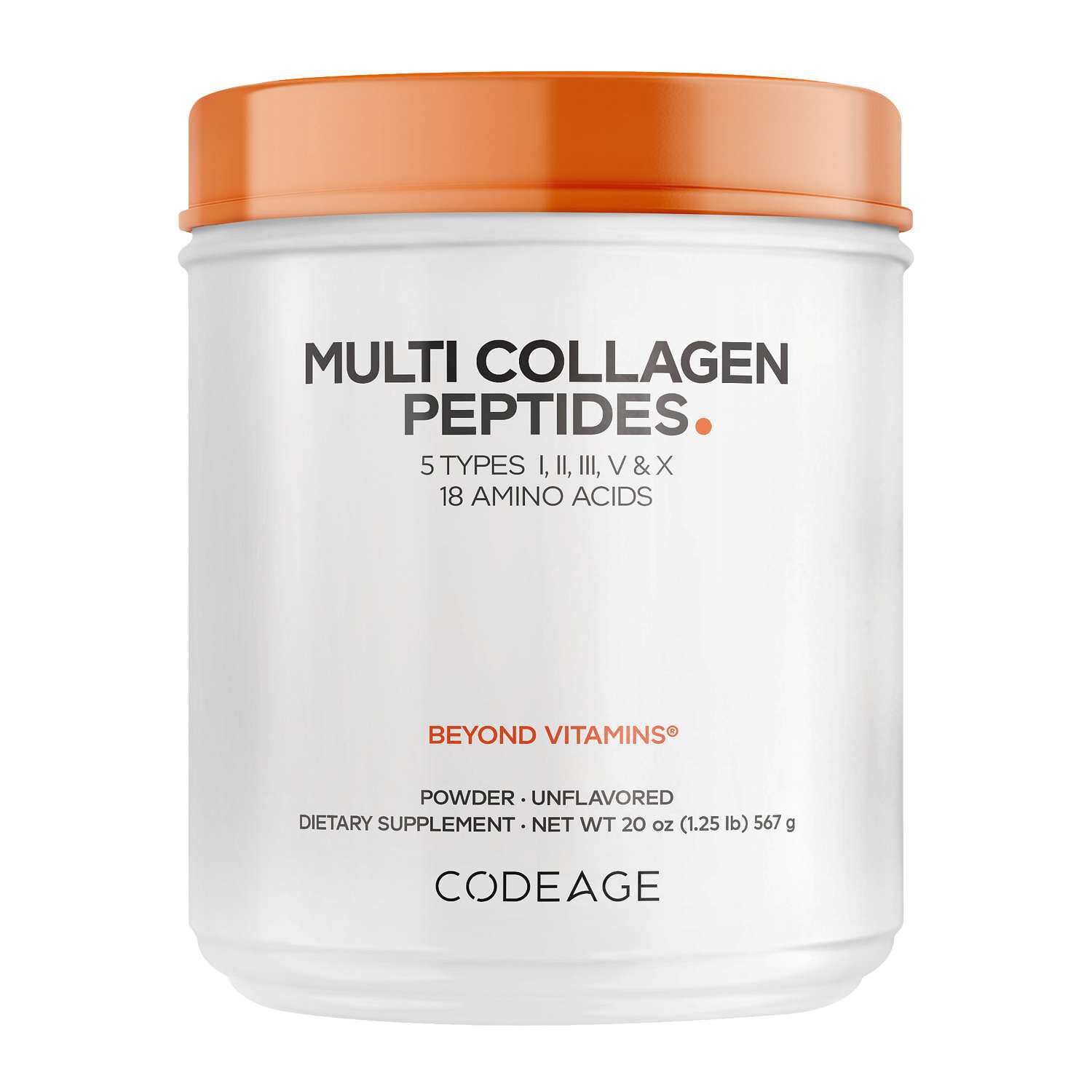
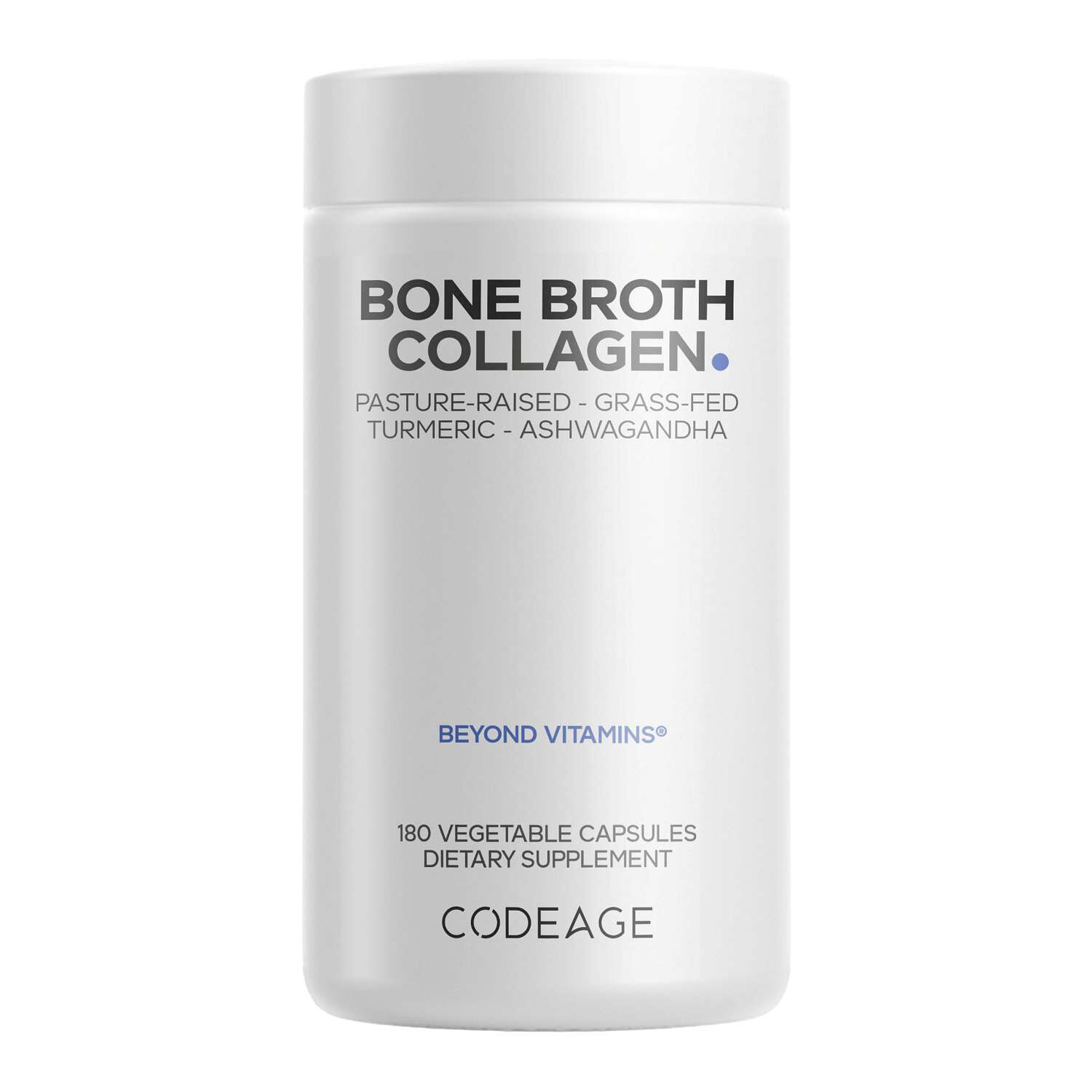
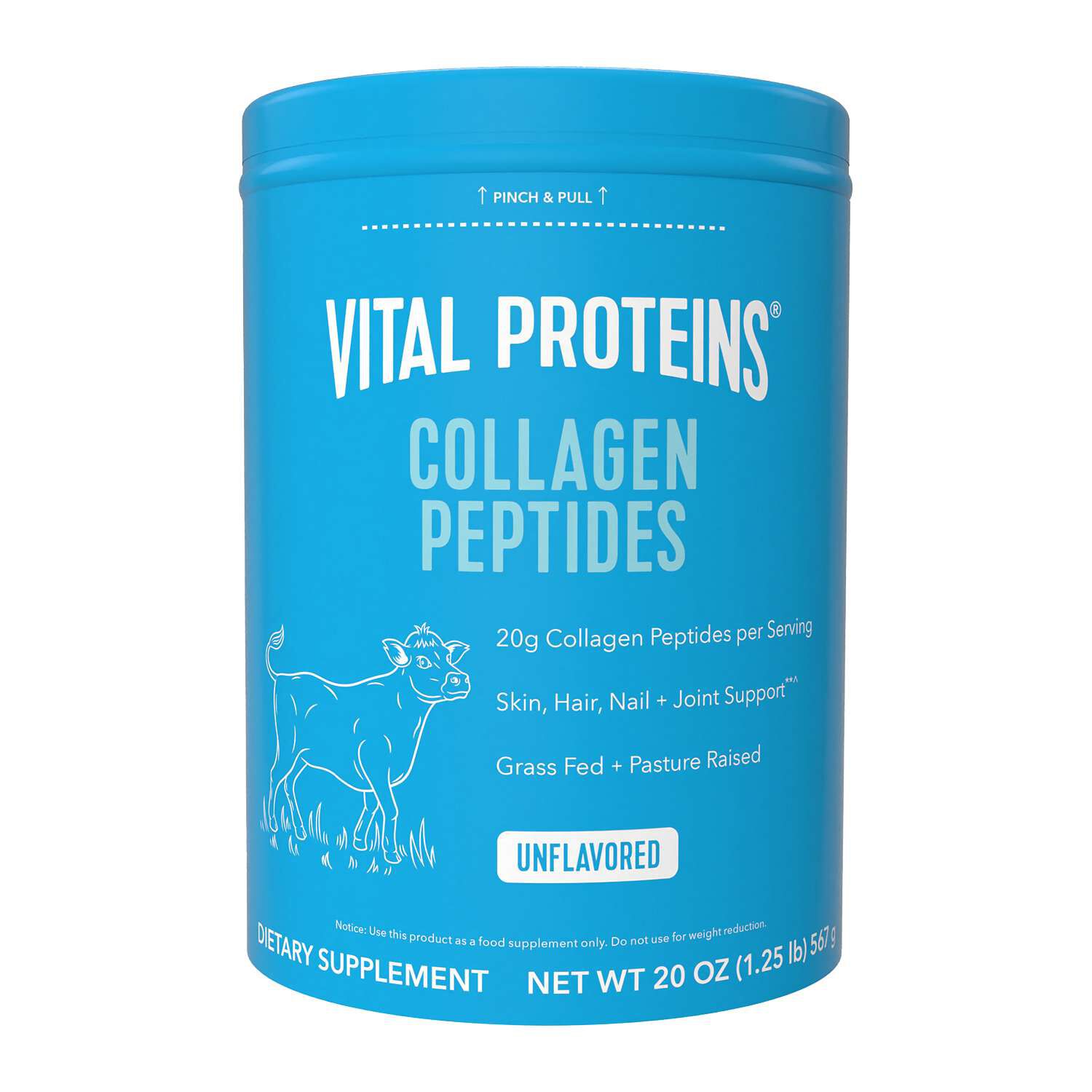
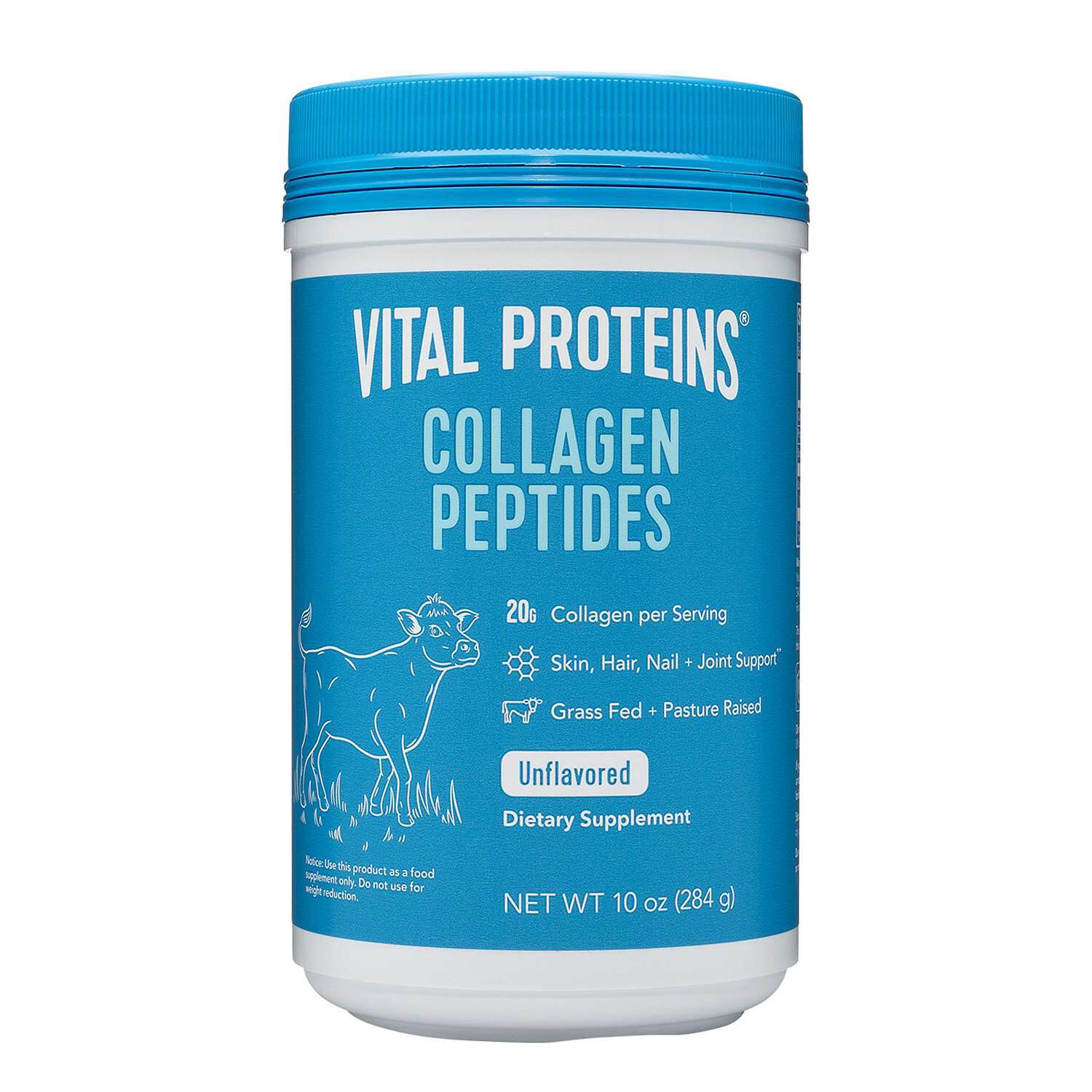
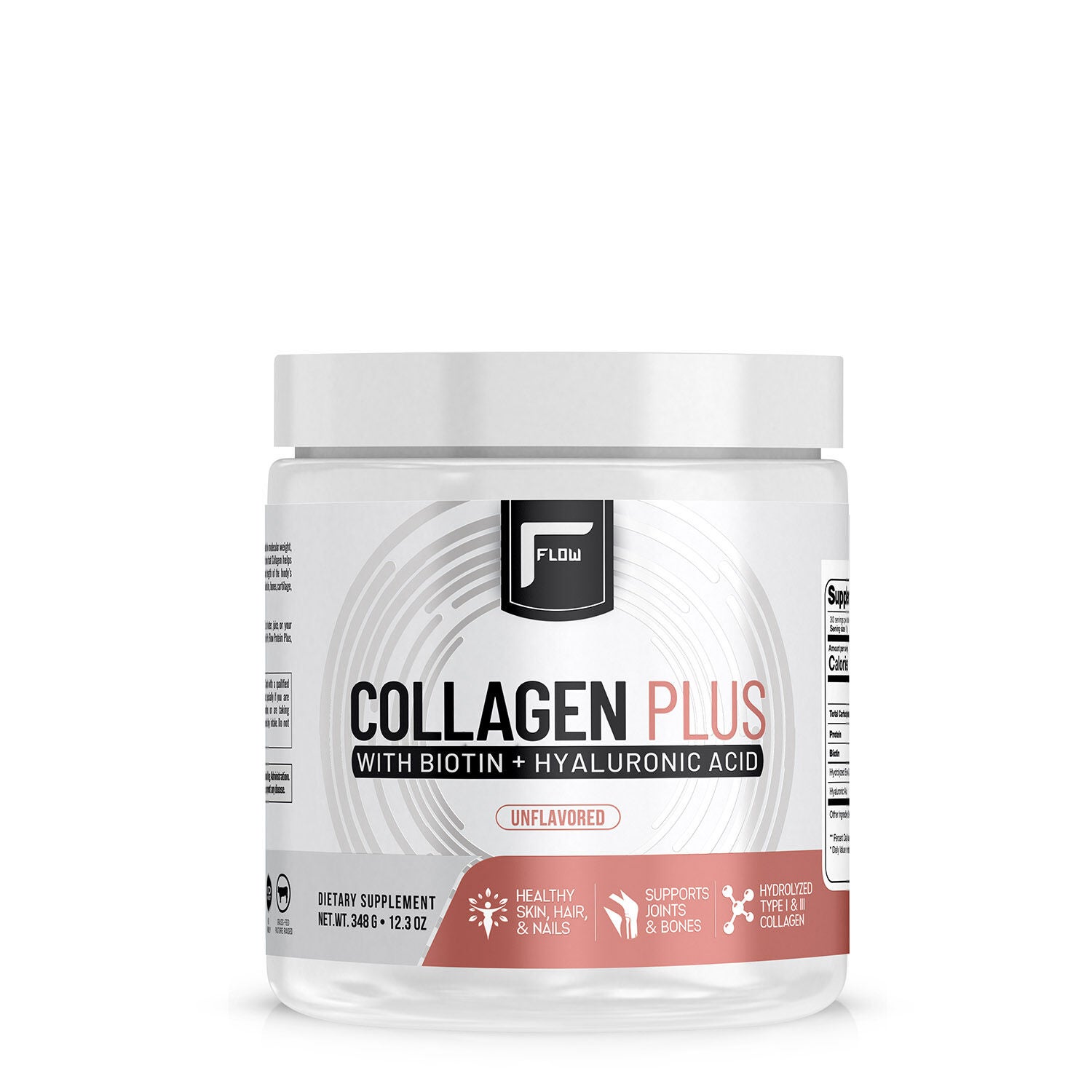
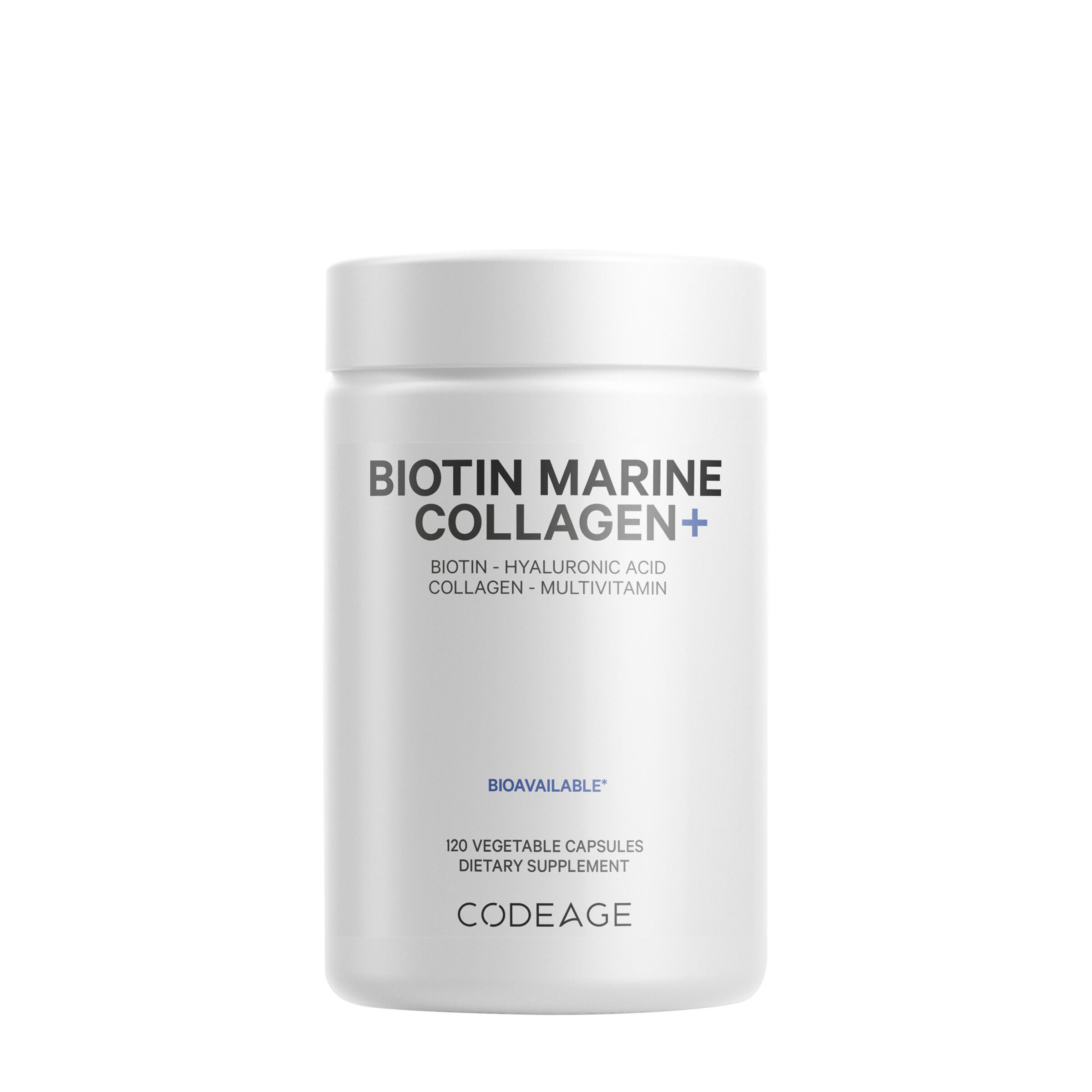
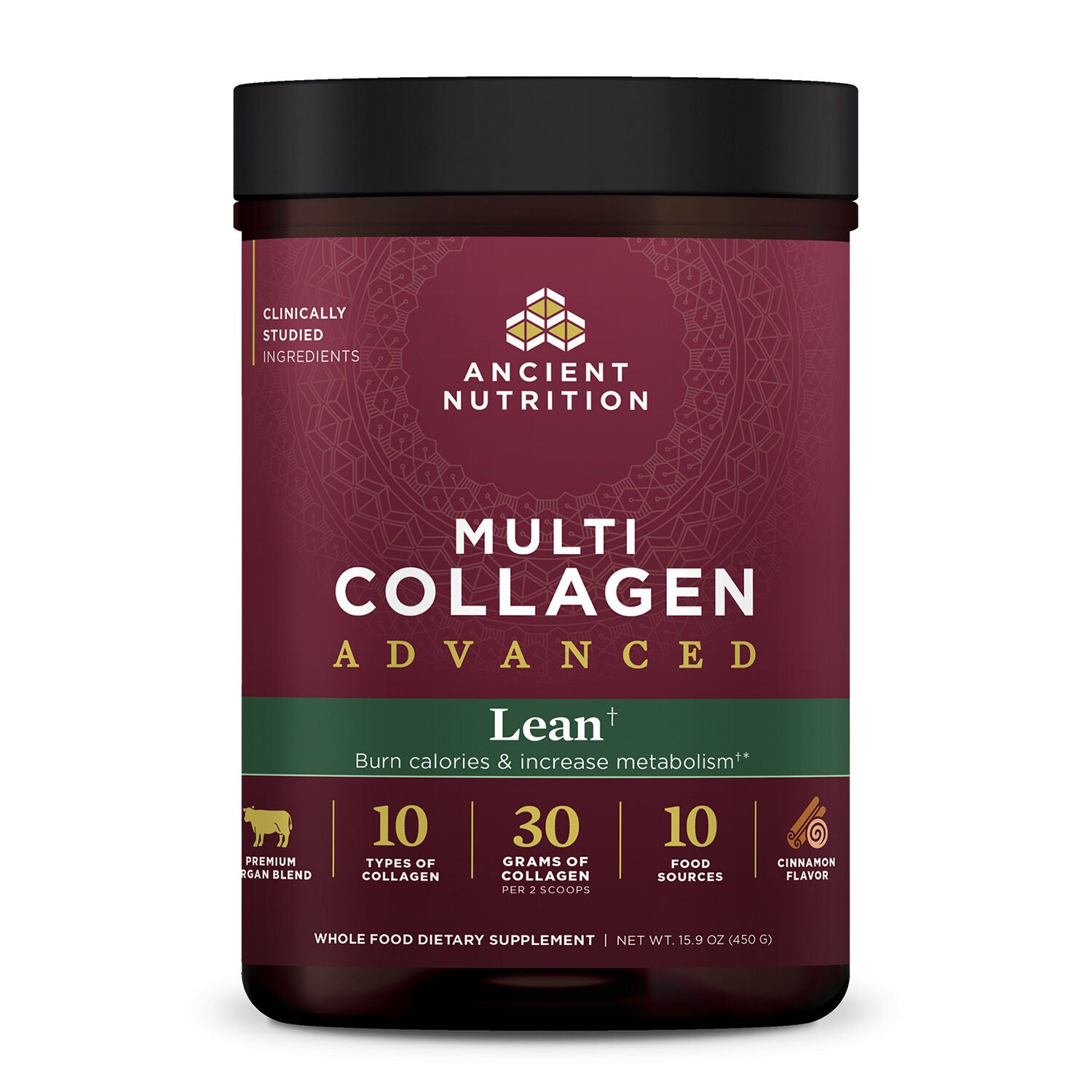
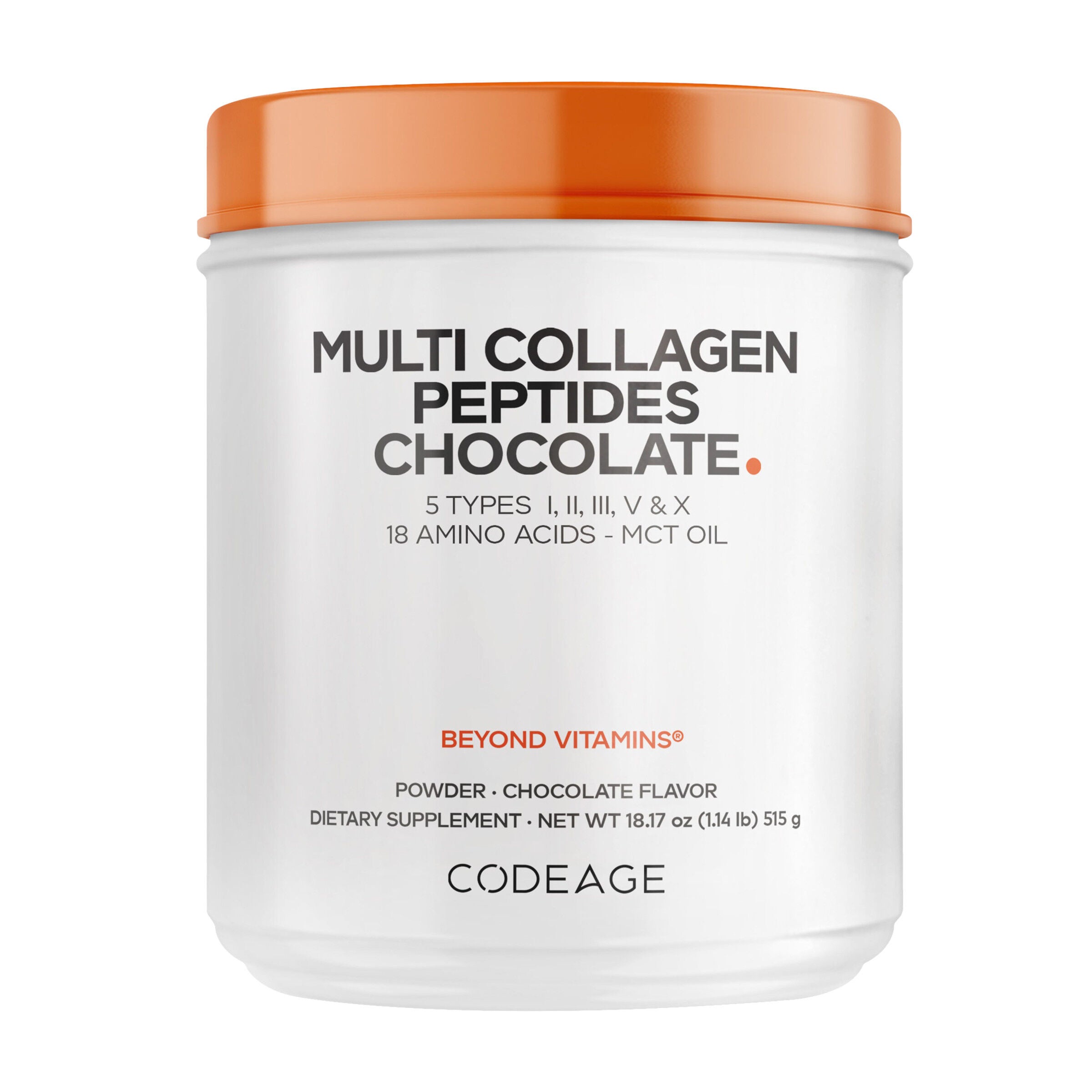
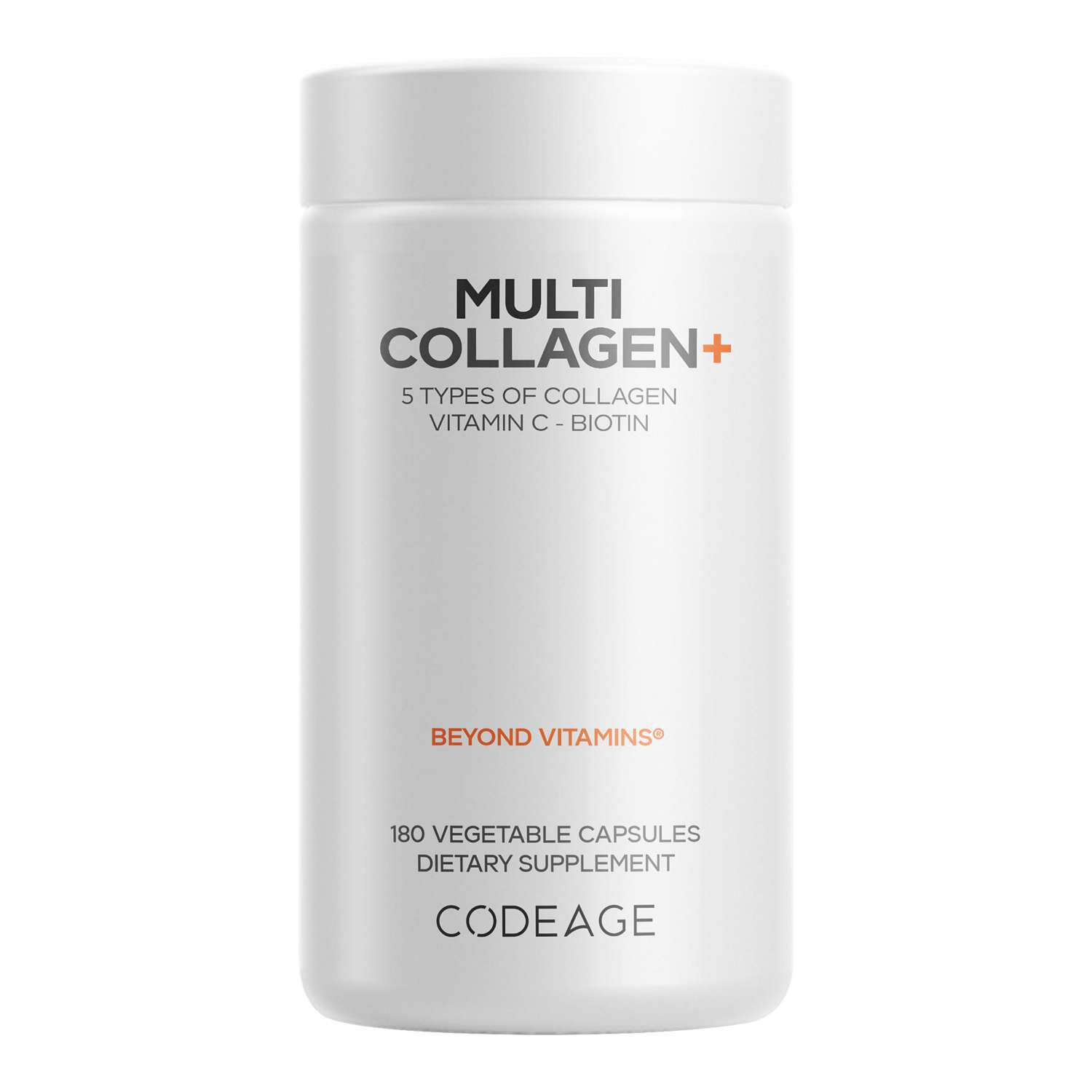
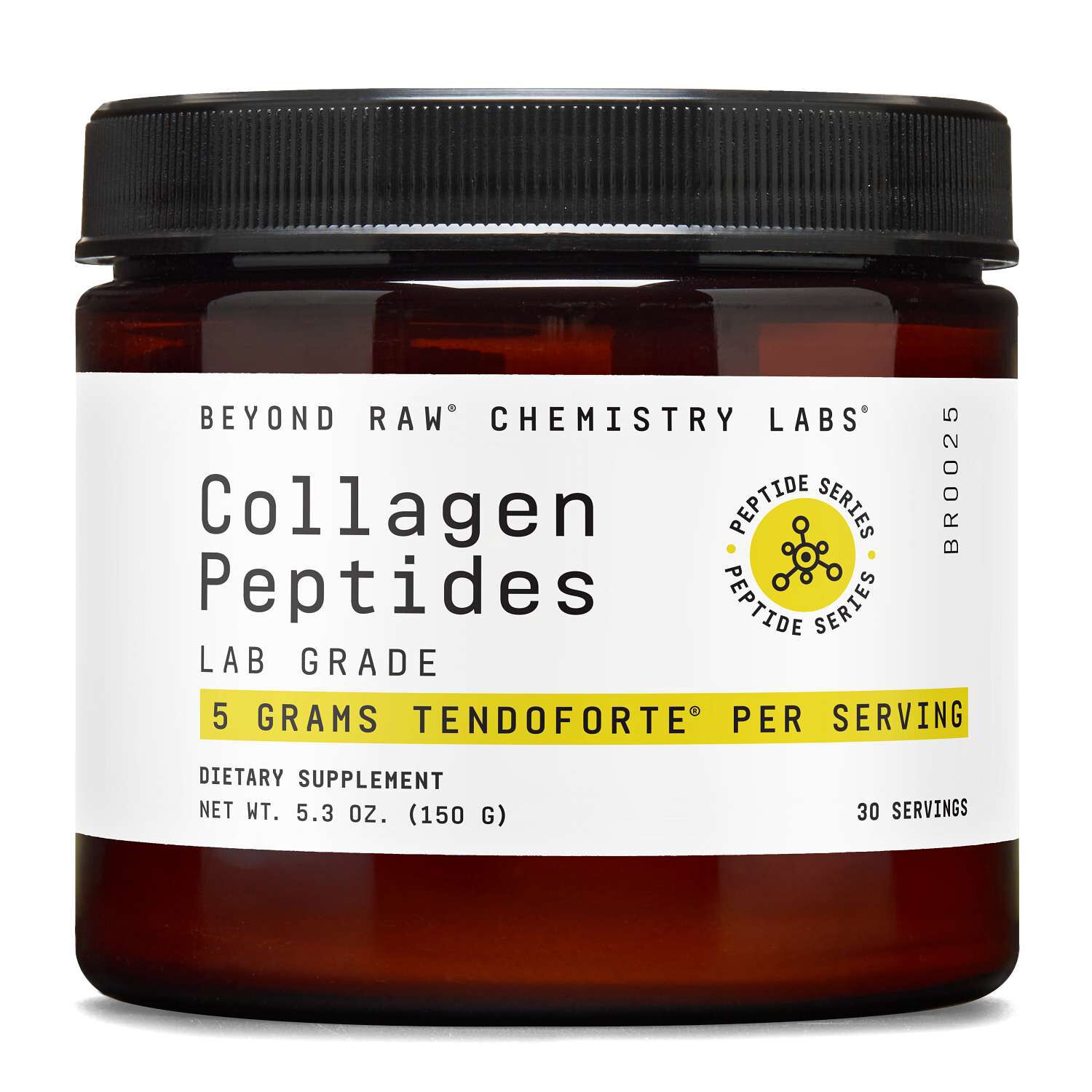
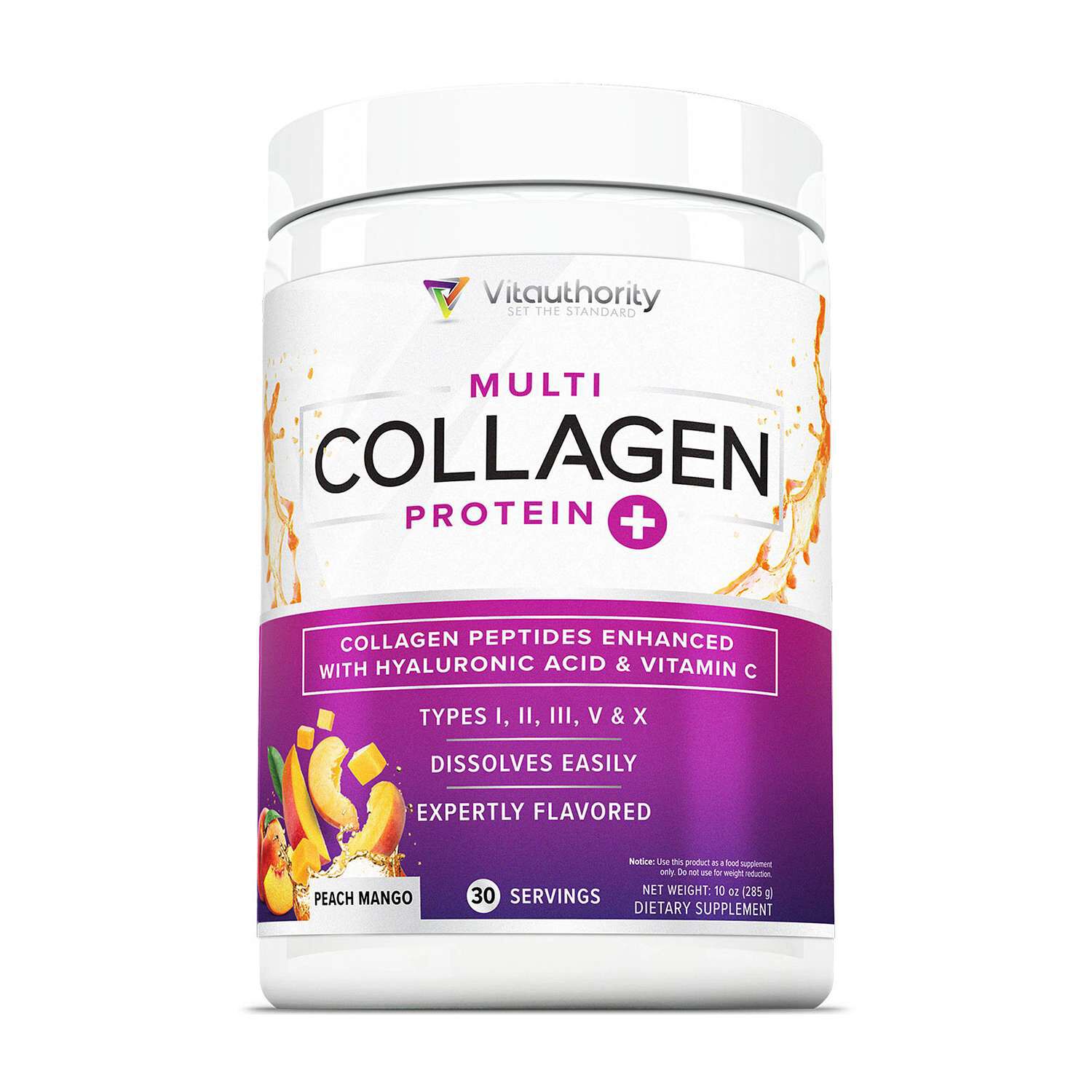
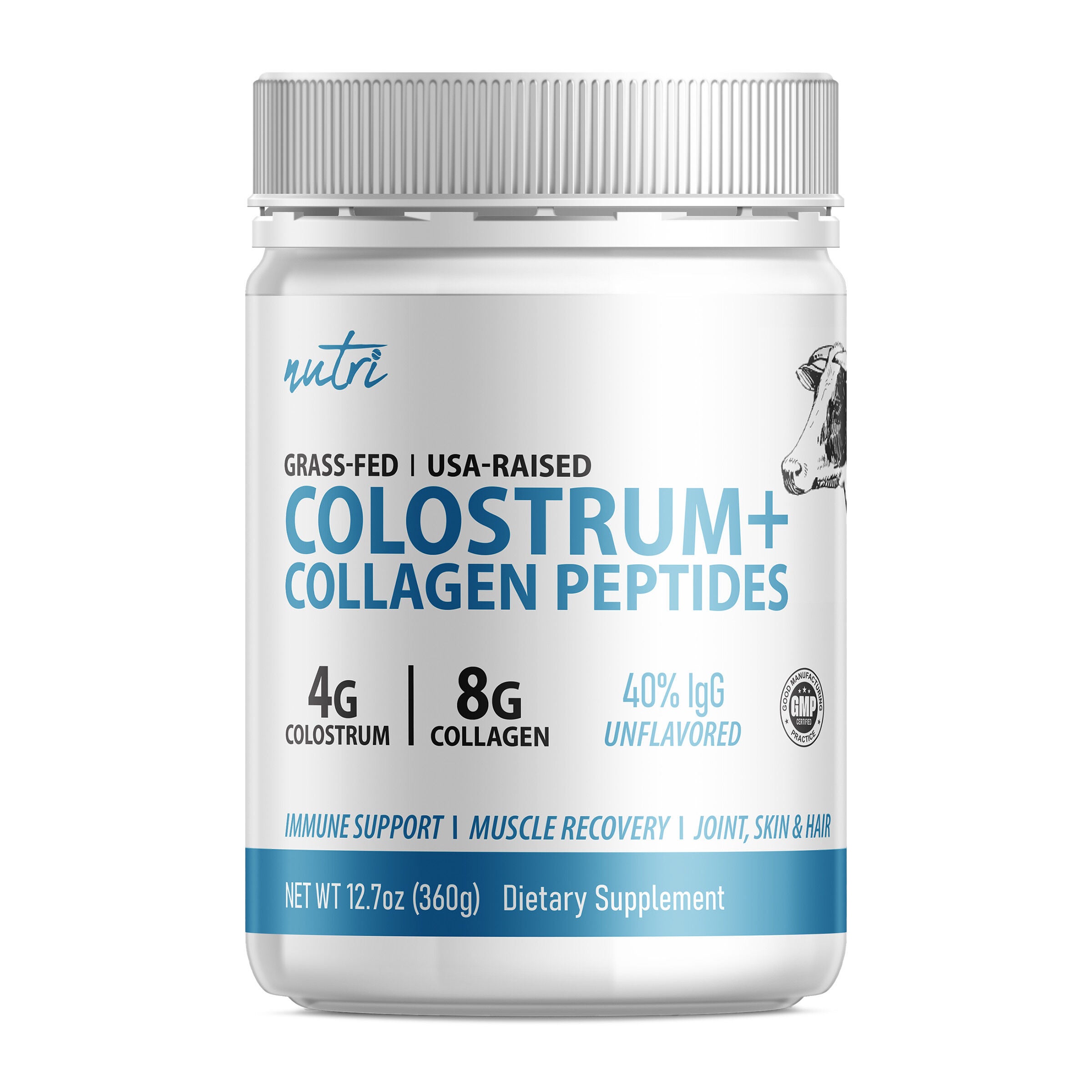
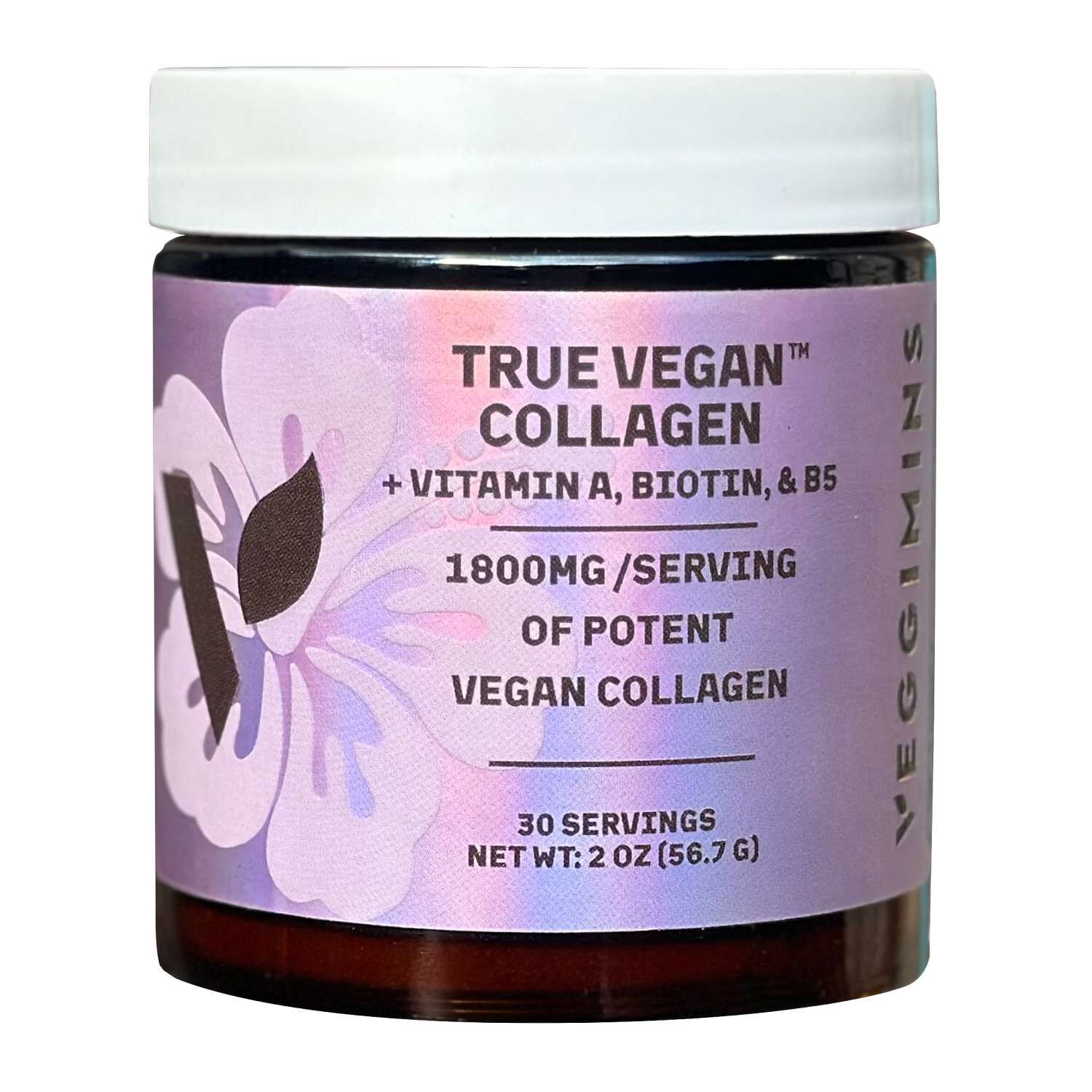
Collagen for bone support refers to a category of dietary supplements built around collagen, a structural protein naturally present in bone and other connective tissues. Bone contains both an organic framework and a mineral component: collagen makes up most of that organic framework, while minerals such as calcium and phosphorus contribute to its hardness. That distinction matters when comparing collagen with mineral supplements. Collagen is a protein, not another name for calcium, and a collagen supplement does not necessarily contain calcium unless the label lists it. Supplemental collagen may complement a nutrition routine focused on bone support, but its presence in a formula does not establish a particular outcome. The most useful starting points are the collagen source, the amount per serving, the format, and any additional ingredients. Common sources include bovine, marine, porcine, and poultry materials, with the specific animal source identified on the packaging. These details matter for dietary preferences, religious practices, and ingredient restrictions. Marine collagen, for example, commonly comes from fish, making the source statement and allergen information important parts of the label. Collagen types also appear in category descriptions. Type I is the predominant collagen type in bone, while other types have different distributions throughout the body. A type designation describes the collagen rather than establishing where an ingested supplement will go. Hydrolyzed collagen, often called collagen peptides, has undergone processing that breaks larger protein structures into smaller pieces. This terminology describes the ingredient’s form; it is not a measure of a finished supplement’s suitability for every shopper. Adults comparing collagen for bone support may be looking for a powder to pair with breakfast, a capsule format for an established supplement routine, or a formula that includes other nutrients. Those preferences create different practical priorities, even when the products share the same general category. A clear source statement and readable Supplement Facts panel provide a more concrete basis for comparison than broad language on the front of a container.
Format shapes much of the everyday experience. Powders typically involve measuring and mixing, while capsules and tablets involve a stated number of pieces per serving. Gummies and liquid formats have their own serving sizes, ingredient lists, and packaging considerations. A serving is not always one scoop, one capsule, or one gummy, so comparing the stated amount of collagen per serving keeps unlike formats in perspective. For someone who already prepares oatmeal or a smoothie each morning, a powder may fit naturally into that existing step. Someone who eats breakfast away from home may prefer a format that does not require a separate mixing container. Flavor deserves similar attention. Unflavored does not necessarily mean without any detectable taste or aroma; the source, formulation, and food or beverage used for mixing all influence the experience. A flavored powder may suit a simple drink, while a less pronounced flavor may be more compatible with several recipes. Preparation directions provide the relevant details about suitable liquids, quantities, and mixing methods. Hydrolyzed collagen and gelatin are related ingredients, but they behave differently in recipes: gelatin forms a gel under suitable conditions, whereas collagen peptides are generally used without that gelling behavior. That difference matters when choosing between an everyday beverage addition and an ingredient for a recipe with a particular texture. For powders, container openings, scoop storage, and resealable closures are practical details worth noticing. For capsules, serving count and the number required per serving deserve a closer look, especially when comparing bottles of different sizes. Individually packaged portions may be convenient for a work bag, while a larger container may suit a consistent preparation spot at home. The relevant comparison is not simply powder versus capsule, but how much preparation, measuring, flavor, and packaging fits into an ordinary day. A format that sounds appealing in a description may feel quite different beside a breakfast bowl, a crowded kitchen counter, or a packed lunch bag.
The rest of the formula matters just as much as the collagen itself. Some collagen supplements contain only the collagen ingredient, while others combine it with vitamins, minerals, flavorings, sweeteners, or other components. Calcium, vitamin D, and vitamin C are examples of nutrients that may appear alongside collagen, but their inclusion and amounts vary by formula. Each belongs on the label as its own ingredient rather than being assumed from the phrase “bone support.” The Supplement Facts panel separates serving size, protein content, nutrient amounts, and servings per container; the other ingredients list identifies components such as flavors and capsule materials. Reading those sections together gives a clearer picture than comparing front-label descriptions alone. Collagen has a different amino acid profile from foods such as eggs, dairy, soy, and beans, so its protein content is not an interchangeable description of every protein source. A varied eating pattern provides a broader nutritional context than any single supplemental ingredient. For shoppers already using a multivitamin or another nutrient blend, comparing the listed ingredients side by side may make repeated ingredients easier to recognize. Intended use also deserves attention: an adult supplement, a recipe ingredient, and a flavored beverage mix can have different directions even when collagen appears prominently on each label. Storage instructions are another part of everyday suitability. Moisture, a loosely closed lid, or a damp scoop can affect the condition of a powder, making the package’s handling directions relevant from the first serving to the last. Date markings, intact seals, and clearly identified ingredients are useful details to check when choosing a container for a regular routine. See also Collagen For Vitality. Across collagen formats, the strongest comparisons remain straightforward: what the ingredient is, where it comes from, how much a labeled serving contains, what accompanies it, and how the preparation fits into daily life. Those details keep the focus on a thoughtful product match rather than assumptions about what collagen alone can do.
Best Sellers
-
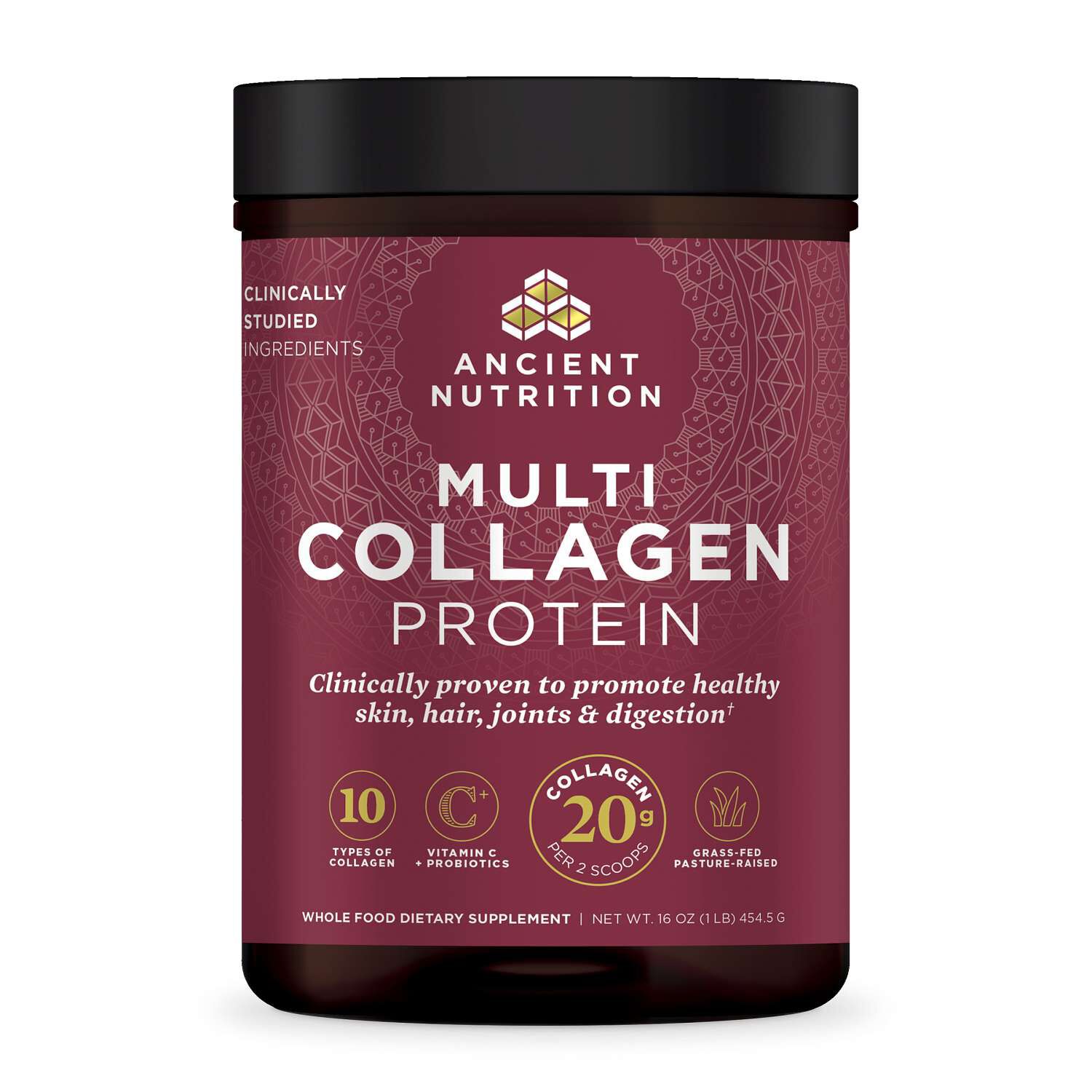 Ancient Nutrition
-
Vital Proteins