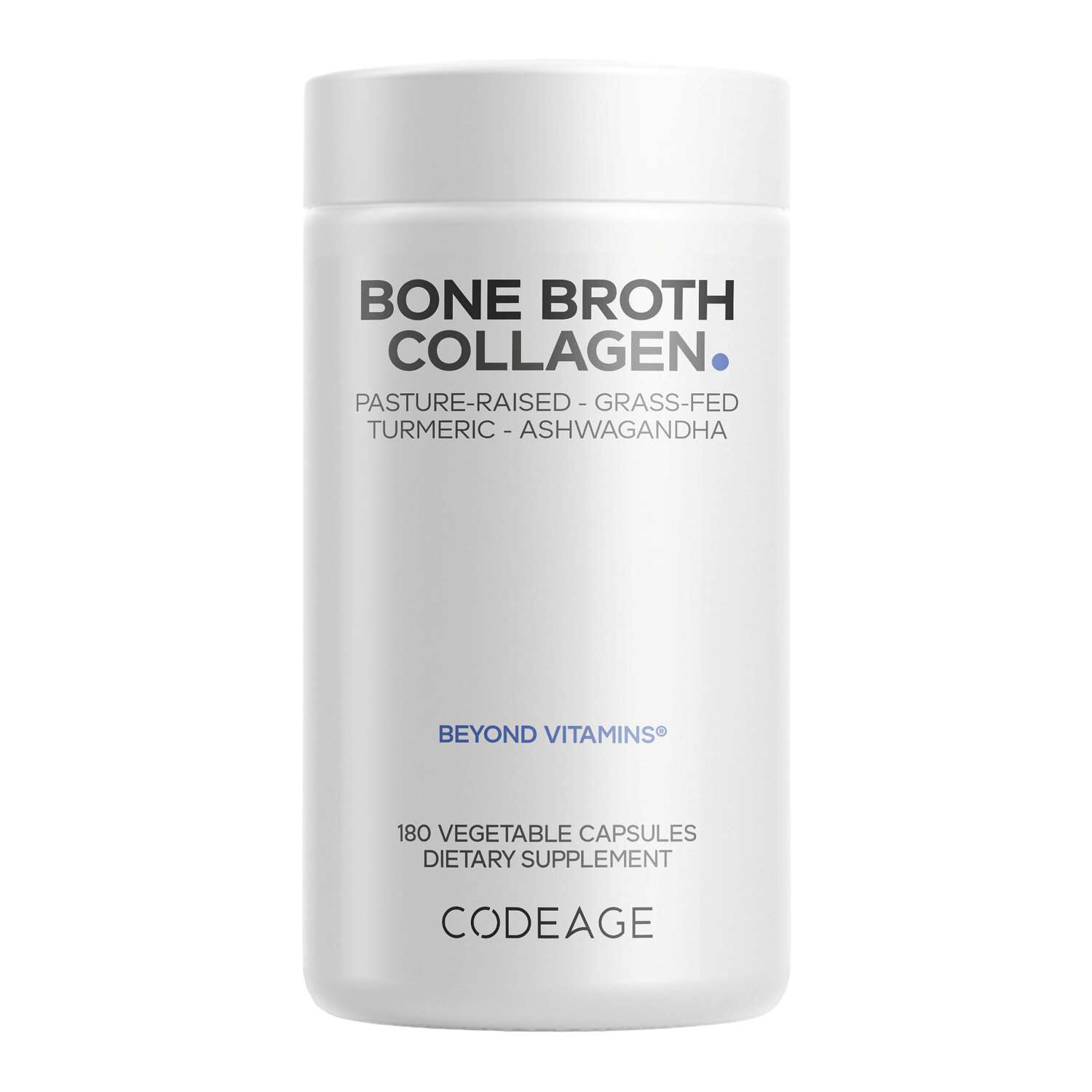
Collagen Protein Supports
(0 Results)
Collagen protein supports could be a valuable addition to your wellness routine, potentially aiding in the maintenance of healthy skin, joints, and muscles. Explore a range of high-quality collagen protein products that might help you achieve your health and fitness goals. Whether you're looking to support your active lifestyle or simply want to promote overall well-being, these collagen protein supports may offer the nourishment you need.
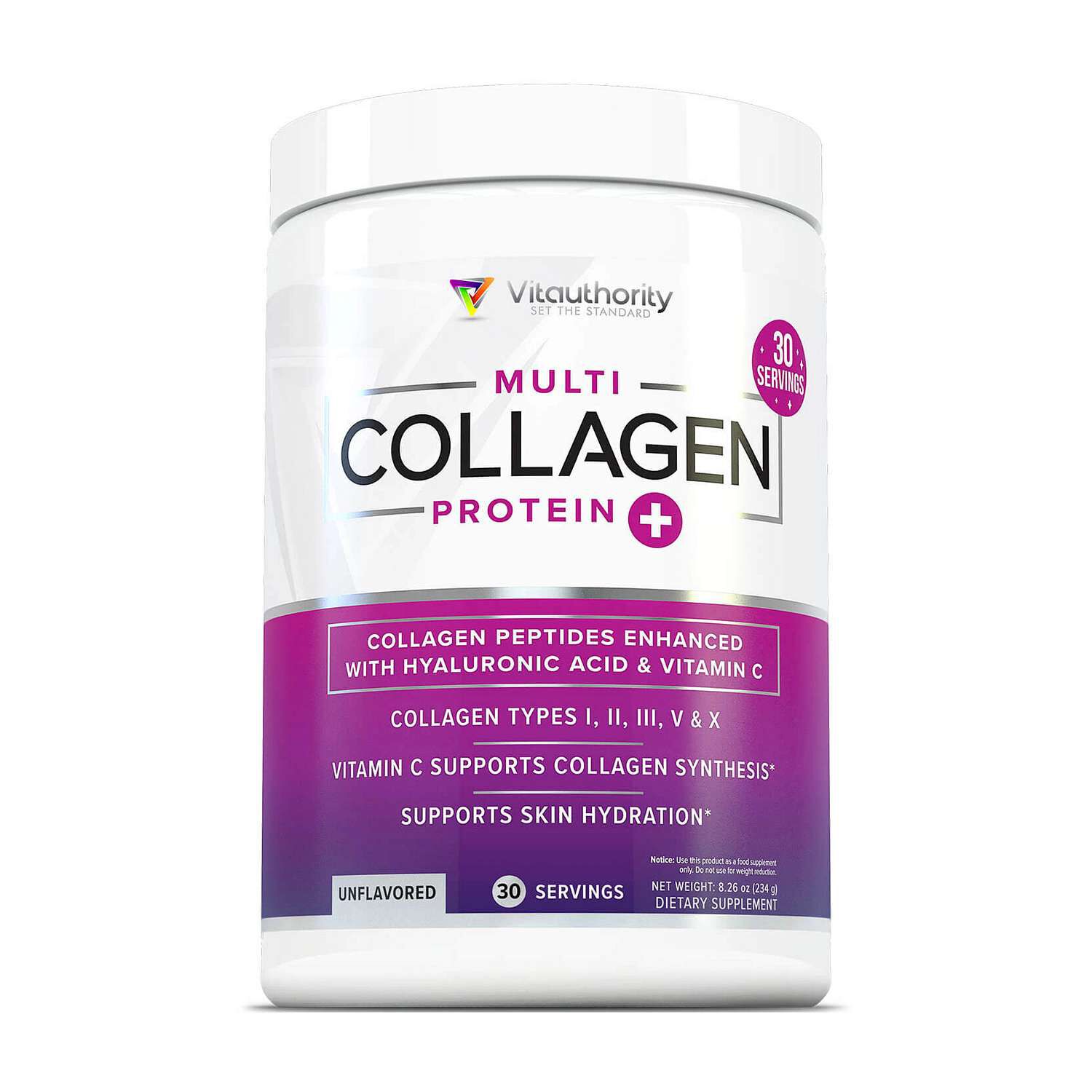
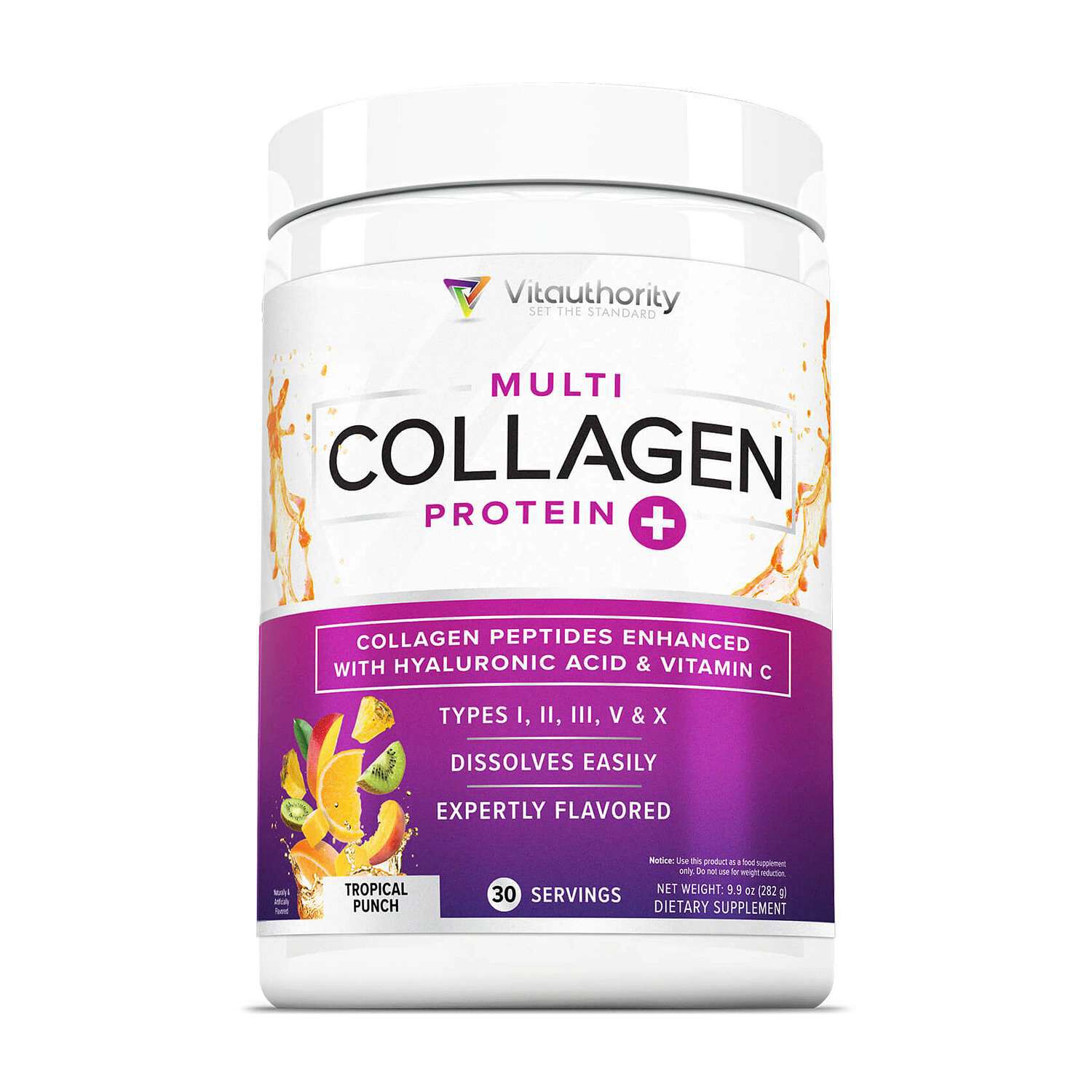
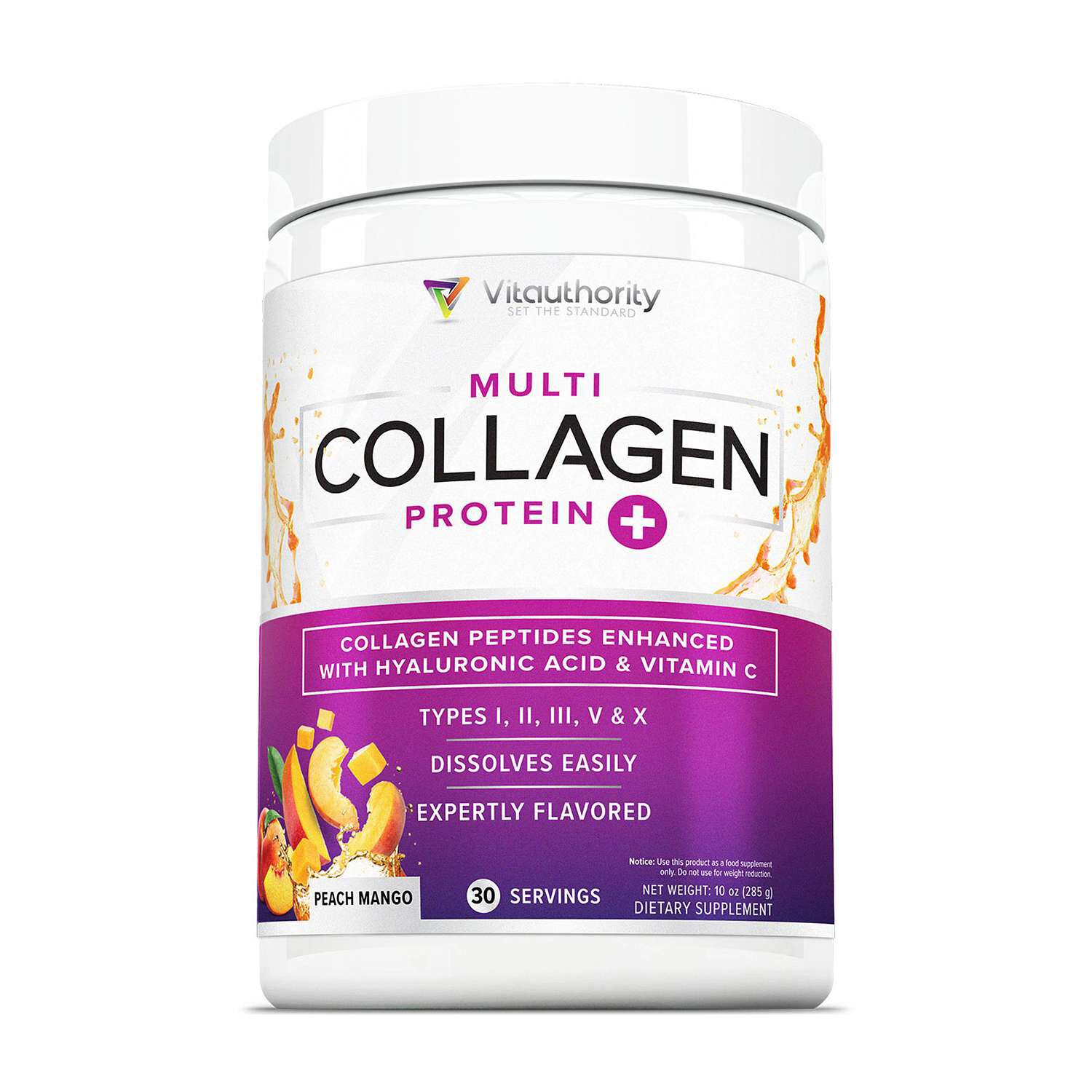

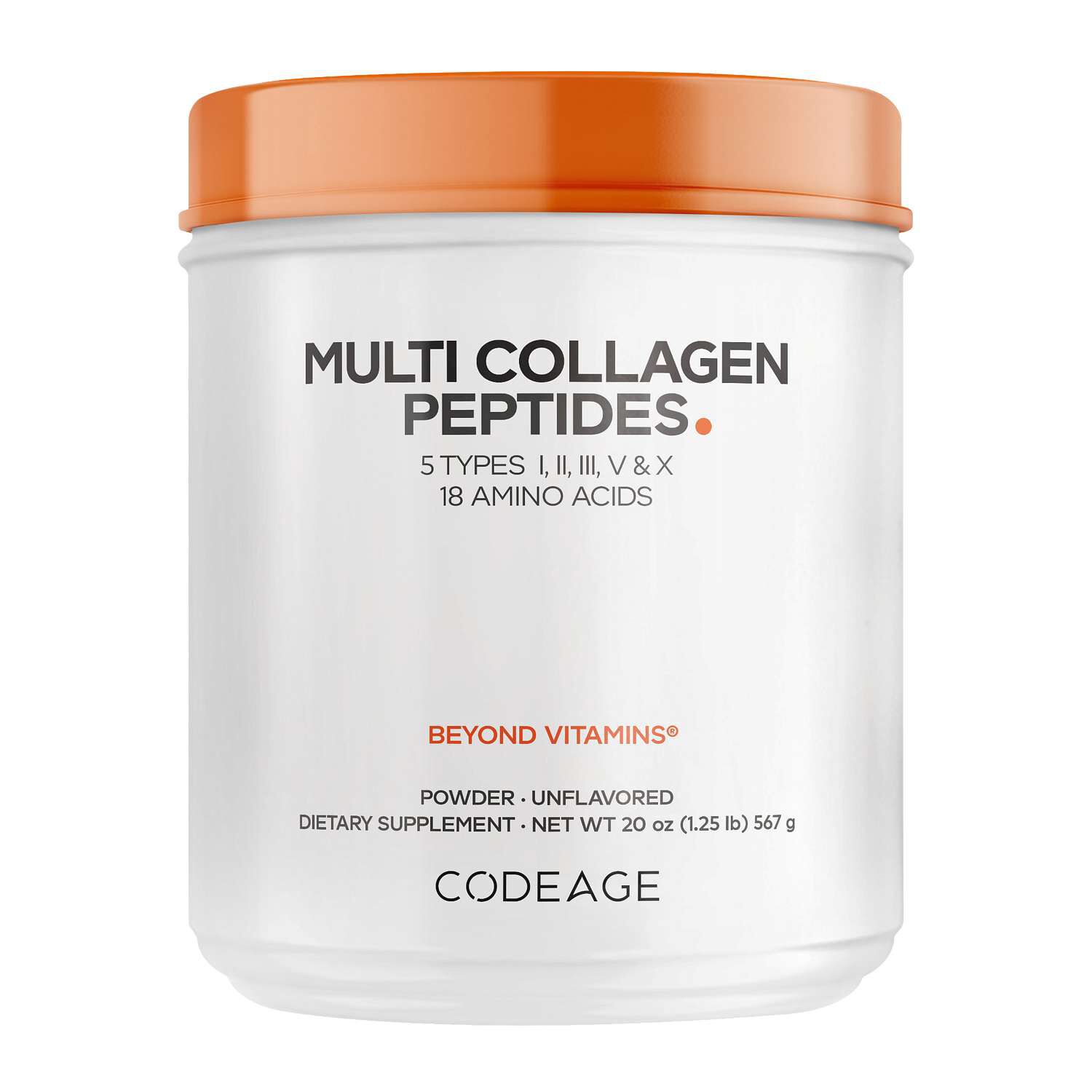

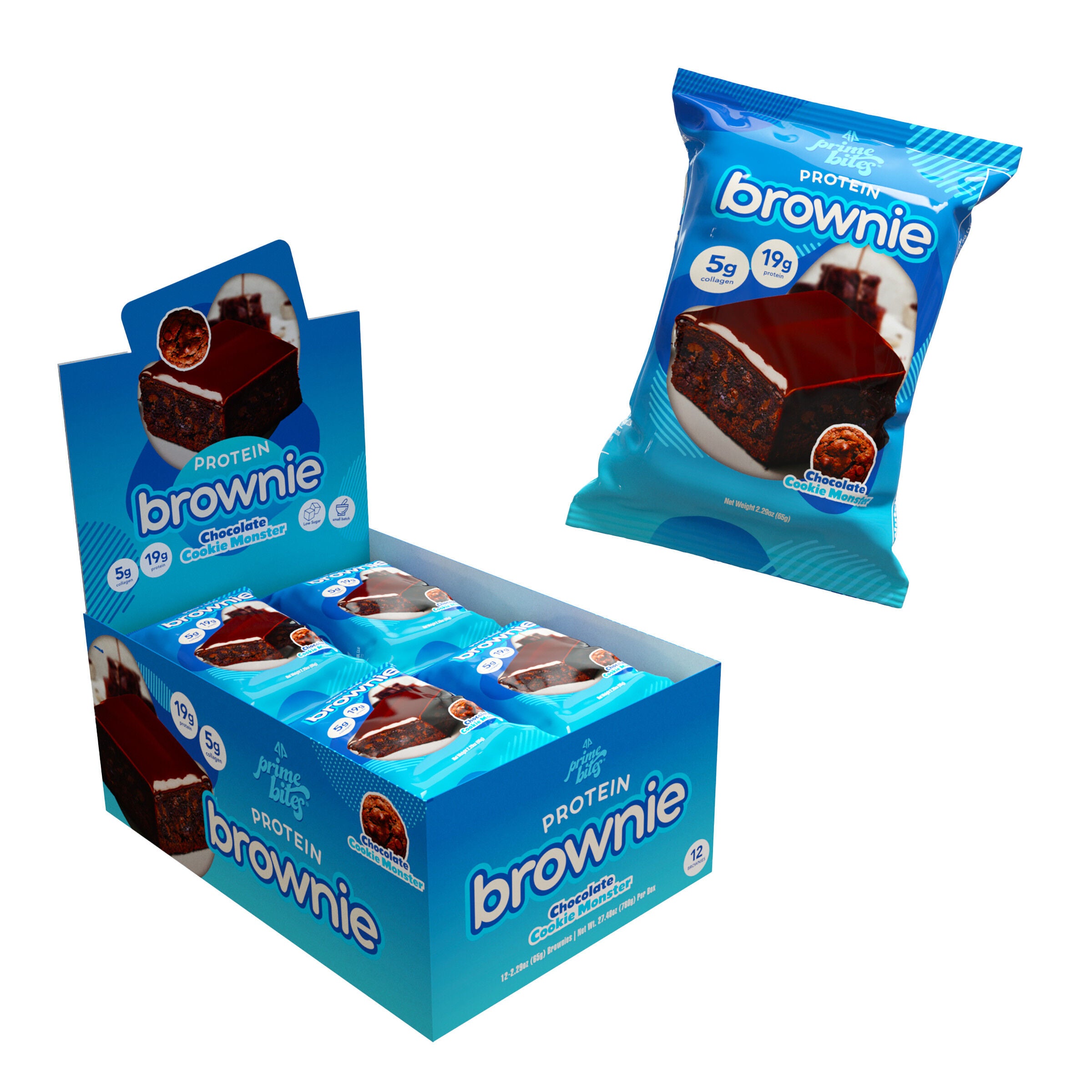


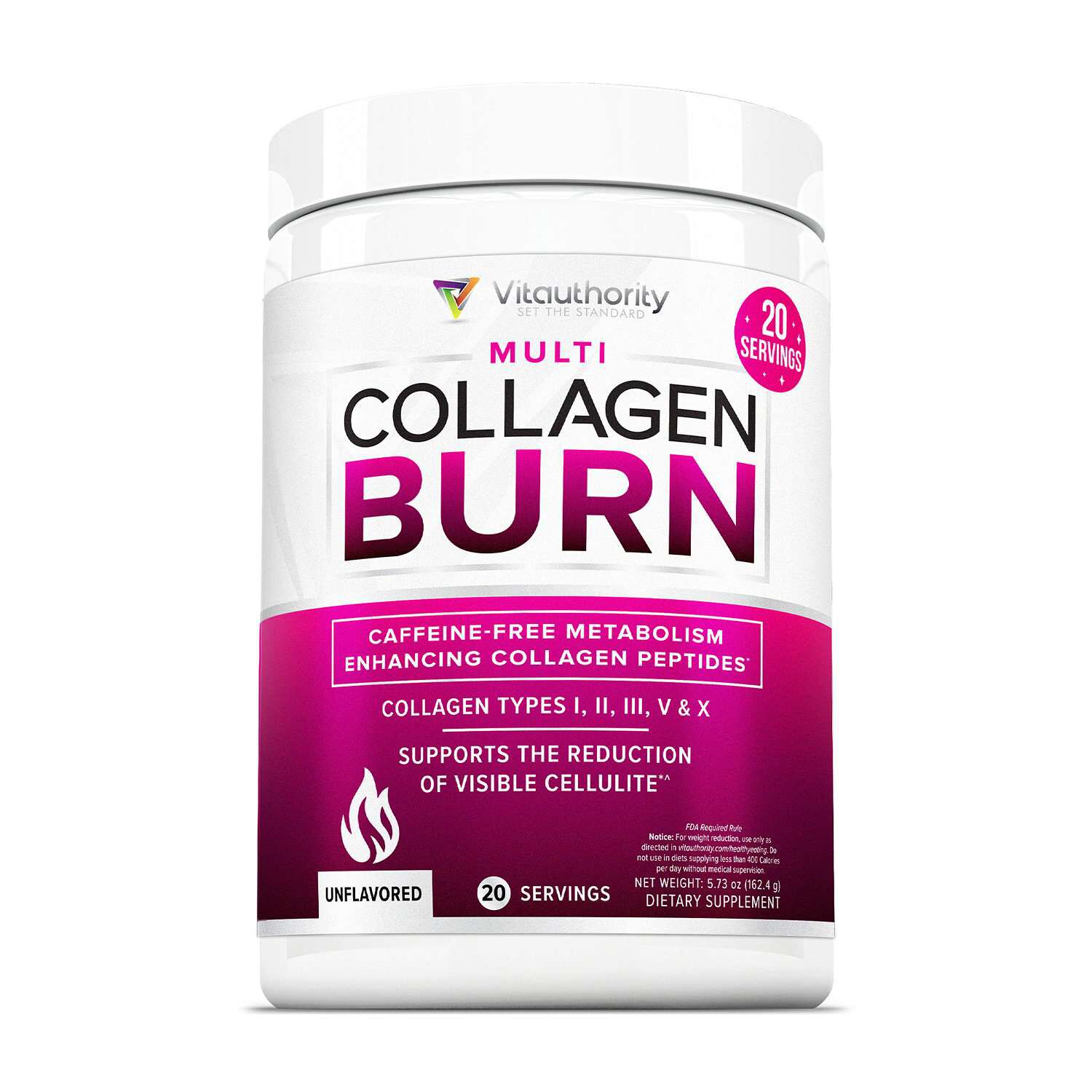

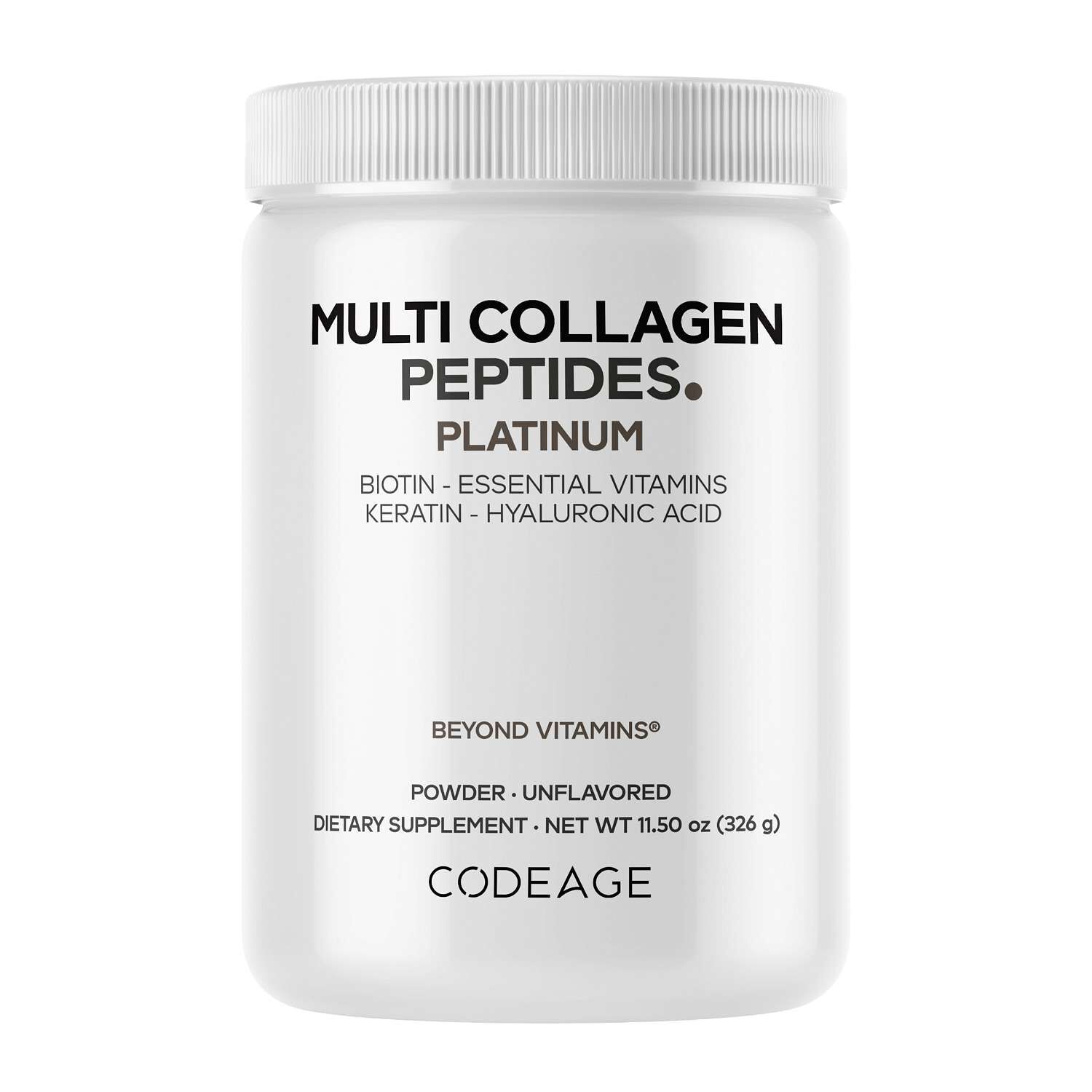

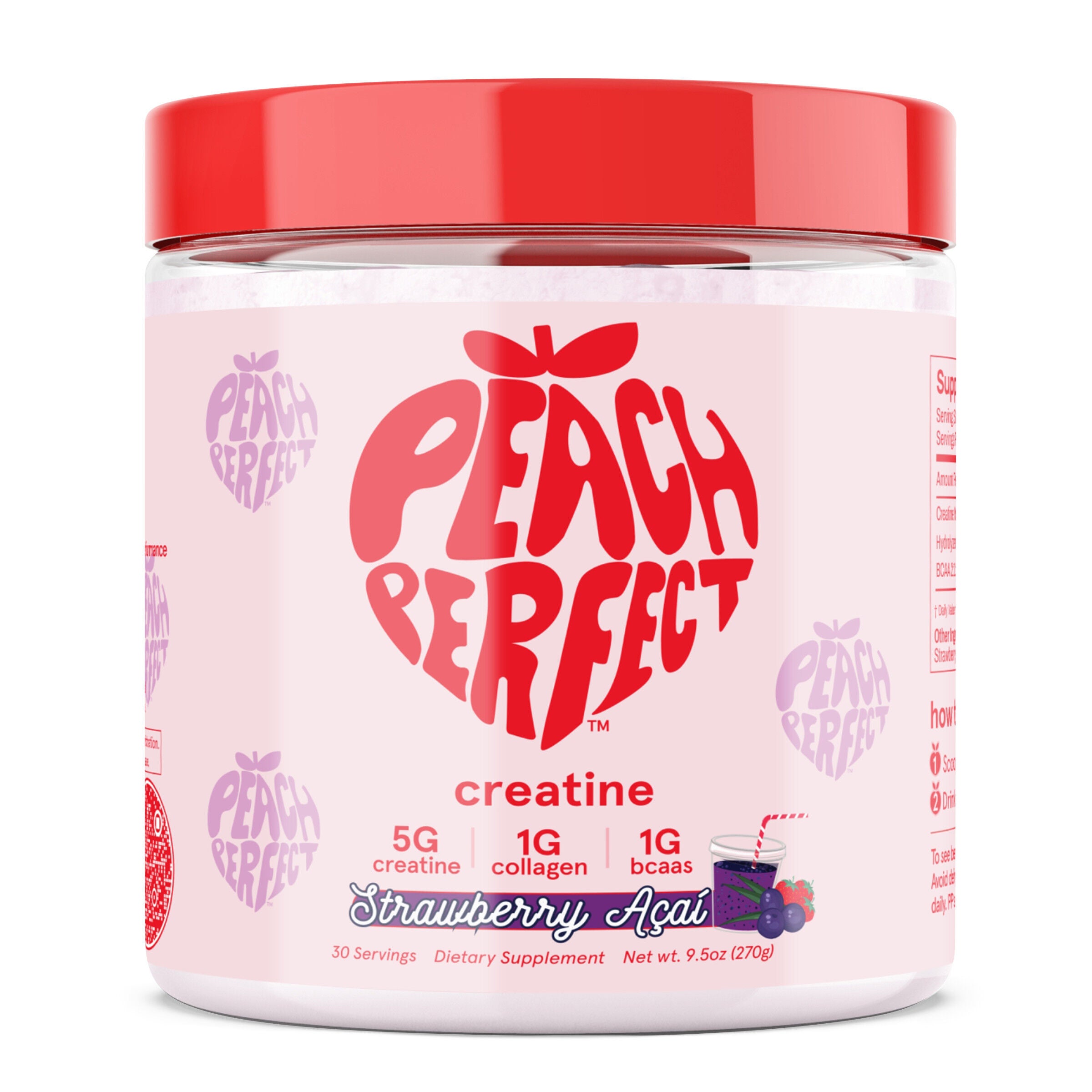
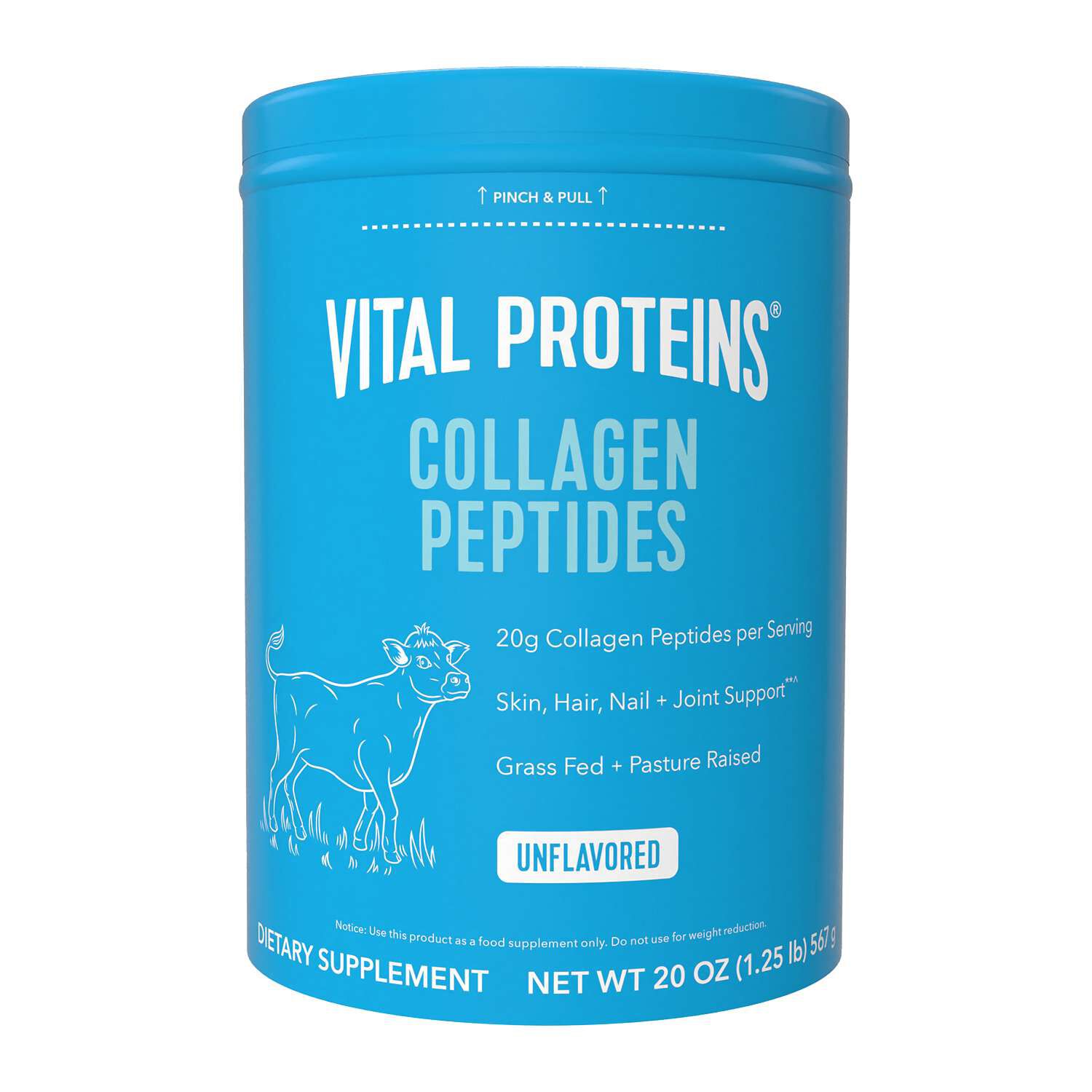


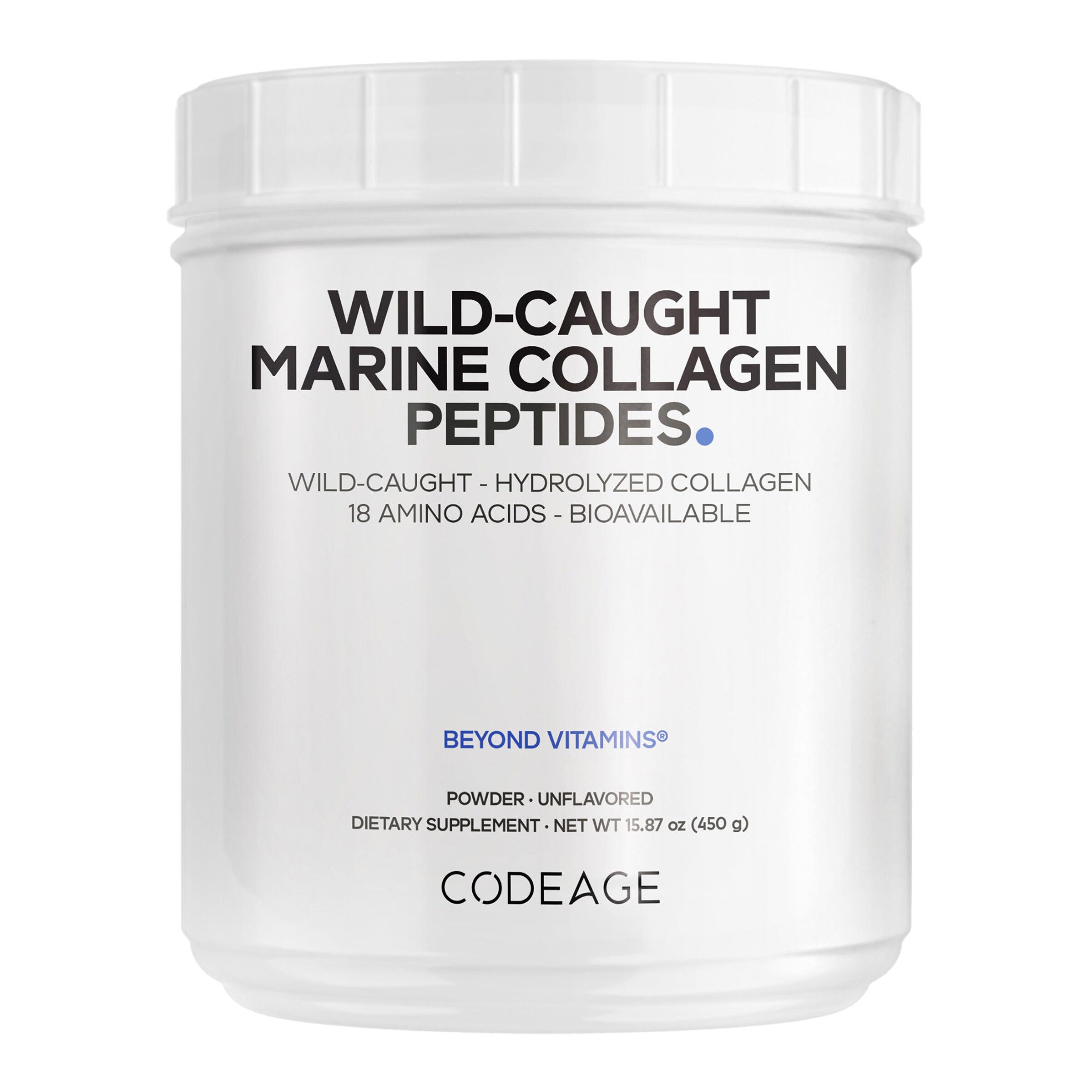
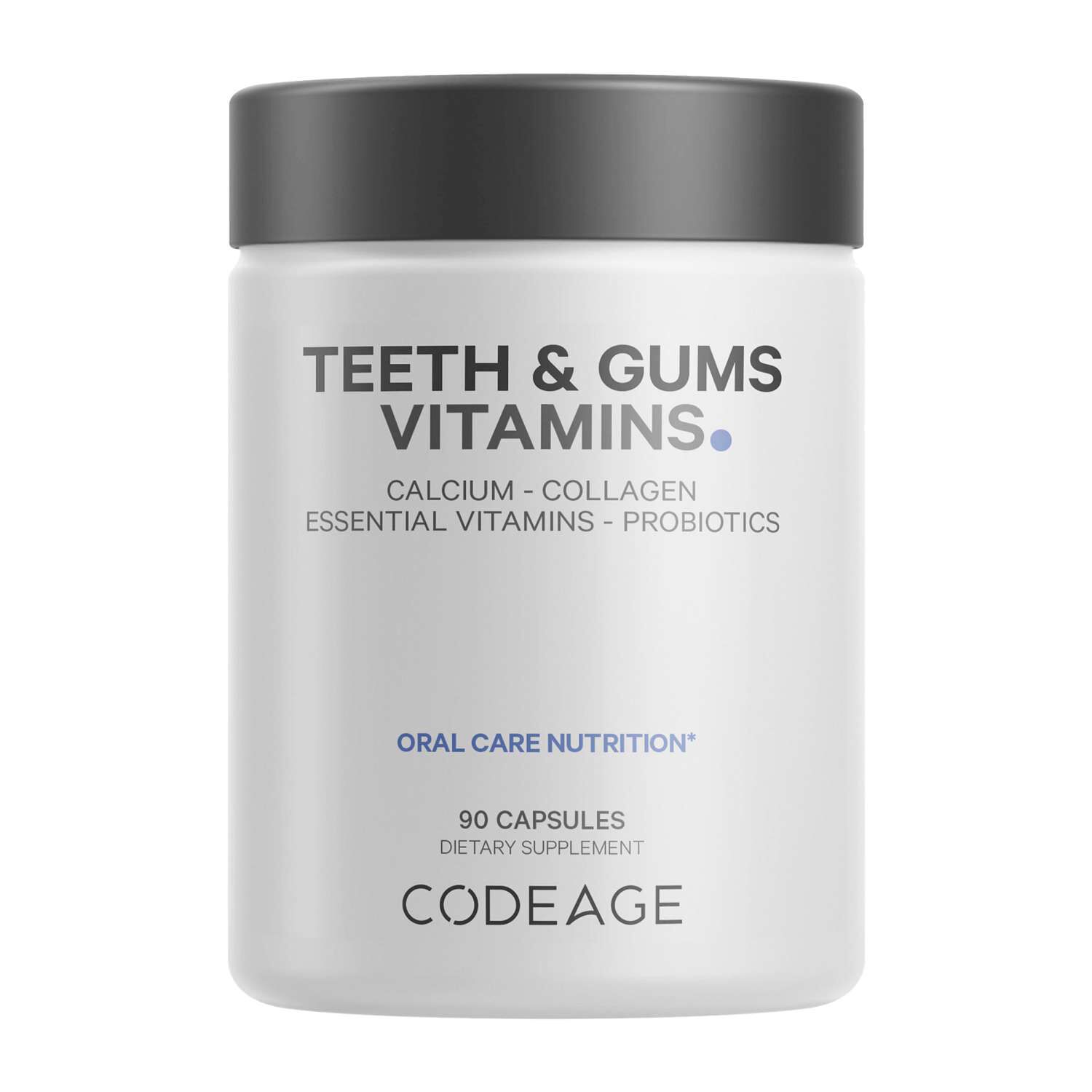
Collagen protein supplements bring an animal-derived protein into powders, capsules, tablets, and other formats designed for everyday routines. Collagen is a structural protein found naturally in skin, cartilage, tendons, ligaments, and other connective tissues. Supplemental collagen commonly comes from bovine, porcine, chicken, or marine sources, and the source matters for dietary preferences as well as ingredient transparency. Bovine collagen typically comes from cattle hides or other connective tissues, while marine collagen often comes from fish skin. These origins make conventional collagen supplements different from plant-based protein powders: a formula described as supporting collagen production is not necessarily a source of collagen itself. Many collagen powders contain hydrolyzed collagen, also called collagen peptides, which has been processed into smaller protein fragments. The terms “hydrolyzed collagen” and “collagen peptides” often describe the same ingredient format rather than two separate categories. Collagen contains amino acids such as glycine and proline, but its amino acid profile differs from whey, milk, egg, soy, and other dietary proteins. It lacks tryptophan and contains relatively little leucine, making it distinct from the proteins commonly chosen for muscle-focused nutrition. That distinction matters when comparing a scoop of collagen with a scoop of another protein powder: similar protein amounts on a label do not mean the two have identical nutritional roles. Collagen is better considered one part of a varied eating pattern than a substitute for a range of protein-containing foods. For adults interested in beauty-oriented nutrition, some collagen peptide formulas may support skin hydration and elasticity, although individual experiences may vary. The ingredient source, serving amount, and overall formula deserve more attention than broad language on the front of a container. Shoppers comparing Collagen And Protein Supplements will find that collagen-only formulas and blends with other proteins represent different approaches, with differences in texture, amino acid composition, and intended use.
Choosing among collagen protein formats often comes down to how a supplement fits into an ordinary day. A powder offers a different experience from capsules: it becomes part of a beverage or food, while capsules require no mixing but may contain a smaller amount of collagen per labeled serving. The number of capsules in a serving is therefore just as relevant as the amount printed on the front panel. With powders, the weight of a scoop and the grams of protein are separate measurements, especially when a formula also includes flavorings, sweeteners, vitamins, or other ingredients. A clearly stated collagen amount makes comparisons more meaningful than container size alone. Unflavored powders suit shoppers who prefer to keep a familiar beverage’s character, although “unflavored” does not necessarily mean no detectable taste or aroma. Source ingredients and processing methods influence those sensory details. Flavored options bring their own profile, from vanilla-style notes suited to a breakfast smoothie to fruit flavors intended for mixing with water. A plain collagen peptide powder also differs from gelatin, another collagen-derived ingredient: gelatin forms a gel under appropriate preparation conditions, while hydrolyzed collagen peptides generally do not. That difference is useful when considering yogurt, oatmeal, or other foods where consistency matters. Preparation directions provide the most relevant starting point for liquid amounts and mixing methods. A spoon, shaker bottle, or blender offers a different degree of agitation, and the finished texture depends on the full recipe, not simply the collagen ingredient. For someone heading from breakfast to a commute, a measured serving mixed into a familiar drink may be a practical format; someone who prefers not to alter beverages may favor a capsule format. Neither choice automatically indicates a more suitable formula. Flavor preferences, serving size, dietary restrictions, and the willingness to measure or mix a powder all shape whether a format feels manageable beyond the first few uses.
A closer look at the label adds useful context to collagen protein supports, particularly when formulas combine collagen with additional nutrients. Vitamin C appears in some blends, while others contain biotin, minerals, or ingredients selected for beauty-oriented nutrition. Their presence changes the formula, but a longer ingredient list does not by itself establish a better match for a shopper’s preferences. The amount of each listed nutrient and its overlap with other daily supplements are relevant comparison points. Collagen type is another detail worth understanding. Types I and III commonly appear in bovine-derived ingredients, while type II is associated with cartilage-derived ingredients. Type numbers identify forms of collagen; they are not a ranking of quality or strength. Hydrolyzed collagen and undenatured collagen also describe different ingredient preparations, so their serving amounts are not interchangeable comparison measures. Source disclosures are particularly important for shoppers avoiding fish or other animal ingredients, and the allergen statement offers information that a flavor name or package design cannot convey. Sweeteners, added sugars, colors, and additional proteins also deserve attention when matching a formula to a preferred eating pattern. Clear serving directions, readable ingredient information, and accessible details about testing provide a more concrete basis for evaluating a supplement than dramatic package language. Practical storage matters as well. A powder container belongs in the conditions specified on its label, with the closure secured between uses and a clean, dry scoop kept away from moisture. Capsules and tablets likewise require attention to the stated storage directions and expiration date. Packaging that closes securely and fits comfortably in a cupboard may be more convenient than a larger container that is awkward to handle. Individually portioned formats offer a different option for adults who prefer a serving already measured for a gym bag or desk drawer. For a gift recipient, known flavor preferences and dietary choices matter more than an assumption about their goals, making collagen a more personal purchase than a generic fitness accessory. Across formats, the most meaningful distinctions remain straightforward: where the collagen comes from, how much a serving contains, what else is included, and how naturally the preparation fits the intended routine.
Best Sellers
-
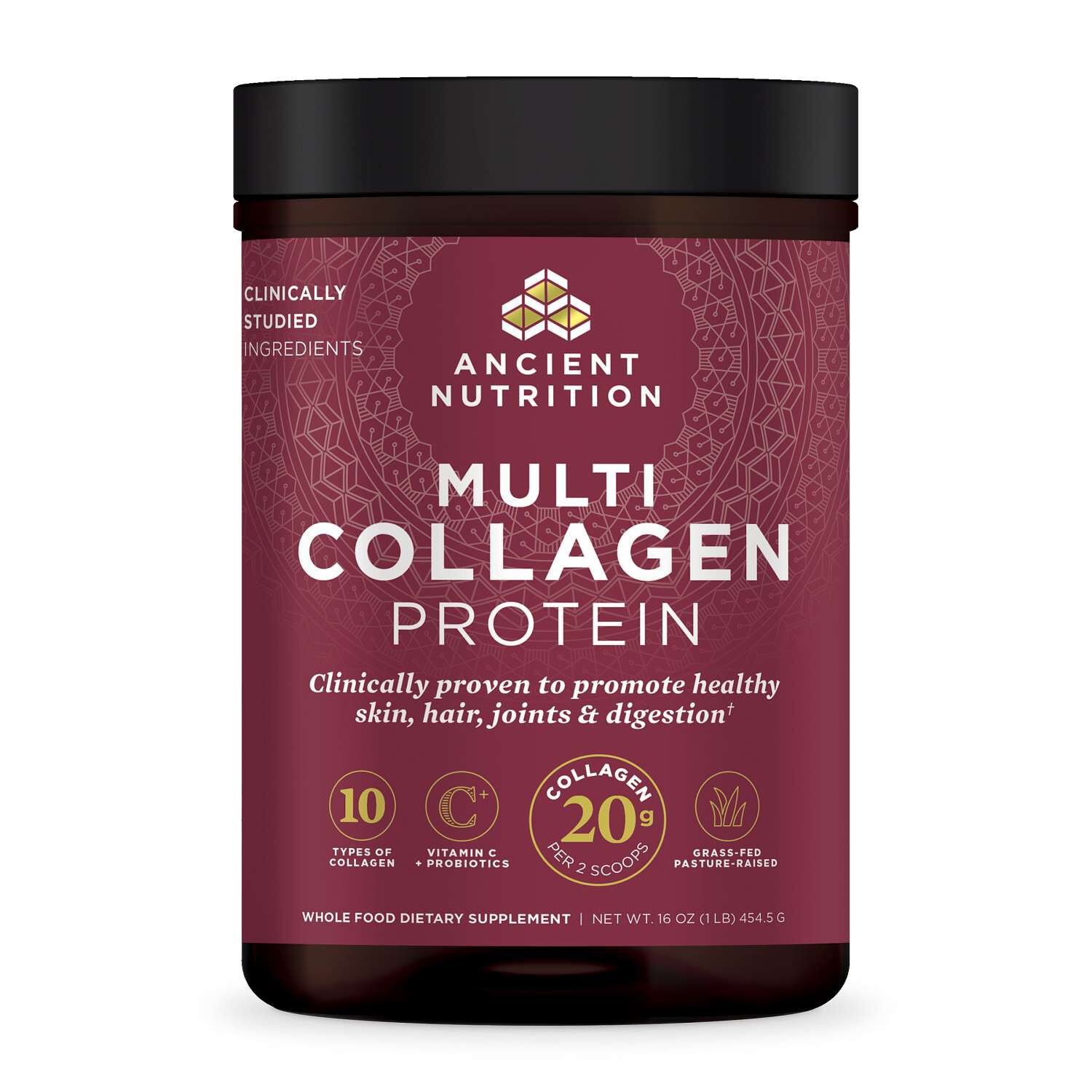 Ancient Nutrition
 -
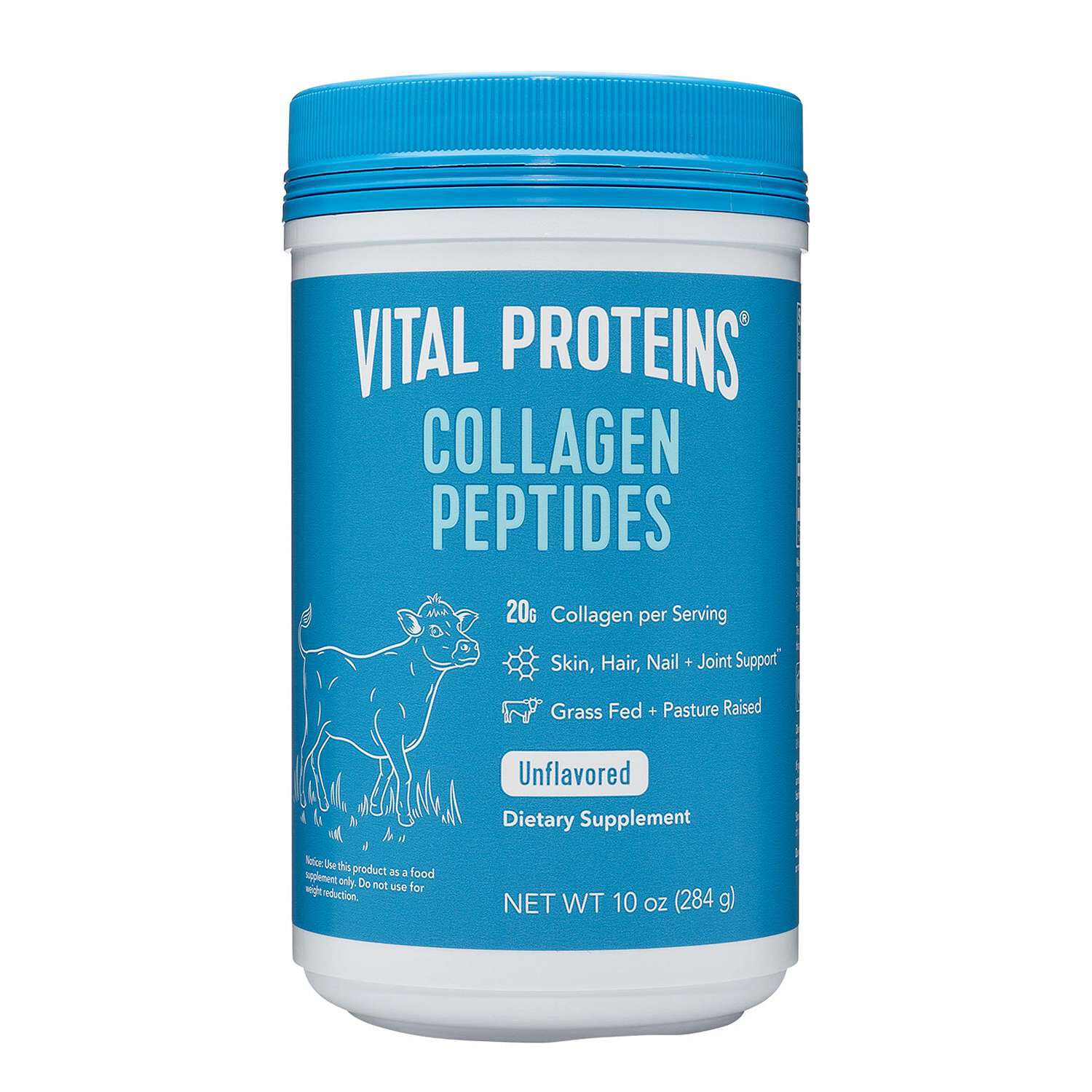 Vital Proteins