





Collagen Peptide Powders For Oatmeal
(0 Results)
Collagen peptide powders for oatmeal could be a convenient way to enhance your morning routine. These versatile powders blend seamlessly into your favorite oatmeal recipes, offering a simple addition to your daily wellness habits. Whether you enjoy overnight oats or a warm bowl to start the day, collagen peptide powders for oatmeal may fit easily into your lifestyle. Explore a variety of options that might complement both the taste and texture of your breakfast.
-
-
-
-
-
-

-
-

-

-
-
-

-

-

-

-

-
-
 44$44.99
 -

-
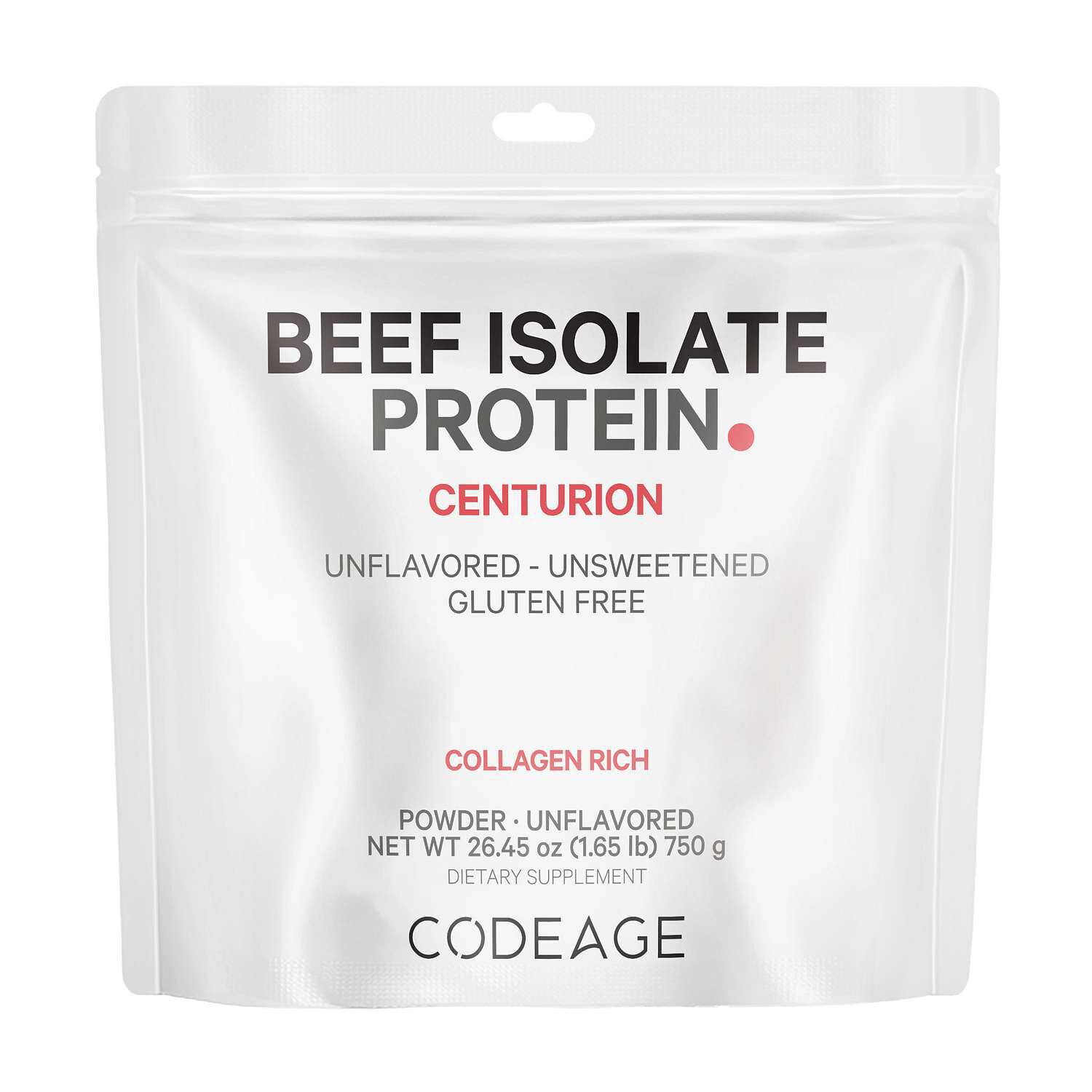
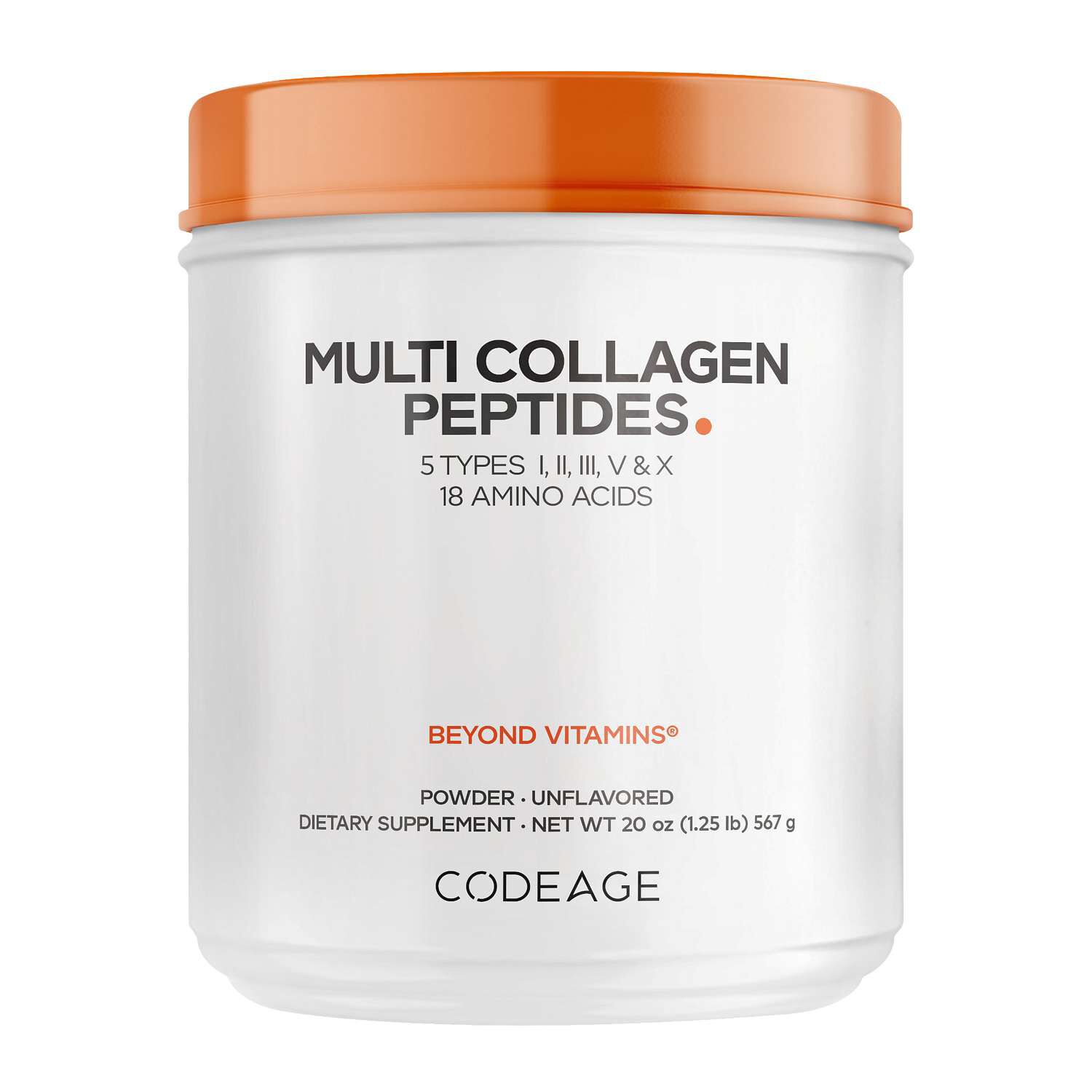
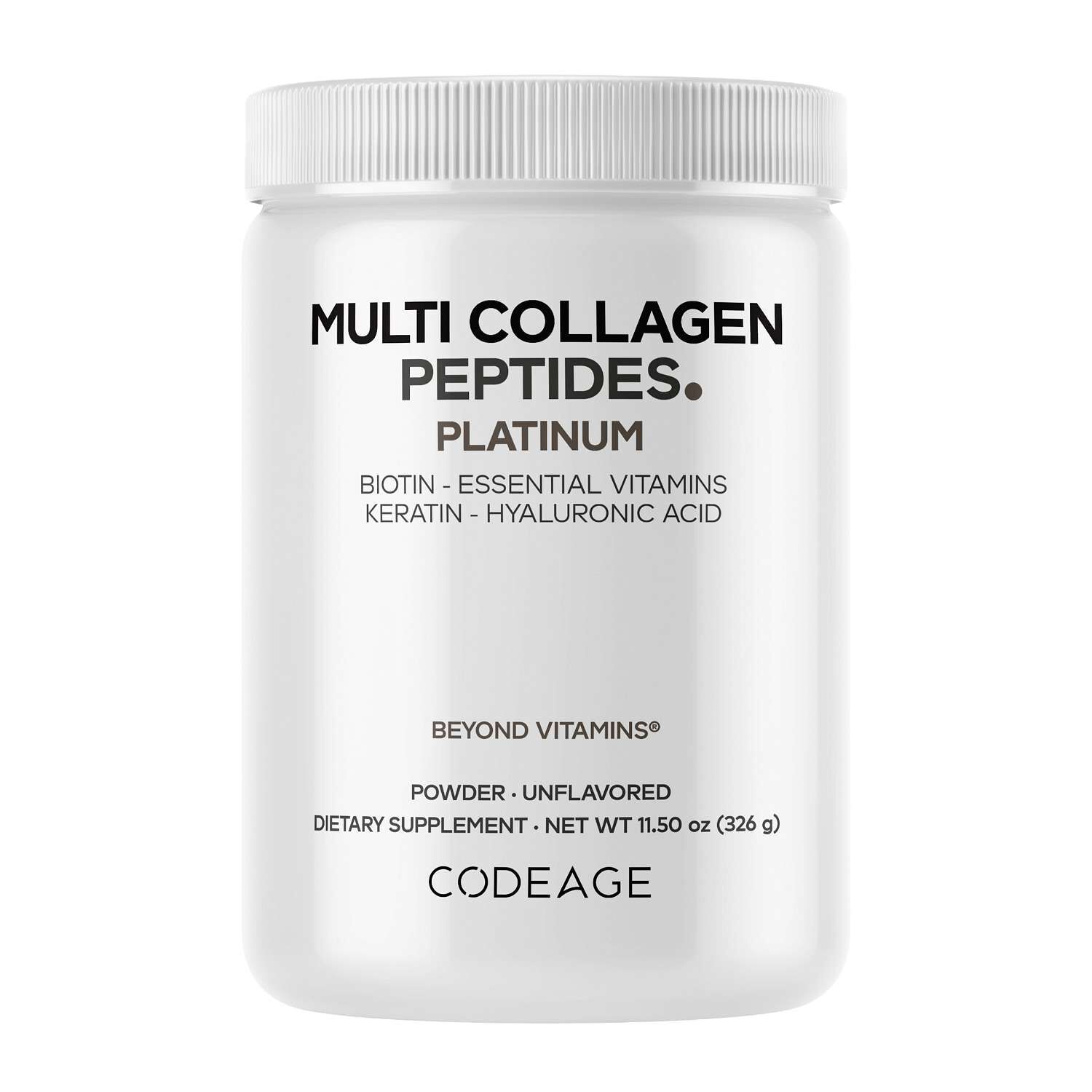
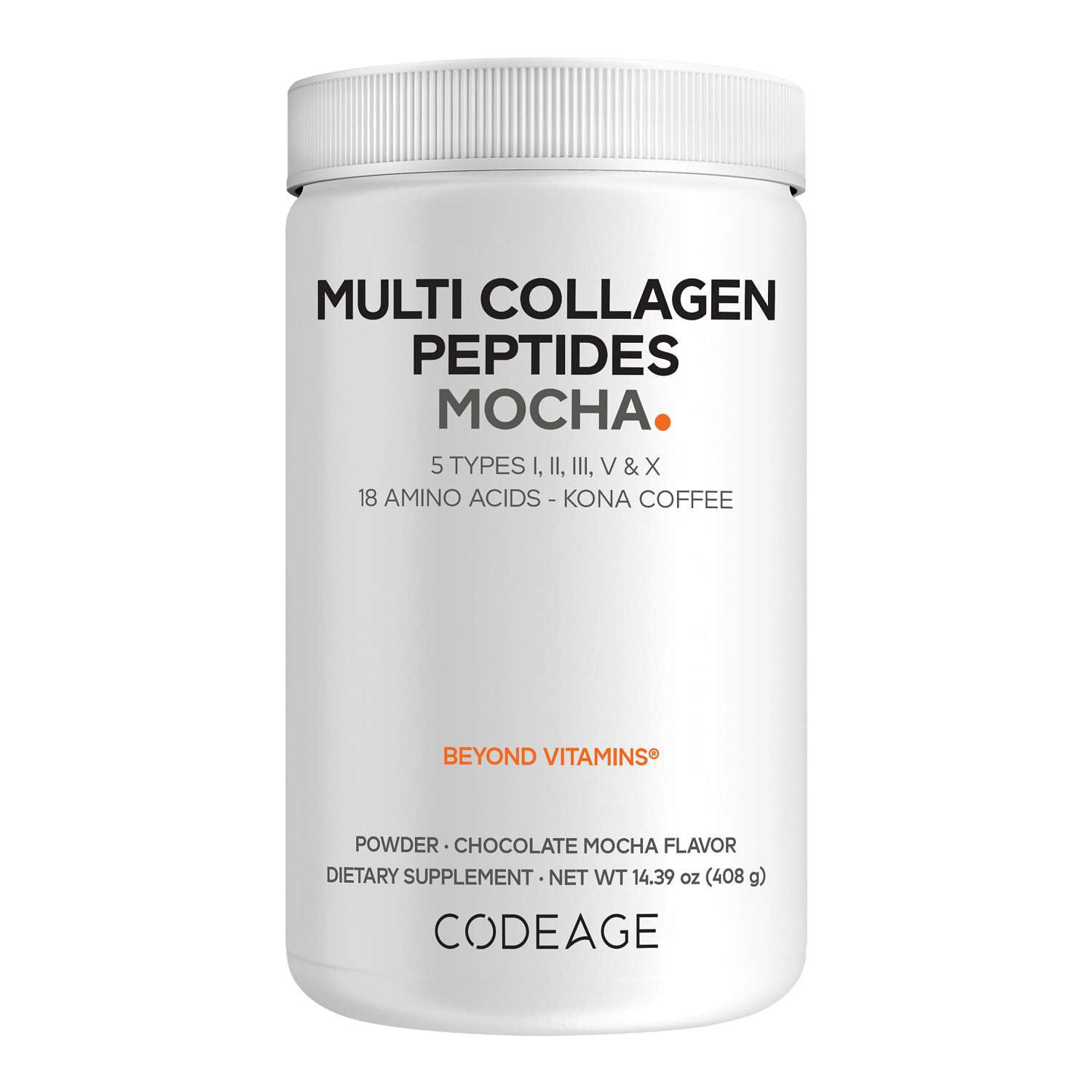

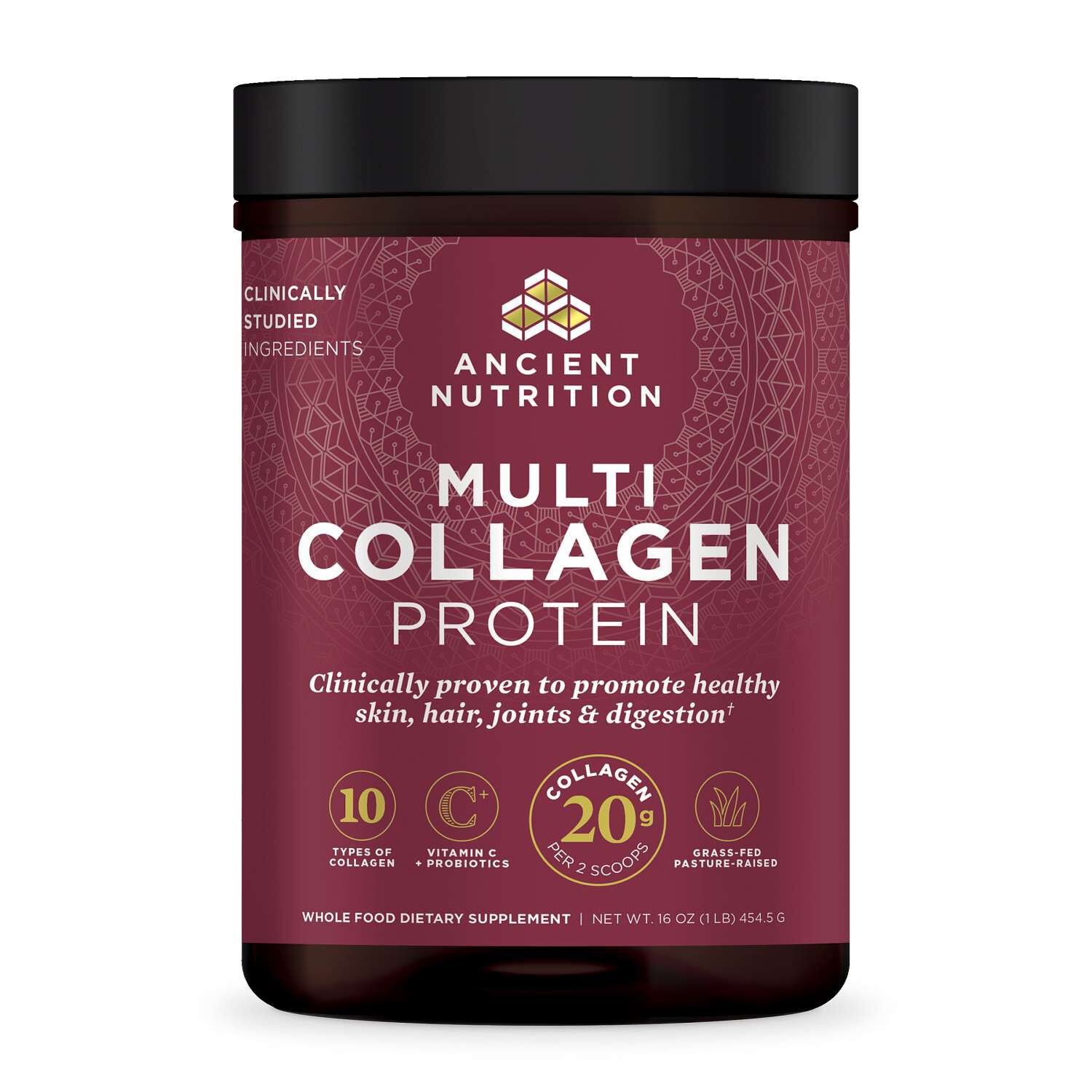
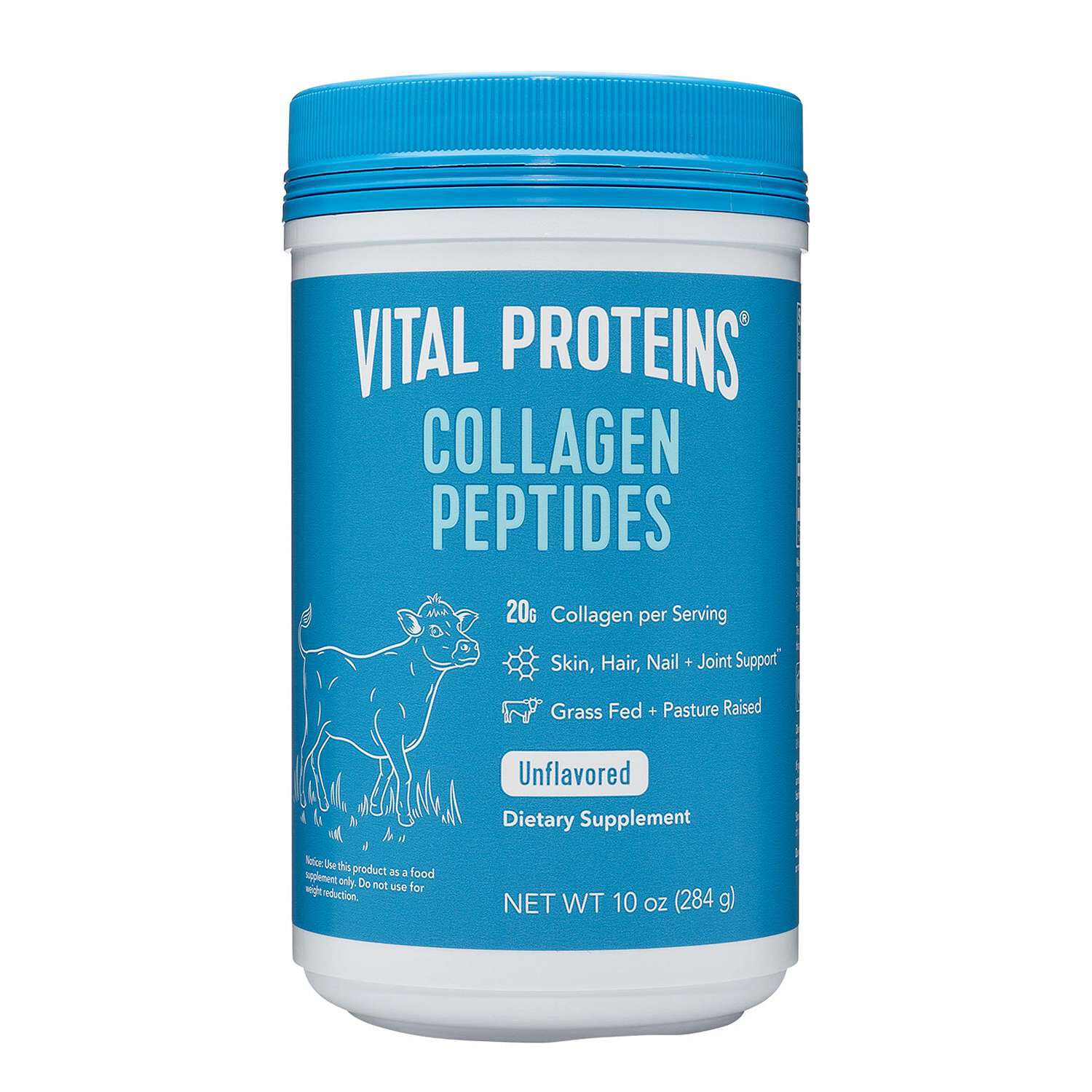
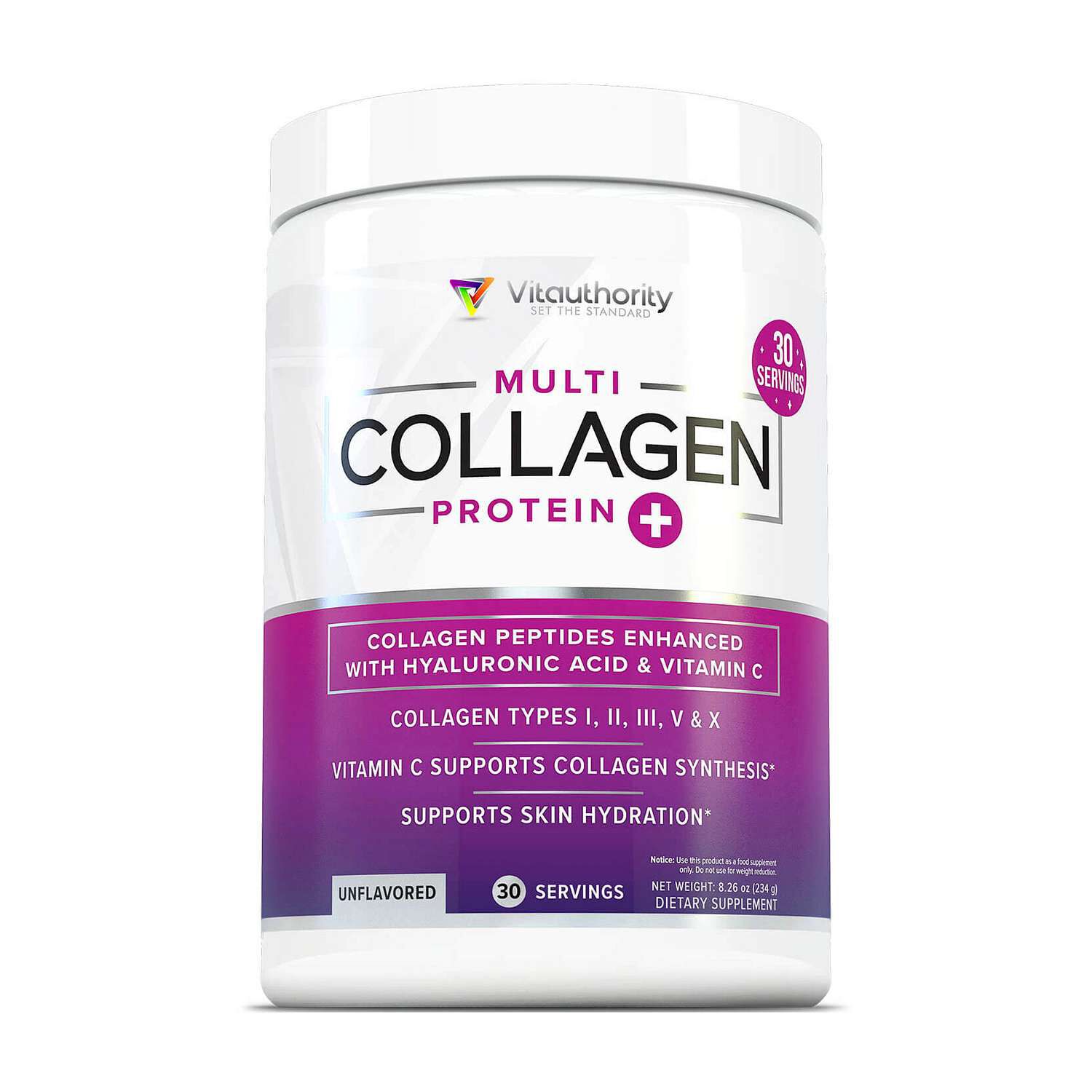
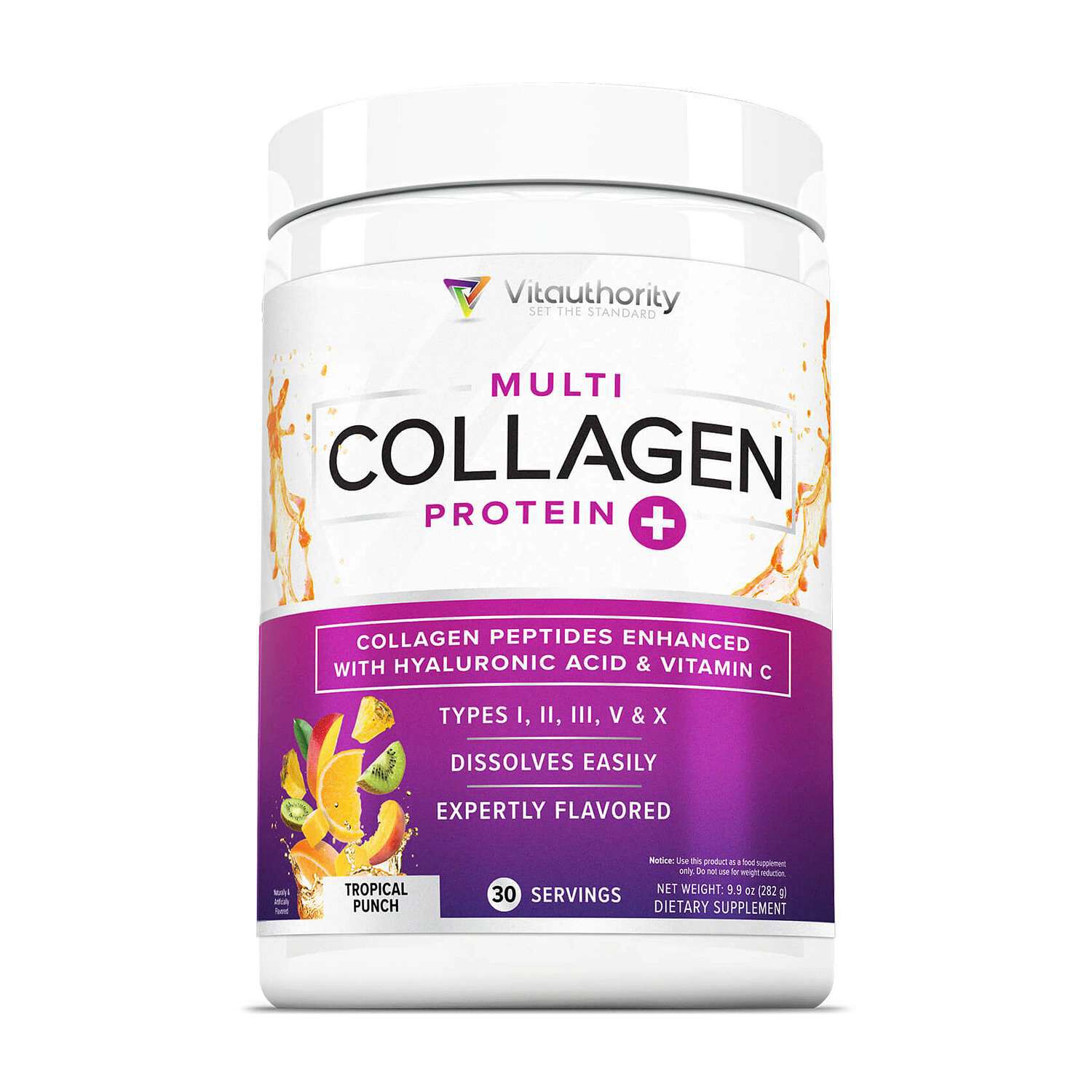
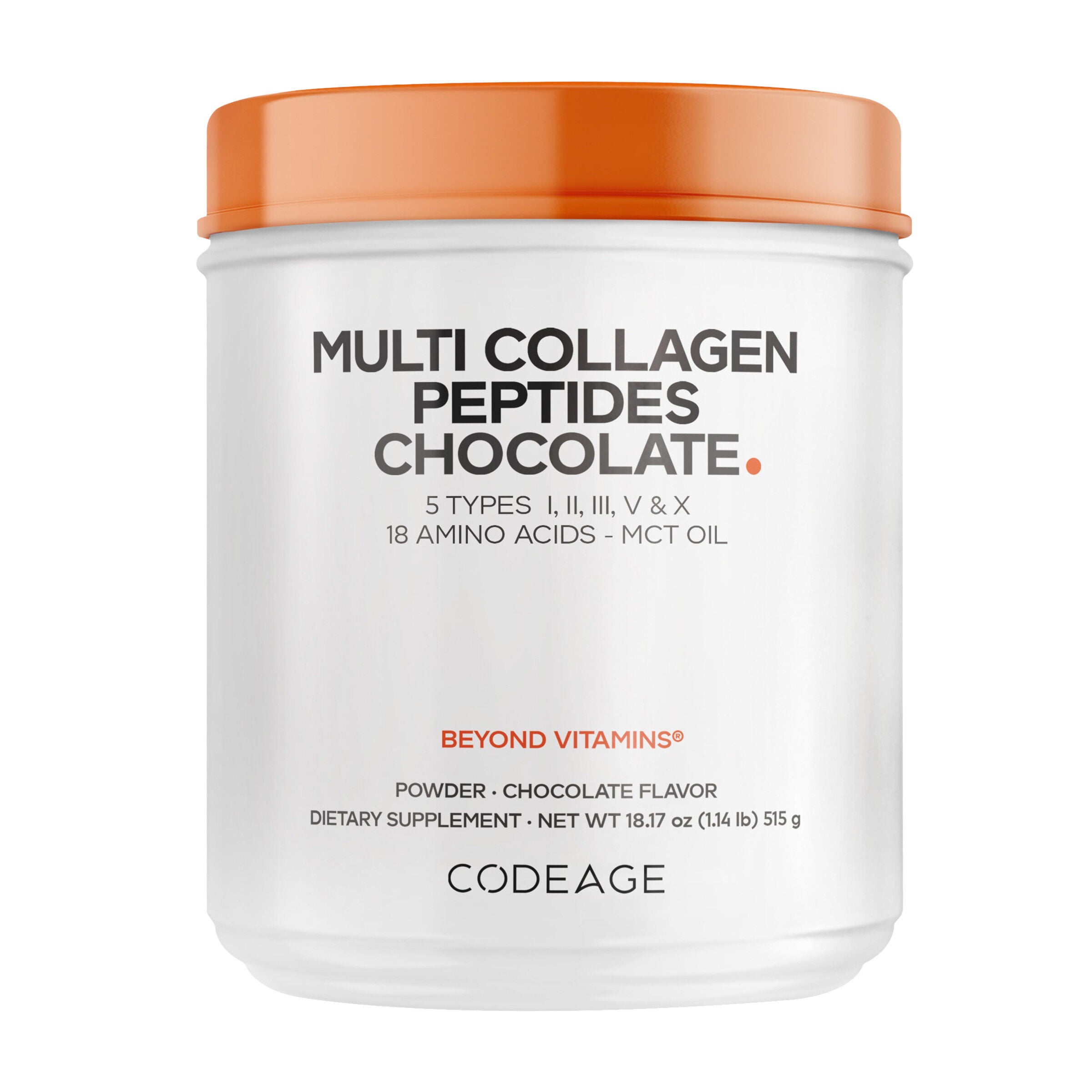
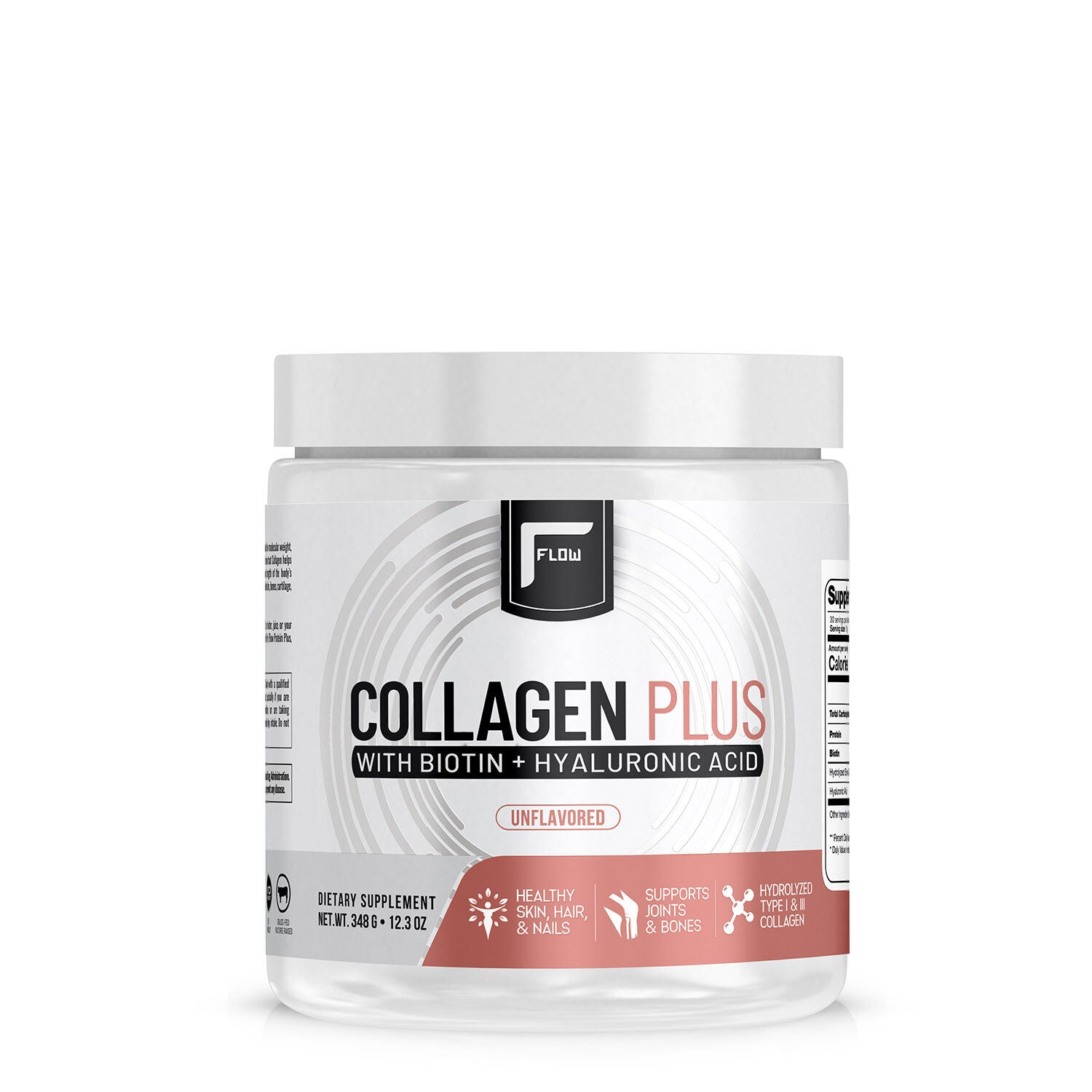
Collagen peptide powders for oatmeal offer a mix-in option for shoppers who want to add collagen to a familiar breakfast rather than prepare a separate drink. These powders contain collagen that has been broken down into smaller protein fragments through a process called hydrolysis. Depending on the formula and preparation method, collagen peptides may disperse into cooked oats or an overnight oat mixture with relatively little change to the finished bowl. Unflavored varieties may work particularly well with oatmeal because they leave room for ingredients such as cinnamon, sliced banana, toasted pecans, or a spoonful of almond butter. Unflavored does not necessarily mean undetectable, however; the source, serving size, and other ingredients may influence aroma, taste, and mouthfeel. A lightly seasoned bowl made with water has a different flavor backdrop than oats prepared with milk and topped with cocoa and berries. For shoppers who prefer a more defined flavor, vanilla or chocolate formulas may complement familiar toppings, although sweeteners and flavorings deserve a closer look on the label. The most useful comparison is not simply whether a powder contains collagen, but how its serving size, protein content, ingredient list, and preparation directions fit the oatmeal someone already enjoys. Protein grams and collagen grams are different label measurements, so each deserves its own attention. Scoop sizes also vary between formulas; a scoop from one container is not a reliable measure for another. Collagen has a different amino acid profile from proteins such as milk, soy, or eggs, and those sources are not nutritionally interchangeable. That distinction matters when comparing collagen powders with other breakfast mix-ins. A bowl can still include oats, fruit, nuts, seeds, yogurt, or other foods according to personal preferences. The powder is one component of the meal, not a substitute for its variety. This makes the category relevant to people who already use collagen and want a breakfast format that fits their routine.
The collagen source is a central consideration when choosing a powder for oatmeal. Common sources include bovine collagen, derived from cattle, and marine collagen, often derived from fish. Because collagen comes from animal sources, conventional collagen peptide powders do not fit vegetarian or vegan eating preferences. Source information and allergen statements are especially important for shoppers who avoid particular animal ingredients or share a kitchen with someone who does. A marine description alone does not provide every detail about the source; the ingredient list and any accompanying disclosures offer a more useful basis for comparison. Some formulas contain collagen peptides alone, while others include flavorings, sweeteners, vitamins, minerals, or additional ingredients. A shorter ingredient list may appeal to someone who wants control over the flavor of each bowl, while a flavored blend may suit a person who regularly makes the same cocoa or vanilla oatmeal. Neither format is automatically the better match for every breakfast. Powder texture and mixing directions also matter because oatmeal contains less liquid than a beverage. Finely milled peptides may incorporate more evenly when enough moisture is present, but no powder should be expected to behave identically in every recipe. Thick steel-cut oats, soft rolled oats, and finely textured instant oats each provide a different setting for a mix-in. A dense bowl with a generous spoonful of nut butter leaves less loose liquid than a thinner preparation with milk. Stirring behavior can differ accordingly, and the manufacturer's directions remain the reference for intended use. Some powders are labeled for mixing into hot or cold foods, while others provide narrower preparation instructions. For overnight oats, compatibility with cold mixtures is worth checking rather than assuming. There is also a practical difference between stirring powder into an individual serving and adding it to a batch that will be divided among several containers. Clearly stated serving measurements make that distinction easier to manage without relying on the appearance of the finished oatmeal.
Everyday usability extends beyond what happens in the bowl. Container shape, closure design, and serving format all influence how comfortably a collagen powder fits into a breakfast routine. A wide-mouth tub offers room for a scoop, while a resealable pouch occupies a different kind of space in a pantry or drawer. Individual packets provide a premeasured format, although the packet amount still needs to be checked against the labeled serving. For someone who carries oatmeal to an office, a securely closed powder container and a separate oatmeal jar serve different purposes: one holds a dry ingredient, and the other holds prepared food. Collagen powder should be stored according to its label, with attention to the recommended conditions and date markings. A dry utensil and a firmly closed package help limit the introduction of moisture during everyday handling. Prepared oatmeal has its own storage requirements, particularly when milk or yogurt is included; adding a shelf-stable powder does not make the finished meal shelf-stable. Those details are part of choosing a format that suits repeated use, whether breakfast happens at a kitchen table or is packed ahead. Shoppers comparing this category with Collagen Peptide Powders For Clean Eating can use the same concrete criteria: collagen source, ingredient transparency, flavor, serving information, and intended preparation. Descriptive terms on the front of a package do not replace those details. For a shared household, an unflavored option may accommodate different toppings, from diced apples and walnuts to strawberries and plain yogurt. A flavored option may be a closer fit when one person prefers a consistent breakfast with fewer separate additions. The most suitable collagen peptide powder for oatmeal is the one whose labeled ingredients and preparation requirements align with the person using it. That match rests on practical details rather than an expectation that every powder will disappear into every bowl, taste the same, or suit every eating preference.
Best Sellers
-
Ancient Nutrition
-
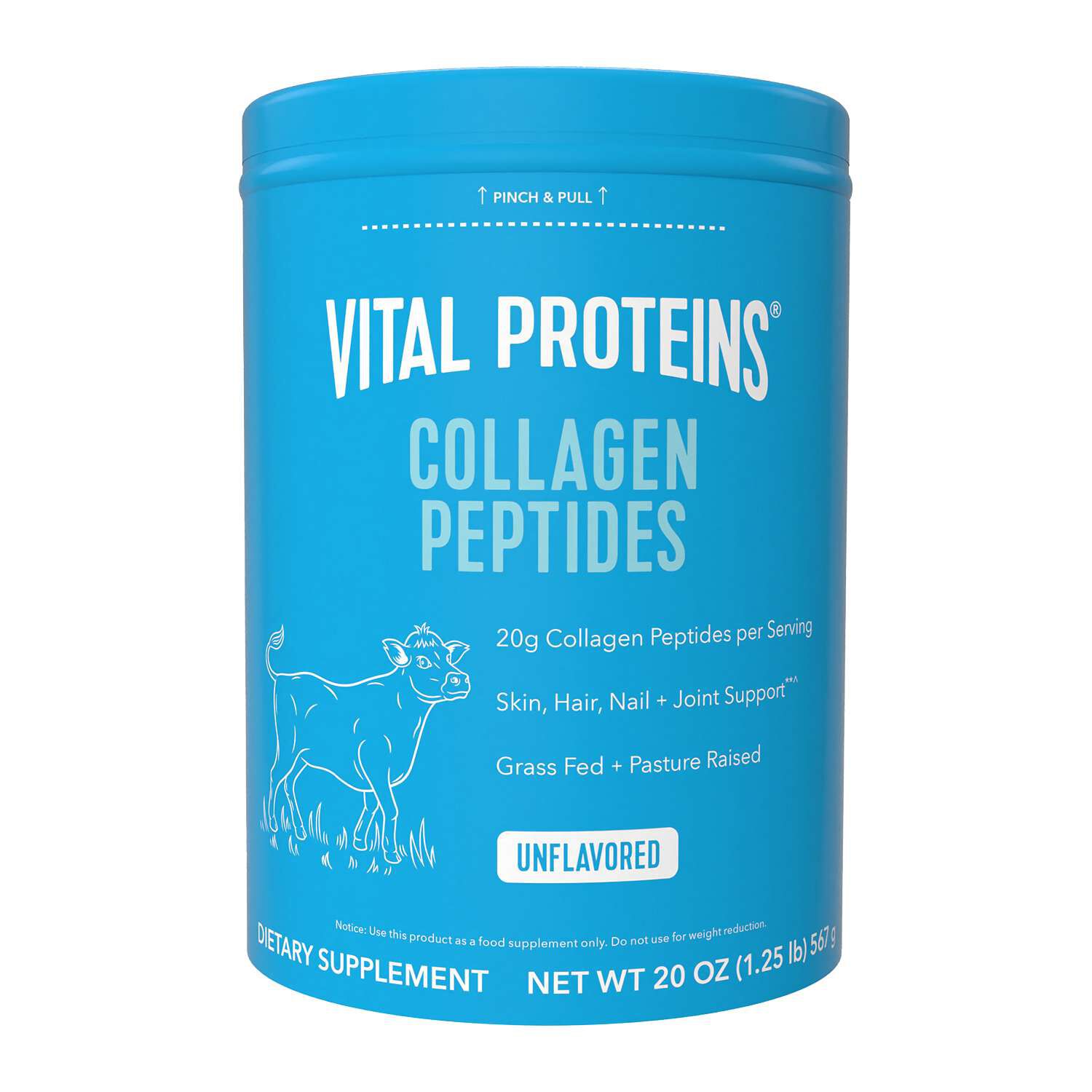
Vital Proteins