





Collagen Peptide Powders For Easy Mixing
(0 Results)
Collagen peptide powders for easy mixing could be a convenient addition to your daily routine, offering a simple way to incorporate collagen into your favorite beverages or recipes. With options designed to blend smoothly, these powders may fit seamlessly into shakes, smoothies, coffee, and more. Explore a variety of collagen peptide powders for easy mixing that might help support your wellness goals with ease and flexibility.
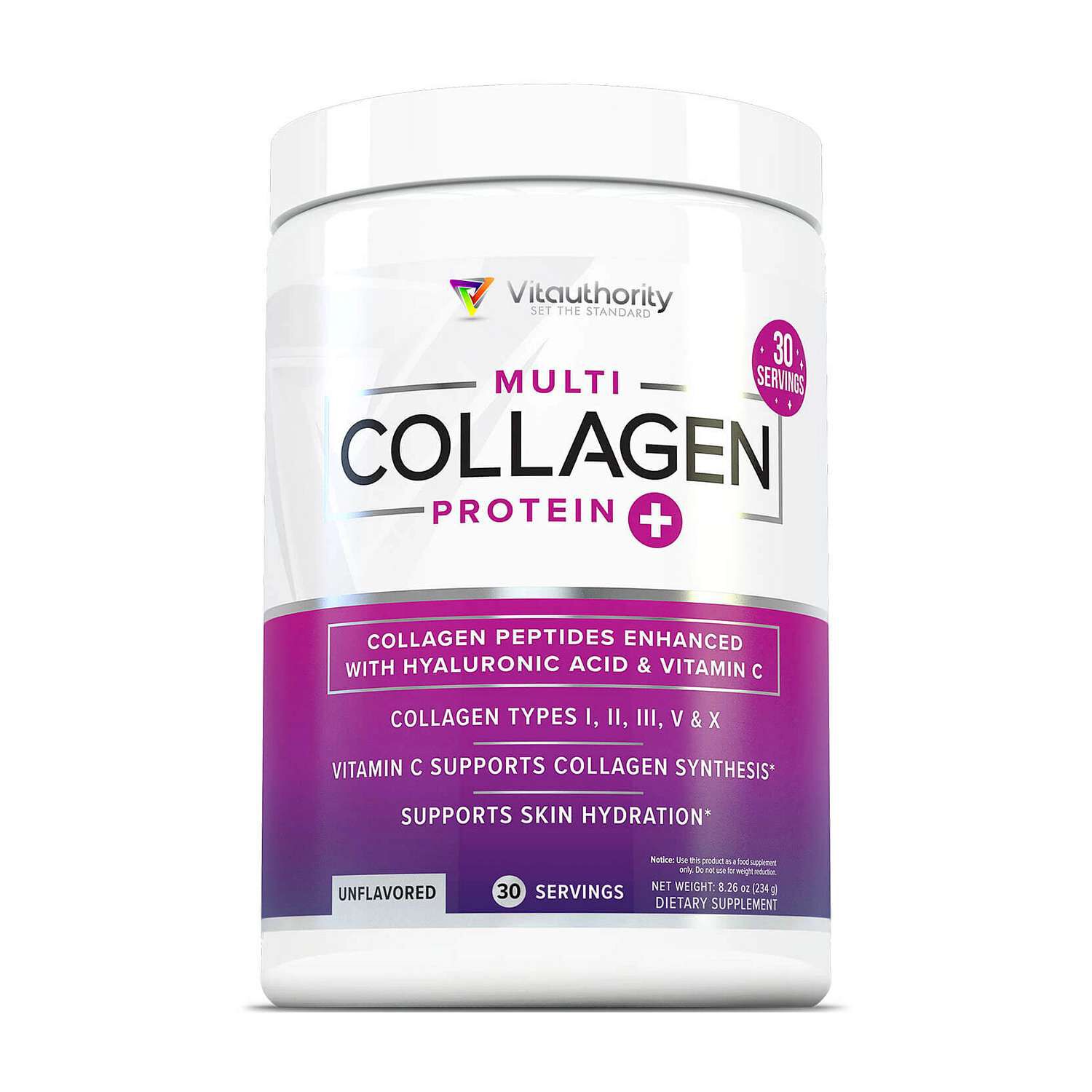
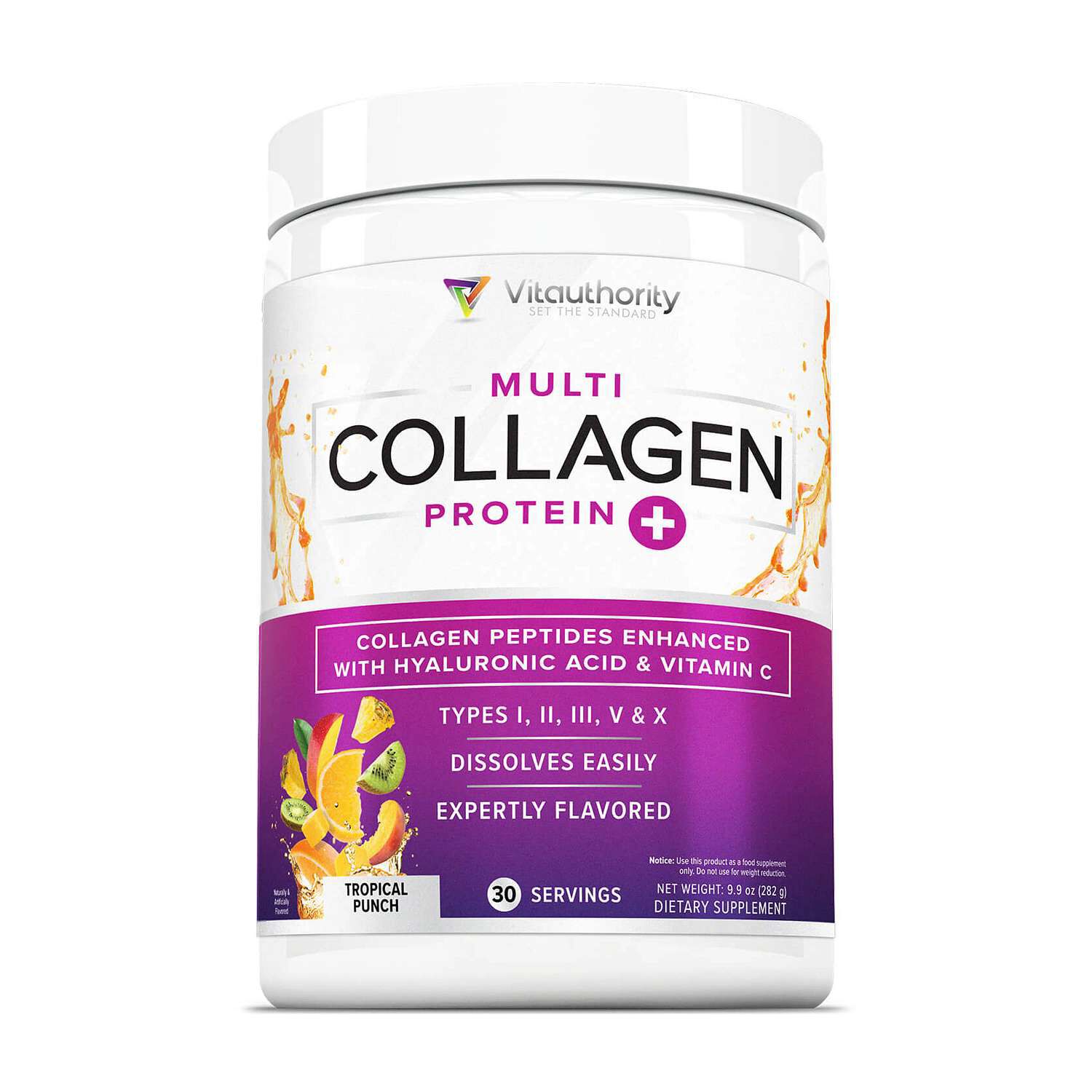
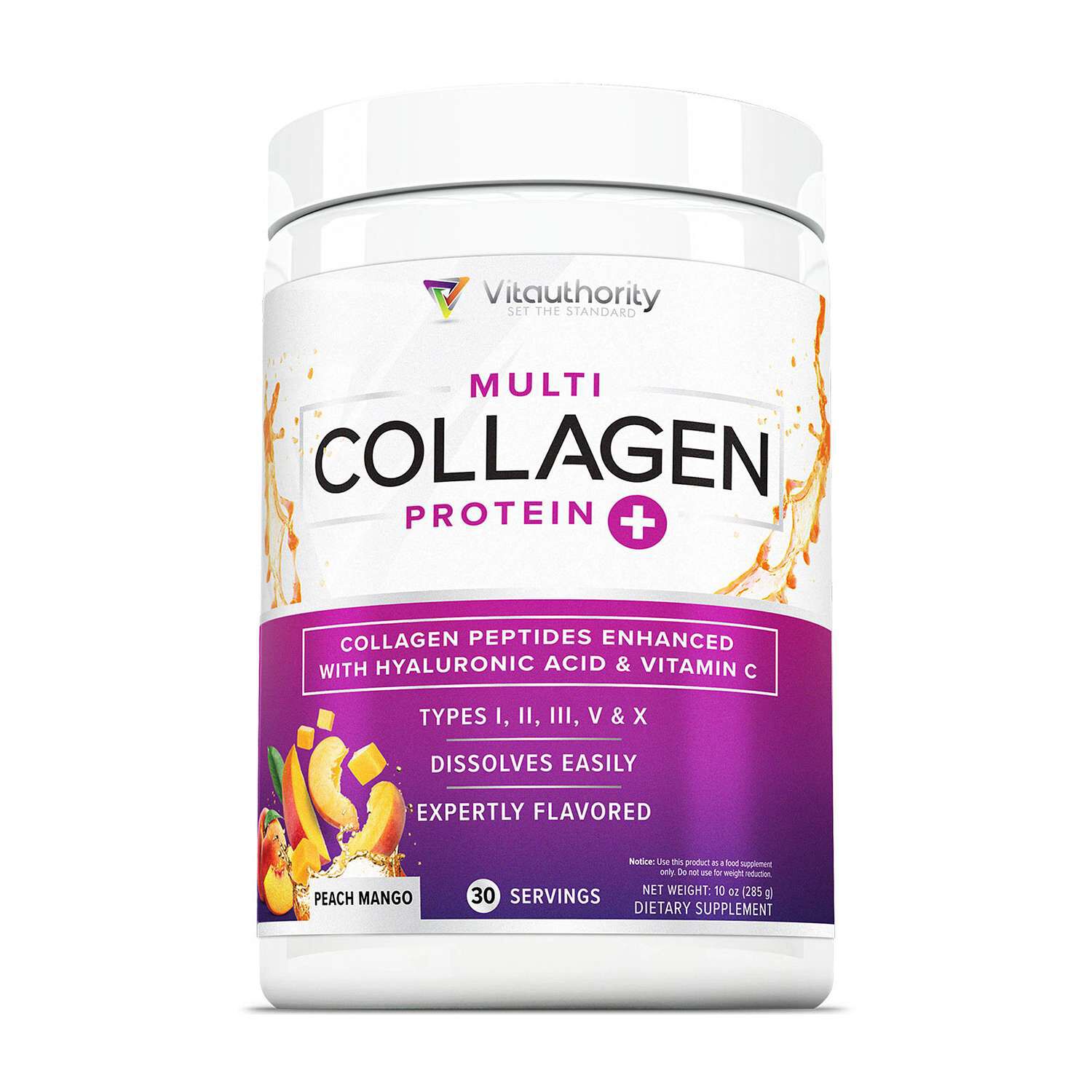

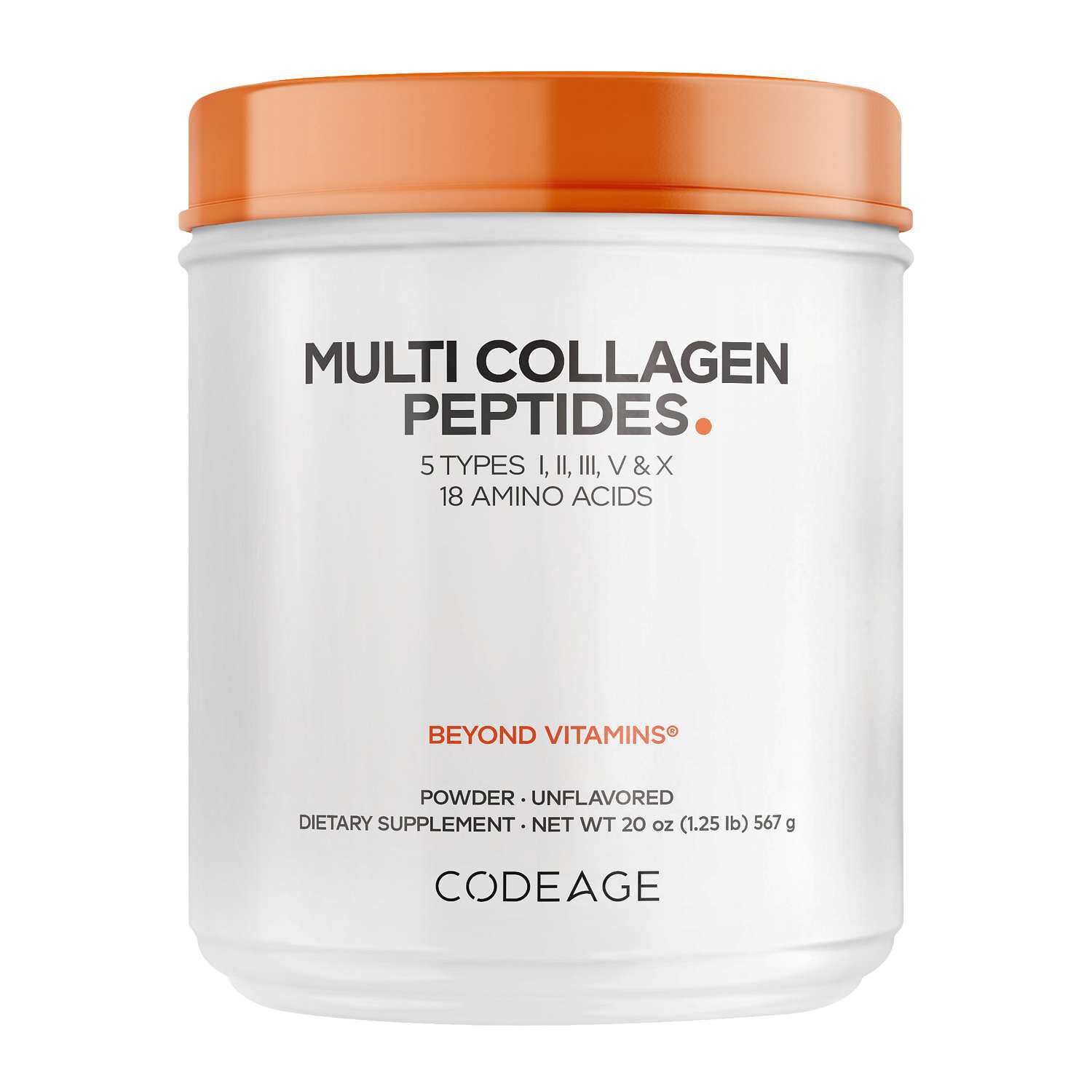


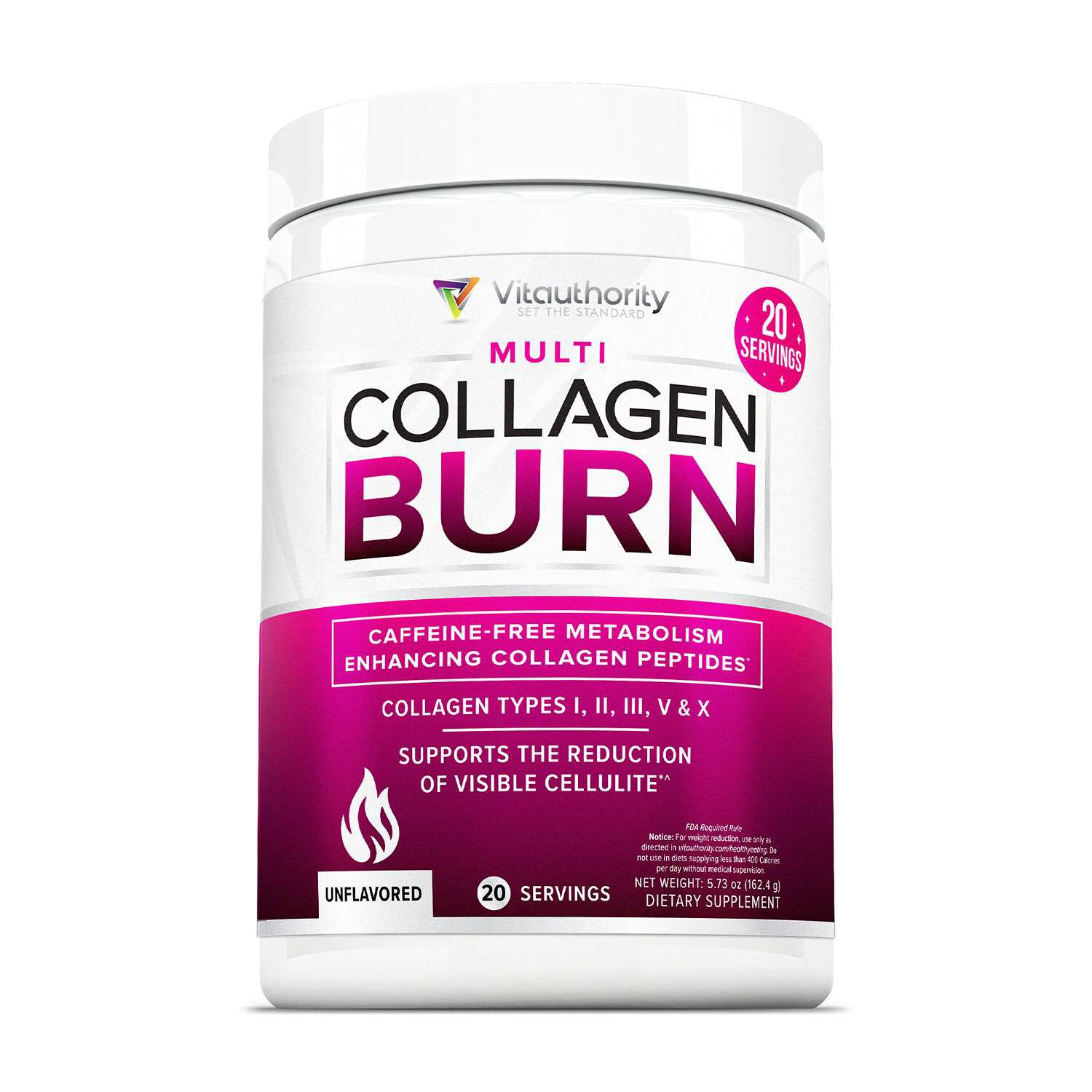
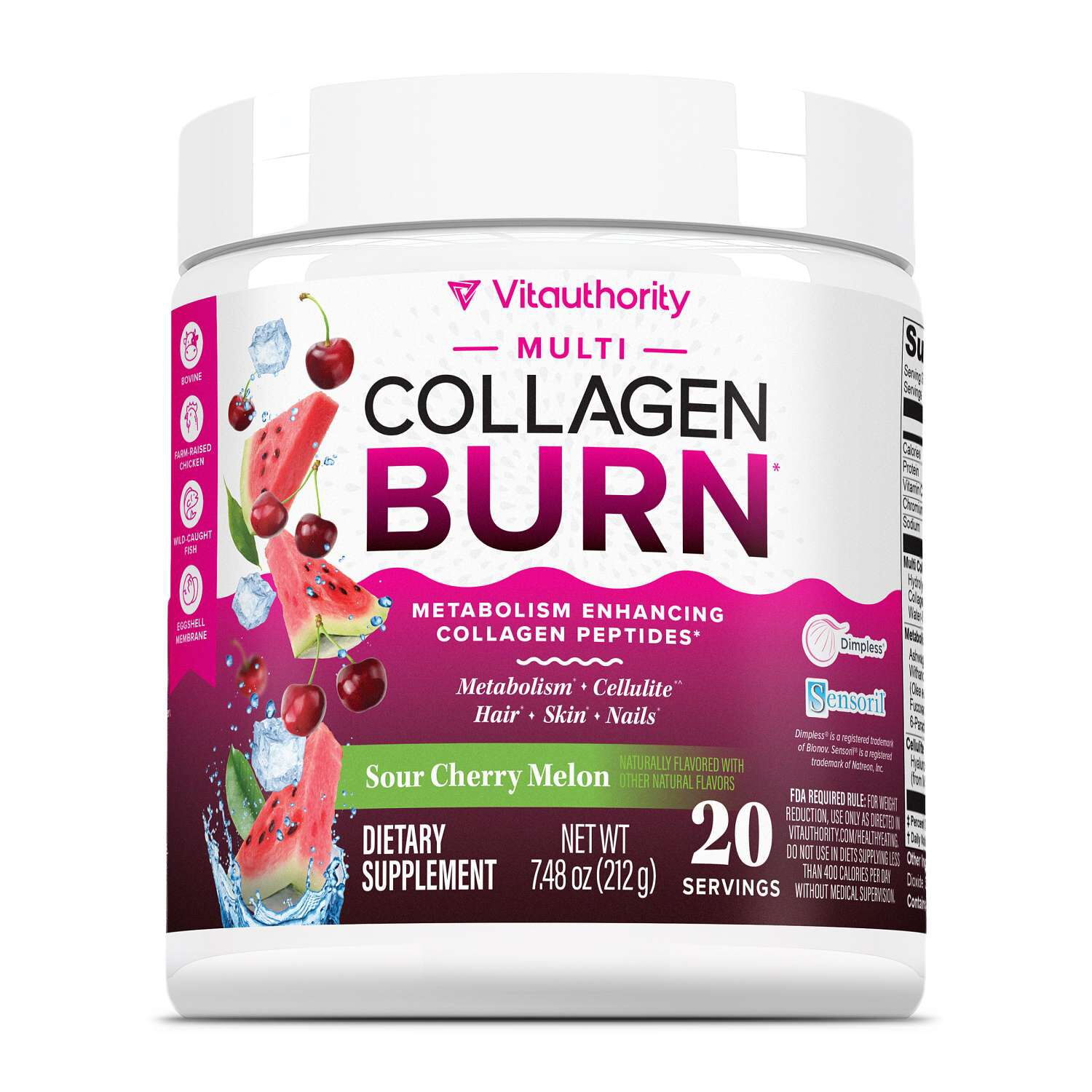
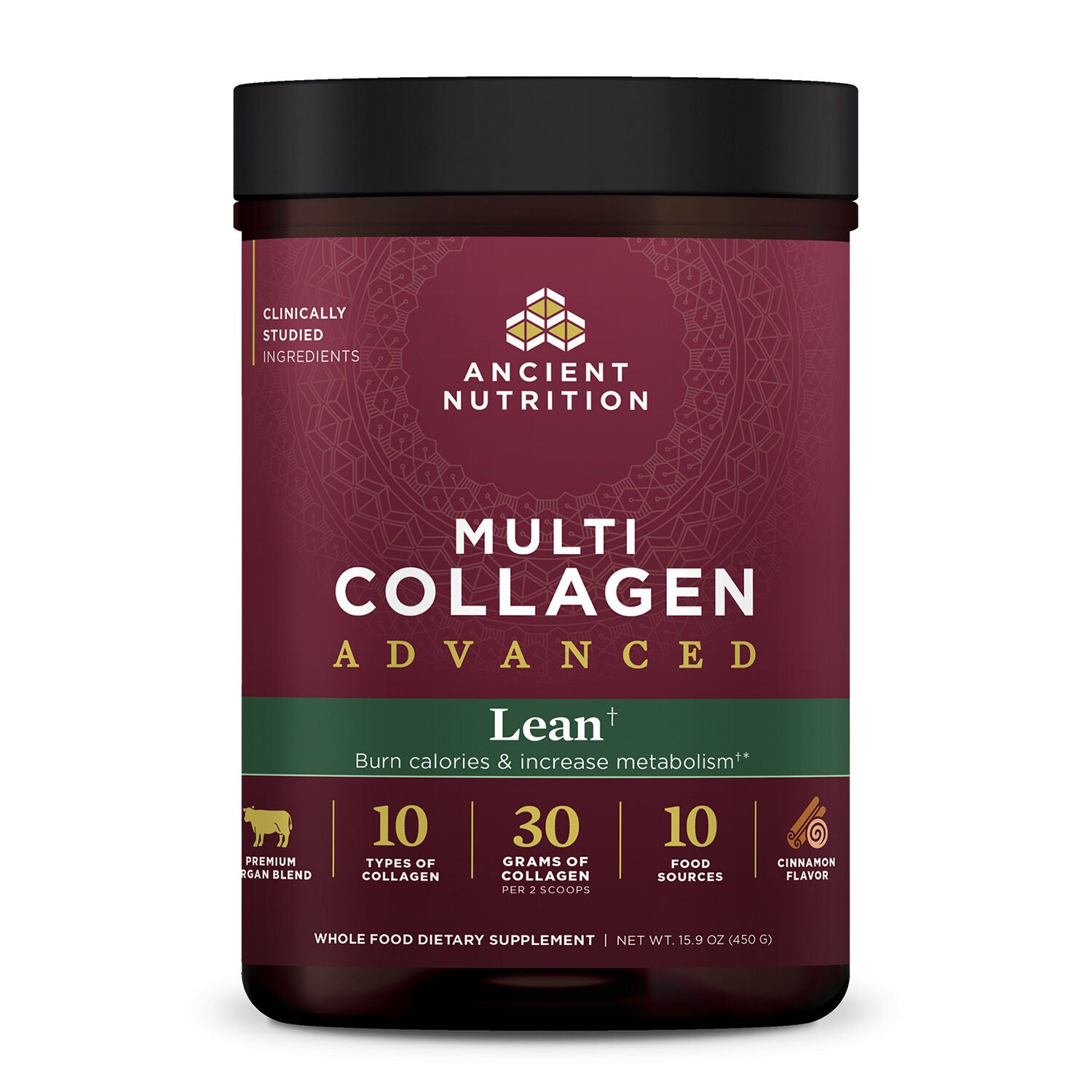
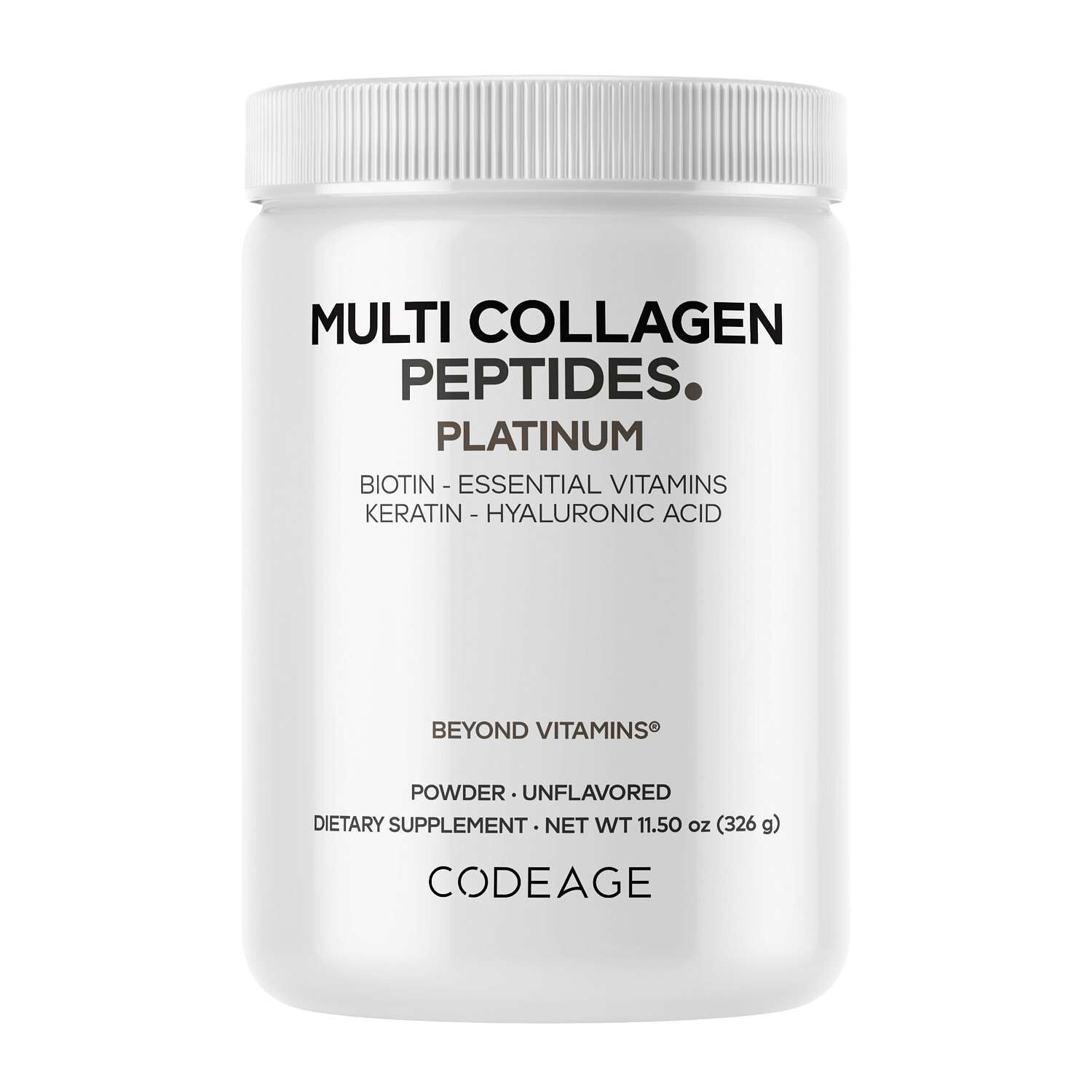
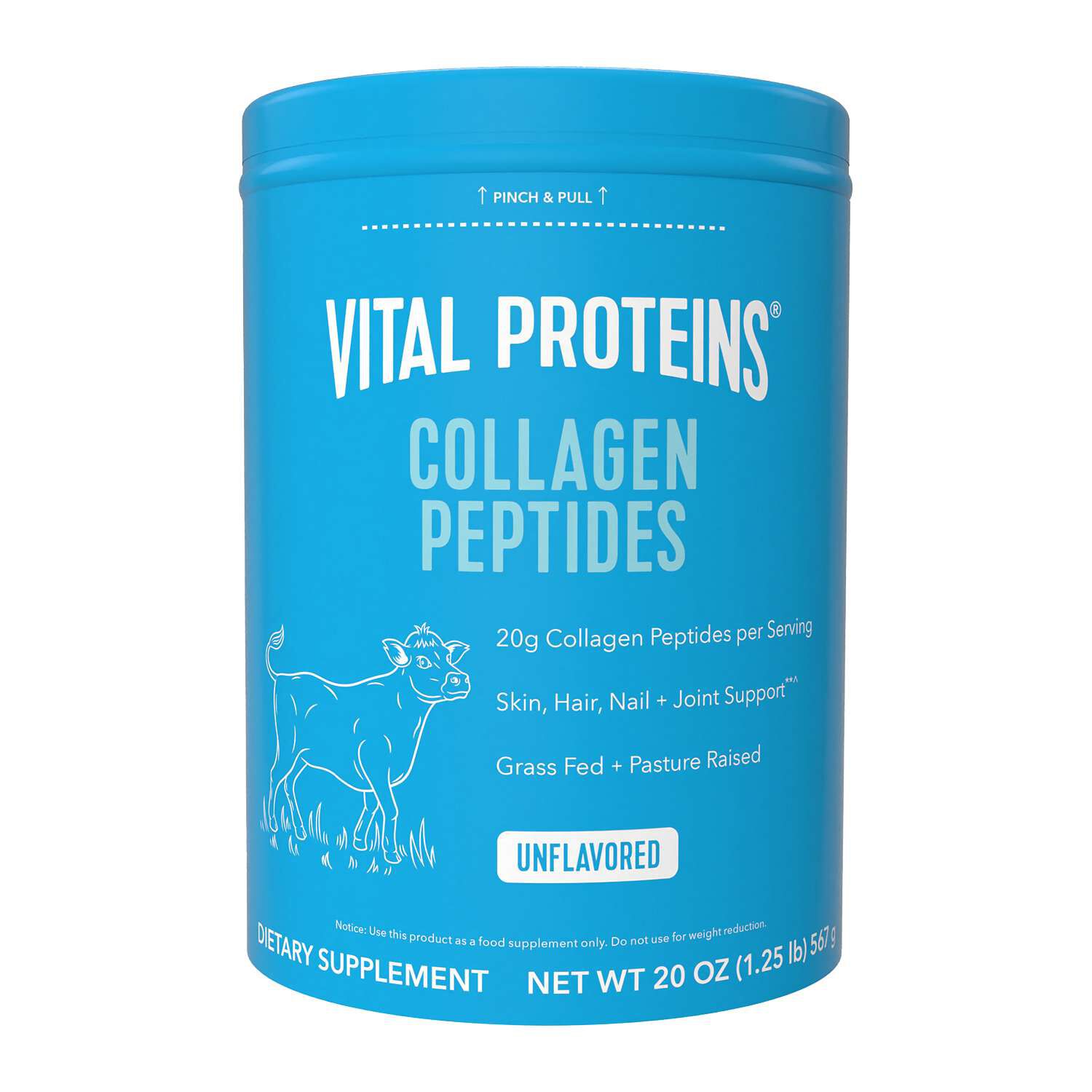


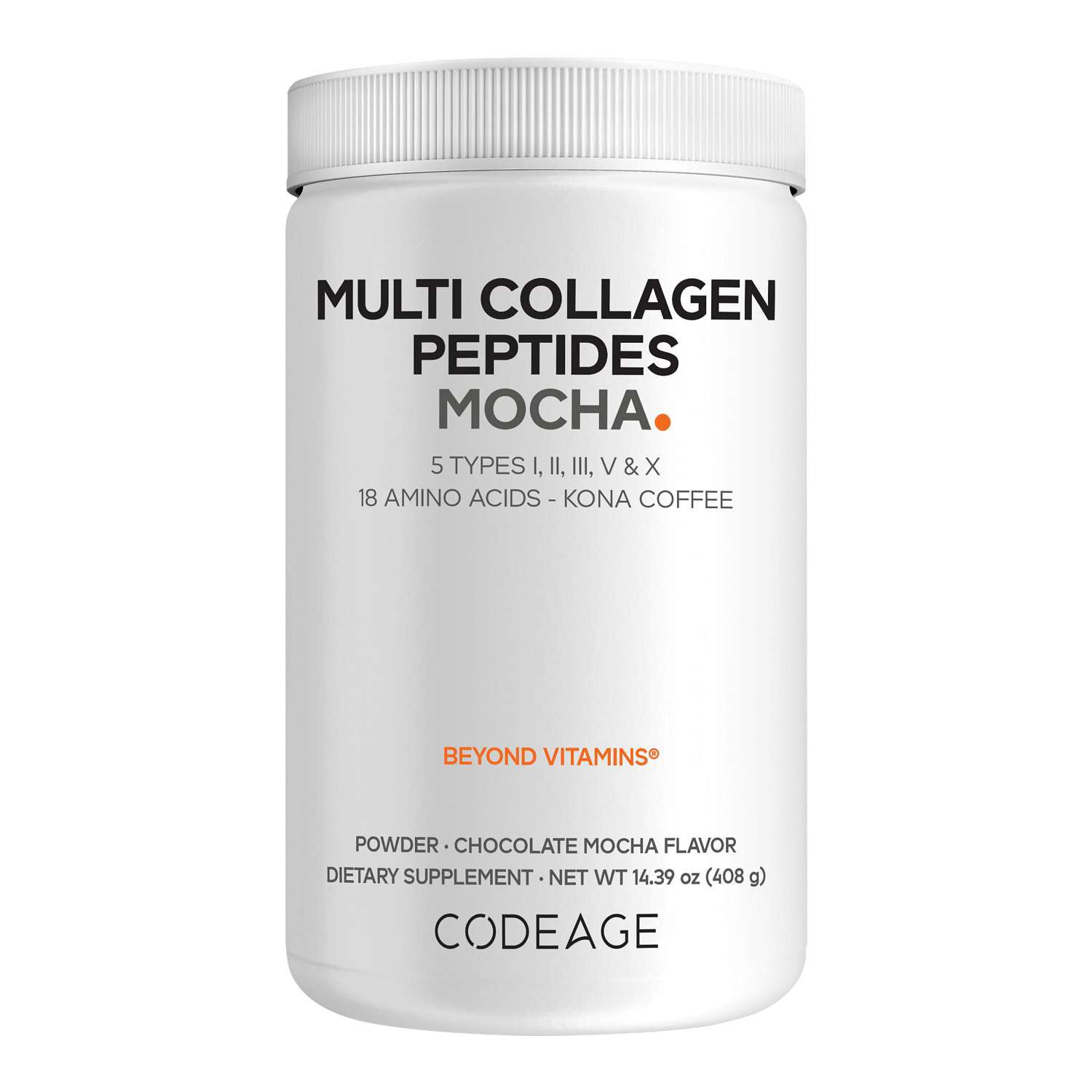


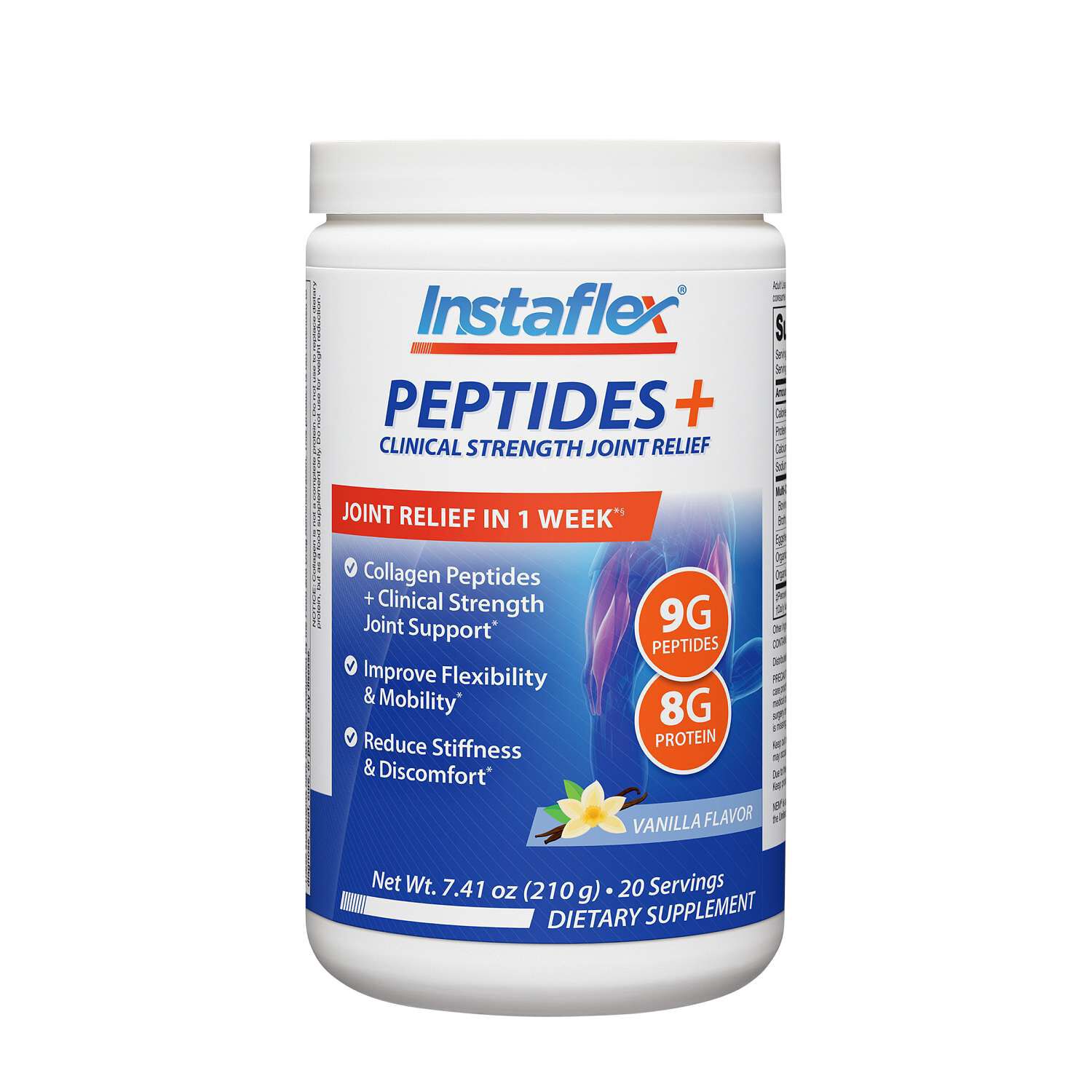
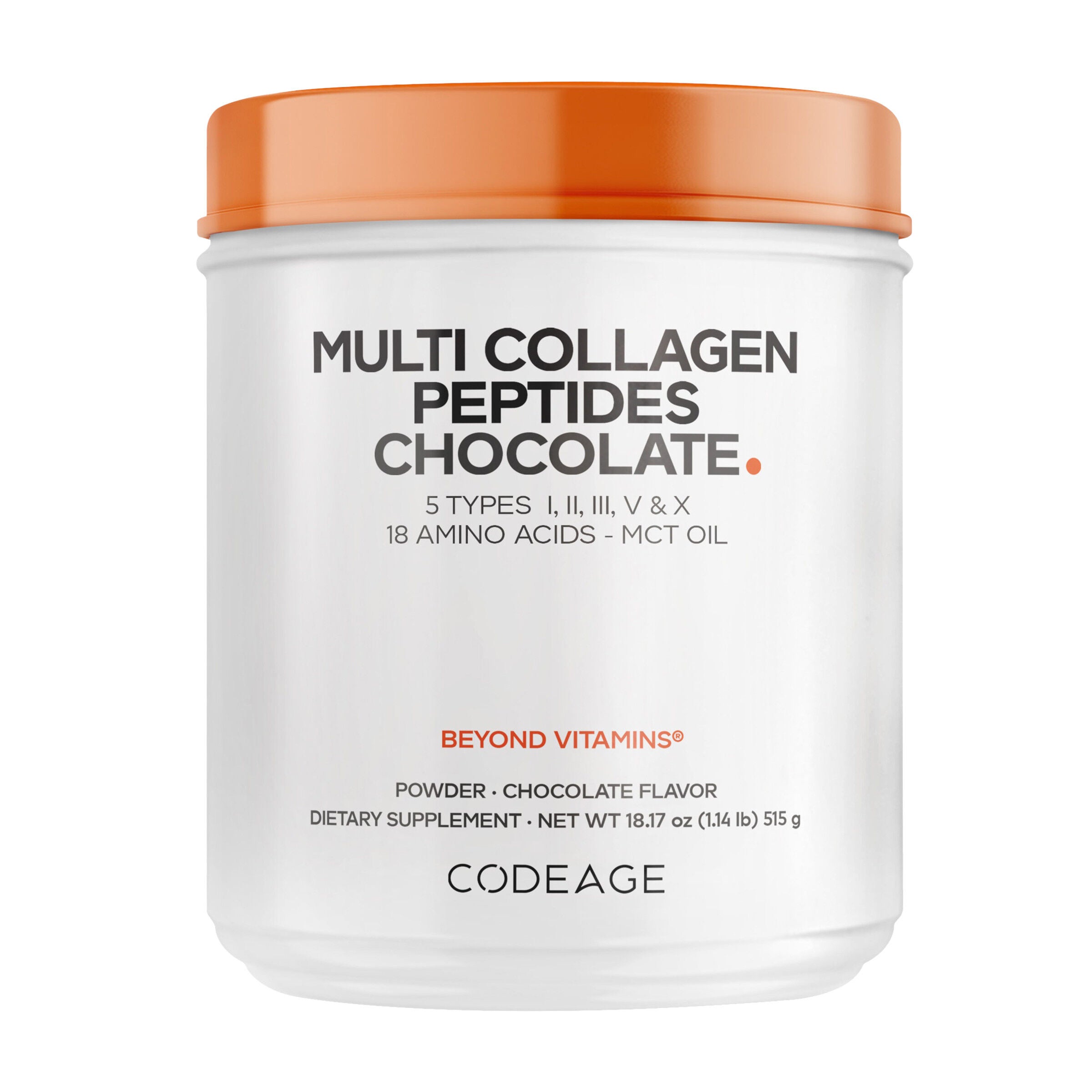

With collagen peptide powders for easy mixing, the details that matter often show up in the cup: how the powder disperses, whether its flavor suits the drink, and how much stirring the preparation requires. Collagen peptides are smaller protein fragments produced by processing collagen through hydrolysis. Labels may use “hydrolyzed collagen” or “collagen peptides” to describe this ingredient. That processing may help the powder disperse in liquids, although the finished texture also depends on the formula, serving size, beverage, and mixing method. Easy mixing does not mean every powder behaves identically in every drink. A serving stirred into coffee may have a different texture from the same amount shaken into chilled water or folded into thick yogurt. The ingredient list provides useful context before choosing a preparation. Some formulas contain collagen alone, while others include flavoring, sweeteners, vitamins, minerals, or additional ingredients. Those differences may influence taste, consistency, and the amount of powder needed for a labeled serving. Unflavored collagen peptide powders are often considered for drinks with an established flavor, such as coffee, tea, or fruit smoothies. Unflavored does not necessarily mean tasteless; a powder may still contribute a subtle aroma or taste, particularly in plain water. Flavored options offer another approach for someone who prefers a drink with a more noticeable flavor rather than adding collagen to an existing recipe. Source is another important distinction. Bovine collagen comes from cattle, while marine collagen commonly comes from fish. Other formulas may combine several animal sources, making the source statement and ingredient panel worth reading together. Conventional collagen peptides are animal-derived, rather than plant-based, which matters for vegetarian or vegan eating preferences. For someone who enjoys a simple morning beverage, a short ingredient list may be appealing. For someone who regularly prepares blended drinks, flavor compatibility and serving volume may matter just as much as the collagen source. The most useful comparison considers all of these details rather than relying on the words “easy mixing” alone.
Preparation style gives collagen powder its everyday context. A spoon, a shaker bottle, a handheld frother, and a countertop blender each involve a different amount of effort and cleanup. Stirring may suit a mug of coffee or tea, while a shaker bottle may be more practical for a drink carried to work. A blender may fit naturally into a smoothie routine that already includes fruit, yogurt, or another protein ingredient. Adding powder gradually to liquid, rather than pouring liquid over a compact mound, may help distribute the particles more evenly. Enough liquid also matters: a full serving in a small splash of water may produce a thicker mixture than the same serving in a larger drink. The preparation directions on the container provide the starting point for serving size and liquid volume. Room-temperature or warm liquids may make dispersion easier for some formulas, while cold liquids may require more stirring or shaking. For an iced beverage, mixing the powder into the liquid before adding ice may make the process more manageable. This is a matter of preparation rather than a universal rule, since formulas differ. A frother may help disperse remaining particles, but it may also introduce foam, especially in beverages containing milk or milk alternatives. In a smoothie, the surrounding ingredients matter too. A thick mixture of frozen fruit and yogurt may need additional liquid to accommodate a powder without becoming too dense. For yogurt or oatmeal, blending a serving with a small amount of liquid first may make it easier to incorporate throughout the food. Finished texture is a useful distinction: a powder might disperse without visible clumps and still leave a slightly different mouthfeel. Someone who prefers a lighter drink may prioritize that detail over flavor variety. For routines centered on iced tea, chilled water, or blended fruit drinks, the Collagen Powders For Cold Beverages collection provides a focused selection around those preparations. Across beverage styles, the goal is a preparation that fits the drink, the labeled directions, and the utensils already used each day.
The practical fit of collagen peptide powder extends beyond its first stir. Container design, serving information, and storage requirements all shape how it fits into a kitchen, office drawer, or travel bag. A resealable tub suits a routine built around measuring powder at home, while individually portioned packets may simplify packing for a commute or an overnight stay. The serving amount still belongs to the label, not to the apparent size of a scoop. Different formulas use different scoop sizes, and grams of powder are not always the same as grams of collagen when other ingredients are present. Comparing serving size, collagen content, and the ingredient list together gives a clearer picture of what goes into each preparation. The Nutrition Facts or Supplement Facts panel, as applicable, also helps distinguish a straightforward collagen powder from a blend containing other nutrients. Collagen has a different amino acid profile from whey and plant-based proteins, so these powders are not interchangeable simply because they share a similar format. Someone choosing a powder for a coffee routine may have different priorities from someone selecting ingredients for a protein-centered smoothie. Keeping the scoop clean and dry, closing the container after use, and following the labeled storage directions are practical parts of caring for the powder. Moisture introduced by a damp utensil may lead to clumping during storage, even when a formula mixes readily in a drink. The printed date and package instructions remain important throughout use. Flavor preference also deserves consideration beyond the first serving: a pronounced flavor may suit a dedicated shake but feel less versatile across tea, oatmeal, and smoothies. A subtle option may suit a broader range of recipes, though taste remains personal. Whether the intended setting is a quick breakfast at home, a desk-side beverage, or a blended snack, collagen peptide powders for easy mixing are best considered through the combination of source, ingredients, serving format, and preparation. Those everyday details make the selection more relevant to the routine it needs to fit.
Best Sellers
-
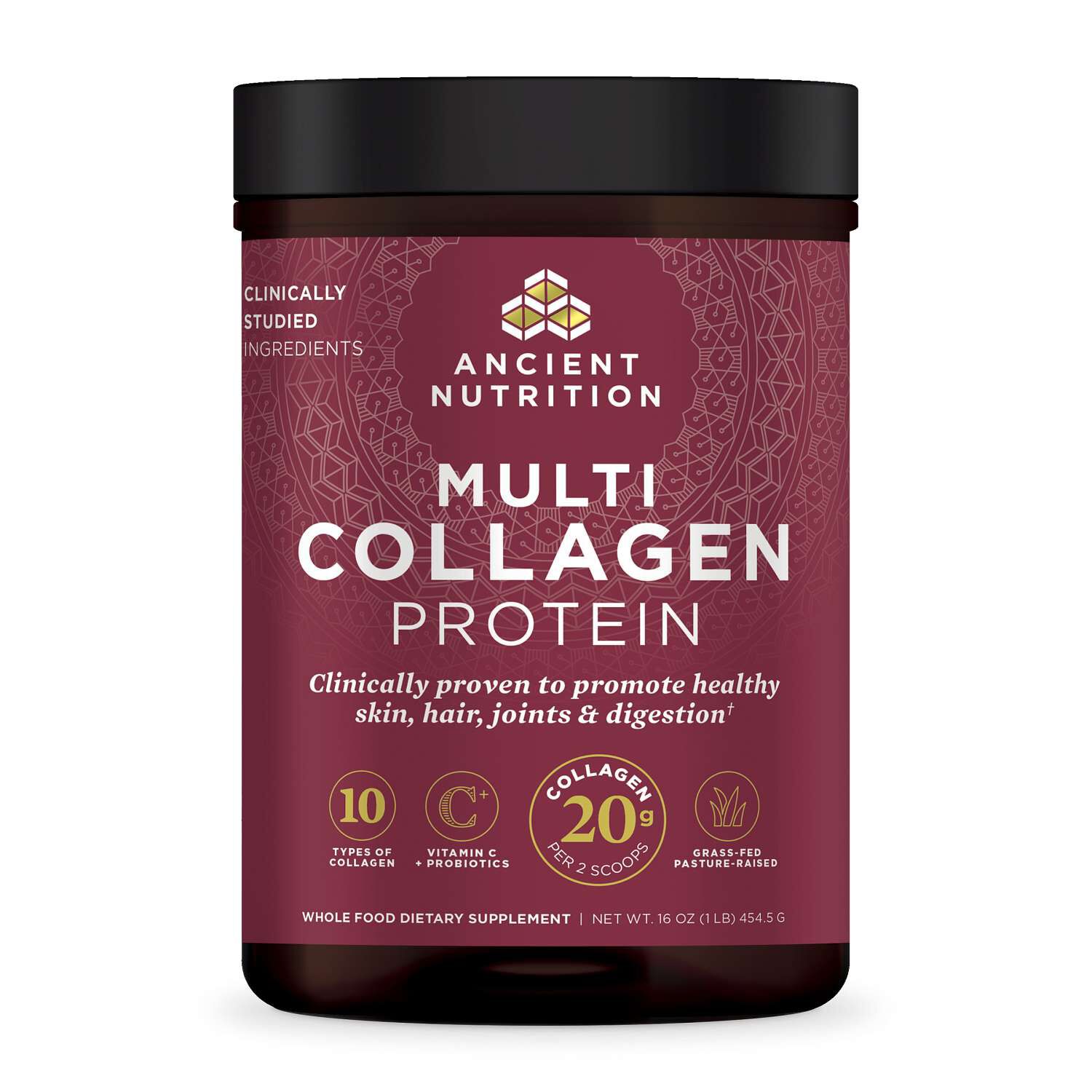 Ancient Nutrition
-
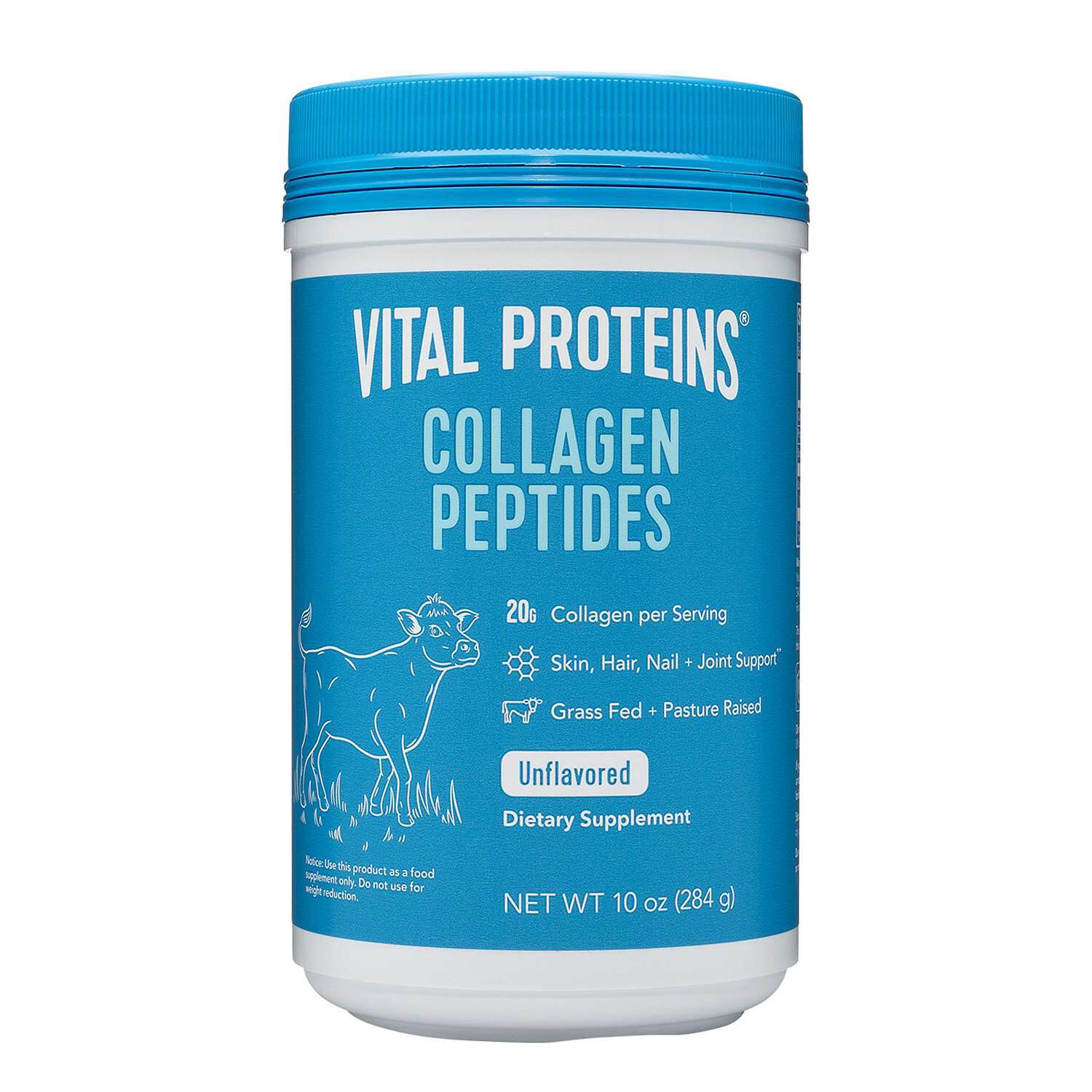 Vital Proteins