Collagen Peptide Supplements For Active Lifestyles
(0 Results)
Collagen peptide supplements for active lifestyles may be a popular choice for those looking to support their daily wellness routines. Whether you’re hitting the gym, heading out for a run, or simply staying on the move, adding collagen peptides to your regimen could be a convenient way to complement your busy schedule. Explore options designed with active individuals in mind and discover how these supplements might fit into your fitness journey.

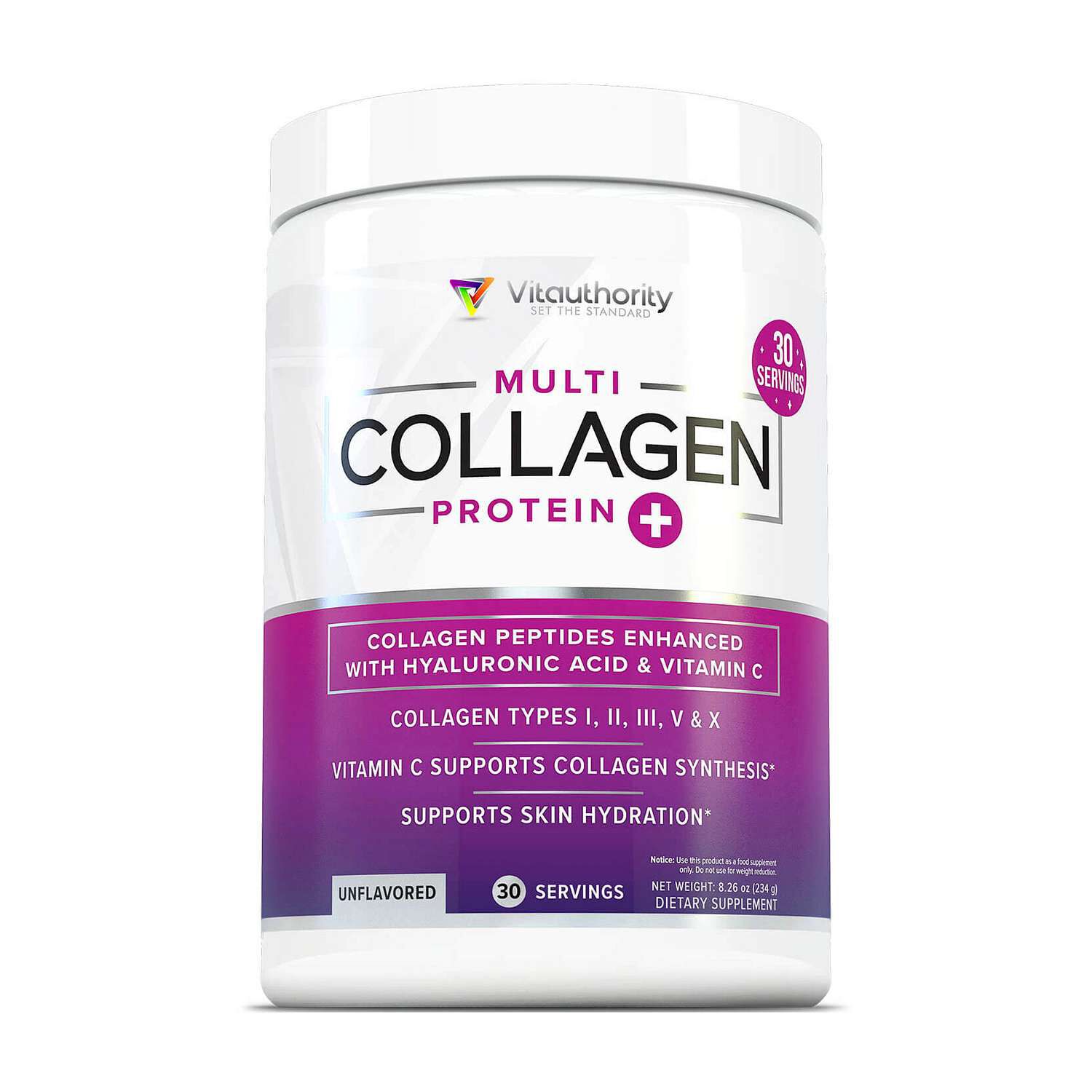
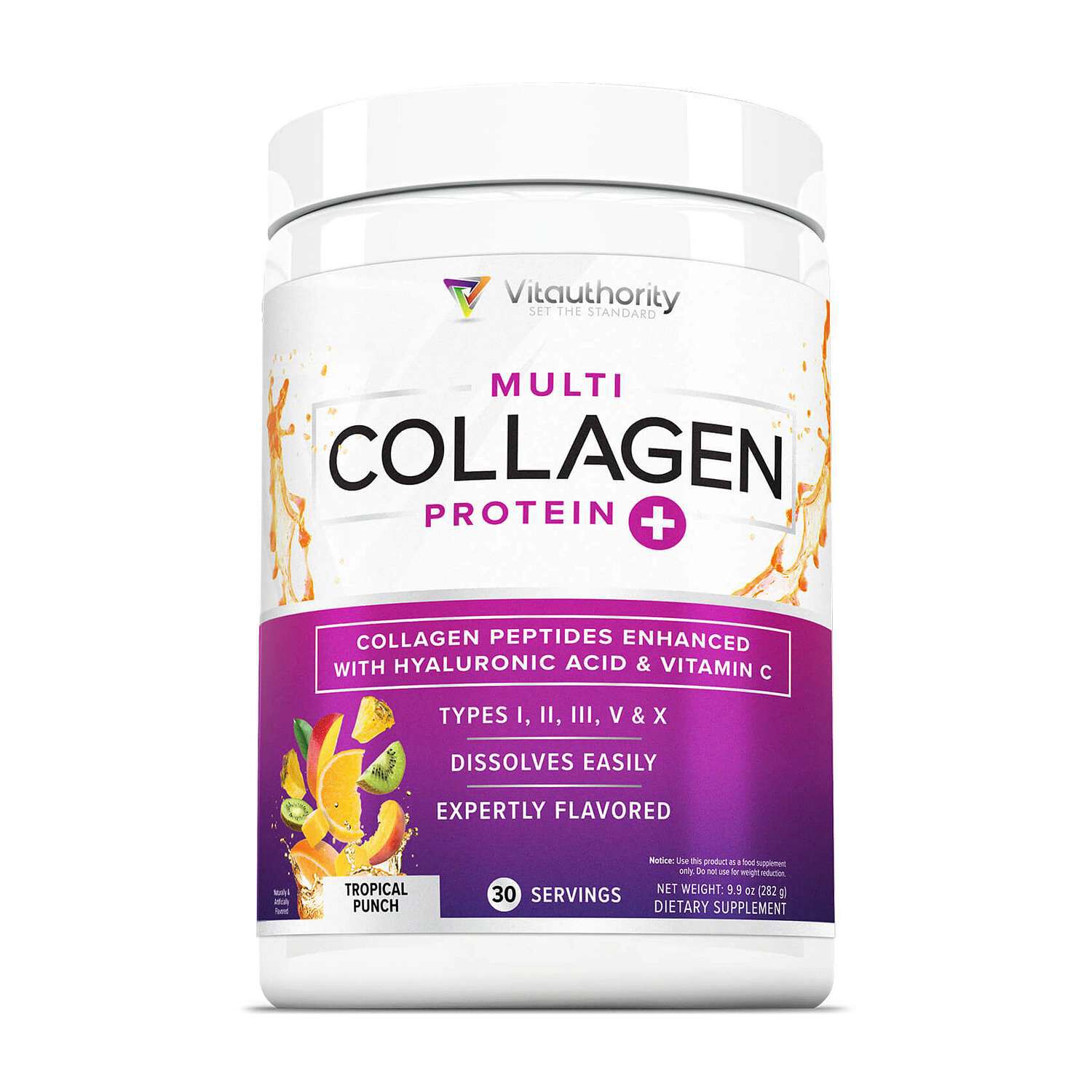
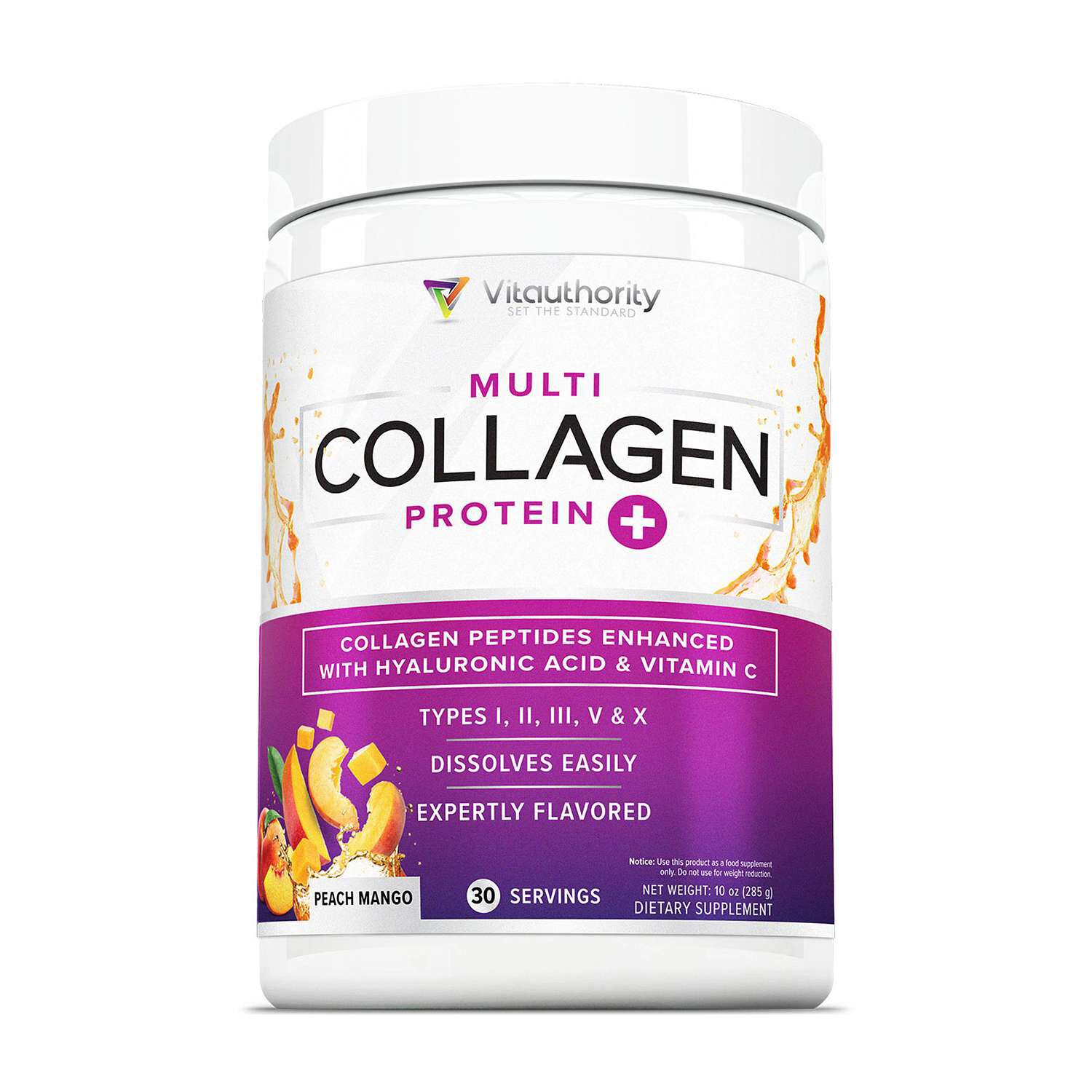

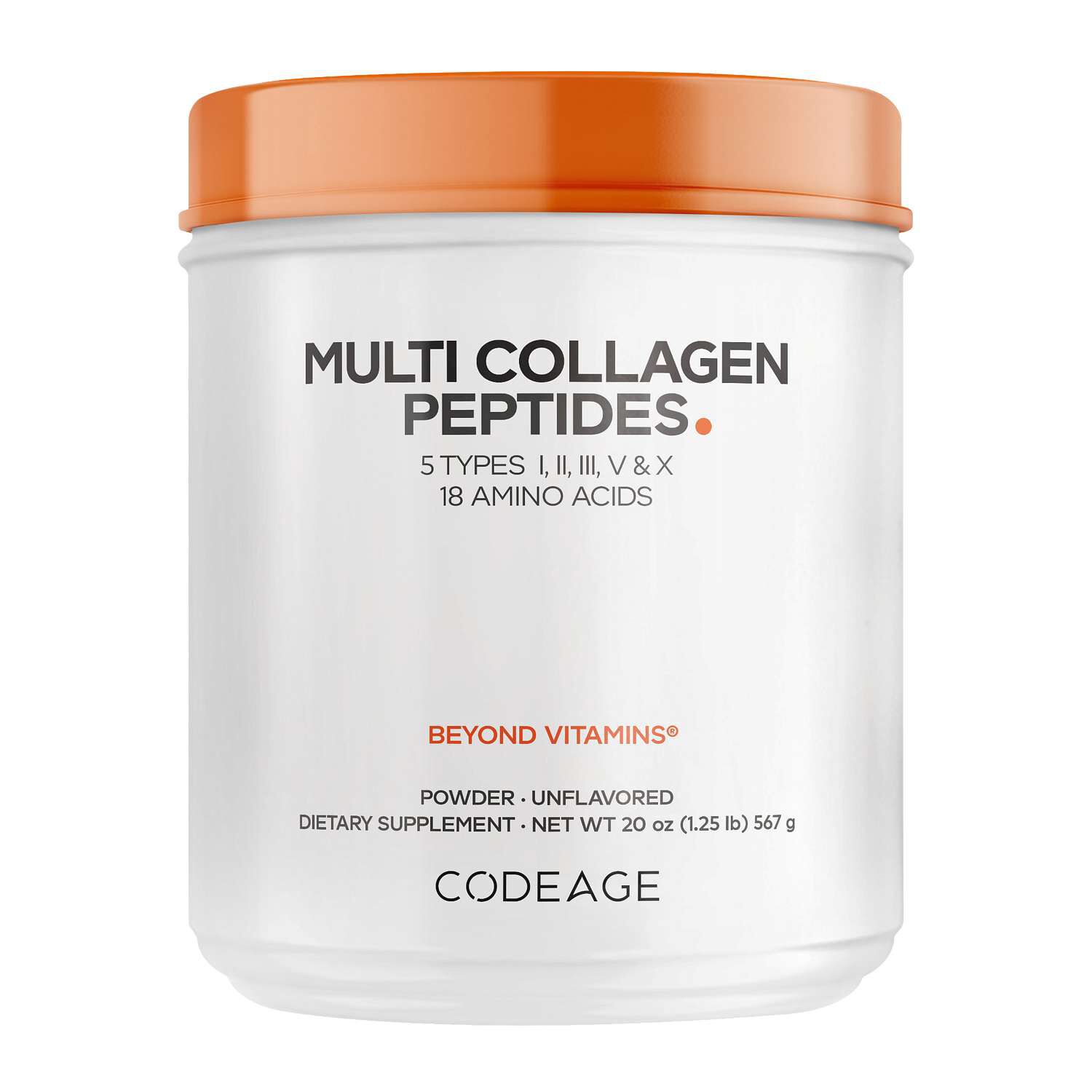

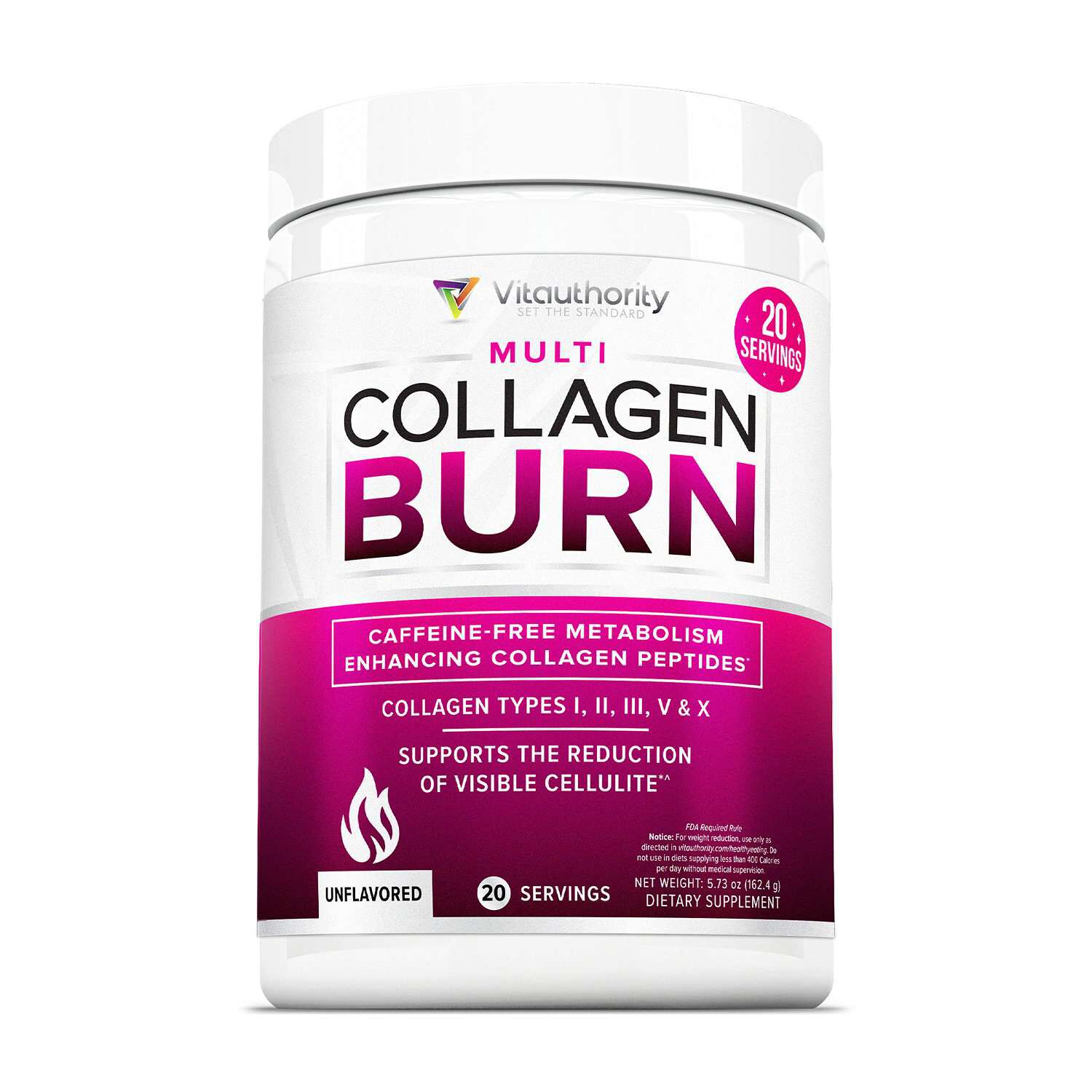

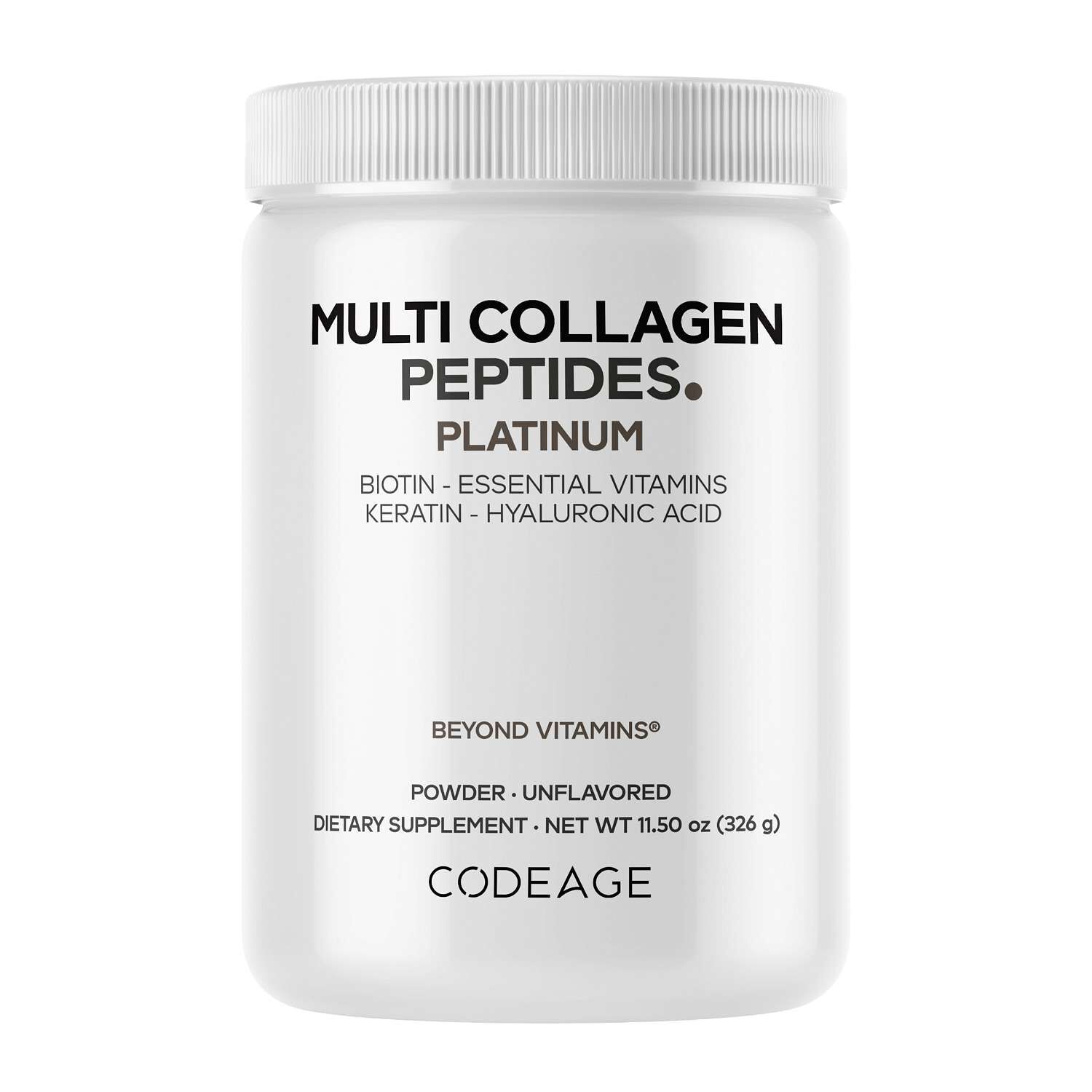
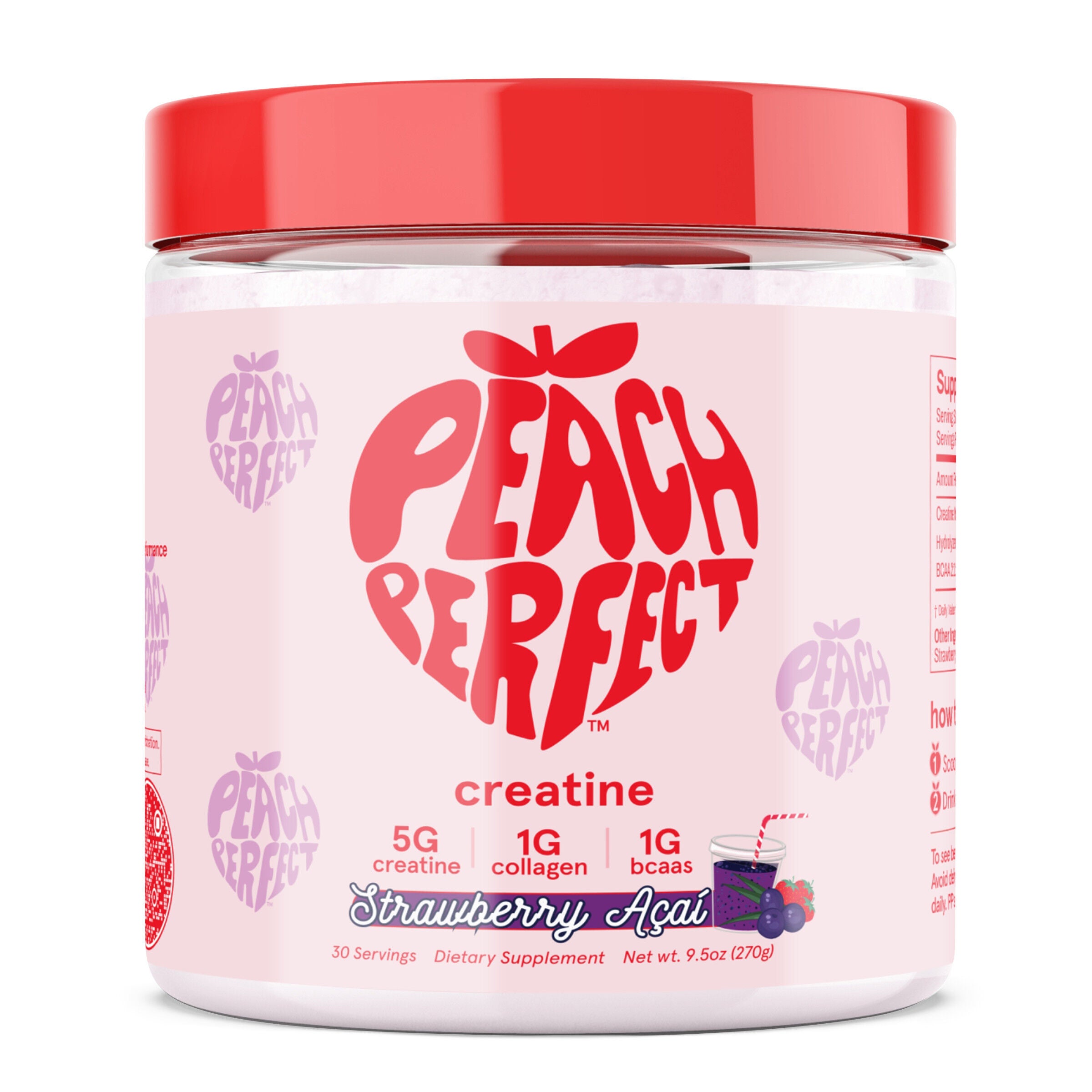
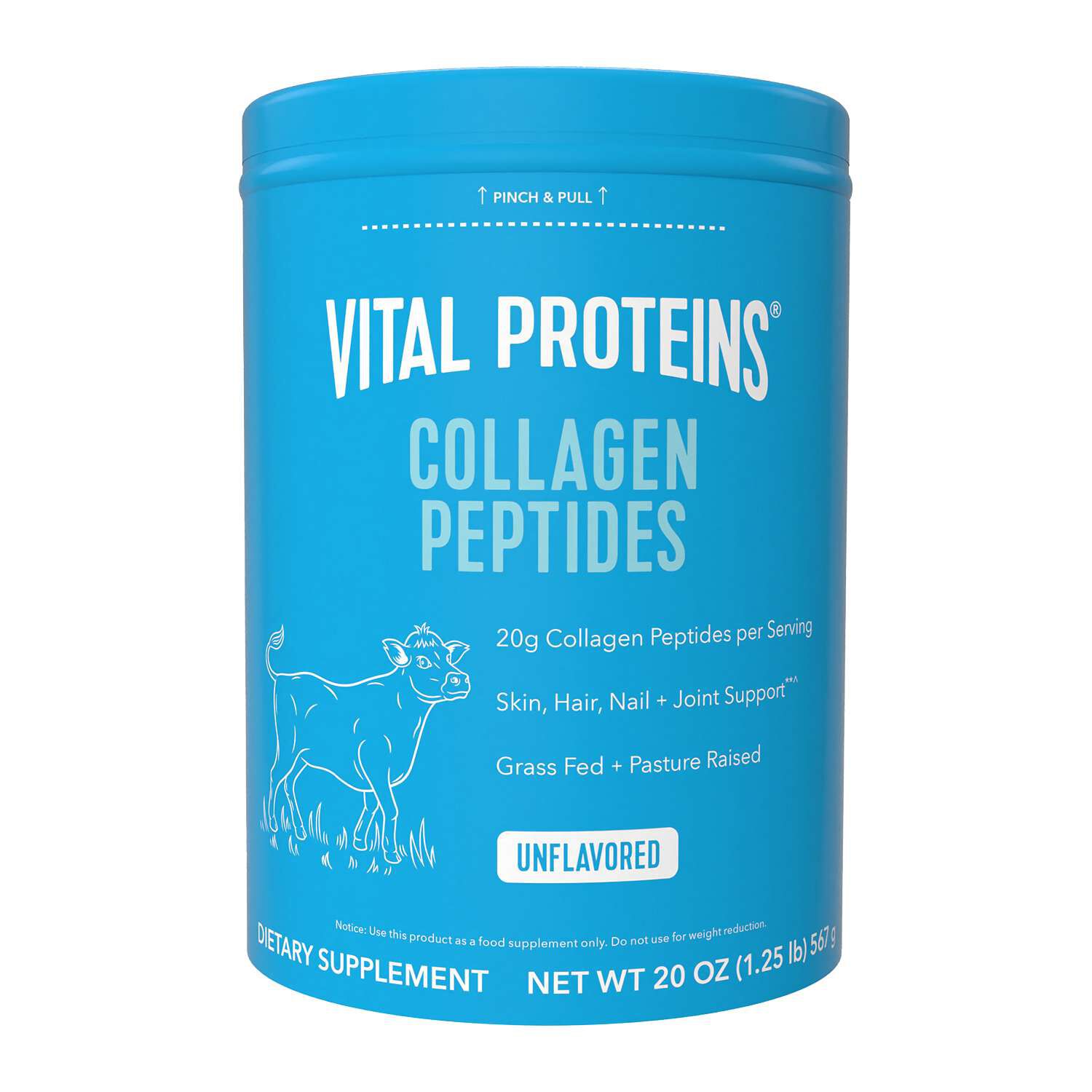

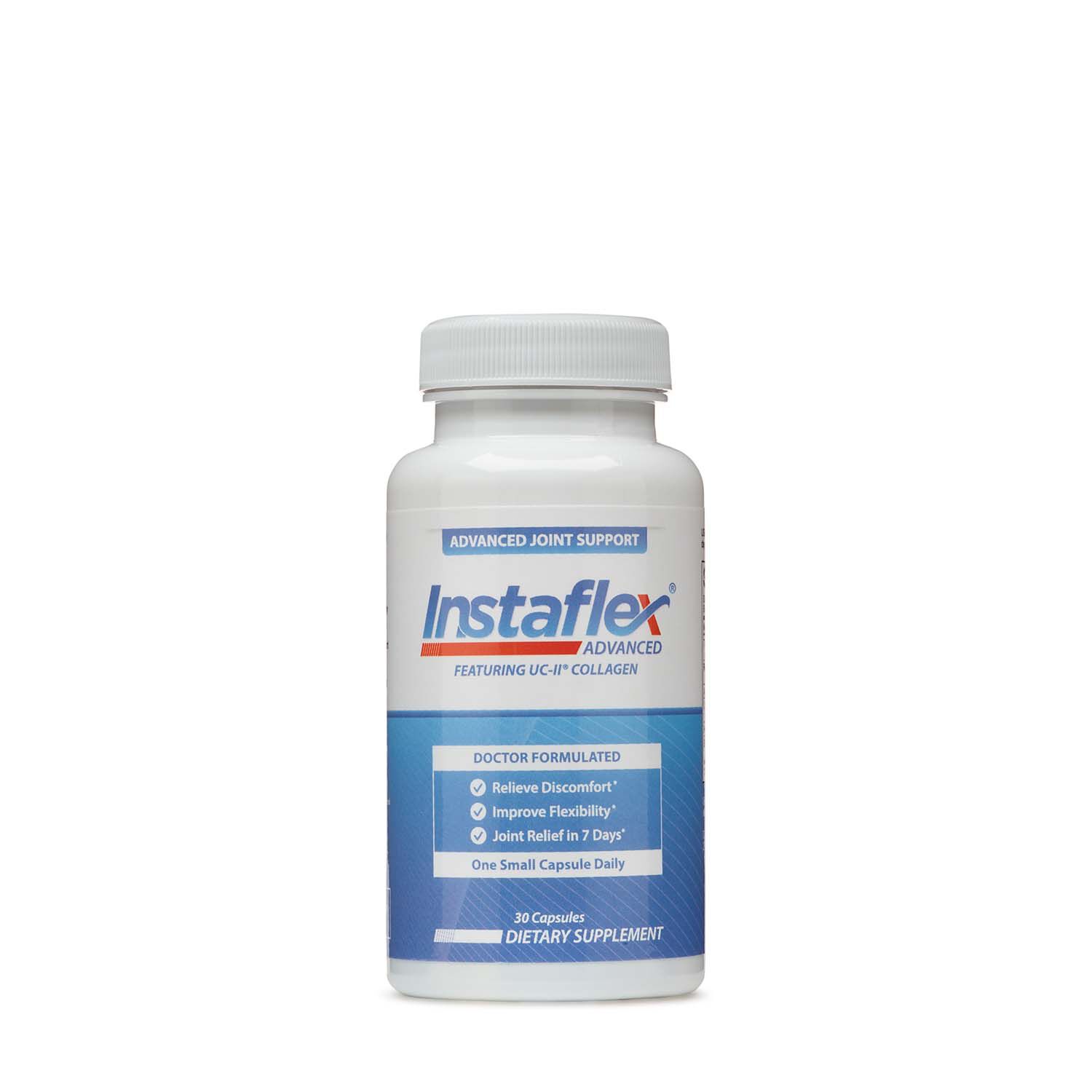
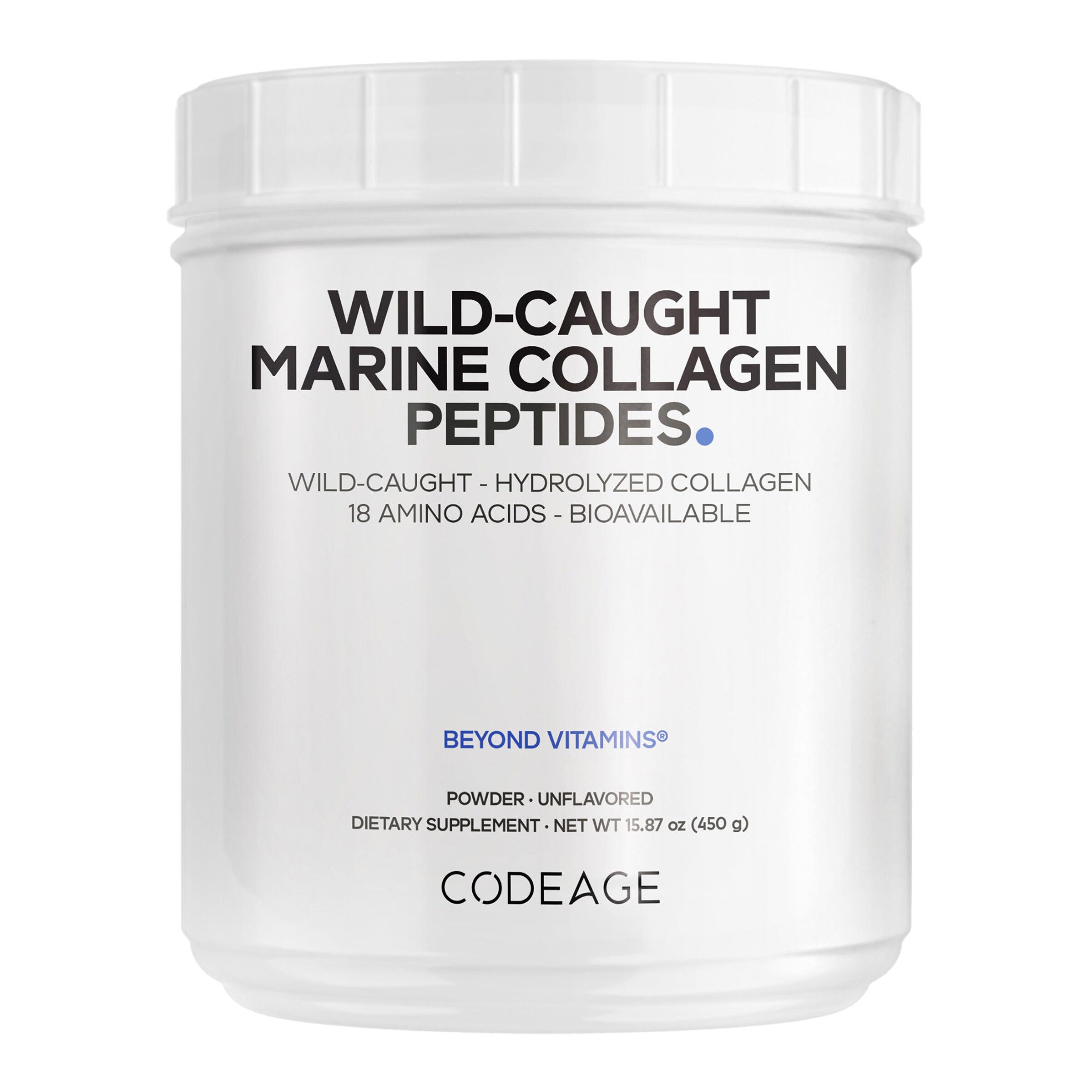
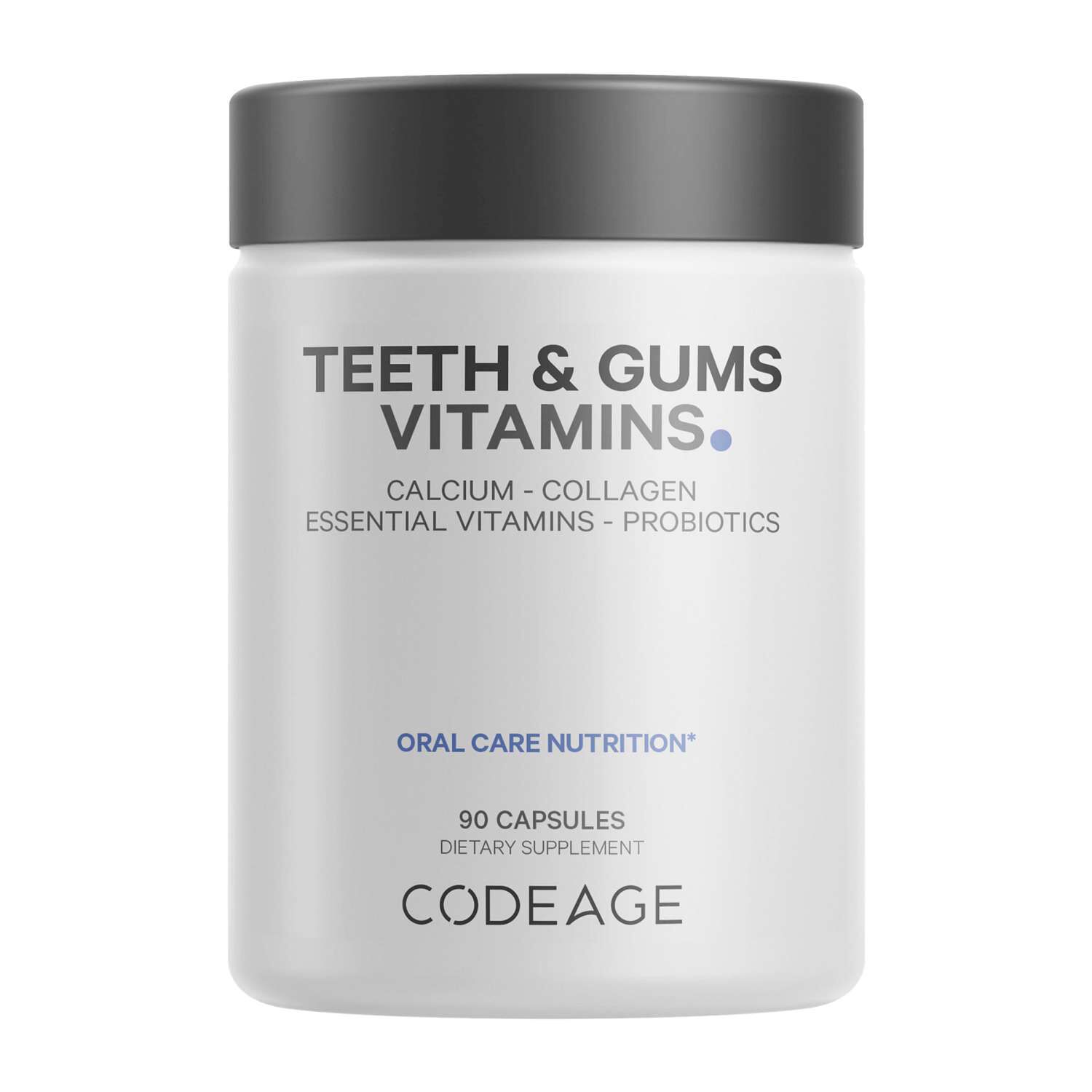
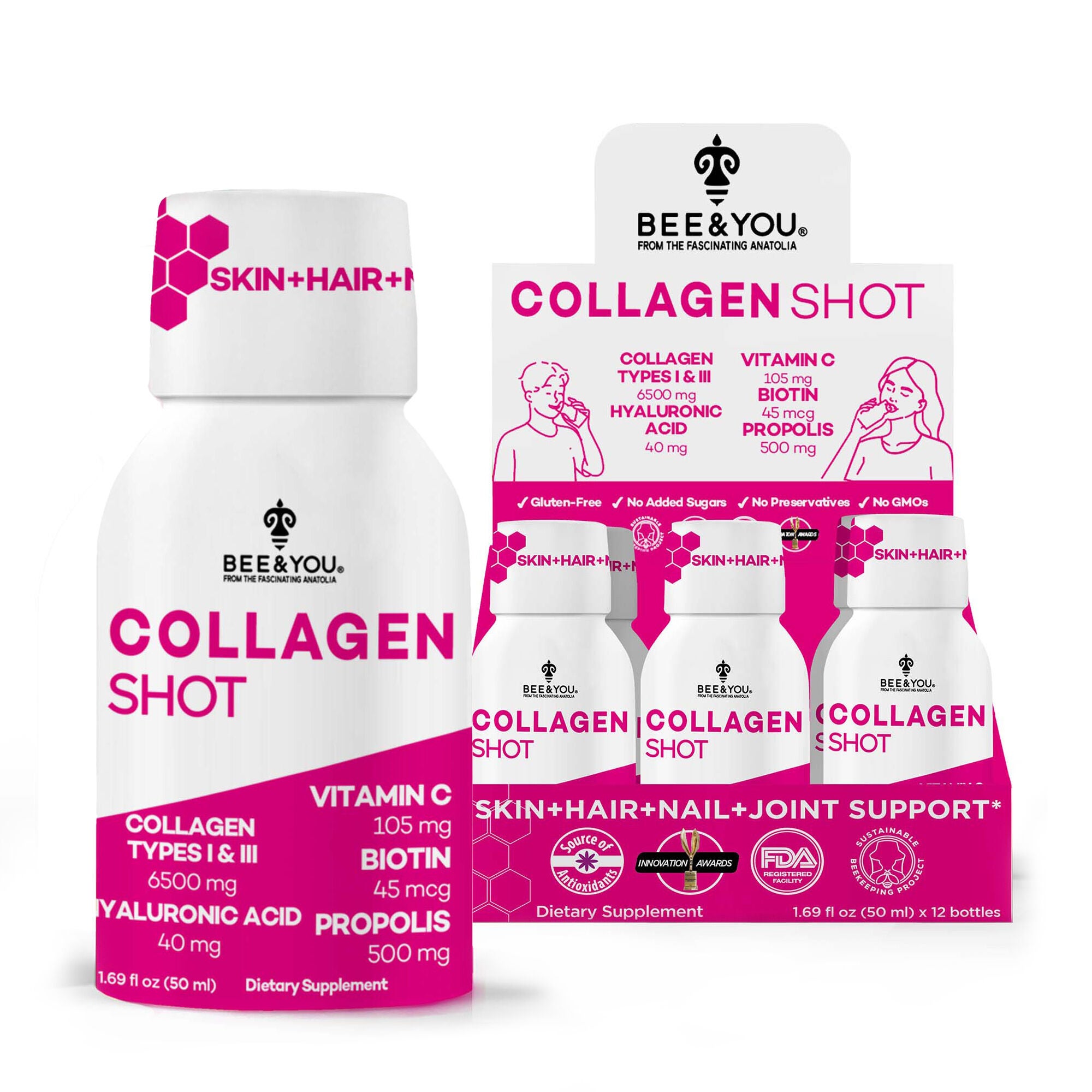
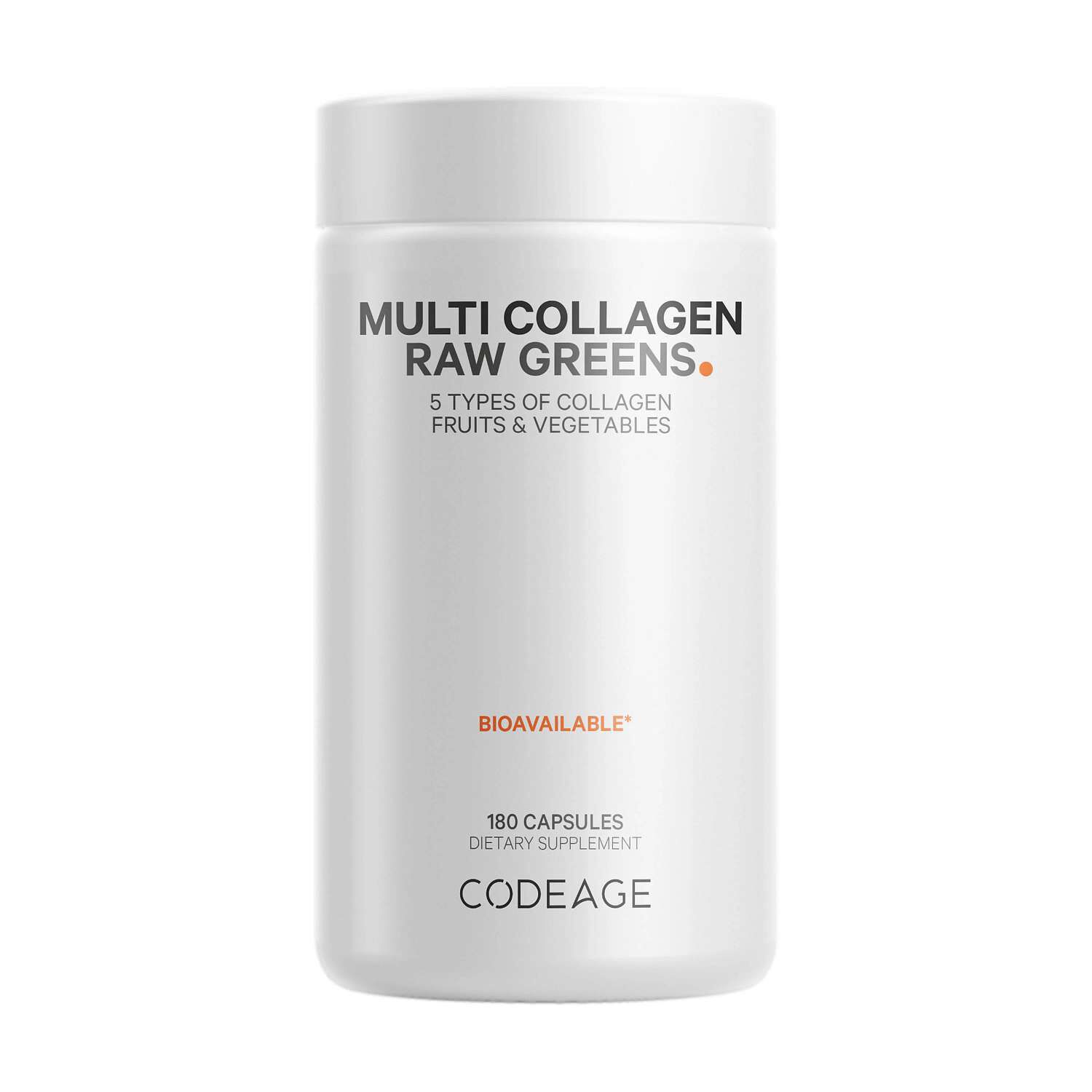
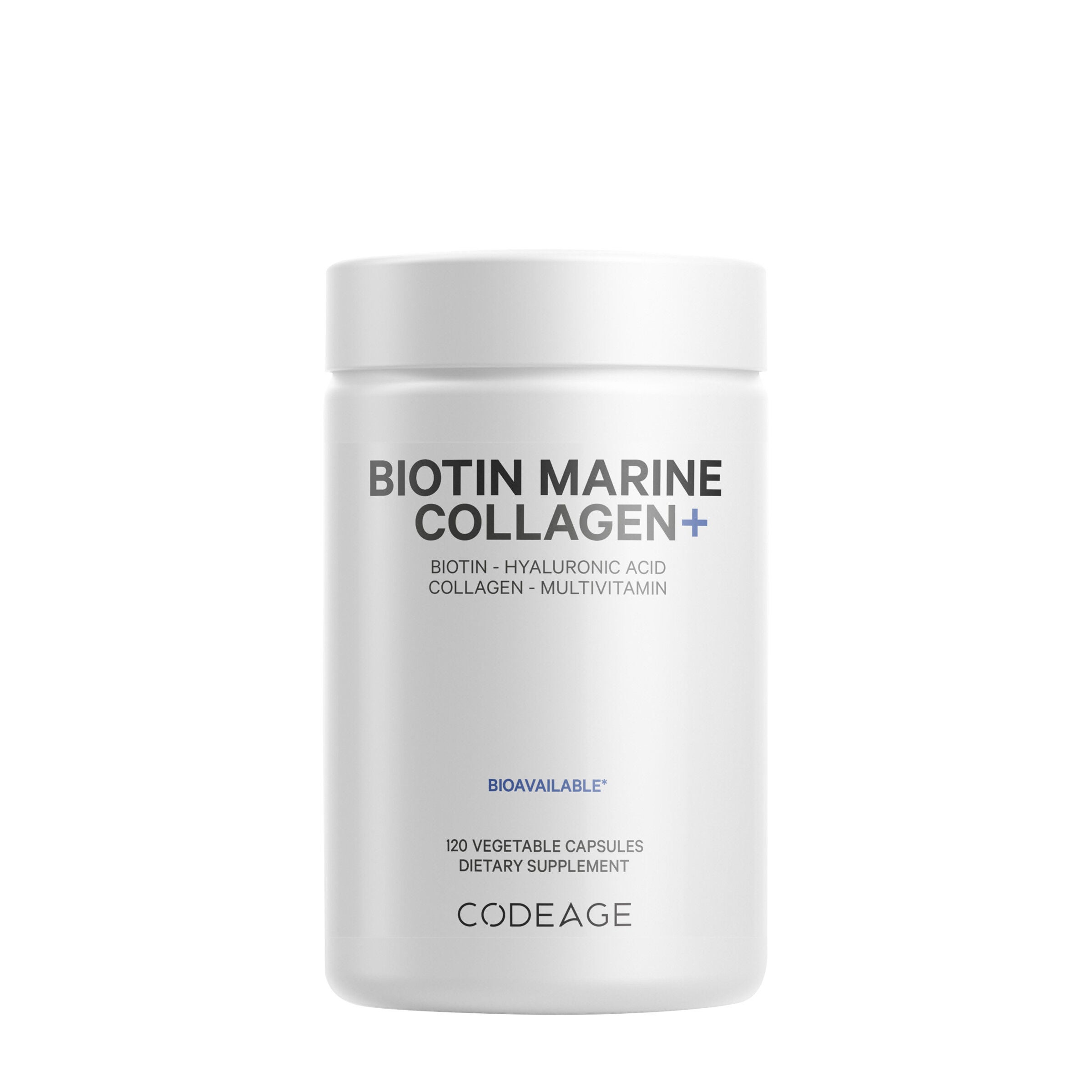
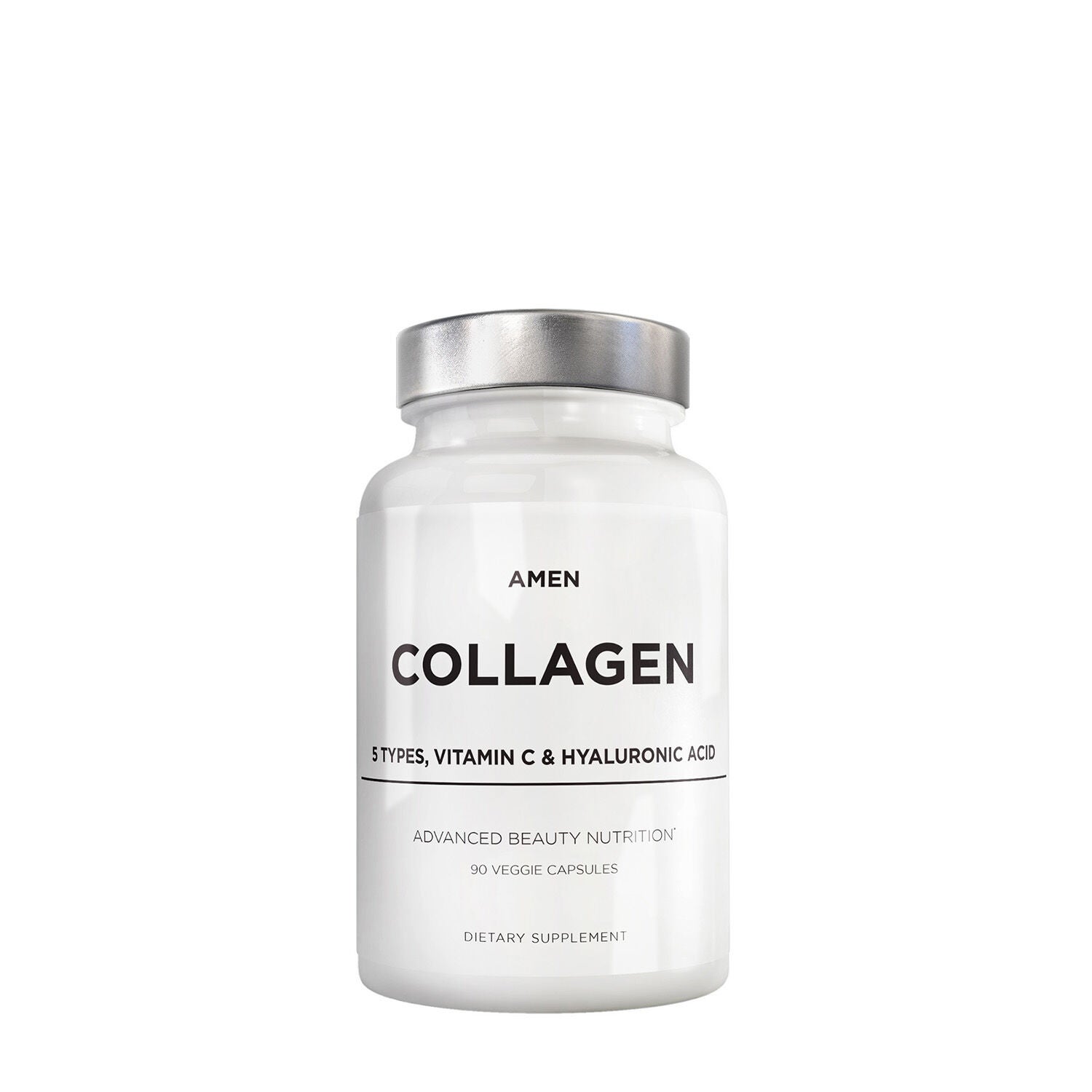

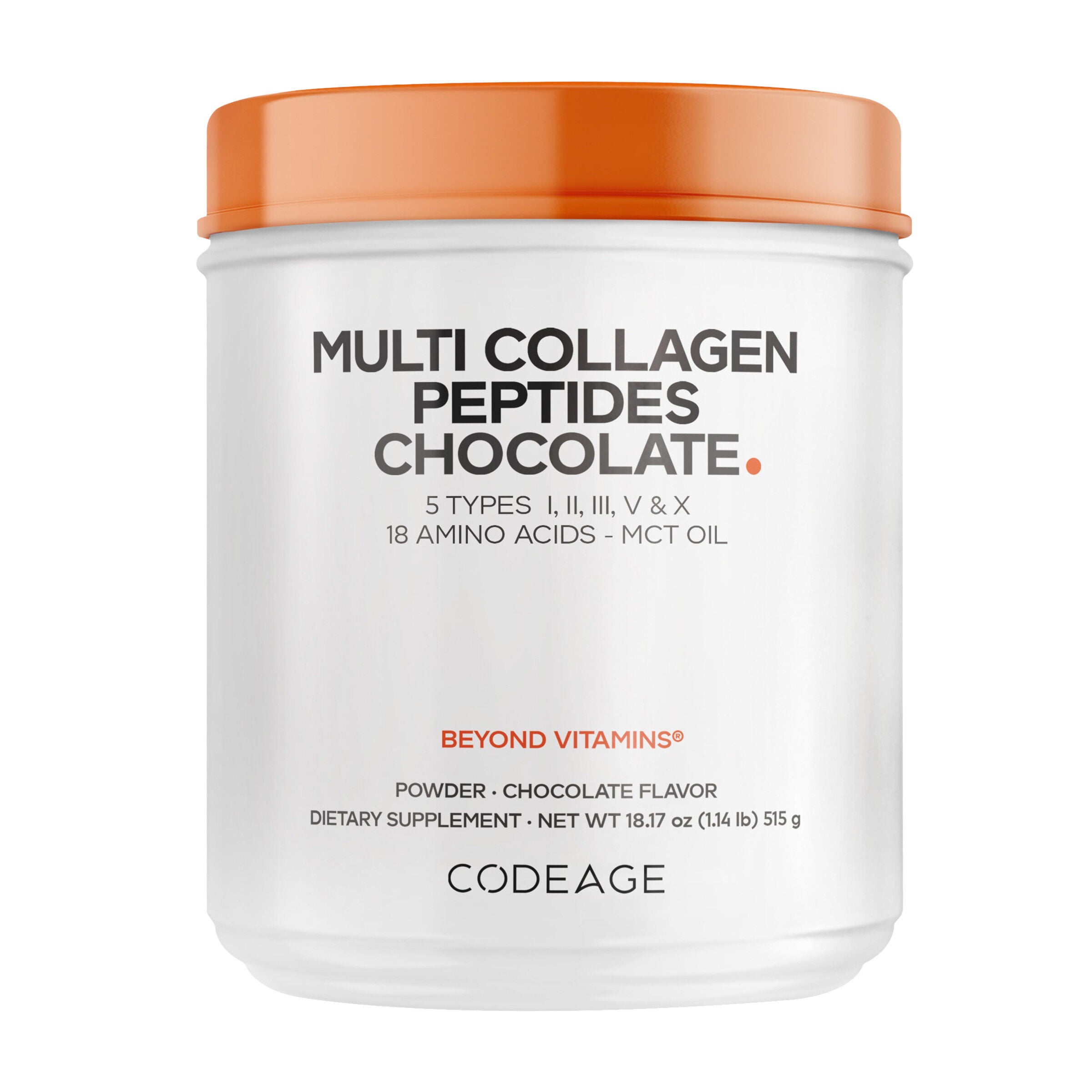
Collagen peptide supplements for active lifestyles bring together protein source, serving format, and everyday convenience in a category suited to a range of exercise routines. For someone who moves between strength sessions, long walks, cycling, and time on the court, the practical appeal may be a supplement that fits alongside familiar meals and drinks. Collagen is a structural protein found in connective tissues, including skin, tendons, ligaments, and cartilage. Collagen peptides are smaller protein fragments produced through hydrolysis, a process that breaks larger collagen proteins into shorter chains. Labels may describe this ingredient as hydrolyzed collagen, collagen hydrolysate, or collagen peptides. Those terms describe the ingredient’s processing rather than a particular fitness outcome. Collagen naturally contains amino acids such as glycine, proline, and hydroxyproline, but its amino acid profile differs from proteins such as whey, soy, and pea. That distinction matters when comparing collagen peptide powders with other protein supplements: they are different categories, not interchangeable versions of the same formula. Collagen is not a replacement for varied dietary protein sources, and its presence in a workout routine does not establish a specific exercise benefit. Within the category, ingredient origins are an important starting point. Bovine collagen comes from cattle, marine collagen generally comes from fish, and some formulas use porcine or poultry sources. The source can matter for personal preferences, food sensitivities, and dietary practices. Conventional animal-derived collagen peptides are not suitable for vegan diets, while products described as plant-based collagen support formulas contain different ingredients rather than animal collagen itself. Labels may also identify collagen types, with types I and III often appearing in bovine formulas and type I commonly appearing in fish-derived formulas. A type designation describes the collagen source or composition; it should not be read as evidence that a supplement will act on a particular body part. For active shoppers, these distinctions provide useful context before comparing flavors, package sizes, and serving instructions.
The best fit for a daily routine often comes down to details that are easy to overlook on the front of a container. A large tub belongs naturally beside a blender or a kitchen cupboard, while individually portioned packets may suit a desk drawer, gym bag, or travel pouch. Capsules offer another format for shoppers who prefer not to mix a powder, although the serving count and collagen amount can differ substantially from powdered options. Comparing grams of collagen per labeled serving is more informative than comparing scoop sizes alone. One powder’s scoop may be larger than another’s, and a serving may require more than one scoop or capsule. Protein grams, collagen grams, and the weight of the powder are not necessarily identical, particularly when a formula includes flavorings or other ingredients. Unflavored collagen peptide powder may suit coffee, oatmeal, yogurt, or a smoothie, but unflavored does not always mean undetectable. Source, concentration, and the food or beverage used can influence taste, aroma, and texture. A flavored formula may be more appealing in water or a simple shake, while its sweetness may be less suitable for savory foods. Mixing directions deserve attention because some powders call for stirring, others work better with shaking, and beverage volume can affect the finished texture. A breakfast prepared at home offers room for a blender and several ingredients; a shake mixed after a lunchtime workout calls for a simpler setup. Neither situation requires an elaborate routine, but each favors different packaging and preparation choices. Added vitamin C, hyaluronic acid, sweeteners, colors, or flavorings are additional points of comparison rather than reasons to assume every formula serves the same purpose. A short ingredient list may appeal to someone who already uses several supplements, while another shopper may prefer a flavored blend. The Supplement Facts panel and ingredient list help distinguish the amount of collagen from the other components in each serving. For another view of the category, Collagen Peptide Supplements for Fitness Goals connects this everyday format with a fitness-focused selection.
Quality information, storage requirements, and intended use round out the comparison beyond flavor and format. Clear labeling should identify the collagen source, serving amount, preparation directions, and relevant allergen information. Fish-derived collagen warrants particular attention from shoppers who avoid fish, and a marine description alone may not provide enough detail about the source. Statements about sourcing and manufacturing should be specific enough to understand rather than relying on broad language about purity or performance. Independent testing can add another point of reference, but different programs examine different attributes. Some review ingredient identity or label content, while sport-focused certification programs may also screen for substances prohibited in competition. A testing logo does not establish how a supplement will affect an individual’s training. For competitive athletes, checking the certifying organization’s listing for the exact formula is more useful than assuming every supplement from the same manufacturer carries the same certification. Packaging also has a practical role in everyday use. A securely closing lid, readable serving directions, and a packet that stays sealed inside a bag are meaningful details for someone carrying supplements between home and a training space. Powders generally belong in their original containers with the lid closed, stored according to label directions and away from moisture. A clean, dry scoop helps keep water out of the container, and the printed date remains relevant even when a powder looks unchanged. Once mixed into a drink or food, storage considerations also depend on the other ingredients; a smoothie containing milk or yogurt needs different handling from a sealed packet of dry powder. Collagen peptides may fit a consistent eating routine, but they are not a shortcut around balanced meals, hydration, sleep, or a thoughtfully planned training schedule. Nor does a larger serving automatically mean a more suitable choice. For the recreational runner packing breakfast before a commute, the regular gym visitor mixing an afternoon shake, or the walker who prefers a simple kitchen routine, the most relevant distinctions are concrete: what the formula contains, where its collagen comes from, how it is prepared, and whether its format suits everyday use.
Best Sellers
-
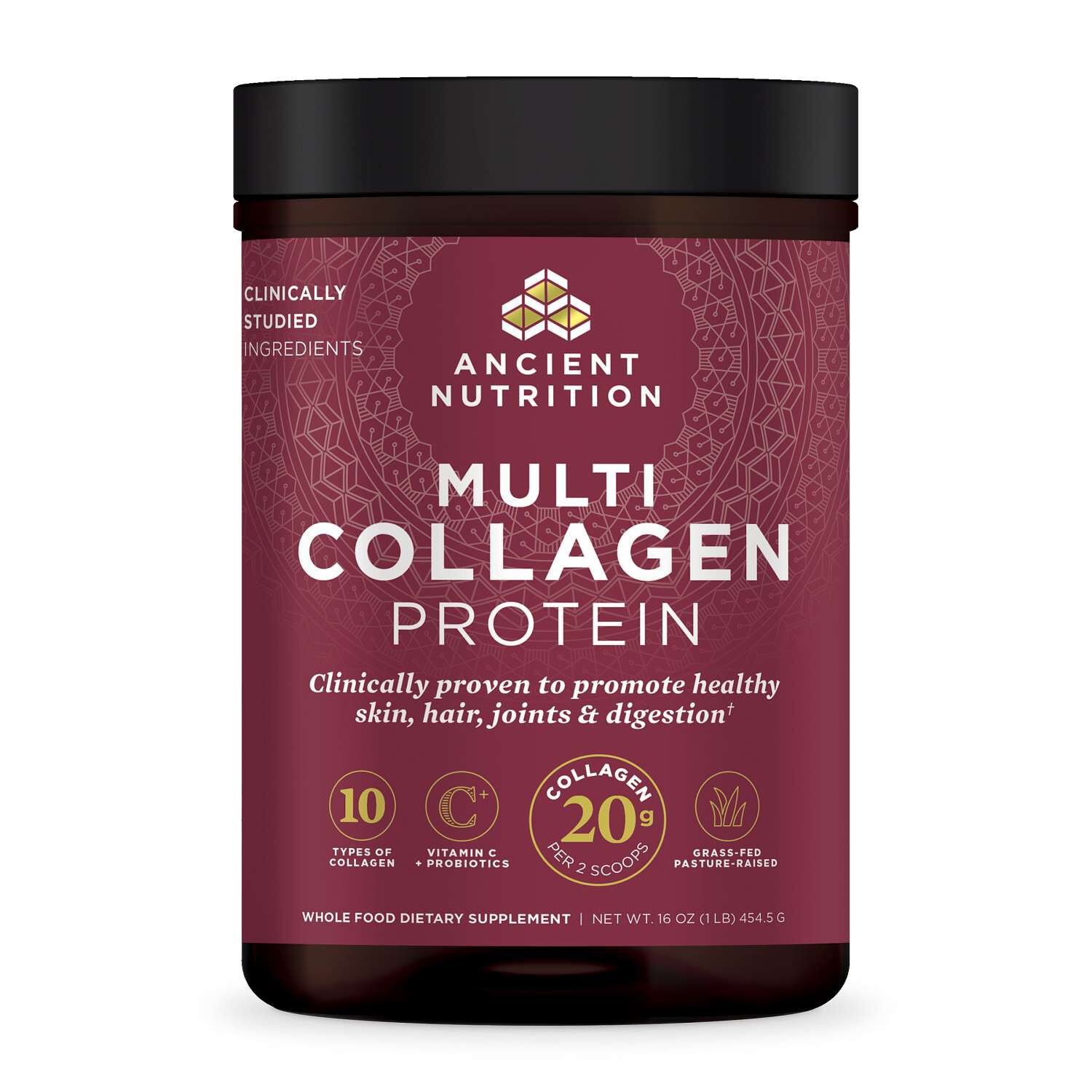 Ancient Nutrition
 -
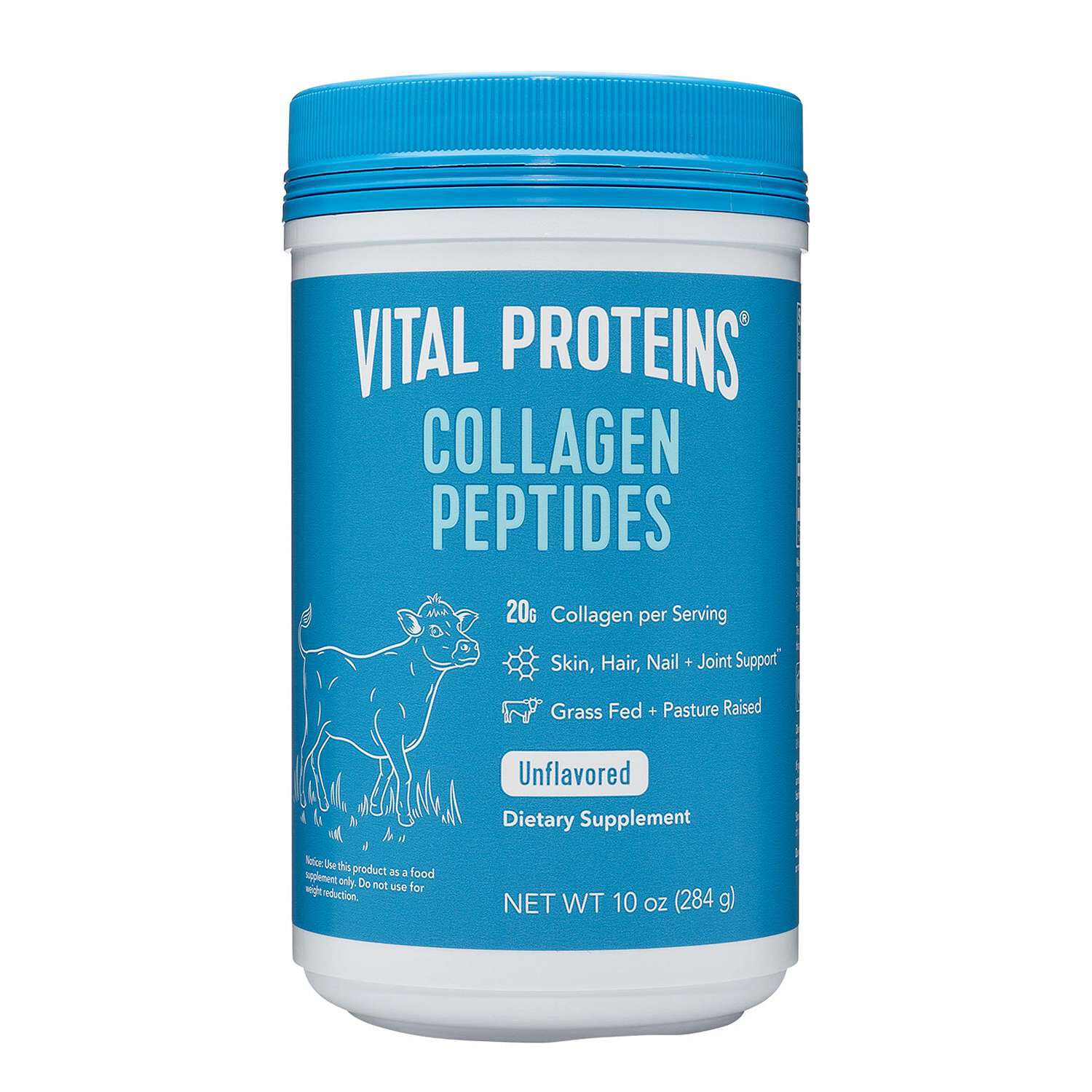 Vital Proteins