Collagen Capsules For Active Lifestyles
(0 Results)
Collagen capsules for active lifestyles could be a supportive addition to your daily wellness routine. Designed with those who are always on the move in mind, these supplements may fit seamlessly into your busy schedule. Whether you’re hitting the gym, exploring the outdoors, or simply looking to maintain your momentum throughout the day, collagen capsules for active lifestyles might offer a convenient option to help you stay at your best. Explore a range of choices that could align with your personal goals and energetic pace.
-
-

-
-
-
-
-

-

-

-
-

-
-

-
-

-
 You Matter Wellness$34.99
-
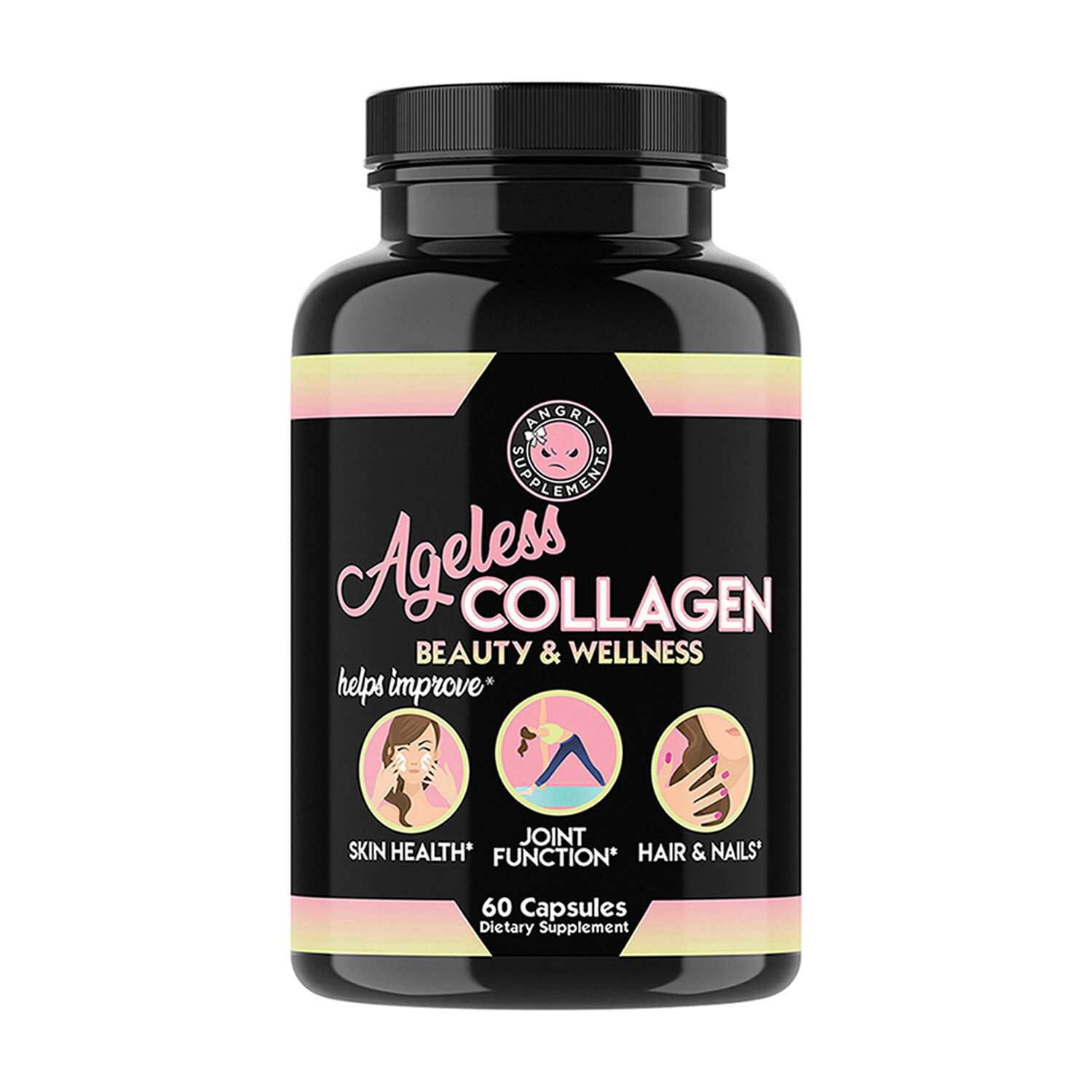 Angry Supplements$14.99
-
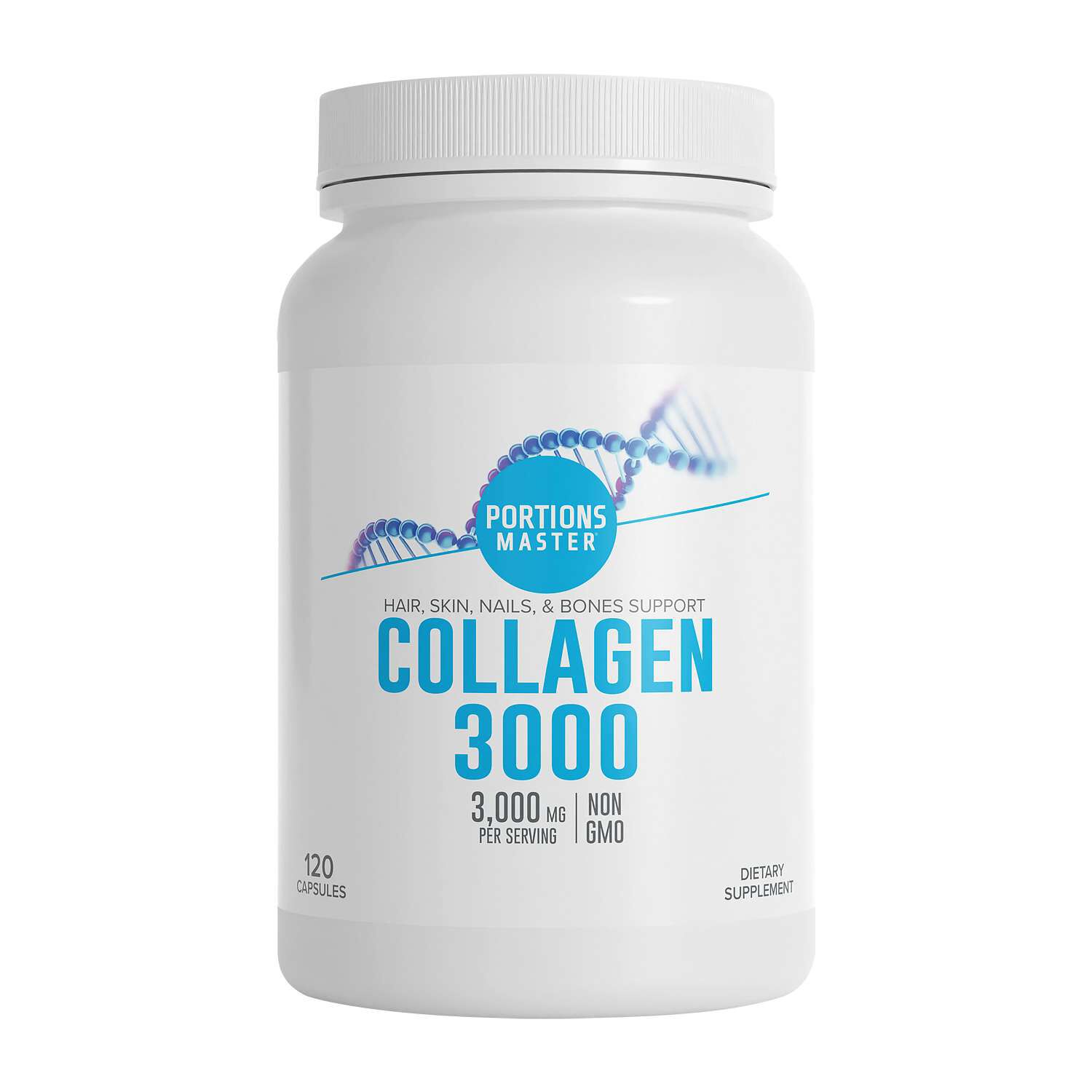 Portions Master$29.99
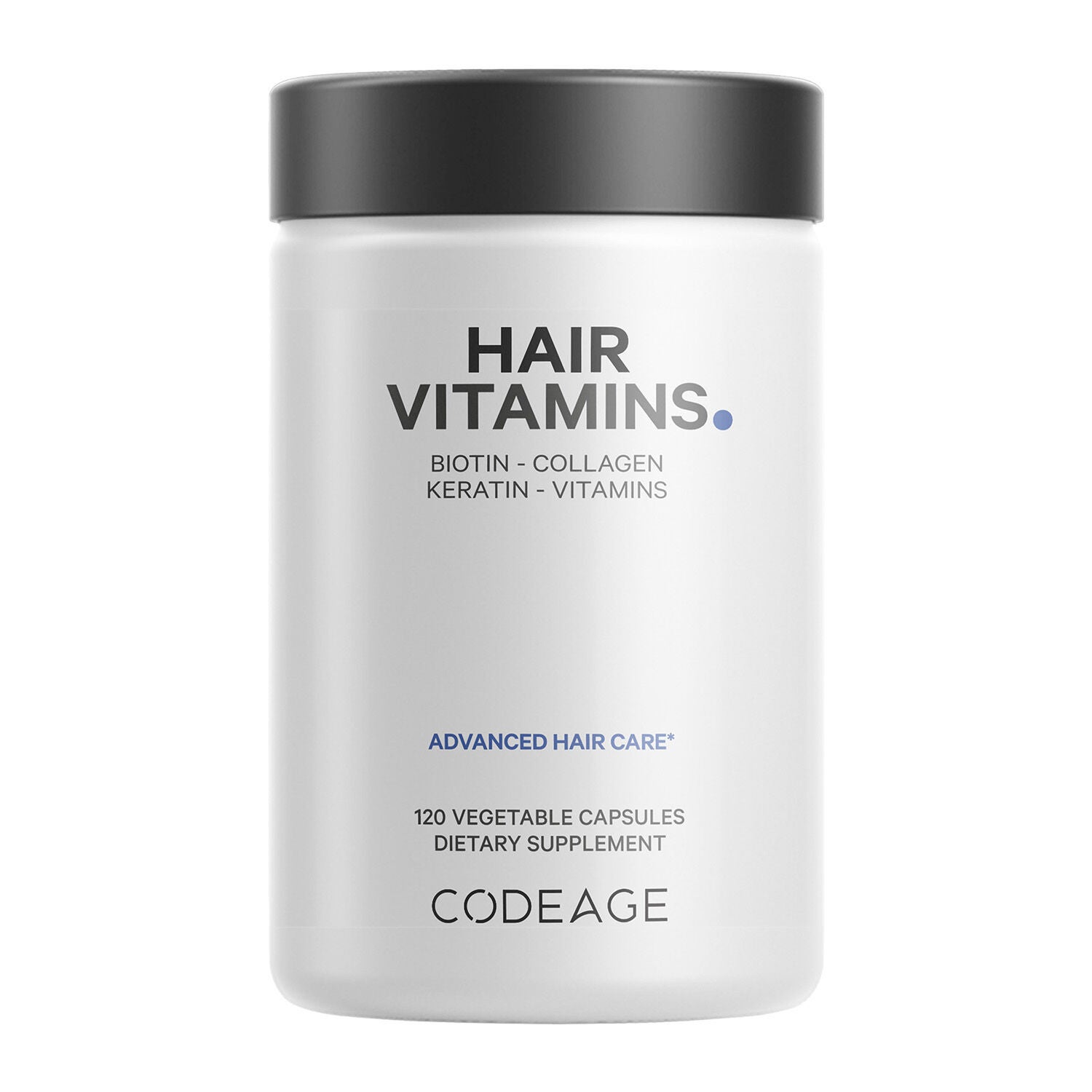
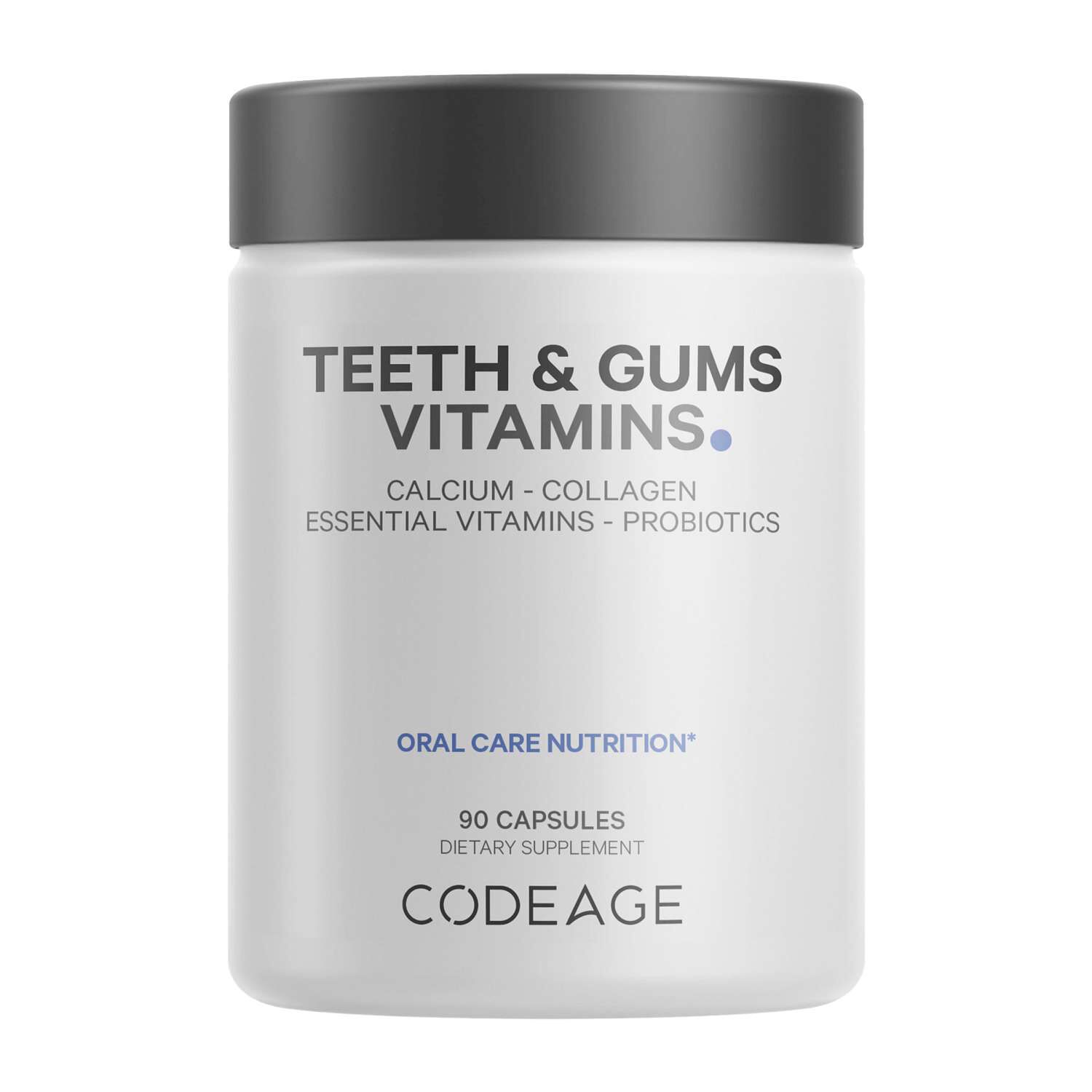
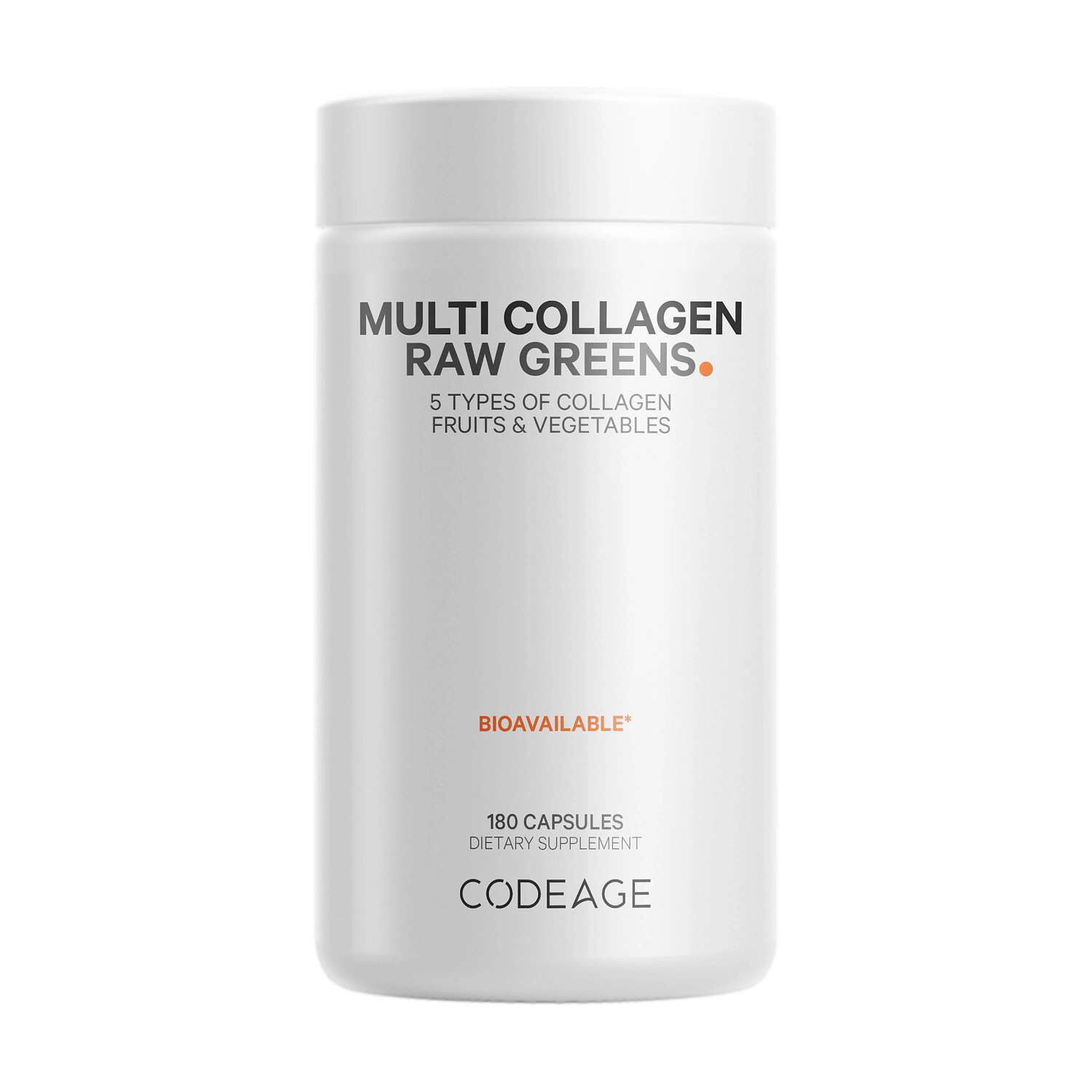
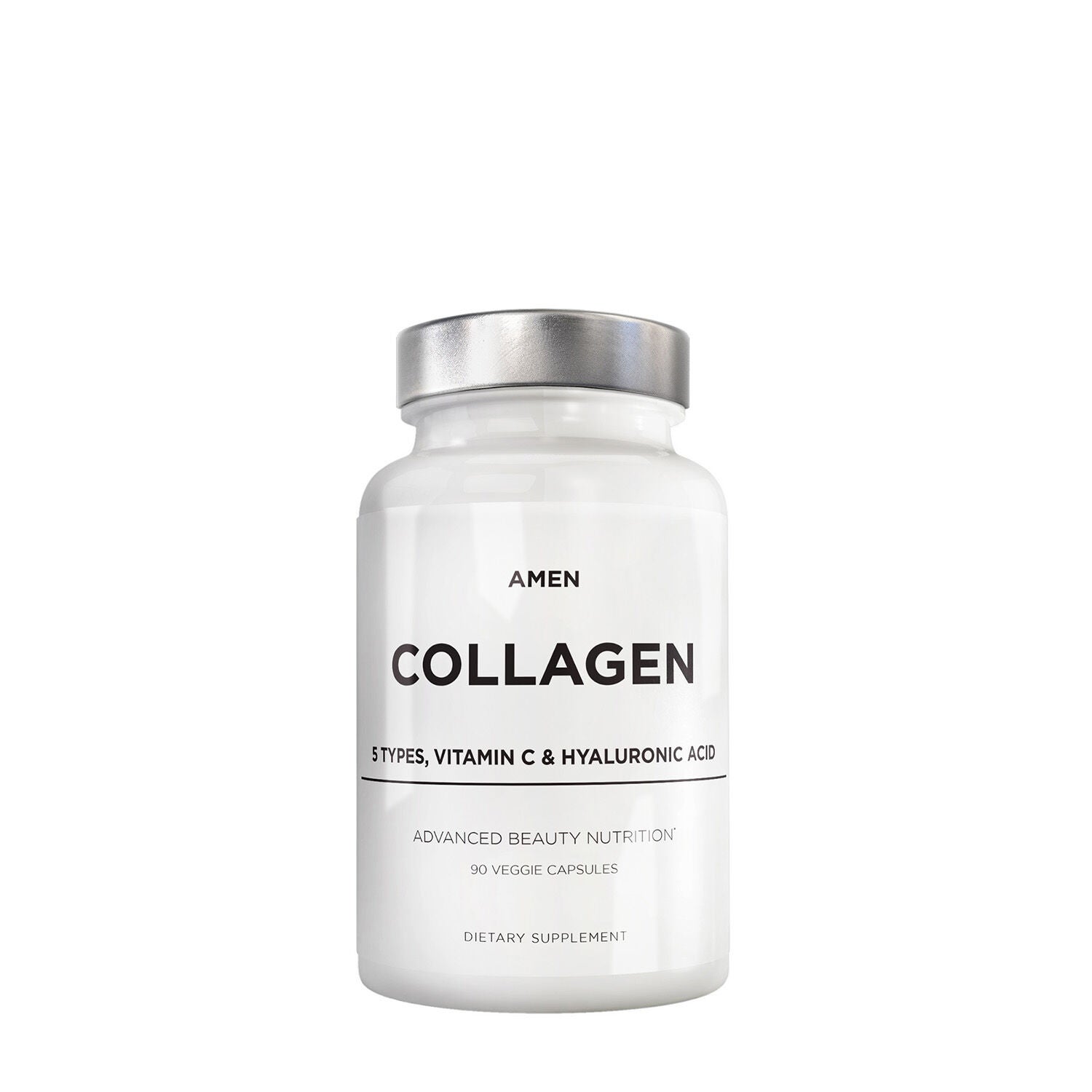
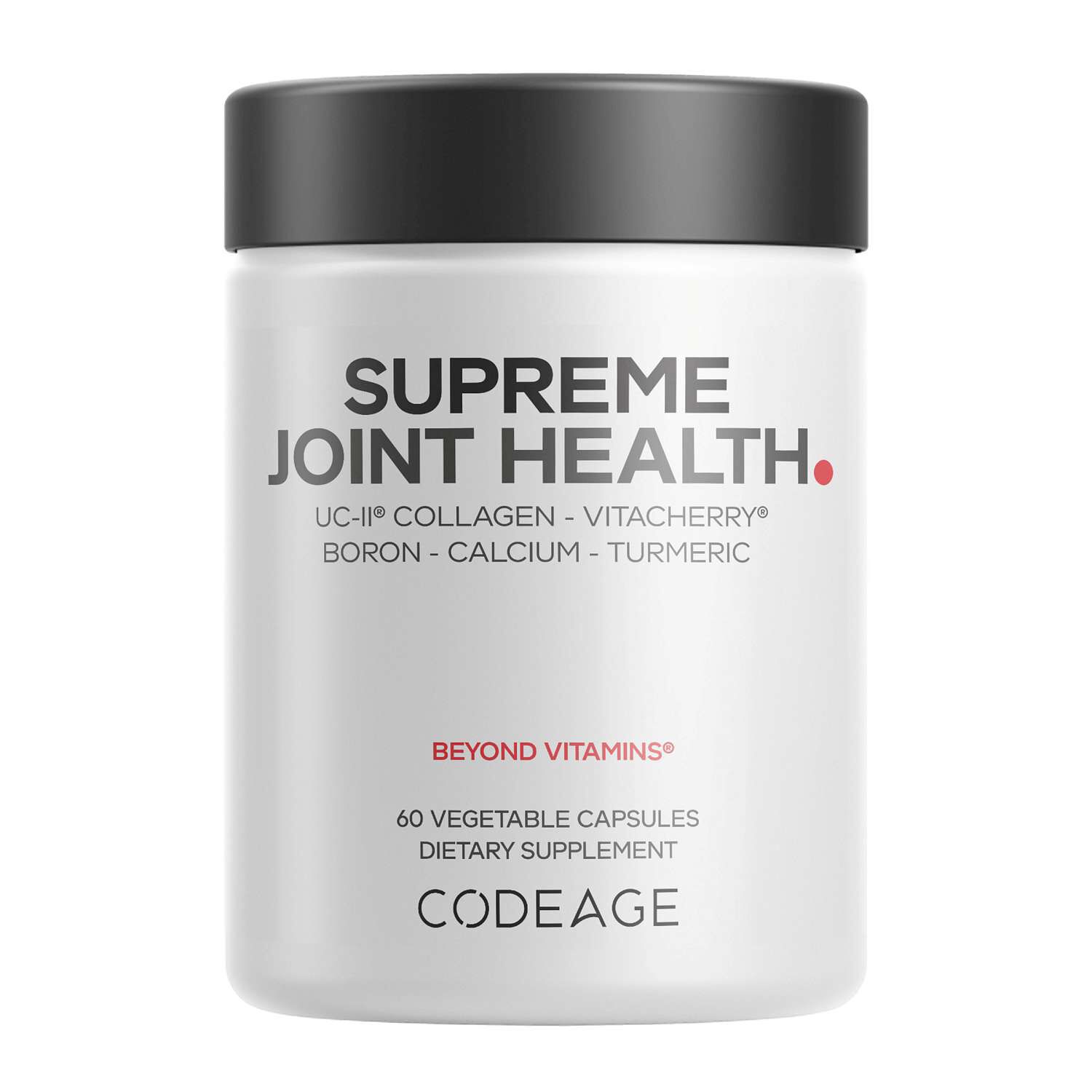

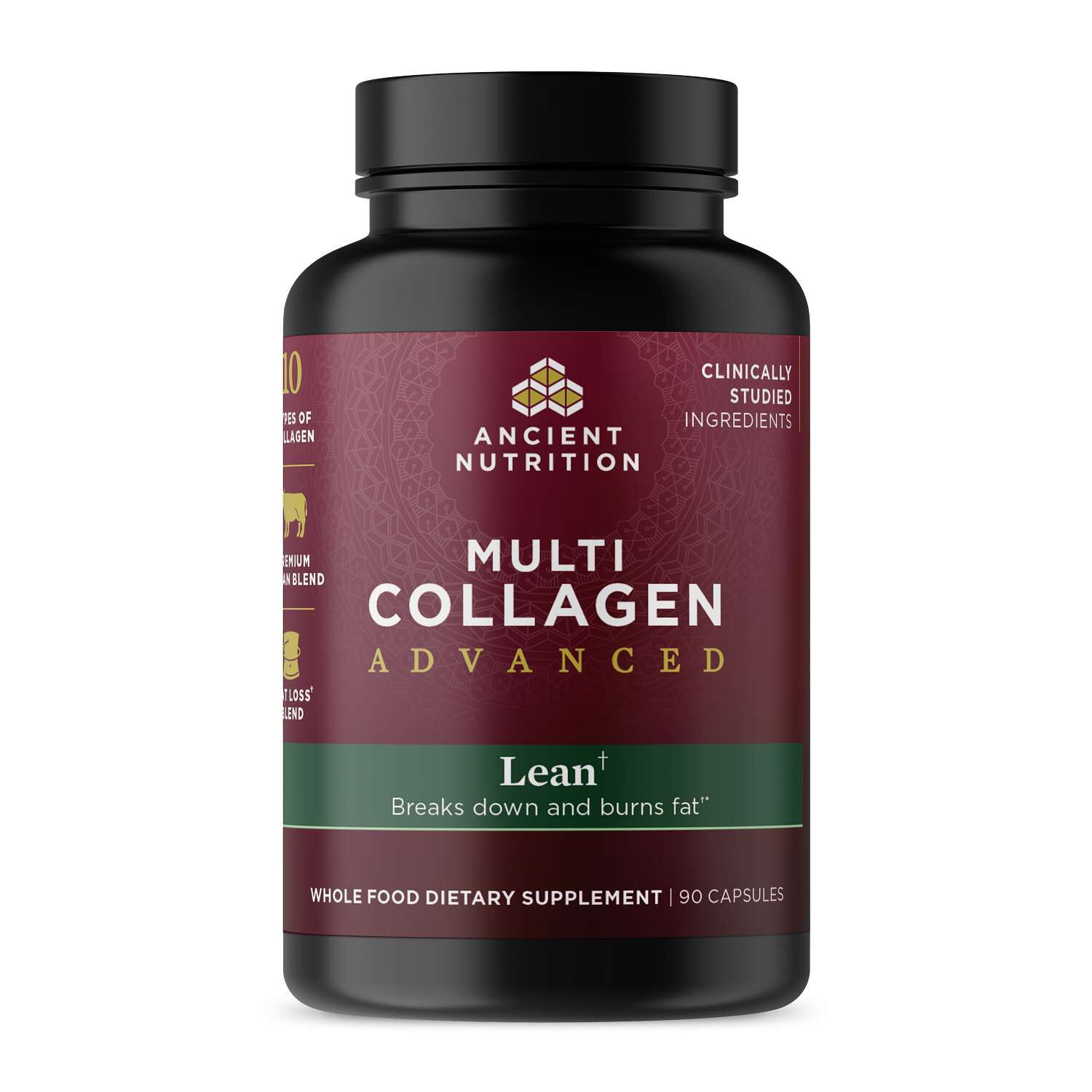
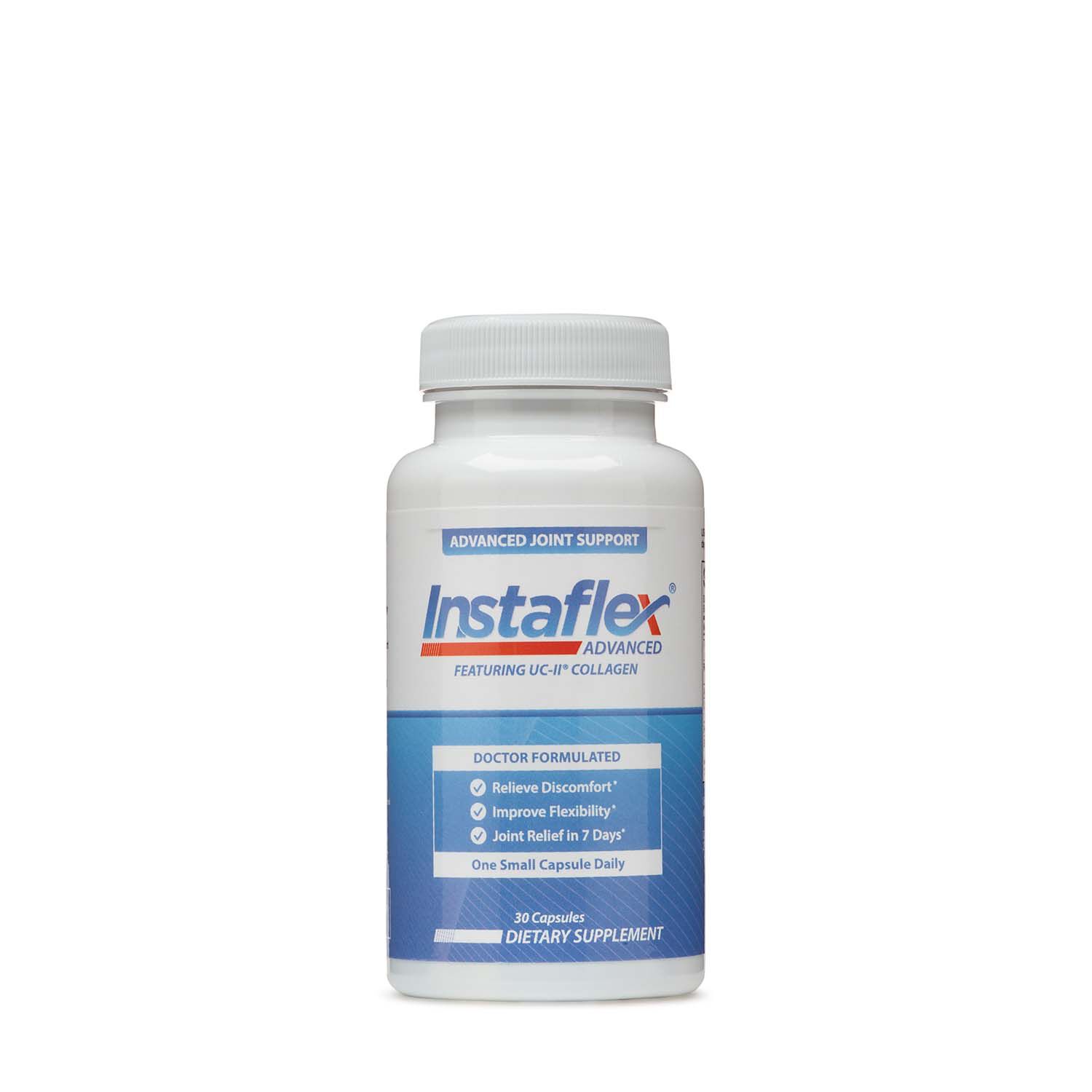
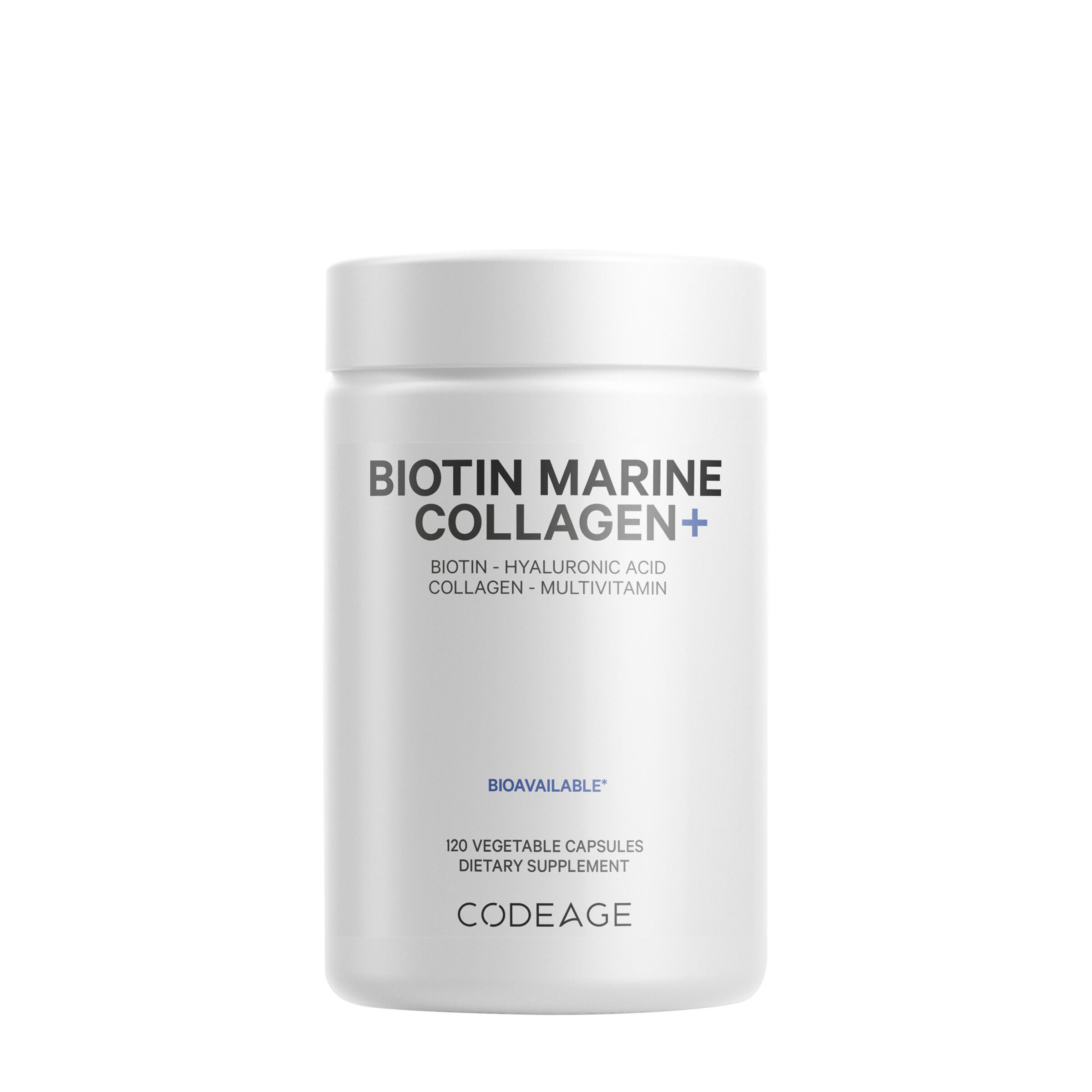
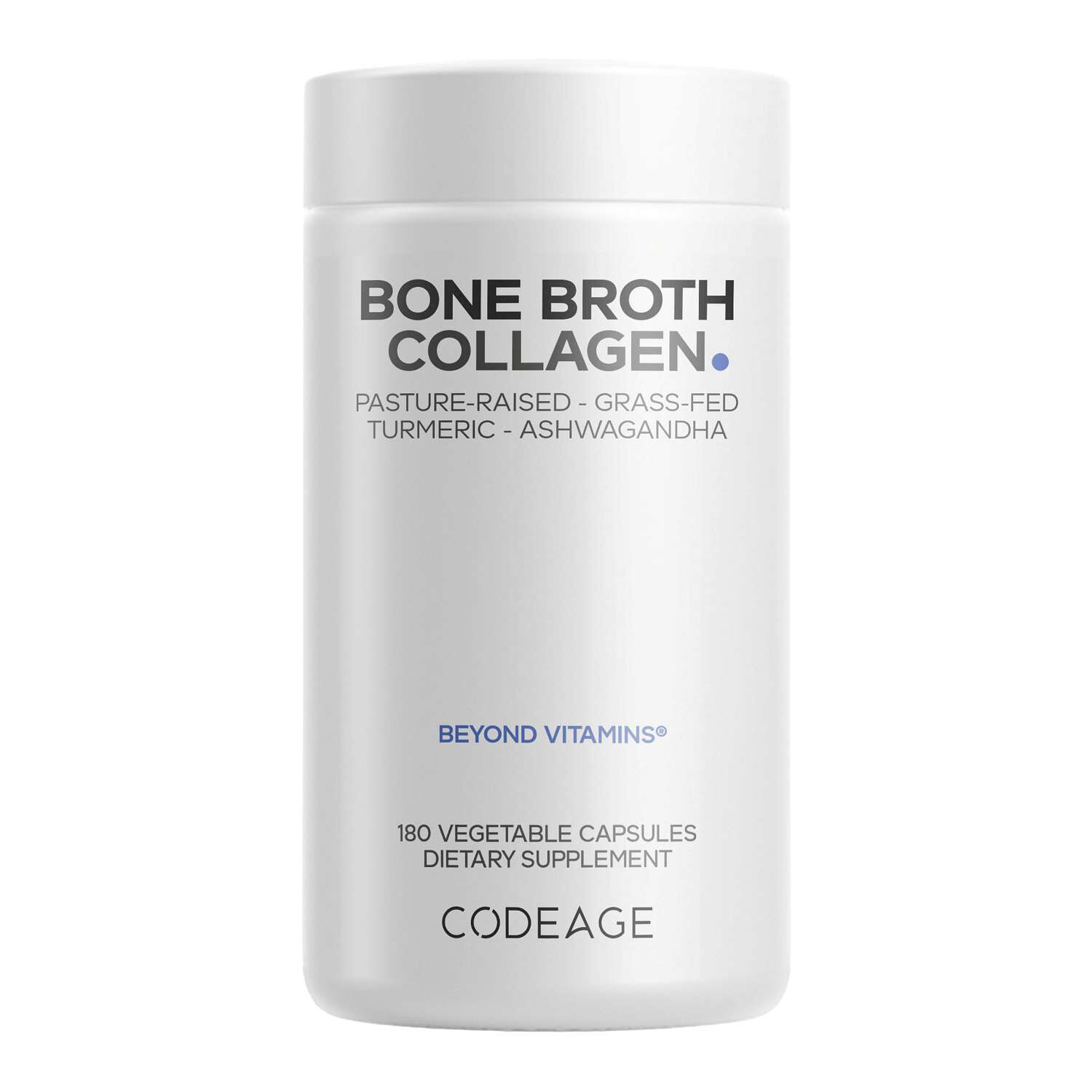
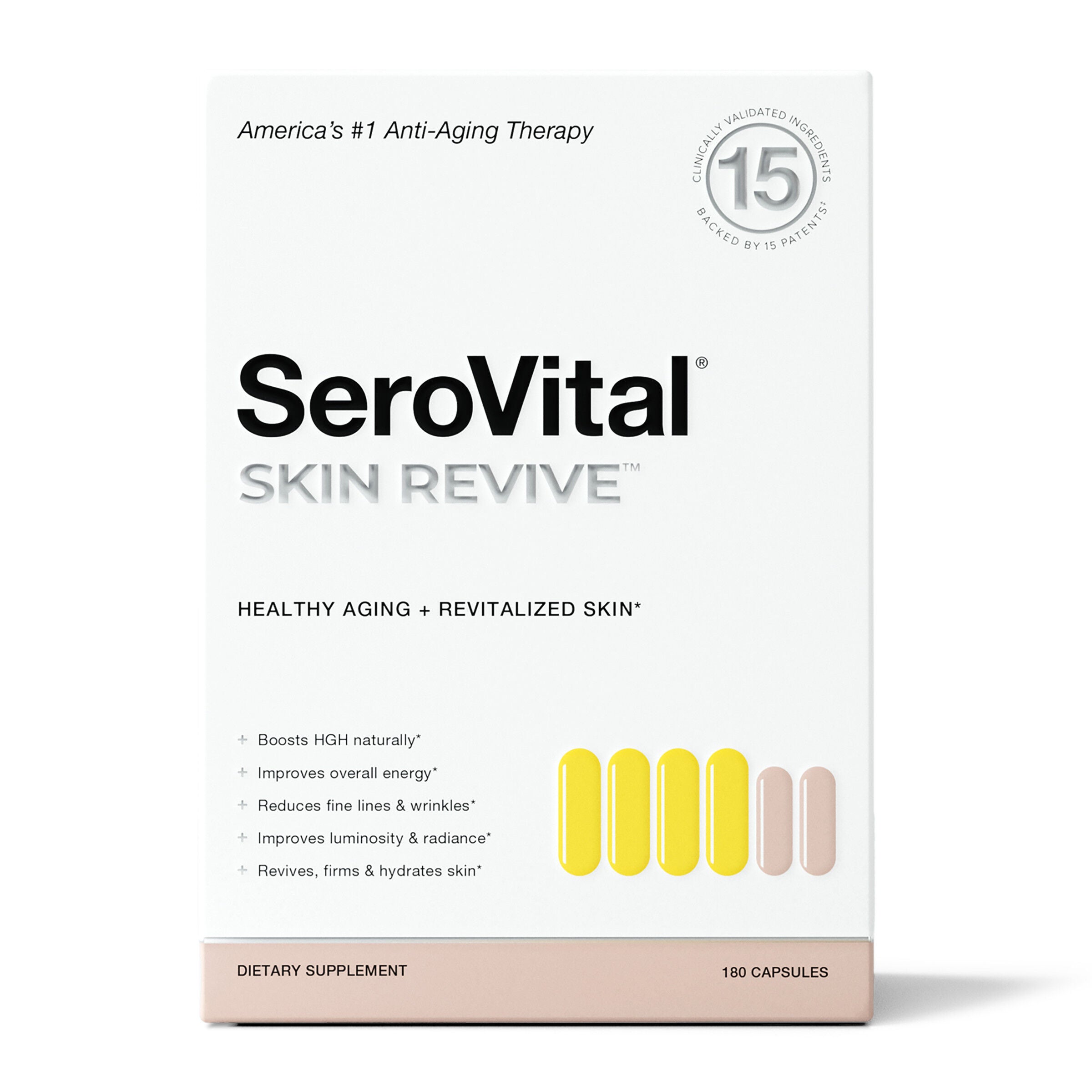
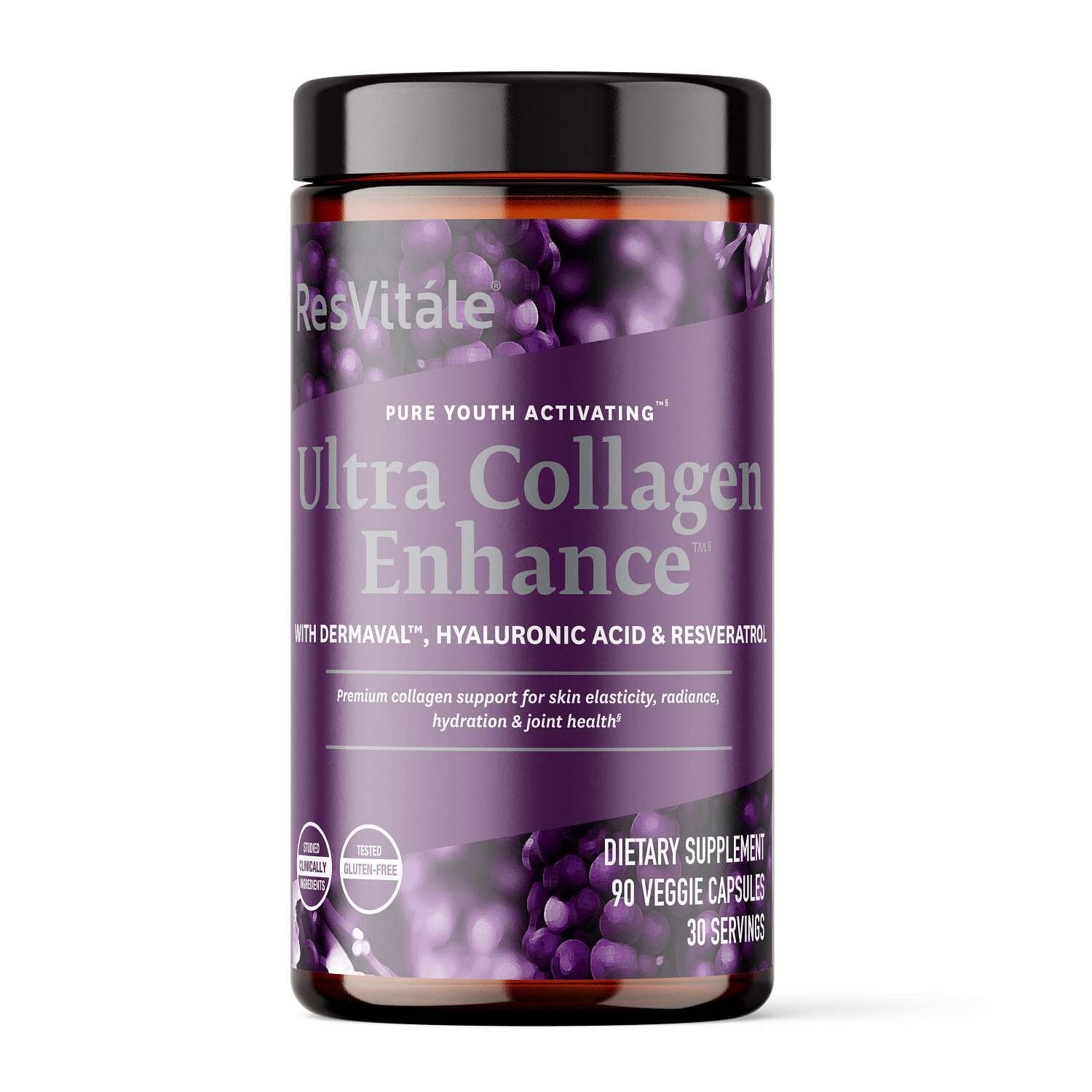
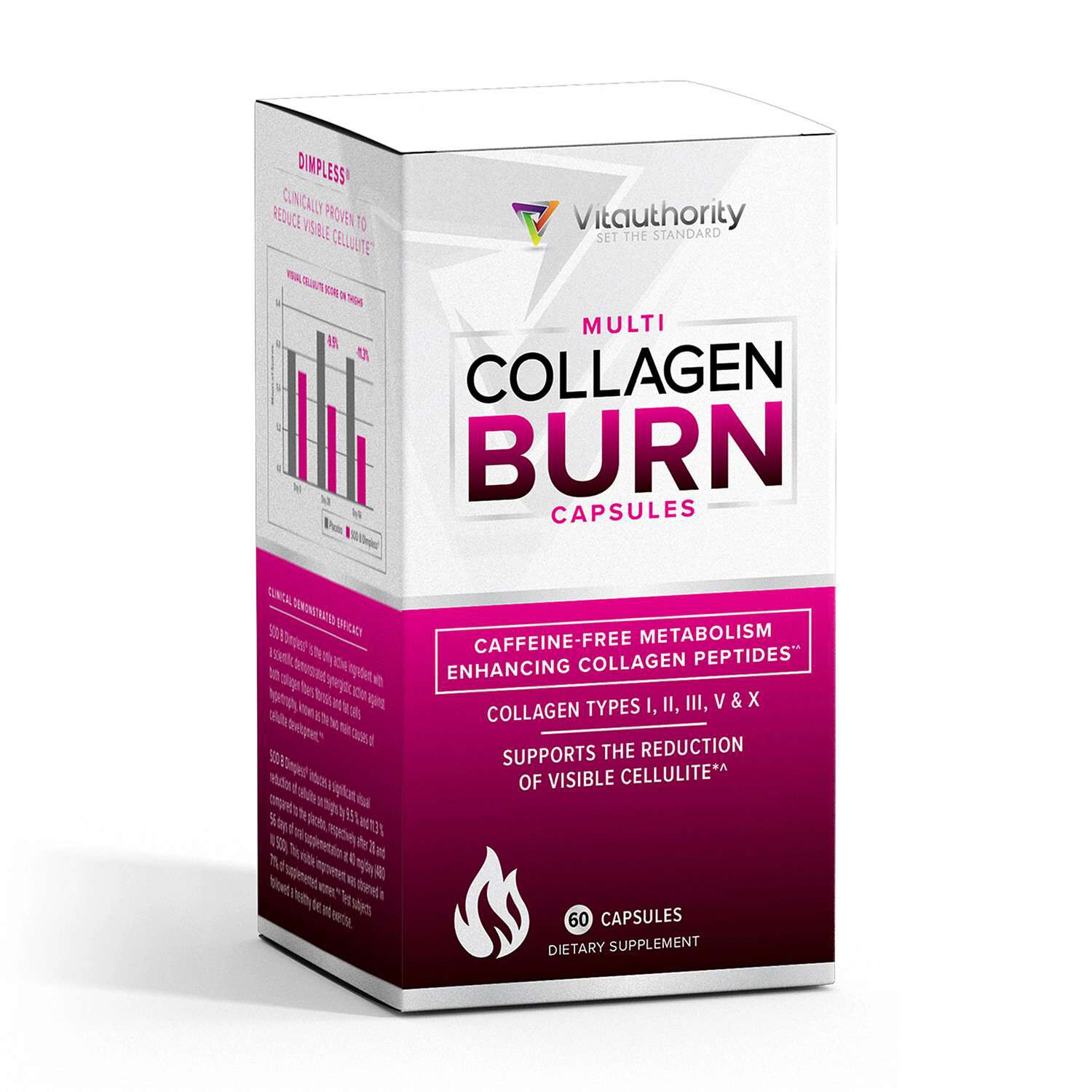
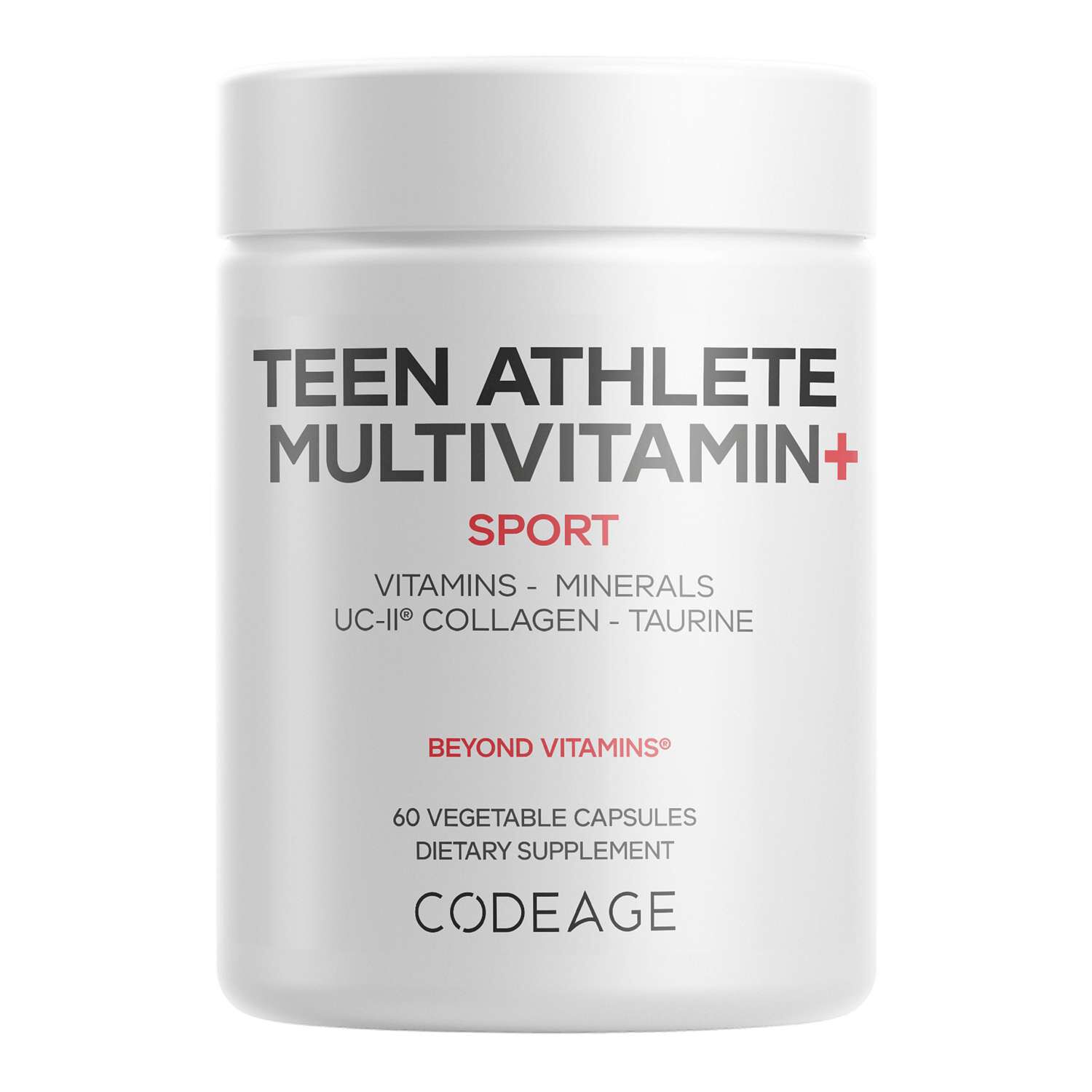
Collagen capsules are dietary supplements that contain collagen-derived ingredients in a capsule format, with no powder to measure or mix. For people whose days include strength training, walking, cycling, recreational sports, or time on their feet, capsules may offer a practical way to fit a supplement into an established routine. Their appeal is straightforward: a bottle fits into everyday storage, the serving information appears on the label, and there is no need to build a flavored drink around the supplement. Collagen itself is a structural protein naturally found in skin, cartilage, tendons, ligaments, and other connective tissues. Supplemental collagen commonly comes from animal sources, including bovine and marine sources, so the source matters when comparing formulas against dietary preferences. Bovine collagen comes from cattle, while marine collagen commonly comes from fish. Labels may also identify collagen types or describe an ingredient as hydrolyzed collagen or collagen peptides. Hydrolyzed collagen has been processed into smaller protein fragments; that description identifies the ingredient’s form rather than making different formulas interchangeable. Collagen capsules for active lifestyles vary in their ingredient amounts, capsule counts, and suggested servings, even when the bottles look similar. One capsule is not necessarily one serving, and the number of capsules in a bottle is different from the number of servings it contains. Amounts listed in milligrams or grams provide another useful point of comparison alongside the serving size. A smaller bottle with a smaller suggested serving may fit a different routine than a larger bottle that requires several capsules per serving. For someone packing a gym bag before a commute, those details are part of the format’s everyday practicality. The most relevant comparison is not simply how much a container holds, but how its labeled serving, ingredients, and packaging fit the way it will be used.
The formula inside the capsule and the material surrounding it both deserve attention. Some collagen capsules contain a short ingredient list centered on collagen, while others combine collagen with vitamins, minerals, or additional ingredients. Those combinations have different compositions, making the Supplement Facts panel and other ingredient information more informative than a product name alone. Capsule shells may contain gelatin or plant-derived materials such as cellulose. A plant-derived shell does not make an animal-derived collagen formula suitable for a vegan eating pattern, and the shell material does not replace the need to review the collagen source. Fish ingredients, other declared allergens, and manufacturing statements are relevant details for shoppers with particular ingredient requirements. Capsule dimensions also vary, so the size shown or described on the packaging may matter as much as the number in a serving. Someone who prefers smaller capsules may approach that choice differently from someone who prioritizes fewer capsules per serving. Packaging adds another practical consideration. A secure closure, a readable label, and clear serving information matter when a bottle moves between a kitchen cabinet, a work bag, and a gym locker. Storage directions remain important even for a portable format; a bottle that travels regularly still needs the conditions specified on its packaging. Keeping capsules in their labeled container preserves access to the ingredient list, serving directions, date information, and any handling instructions. Moisture protection and closure design are useful packaging details to notice, particularly when the container will be opened frequently. Where a label identifies independent testing or certification, the named program and its stated scope provide more context than a general statement about quality. These considerations are about the formula’s identity, packaging, and intended use, not just its appearance on a shelf. A straightforward label with clearly presented quantities and source information may make a capsule format easier to evaluate alongside other supplements already in a daily routine.
Active lifestyles rarely follow one schedule. A person who walks before work, a recreational lifter who trains after a commute, and someone who spends weekends on local trails may all prefer different ways of organizing supplements. Capsules may suit those who do not want another flavored beverage or a powder container among their daily supplies. They also keep the supplement separate from breakfast, a smoothie, or a post-workout drink, leaving those food and beverage choices independent of the capsule format. That distinction is useful for understanding intended use: collagen capsules are a labeled dietary supplement, not a meal, sports beverage, or substitute for a varied eating pattern. Their role belongs within the broader context of meals, movement, rest, and hydration rather than standing in for those habits. For days that move between meetings and exercise, Collagen Supplements For Busy Professionals offers a related collection to explore alongside activity-focused options. The overlap is practical: manageable packaging, clear ingredient information, and a format that fits an ordinary day. Timing and serving directions differ by formula, so an assumed pre-workout or post-workout schedule is not a substitute for the directions on the package. A capsule format also does not establish a formula’s protein amount; that information comes from its own label rather than a comparison with the size of a protein powder scoop. For someone considering collagen capsules as a gift, an already expressed preference for the source, formula, and capsule format is more useful than knowing only that the recipient enjoys exercise. Dietary supplements are personal purchases, and a familiar choice may be more appropriate than an unfamiliar blend. Whether the intended routine involves a neighborhood walk, a training session, or a busy day away from home, the meaningful differences remain concrete: what the formula contains, how much is in a labeled serving, what the capsule is made from, and how the package fits everyday use.
Best Sellers
-
Ancient Nutrition
-
 Bee And You