





Collagen Powders With No Sugar
(0 Results)
Collagen powders with no sugar offer a convenient way to support your daily wellness routine without added sweetness. These versatile options may blend easily into smoothies, coffee, or your favorite recipes, making it simple to incorporate collagen into your lifestyle. Whether you're looking for an unflavored addition to your morning shake or a straightforward option for your nutritional needs, collagen powders with no sugar could fit seamlessly into a variety of routines. Explore a range of choices that may help you on your journey toward your wellness goals.
-
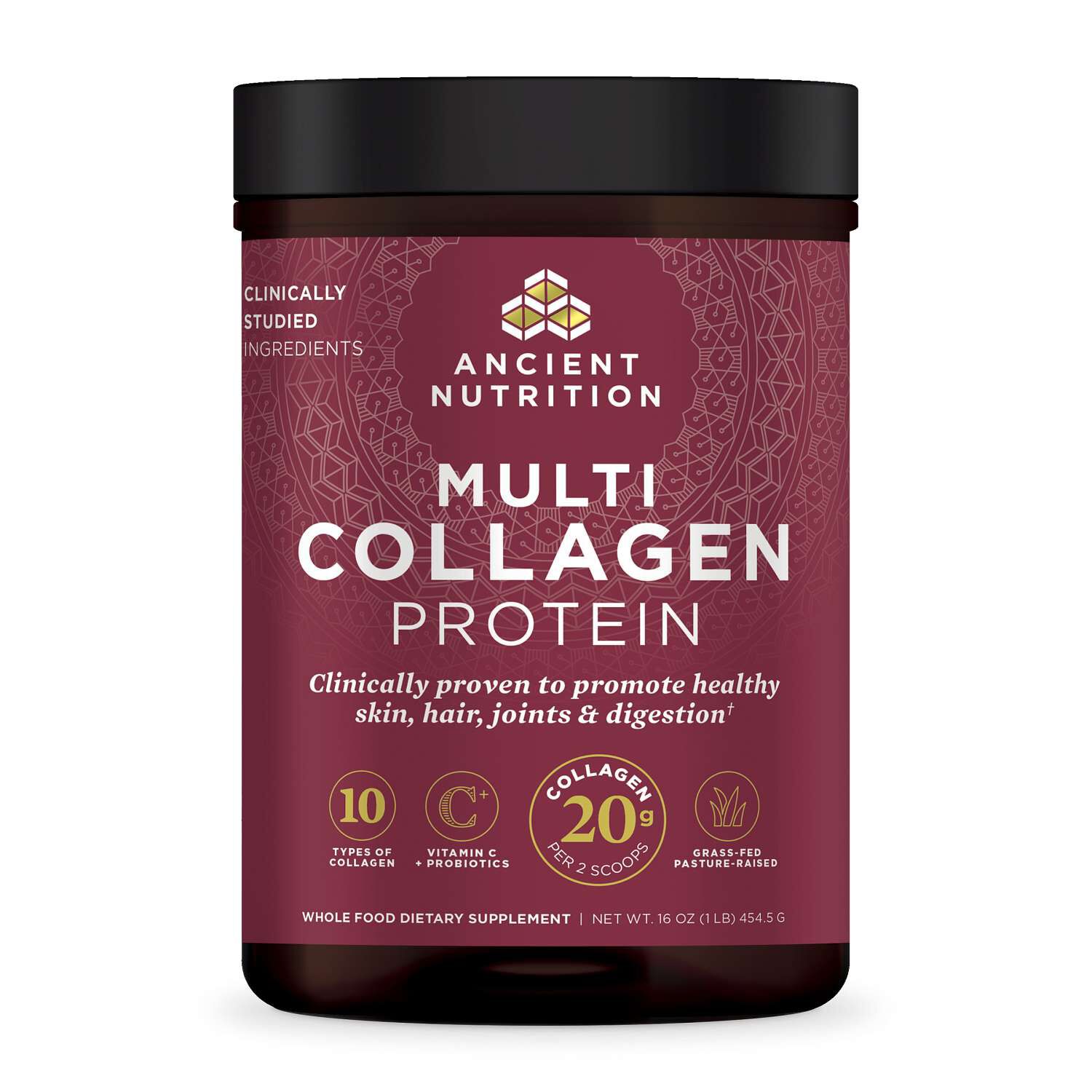
-
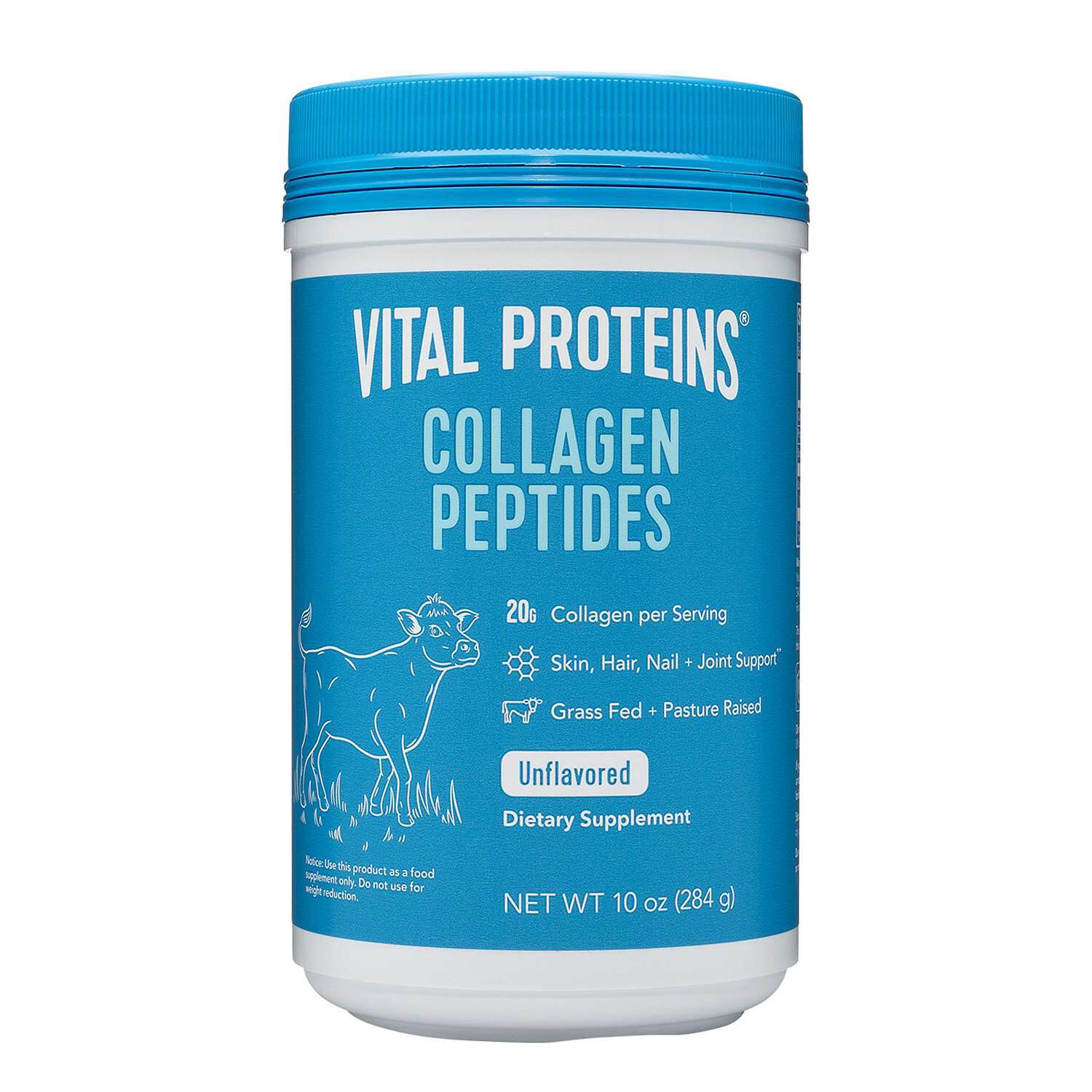
-
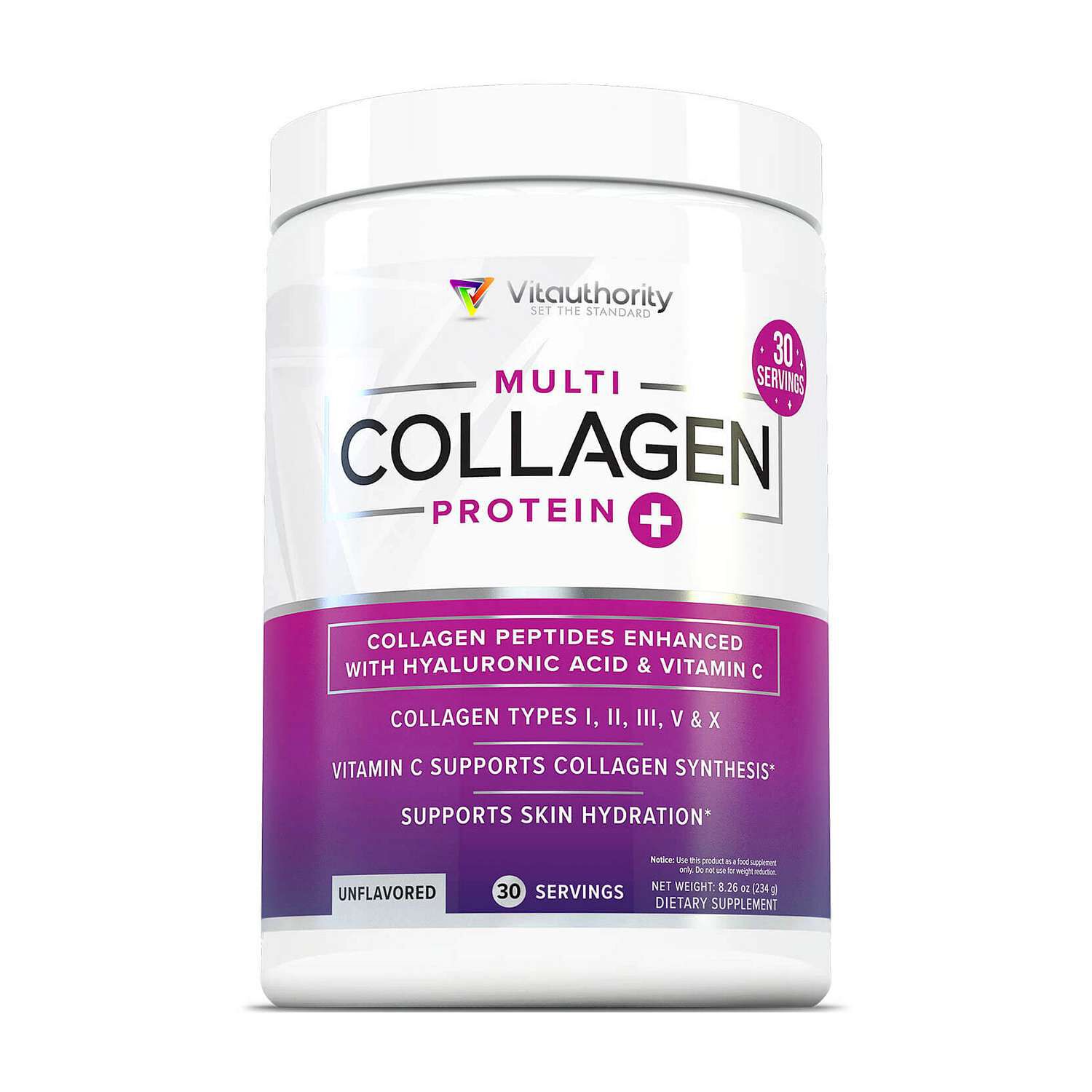
-
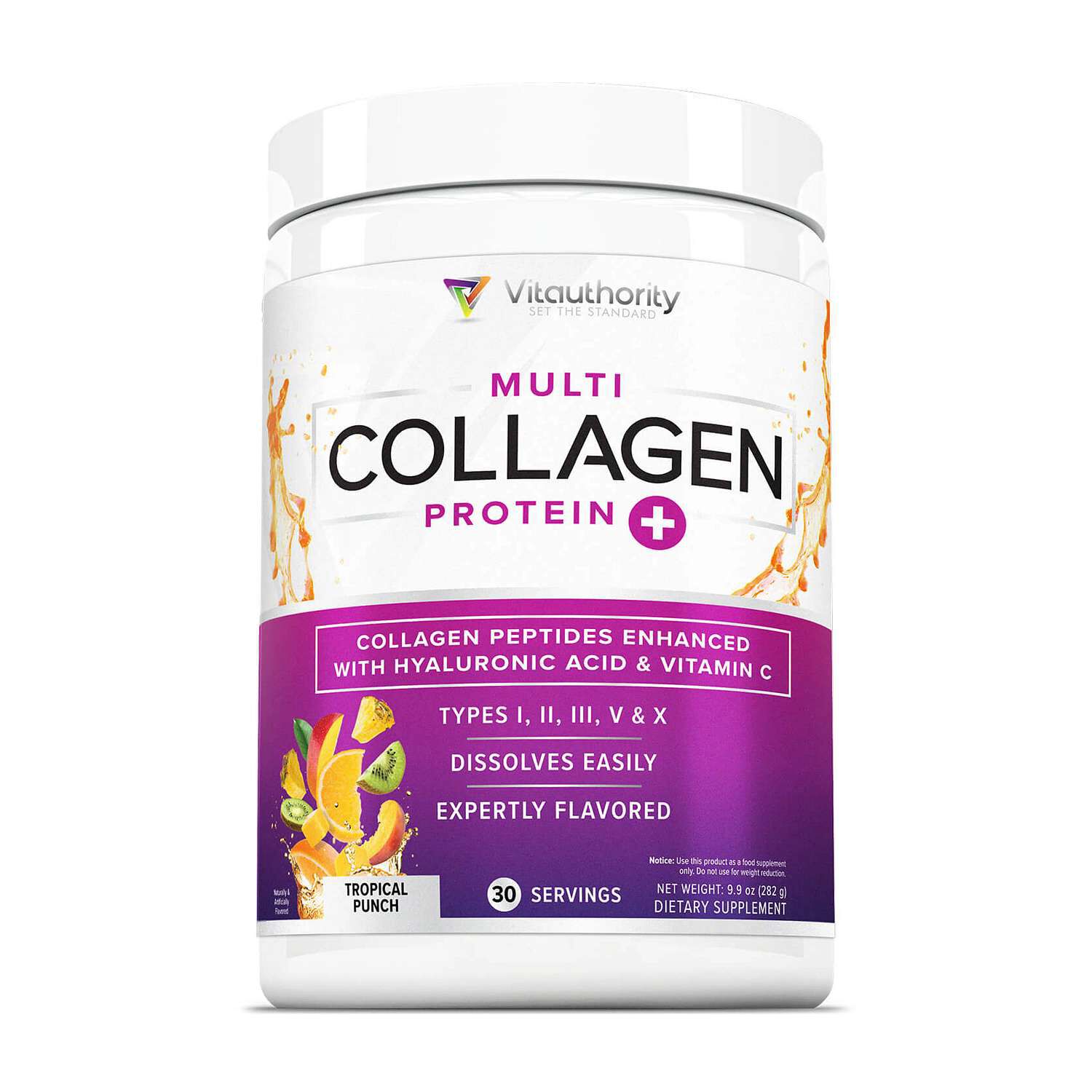
-
-

-

-
-
-
-
-

-

-

-

-

-

-
-
-
 44$44.99
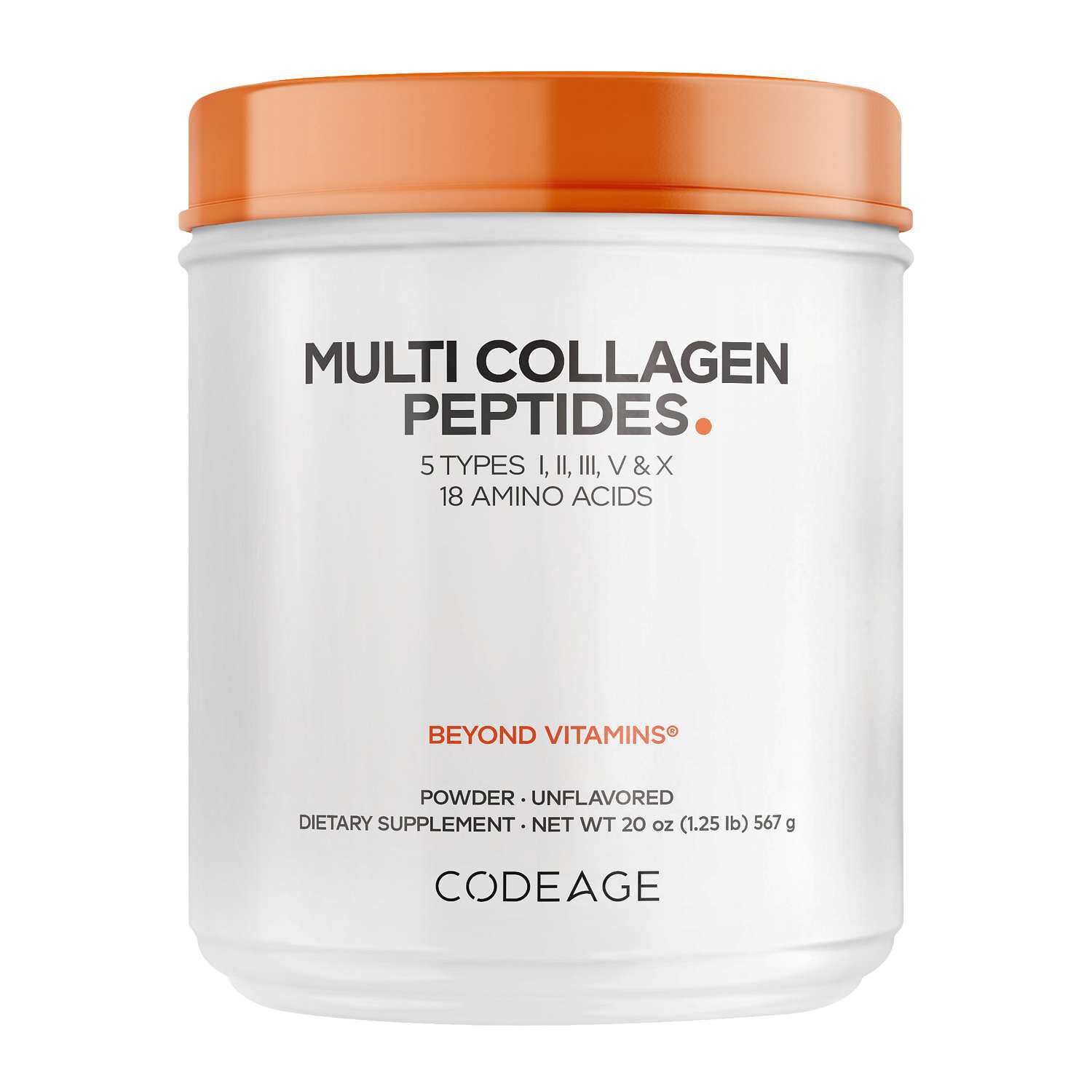
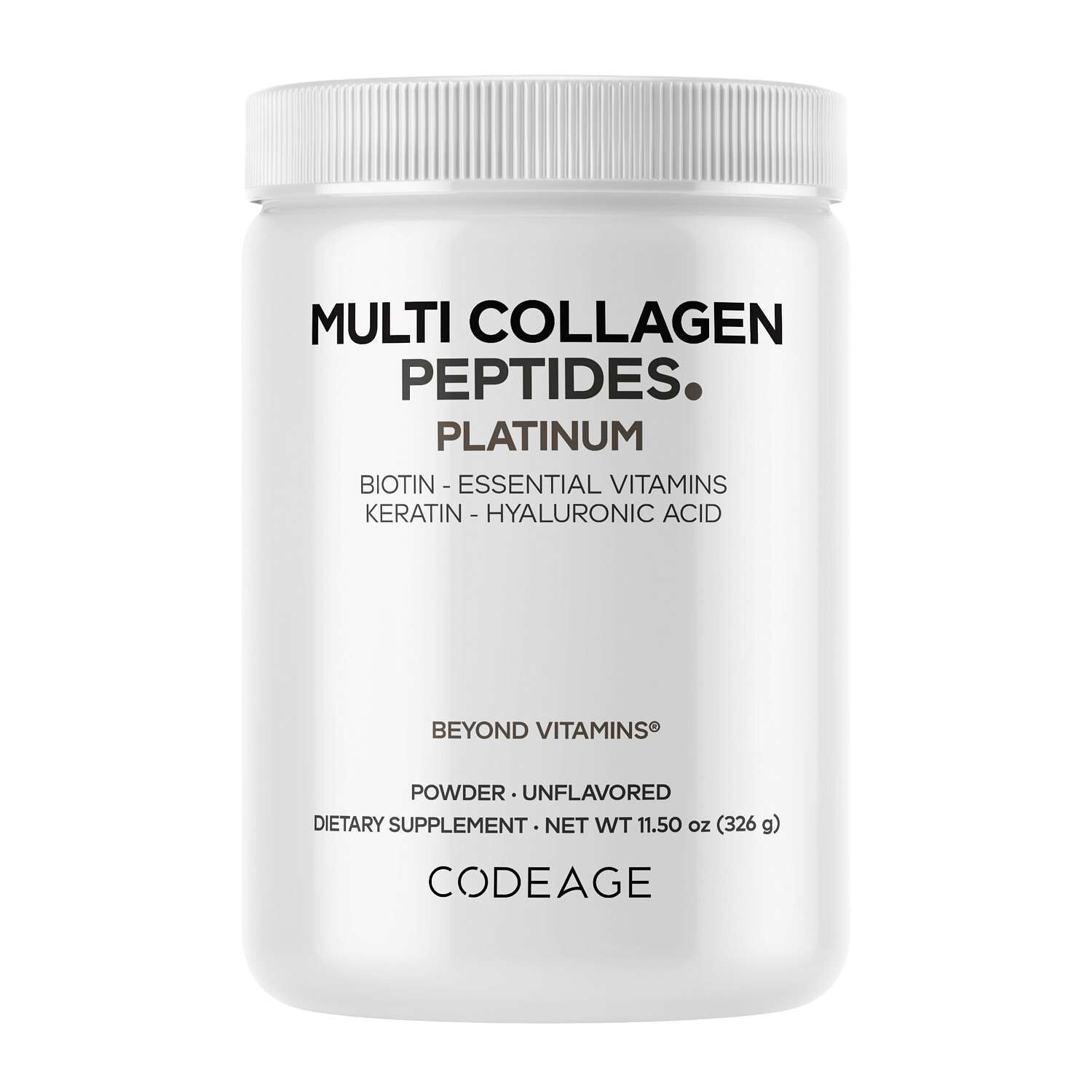
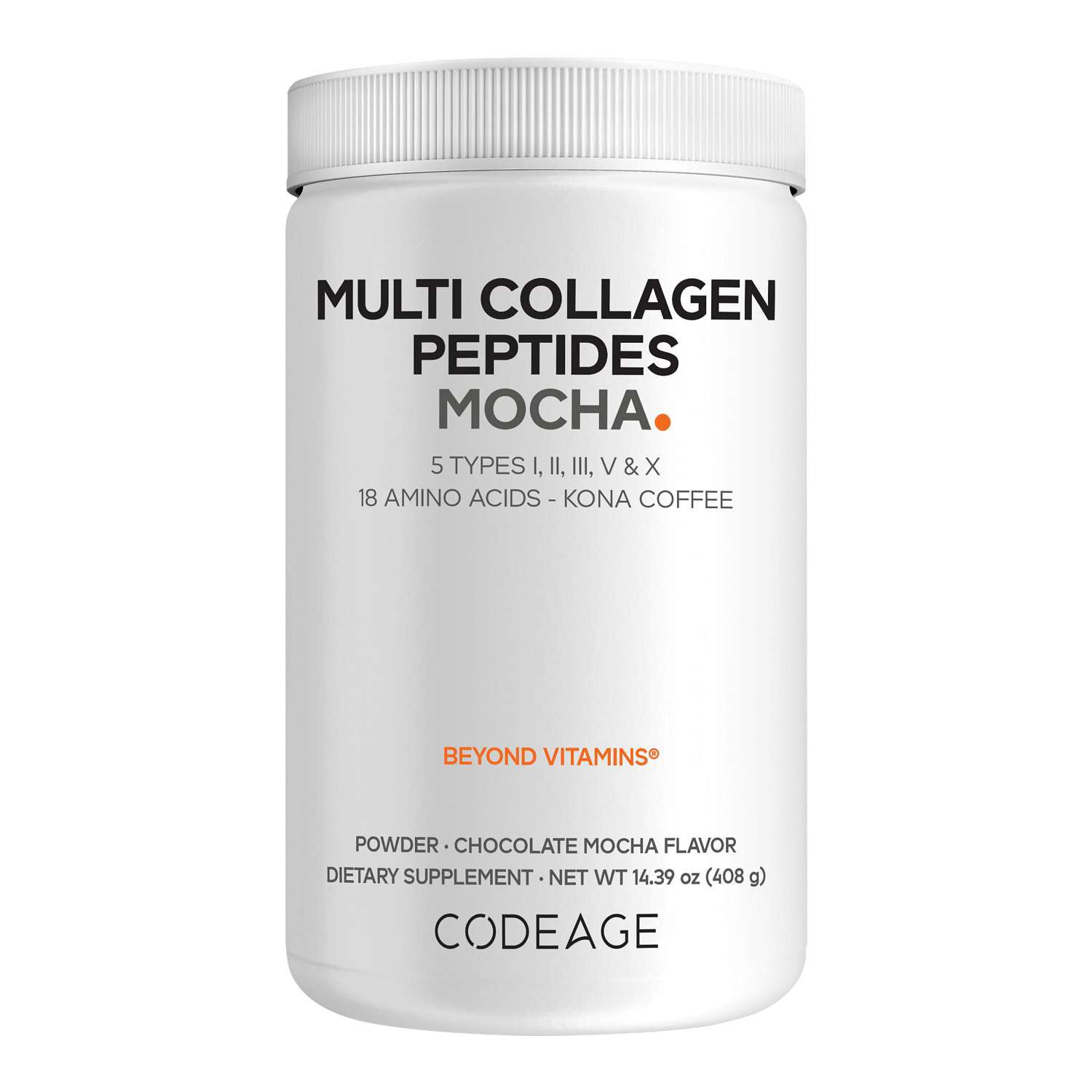

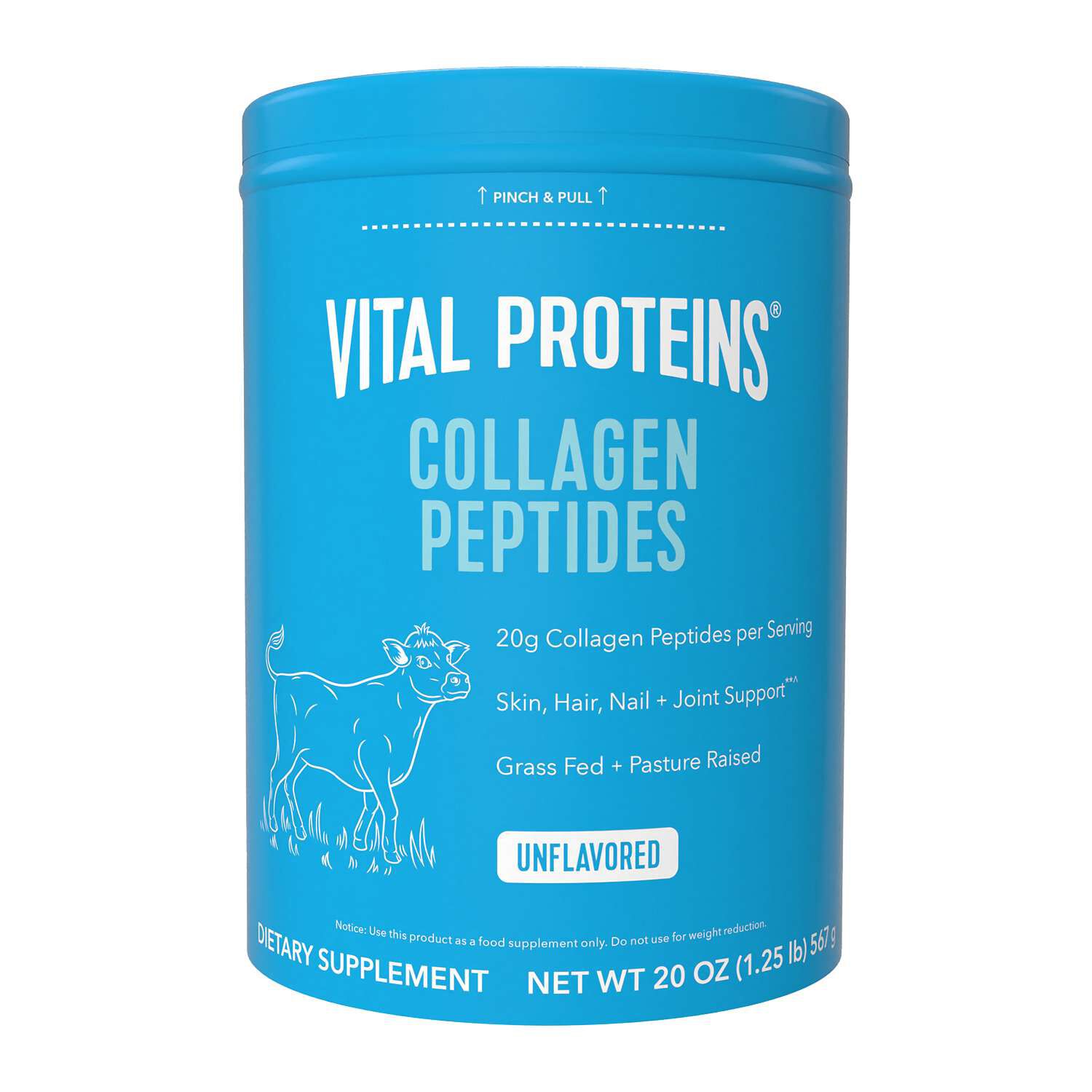
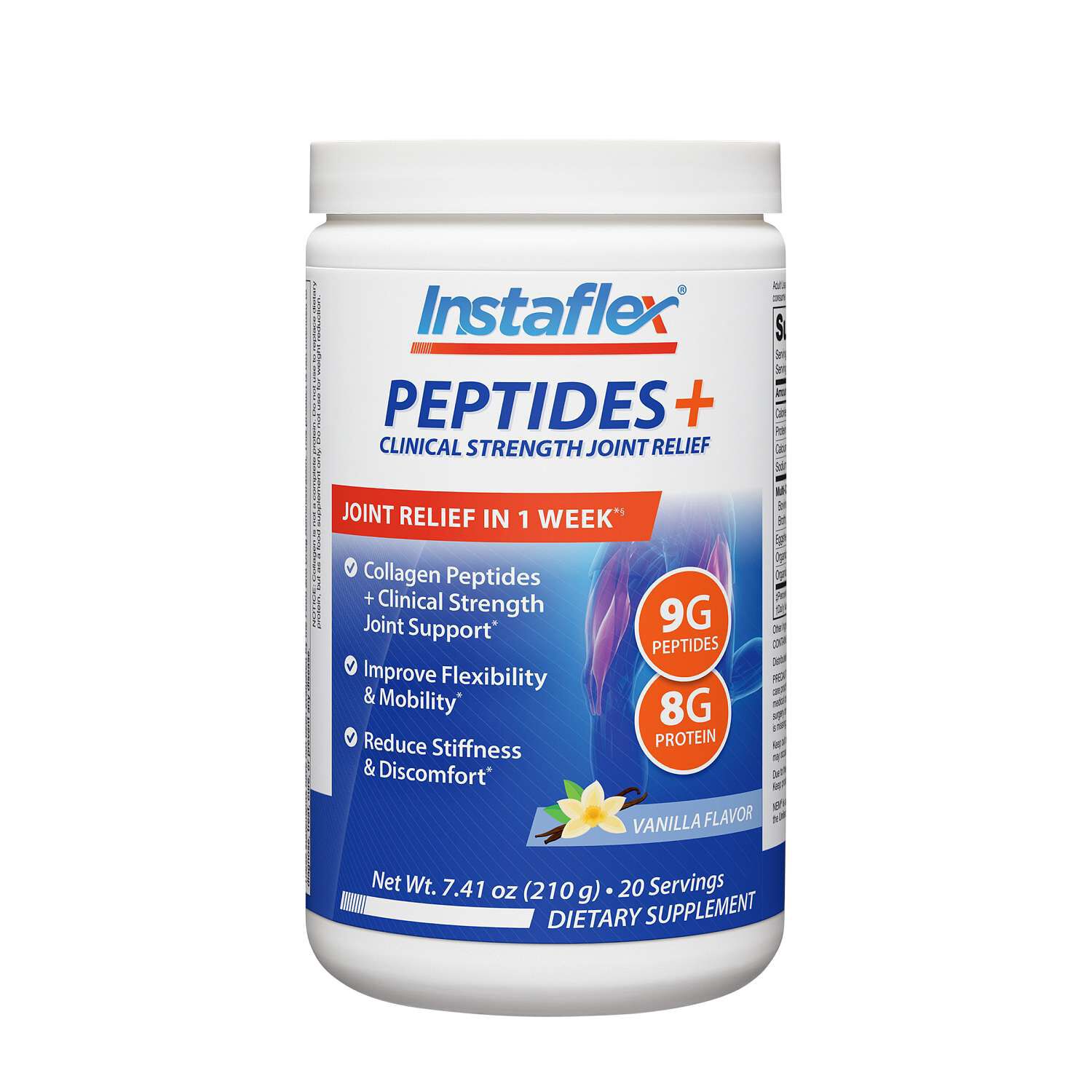
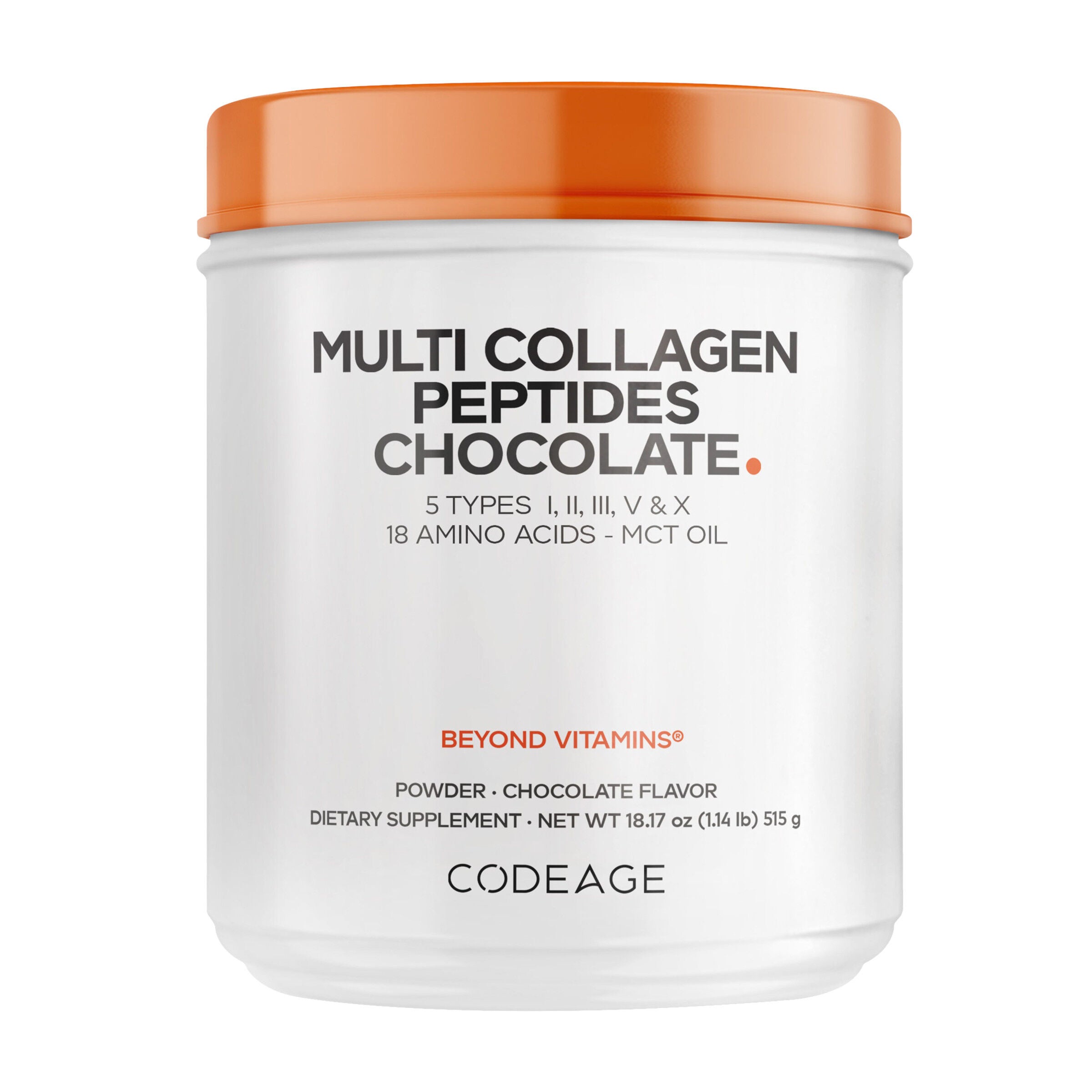
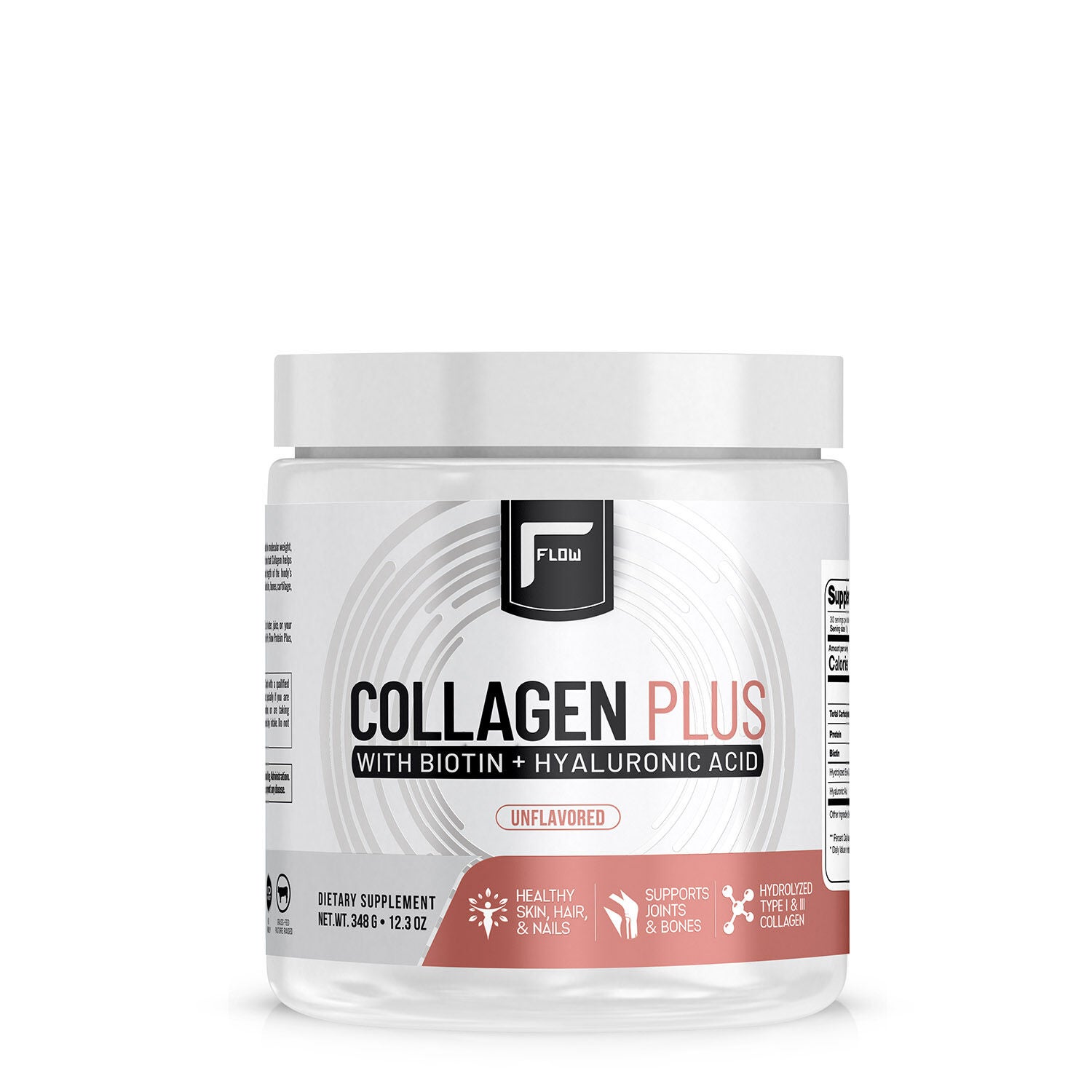
Collagen powders with no sugar are powdered collagen supplements labeled with 0 grams of sugar per serving. They offer a way to add collagen to a beverage or recipe without adding sugar from the powder itself. That description does not necessarily mean a formula is unflavored, unsweetened, or made with only one ingredient. Some zero-sugar collagen powders contain flavorings or alternative sweeteners, while others contain collagen peptides alone. The distinction matters when choosing something for a morning coffee, a plain yogurt bowl, or a fruit smoothie with its own sweetness. “No added sugar” is also different from “no sugar”: a formula with no added sugar can still contain naturally occurring sugars, so the nutrition panel is a better reference than a front-label phrase alone. Serving size, grams of collagen, protein content, and the ingredient list give a more useful picture of what each portion contains. Collagen is a structural protein found in animals, and collagen powders commonly come from bovine or marine sources. Bovine collagen comes from cattle, while marine collagen commonly comes from fish; other formulas combine collagen from several animal sources. These distinctions are relevant to food preferences, dietary restrictions, and ingredient sensitivities. Animal-derived collagen does not fit a vegan eating pattern. Labels may also identify collagen types, such as Type I, Type II, or Type III, but the number of types is not, by itself, a measure of how suitable a powder is for a particular routine. Many powders use hydrolyzed collagen, also called collagen peptides, meaning the collagen has been processed into smaller peptide pieces. This is a common format for powders intended to mix into food and drinks. For shoppers comparing collagen powders with no sugar, the most meaningful starting points are the stated sugar content, collagen source, amount per serving, and whether the rest of the formula matches how the powder will be used.
Flavor and texture often determine whether a collagen powder earns a regular place beside the coffee maker or sits untouched in a cupboard. Unflavored does not always mean undetectable: an unflavored powder may have a subtle taste or aroma that is more noticeable in plain water than in coffee, cocoa, or a smoothie. A flavored formula could be a better fit for someone who prefers a drink with a distinct taste, while a plain formula might suit someone who wants flexibility across several recipes. Sugar content and sweetness are separate considerations. Ingredients such as stevia or monk fruit can contribute sweetness without the powder containing sugar, and sweetener preferences vary from person to person. Reading the full ingredient list can clarify whether the formula includes sweeteners, flavorings, coloring ingredients, or other supplements alongside collagen. For another flavor-focused category to compare, Collagen Powders With Natural Flavors offers a related browsing path; natural flavor wording alone does not establish that a powder contains no sugar. Preparation deserves equal attention. Follow the package directions for the amount of powder and liquid, since scoop sizes and mixing instructions differ. Adding a serving to a small splash of liquid before stirring in the rest may make it easier to work out dry pockets, depending on the formula. A shaker bottle may suit a desk-side drink, while a blender may be more convenient when the powder is going into a smoothie with fruit and yogurt. In thicker foods, such as oatmeal or yogurt, gradual stirring may produce a more even texture than adding the entire serving at once. The finished recipe also matters: a powder labeled with 0 grams of sugar does not make a smoothie, flavored coffee, or yogurt bowl a no-sugar meal. Milk, fruit, syrups, and other additions contribute their own nutrients and sugars. Thinking about the whole recipe keeps the powder’s label claim in perspective and makes comparisons more practical.
Beyond flavor, the best fit often comes down to portion size, packaging, and the rhythm of an ordinary day. Someone who prepares breakfast at home may prefer a resealable container with clear serving directions, while someone packing a work bag may find individual portions easier to carry. A scoop is a measuring tool rather than a universal serving standard; one formula’s scoop can hold a different amount from another’s. Compare the labeled serving weight and protein grams instead of assuming that matching scoop counts means matching portions. Likewise, container size alone does not reveal how many servings it holds. Collagen powders are intended as supplements to an eating pattern, not as replacements for varied meals. Their amino acid profile differs from that of other protein sources, so collagen should not be treated as nutritionally interchangeable with every protein powder. For someone choosing a powder specifically for collagen, a straightforward ingredient list may be appealing; someone considering a blend may want to review every additional ingredient rather than focusing only on the collagen named on the front. Clear source information and any documented independent testing can also be useful comparison points, although testing claims should be read for what they actually cover. Care is mostly about keeping the powder dry and following the storage instructions. Close the lid or seal after use, keep the scoop dry, and avoid storing an open container where steam or splashes can reach it. Check the package date and any directions that apply after opening rather than assuming every powder has the same storage life. A portable portion belongs in intact packaging until use, especially when carried alongside a water bottle or lunch container. For everyday use, a formula that fits a familiar drink or meal may be more practical than one that requires a separate preparation ritual. Whether the preference is plain collagen stirred into breakfast or a flavored powder mixed as directed, a clear label, suitable animal source, manageable serving size, and agreeable taste provide a grounded basis for choosing collagen powders with no sugar.
Best Sellers
-
Ancient Nutrition
-
Vital Proteins
