Collagen With No Preservatives
(0 Results)
Explore the potential benefits of collagen with no preservatives, a natural choice for those seeking to support their skin, hair, nails, and joints. These products could offer a clean and simple approach to incorporating collagen into your daily routine. Whether you're looking to promote youthful skin or maintain joint health, collagen with no preservatives might be the ideal addition to your wellness regimen. Discover how this pure form of collagen can seamlessly fit into your lifestyle without any unnecessary additives.
-
-
-
 Angry Supplements$14.99
-

-
 $24.99
-
-
-
-
-

-

-
-

-
-
-
-
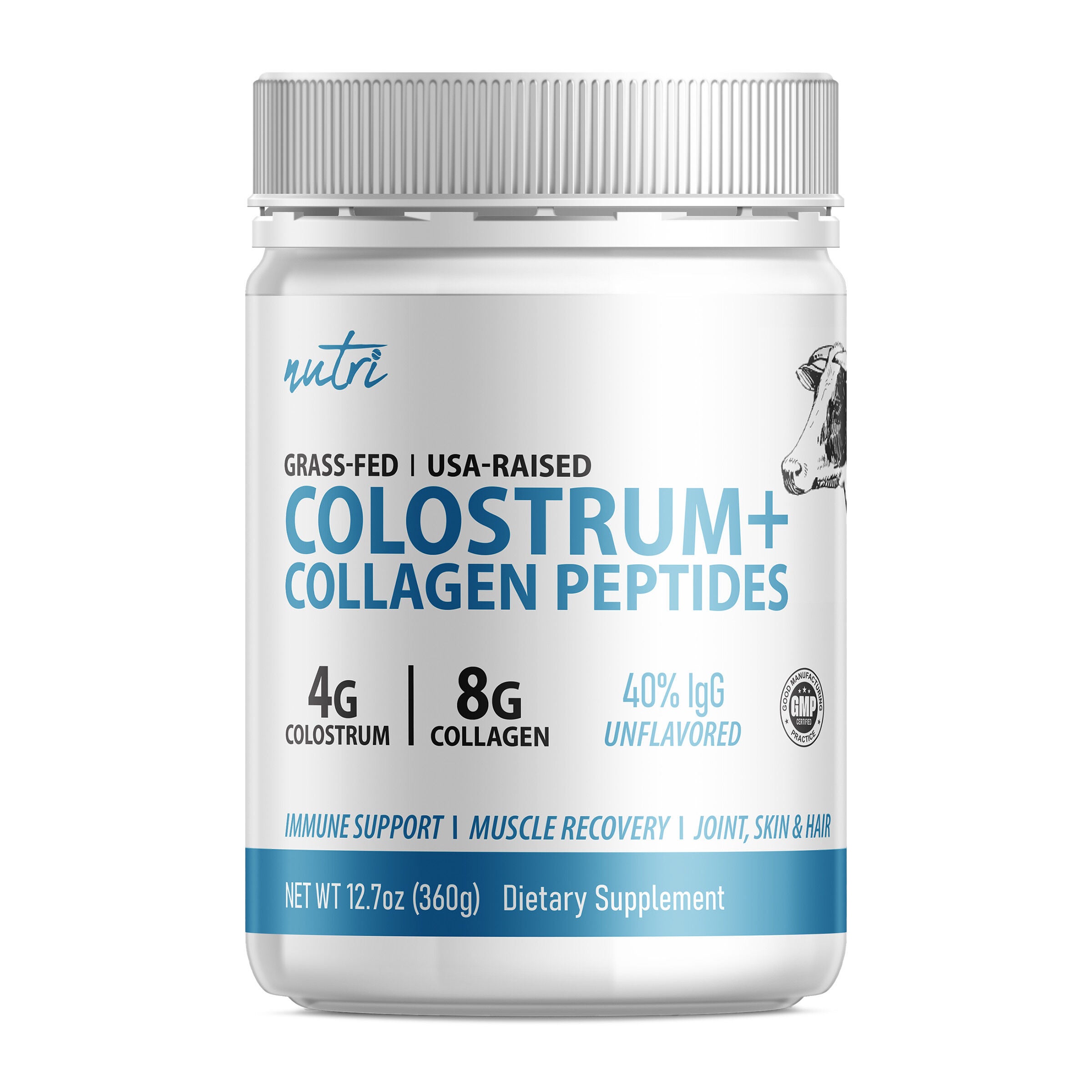
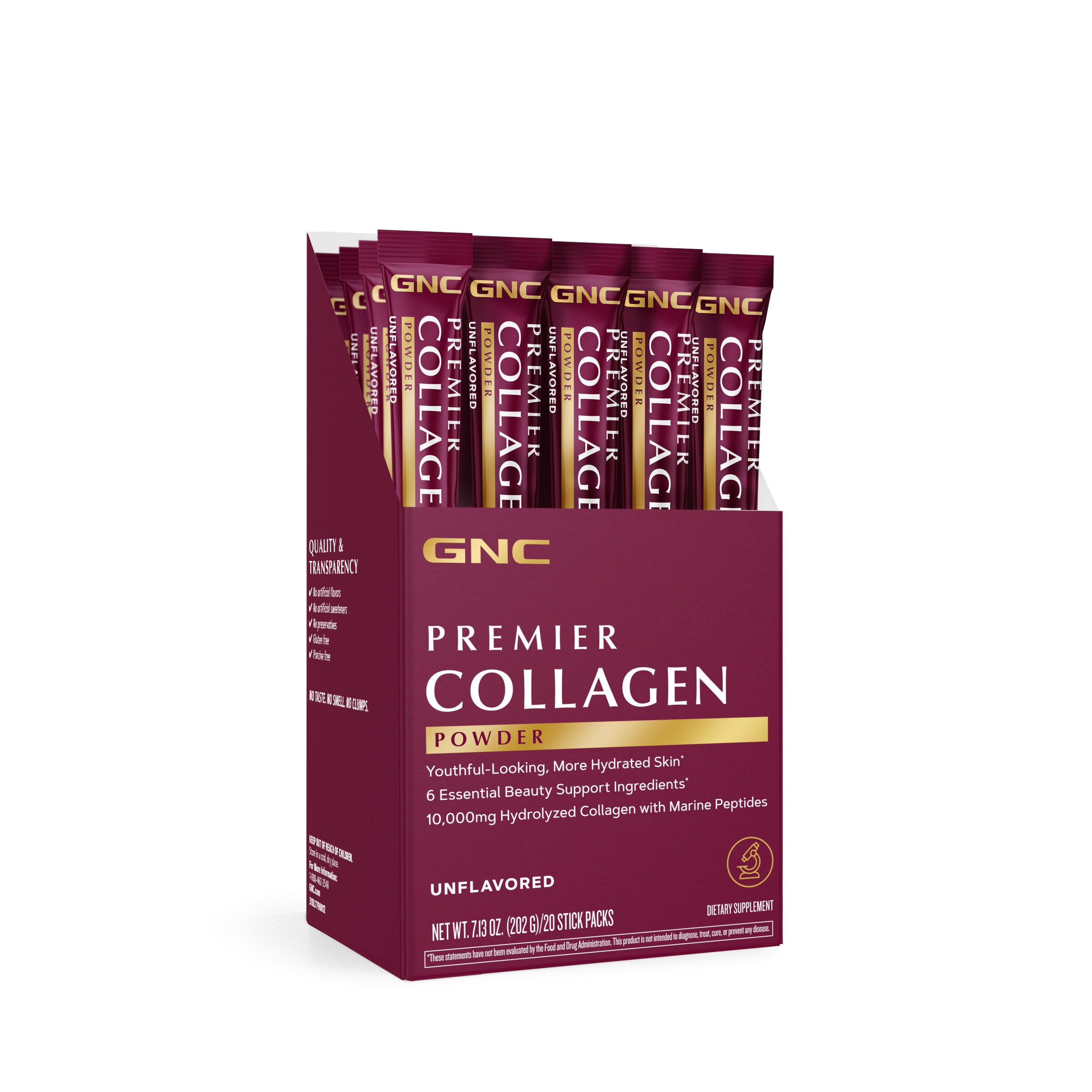
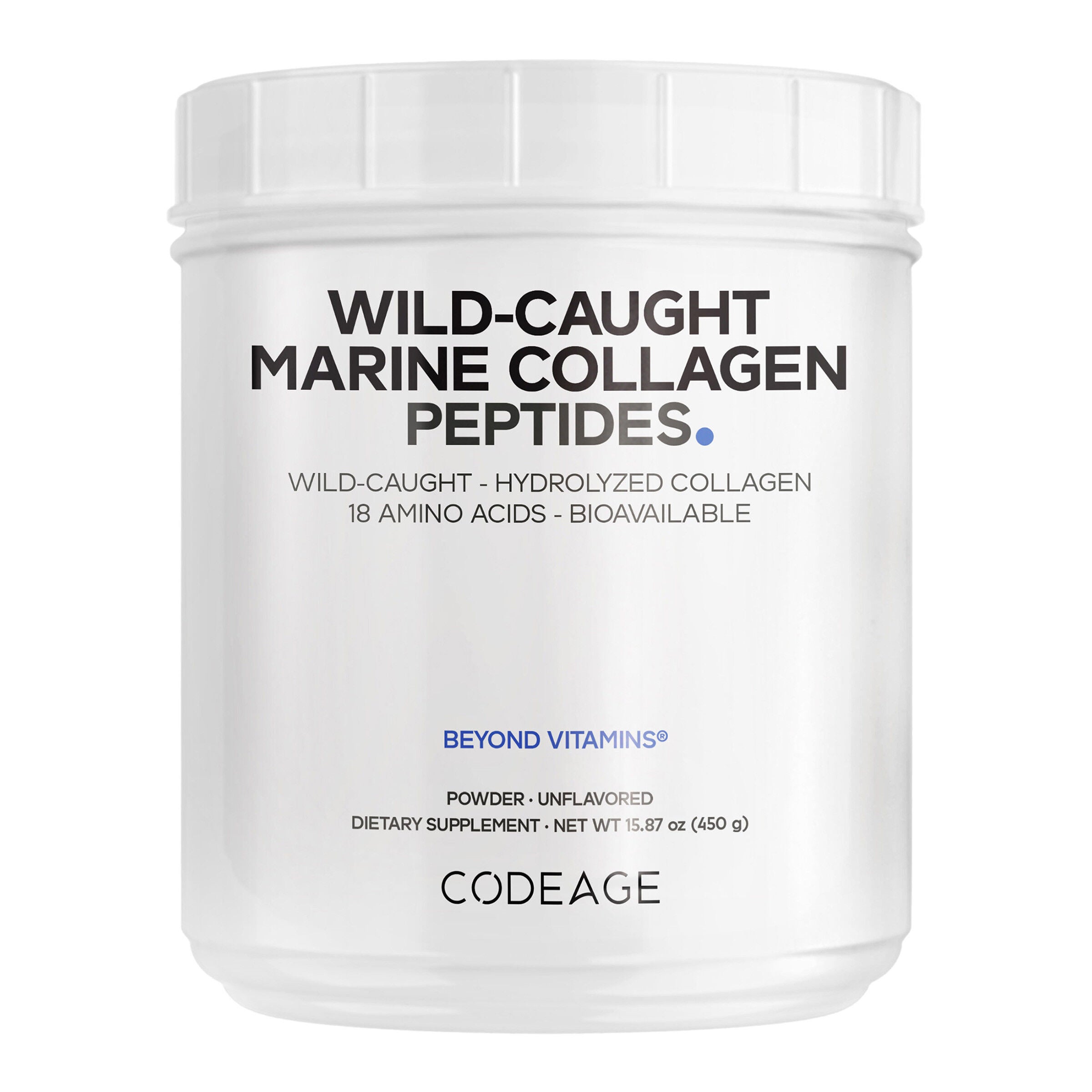
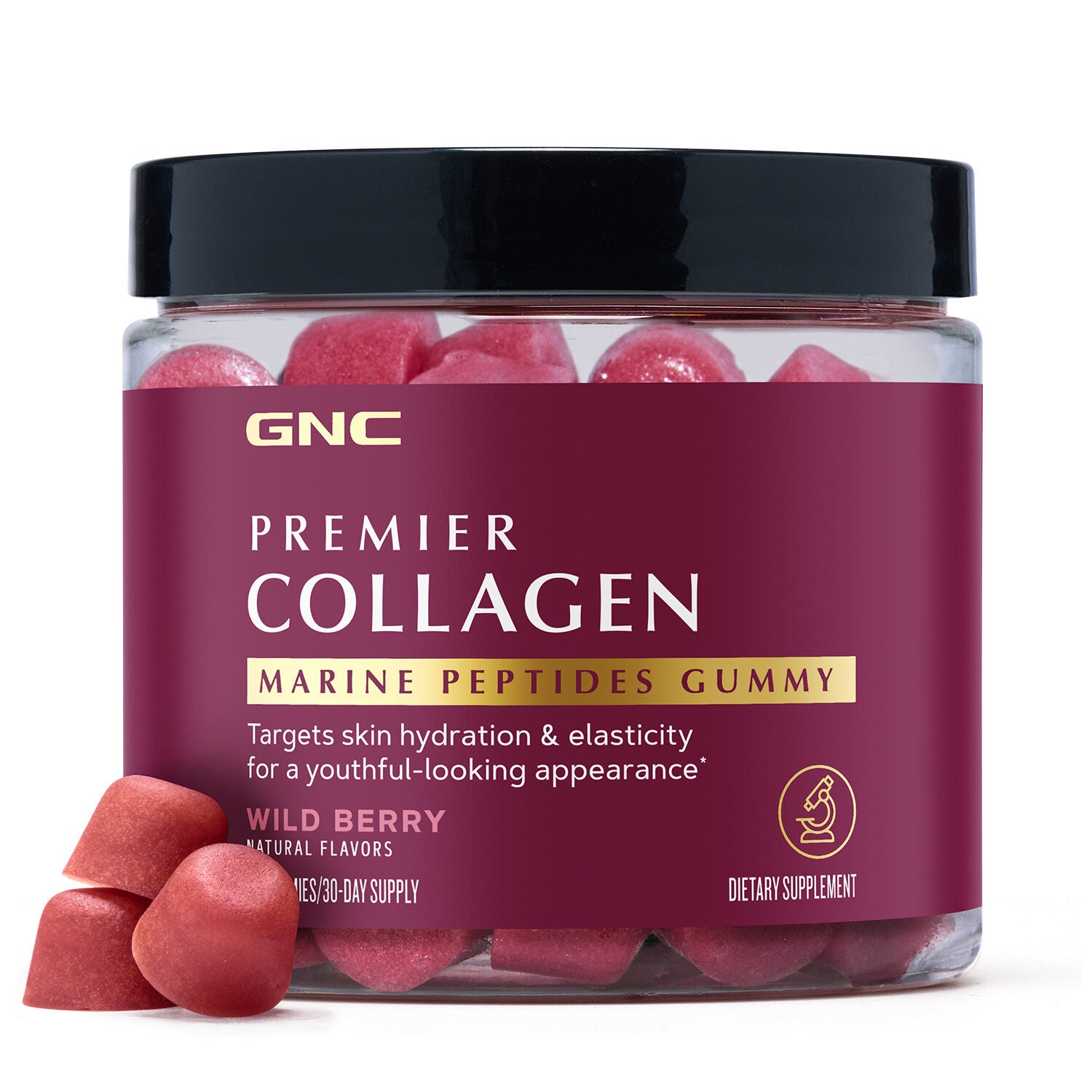

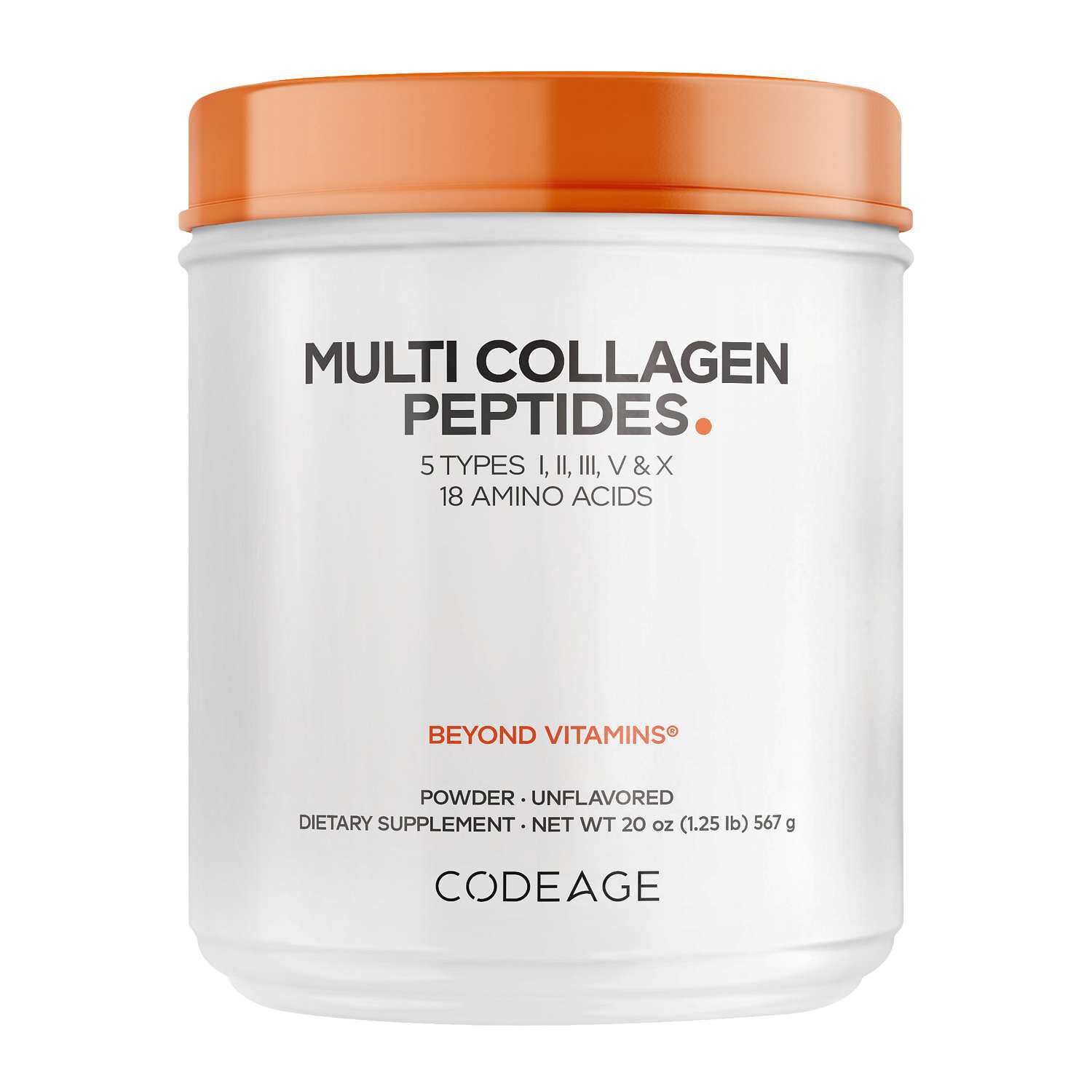

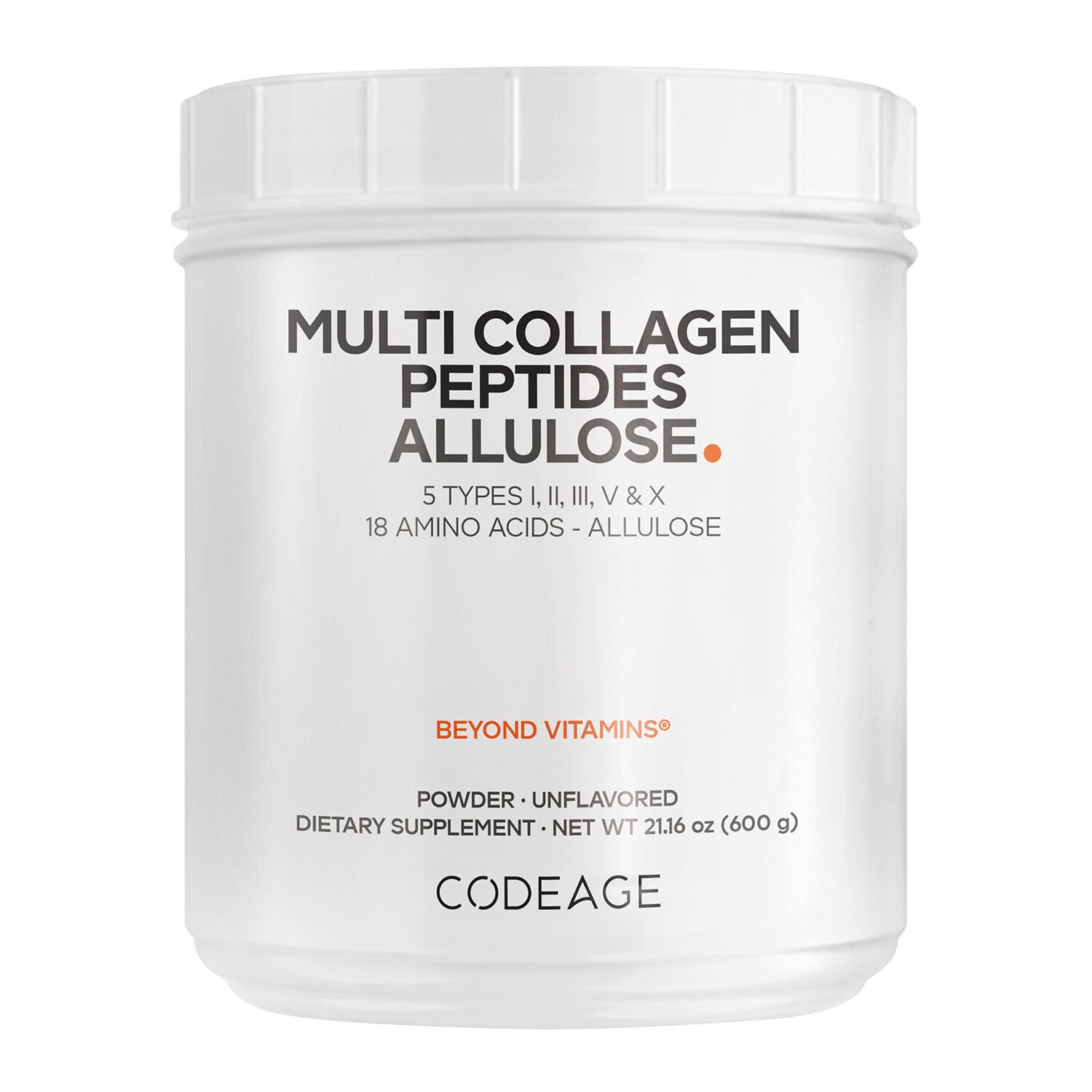
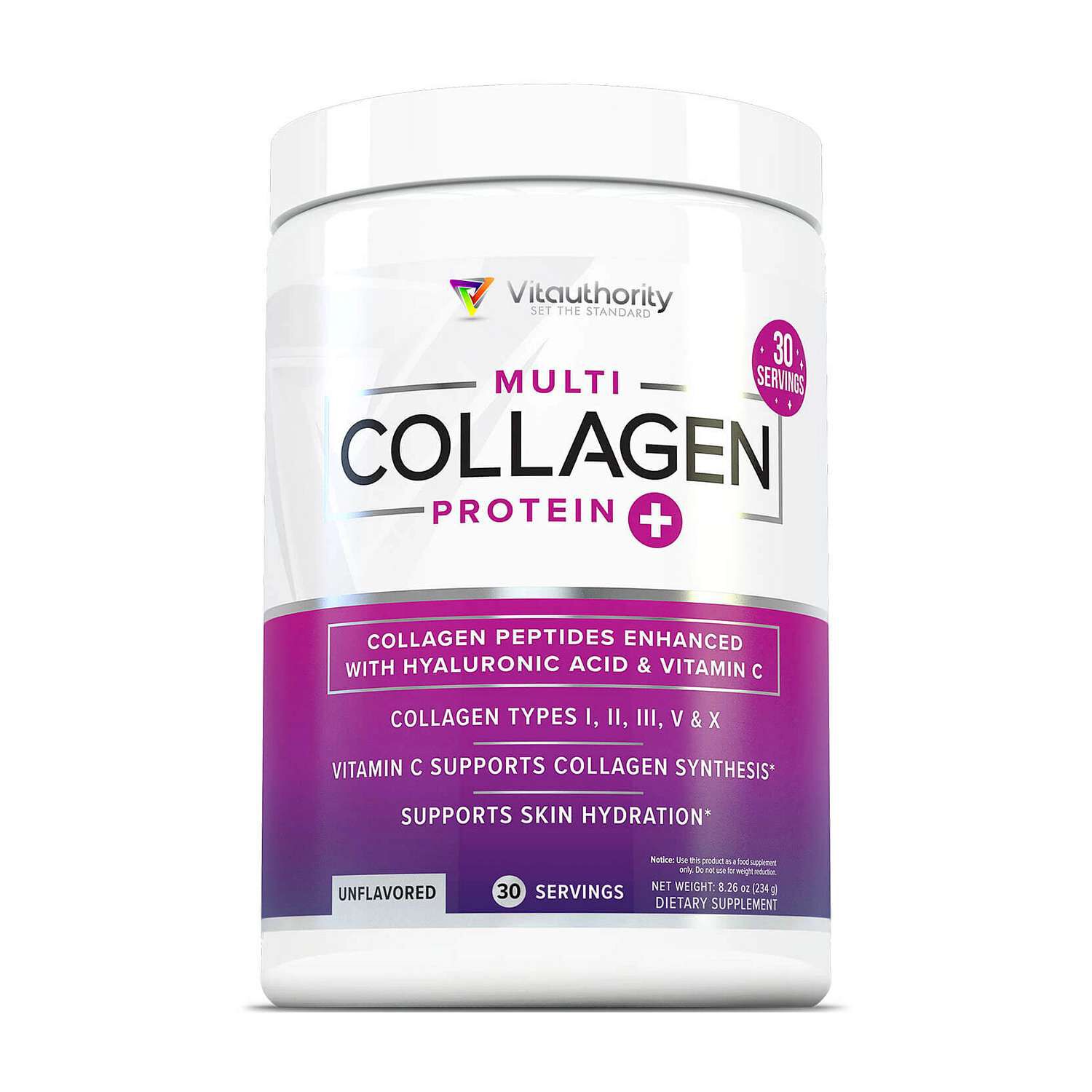
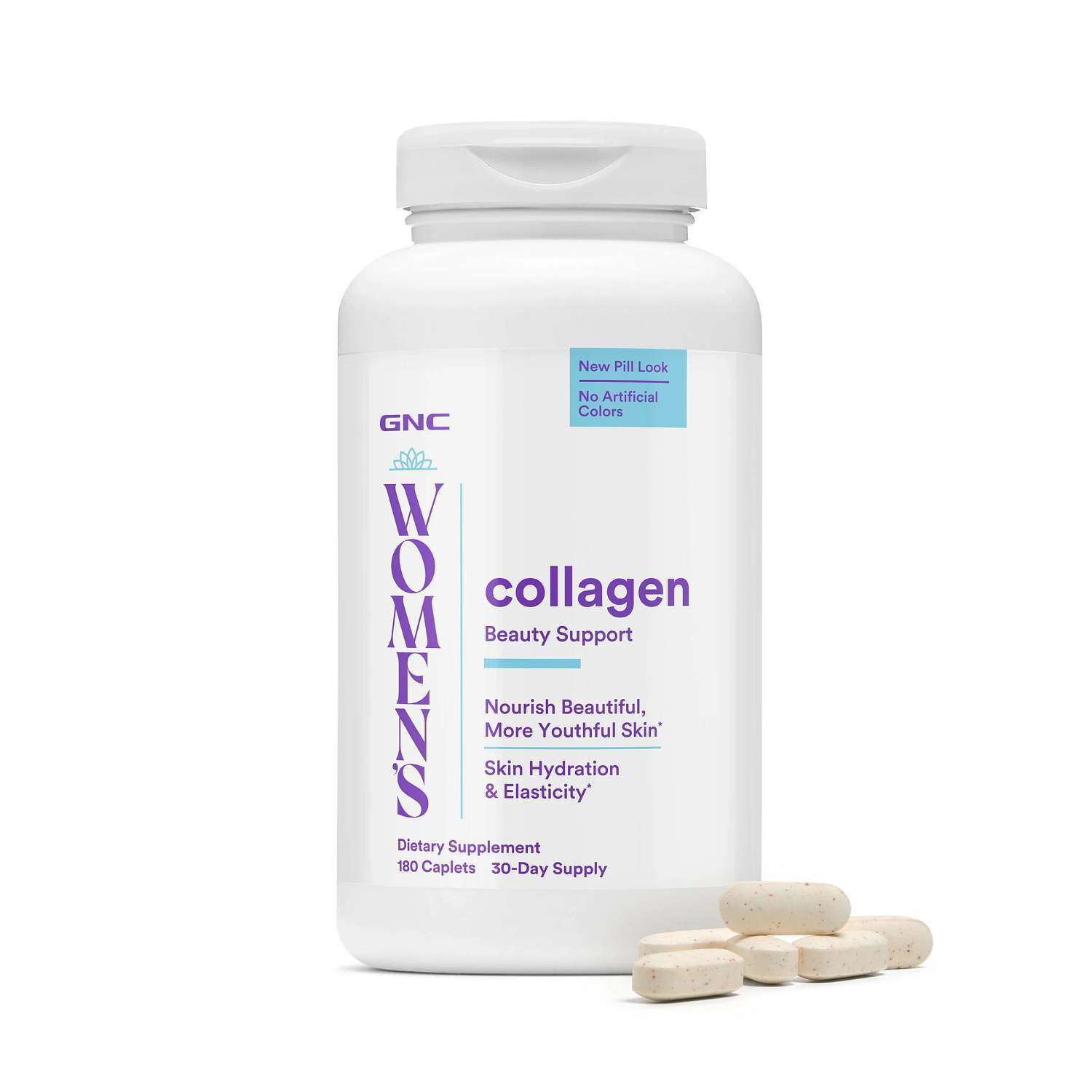
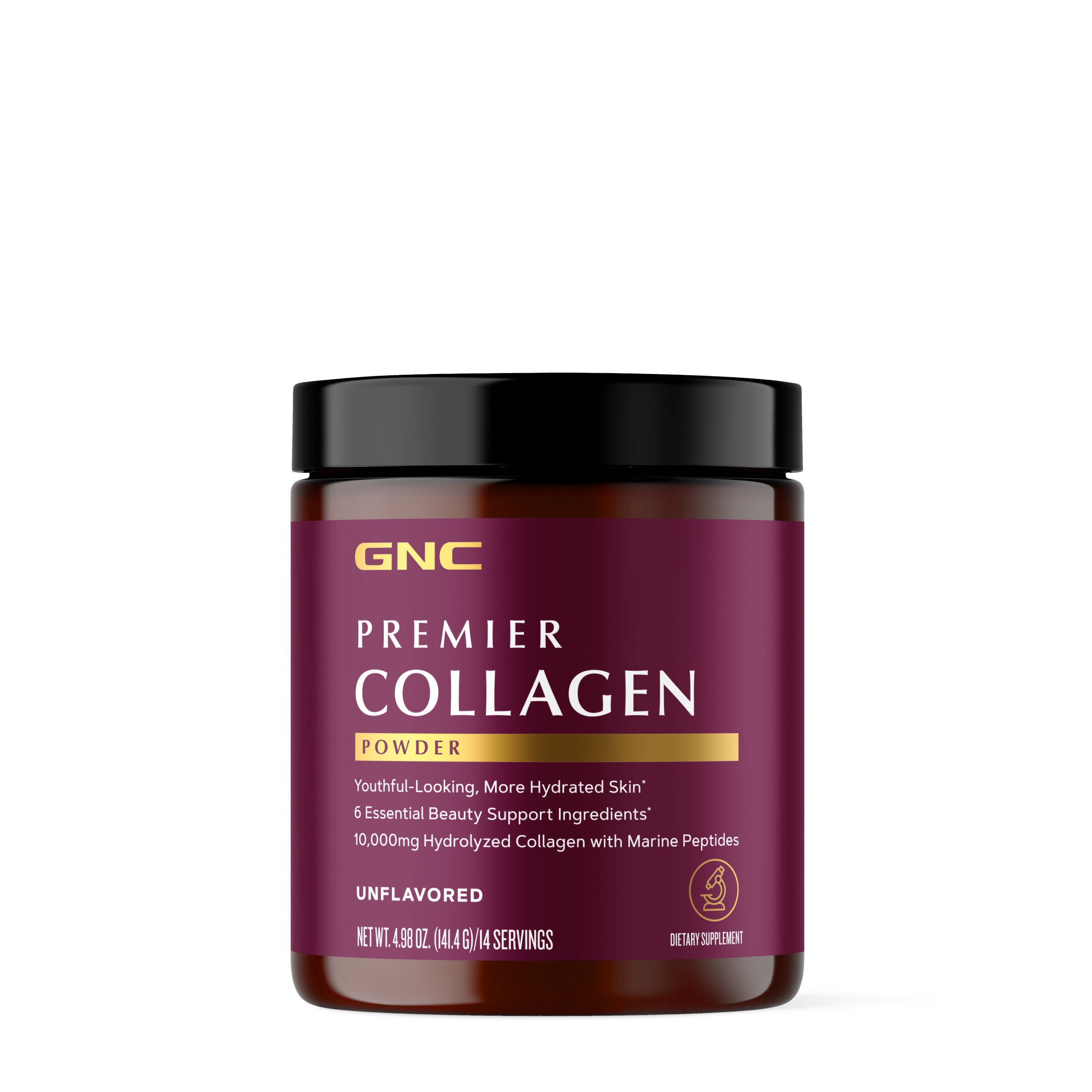
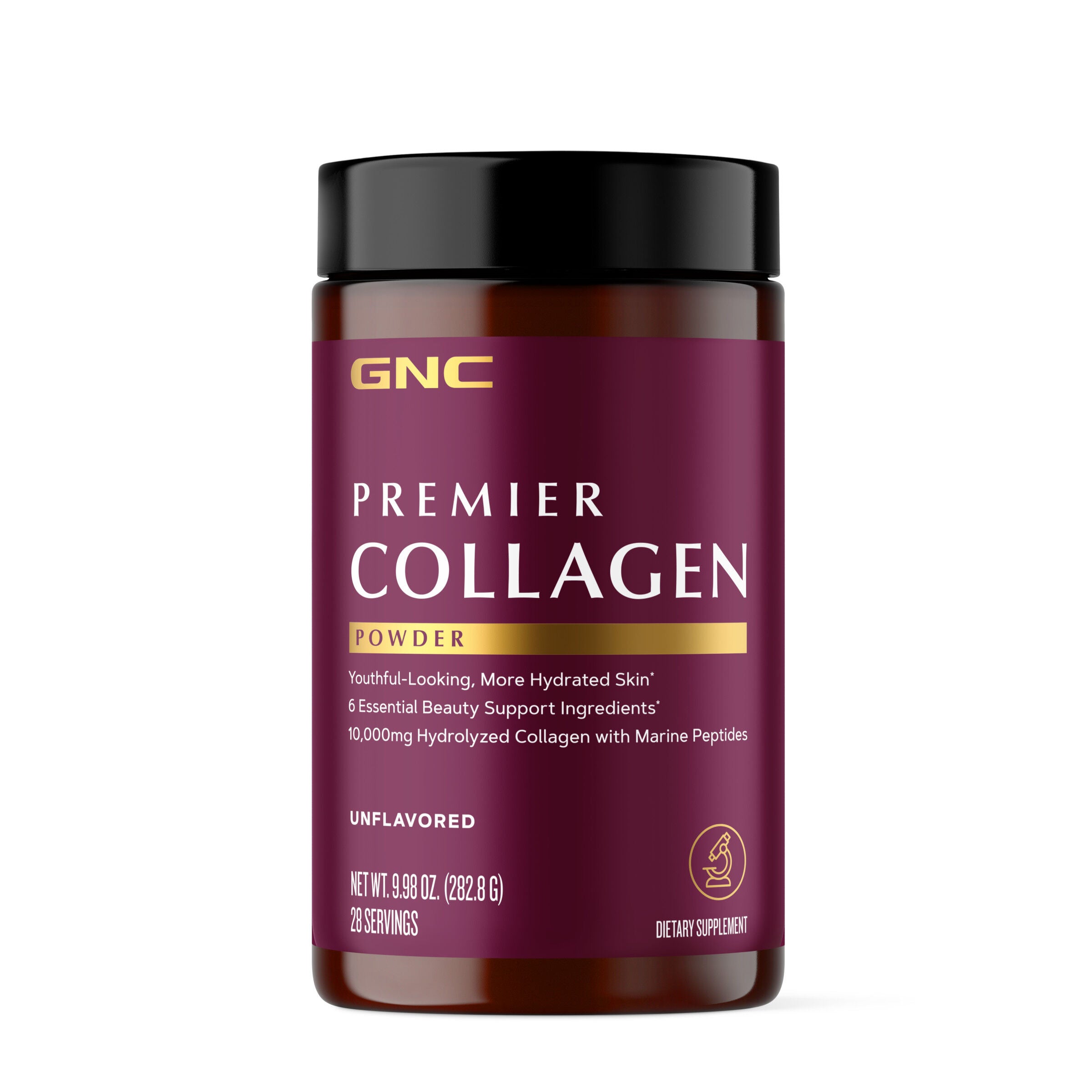
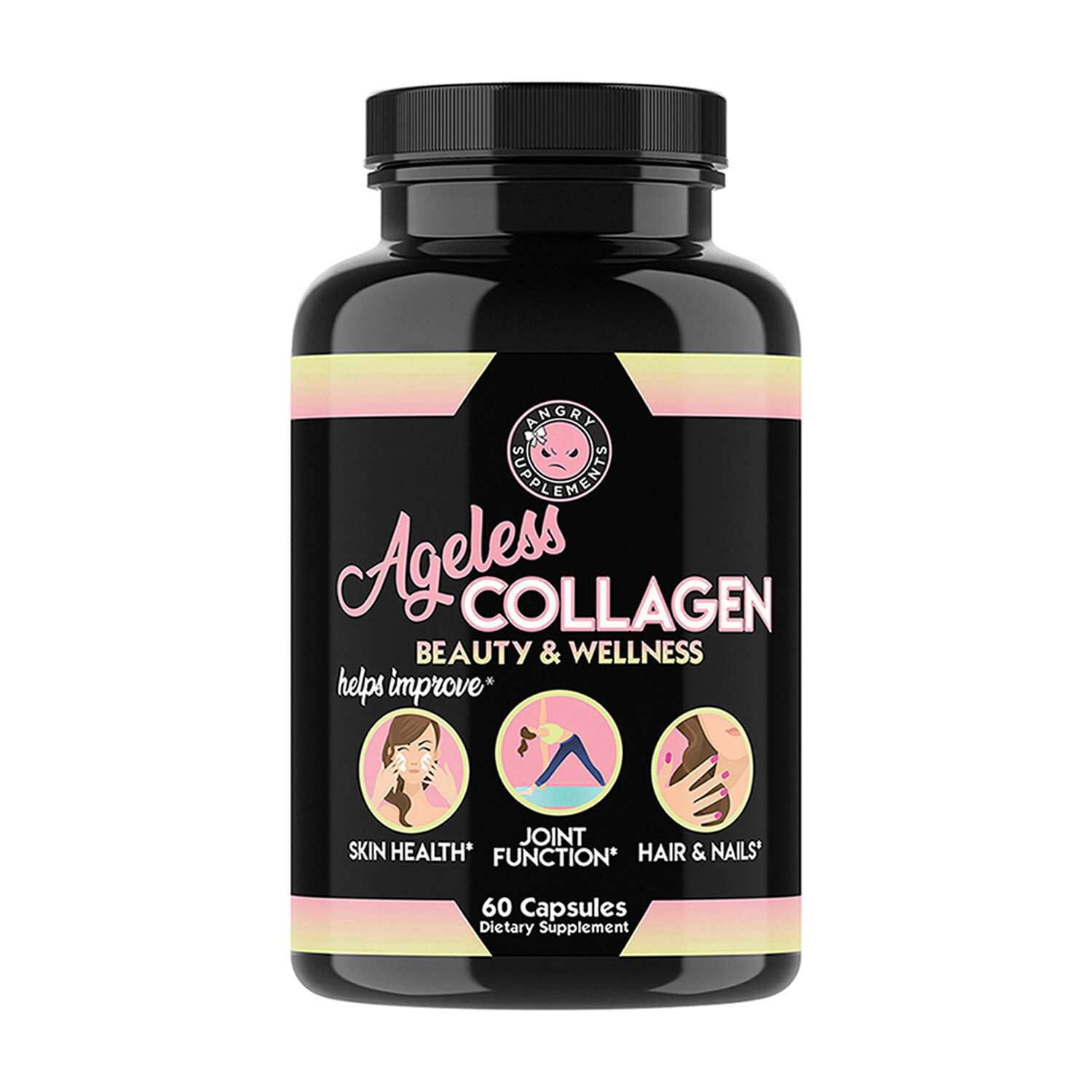
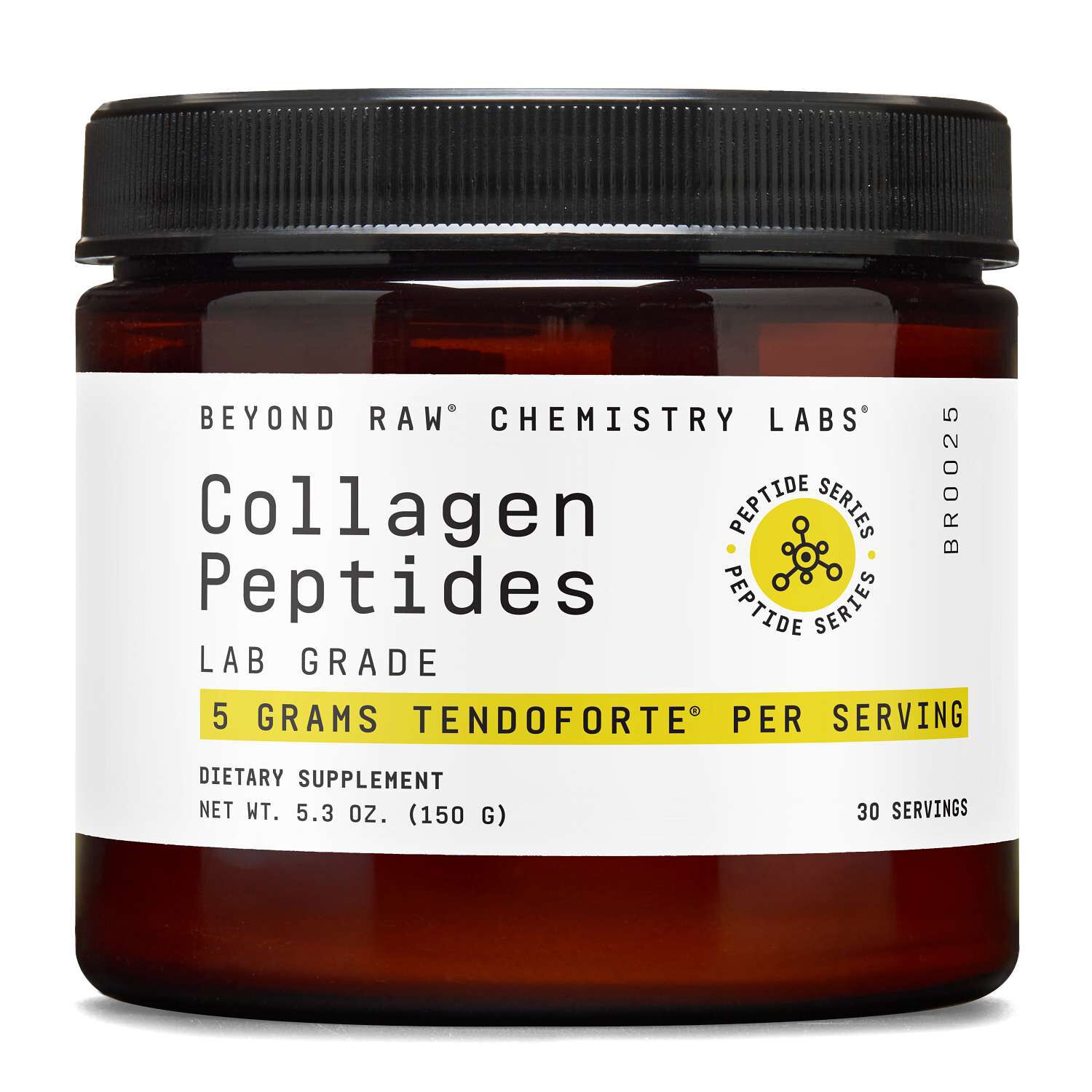
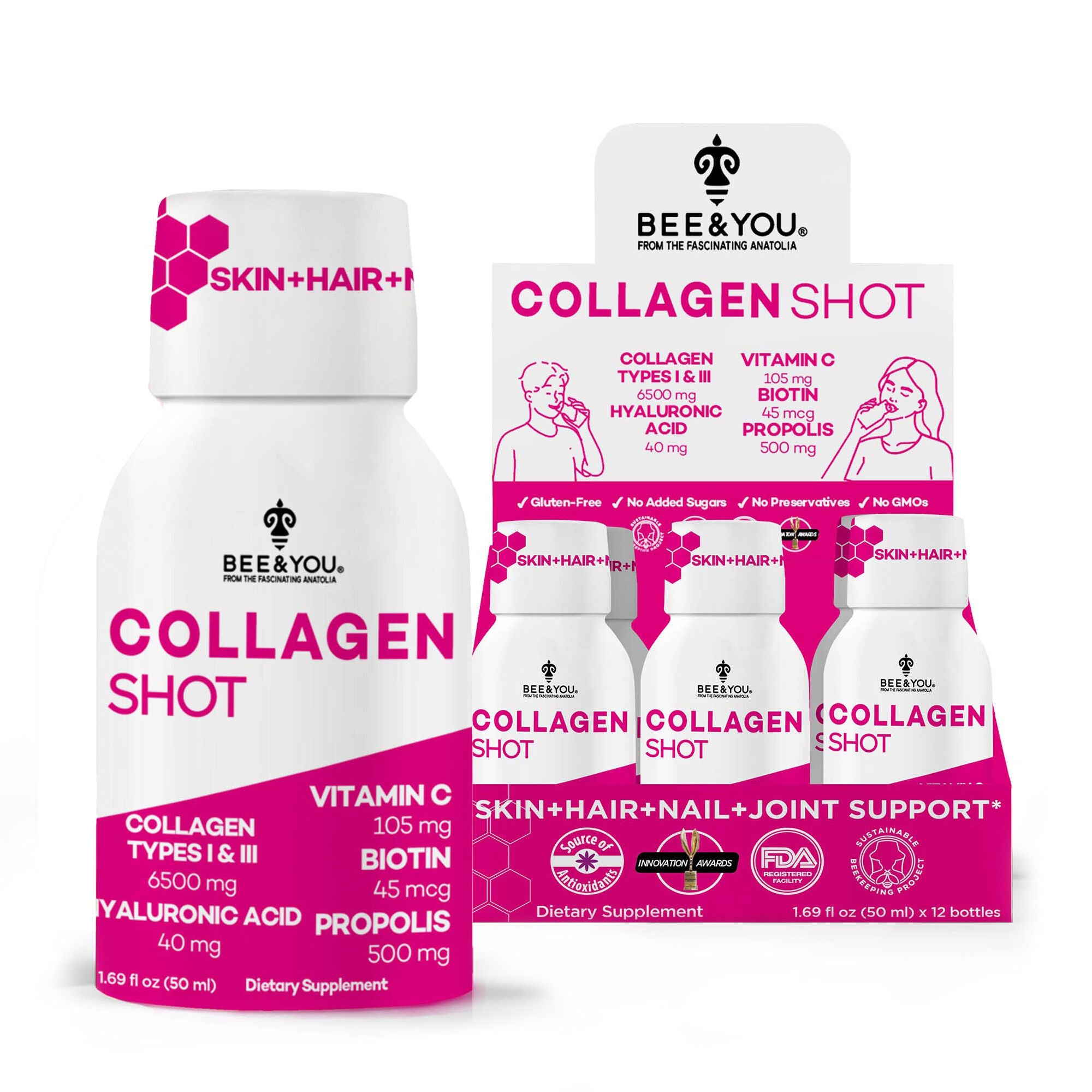
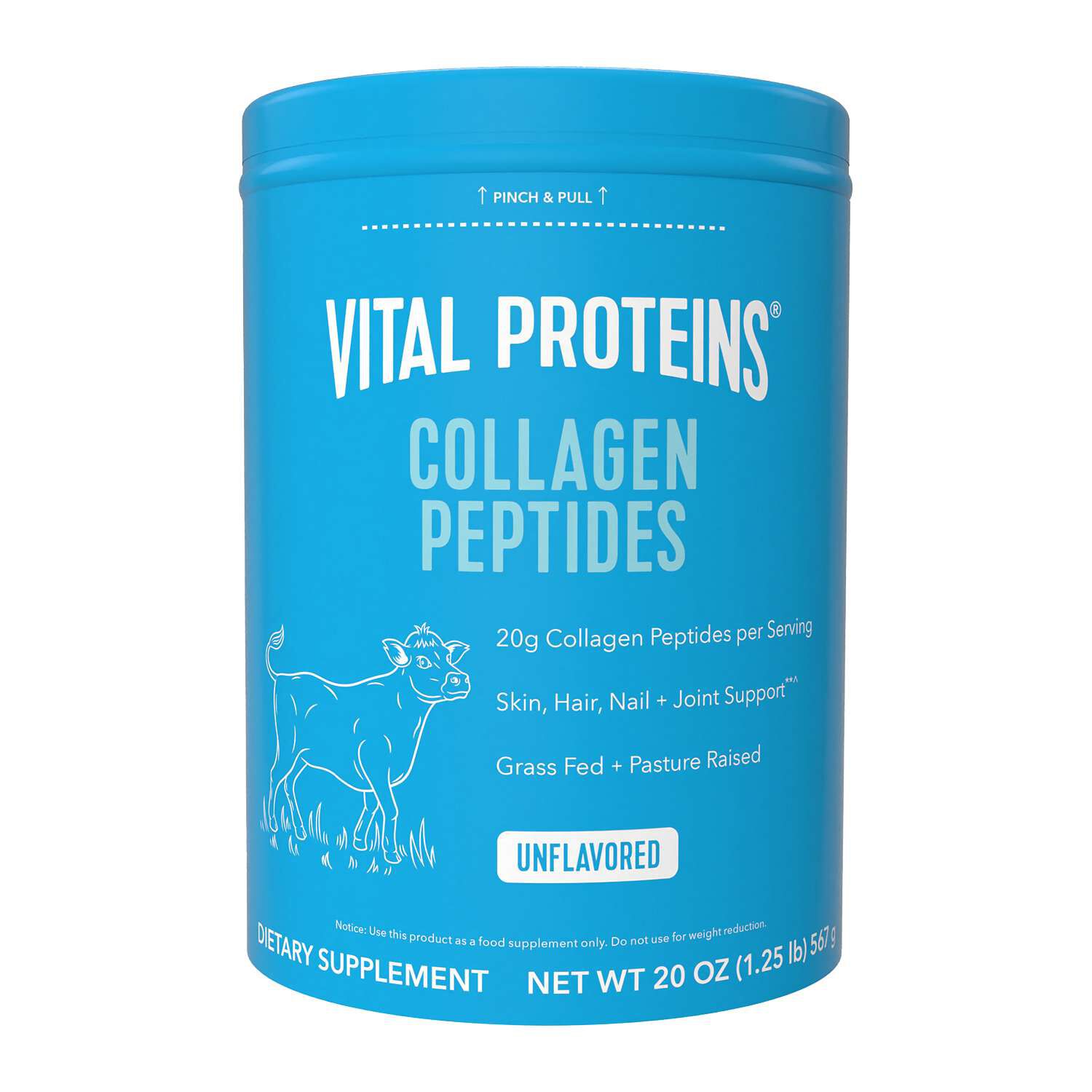
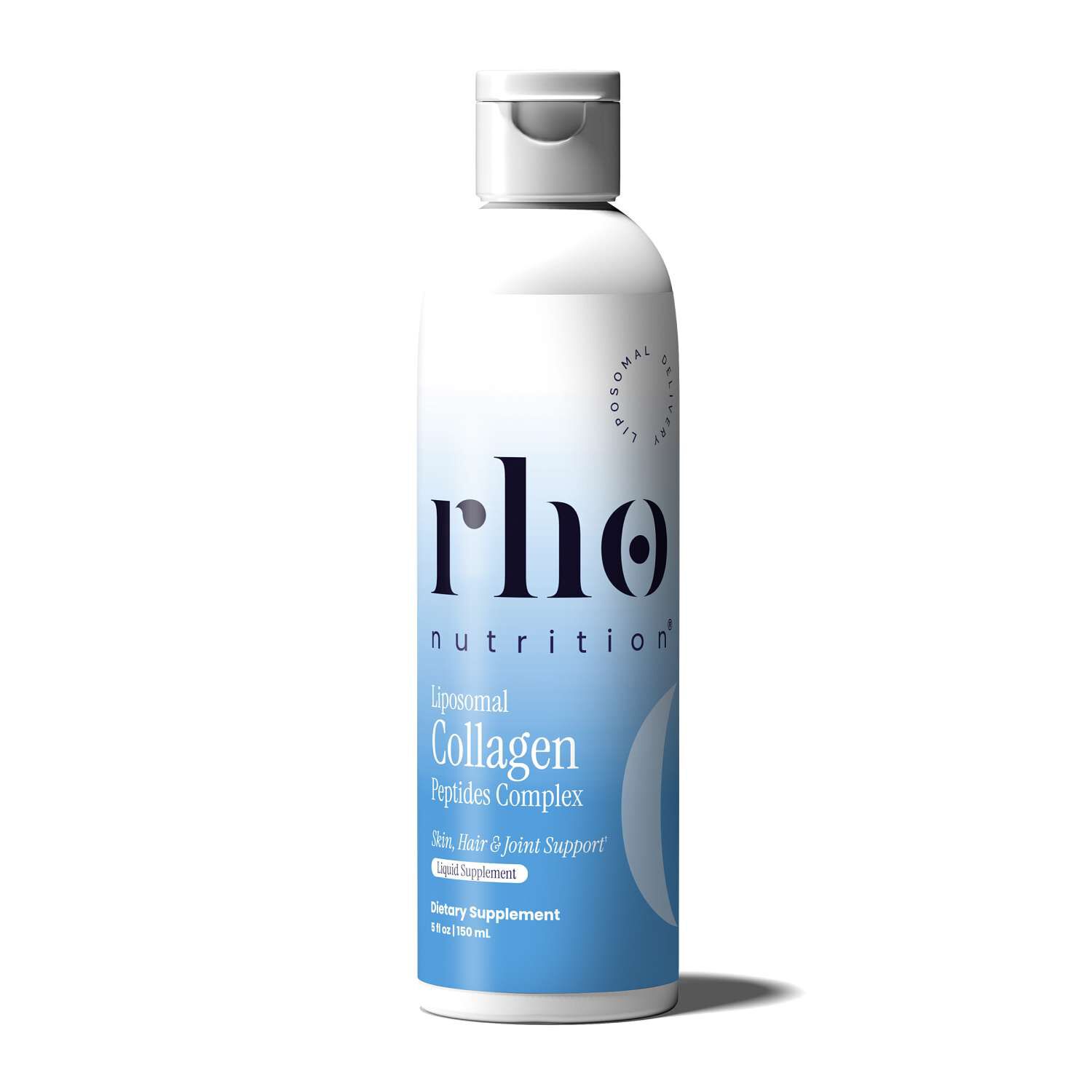
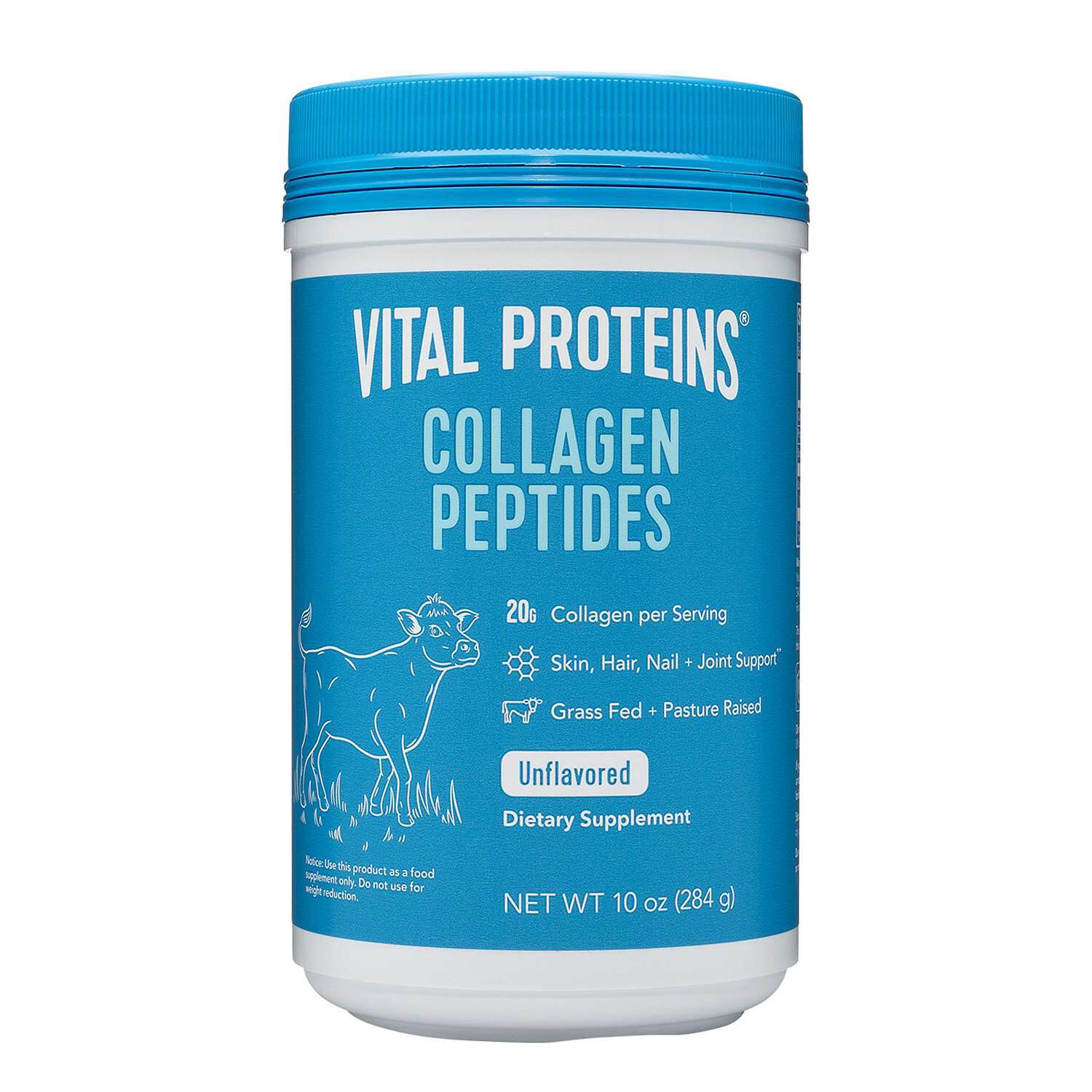
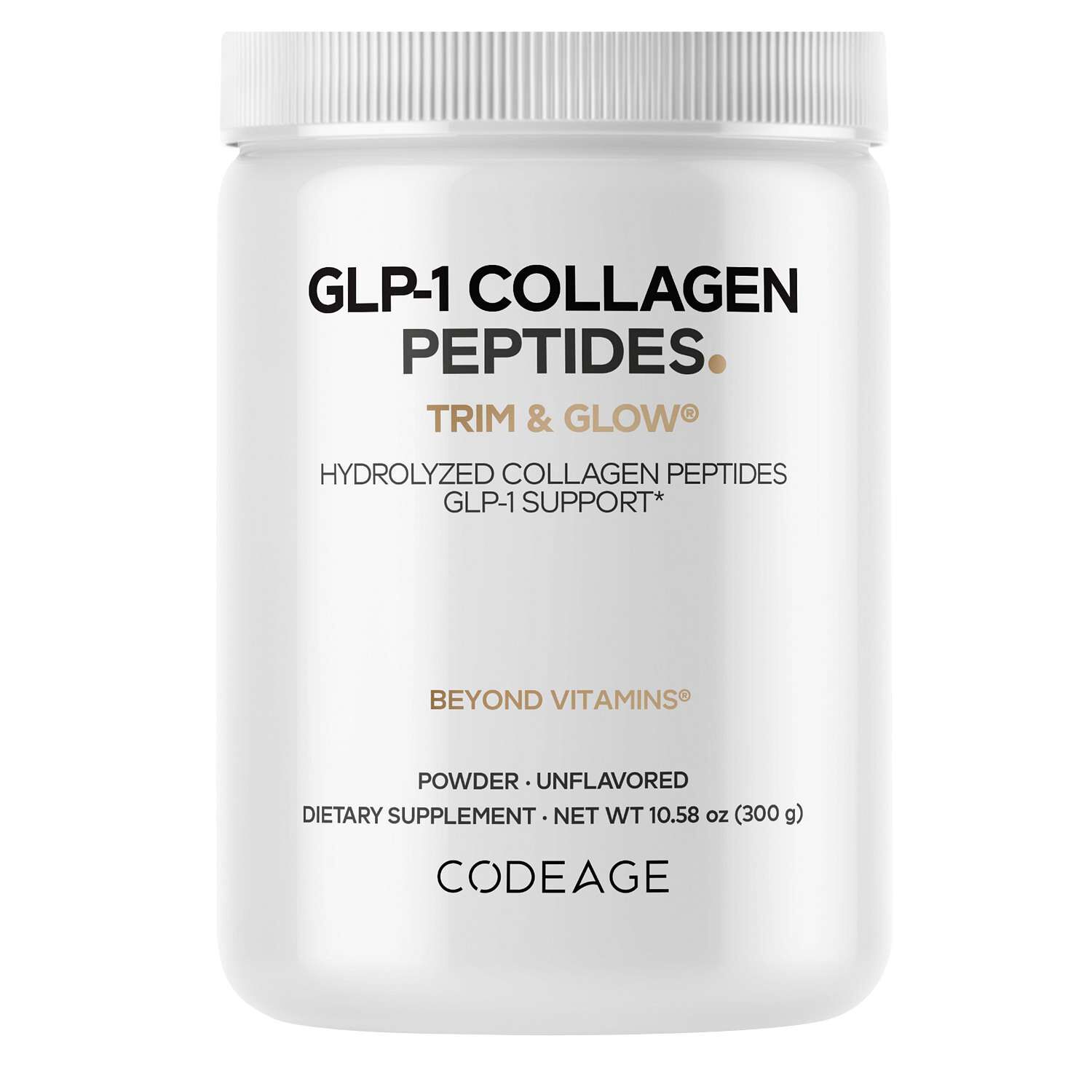
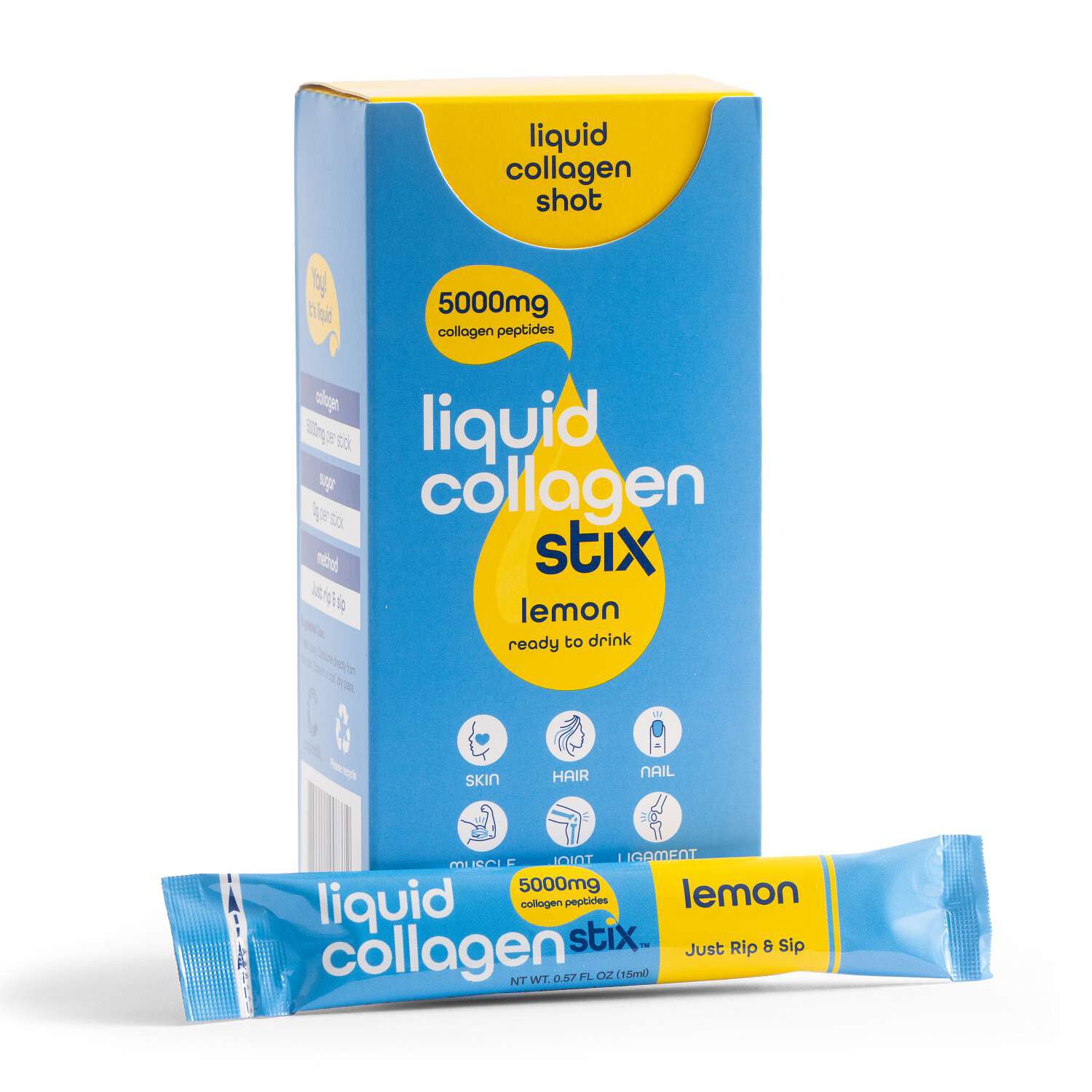
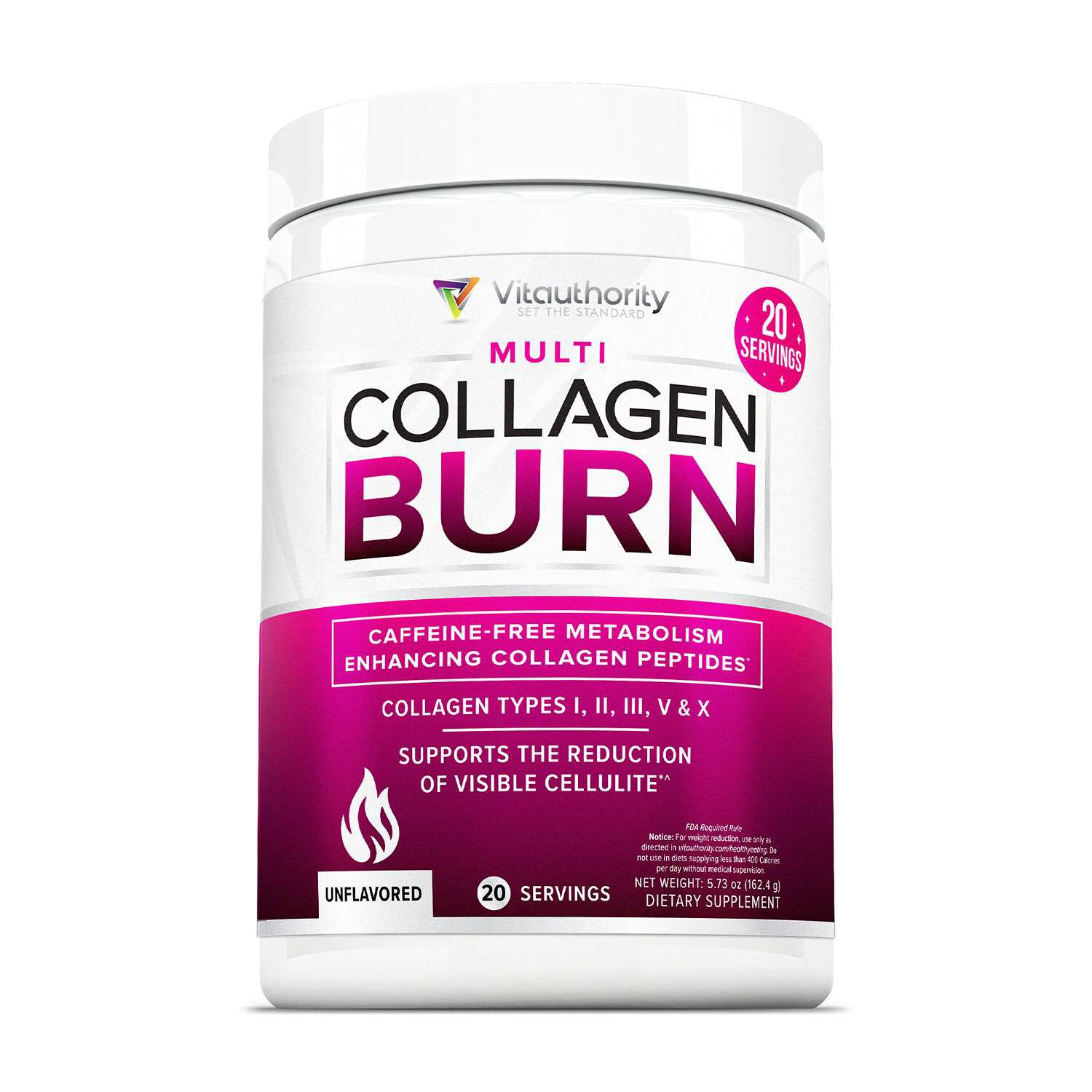
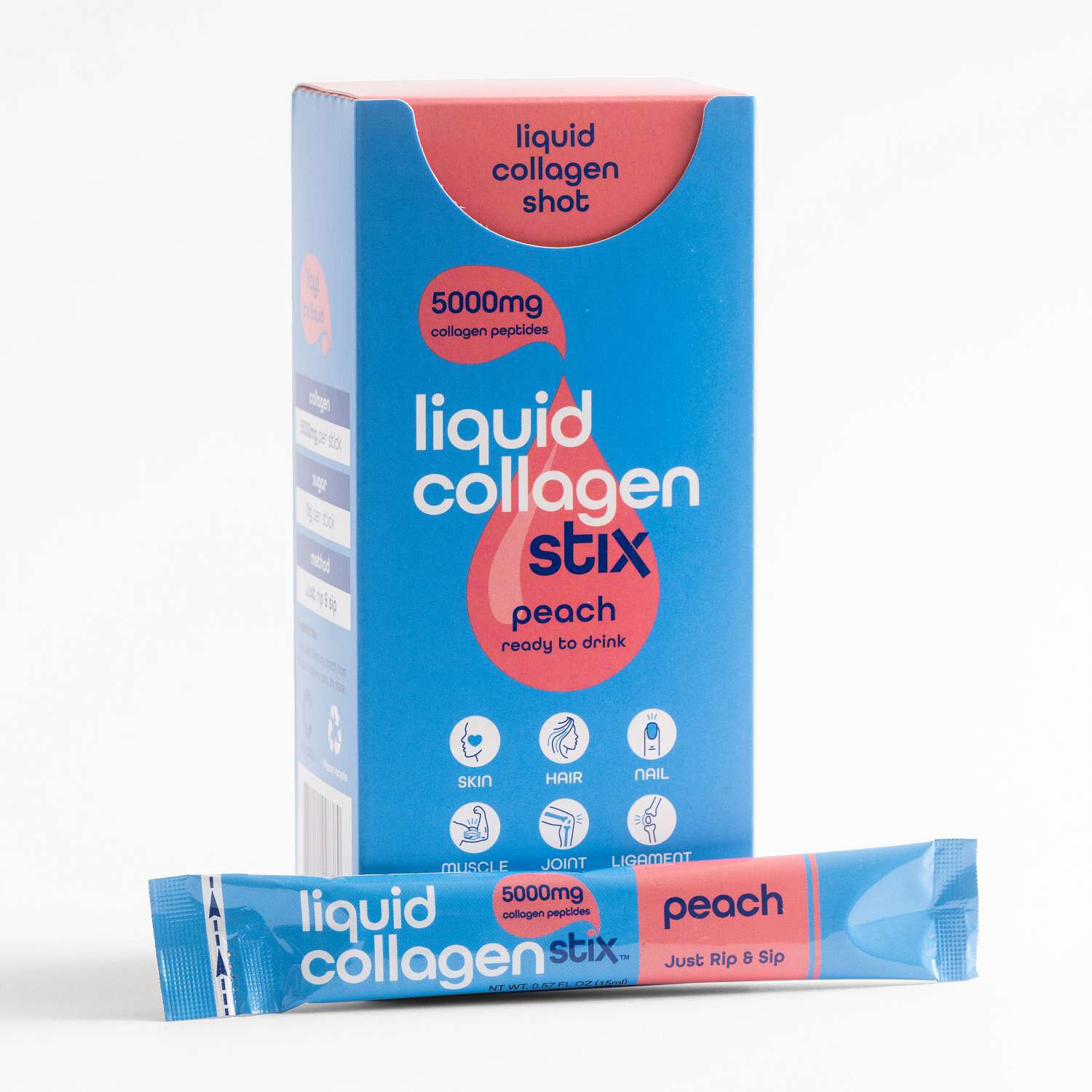
Collagen with no preservatives refers to collagen supplements formulated without added ingredients used to preserve the product. That description speaks to one part of the formula, not every characteristic of the supplement. It does not automatically mean a powder contains only collagen, has no flavoring, or contains no sweeteners. A single-ingredient collagen powder and a flavored blend can both fit this category, so the ingredient list is an important point of comparison. Collagen is a structural protein found naturally in animal connective tissue, and supplemental collagen commonly comes from bovine or marine sources. Bovine collagen is derived from cattle, while marine collagen often comes from fish; the source matters for personal dietary preferences and ingredient restrictions. Hydrolyzed collagen, also called collagen peptides, has undergone processing that breaks the protein into smaller pieces. The term describes the form of the collagen rather than the presence or absence of preservatives. For shoppers seeking a straightforward addition to an existing nutrition routine, a clearly identified source, readable ingredient list, and practical serving format offer useful starting points. Some people prefer an unflavored powder to add to a beverage they already enjoy, while others favor a flavored option prepared on its own. Capsules offer another format for those who do not want to measure powder or prepare a drink, although the number of capsules per serving deserves attention. Comparing serving sizes in grams rather than assuming every scoop or capsule serving is equivalent gives a more meaningful view of the options. The amount of collagen per serving, any accompanying ingredients, and the preparation directions all help distinguish formulas that otherwise look similar. No preservatives is a specific formulation preference, not a measure of how well a supplement will suit every person. The most relevant choice depends on the source, format, flavor, and intended use, along with the details printed on the label.
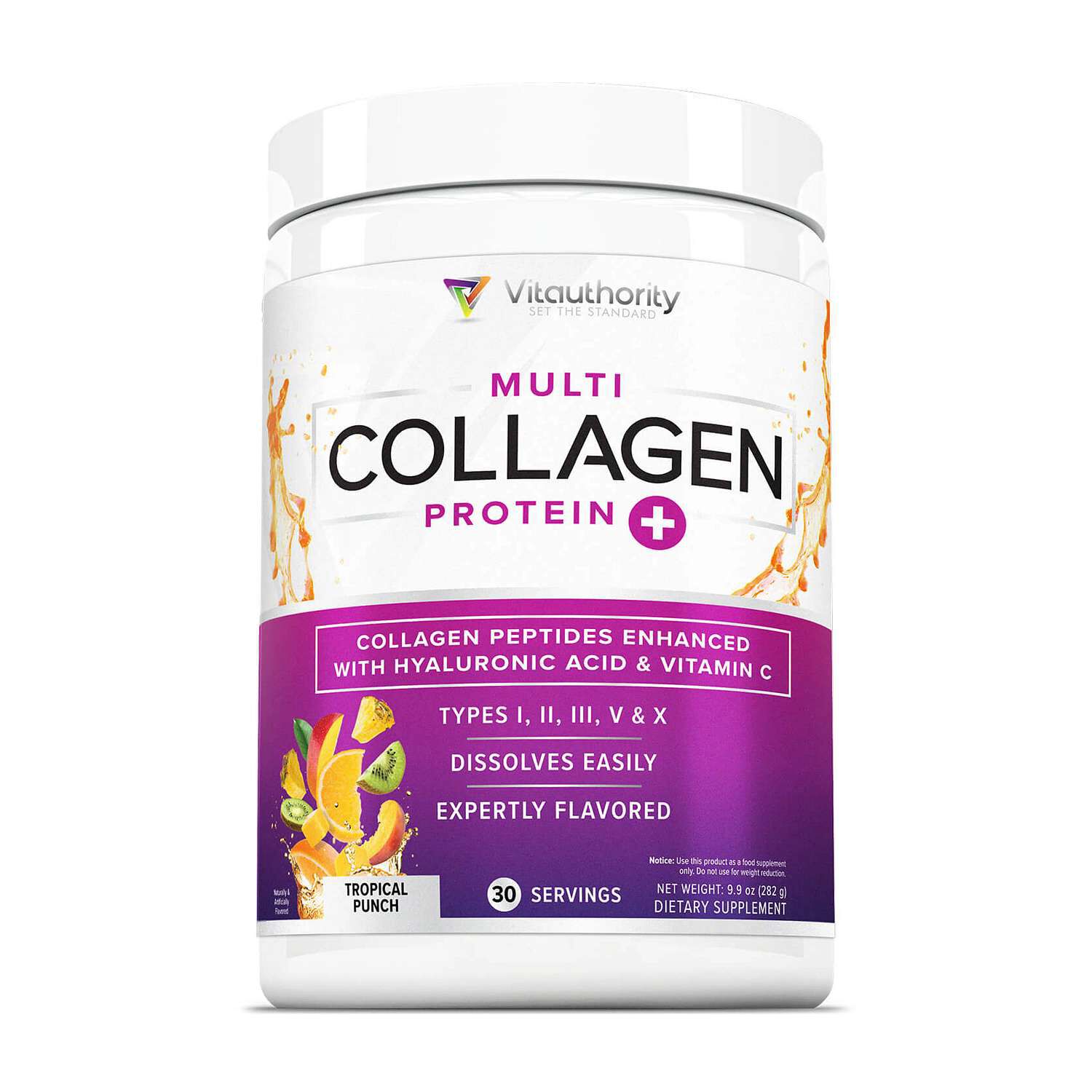
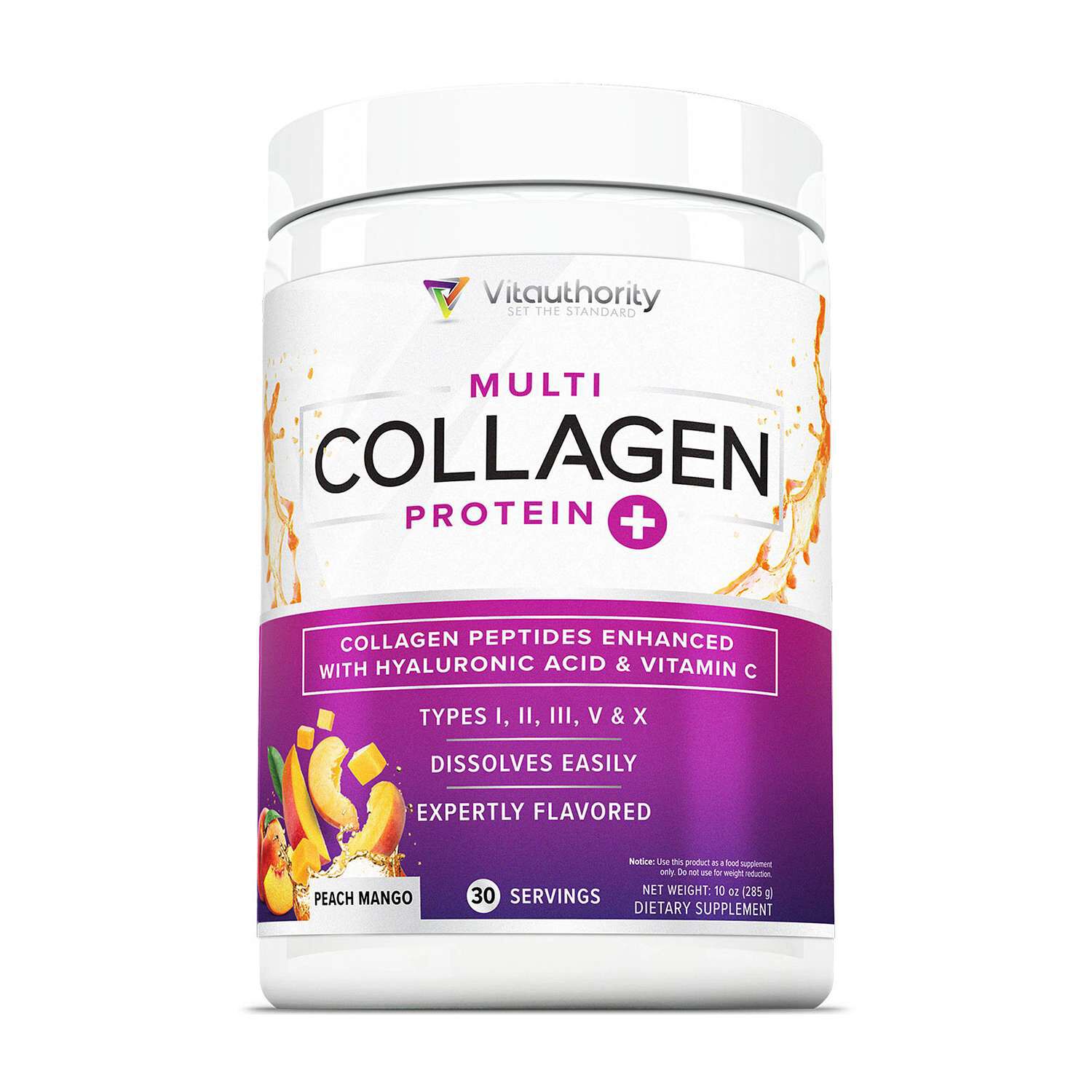
The experience of using collagen powder involves more than its ingredient count. Flavor, texture, portion size, and the vessel used for mixing all influence how comfortably it fits into a familiar routine. An unflavored powder has no added flavor profile, but that does not necessarily mean it has no noticeable taste or aroma. Source ingredients and processing can contribute subtle differences, particularly when powder is stirred into plain water instead of a smoothie or a more flavorful beverage. Someone who enjoys a simple morning coffee may value a formula intended for mixing into that drink, while a person who regularly prepares yogurt bowls may prefer a powder with directions that allow stirring it into food. Preparation instructions matter: some formulas call for a particular amount of liquid, a specific mixing method, or a measured serving that differs from another powder in the same container size. For a desk drawer or travel bag, individually portioned packets offer a different handling experience from a larger tub kept beside the kitchen blender. Their convenience still needs to be weighed against the serving amount and packaging preference. Flavored powders also merit a closer look at sweeteners, colors, and other additions, since the absence of preservatives says nothing about those separate ingredient categories. Shoppers considering that distinction can also explore Collagen With No Artificial Sweeteners when comparing formulas by sweetener preference. Neither description replaces reading the full ingredient panel. Similarly, a bovine source does not by itself establish how cattle were raised, and a marine source does not identify the fish species unless the label provides that information. Sourcing statements, allergen disclosures, and any testing information are most useful when they are specific and clearly explained. These details offer a firmer basis for comparison than broad descriptions such as pure or clean, which do not tell the whole story of a formula.
Storage and handling are especially relevant when choosing collagen with no preservatives, but the label remains the reference for how to care for each format. A product made without added preservatives still has a dated shelf life and storage requirements. Dry powders are different from prepared beverages, and the absence of preservatives should not be interpreted as permission to keep a mixed drink indefinitely. Follow the package directions for both the unopened container and use after opening, and prepare only the amount appropriate for the intended serving. For tubs, using a dry measuring utensil and closing the lid securely helps limit the introduction of moisture during everyday handling. A bathroom cabinet exposed to shower steam or a bag where a container could spill is a different storage setting from a dry kitchen cupboard. Packaging deserves attention for that reason: a firmly closing lid, a resealable pouch, or an individual packet each calls for its own approach to opening, measuring, and storing. A larger container may suit someone who regularly measures powder at home, while smaller portions may make more sense for someone who values portability or has limited cupboard space. These are practical considerations rather than indicators of nutritional quality. Collagen supplements are generally selected by adults interested in adding collagen to their personal nutrition routines, including those who prefer to keep added ingredients to a minimum. They are not interchangeable with every other protein supplement, and a collagen serving should not be treated as a replacement for varied foods. For a household where several people share a kitchen, clear labeling also makes it easier to keep animal sources and individual dietary preferences distinct. If collagen is being considered as a gift, familiarity with the recipient’s preferred source, format, and flavor is more useful than choosing by packaging alone. Across powders, capsules, and portioned formats, the defining consideration remains the same: an explicit statement about preservatives, supported by the ingredient list, alongside serving and storage details that suit the person using it.
Best Sellers
-
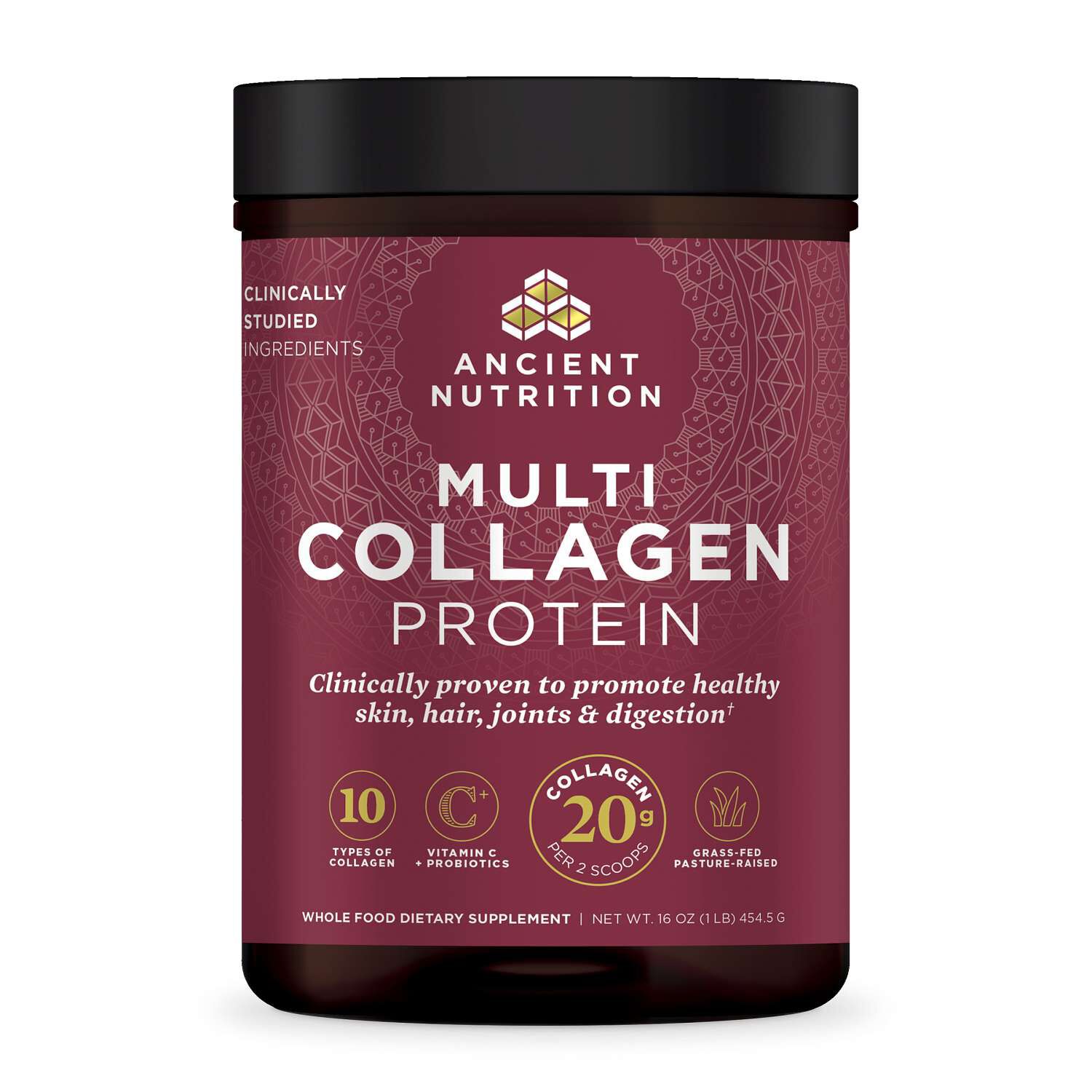 Ancient Nutrition
-
Vital Proteins