Complex Vitamins
(0 Results)
Explore a world of wellness potential through complex vitamins, designed to support your body's diverse needs. These nutrient-packed powerhouses may help bridge dietary gaps, offering a comprehensive blend of essential vitamins and minerals that could bolster overall health. Whether you're looking to maintain energy levels, support immune function, or promote healthy aging, complex vitamins might be your versatile ally. Discover how these supplements could harmonize your nutritional intake and contribute to a balanced lifestyle.
-
-
-
-
-
-

-
-

-

-
-
 $15.99
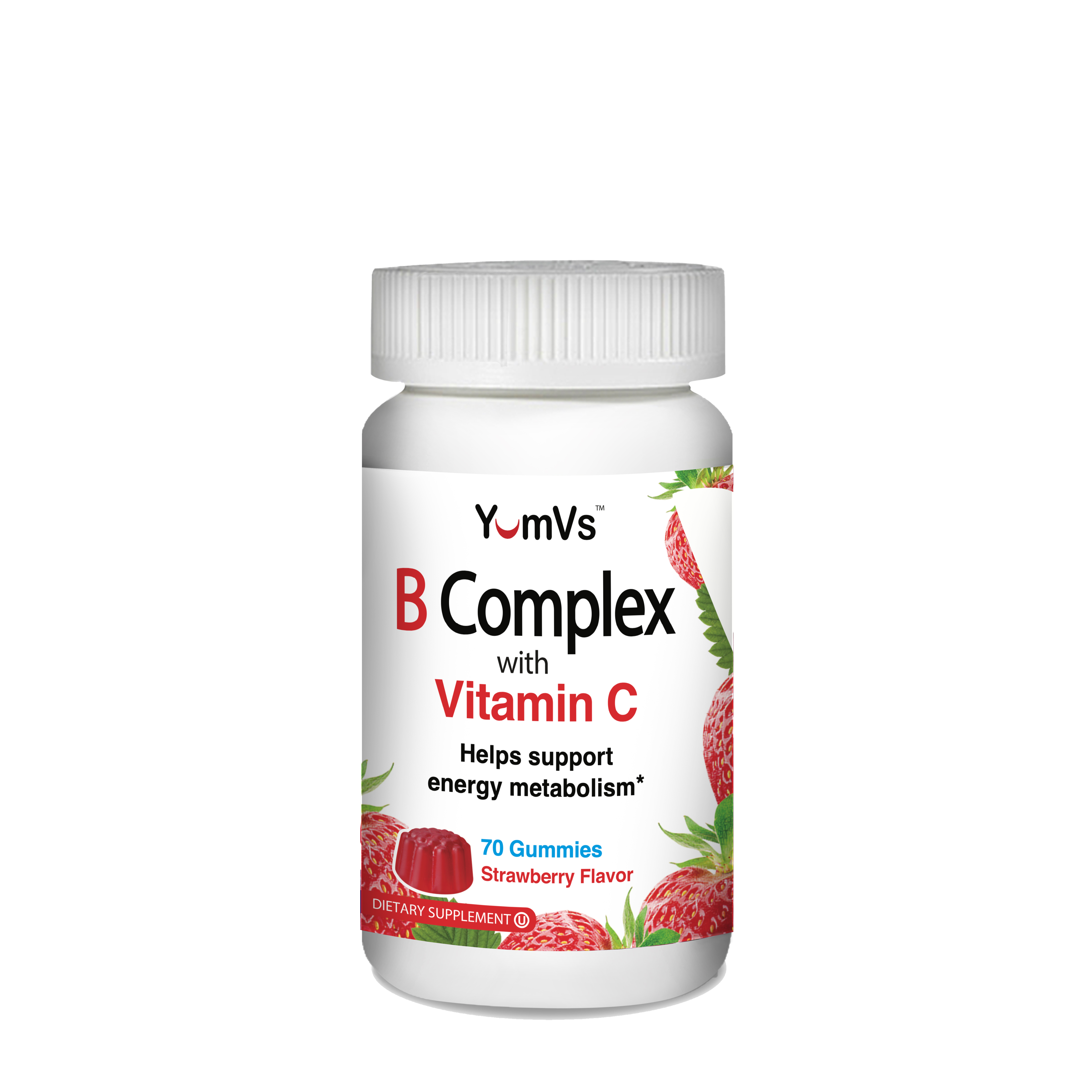
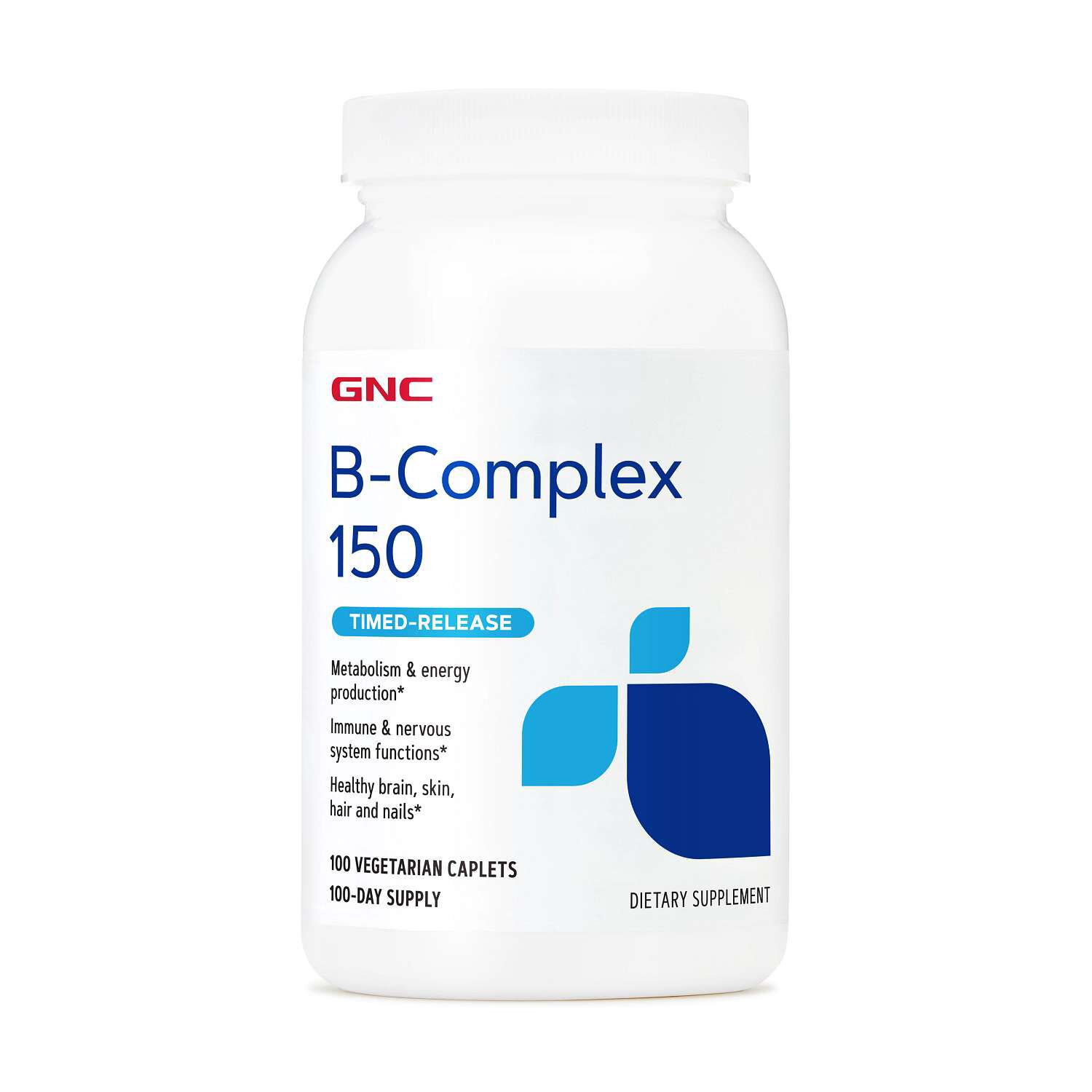
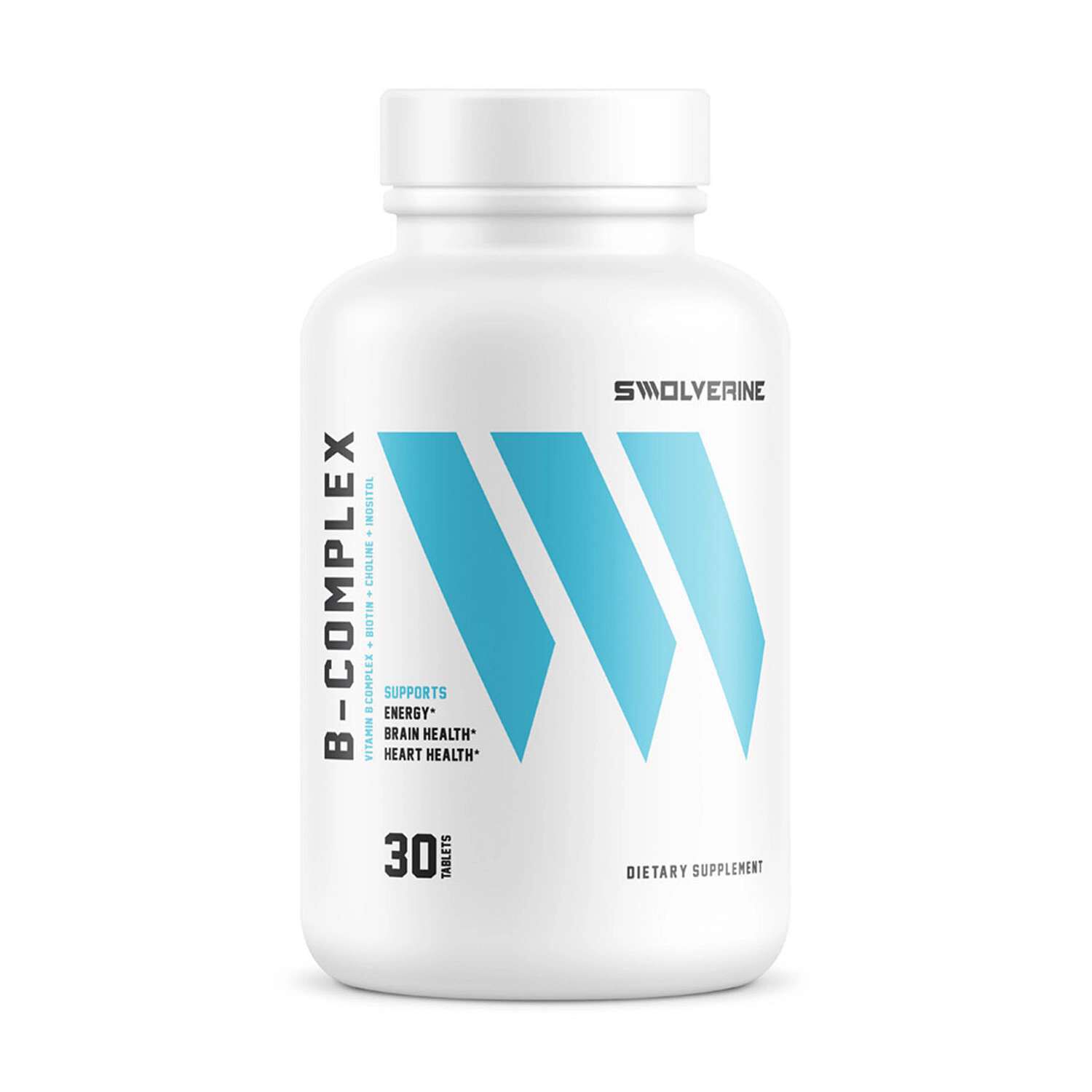
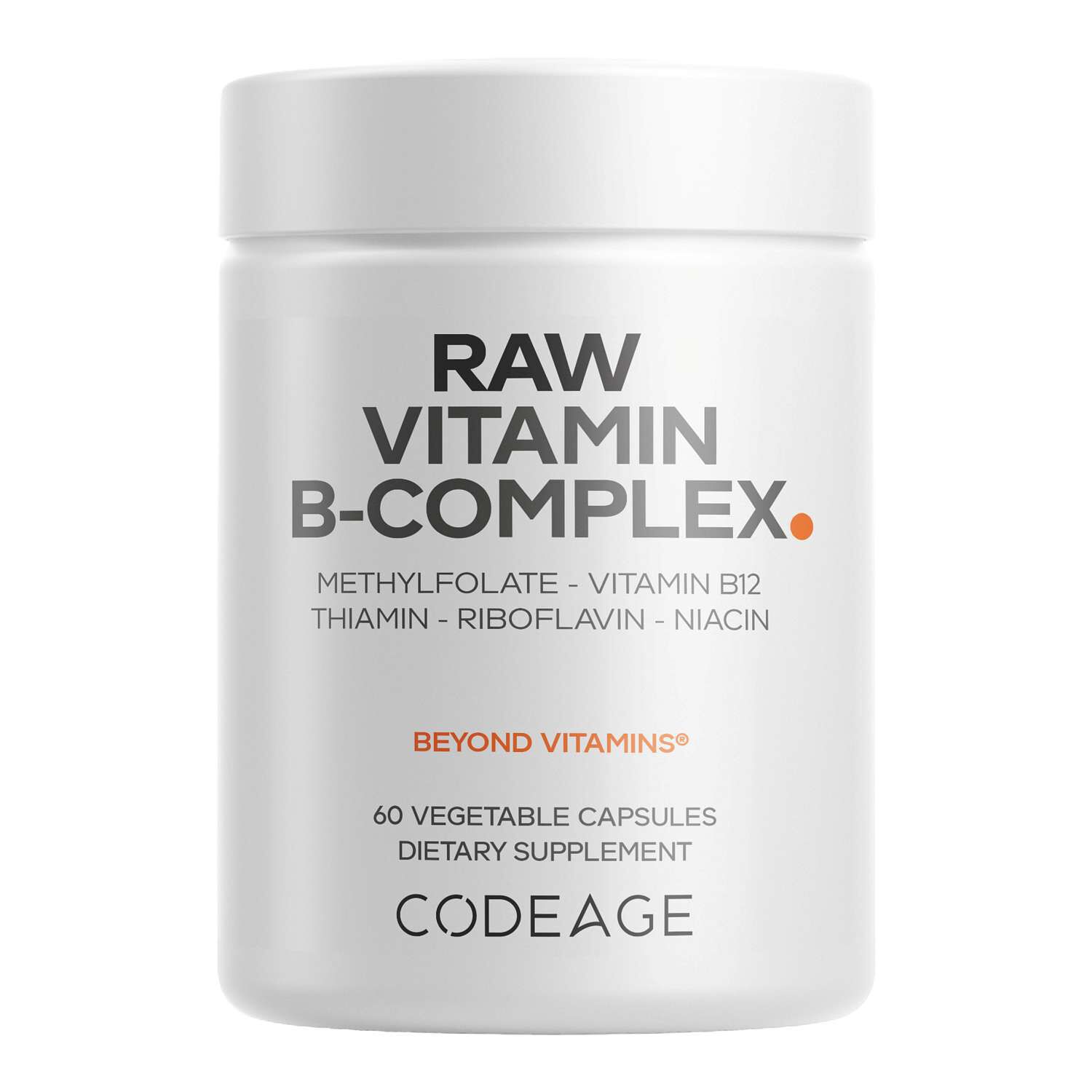
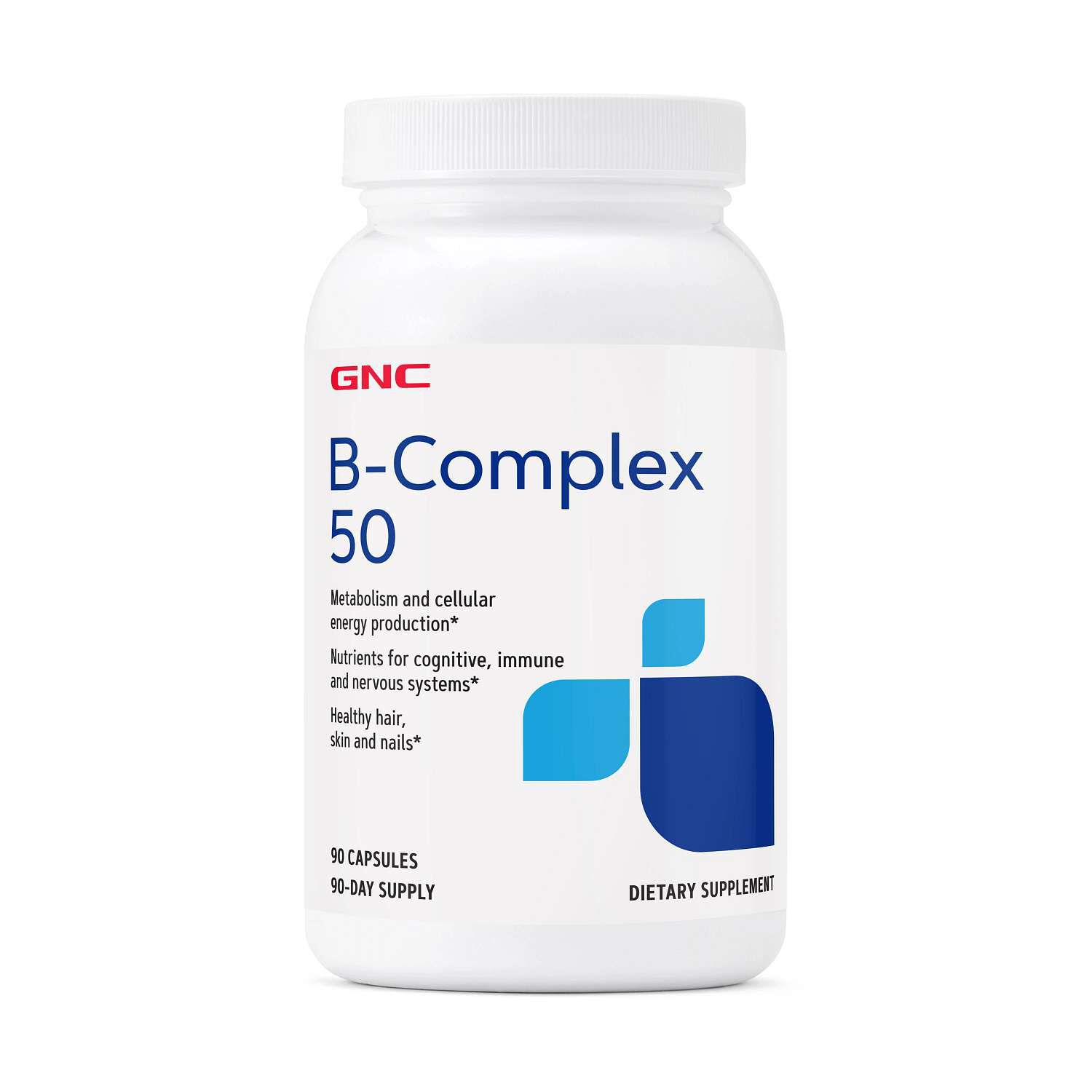
Complex vitamins bring related nutrients together in one supplement, with vitamin B complex representing a familiar example of this category. A B-complex formula typically includes eight B vitamins: B1, or thiamine; B2, or riboflavin; B3, or niacin; B5, or pantothenic acid; B6, or pyridoxine; B7, or biotin; B9, or folate; and B12, or cobalamin. These names provide a useful starting point for comparing labels, especially when the front of a bottle highlights only a few ingredients. Although the nutrients belong to the same vitamin family, they are distinct ingredients, and their amounts can vary considerably from one formula to another. A standalone B12 supplement is different from a B-complex supplement, while a broader multivitamin generally includes nutrients beyond the B vitamin family. The word “complex” describes a grouping rather than a standardized recipe, so the Supplement Facts panel offers a more detailed picture than the category name alone. Some formulas pair B vitamins with ingredients such as choline or inositol; those additions do not replace any of the eight B vitamins. Others feature food-based ingredients alongside the listed vitamins. For shoppers comparing complex vitamins, the distinction between the vitamin content and the accompanying ingredients matters more than the length of the ingredient list. Familiar foods, including whole grains, beans, eggs, dairy foods, and leafy vegetables, provide various B vitamins, although the particular nutrients and amounts differ by food. Supplements offer another format for these nutrients rather than a substitute for varied meals. Interest in the category may come from an established supplement routine, a preference for a grouped formula instead of separate bottles, or a desire to understand how different vitamin products compare. Whether browsing capsules, tablets, or chewable formats, a clear description of the nutrient group makes the category easier to navigate without assuming that every bottle has the same composition or intended audience.
The differences among B-complex vitamins become clearer when nutrient forms, serving sizes, and other ingredients are considered together. B12, for example, may appear on a label as cyanocobalamin or methylcobalamin, while folate may be listed with folic acid or a methylfolate form identified in parentheses. Those names identify ingredient forms; they do not, on their own, establish that one finished formula is the better choice for every shopper. The amounts listed beside them also deserve context. Milligrams and micrograms are different units, and the percentage Daily Value provides a separate reference for each nutrient. A large number on the front label says little about the balance of the other ingredients inside. Serving size is equally relevant: one bottle may list its nutrient amounts per capsule, while another lists them for a serving of two tablets. Comparing the stated servings avoids mistaking a per-serving amount for a per-piece amount. The other-ingredients section describes details that are not always obvious from the nutrient panel, including capsule shells, coatings, sweeteners, colors, and flavor ingredients. Capsule shells may use gelatin or plant-derived materials, which can matter to shoppers with vegetarian or vegan preferences. Gummies and chewables bring taste and texture into the decision, along with sugar content and the number of pieces in a serving. Liquid formats introduce a different set of practical details, such as measuring tools, bottle design, and storage directions after opening. Someone who prefers an unflavored capsule may evaluate a formula differently from someone who wants a fruit-flavored chewable with a familiar texture. Dietary statements and allergen information also warrant attention because the term “B complex” does not describe every ingredient used to make the finished supplement. A short ingredient list, a particular vitamin form, or a colorful presentation can each be a preference, but none tells the entire story. The most informative comparison keeps the nutrient panel, format, and ingredient details together rather than treating any single feature as a shortcut.
Everyday fit involves more than the nutrients printed on the package. Tablet dimensions, capsule size, flavor, container style, and label readability can all shape the experience of using complex vitamins. A bottle that stays in a kitchen cabinet has different practical considerations from one packed for an overnight trip, though the labeled storage conditions remain relevant in either setting. Heat, moisture, and direct sunlight can affect supplement quality, making a steamy bathroom shelf or a parked car a poor match for many storage directions. Original packaging keeps the ingredient list, serving information, lot information, and expiration date together, while a securely closed cap helps protect the contents from the surrounding environment. Some formats have additional instructions after opening, so storage requirements belong in the comparison alongside texture and serving size. Package count can also be misleading without the serving details: sixty capsules do not necessarily represent sixty servings. That distinction matters when considering how a bottle fits an established routine or how much space it will occupy among other everyday supplies. Intended use and age labeling deserve the same attention, since an adult formula is not interchangeable with one labeled for children. Supplements are also personal purchases, shaped by dietary preferences, ingredient choices, and the products someone already uses. As a gift, complex vitamins make more sense when the recipient has specifically requested that type of supplement rather than when their preferences are unknown. For shoppers browsing neighboring categories, Focus Vitamins and Supplements offers a separate collection to explore, with ingredient details that should be considered independently rather than assumed to match a B-complex formula. The useful connection is comparison, not interchangeability. Across the complex vitamin category, the clearest distinctions remain straightforward: which vitamins are included, how their amounts are presented, what other ingredients accompany them, and how the format fits the shopper’s preferences. Those concrete details provide a grounded way to compare formulas beyond similar bottle names and front-label descriptions.