Essential Vitamins
(0 Results)
Discover a wide range of essential vitamins to support your overall health and wellness journey. From Vitamin D for bone health to Vitamin C for immune support, our selection of premium quality vitamins is designed to help you meet your daily nutritional needs. Whether you're looking to boost your energy levels, promote healthy skin, or enhance your immune system, we have a variety of options to choose from. Start prioritizing your well-being with our collection of essential vitamins today.
-
-

-
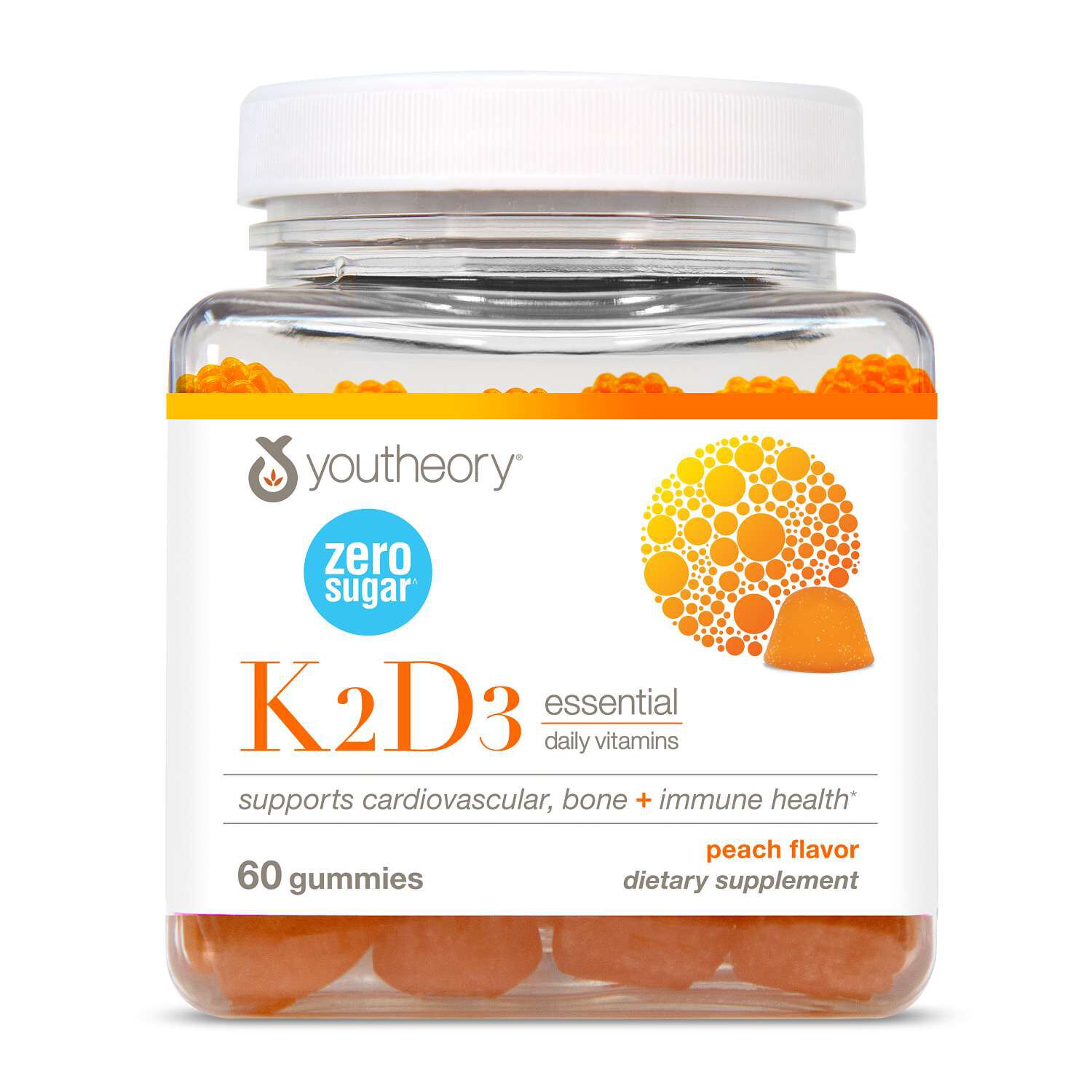 $17.99
-
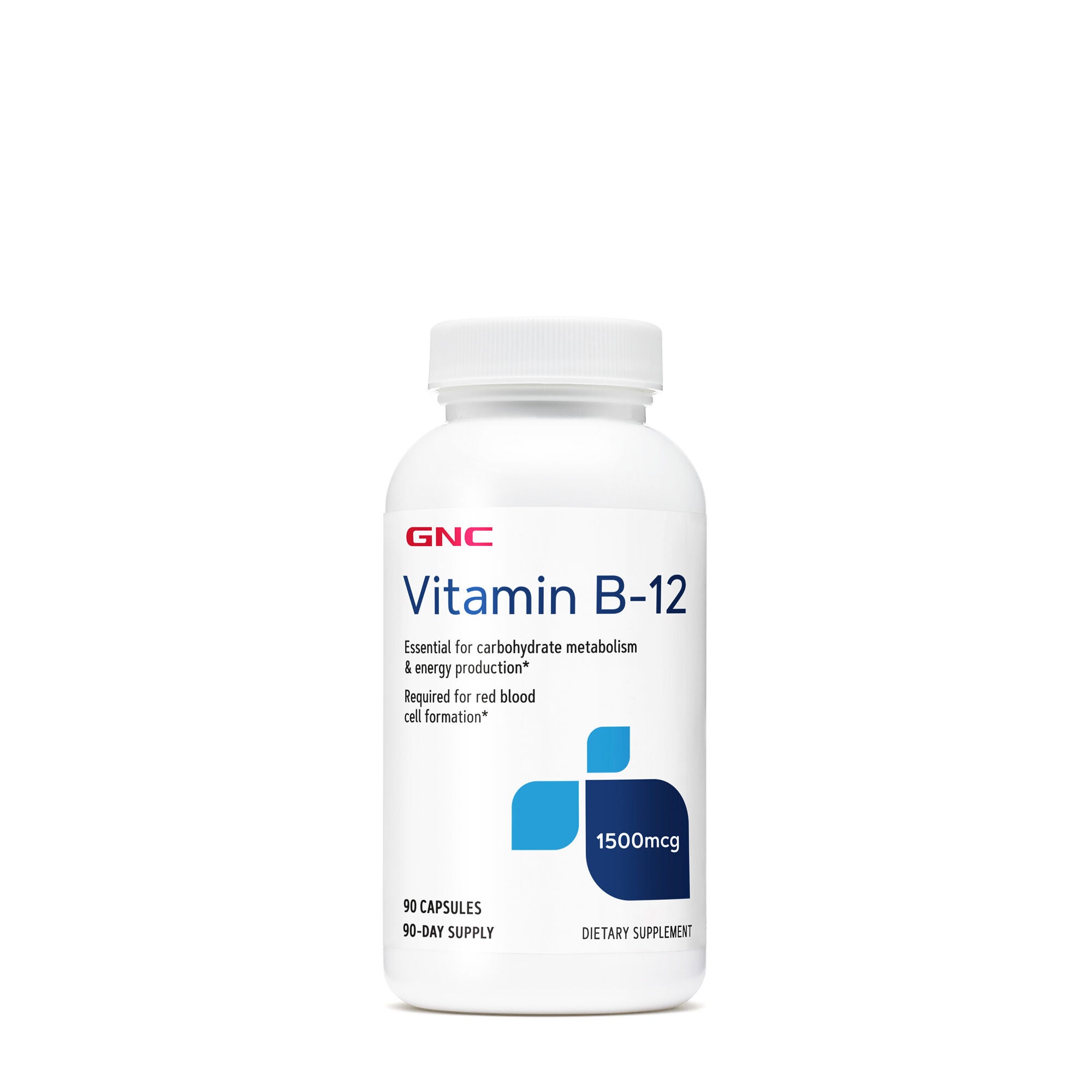
-
 $44.99
-

-
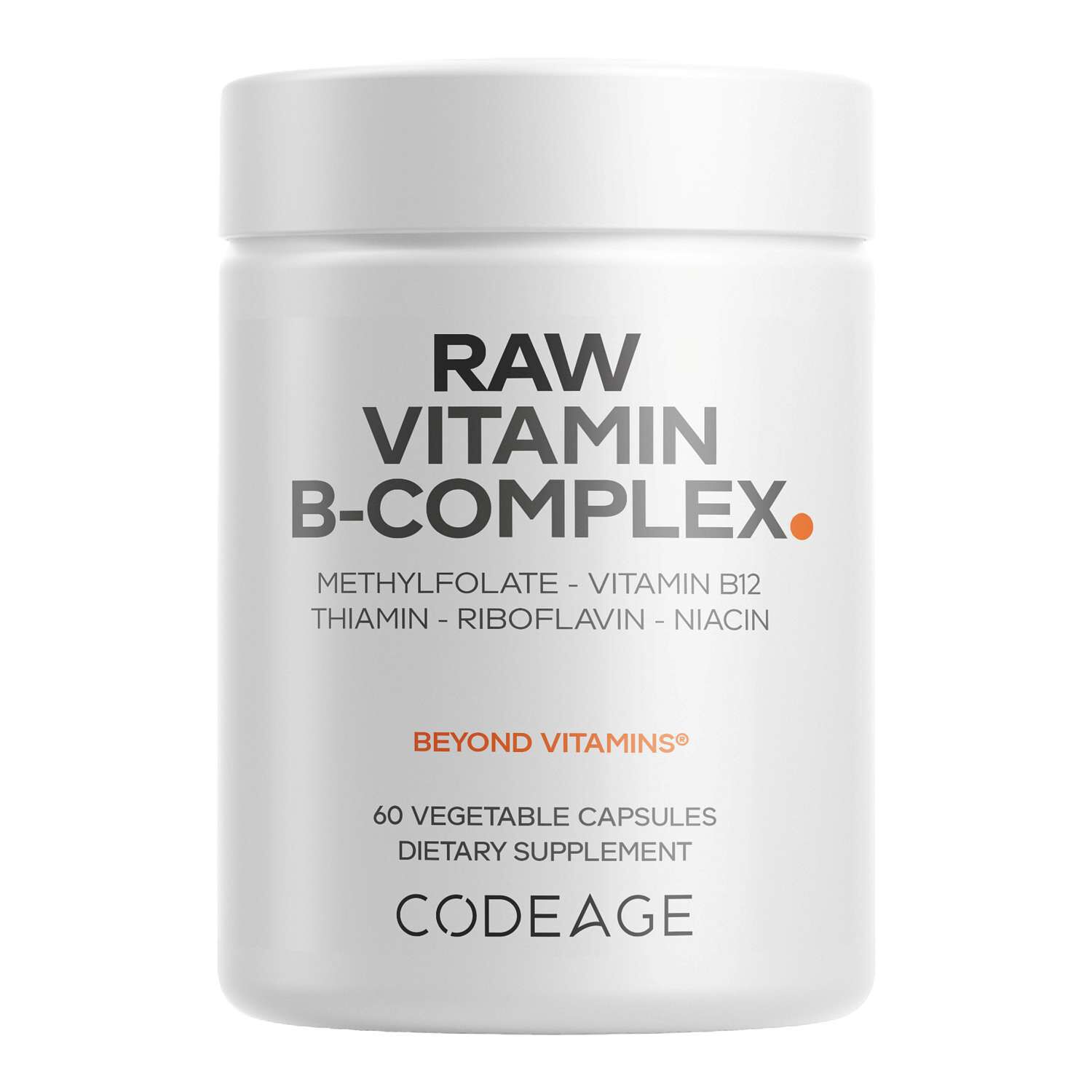
-

-

-

-

-

-

-
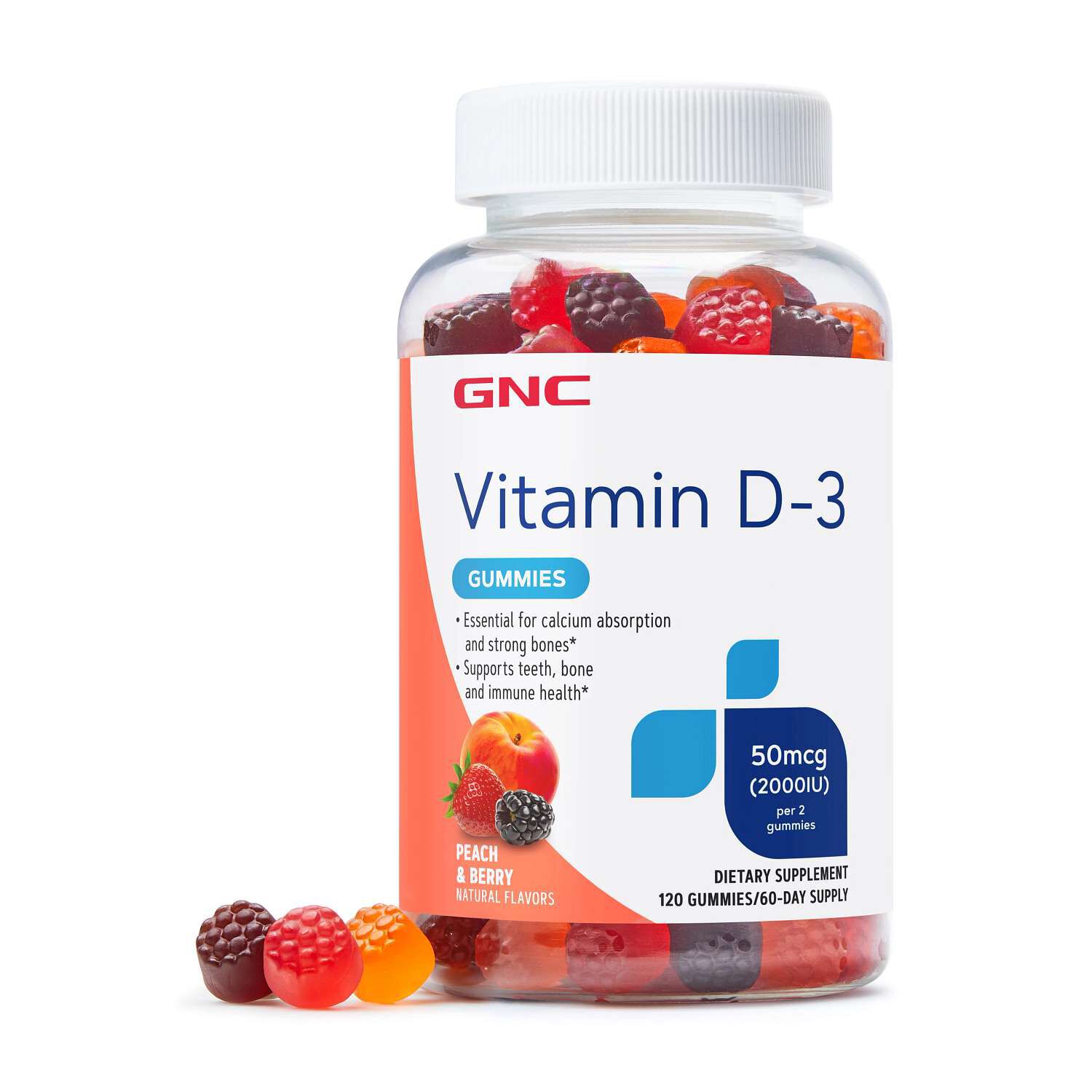
-


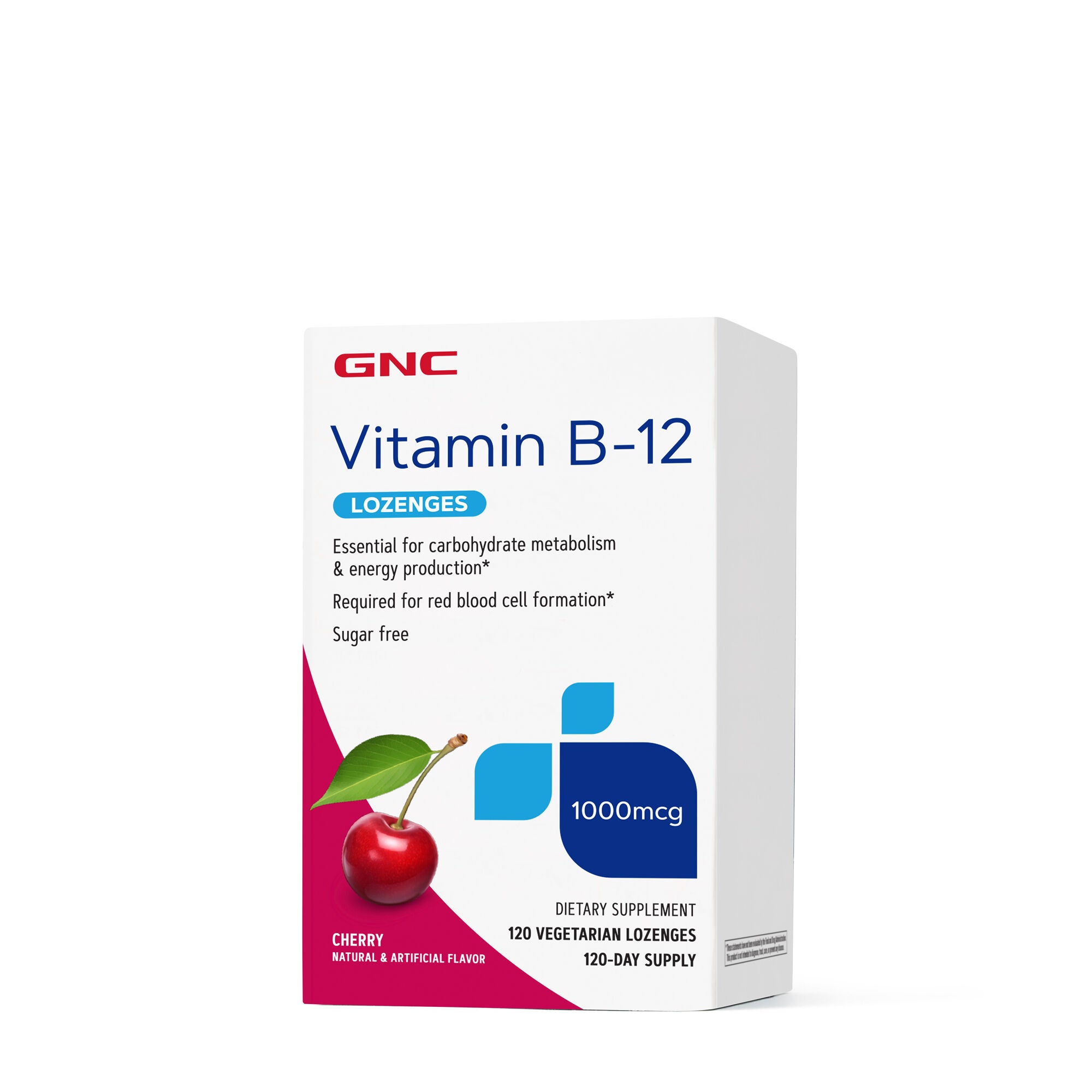
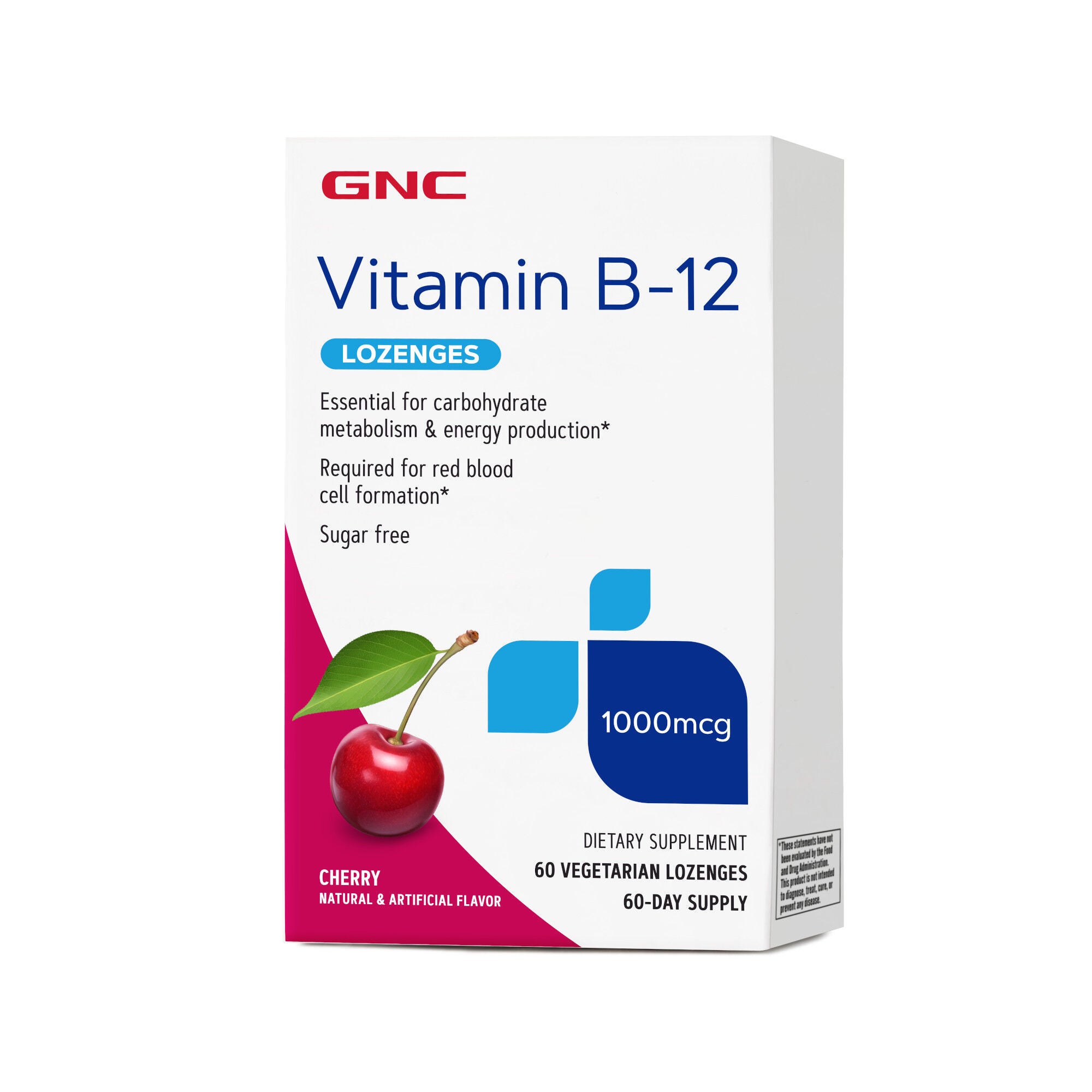
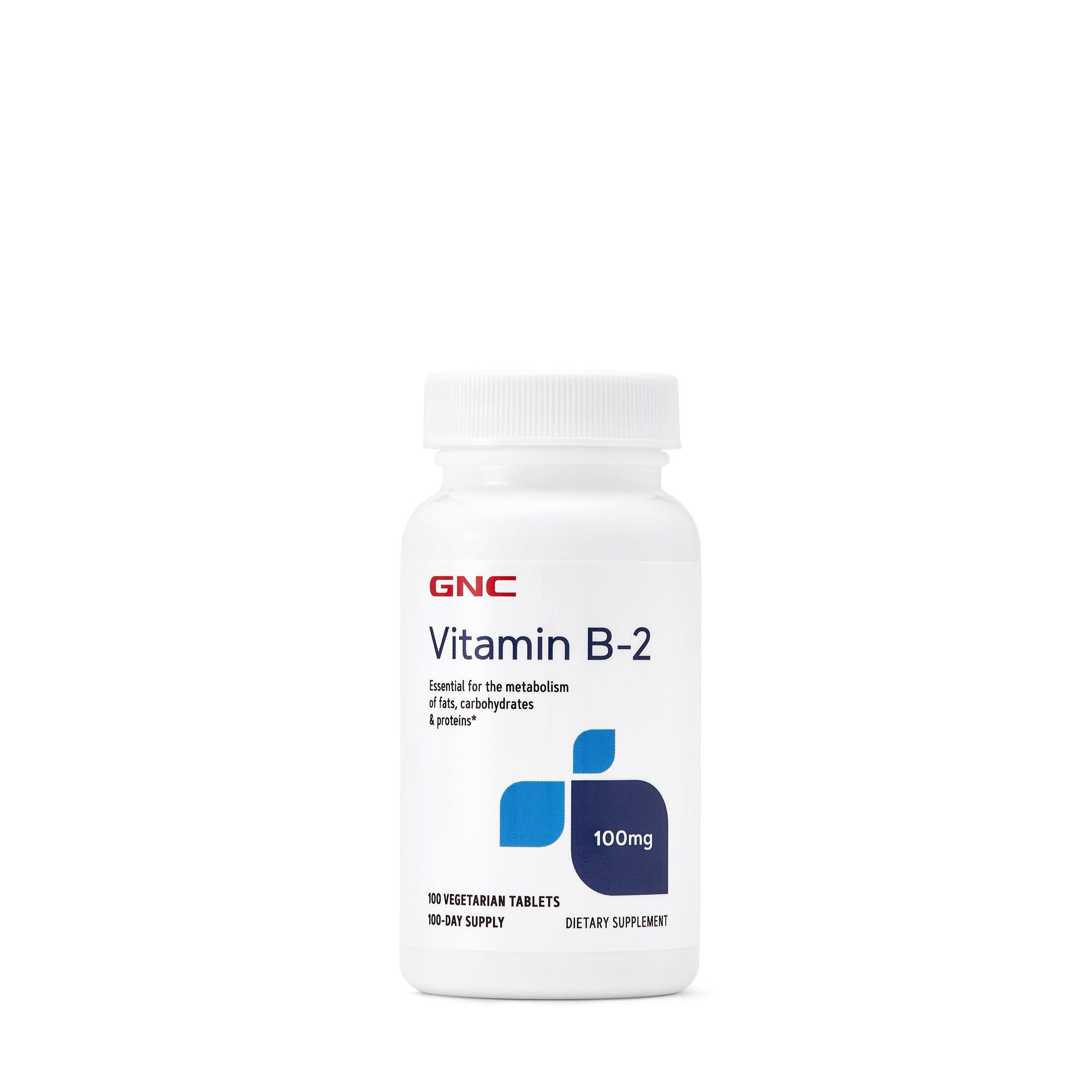
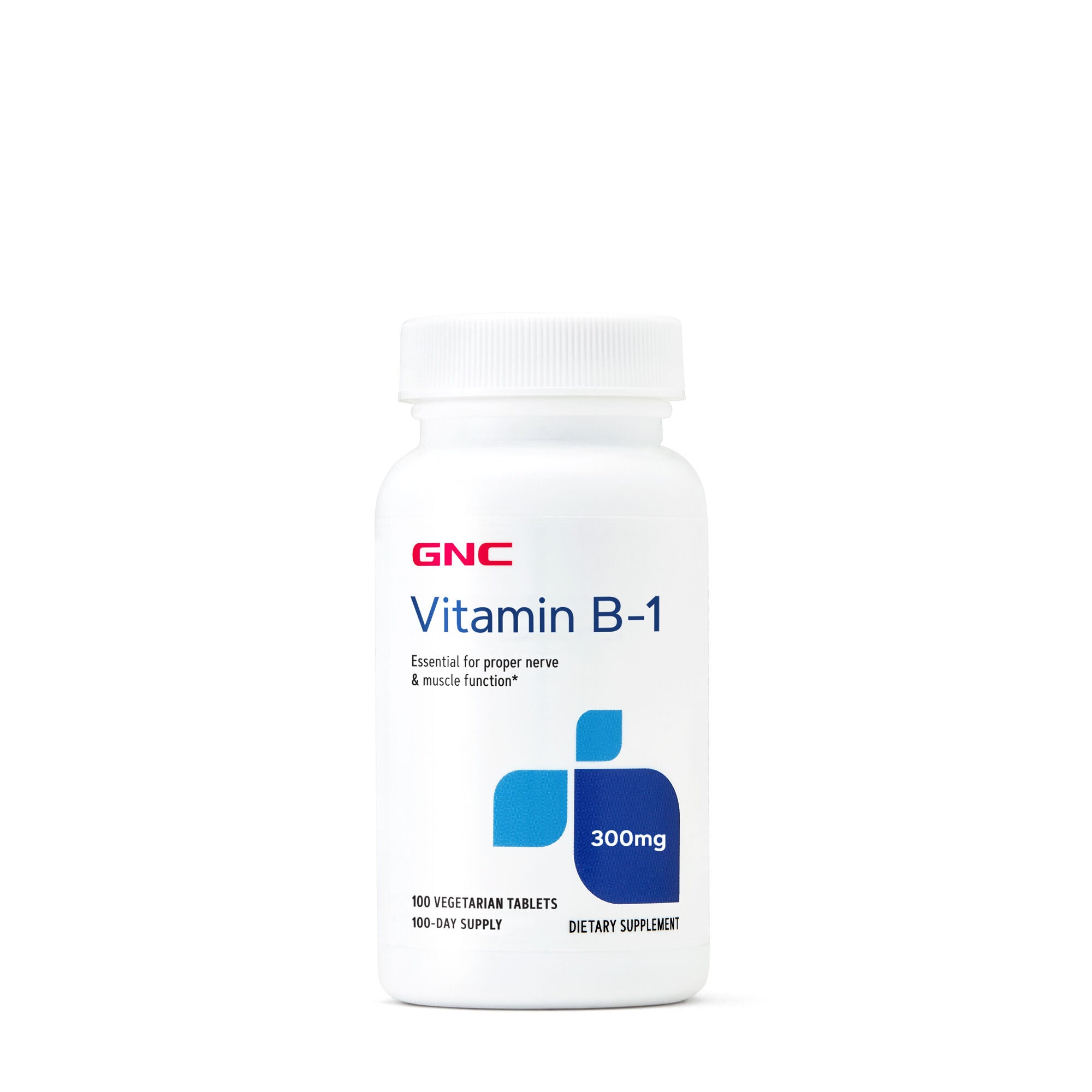

Vitamins are nutrients found in foods and offered in supplements in a variety of forms, from single-nutrient capsules to multivitamin tablets and flavored gummies. There are 13 recognized vitamins: A, C, D, E, K, and the eight B vitamins—B1, B2, B3, B5, B6, B7, B9, and B12. On supplement labels, those B vitamins may also appear as thiamin, riboflavin, niacin, pantothenic acid, pyridoxine, biotin, folate, and cobalamin, respectively. Knowing these names makes it easier to compare formulas that describe similar ingredients differently. Vitamins fall into two broad categories based on how they dissolve: vitamins A, D, E, and K are fat-soluble, while vitamin C and the B vitamins are water-soluble. These categories describe the nutrients rather than the physical format of a supplement; a water-soluble vitamin can still come in a tablet, capsule, or gummy. Familiar food sources offer useful context for the category. Citrus fruits, strawberries, and bell peppers contain vitamin C, while leafy greens contain vitamin K and folate. Eggs, fish, dairy foods, legumes, and fortified grains contribute different vitamins to a varied diet. Supplement formulas organize these nutrients in different ways. A single-vitamin formula centers on one nutrient, a B-complex formula groups B vitamins together, and a multivitamin combines a broader assortment, sometimes alongside minerals. Vitamins and minerals are separate nutrient categories, even when they share space on a label. Calcium, iron, magnesium, and zinc, for example, are minerals rather than vitamins. That distinction matters when comparing a vitamin-only formula with a vitamin-and-mineral blend. The category name is a starting point, but the Supplement Facts panel provides the clearest picture of what a formula contains. A varied eating pattern remains distinct from a supplement routine: tablets and gummies do not offer the same mix of food components as a meal. For shoppers comparing everyday vitamin supplements, the most useful differences are often the nutrient selection, amount per serving, ingredient sources, and format.
The experience of using a vitamin supplement depends on details that are easy to overlook in a product image. Tablets are compressed solids and vary in size, shape, coating, and texture. Capsules contain ingredients inside a shell, which may be made from gelatin or plant-derived materials. Softgels have a smooth outer shell and often contain an oil-based filling. Gummies and chewables bring flavor and texture into the decision, with differences in sweetness, firmness, and serving size. Liquids and powders introduce measuring and preparation considerations, including the supplied dropper, measuring device, or mixing directions. A person who prefers an unflavored capsule may look at the category differently from someone who values a chewable format, and neither preference describes the nutrient content by itself. Serving size is especially important: one serving may consist of one tablet, several gummies, or a measured quantity of liquid. The nutrient amounts listed in Supplement Facts refer to that serving, not necessarily to a single piece. Quantities may be expressed in milligrams or micrograms, while some vitamin labels also display international units. Those units are not interchangeable, so matching both the nutrient name and the unit gives a more meaningful comparison than looking at the largest number on the package. The percent Daily Value provides another standardized point of reference, rather than an individualized target. Beyond the nutrient panel, the other-ingredients list identifies components such as capsule materials, oils, flavors, colors, sweeteners, and ingredients used to create a tablet’s structure. These details matter to shoppers with dietary preferences or ingredient restrictions. A plant-derived capsule shell alone does not establish that every ingredient in the formula is plant-derived; the nutrient source and any other components also belong in that review. Likewise, a gummy’s flavor does not identify its vitamin sources. Clearly stated ingredient information, readable serving directions, and labeled dietary attributes make comparisons more straightforward without relying on package color or front-label wording alone.
Vitamin supplements also differ in how they fit into an ordinary household routine. A bottle stored in its original packaging keeps the ingredient list, serving directions, lot information, and date markings together. Individually packaged servings offer a different organizational format, while larger containers require attention to the serving count and how the package closes between uses. A count of 60 capsules does not necessarily mean 60 servings; the labeled serving size determines that relationship. Storage instructions deserve the same attention as the nutrient panel because packaging and handling are part of caring for the product. Keeping the closure secured, protecting the contents from moisture and direct sunlight, and following any refrigeration instructions are practical considerations. A bathroom shelf beside a steamy shower or a windowsill is a different storage setting from a dry cabinet that meets the package directions. Original containers are also useful when several people in a household use different formulas, since similar-looking tablets or gummies may contain different nutrients and amounts. Products labeled for adults, children, or particular life stages should not be treated as interchangeable simply because their packaging looks alike. For shared household shopping, the intended user, stated age range, preferred format, and ingredient preferences provide a clearer starting point than appearance alone. Vitamins are personal purchases, so a gift is most appropriate when the recipient has already identified the formula and format they want rather than when someone else selects an unfamiliar supplement for them. Shoppers interested in several vitamins within one formula can compare multivitamin supplements by their nutrient assortment, serving size, and other ingredients. A broader ingredient list is not automatically a better match for every person, just as a smaller tablet does not necessarily contain fewer nutrients. Thoughtful comparison comes down to clearly labeled contents, a suitable format, and packaging that makes the product straightforward to identify, store, and use according to its directions.