





Comprehensive Multivitamins
(0 Results)
Comprehensive multivitamins could be an excellent addition to your daily routine, offering a blend of key nutrients that might support overall health and well-being. Whether aiming to fill nutritional gaps or striving for optimal wellness, these multivitamins may provide a balanced mix of vitamins and minerals designed to suit various dietary needs. Explore a range of options that might help you achieve your health goals with ease and confidence.
-
-
-
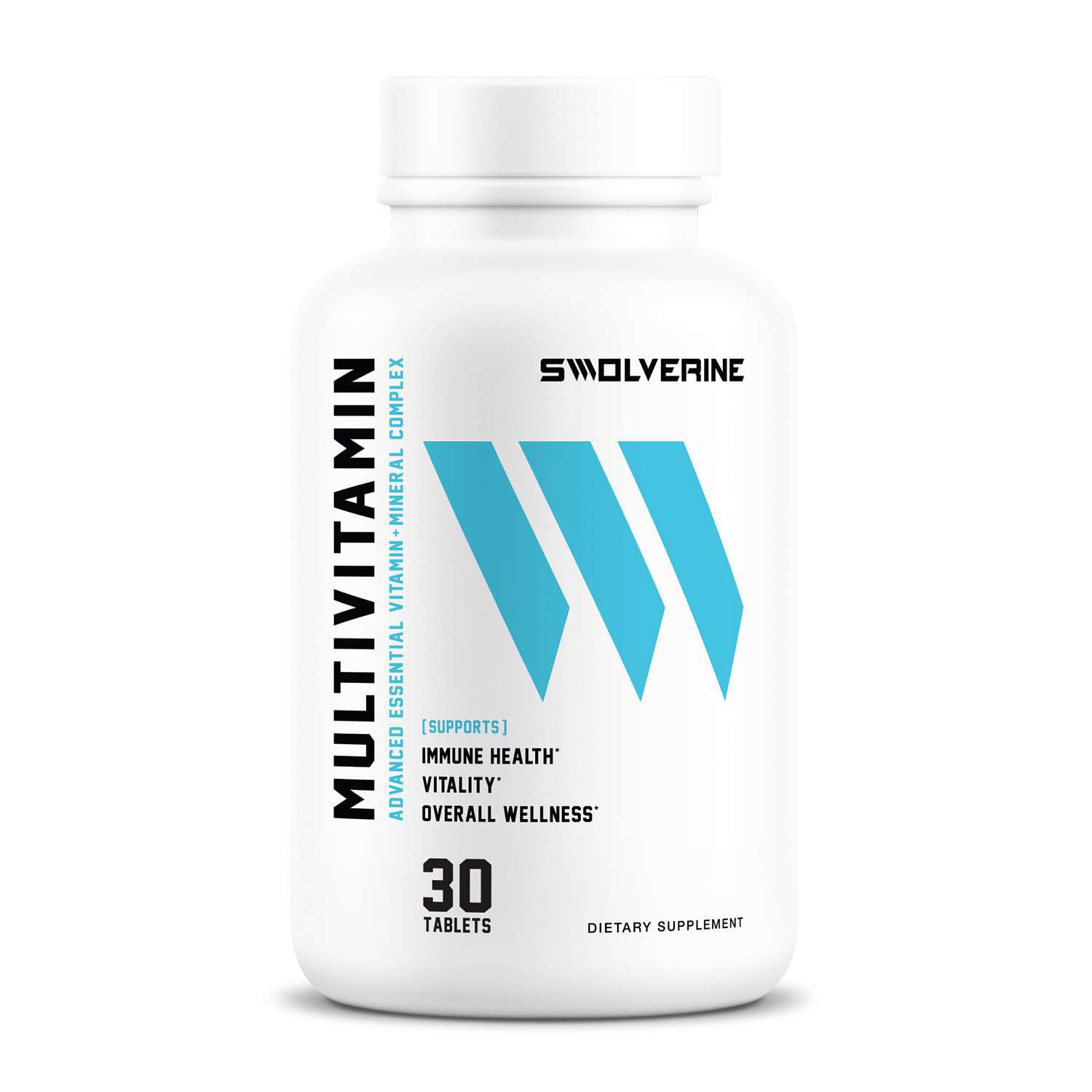 Swolverine$22.99
-
-
-
-

-
 $44.99
-

-

-
 NDS Nutrition$49.99
-

-

-

-
-

-

-
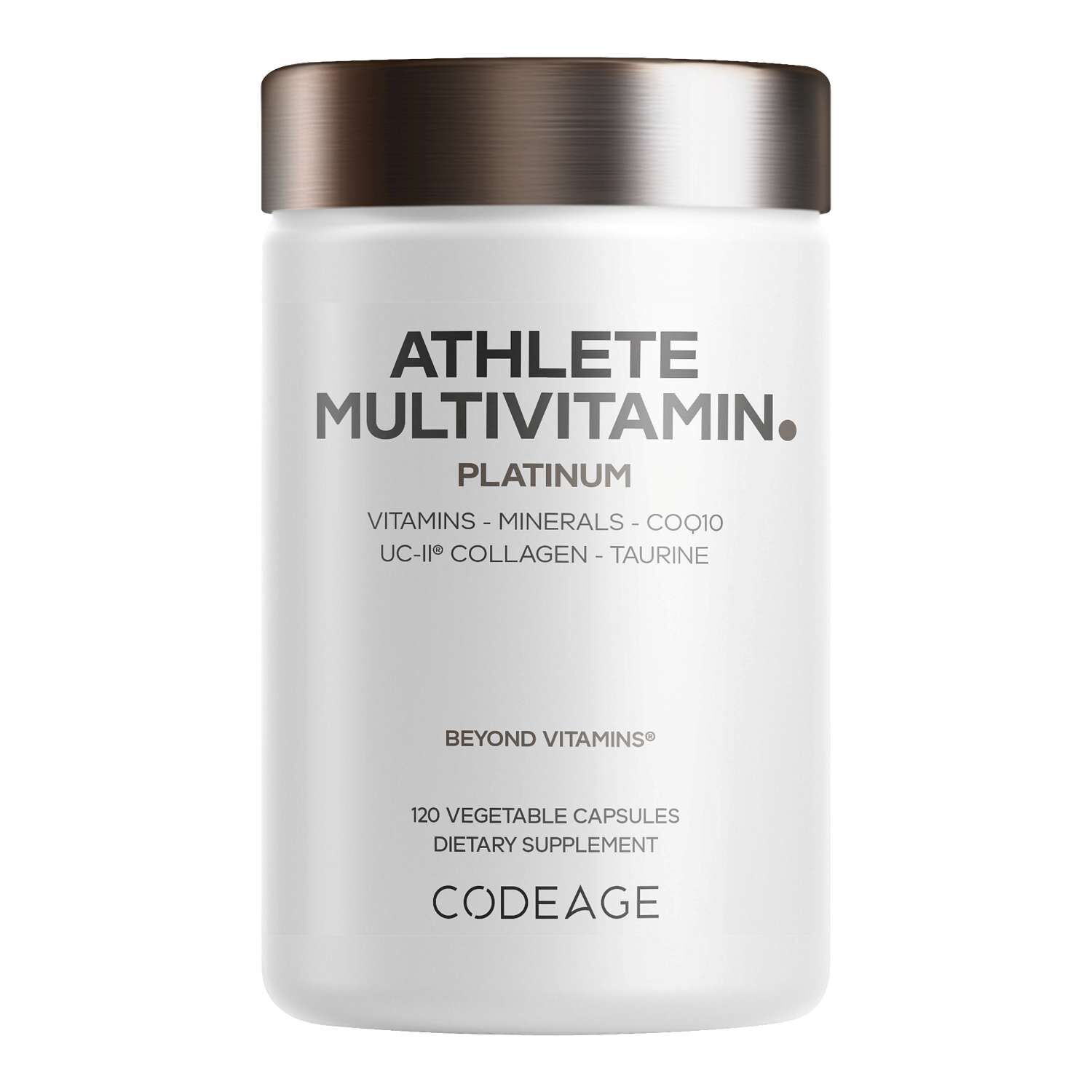 $59.99
-

-
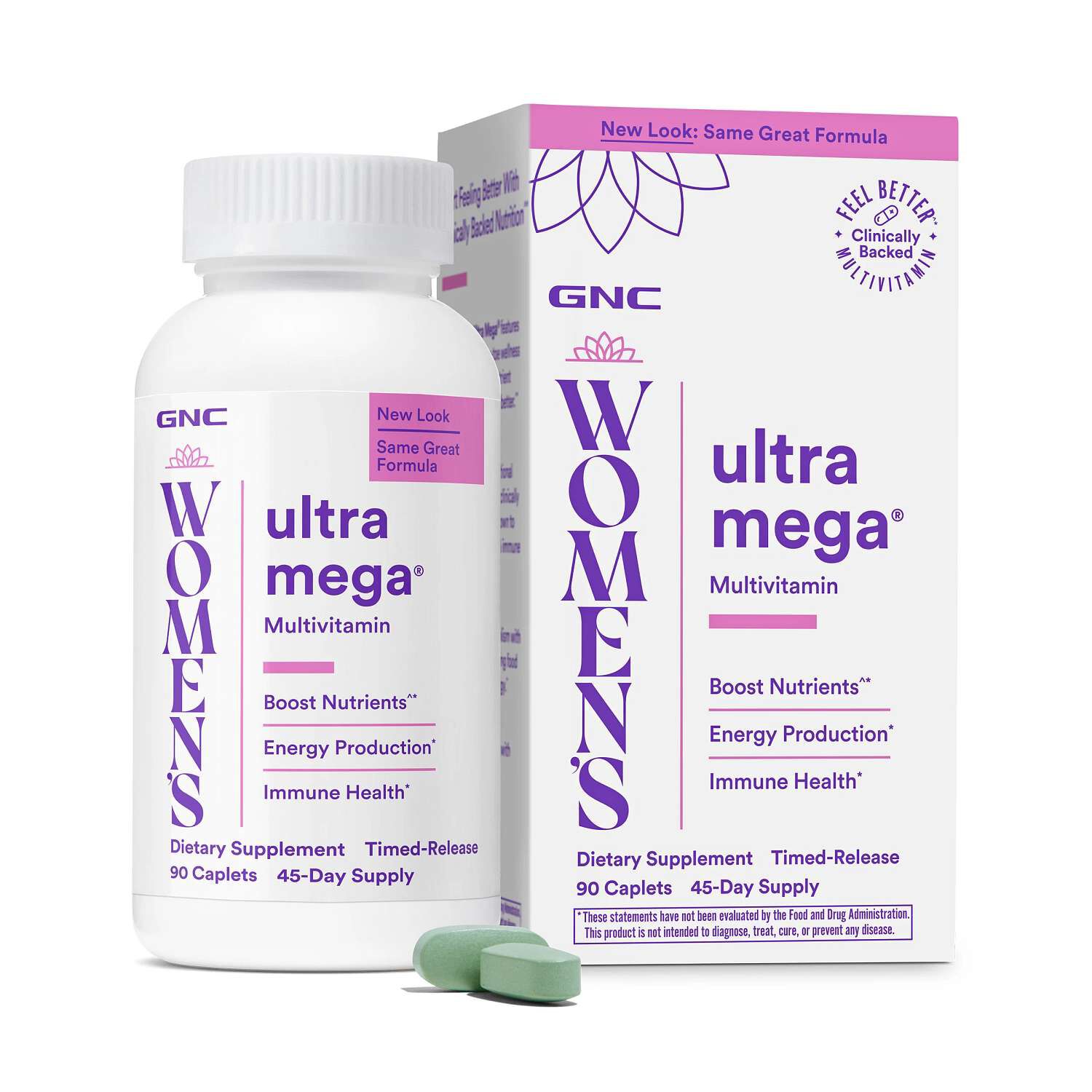
-
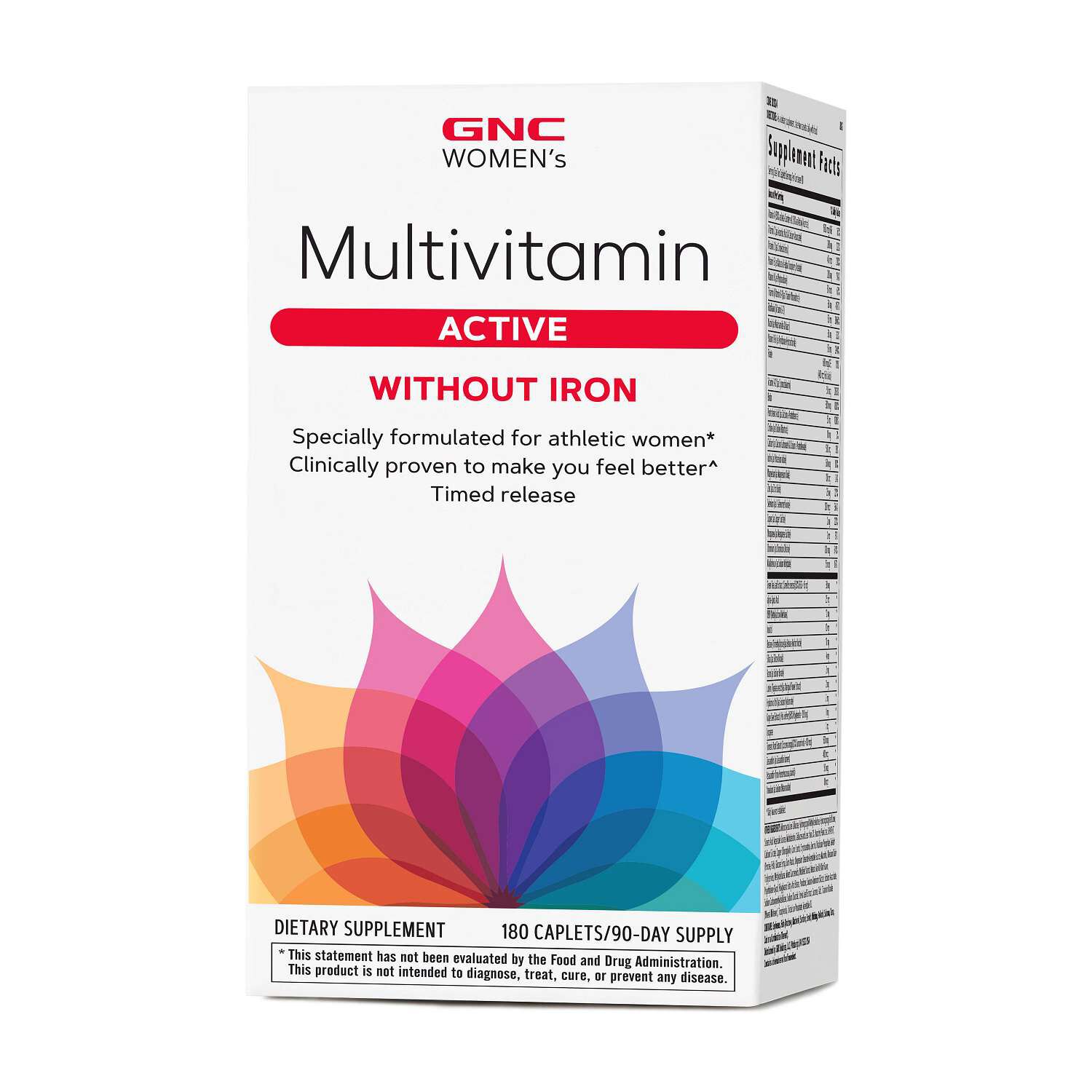
-
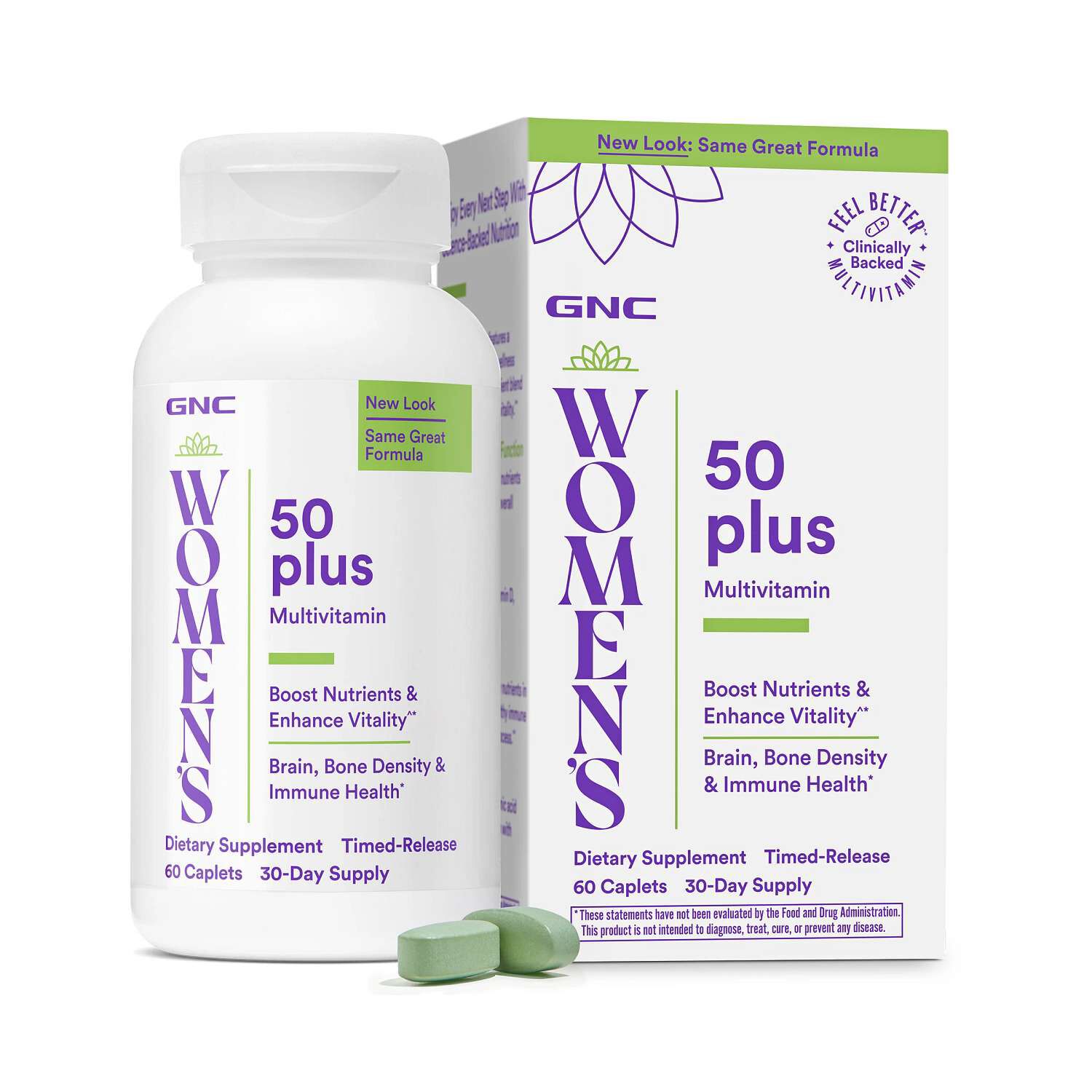
-

-
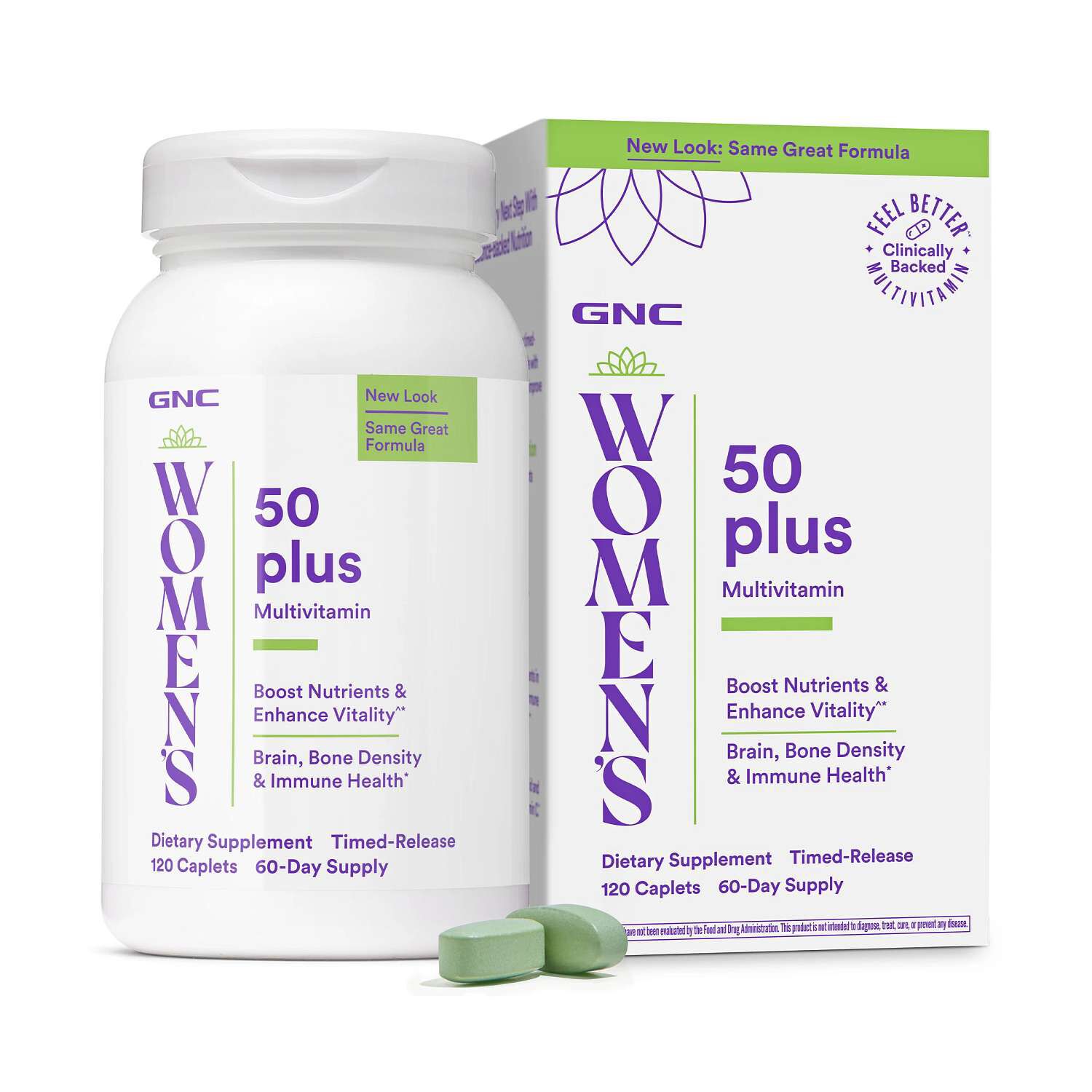
Comprehensive multivitamins bring a broad selection of vitamins and minerals into a single formula, with ingredient combinations and serving sizes that vary across the category. The term generally describes the breadth of a formula rather than a standardized nutrient list, so two comprehensive multivitamins can look quite different on the label. Many include vitamins A, C, D, E, and K alongside the eight B vitamins: thiamin, riboflavin, niacin, pantothenic acid, vitamin B6, biotin, folate, and vitamin B12. Mineral ingredients may include zinc, selenium, iodine, copper, manganese, chromium, calcium, or magnesium, although not every formula contains every mineral. Some include iron, while others omit it. A multivitamin may complement a varied eating pattern, but its ingredient list does not mirror everything found in food. Meals also contribute protein, fiber, fats, and a range of other dietary components. That distinction matters when comparing a broad daily multivitamin with a supplement centered on one nutrient. The former brings several nutrients together; the latter has a narrower ingredient focus. Comprehensive formulas may appeal to adults who prefer one organized supplement routine rather than several separate bottles. For someone whose workday starts with an early commute, a clearly labeled daily serving may fit alongside breakfast. For another shopper, a chewable format may fit more comfortably into an established evening routine. Neither scenario determines which nutrient amounts are appropriate; those details remain specific to the formula and its intended audience. Breadth also does not mean that every ingredient appears in a large amount. Calcium and magnesium, for example, can require substantial space in a tablet or capsule, so their amounts often differ from those in dedicated mineral supplements. The most meaningful description of a comprehensive multivitamin is therefore its actual combination of nutrients, amounts per serving, format, and labeled use—not simply the number of ingredients printed on the front of the package. These details give the category its variety while keeping comparisons grounded in information that is visible on the label.
Format is often the first practical distinction shoppers notice among comprehensive multivitamins. Tablets are compact and have a firm texture, while capsules enclose powdered or other ingredients in a shell. Capsule shells may contain gelatin or plant-derived materials, which can matter to someone with particular dietary preferences. Softgels use a different shell and filling structure, and their ingredient lists may include oils. Gummies and chewables bring flavor and texture into the comparison, along with details such as added sugars, sweeteners, colors, and serving count. Powders introduce another consideration: preparation. Their labels specify a measured portion and any mixing directions, making the required steps part of the everyday experience. A person packing a small work bag might value a compact container, while someone who already prepares a breakfast beverage might prefer a format intended for mixing. These are differences in convenience and routine, not evidence that one format is universally preferable. Serving size deserves equal attention because one tablet, two capsules, and several gummies can each represent a single labeled serving. The amount listed for a nutrient applies to that serving rather than automatically to each individual piece. The Supplement Facts panel also shows nutrient amounts and percent Daily Value, providing a common reference for comparing labels. Percent Daily Value is not a personalized nutrient target, and a longer ingredient list does not by itself establish a better match. Formulas labeled for different adult age groups or genders may vary in their vitamin and mineral combinations, but those front-label categories do not substitute for the details inside the panel. Iron content, vitamin D amounts, and the inclusion of iodine are examples of distinctions that can be checked directly. Some formulas also contain ingredients such as lutein, zeaxanthin, coenzyme Q10, or plant extracts. Their presence adds another point of comparison without changing the importance of the core vitamin and mineral information. Ingredient names, quantities, and serving directions offer a clearer picture than broad descriptive language alone.
The rest of the label adds useful context to a comprehensive multivitamin purchase. The Other Ingredients section identifies components used for capsule shells, tablet coatings, flavor, texture, or manufacturing, rather than the vitamins and minerals listed in the Supplement Facts panel. Dietary statements and allergen disclosures can be relevant to household preferences, especially when gelatin, milk-derived ingredients, soy, or other ingredients are a consideration. A vegan statement, for example, describes a different attribute from an independent testing statement. Testing and certification references are most informative when they identify what was evaluated, such as ingredient identity, certain contaminants, or label accuracy. They do not make different formulas interchangeable. Packaging also plays a practical role after purchase. A clearly printed date, readable serving directions, and an intact closure make a bottle easier to manage as part of a regular routine. Storage instructions matter for tablets, capsules, softgels, gummies, and powders alike; a bathroom shelf exposed to repeated moisture presents a different setting from a cabinet used according to the package directions. Original packaging keeps the ingredient list, serving information, and storage details together, which is particularly useful in a household with more than one supplement routine. Child-resistant closures, where present, are packaging features rather than a substitute for appropriate storage. For shoppers exploring related approaches to a daily supplement routine, Holistic Multivitamins provides another collection to browse, with the same emphasis on checking the actual formula rather than relying on a category name alone. Across these selections, useful comparisons remain concrete: the vitamins and minerals included, their amounts per serving, the number of pieces in a serving, the format, and the supporting ingredient list. Those details can distinguish a straightforward tablet formula from a flavored chewable or a blend with additional plant ingredients. A comprehensive multivitamin may have a place in an everyday routine, while the clearest product comparison comes from understanding exactly what each labeled serving contains and how that serving fits into daily life.
Best Sellers
-
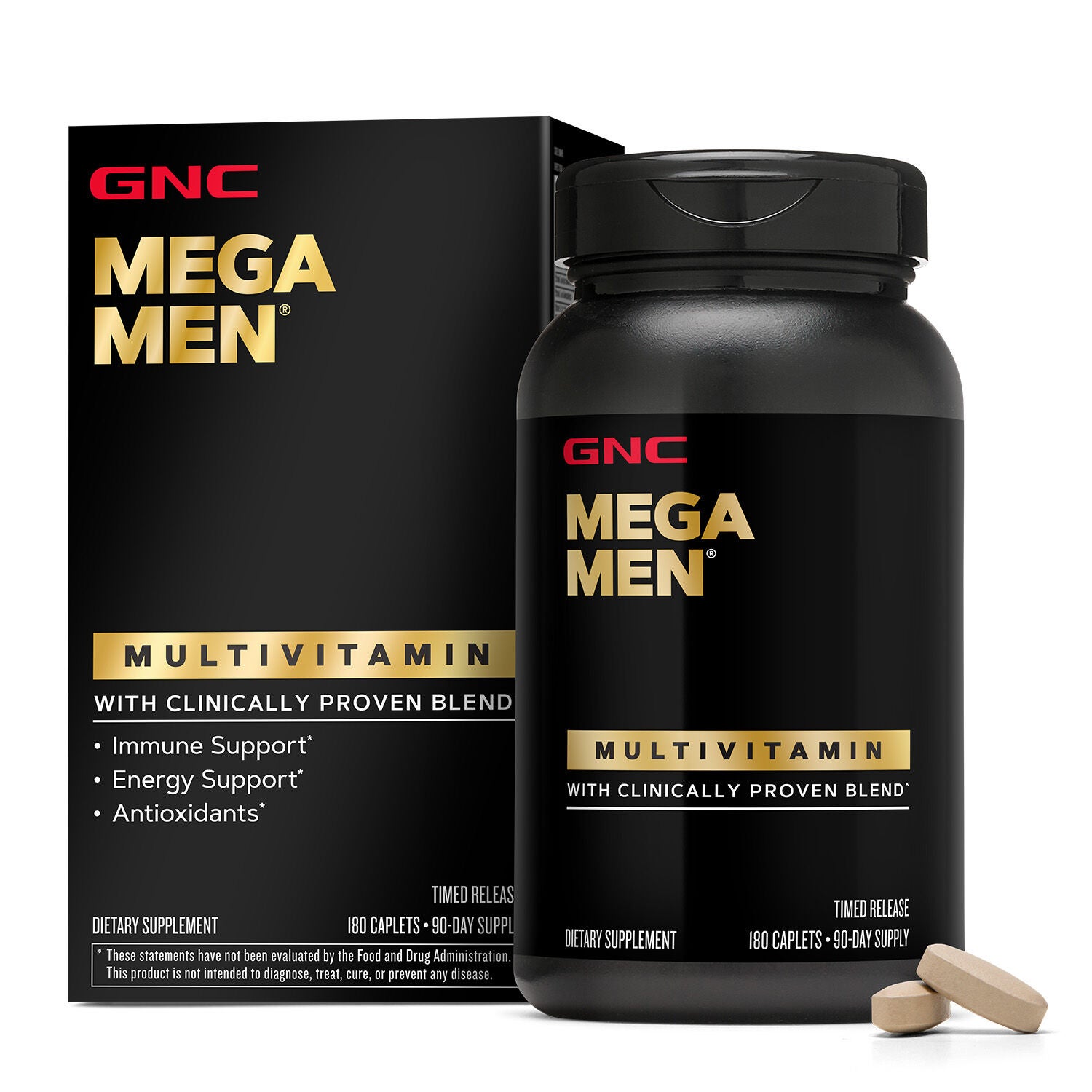 GNC Mega Men
-
 GNC Mega Men
-
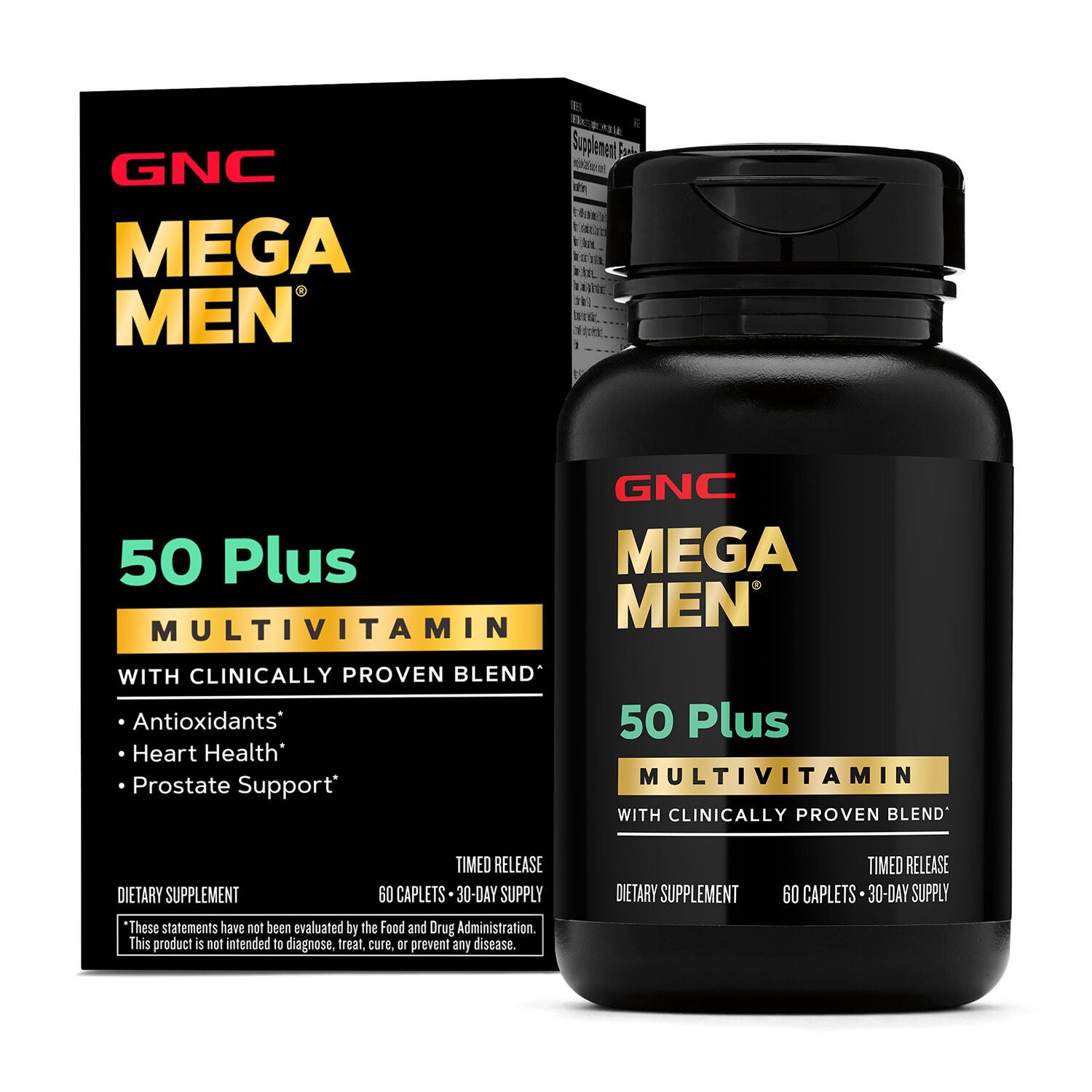 GNC Mega Men
-
 GNC Mega Men
Related Pages


Top Collections
- Daily Collagen Supplements | Top Brands & Deals | GNC
- Natural Collagen Supplements | Top Brands & Deals | GNC
- Top Rated Collagen | Shop Customer Favorites | GNC
- Cortisol Supplements
- Vitamins For Hair Loss
- Spirulina Tablets
- NAD+ Supplement Tablets
- Peptide Supplements
- Best Brand of Magnesium Glycinate
- Vitamins That Help Support Weight Gain