





Concentrated DHA Supplements
(0 Results)
Explore the potential benefits of concentrated DHA supplements, designed to support various aspects of overall health and wellness. Derived from high-quality sources, these supplements may offer a convenient way to incorporate an important omega-3 fatty acid into your daily routine. Whether you're looking to support brain function, cardiovascular health, or general well-being, concentrated DHA supplements could be a valuable addition to your nutritional regimen. Discover how these supplements might help you achieve your health goals with ease and efficiency.
-
-

-

-
-

-
-

-
-

-
-
-

-

-

-

-
 $23.99
 -
 $24.99
 -
 Purity Products$26.99
 -
 Portions Master$25.99
 -
 Portions Master$24.99
 -
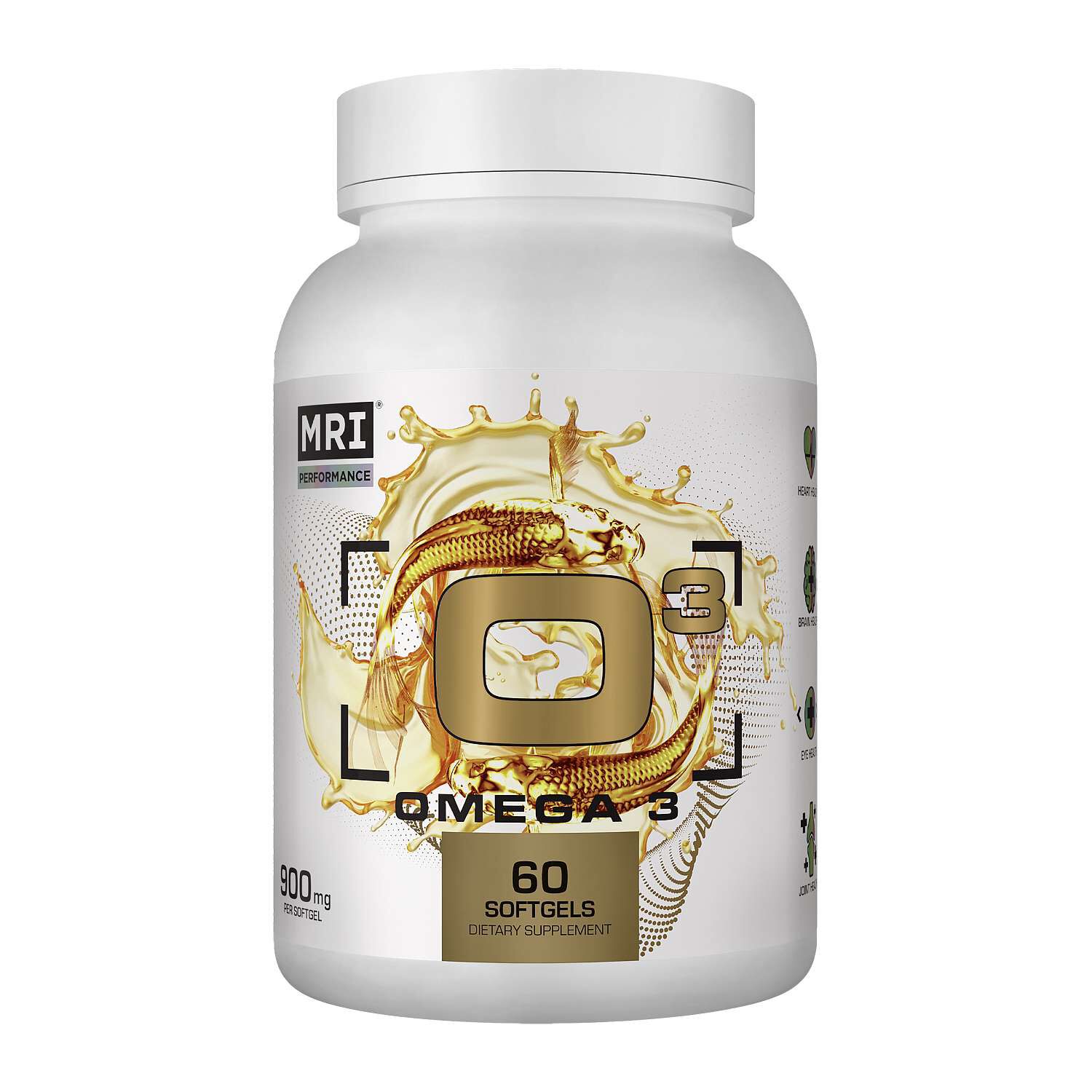 MRI Performance$29.99


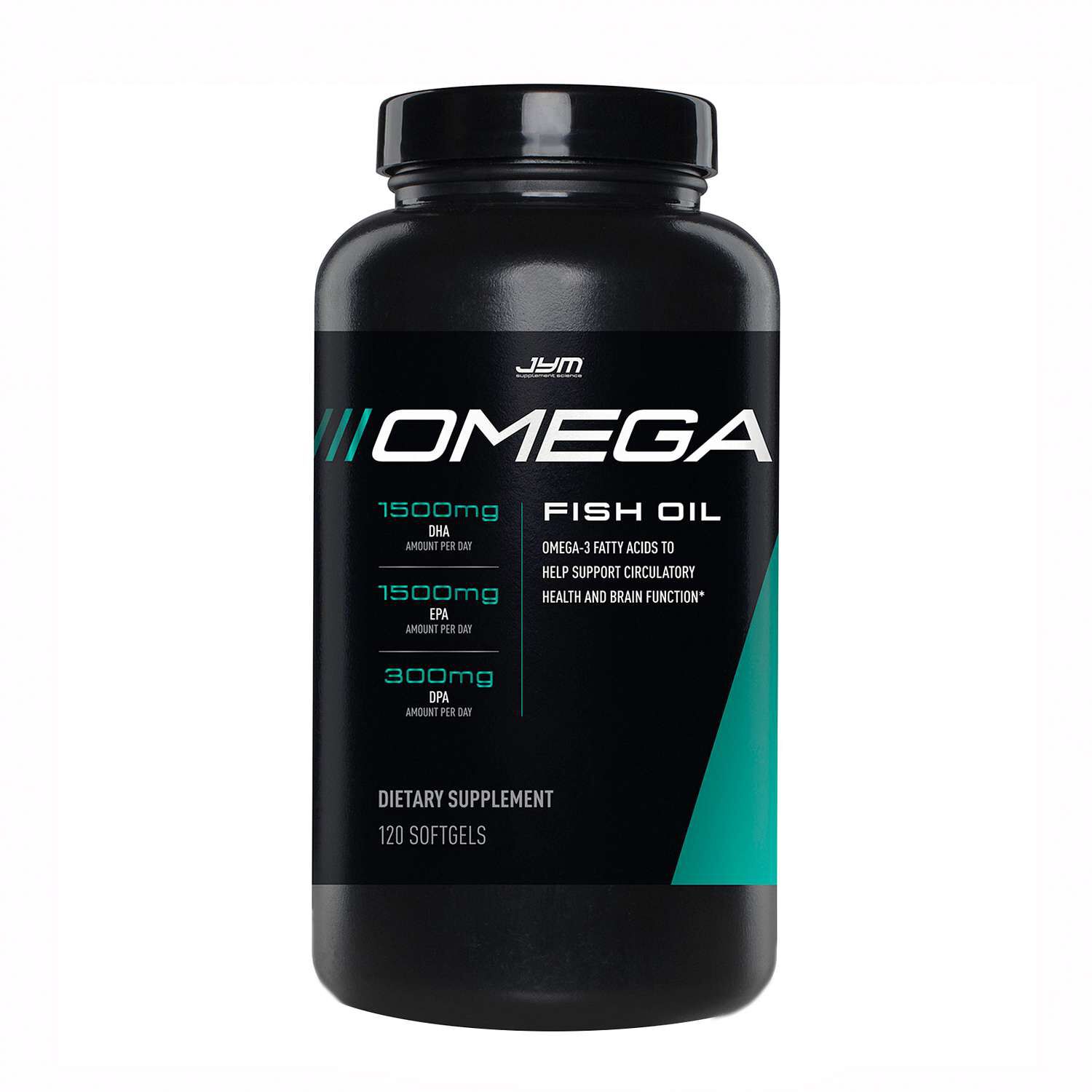
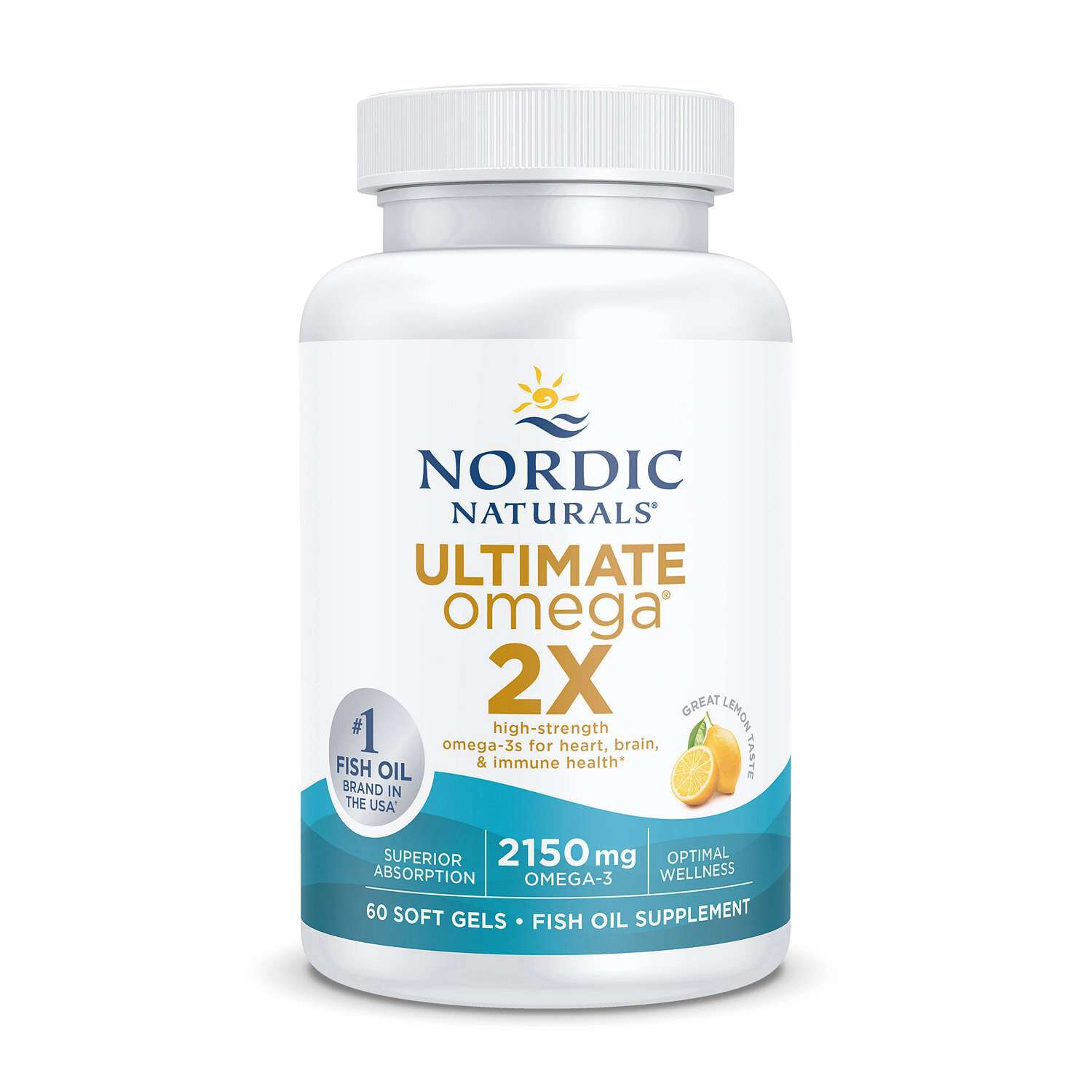
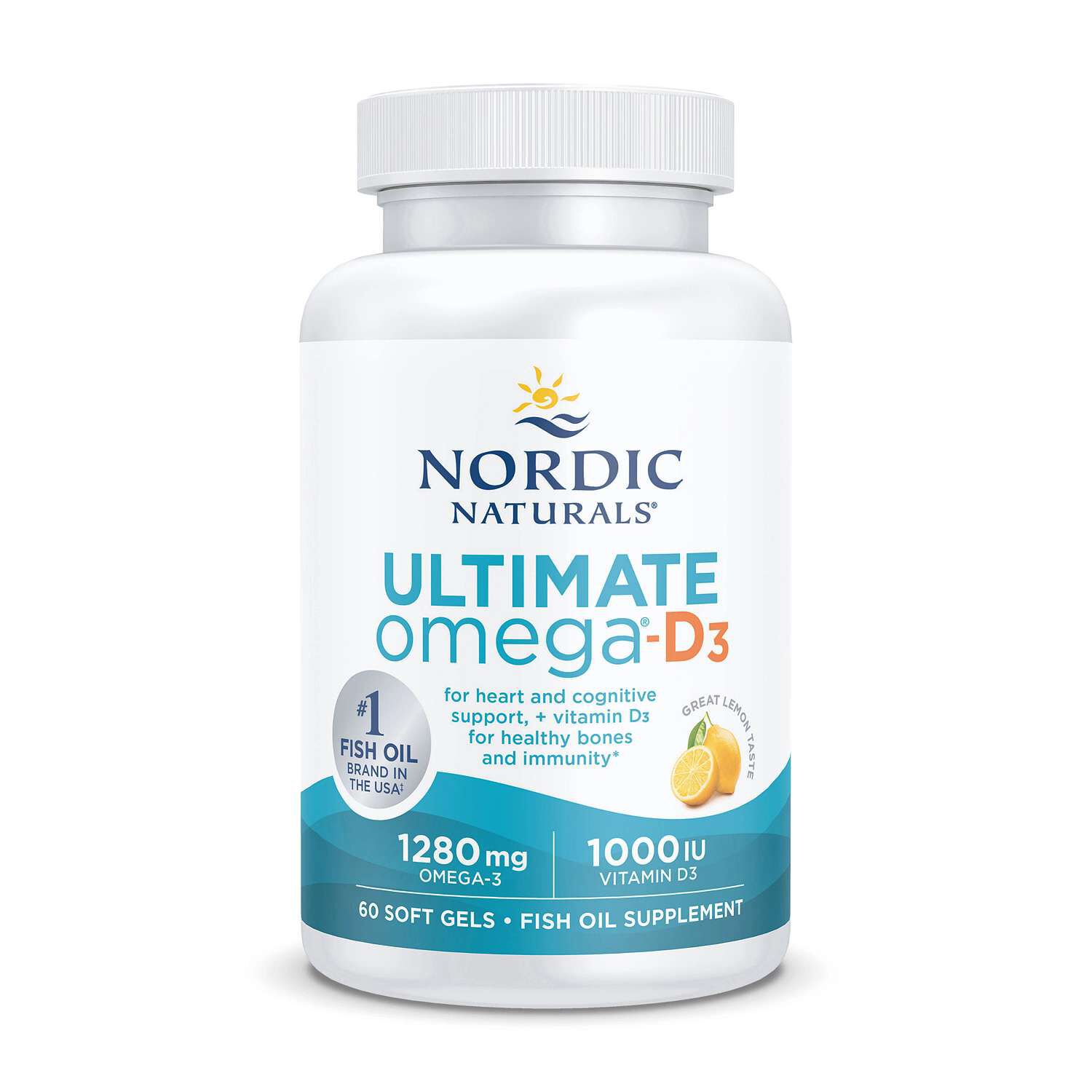
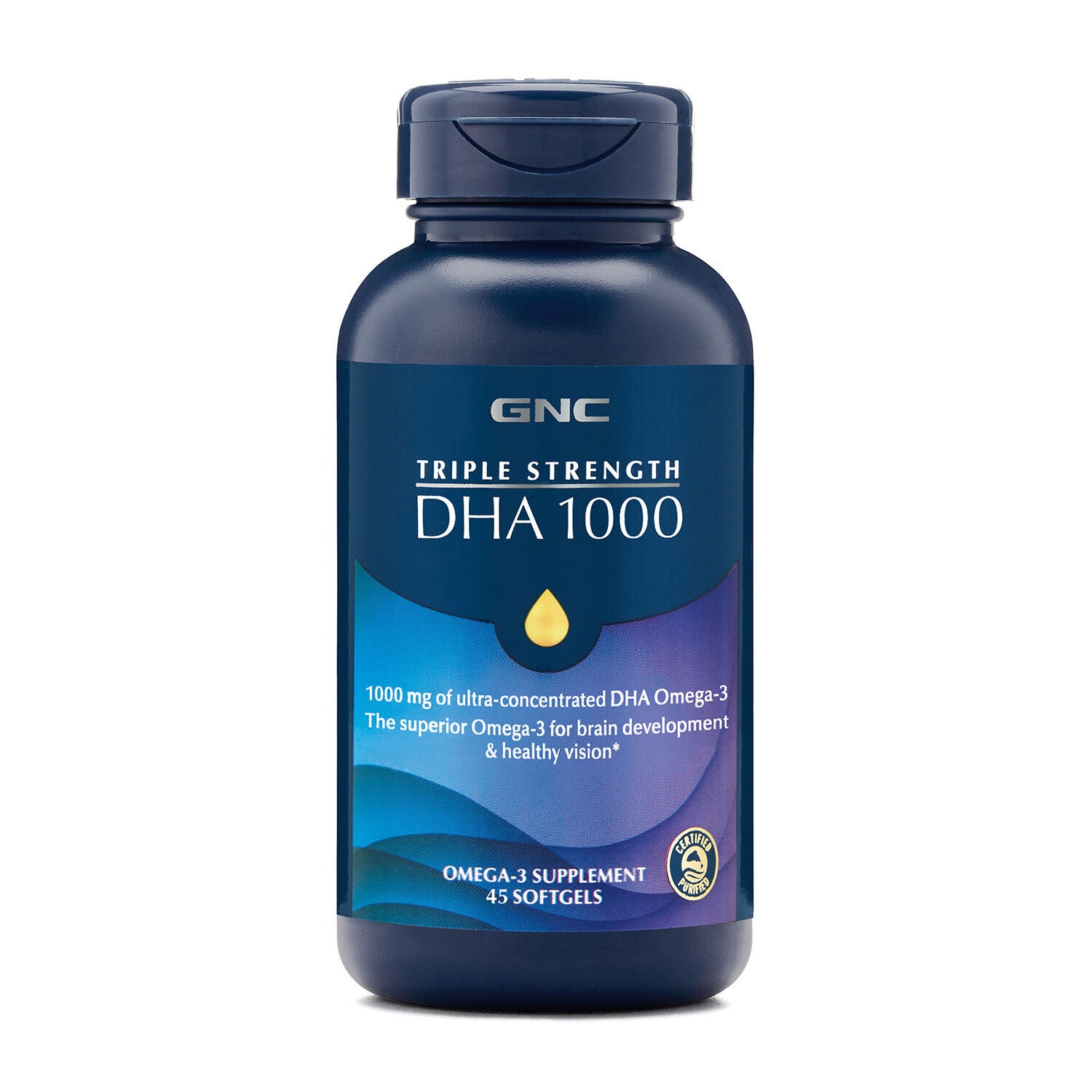
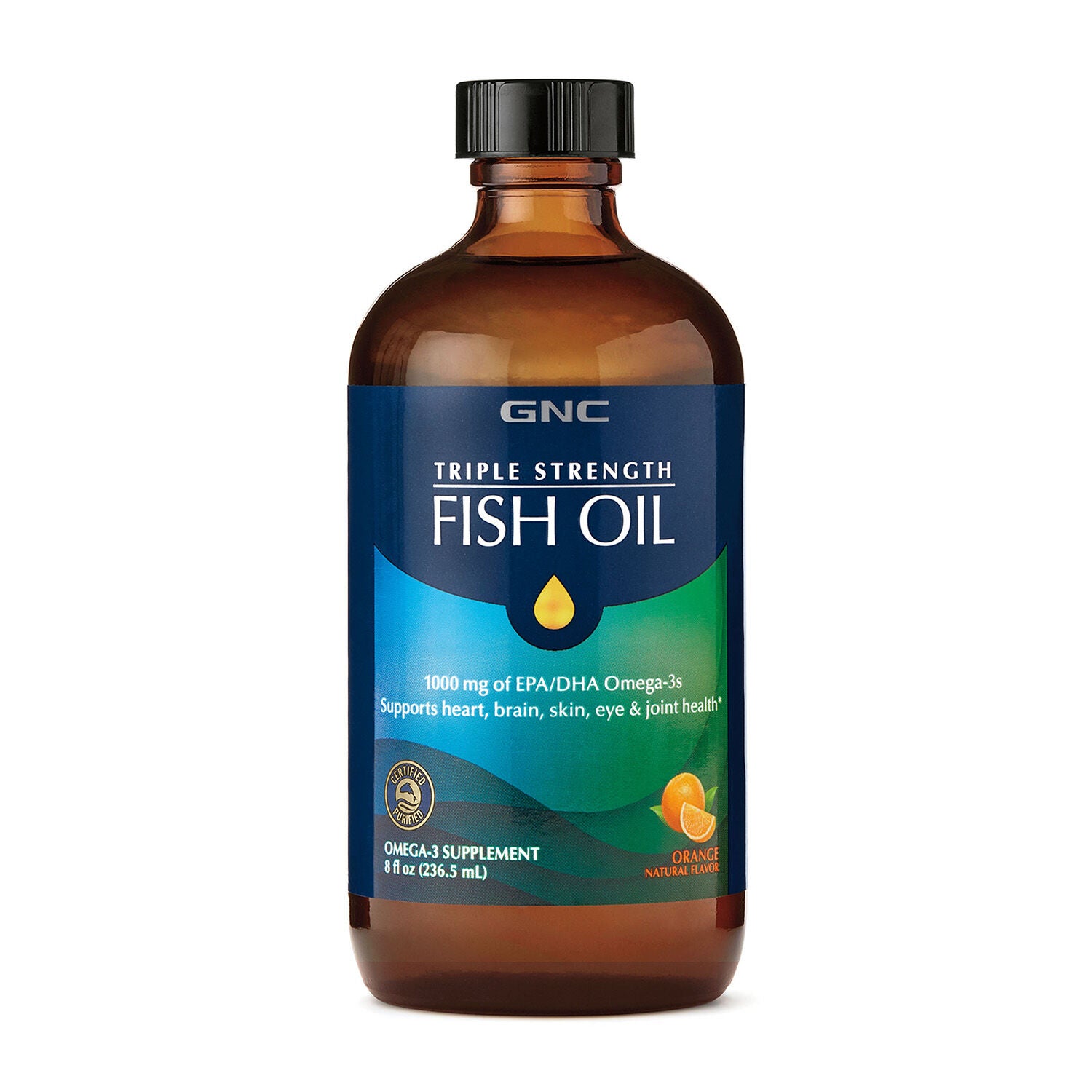
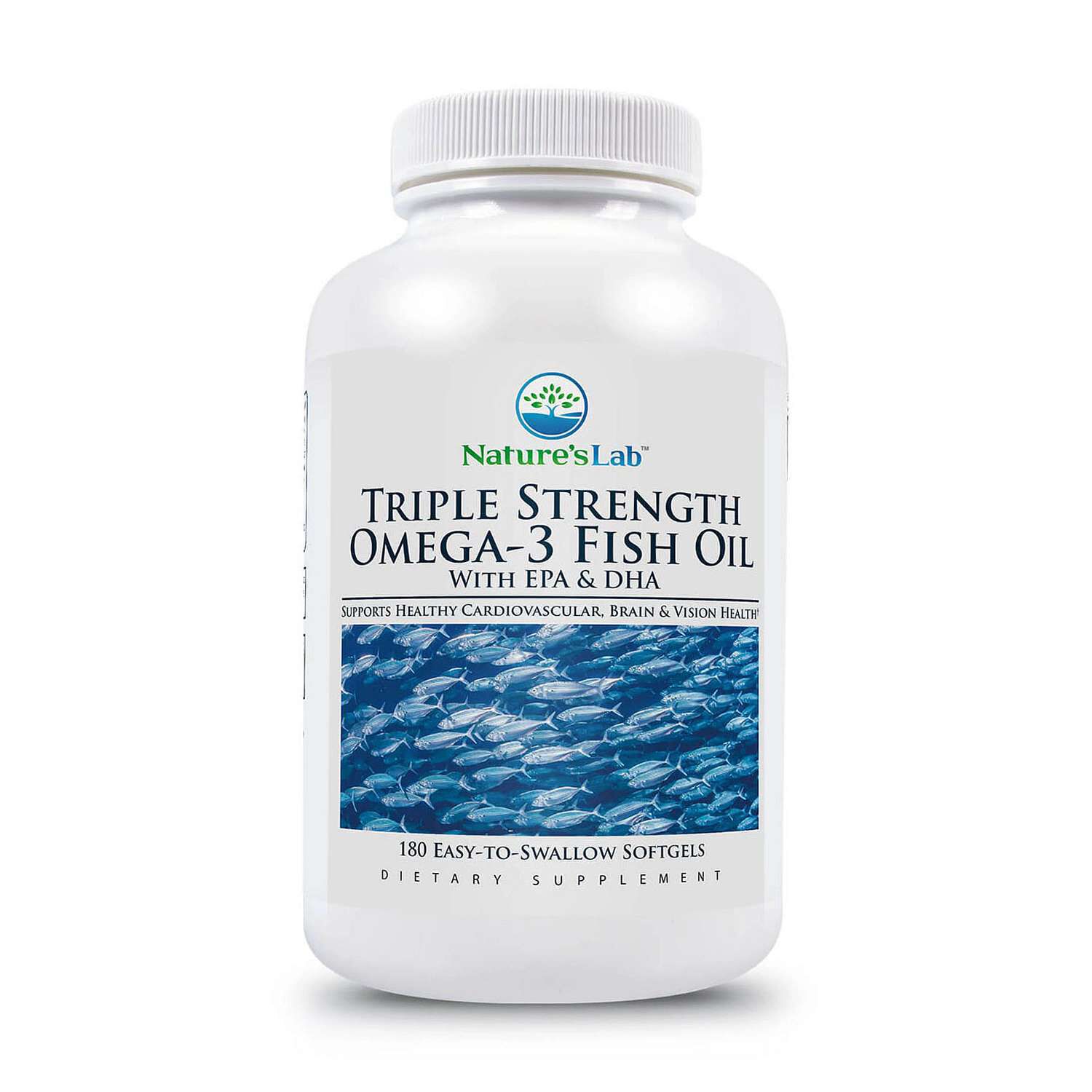
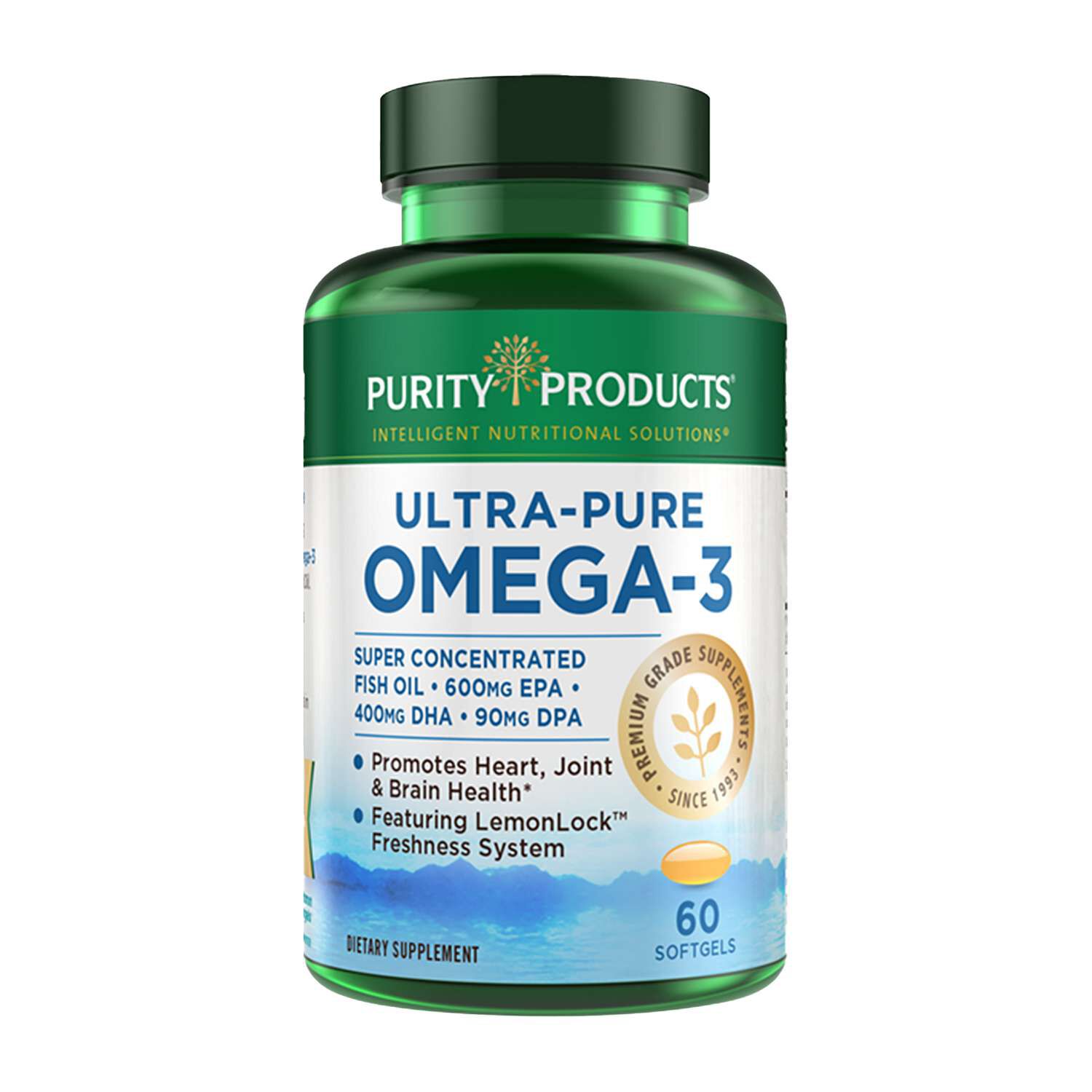
Concentrated DHA supplements are omega-3 products formulated to emphasize docosahexaenoic acid, commonly called DHA, in a measured serving of oil. DHA is a long-chain omega-3 fatty acid found in marine sources, including fish and certain algae. Within this category, “concentrated” generally describes an oil with a greater proportion of DHA than its starting material or a less concentrated formulation; the actual amount still depends on the individual label. The most useful distinction is between the weight of the oil and the milligrams of DHA it contains. A softgel labeled with 1,000 milligrams of fish oil does not necessarily contain 1,000 milligrams of DHA, because that oil includes other fatty acids. Likewise, two bottles with similar front-label numbers can have different serving sizes and different amounts of DHA per serving. One might list its nutrients for a single softgel, while another uses a two-softgel serving. Comparing those details side by side gives a clearer picture of how the formulas differ. Some concentrated DHA supplements also contain EPA, or eicosapentaenoic acid, another marine omega-3 fatty acid. Others place a stronger emphasis on DHA, with a smaller amount of EPA or none listed. Neither the bottle size nor the largest number on the front explains that balance on its own. For shoppers comparing a broader range of DHA-focused formulas, the DHA Omega 3 Supplement collection offers another place to explore the category. Concentrated formats may appeal to adults who want a DHA-focused addition to their nutrition routine, particularly when the labeled serving fits their preferences for capsule count and format. A person organizing breakfast before a commute may prefer a compact softgel routine, while someone who dislikes capsules may be more interested in a measured liquid. The practical fit comes from the full label: source, DHA amount, serving size, other ingredients, and storage directions, rather than concentration language alone. These details also make comparisons more meaningful when package designs and descriptions differ.
The source of the oil is another defining feature of concentrated DHA supplements. Fish-derived formulas can use oils from species such as anchovies, sardines, or mackerel, although the exact source varies and belongs in the product’s ingredient information. Algal DHA comes from cultivated algae and offers an alternative for shoppers who prefer an oil that is not derived from fish. An algae source does not, by itself, establish that the finished supplement suits a vegan diet: capsule shells, added ingredients, and the manufacturer’s dietary statements matter as well. Softgel shells can contain gelatin or use alternative materials, and liquid formulas may include flavoring ingredients or antioxidants used to help preserve the oil. The Supplement Facts panel and ingredient list serve different purposes here. The former identifies the listed nutrient amounts per serving, while the latter helps explain what makes up the finished formula. For a household where one adult prefers fish-derived omega-3s and another chooses plant-based ingredients, these distinctions can be more useful than similar-looking bottles. Texture, aroma, and capsule dimensions also shape the everyday experience. Softgels enclose the oil in a measured unit, whereas liquids involve measuring a serving and may have a noticeable flavor. A flavored oil can still have its own marine character; taste descriptions are not a substitute for ingredient details. Capsule size is worth considering separately from potency, since a more concentrated oil does not automatically mean a smaller softgel. Packaging photographs may not communicate dimensions clearly, so written size information can be helpful when provided. Quality documentation adds another point of comparison. Independent testing or certification can address particular characteristics, such as ingredient identity, stated potency, or testing for specified contaminants. The meaning depends on the program and the scope of its testing, rather than the mere presence of a seal. Clear sourcing statements, readable labels, and accessible testing information give shoppers concrete details to evaluate without relying on broad descriptions such as premium or advanced. For those who value a straightforward formula, the number and purpose of added ingredients may also influence the choice.
Concentrated DHA supplements differ in how they fit into a kitchen cabinet, a packed schedule, or a travel routine, so packaging and care deserve attention alongside nutrient amounts. Oils can change with exposure to heat, light, and air, making the manufacturer’s storage directions an important part of the product information. Some liquids call for refrigeration after opening, while other formats have different requirements. A tightly closed original container retains the label, serving instructions, lot information, and expiration date in one place. That can be more practical than transferring softgels into an unmarked jar beside other supplements. A cabinet away from the oven or a sunlit windowsill offers a different storage environment from a bathroom exposed to frequent warmth and moisture; the appropriate location depends on the stated storage conditions. For travel, the same considerations apply to a bottle left in a hot vehicle or a liquid carried without its required temperature control. Package size is also a matter of routine rather than bottle appearance. The number of servings, not just the number of capsules, indicates how long a container is intended to last when used according to its directions. A bottle containing 60 softgels represents 30 servings if the label defines a serving as two softgels. Liquid containers require a similar comparison between the bottle volume and the measured serving. Shoppers may also notice different oil-form terminology, including triglyceride and ethyl ester forms. These terms describe chemical forms of the fatty acids, not capsule size, flavor, or the exact amount of DHA, and they do not replace a review of the nutrient panel. Intended use should remain tied to the labeled audience and directions rather than assumptions based on a high DHA number. An adult formula is not interchangeable with a product labeled for another age group. Across concentrated DHA softgels, capsules, and liquids, the most informative comparisons bring together a few tangible details: the DHA in each serving, the oil source, the presence of EPA, the capsule or liquid ingredients, and the care the package requires. Together, those details distinguish products that otherwise look similar on a shelf.
Best Sellers
-
 Nordic Naturals
 -
Nordic Naturals
-
Nordic Naturals