





High Potency DHA
(0 Results)
High potency DHA may provide a powerful way to support your overall health and wellness. Derived from rich sources of omega-3 fatty acids, these supplements could play a role in promoting cognitive function, cardiovascular health, and more. Whether you are looking to support brain health or seek other potential benefits, high potency DHA might be an excellent addition to your daily routine. Explore a range of options designed to meet your specific needs and help you achieve your wellness goals.
-
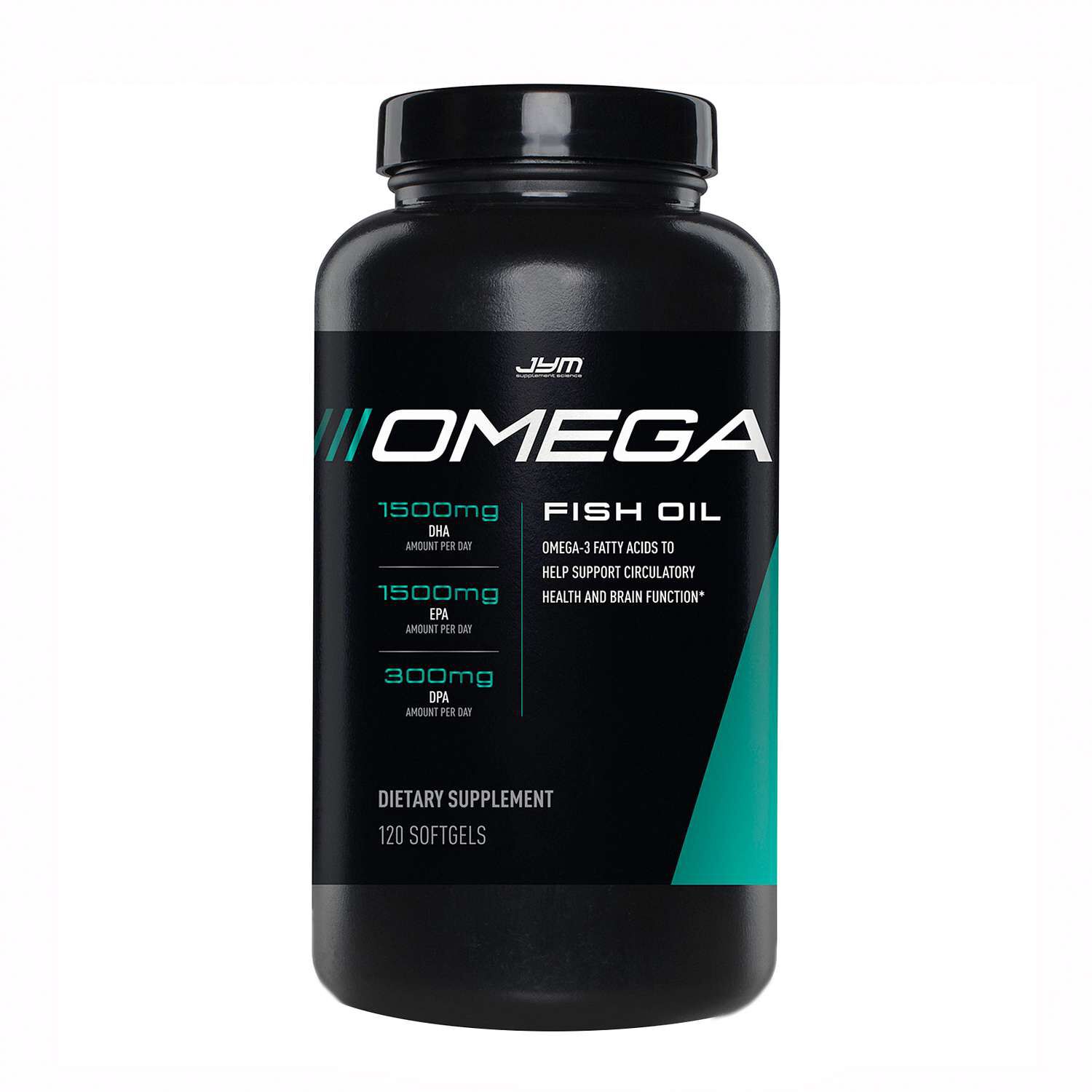
-

-
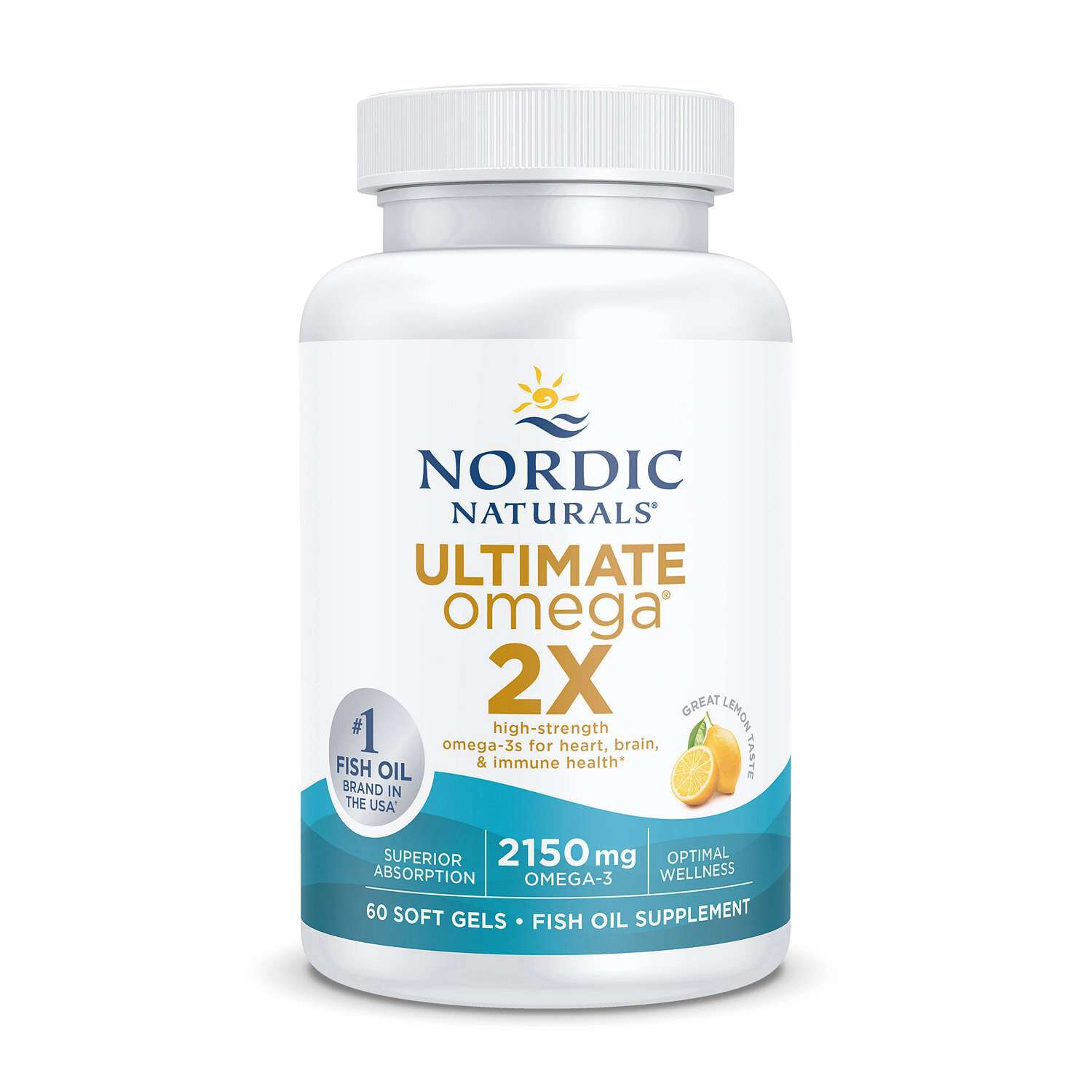
-
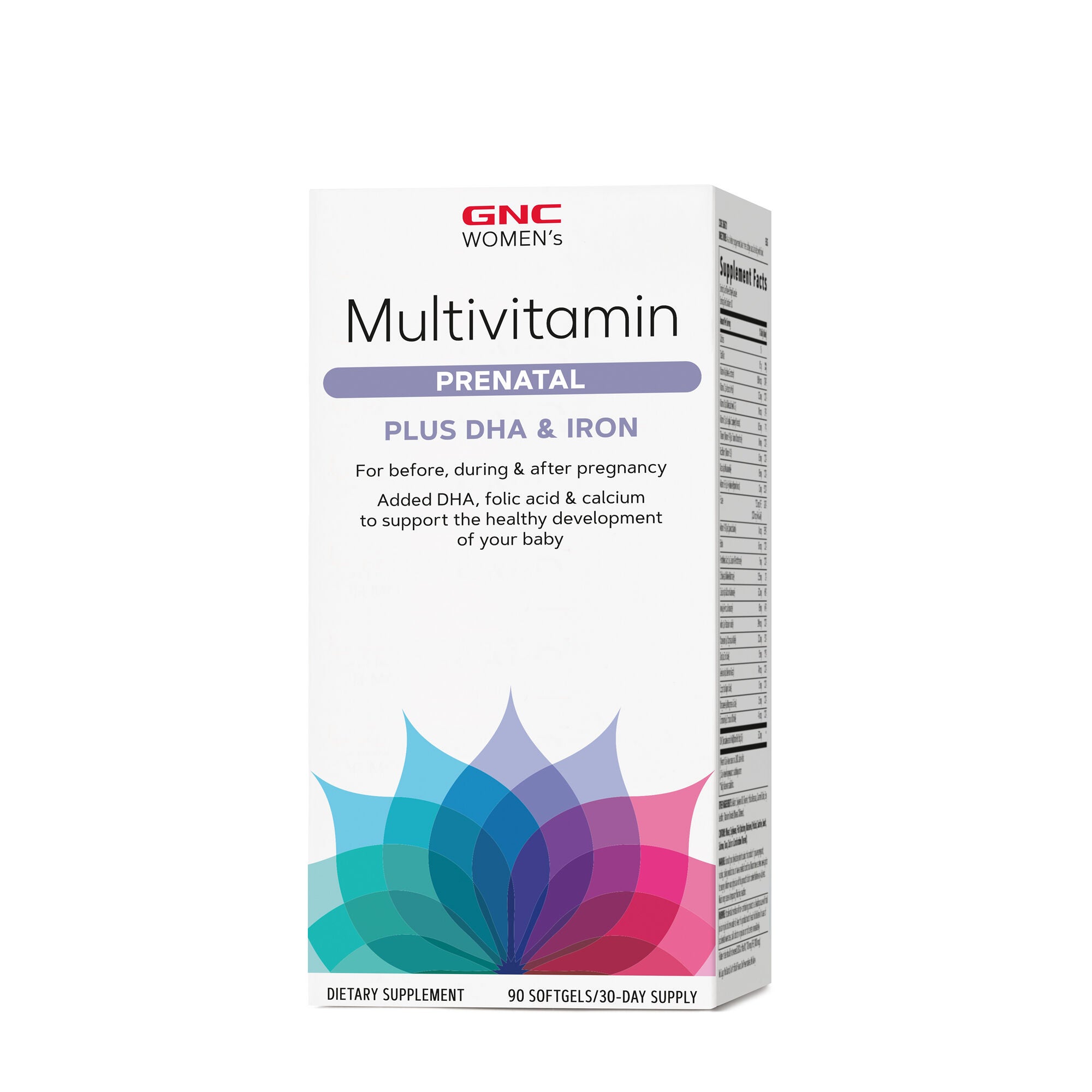
-

-
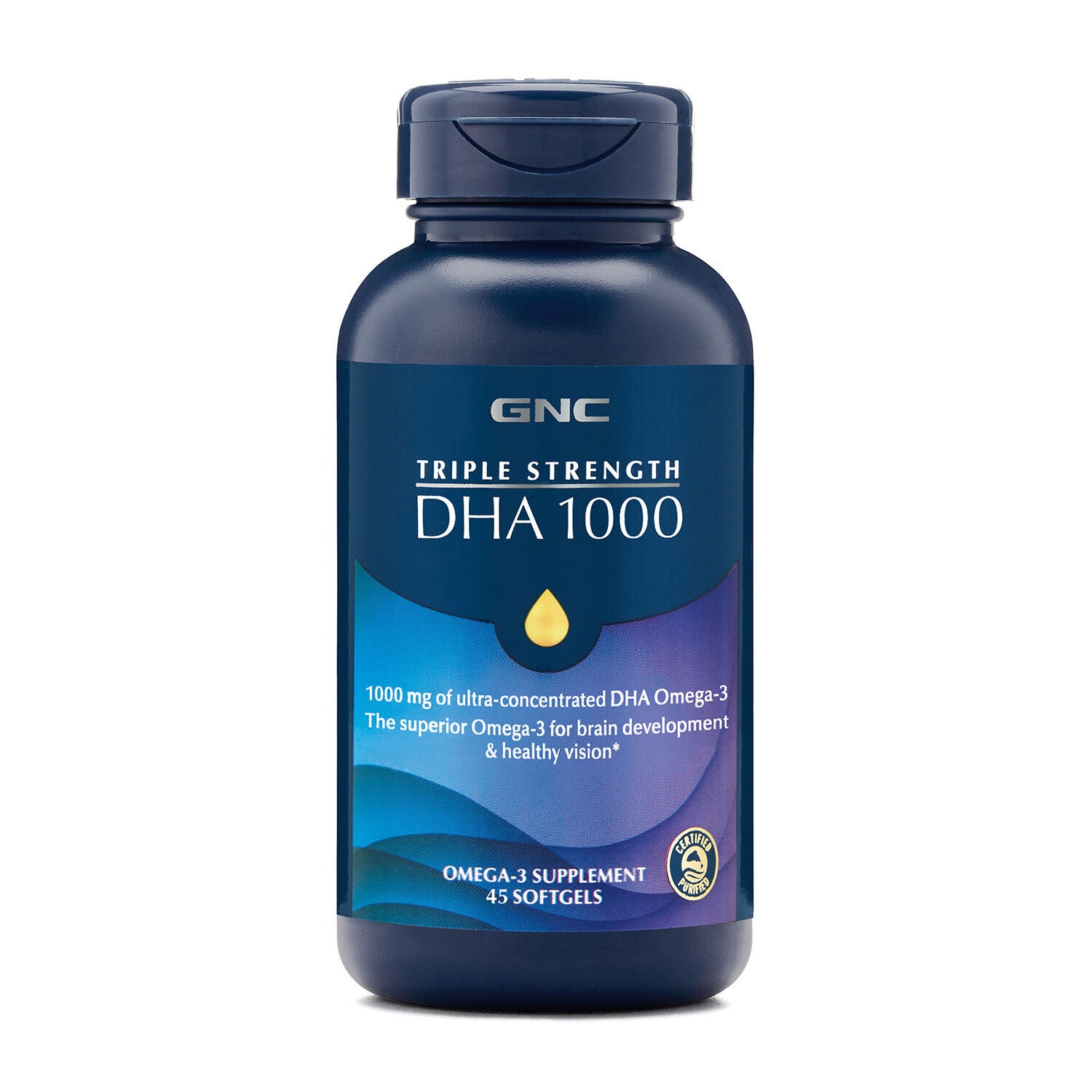
-
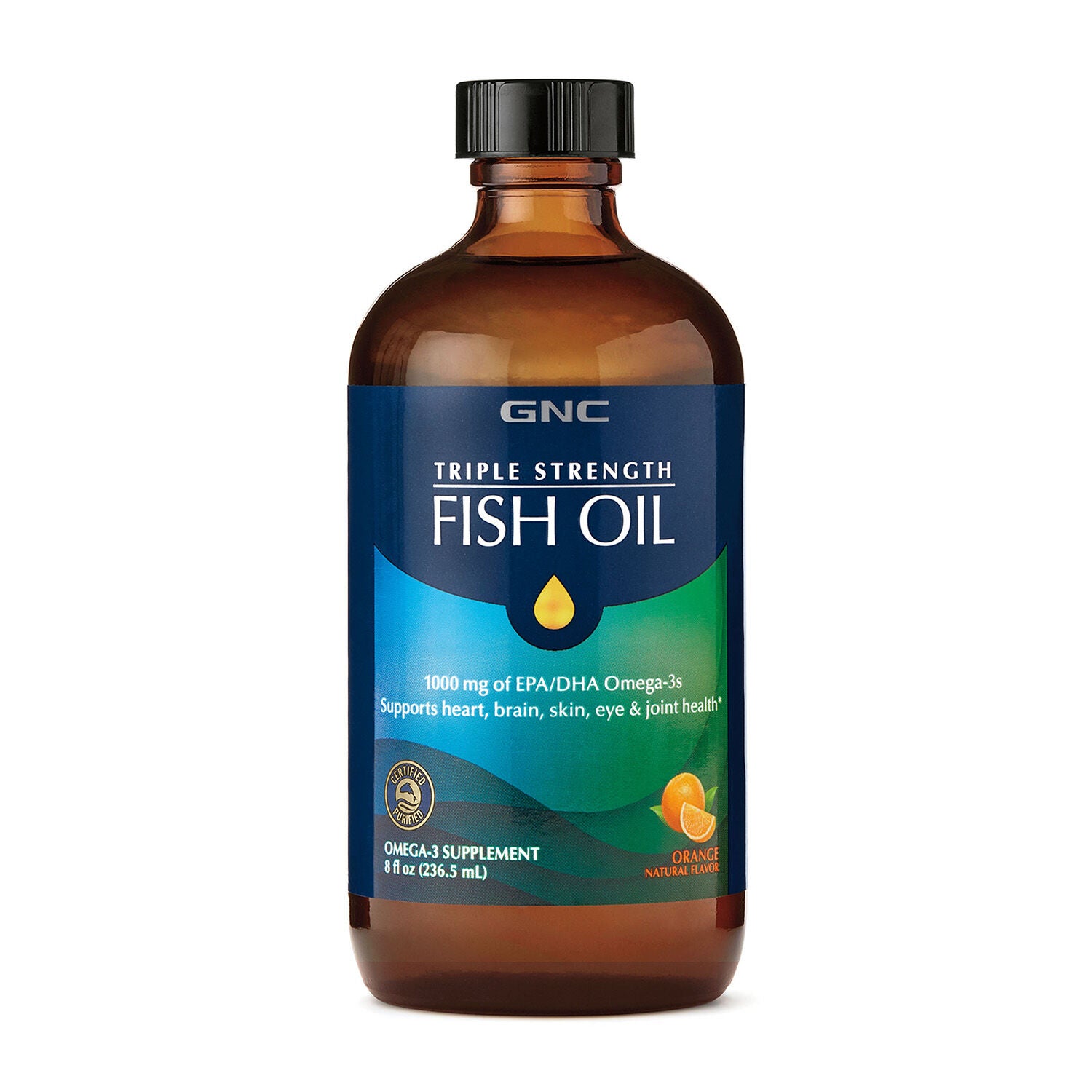
-

-
 $23.99
 -
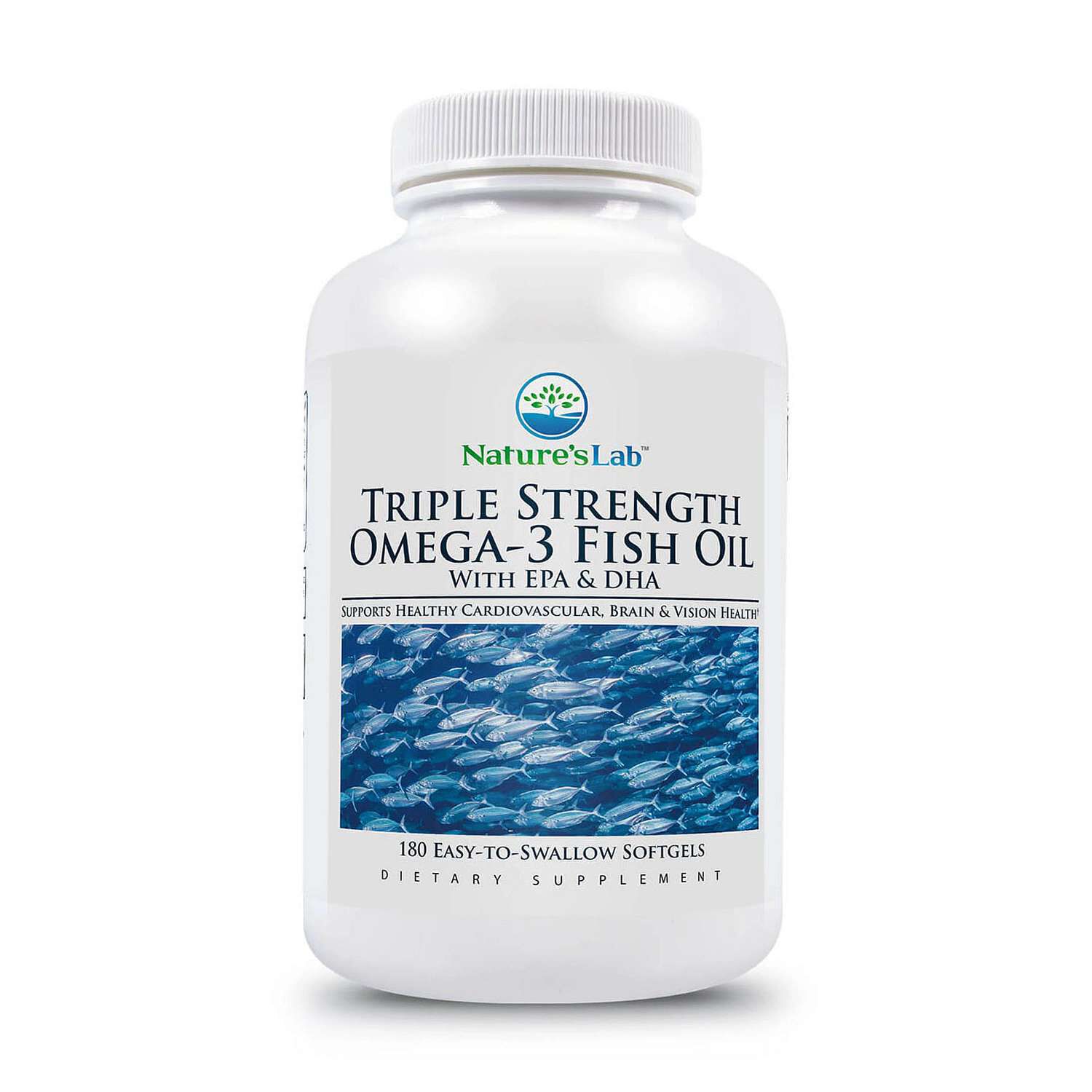 $24.99
 -
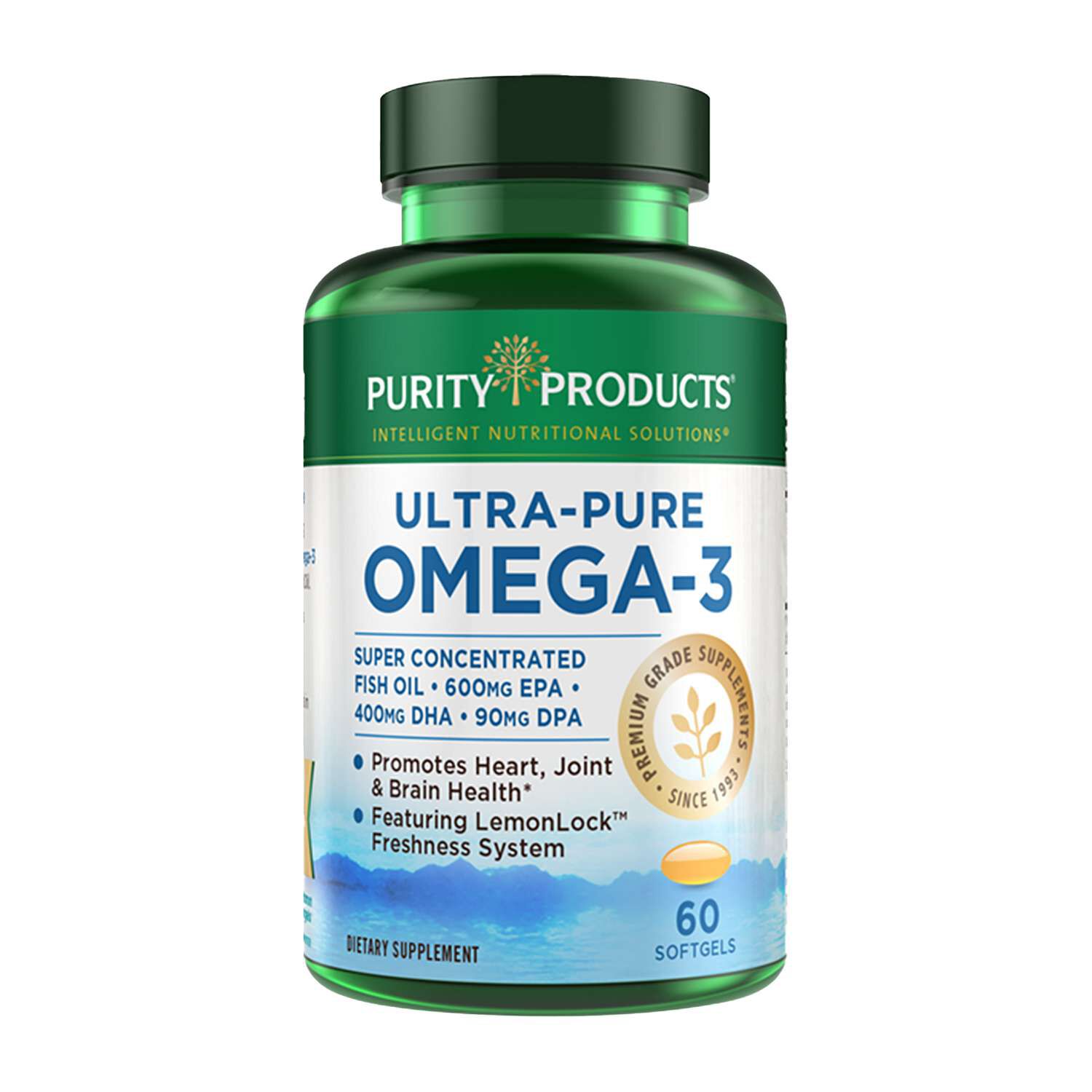 Purity Products$26.99
 -
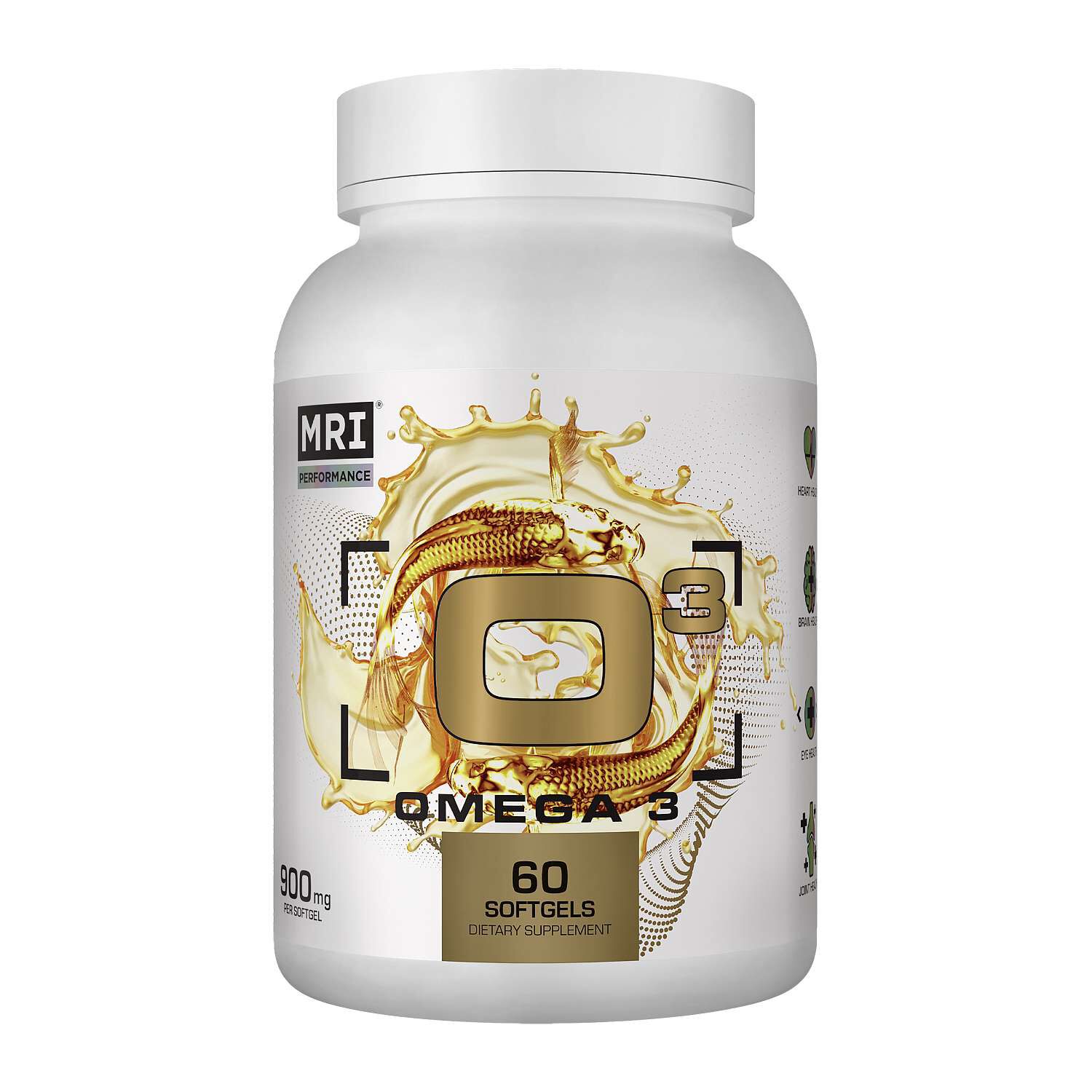 MRI Performance$29.99
 -

-

-

-

-
-

-
-

-

-
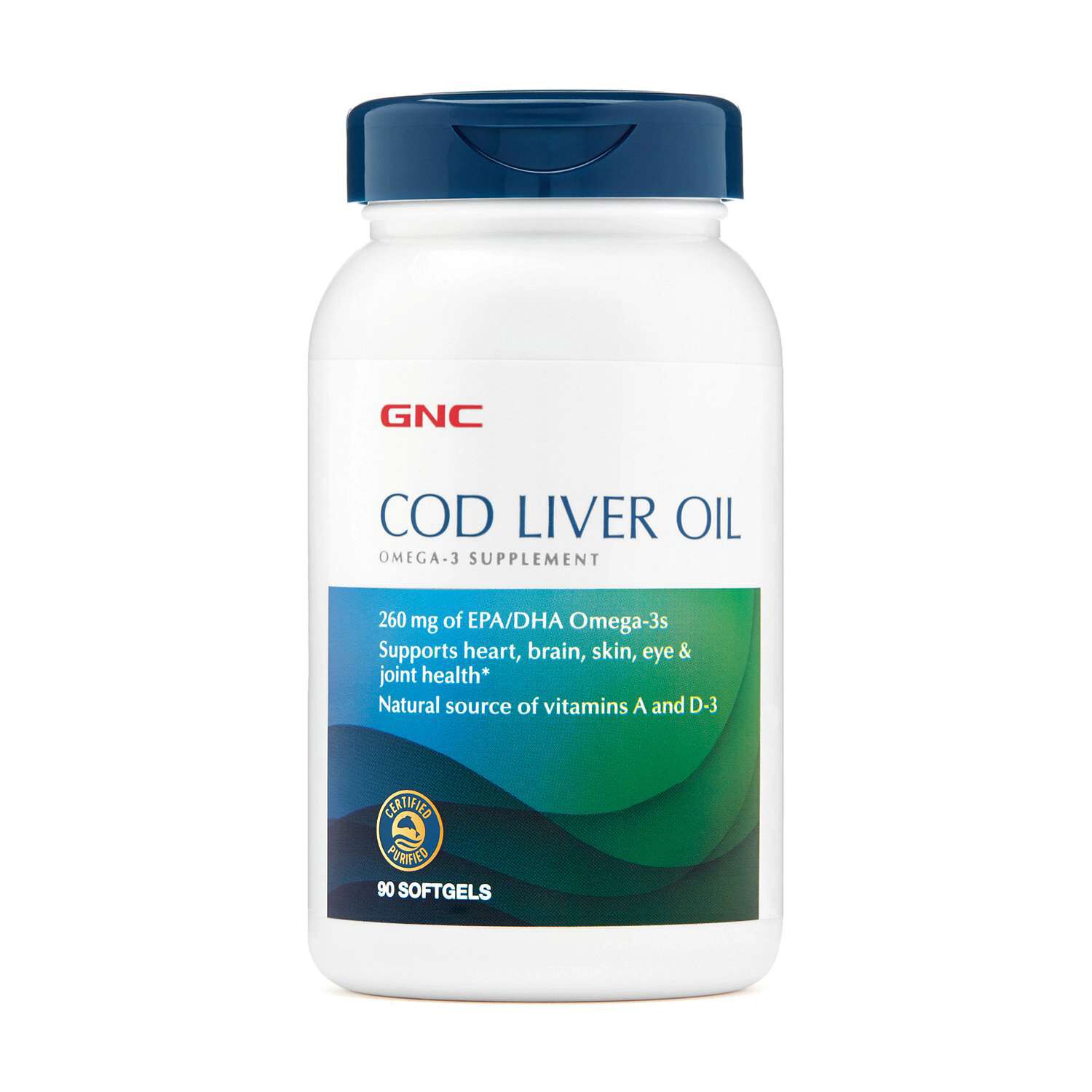


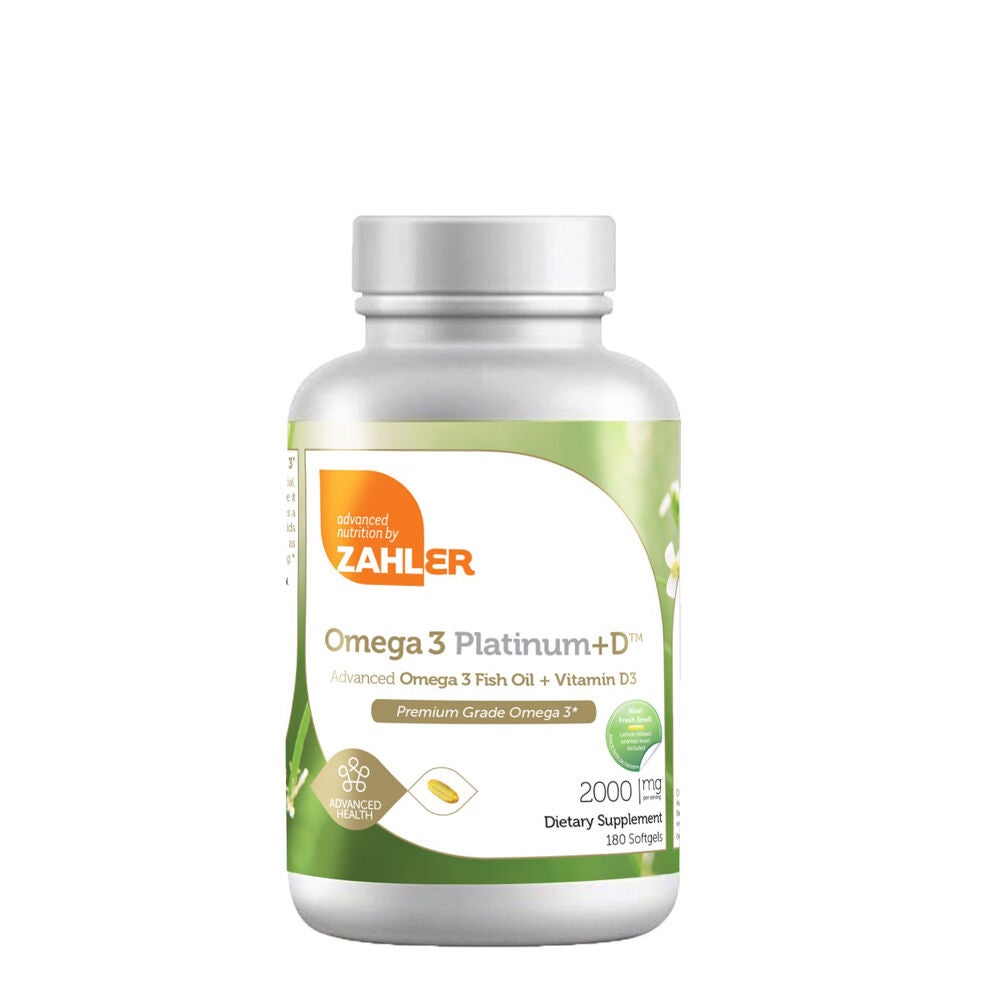
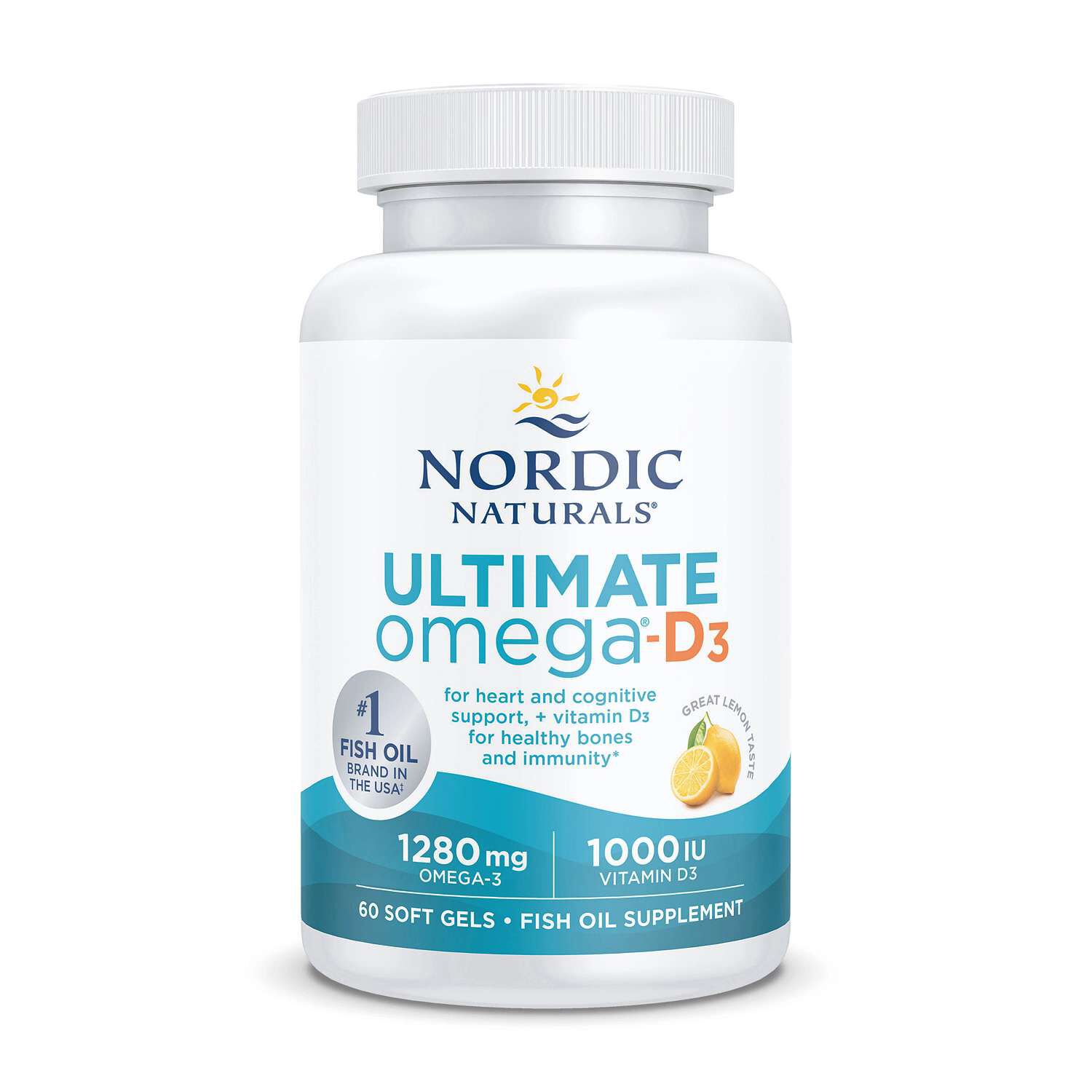
High potency DHA supplements center on docosahexaenoic acid, an omega-3 fatty acid found in marine oils and certain algae. DHA is also a structural component of cell membranes, including those in the brain and retina. Within this supplement category, “high potency” generally describes a concentrated amount of DHA per serving, rather than a particular source, capsule style, or blend of ingredients. The phrase alone does not identify an exact amount, so the DHA quantity listed in milligrams offers a more useful point of comparison than a large oil-weight number on the front of a bottle. Fish oil, omega-3 content, and DHA content are related measurements, but they are not interchangeable. A serving can contain a substantial amount of fish oil while only part of that amount is DHA; other portions may include EPA and additional fatty acids. EPA, or eicosapentaenoic acid, often appears alongside DHA, although the proportions vary by formula. A DHA-focused supplement places more emphasis on DHA than a blend with a larger EPA contribution. Neither the name nor the concentration alone describes every aspect of a formula. Serving size matters just as much: a listed DHA amount might refer to one softgel, two softgels, or a measured portion of liquid. Comparing equal serving units gives a clearer picture of what each format contains. For someone who already keeps a small supplement organizer, capsule count and dimensions may be practical deciding factors. Someone who prefers a measured liquid may focus instead on the amount of DHA per labeled portion and the measuring method. These everyday details distinguish concentrated DHA supplements beyond their front-label descriptions. Intended use also deserves attention, since adult daily-use formulas and products labeled for other life stages can differ in serving directions and accompanying ingredients. High potency describes concentration, not a universal match for every person or routine. The most informative comparison brings together the DHA amount, serving size, source, format, and stated audience rather than relying on one prominent number.
Source and formulation give high potency DHA another layer of distinction. Fish-derived DHA may come from named species such as anchovies or sardines, while algal DHA comes from cultivated microalgae. Algae-based formulas are often of interest to shoppers who follow plant-based eating patterns or prefer an alternative to fish-derived ingredients. The oil source, however, is only one part of the ingredient list. A softgel containing algal oil can still have an animal-derived capsule shell, so a plant-based designation depends on the finished formula rather than the DHA source alone. Capsule materials may include gelatin or plant-derived ingredients, along with glycerin and water. Liquids have no capsule shell, but may contain flavorings or other ingredients that influence taste, texture, and storage requirements. For anyone who pays close attention to ingredient exclusions, the full ingredient statement and allergen information are more useful than assumptions based on the category name. Oil form is another distinction sometimes shown on packaging. Terms such as triglyceride form describe how fatty acids are carried in the oil; they do not replace the need to compare the actual DHA amount. Some labels also describe processing methods, including molecular distillation, or identify testing for purity and composition. Such details are most meaningful when the manufacturer explains what was assessed and makes supporting information accessible. A processing term by itself does not describe every quality attribute of the finished supplement. Flavor deserves similar attention without becoming the whole decision. A citrus-flavored softgel and an unflavored liquid offer different sensory experiences, even when their DHA concentrations are comparable. Coatings, capsule dimensions, and the number of capsules in a serving can also affect how a format fits into a routine. A photograph rarely communicates softgel size as clearly as published dimensions or an actual-size illustration. Taken together, source, shell material, flavor, and serving format provide a more concrete basis for choosing than broad descriptions of strength. They also explain why two bottles categorized as high potency DHA can look quite different on closer inspection.
The practical side of shopping for concentrated DHA extends to packaging, storage, and the way a bottle will be used over time. Package quantity and serving count are different details: a bottle with several dozen softgels contains fewer servings when the labeled serving includes more than one softgel. Liquid formulas have their own comparison points, including bottle volume, serving volume, and whether the package includes a marked measuring tool. A clearly marked dispenser may make portioning more convenient, while a secure closure may suit a household where supplements share a cabinet with other daily-use products. Packaging materials and light exposure can matter for oils, making the stated storage directions worth reading before choosing a place for the bottle. Some liquid formulations call for refrigeration after opening; other formats have different requirements. The expiration date and any after-opening instructions also deserve separate attention, because an unopened bottle and an opened liquid do not necessarily have identical storage expectations. The original container keeps the ingredient list, serving directions, and handling information together. For shoppers comparing formats for a shared household, labels that clearly identify the intended user are particularly useful. Prenatal DHA belongs to a distinct life-stage category, and the relative amounts of DHA and EPA can differ from those in general adult formulas. Shoppers exploring that category can compare Prenatal DHA Supplements With Optimal Ratios, with attention to the stated audience, ingredient composition, and labeled directions rather than concentration alone. A category name or ratio is not a substitute for those product-specific details. Across high potency DHA supplements, a thoughtful comparison remains grounded in what is actually listed: milligrams of DHA per serving, any accompanying EPA, the source of the oil, capsule or liquid format, and handling requirements. Those details make the assortment easier to navigate while keeping the focus on composition and everyday practicality. A clearly understood label offers a better foundation for shopping than concentration language considered on its own.
Best Sellers
-
Nordic Naturals
-
Nordic Naturals
-
Nordic Naturals
