





CoQ10 Supplements For Mitochondrial Health
(0 Results)
CoQ10 supplements for mitochondrial health might be an option for those looking to support their overall wellness routines. As a naturally occurring compound found in every cell of the body, CoQ10 plays a key role in cellular energy production. Incorporating CoQ10 supplements for mitochondrial health may help you maintain your active lifestyle and complement your daily regimen. Explore a variety of options to find the right fit for your needs and wellness goals.
-

-
-

-

-
-
-
-

-

-
-

-
-

-
-

-

-
 1$19.99
 -
 Codeage$69.99
 -
-




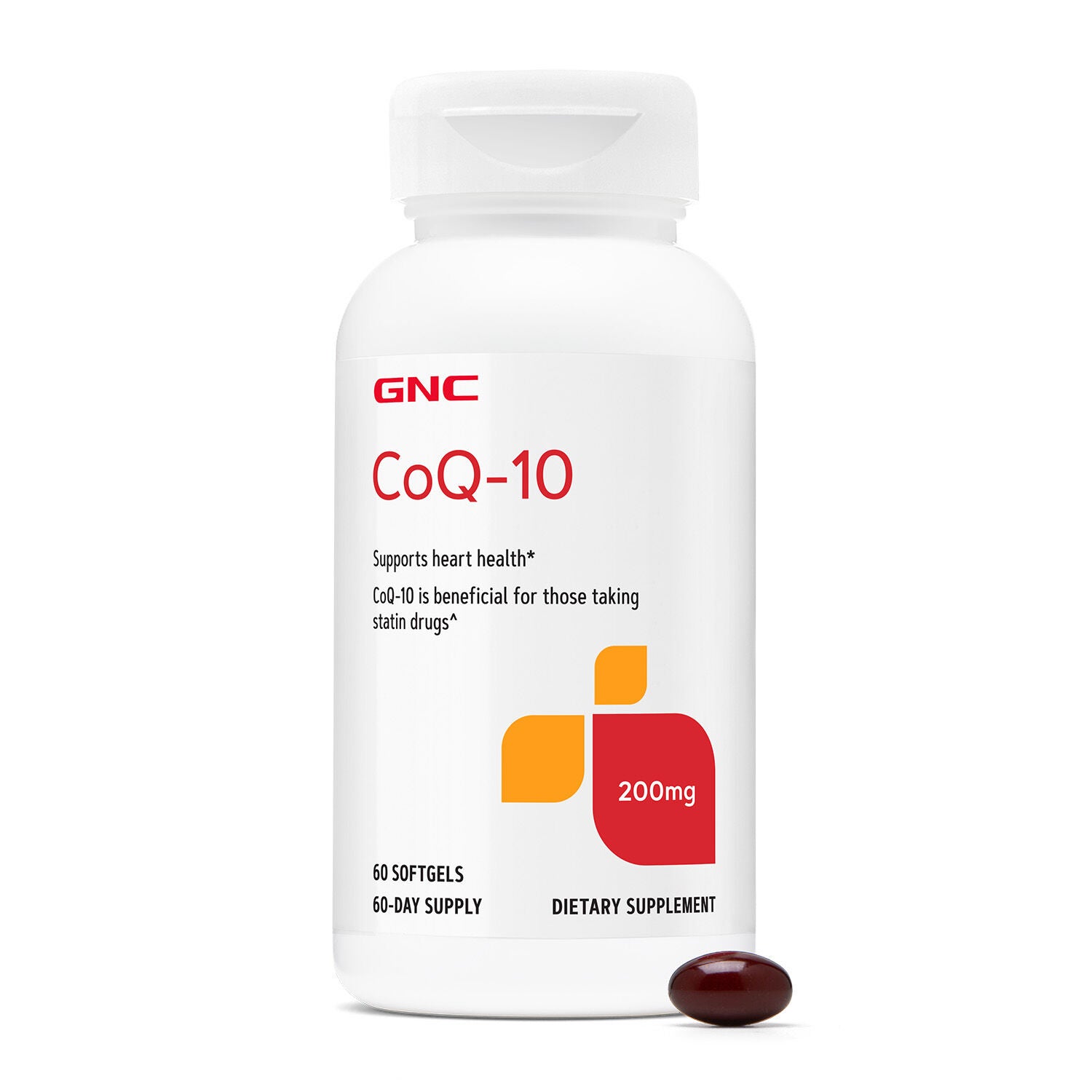
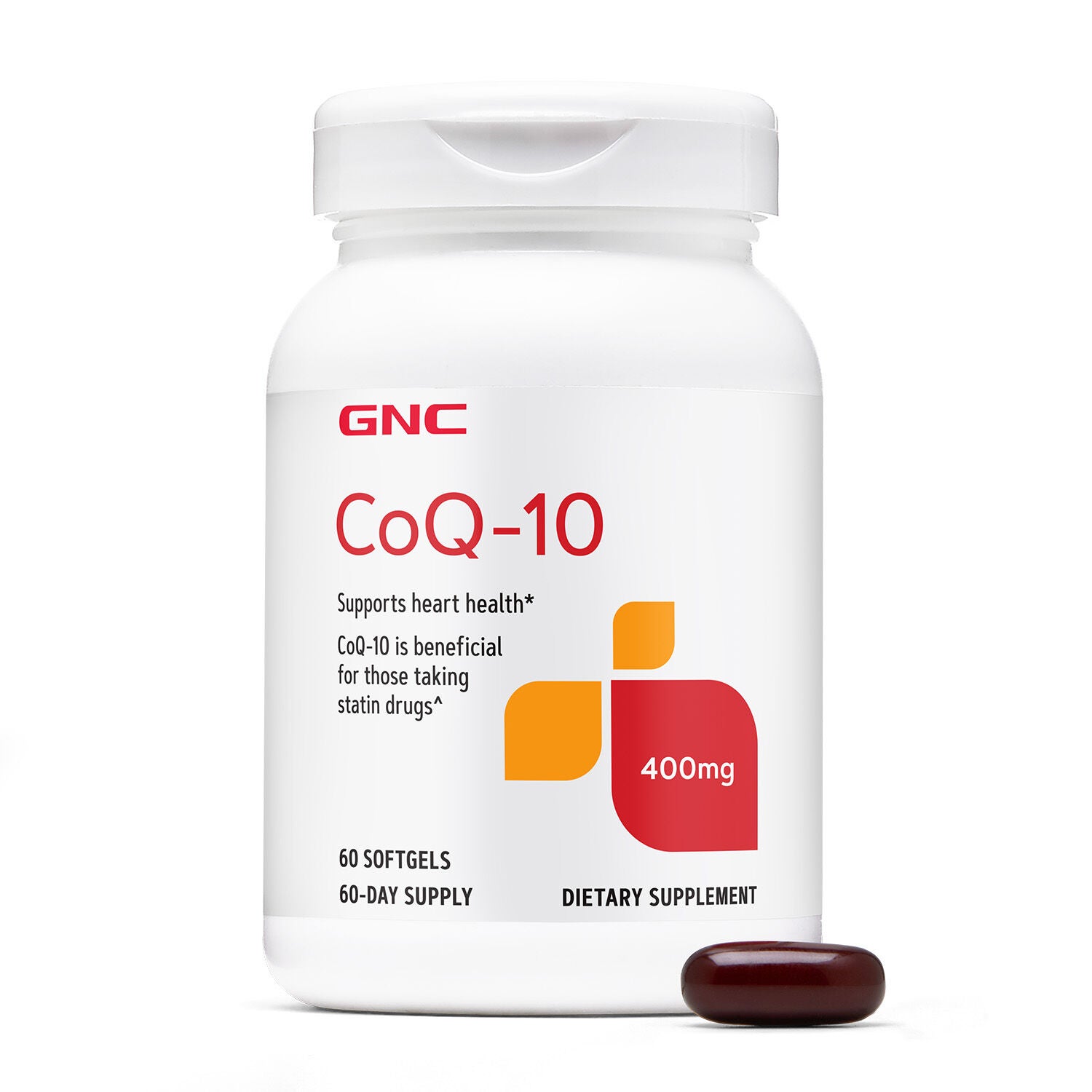
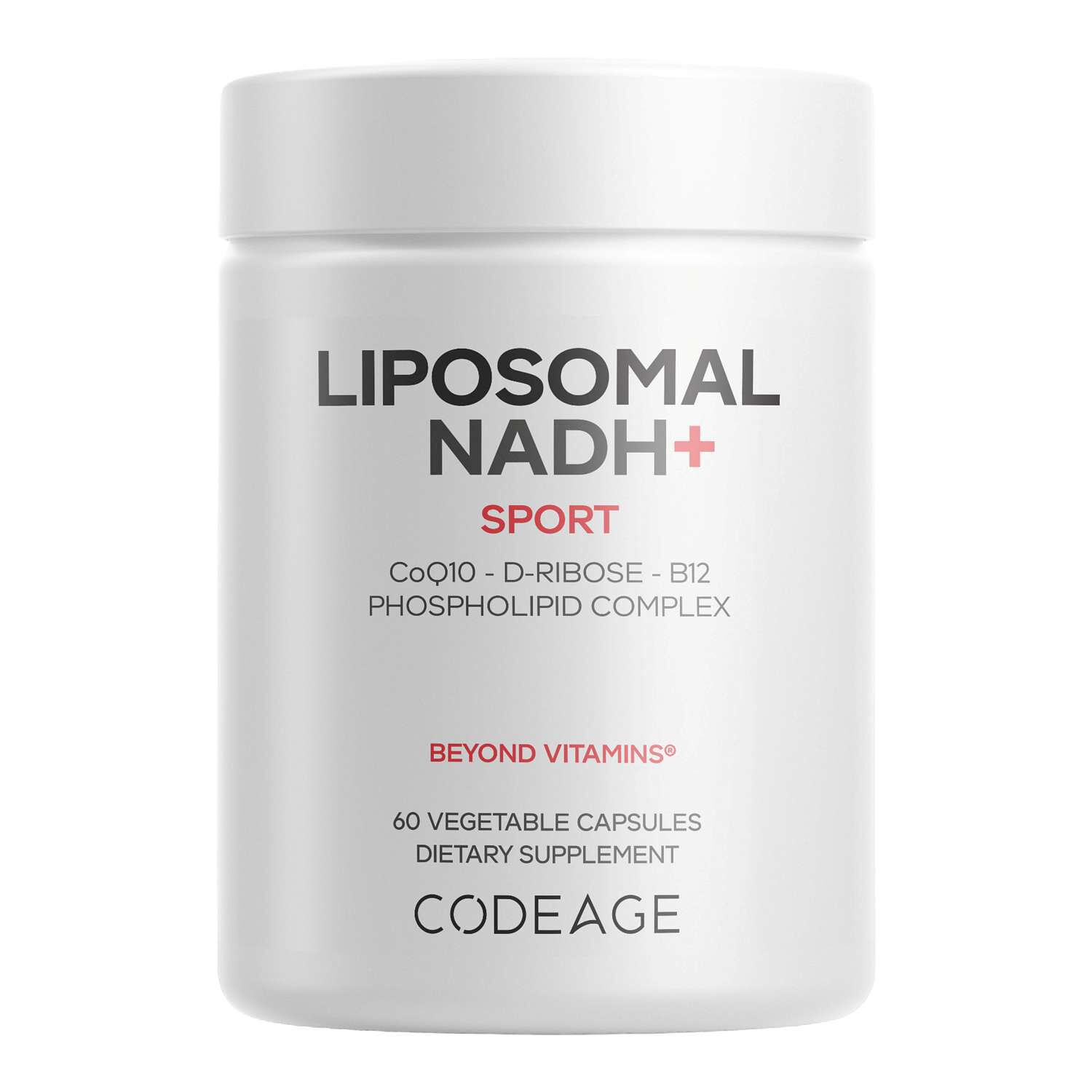
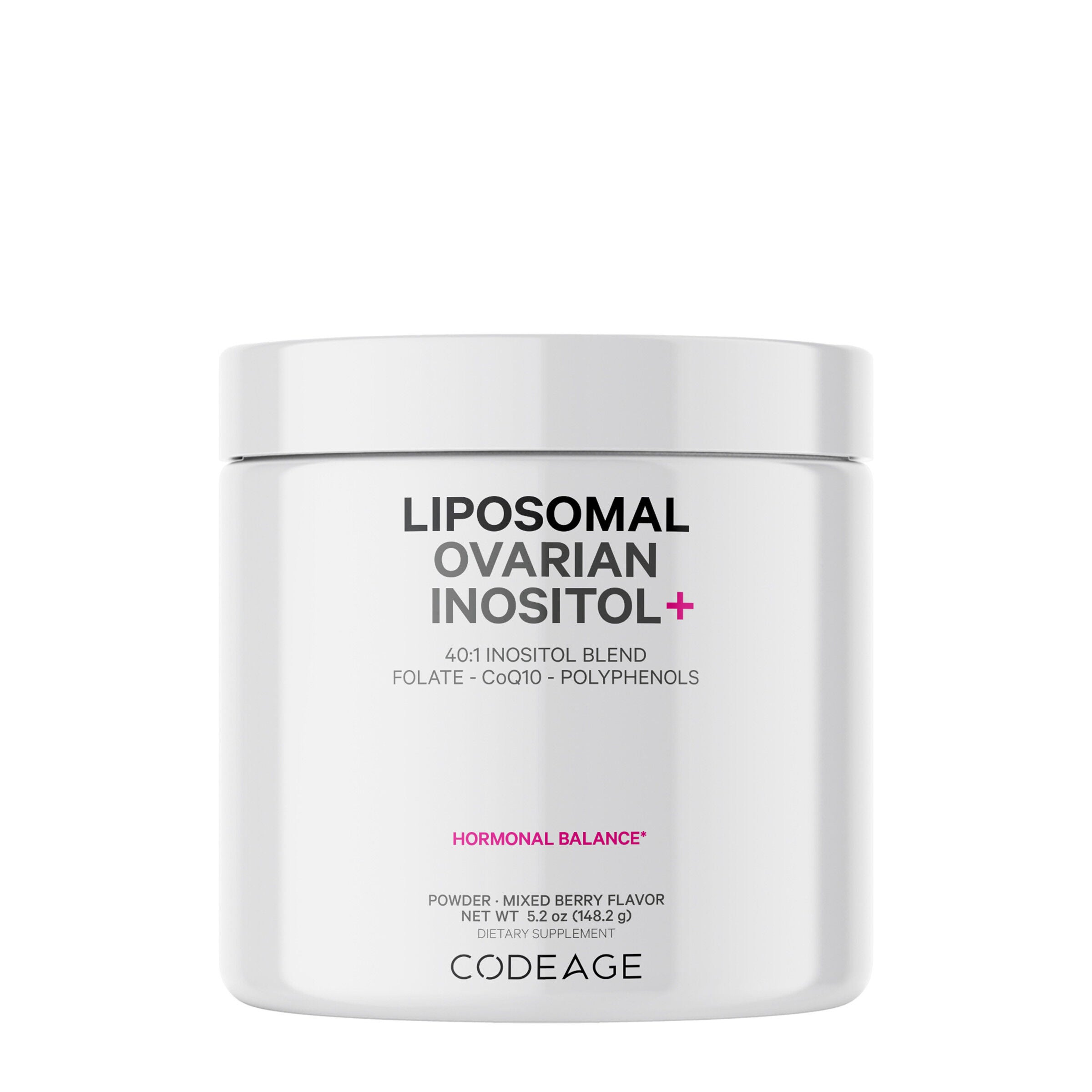
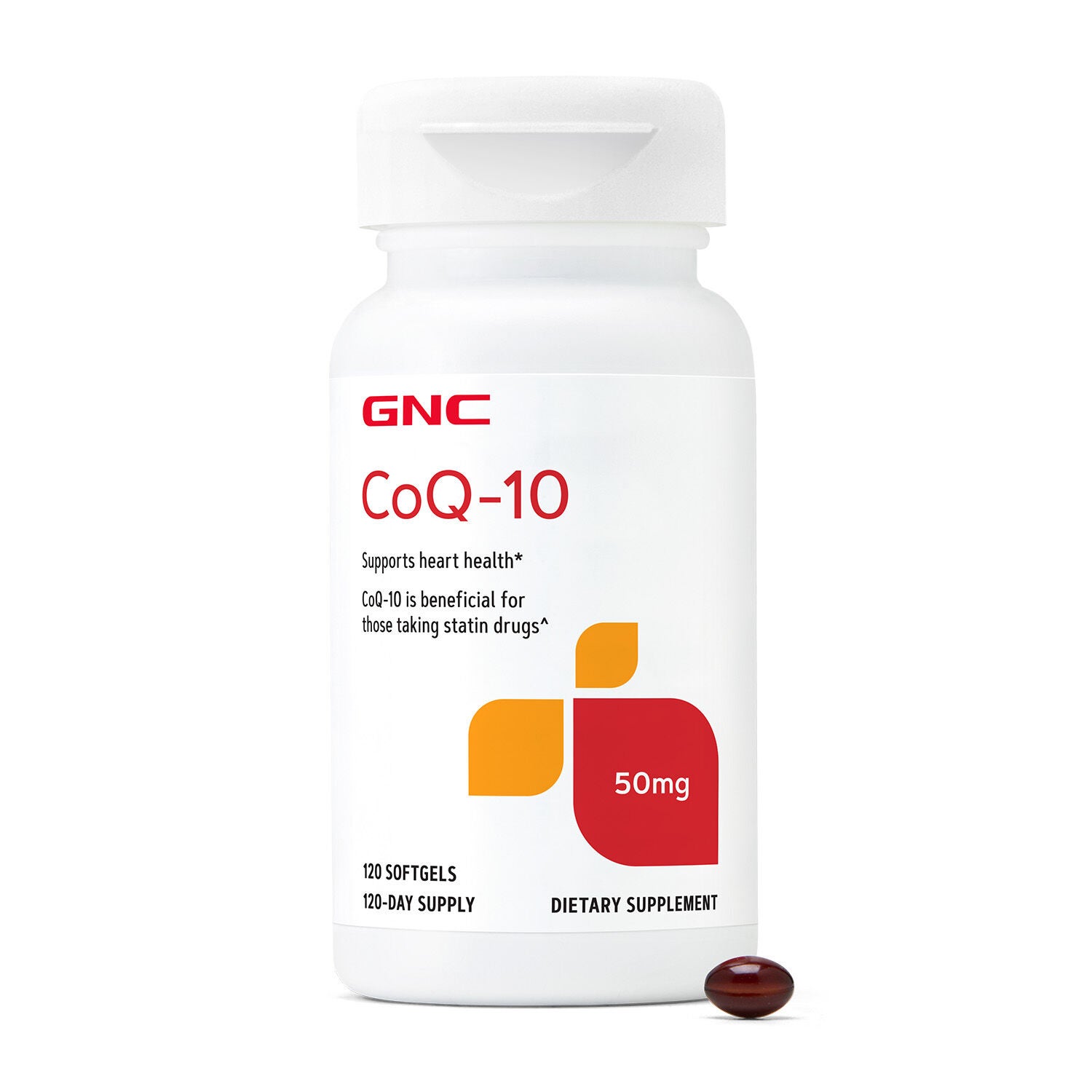
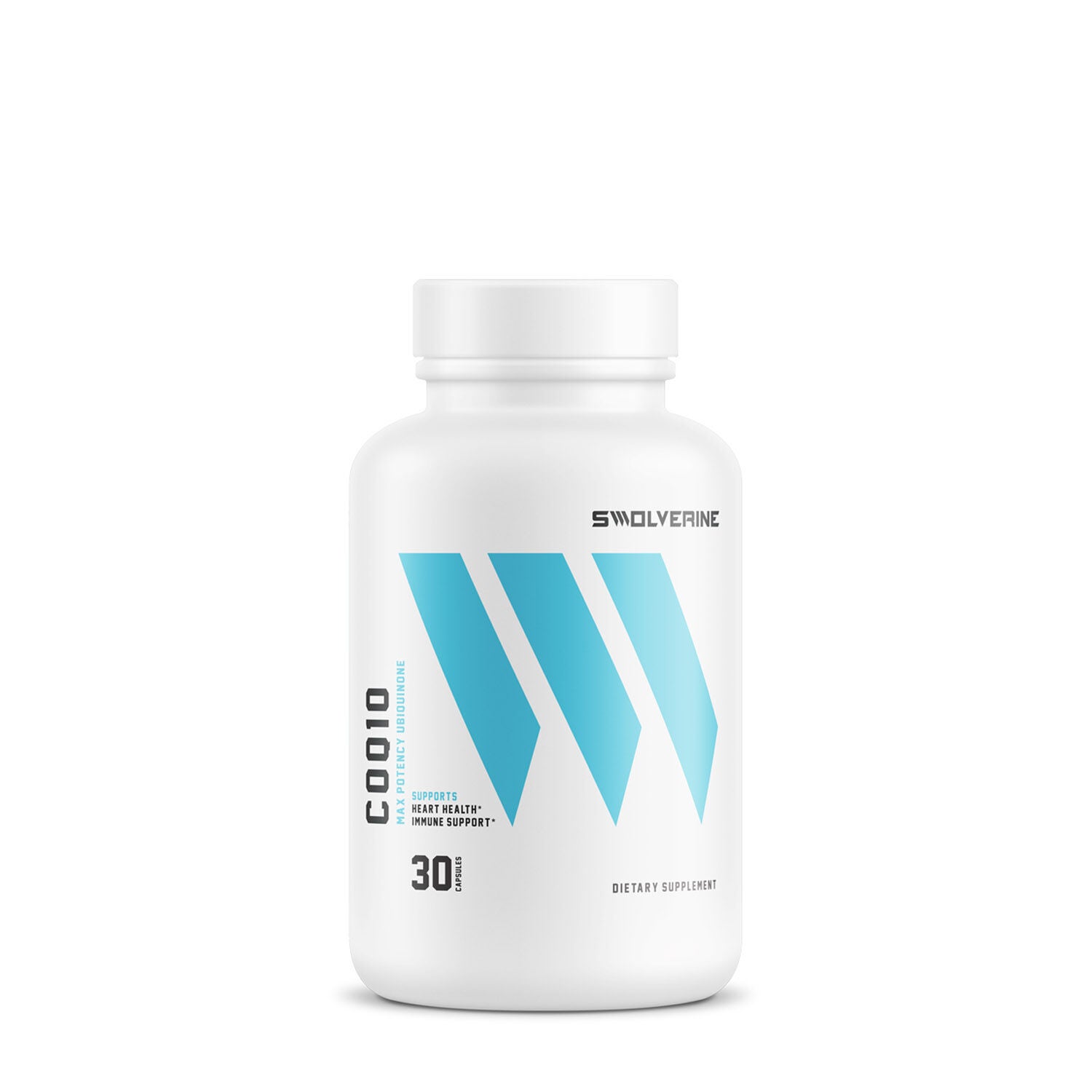
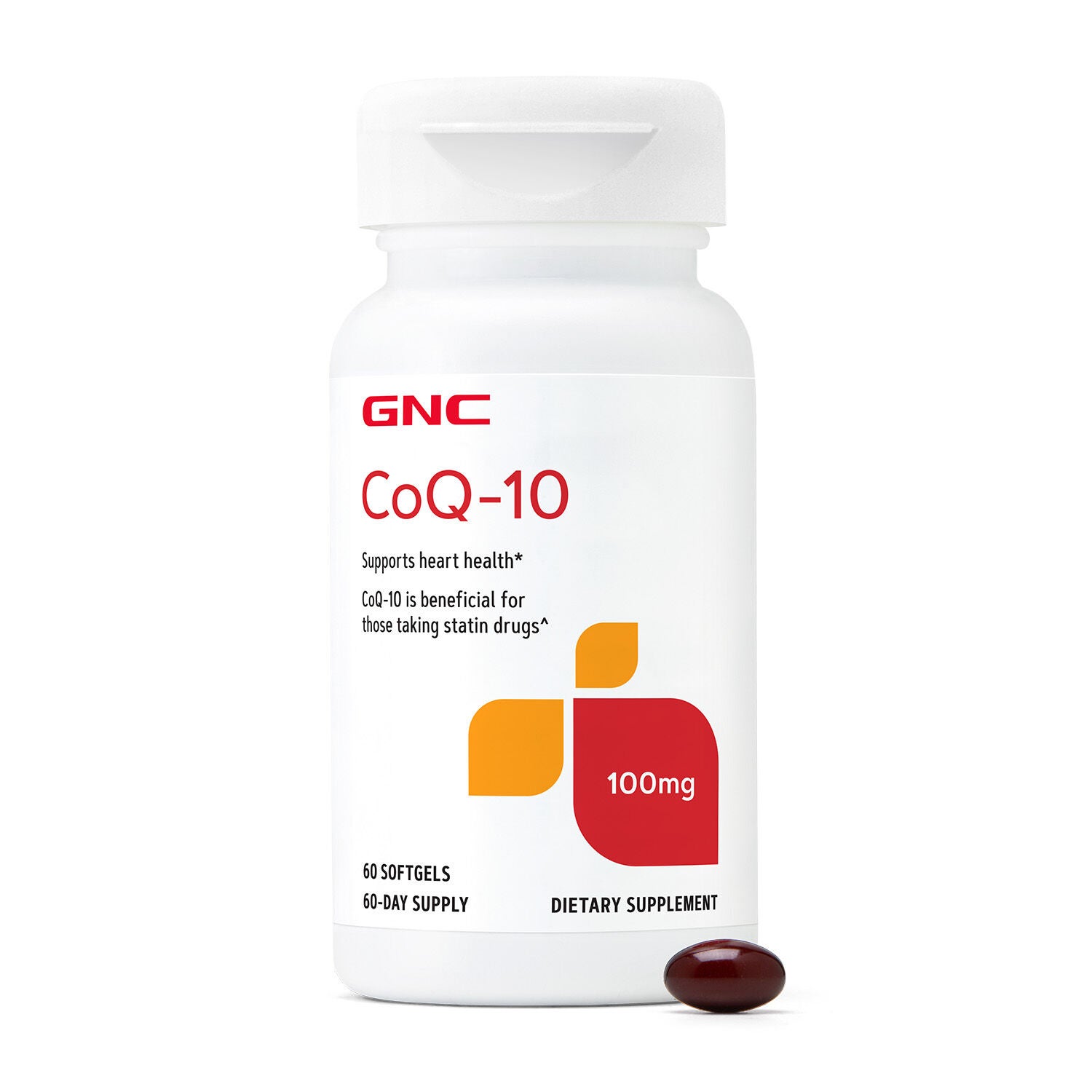
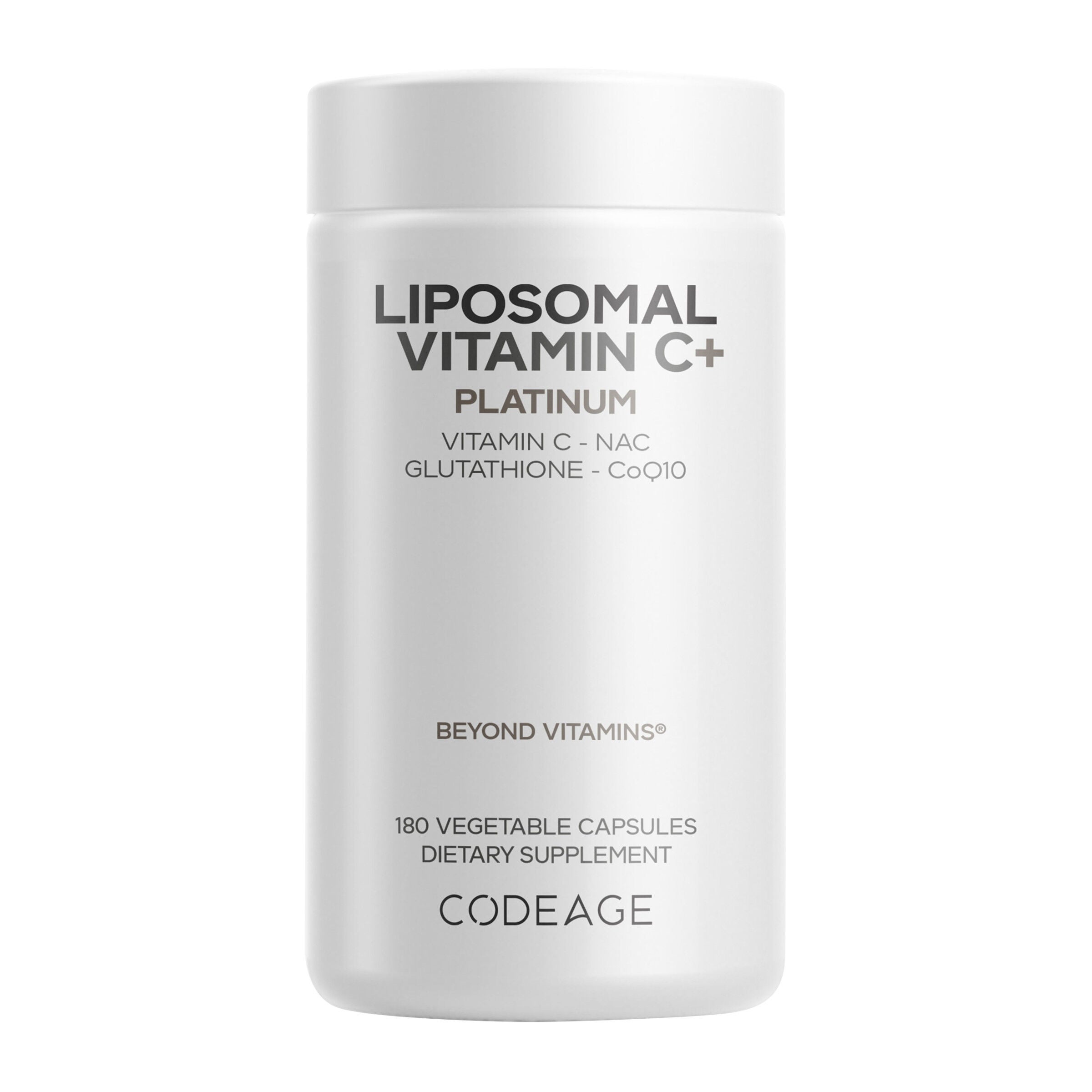
CoQ10 supplements for mitochondrial health bring a familiar nutrient into focus at the cellular level. CoQ10, short for coenzyme Q10, is a substance the body makes naturally and uses in everyday cellular processes. Mitochondria are structures within cells that help convert energy from food into adenosine triphosphate, or ATP, the molecule cells use to power many of their activities. CoQ10 participates in the electron transport chain, a sequence of steps involved in making ATP. That biological role explains the connection between CoQ10 and mitochondrial nutrition, although the role of a nutrient in the body is not the same as a measured result from a supplement. Supplemental CoQ10 may support normal cellular energy production and antioxidant activity as part of a regular wellness routine. Cellular energy is also different from the alertness associated with caffeine, so CoQ10 is not best understood as a quick pick-me-up for a long afternoon. For shoppers exploring this category, the most useful distinctions are often the form of CoQ10, the amount per serving, the delivery format, and the supporting ingredients. Labels commonly identify CoQ10 as ubiquinone or ubiquinol. Ubiquinone is the oxidized form, while ubiquinol is the reduced form; the body converts between them during normal biological processes. Both appear in supplements, and neither name alone tells the whole story of a formula. The carrier ingredients and delivery method also matter when comparing how a product is designed. CoQ10 is fat-soluble, meaning it dissolves in fats rather than water, which is why oil-based preparations are common. A softgel may contain CoQ10 suspended or dissolved in an oil, while a capsule or tablet may use a different approach. Understanding these distinctions gives the category more context than a front-label number alone and makes it easier to compare products intended for everyday nutritional use.
Choosing among CoQ10 supplements involves reading both the Supplement Facts panel and the other-ingredients list. The amount shown in milligrams describes the quantity of CoQ10, but that number needs to be read alongside the serving size. A serving may consist of one softgel or more than one capsule, so equal amounts per serving do not necessarily mean equal amounts per individual piece. The container count and the number of servings answer different questions as well: one describes what is inside the bottle, while the other describes how those contents are grouped by the label. More milligrams should not automatically be interpreted as a better match for every shopper. Beyond the listed amount, the physical format can shape how comfortably a supplement fits into a routine. Someone who prefers a compact softgel may look closely at dimensions when provided, while a shopper who avoids gelatin may prioritize a clearly identified vegetarian capsule or another suitable format. Softgel shells can contain gelatin, glycerin, and water; capsule shells may use plant-derived materials. Carrier oils, coloring ingredients, flavorings, and other formulation components can vary, making the full ingredient list particularly relevant for dietary preferences and ingredient sensitivities. An oil-based delivery system may help with absorption, but the presence of oil does not establish that one formula performs better than another. Similarly, ubiquinol may offer different absorption characteristics from ubiquinone in some formulations, yet the form name alone does not establish a universal advantage. Some options feature CoQ10 as the primary nutrient, while others combine it with additional nutritional ingredients. A simpler formula can be easier to compare when the shopping goal is specifically CoQ10; a combination formula calls for attention to every listed ingredient and its amount. Clear labeling, identifiable ingredient sources, and specific information about any independent testing offer more useful context than broad language about performance. When testing information is provided, its stated scope matters, whether it concerns ingredient identity, manufacturing quality, or another defined characteristic.
The intended use of CoQ10 supplements is nutritional, and the category may appeal to adults interested in normal cellular function, mitochondrial nutrition, or a thoughtfully organized supplement routine. That interest can look different from one household to another: a recreational cyclist comparing capsule formats, an adult reviewing ingredient sources, or someone replacing a crowded assortment of bottles with a more deliberate selection. None of those situations makes a particular strength or form the automatic choice. The practical details often deserve as much attention as the nutrient name. A bottle intended for a kitchen cabinet has different handling considerations from one carried frequently in a work bag, especially when softgels are exposed to warmth. Storage directions on the package are the reference point for protecting the contents; a cool, dry location away from direct sunlight is commonly specified. A humid bathroom shelf, a windowsill, or a parked car can expose supplements to conditions outside those directions. Keeping the original container also preserves access to the ingredient list, lot information, date markings, and usage instructions. For travel, a securely closed package helps keep the contents contained, and retaining the label avoids confusion between similar-looking capsules. These are details of product care rather than reasons to expect a stronger effect. Routine fit also includes whether the package instructions are straightforward and whether the format suits the shopper’s preferences without unnecessary complexity. CoQ10 may complement a broader approach to everyday wellness, but a bottle does not replace varied meals, regular movement, or consistent sleep. Shoppers comparing related nutritional categories can explore Mitochondria Supplements for additional context on formats and ingredient combinations associated with this area of cellular nutrition. Across those categories, careful comparison comes back to the same concrete details: what the formula contains, how much is listed per serving, which materials make up the capsule or softgel, and how the package is intended to be used and stored. Those distinctions keep the focus on the actual supplement rather than expectations based on its name alone.
