





Mitochondria Supplements
(0 Results)
Mitochondria supplements are designed to support cellular energy production and overall vitality. By providing targeted nutrients that help optimize mitochondrial function, these supplements can enhance physical performance, mental clarity, and overall well-being. Whether you're looking to boost your energy levels, support your metabolism, or simply promote optimal cellular health, incorporating mitochondria supplements into your daily routine could be a beneficial addition to your wellness regimen. Explore our selection of high-quality mitochondria supplements to discover how they can help you feel your best every day.
-

-

-

-
-

-

-

-

-

-

-
-

-
 1$19.99
-

-
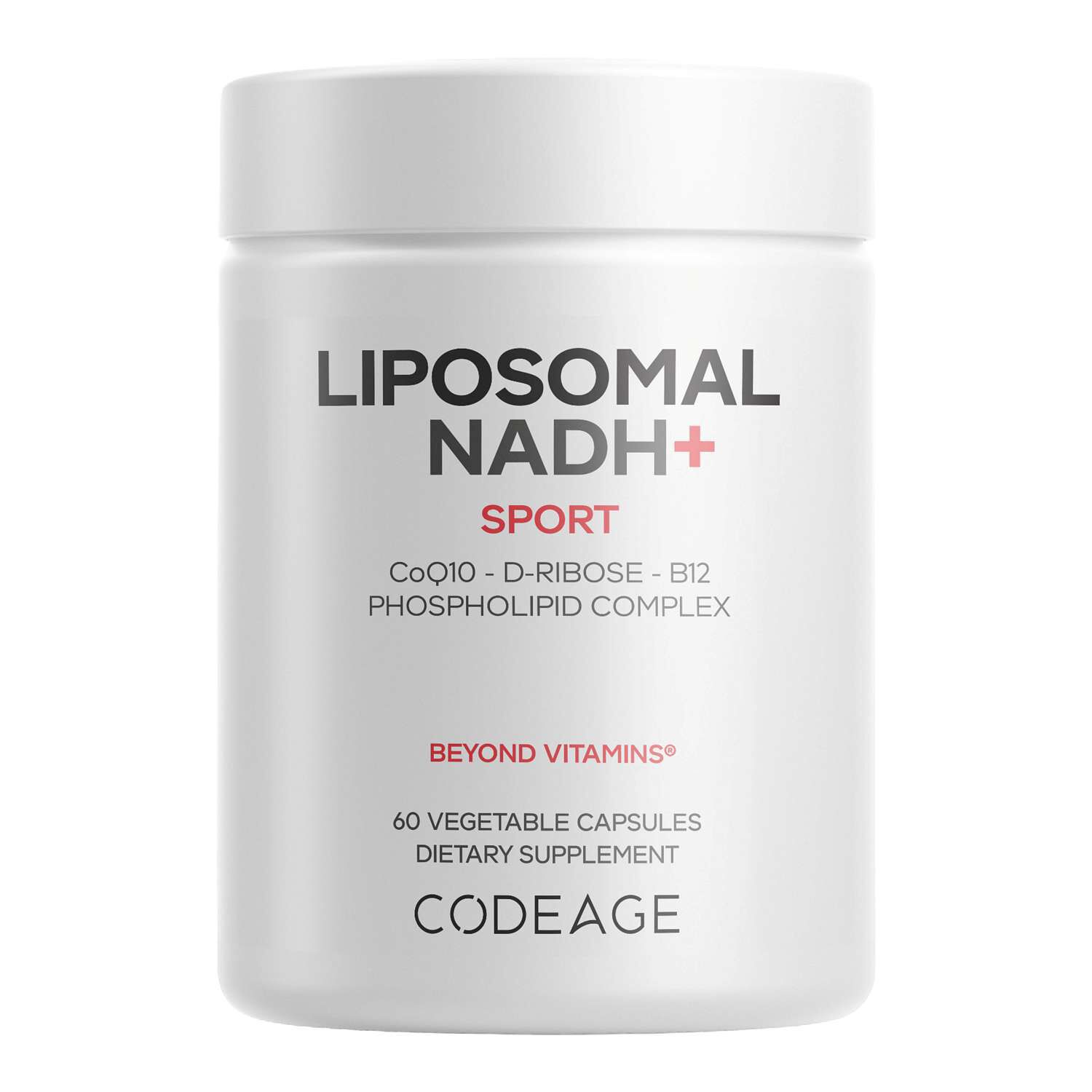
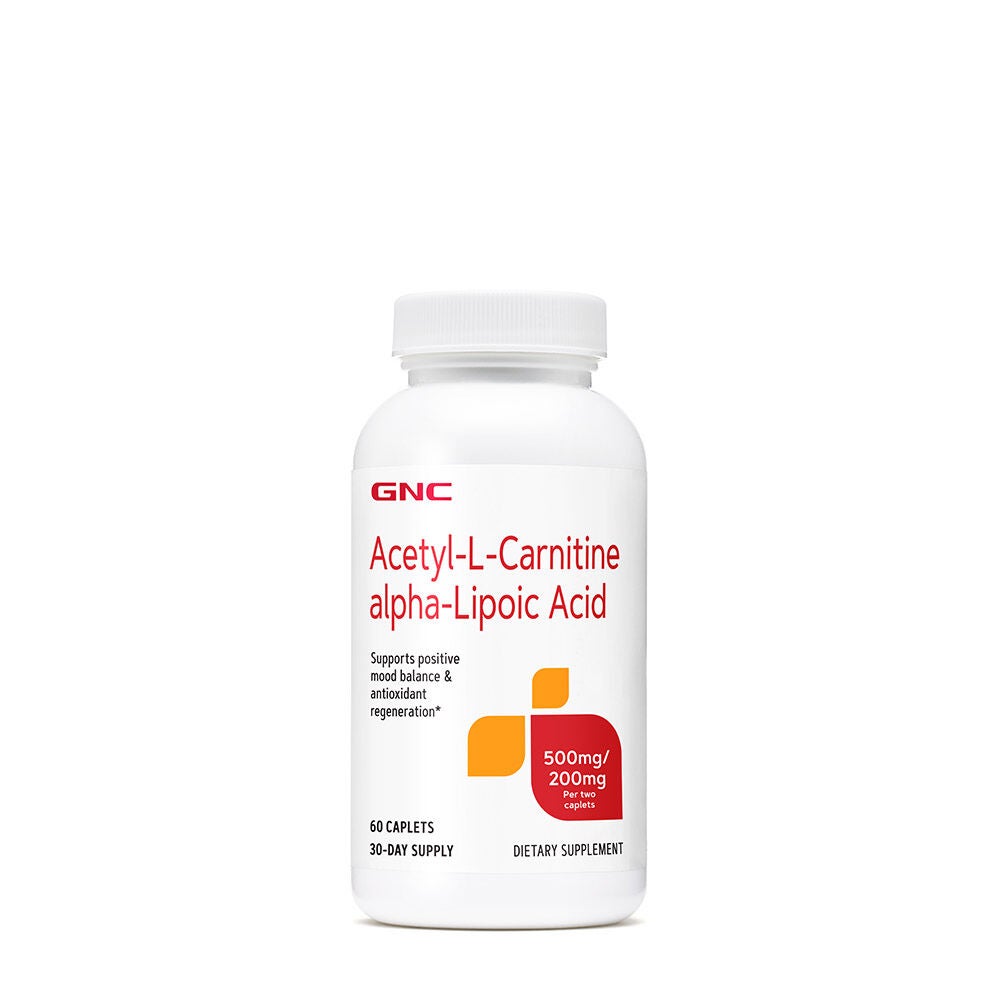
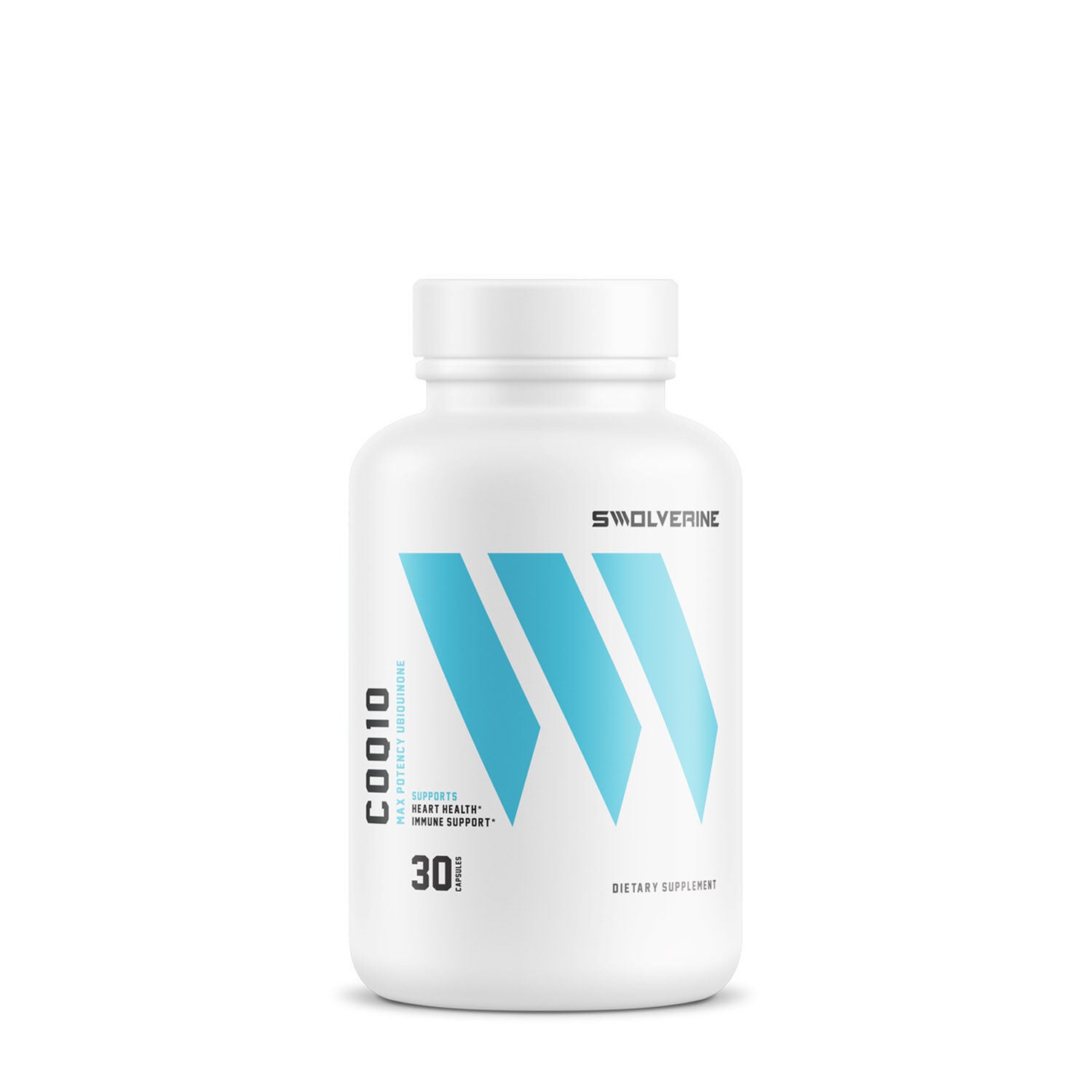
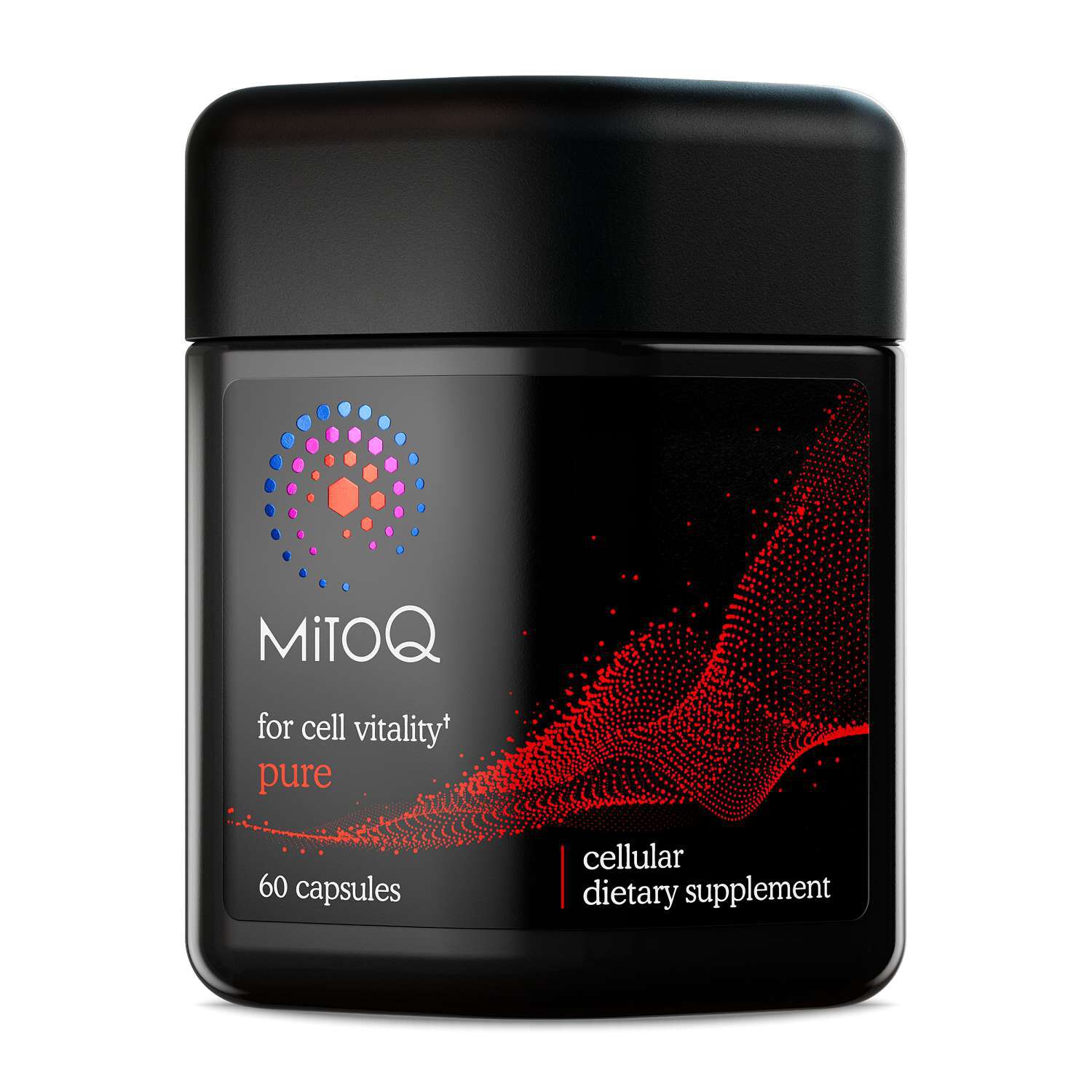
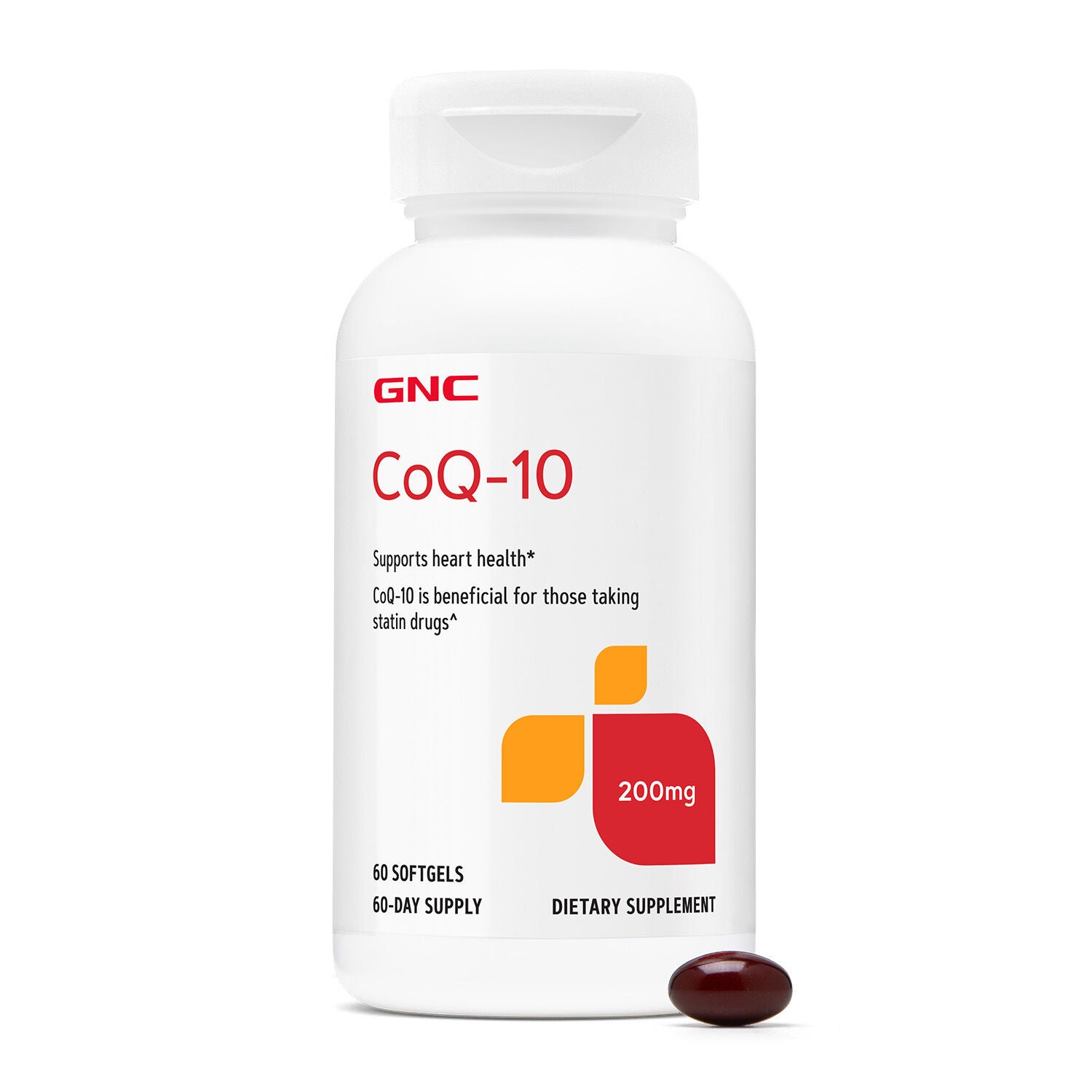
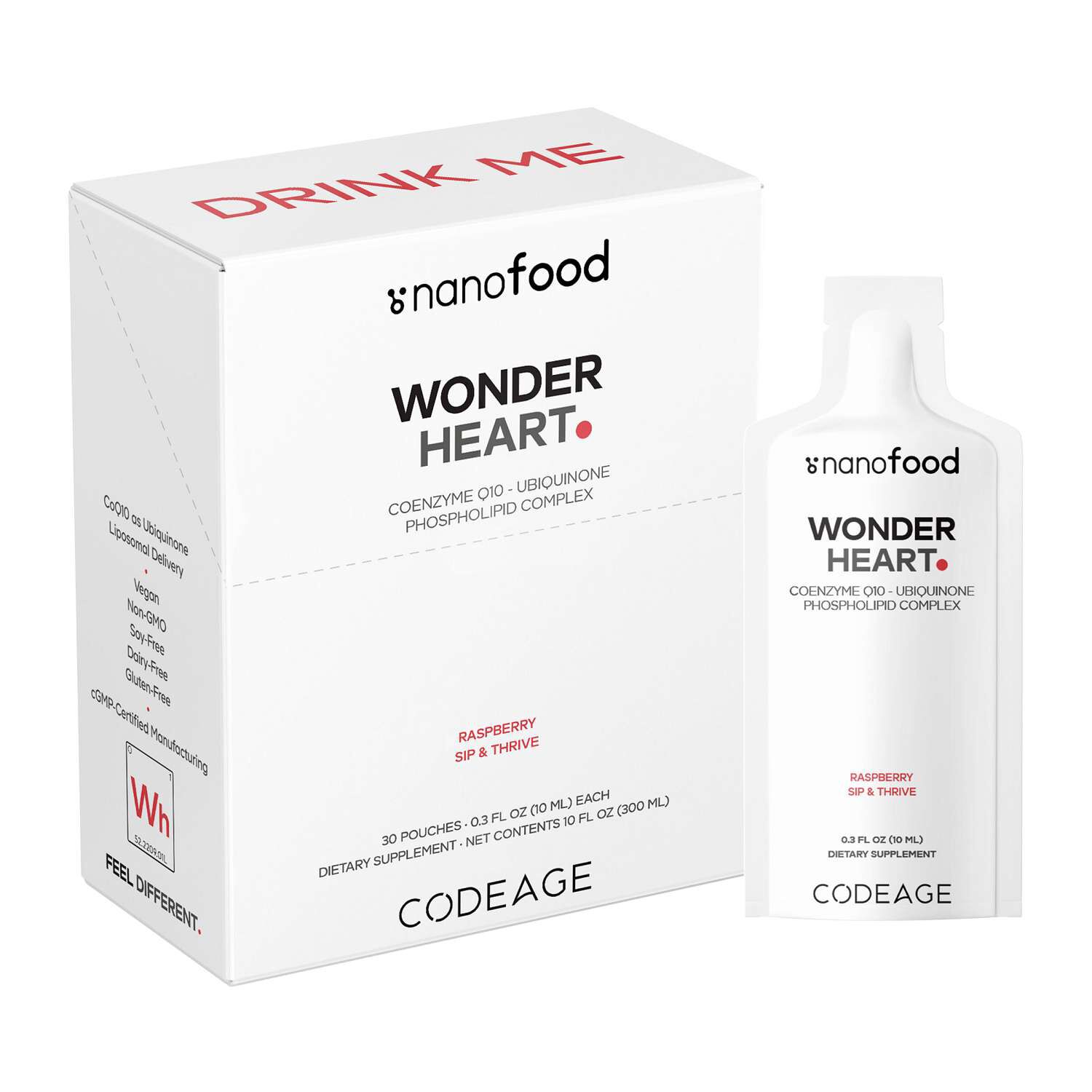
Mitochondria supplements are dietary supplements centered on nutrients and compounds associated with mitochondrial function and cellular energy production. These formulas may support normal energy metabolism, although their ingredient profiles and intended uses vary. Mitochondria are structures within cells that help convert energy from food into adenosine triphosphate, or ATP, a molecule used for many everyday cellular activities. That cellular meaning of energy is different from the alert feeling associated with caffeine. Common ingredients in this category include coenzyme Q10, often called CoQ10, along with L-carnitine, certain B vitamins, pyrroloquinoline quinone, or PQQ, and urolithin A. Each has a different background, so the category is better understood as a collection of distinct nutritional approaches rather than one interchangeable formula. CoQ10 occurs naturally in the body and participates in the cellular process that produces ATP. Carnitine plays a role in transporting long-chain fatty acids into mitochondria, while thiamin, riboflavin, and niacin—vitamins B1, B2, and B3—participate in normal nutrient metabolism. PQQ and urolithin A appear in discussions of mitochondrial signaling and cellular maintenance, but they are not interchangeable with vitamins or with each other. Research involving an ingredient also does not establish the same outcome for every finished formula. For adults interested in mitochondrial support supplements, these distinctions provide context for the different ingredient combinations found within the category. Someone with an established exercise routine may approach these formulas with a different set of preferences than someone organizing a straightforward daily supplement routine around meals and a work schedule. Neither situation makes a longer ingredient list inherently more suitable. The relevance of a formula depends on its composition, its labeled purpose, and how it fits alongside other dietary choices. Cellular energy is a biological process, not a particular sensation, and a supplement’s name alone does not describe the experience a person might have. This distinction matters when comparing mitochondrial-focused formulas with products whose labels emphasize caffeine or other stimulating ingredients.
Ingredient identity, serving size, and format are practical points of distinction among mitochondria supplements. CoQ10 labels may list ubiquinone or ubiquinol, two forms of the same compound, while carnitine formulas may identify L-carnitine or acetyl-L-carnitine. Similar names do not make the listed forms or amounts equivalent, and comparisons are more meaningful when they account for the exact ingredient rather than only the wording on the front of a bottle. A single-ingredient formula keeps the focus on one compound; a blend brings several ingredients together in one serving. Neither approach is automatically preferable, and a blend is not necessarily more effective simply because it contains more components. The Supplement Facts panel distinguishes the amount per serving from the number of capsules, tablets, or softgels in that serving. A bottle with a large capsule count can represent a different number of servings than its size initially suggests. Ingredient quantities may also use different units, such as milligrams and micrograms, making the printed unit as important as the numeral beside it. For an adult who already uses a multivitamin or another nutritional formula, overlapping B vitamins or other ingredients are another relevant detail. Beyond the featured nutrients, capsule shells, carrier oils, coatings, colors, and other ingredients help define the finished format. Depending on the formula, a capsule shell can contain gelatin or plant-derived cellulose, while a softgel may include an oil-based carrier. Vegetarian preferences and food allergen considerations therefore involve the full ingredient list, not just the featured compound. Capsule and tablet dimensions also matter to someone who prefers a smaller format, especially when a serving contains several pieces. A softgel, a compressed tablet, and a hard-shell capsule can differ in texture and handling without establishing that one will deliver a better result. Clear labeling makes these differences easier to understand and keeps comparisons grounded in the formula rather than broad category language.
The everyday fit of a mitochondrial supplement extends beyond its featured ingredients. A bottle kept beside other daily supplements has different practical demands from one carried regularly in a gym bag or packed for travel. Container size, closure design, serving count, and the amount of packaging information visible on the bottle can all influence convenience. Product-specific storage directions address care, including any requirements involving moisture, light, or storage location. The original container preserves access to the ingredient list, labeled directions, cautions, and expiration date, details that can be lost when capsules are moved into an unmarked pouch. Packaging condition and the printed date are useful considerations for a product intended to remain part of a routine over time; appearance alone does not establish ingredient quality. Directions may also differ between formulas, including whether the labeled serving is taken with food, so one bottle’s instructions do not necessarily apply to another. These are practical differences in intended use rather than reasons to expect a particular physical effect. Mitochondria supplements also sit within the broader category of Energy Metabolism Supplements, connecting this cellular focus with nutrients involved in the body’s everyday use of carbohydrates, fats, and proteins. Within that broader context, mitochondrial support is one aspect of nutrition, not a replacement for meals, sleep, or regular movement. A thoughtfully selected format may be easier to incorporate into an established routine, whether that means a clearly labeled bottle stored at home or packaging suited to occasional travel. The most informative distinctions remain concrete: the named compounds, their forms and amounts, the serving instructions, the capsule materials, and the other ingredients. Together, those details describe what a formula contains and how it is intended to be used, without relying on dramatic language or assuming that every shopper wants the same kind of supplement experience.
Best Sellers


Related Pages


Top Collections
- Joint Mobility Supplement Packs
- Daily Collagen Supplements | Top Brands & Deals | GNC
- GLP 1 Support For Adults
- Zinc Supplements | Top Brands at Great Prices | GNC
- Supplements For Yoga Joint Flexibility
- Supplements For Balance
- Capsule Supplements For Energy And Stamina
- Adult Mobility Supplements
- Chronic Fatigue Supplements
- Vitamins For Hair Loss