





Energy Production Supplements
(0 Results)
Unlock the potential to feel more vibrant and energetic with energy production supplements. These powerful formulations may support your body's natural processes, helping you tackle daily challenges with vigor. Whether you're looking to fuel your workouts, combat fatigue, or simply maintain a steady flow of energy throughout the day, these supplements could be an excellent addition to your wellness routine. Explore a variety of options designed to complement your lifestyle and help you stay at the top of your game.
-

-

-

-

-
-

-

-
 Portions Master$24.99
-

-

-
-
 Amazing Nutrition$39.99
-

-
-
 Raw Nutrition$44.99
-

-
-

-

-

-
 185$24.99
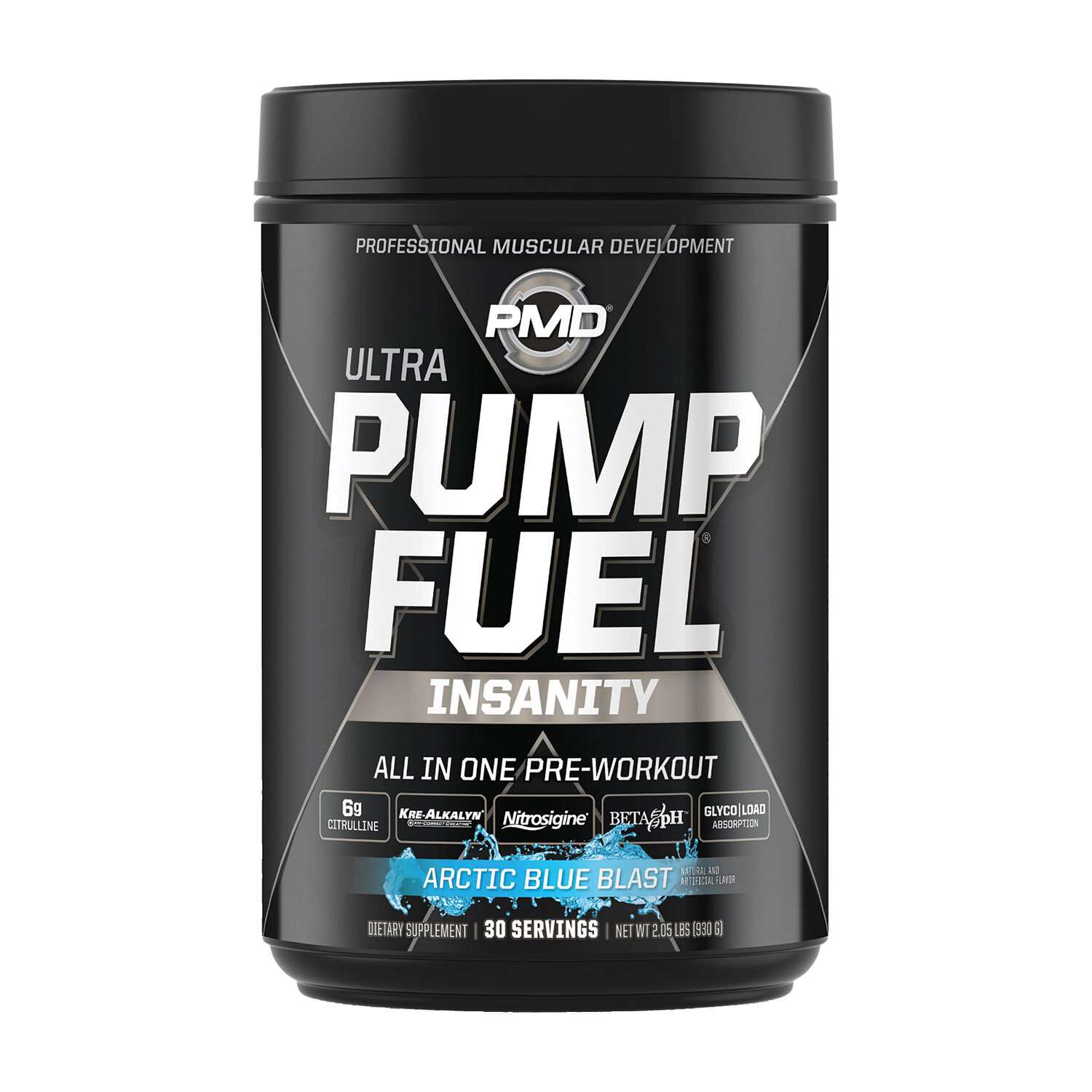
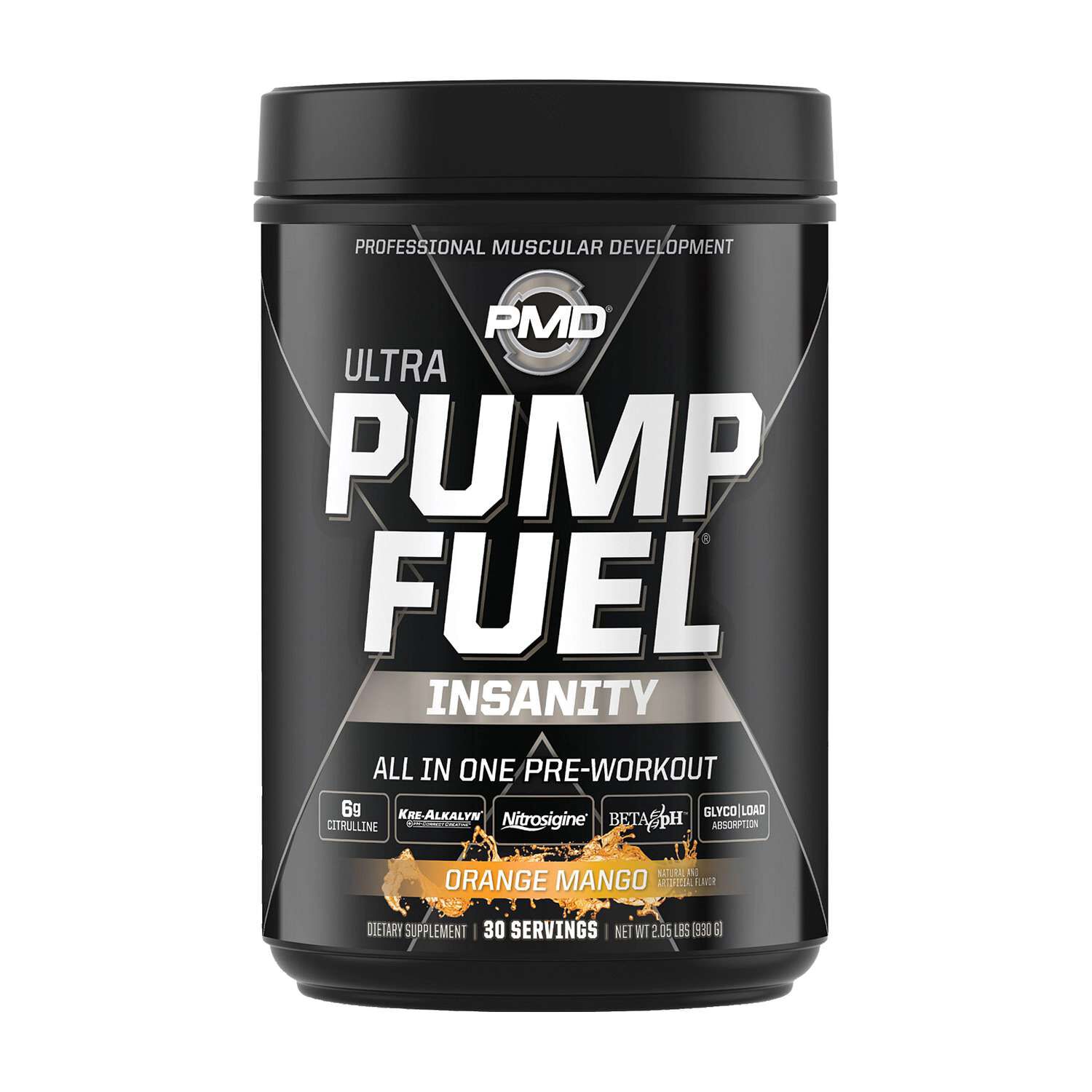

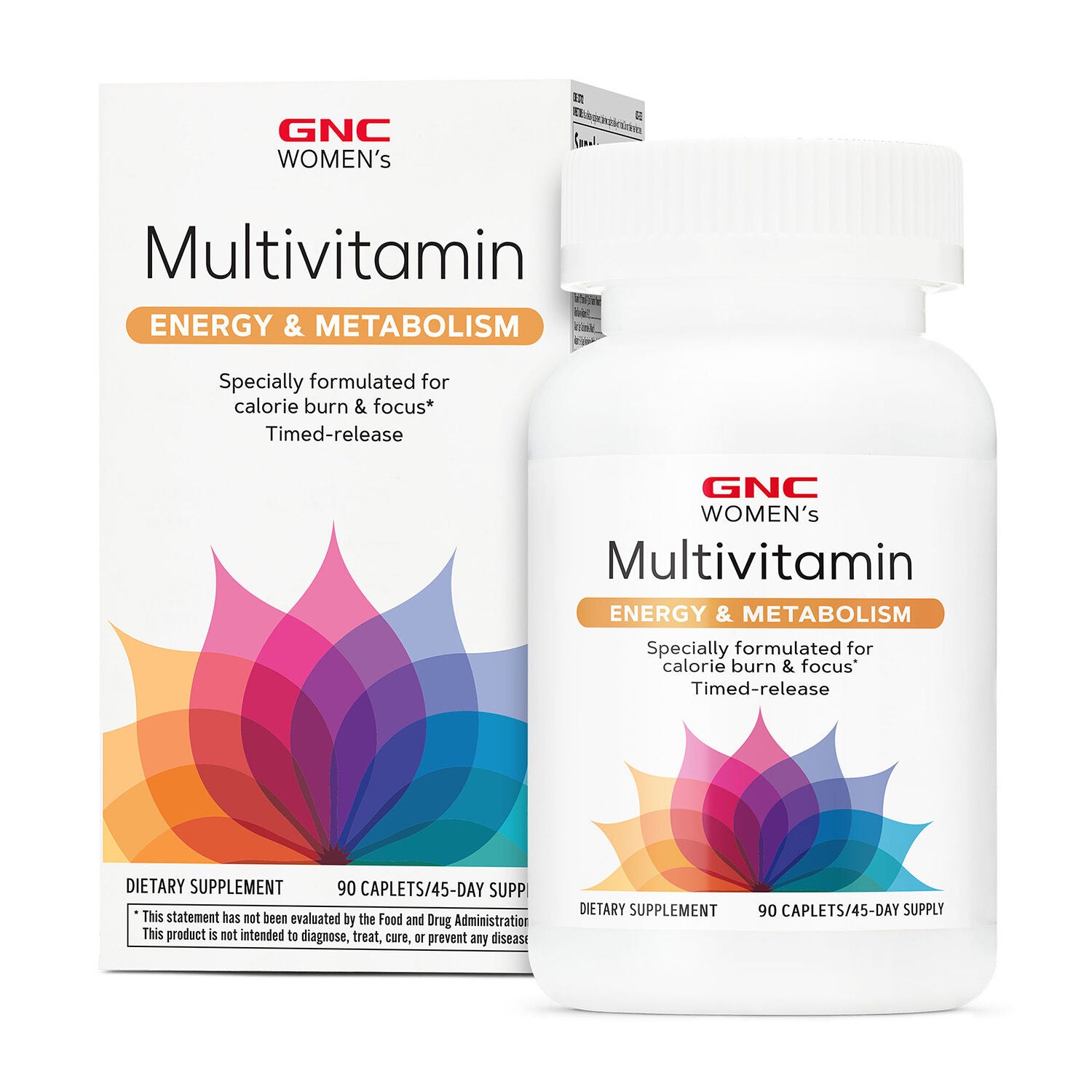
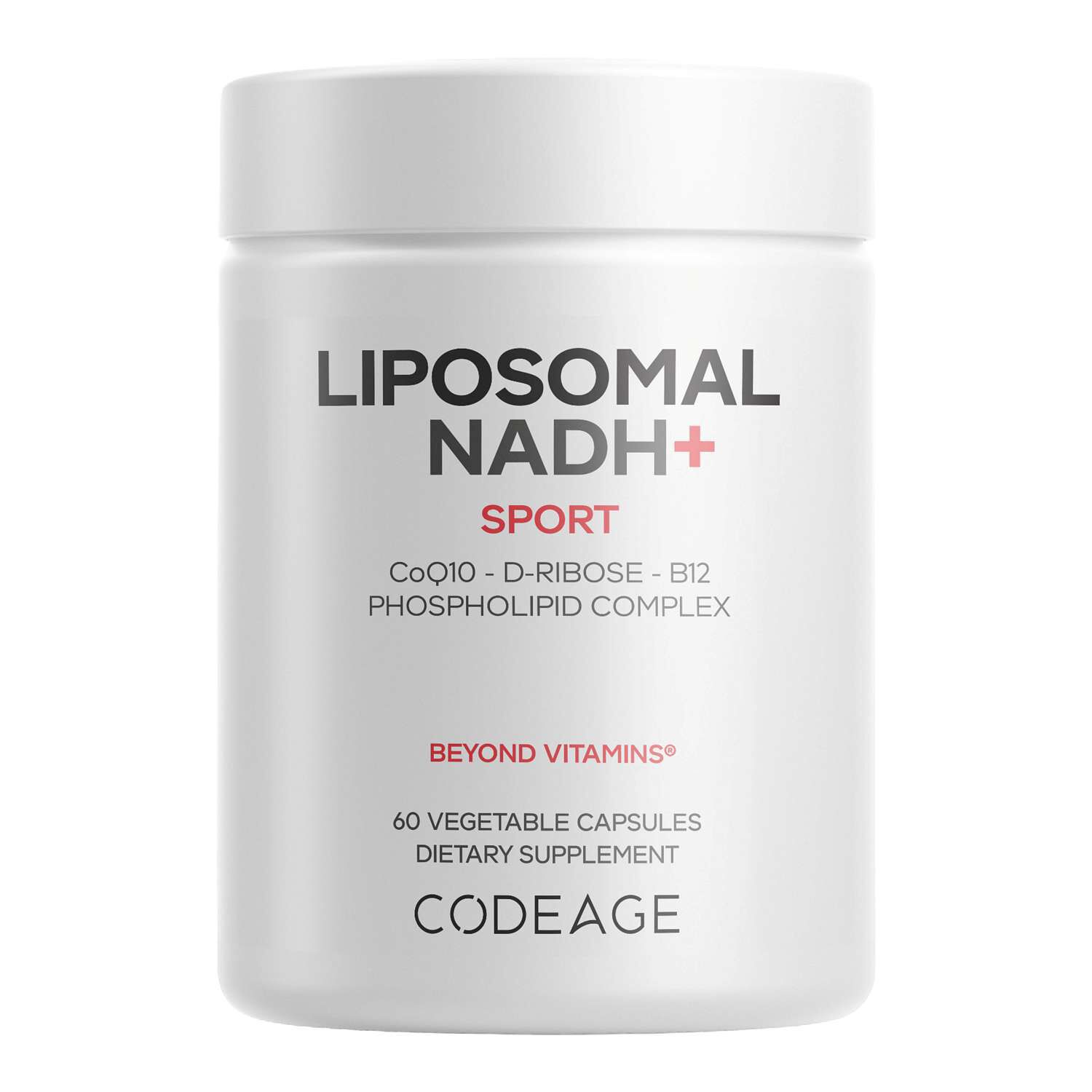
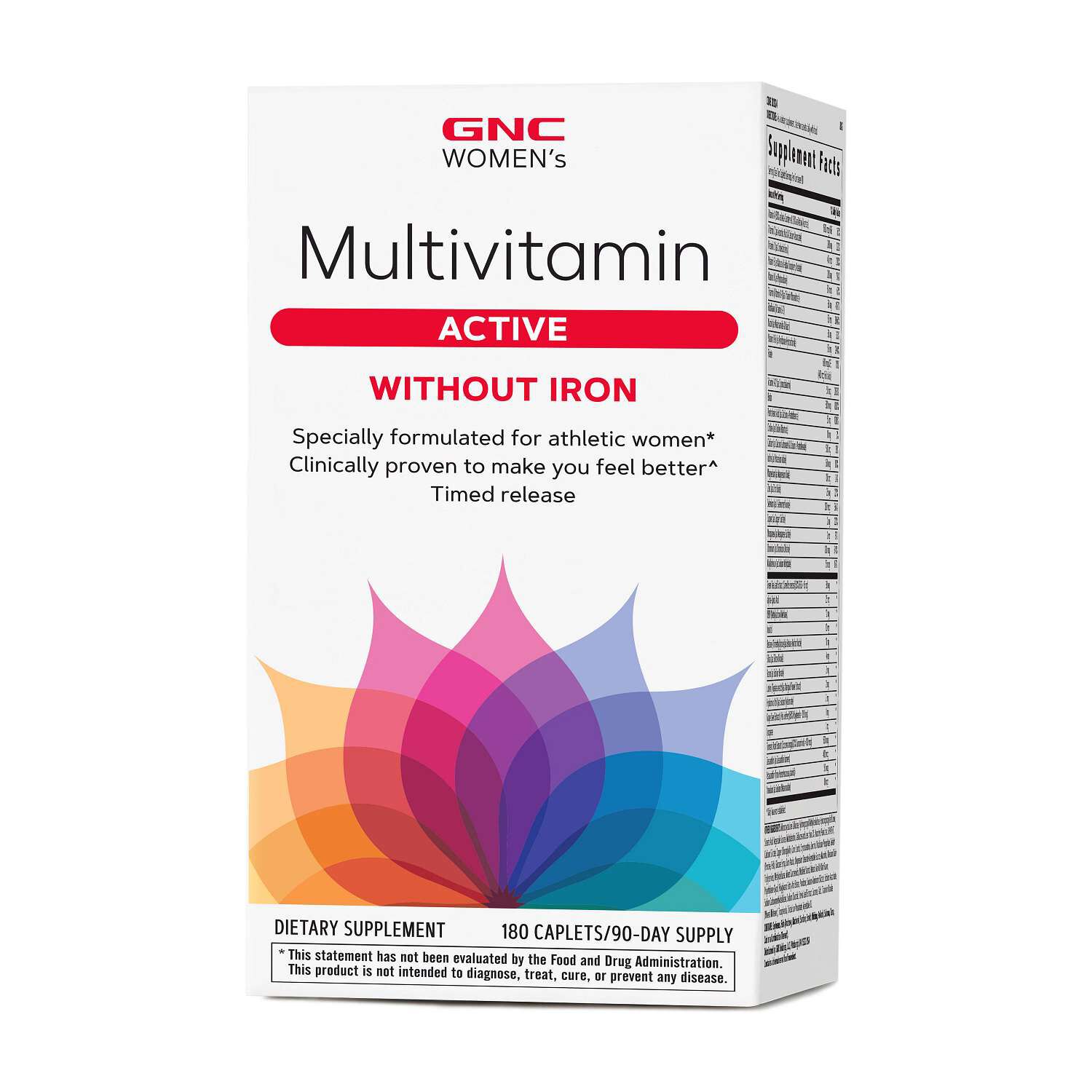
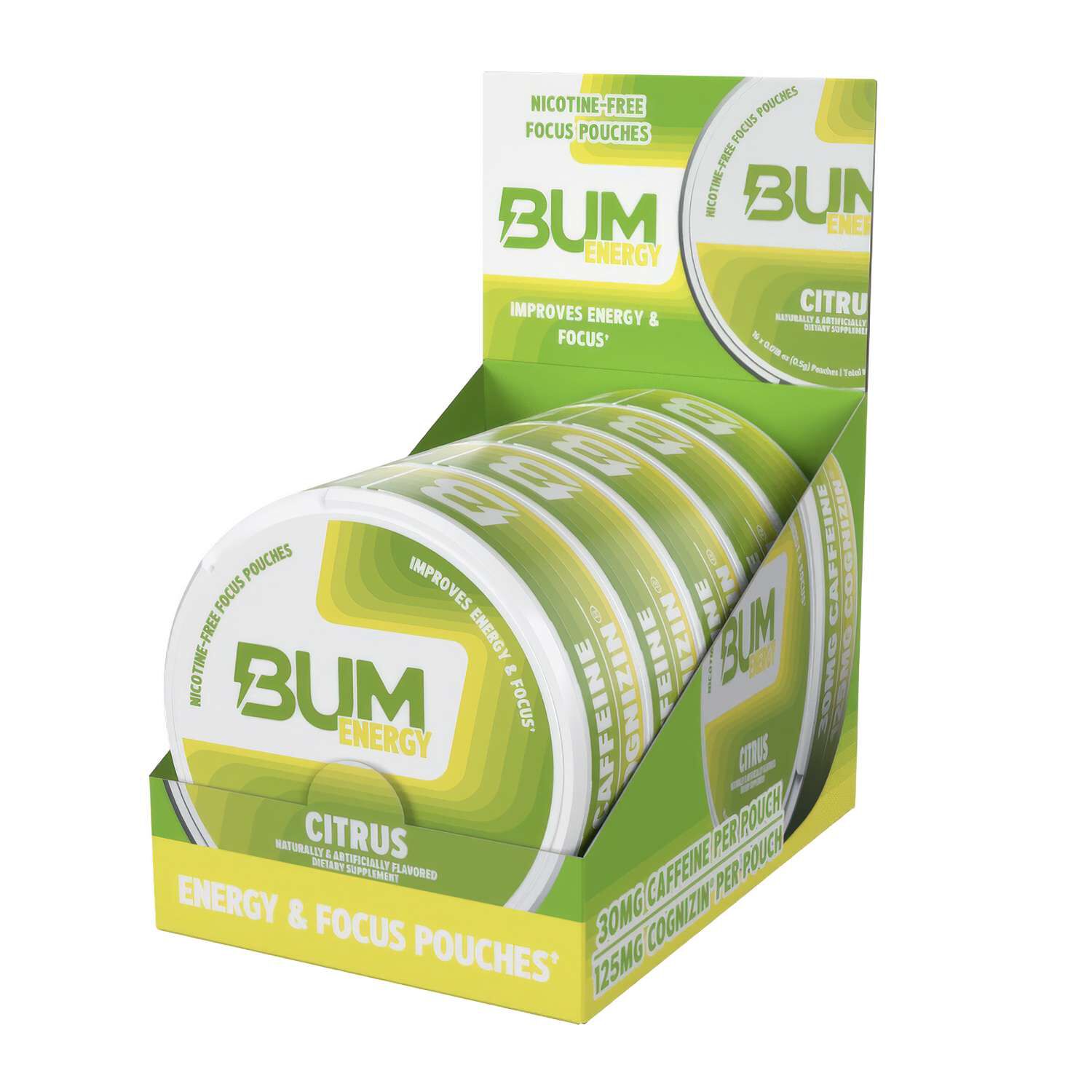
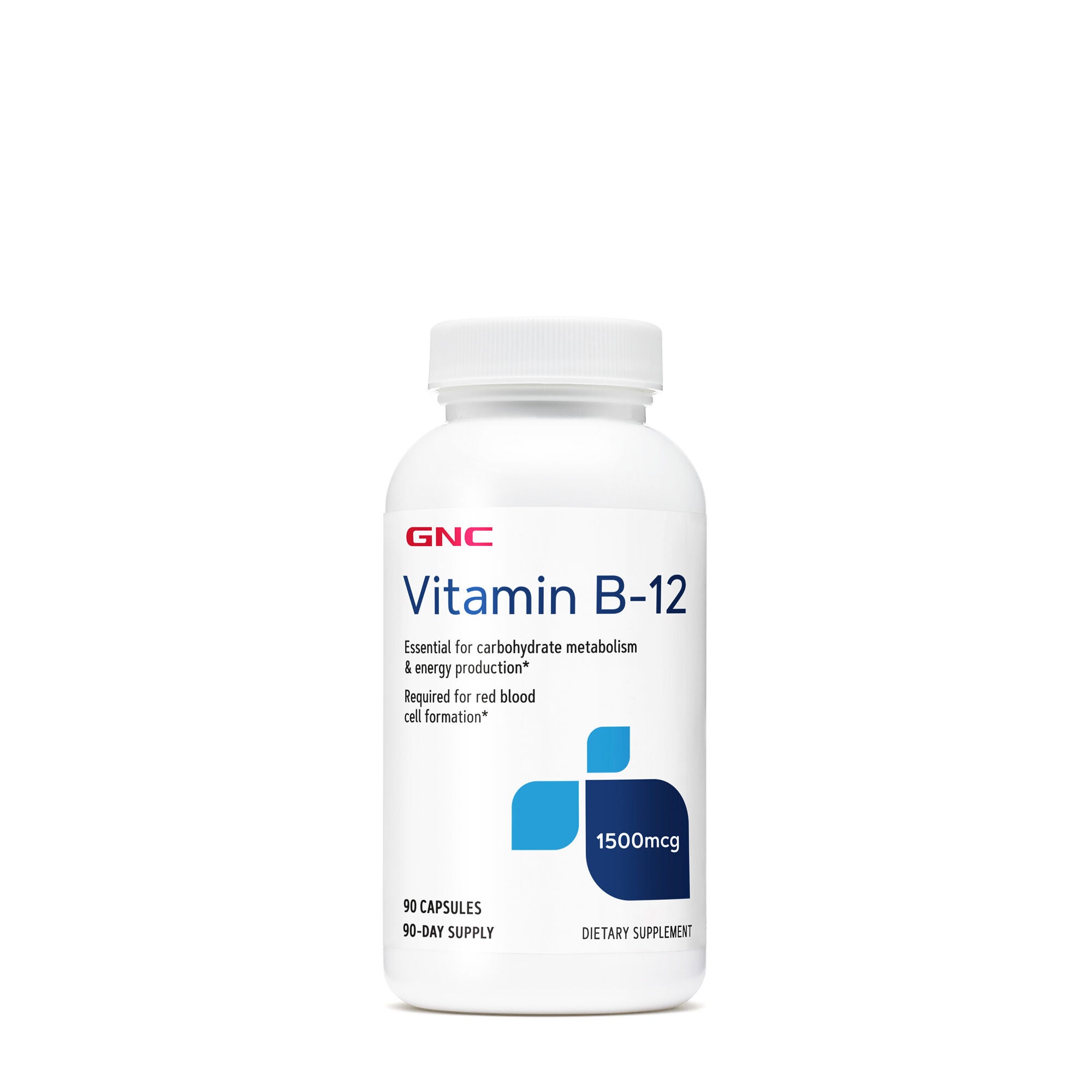
Energy production supplements are dietary supplements intended for nutrition routines centered on everyday energy metabolism. They may support the processes that turn nutrients from food into usable energy, but they may not create an immediate feeling of greater energy. That distinction matters: food supplies calories, while vitamins and minerals play supporting roles in normal metabolism. A formula built around B vitamins is different from one built around caffeine, even when both appear in an energy-focused collection. B vitamins such as thiamin, riboflavin, niacin, and vitamin B12 participate in the body’s normal processing of nutrients. Magnesium is involved in many normal biochemical processes, including those related to energy metabolism. Coenzyme Q10, often called CoQ10, is a compound naturally present in the body and associated with cellular energy production. Supplements containing these ingredients may support normal nutritional needs, rather than produce the same experience for everyone. The relevance of a formula may depend on a person’s eating pattern, existing nutrient intake, and reasons for considering supplementation. Someone who eats a varied diet may have different considerations from someone whose menu regularly leaves out entire food groups. More of a nutrient may not mean a more noticeable result, and the word energy on a label does not describe a uniform effect. For a person balancing a desk job with evening activities, or an adult fitting meals around a busy workday, the useful distinction is between nutritional support and a stimulant-oriented formula. Caffeine may support alertness, while a vitamin-focused option may support normal energy metabolism without a comparable sensation. Supplements are intended to complement an eating pattern, not serve as substitutes for meals or sleep. Their place in an everyday routine depends on what the formula contains, what a person already consumes, and whether the intended use matches that person’s expectations.
Capsules, tablets, softgels, powders, gummies, and liquids offer different ways to include an energy-focused supplement in an established routine. Capsules and tablets involve relatively little preparation, while powders introduce considerations such as mixing directions, flavor, and the amount of liquid used. A scoop mixed into water at a kitchen counter has different practical requirements from a serving kept in its original container at an office. Gummies bring texture and flavor into the decision, along with serving size and any added sugars. Softgels may contain oils or other ingredients suited to that format, and liquid options come with their own measuring and storage instructions. The number of capsules or gummies in a serving matters just as much as the amount listed beside an ingredient. A front label might highlight one nutrient, while the Supplement Facts panel describes the serving and any other active ingredients. Ingredient forms, amounts per serving, suggested use, and the list of other ingredients provide a clearer picture of the formula than a broad energy description alone. For someone who prefers a simple routine, a shorter ingredient list may be easier to compare with an existing multivitamin. For someone who already uses an energy drink or pre-workout supplement, caffeine content and repeated ingredients are relevant considerations when comparing another formula. Caffeine can come from added caffeine or plant sources such as coffee or tea, so botanical ingredients belong in that comparison, too. Dietary preferences also shape the fit. Capsule materials, gelatin, sweeteners, colors, and ingredients derived from milk or soy may matter to different shoppers. A vegetarian preference, an interest in an unflavored powder, or a dislike of large tablets can be just as practical as interest in a particular nutrient. These details distinguish formulas intended for everyday nutritional support from those positioned around alertness or a workout routine.
Everyday use also involves the container, preparation method, and care required between servings. A bottle that stays in a kitchen cabinet serves a different routine from one transported regularly in a work bag. Clear serving directions, a readable label, and packaging that closes securely all contribute to practical handling. For powders, the included measuring tool and directions establish how a serving is prepared; a kitchen spoon is not necessarily an equivalent measure. For liquids, the labeled measuring method and any instructions about shaking or refrigeration are part of the product’s intended use. Storage directions deserve the same attention as ingredient details. Moisture, direct light, and unsuitable storage conditions may affect texture or product condition, so the original container and its labeled instructions provide useful reference points. A tightly closed lid, a dry scoop, and attention to the printed date are straightforward parts of product care. Gummies, powders, capsules, and liquids have different physical characteristics, and appearance or texture alone is not a reliable way to compare their nutritional purpose. Serving counts also help explain how a container fits an established routine, particularly when the labeled serving includes more than one capsule, tablet, or gummy. When several supplements are already part of that routine, their labels provide context: a multivitamin, a workout formula, and an energy-focused supplement may share nutrients or other ingredients. The relevant comparison is the actual composition and serving information, rather than how many different uses appear on the front of each package. For shoppers considering a broader range of energy-focused formulas, High Energy Supplements is a related collection to explore. Across these categories, a useful match brings together an appropriate ingredient profile, a manageable serving format, and realistic expectations. Nutritional support may be subtle rather than immediately noticeable, making the details of the formula more informative than an expectation of a dramatic change in how the day feels.
Best Sellers

Related Pages


Top Collections
- Supplements For Yoga Joint Flexibility
- Chronic Fatigue Supplements
- Joint Mobility Supplement Packs
- Adult Mobility Supplements
- Active Supplements
- GLP 1 Support For Adults
- Zinc Supplements | Top Brands at Great Prices | GNC
- Supplements For Anxiety Relief Support
- Supplements For Balance
- Capsule Supplements For Energy And Stamina