Cranberry Health Products
(0 Results)
Discover the potential benefits of cranberry health products, which could support various aspects of your wellness routine. Rich in natural compounds, these products may be a valuable addition to your daily regimen. Explore our selection of cranberry health products and find options that might suit your individual needs and lifestyle. Whether you're looking for supplements, extracts, or other forms, our range offers something for everyone interested in harnessing the power of cranberries.
-

-

-
-

-
 Angry Supplements$13.99
-
-
-
 $36.99
-
$56.99
-

-
 Vital Source$29.99
-

-
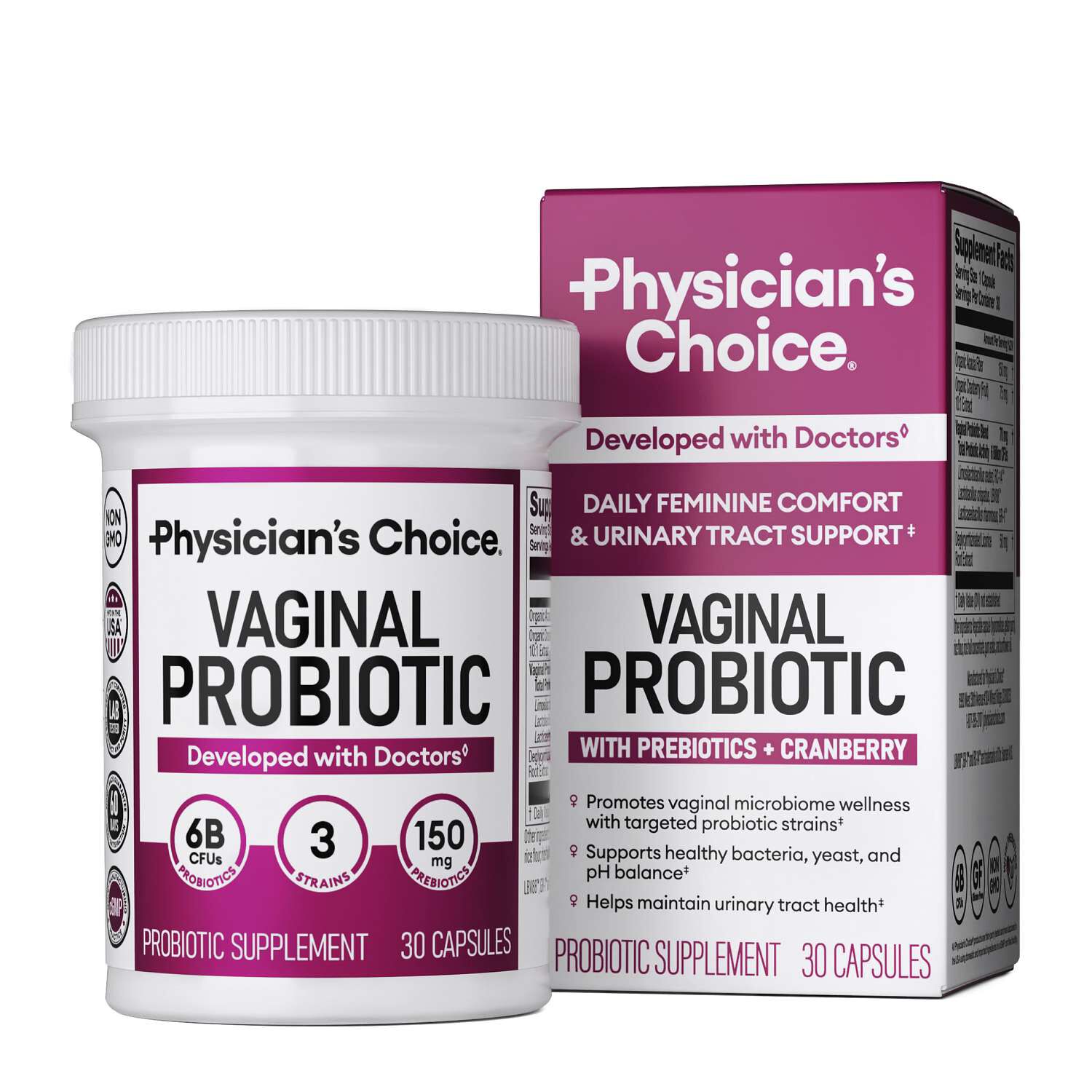
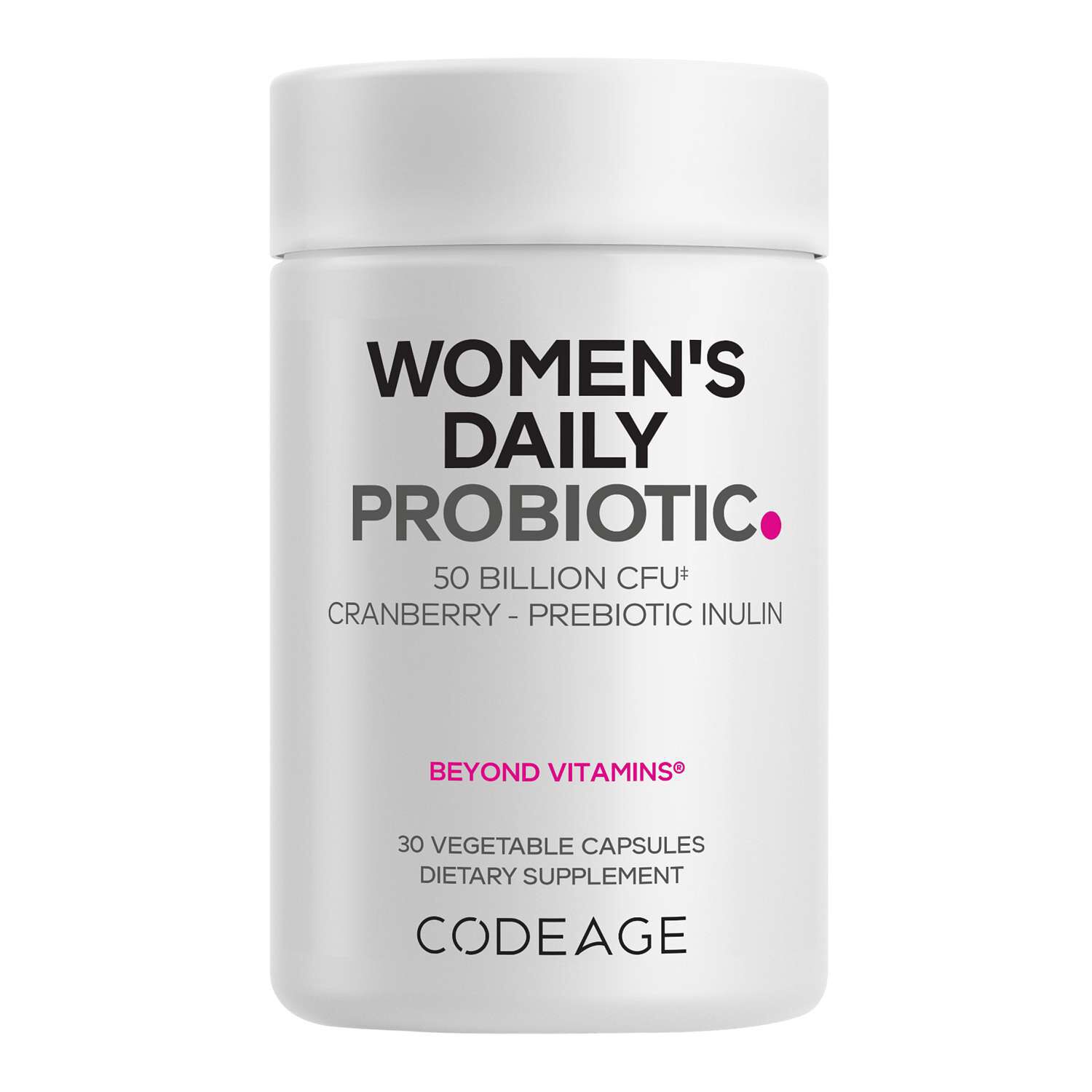


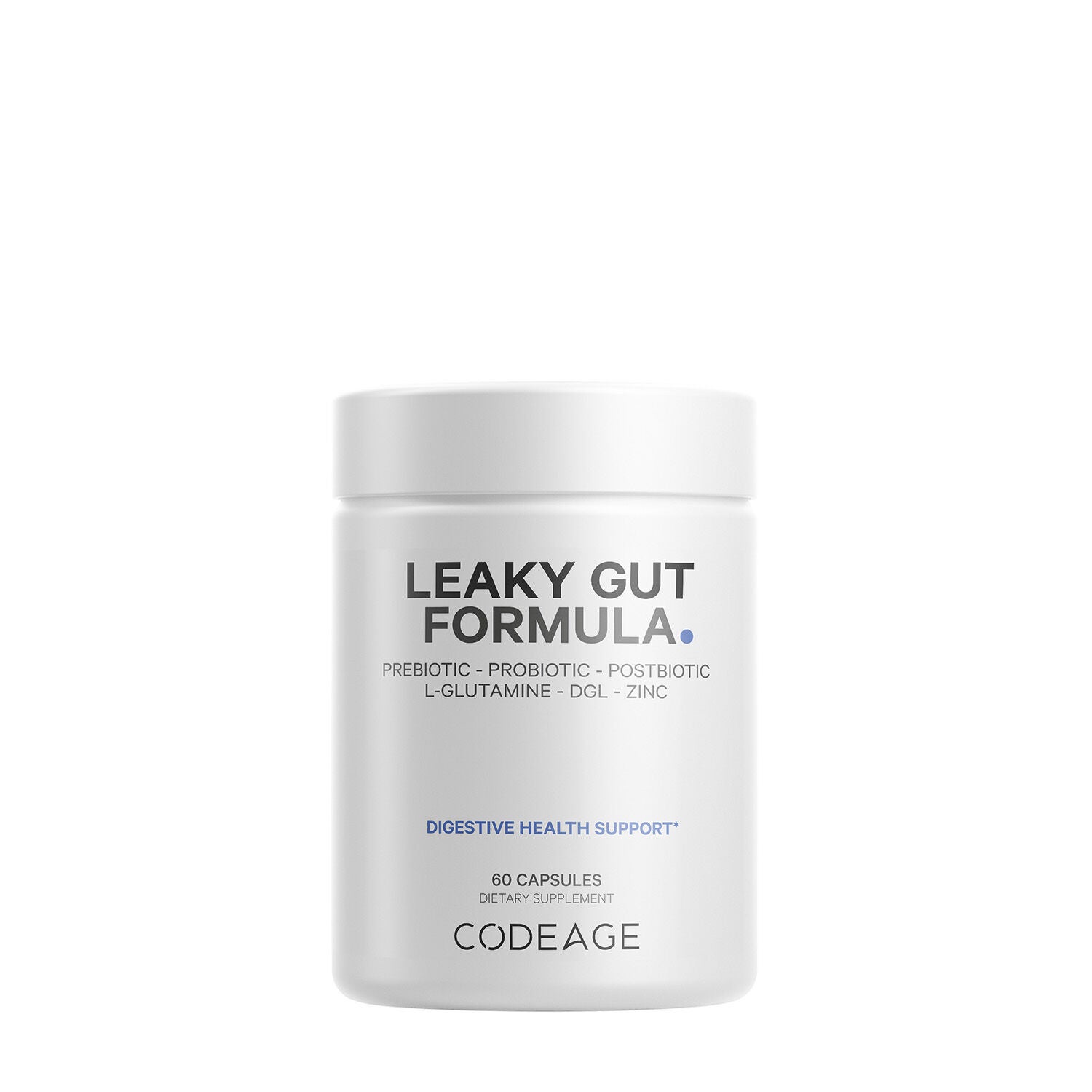

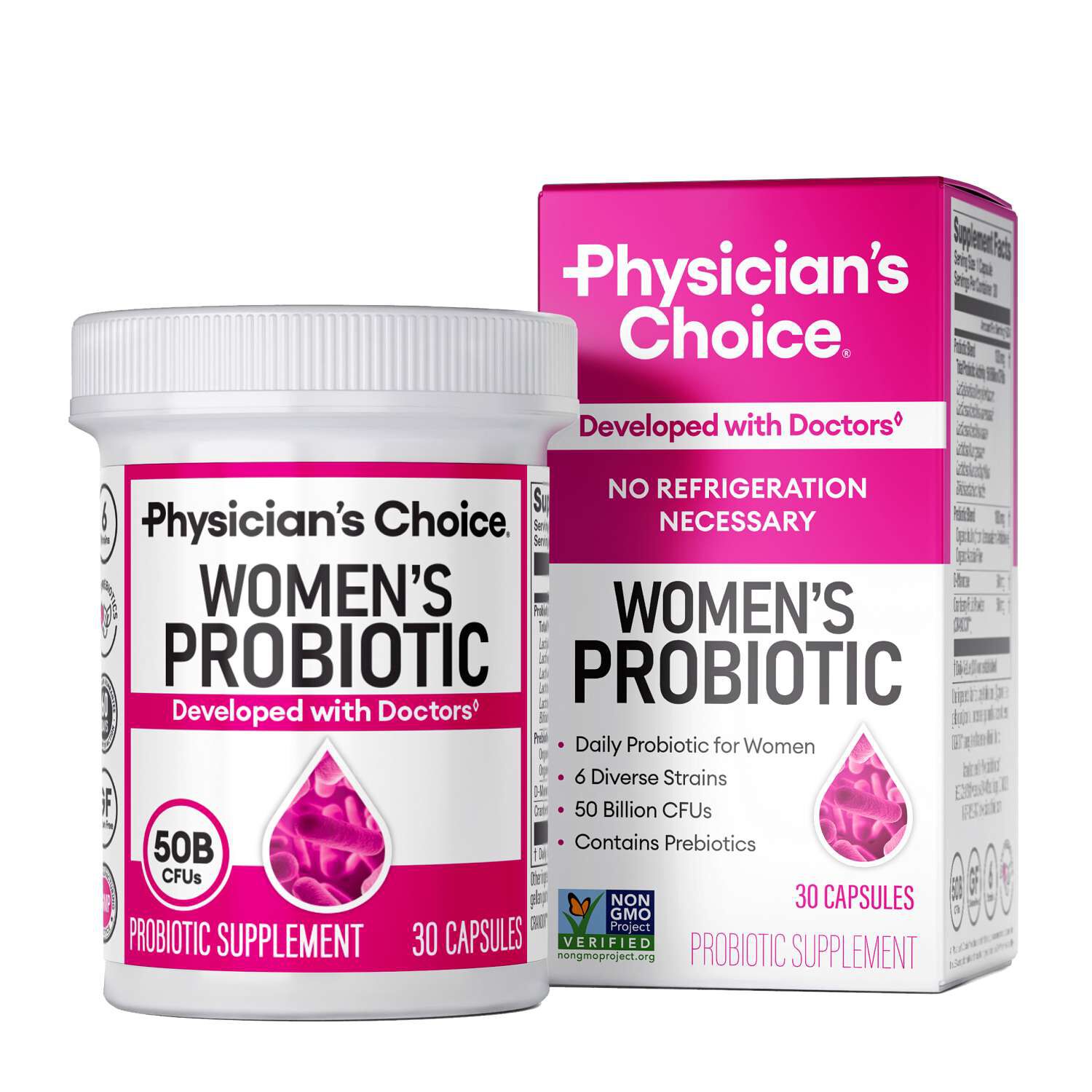
Cranberry health products bring a familiar red berry into supplement formats designed around different preferences for texture, ingredients, and everyday use. Cranberry supplements commonly feature fruit powder, concentrated cranberry extract, or a combination of cranberry ingredients with other nutrients. The cranberry used in many supplements is Vaccinium macrocarpon, a species native to North America known for its tart flavor and deep red color. Its naturally occurring plant compounds include proanthocyanidins, often abbreviated as PACs. These details help explain the language on a supplement label, but cranberry products are not interchangeable simply because they share the same fruit name. A fruit powder and an extract can differ in how they are processed, how concentrated they are, and what the manufacturer measures in each serving. An extract ratio describes the relationship between the starting material and the resulting extract; it is not the same measurement as a stated PAC amount. Likewise, a prominent milligram amount may describe the cranberry ingredient rather than the quantity of any particular plant compound. Labels that identify the ingredient form, serving size, and amounts provide a clearer basis for comparison than berry imagery or the size of a number on the front of a bottle. Cranberry supplements also differ from cranberry juice and juice cocktails. Beverages vary in their proportions of cranberry juice, other fruit juices, water, and sweeteners, while supplements have their own ingredient lists and serving instructions. Neither the color nor the tartness of a cranberry product provides a dependable way to compare its composition. For adults comparing cranberry health products, the most useful starting point is the actual formulation: what type of cranberry ingredient it contains, what else is included, and how the serving is defined. Those concrete distinctions give this broad category more meaning than the fruit name alone.
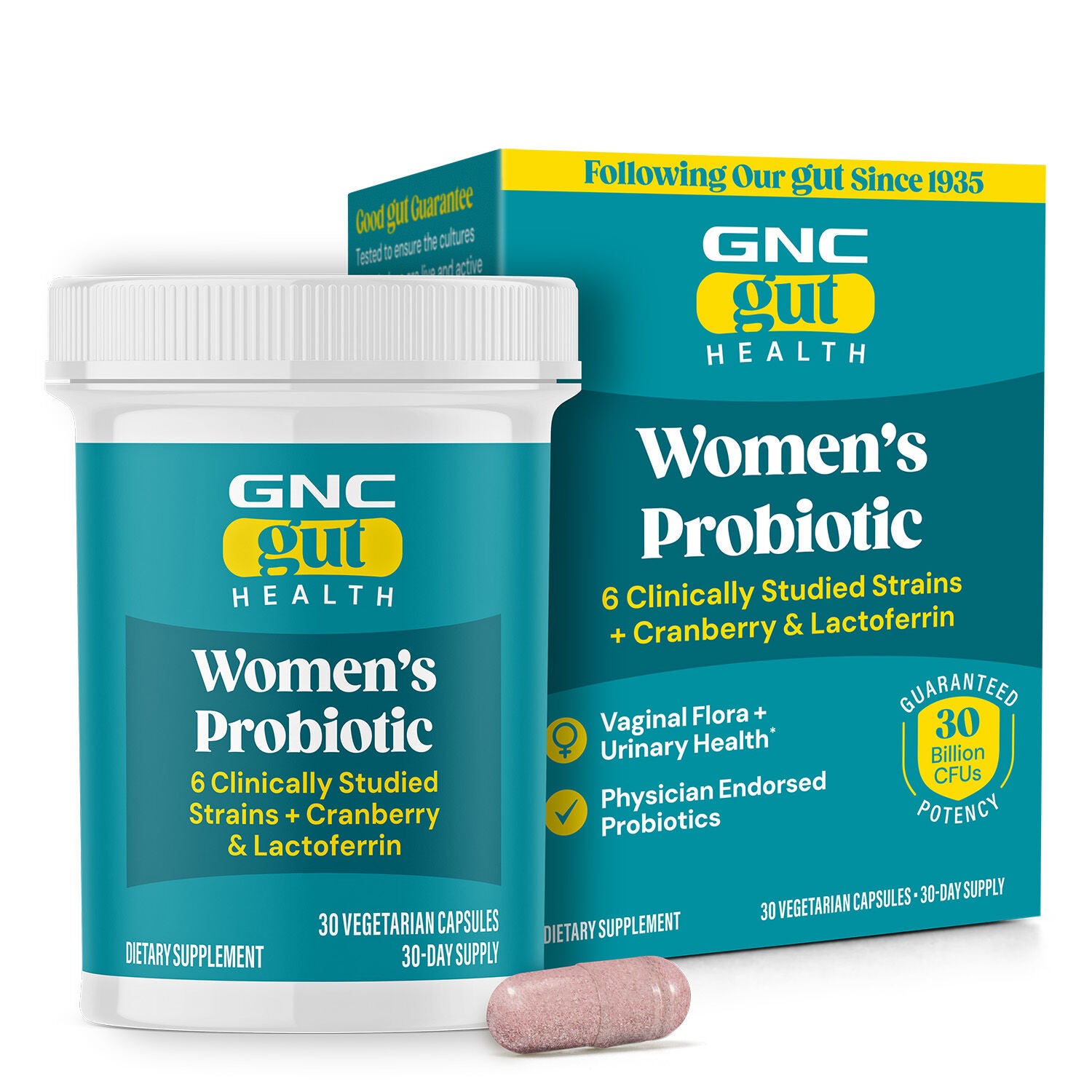
Format is another important distinction, particularly when a supplement needs to fit an established daily routine. Cranberry capsules typically enclose powdered ingredients in a shell, while softgels use a sealed shell around a liquid or suspended filling. Tablets compress ingredients into a solid form, and gummies or chewables introduce flavor, sweetness, and a different texture. Someone who prefers a format that does not require chewing might compare capsules, tablets, and Cranberry Softgels, paying attention to serving size, shell ingredients, and any dimensions provided on the label. A softgel designation describes the delivery format, not a uniform size or cranberry concentration. Capsule shells can be made from gelatin or plant-derived materials, and softgel shells commonly contain gelatin along with ingredients that maintain their texture. Dietary suitability depends on the entire formulation, including the shell and any additional ingredients, rather than on cranberry being a fruit. Gummies and chewables deserve the same close comparison. Their recipes can include pectin or gelatin, sweeteners, flavorings, colors, and ingredients used to create a particular consistency. Sugar content and serving count matter here: a serving of several gummies is different from one gummy, just as a serving of two capsules is different from a single capsule. Flavor descriptions also do not necessarily indicate how much cranberry a product contains. A berry-flavored chewable may use a blend of flavors alongside its cranberry ingredient. For someone organizing a morning routine around breakfast or packing for an overnight trip, the practical differences are tangible: a bottle with a clearly printed serving size, a texture that matches personal preferences, and packaging that is straightforward to store and carry. The best comparison stays grounded in those details rather than assuming that one format is inherently better than another. Package photographs can show the general shape, but written product information is the more useful reference for serving instructions and ingredient composition.
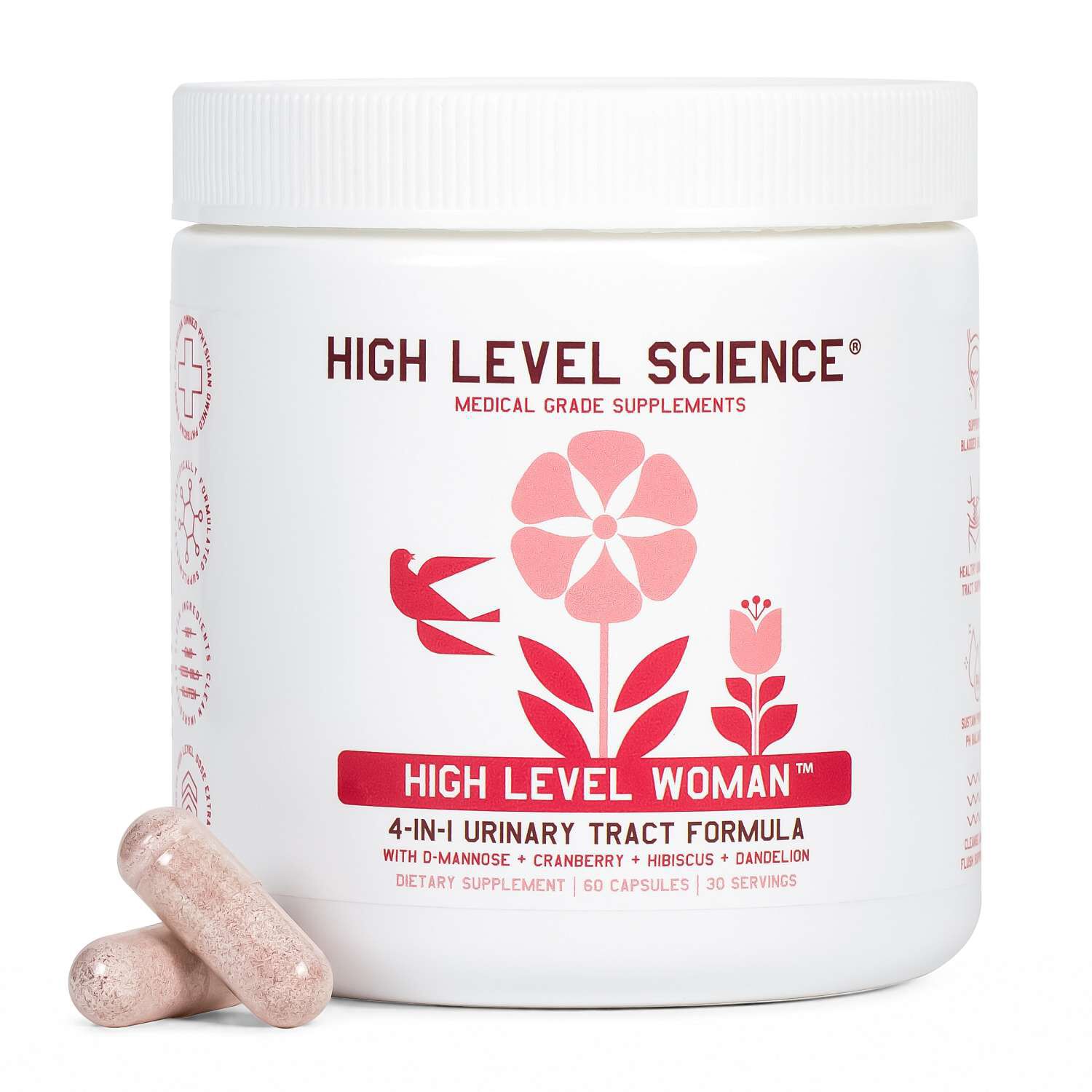
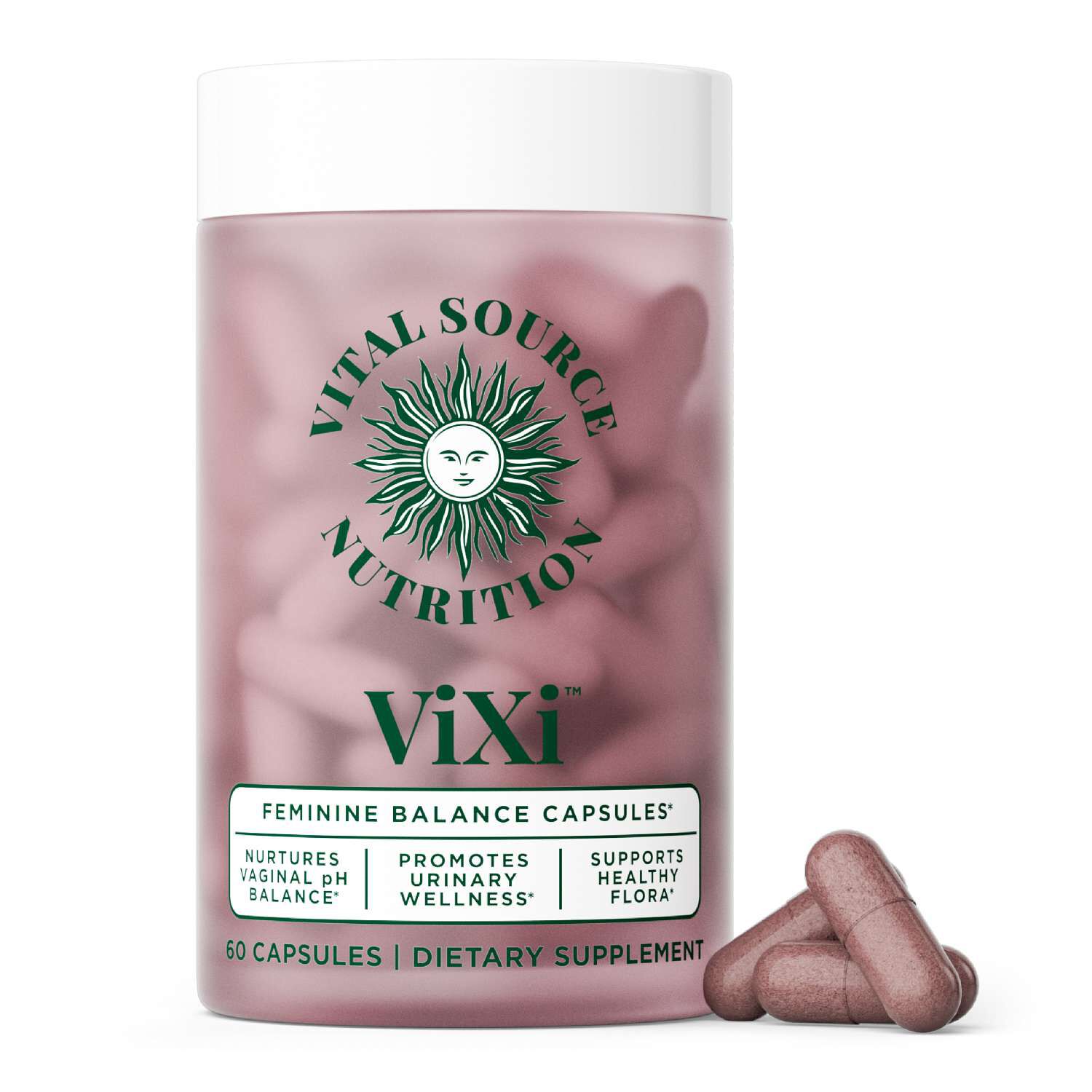
Cranberry supplement formulas range from those centered on cranberry to combinations containing ingredients such as vitamin C, D-mannose, or probiotics. These additions represent different formulations, not simply different names for the same product. Vitamin C should have its own declared amount, D-mannose is a separate ingredient rather than another term for cranberry extract, and probiotic labeling may identify particular organisms and provide distinct storage instructions. When comparing combination formulas, the amount of cranberry per serving remains worth checking alongside the other listed ingredients. Someone who already purchases a multivitamin, for example, can compare the vitamin C entries on both labels to understand where the same nutrient appears. This is an ingredient comparison, not a reason to assume that a longer formula offers more value for every routine. A shorter ingredient list may appeal to shoppers who want a straightforward cranberry supplement, while others may prefer the organization of a combination formula. In either case, the Supplement Facts panel and the other ingredients list serve different purposes: one details declared dietary ingredients and serving amounts, while the other identifies components such as shell materials, binders, sweeteners, and colors. Package care deserves attention as well. Supplements are consumable products with a labeled shelf life, so long-term storage depends on the container instructions, closure, and date markings rather than the apparent sturdiness of a bottle. Moisture and exposure to unsuitable storage conditions can affect product quality; keeping the original packaging preserves access to the ingredient list, lot information, and directions. For travel, a tightly closed container with a readable label is a practical consideration, particularly when different supplements look similar. Personal supplement preferences are also highly specific, making cranberry products a more thoughtful purchase for someone else when that person's preferred format and dietary requirements are already known. Across cranberry capsules, softgels, tablets, and chewable formats, careful attention to ingredient identity, serving size, packaging, and intended use creates a clear, grounded way to compare choices without relying on appearance or broad category descriptions.
Best Sellers
-
Physician's Choice
-
Physician's Choice