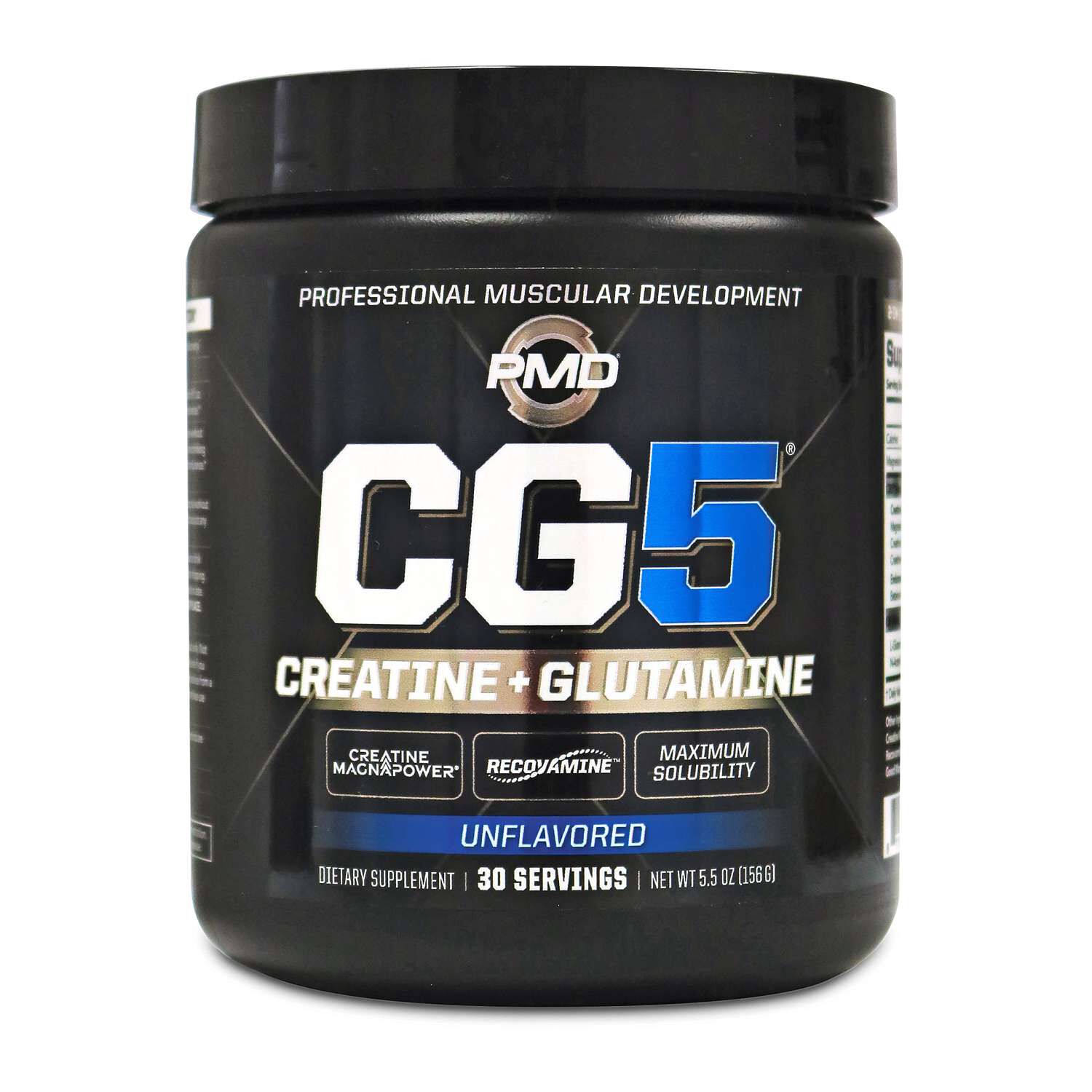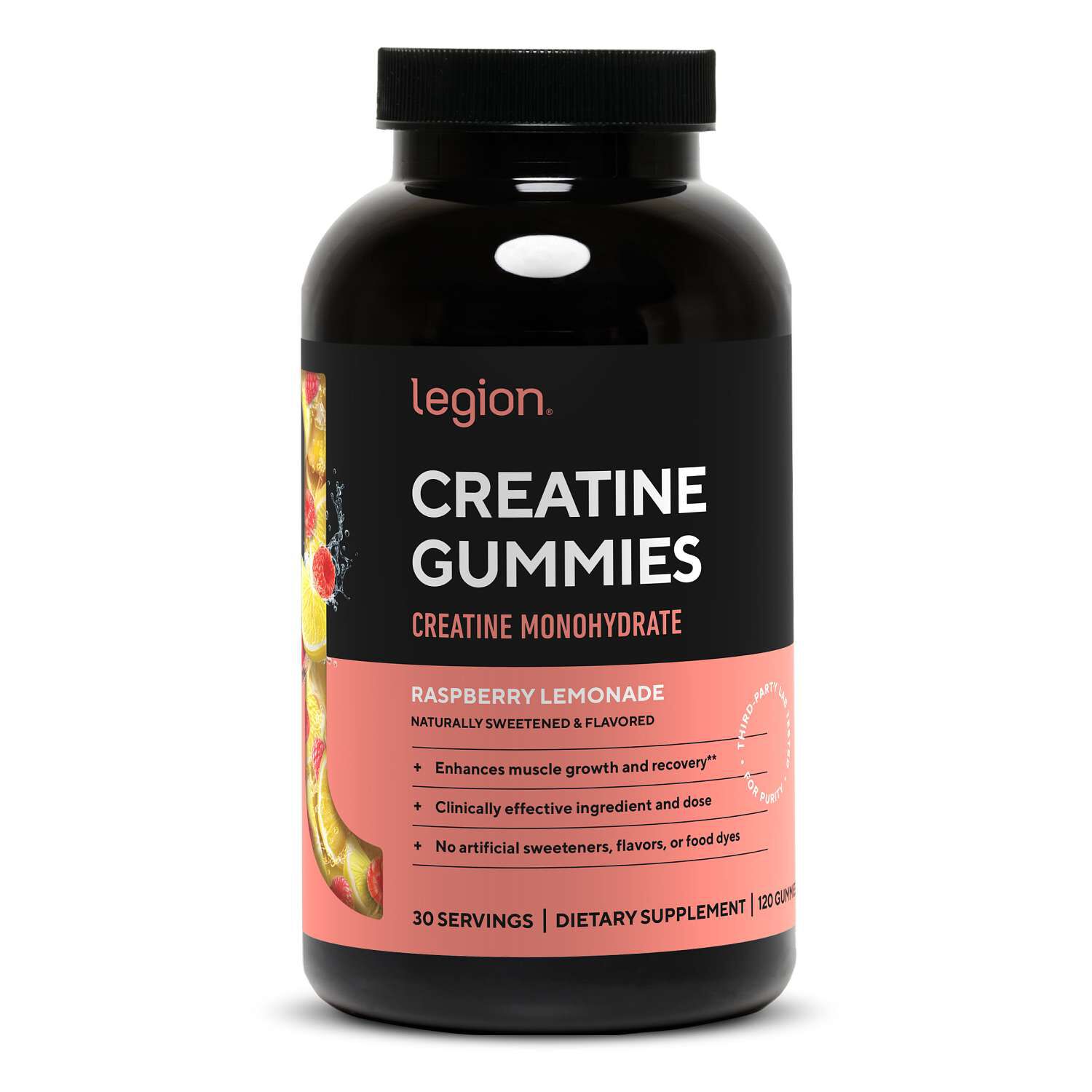


Creatine Supplements For July Fitness Goals
(0 Results)
Jumpstart your summer routine with creatine supplements for July fitness goals. Whether you're looking to support your training sessions or aiming to take your workouts to the next level, creatine could be a valuable addition to your regimen. Explore a variety of options designed to fit your unique needs and help you stay motivated all month long. Find the right creatine supplements for July fitness goals and keep striving toward your personal best.
-
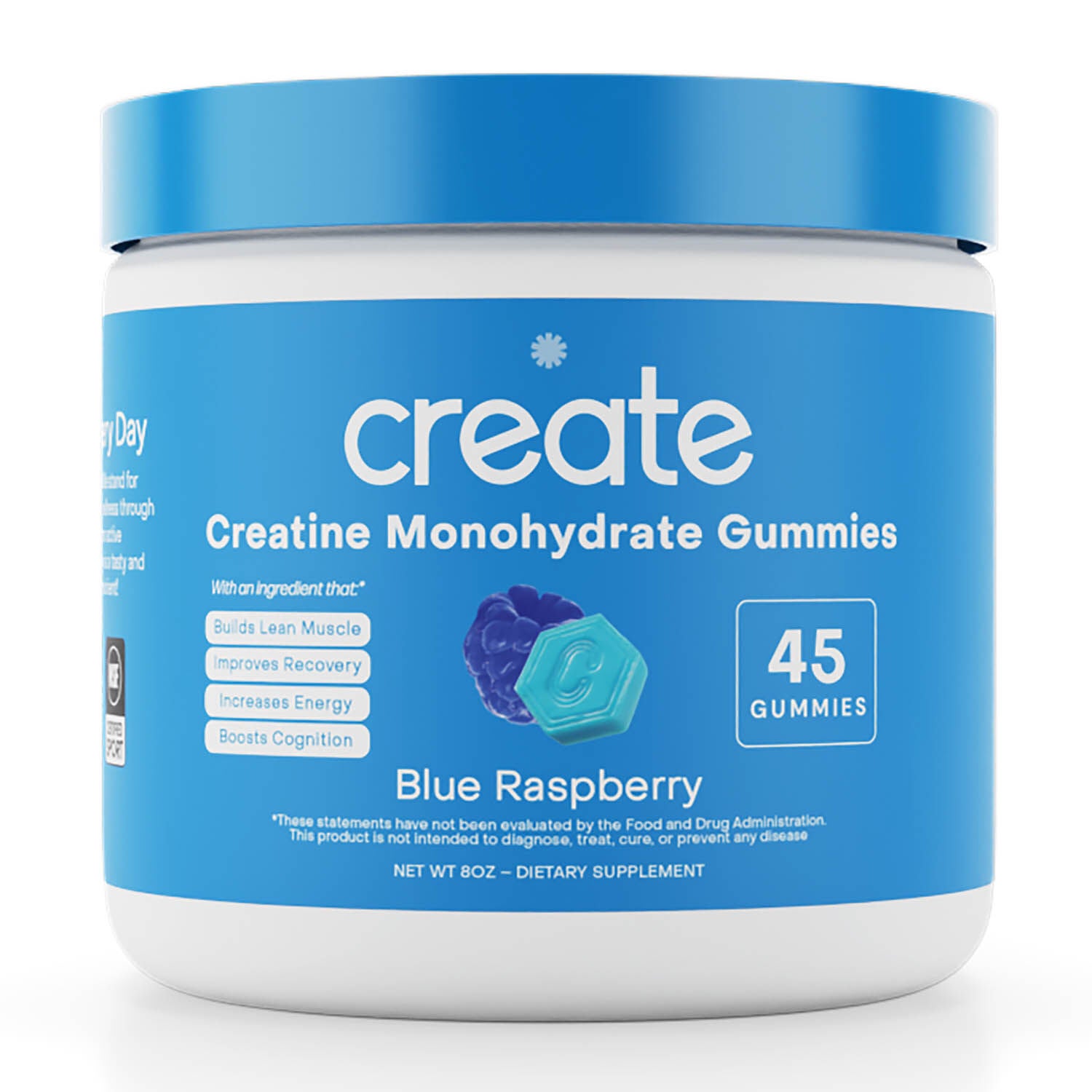 4,333$24.99
 -

-

-

-

-

-
-
-

-

-
-

-
 Universal Nutrition237$36.99
 -
 Universal Nutrition237$36.99
 -

-

-
 143$34.99
 -

-

-

-

-
-

-

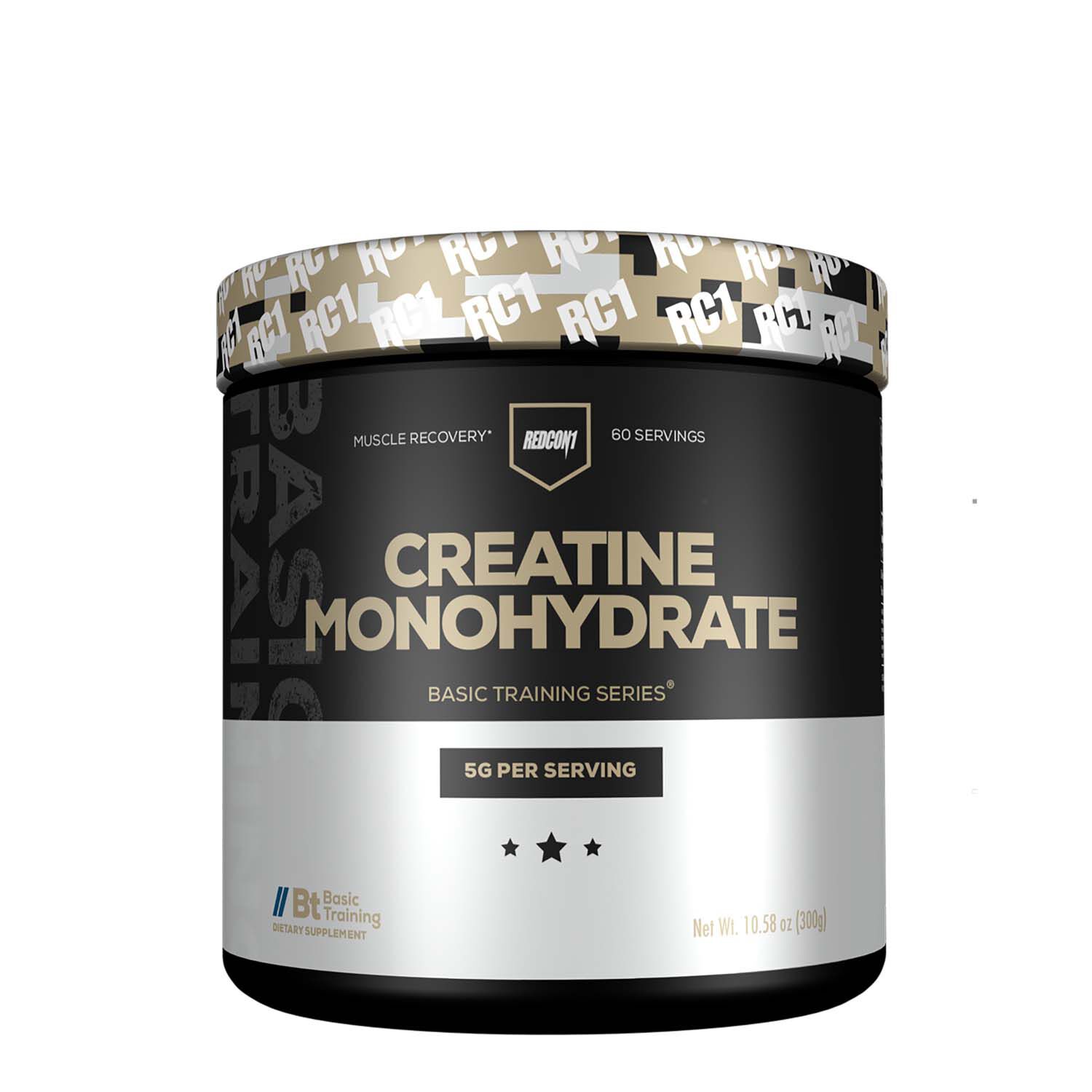
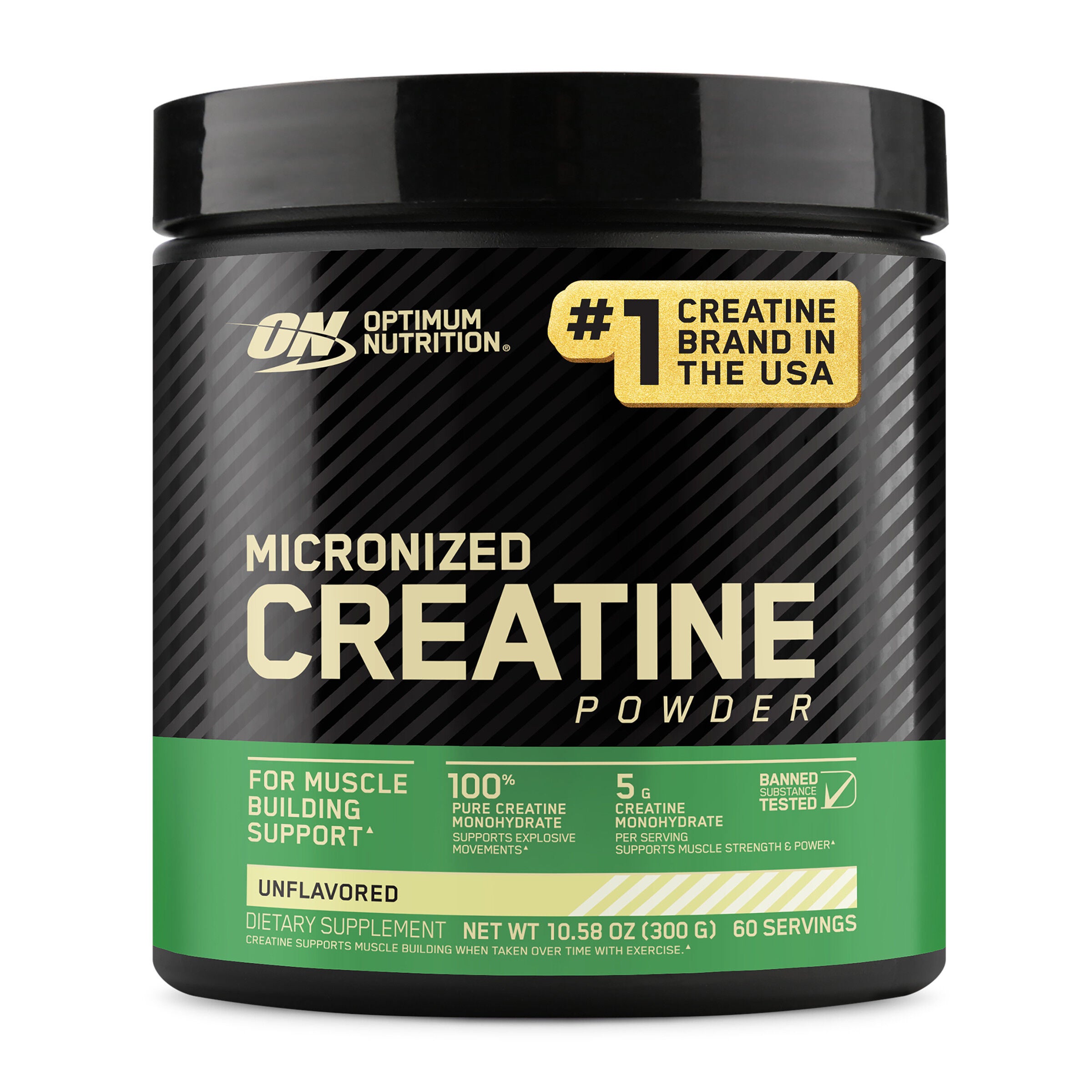
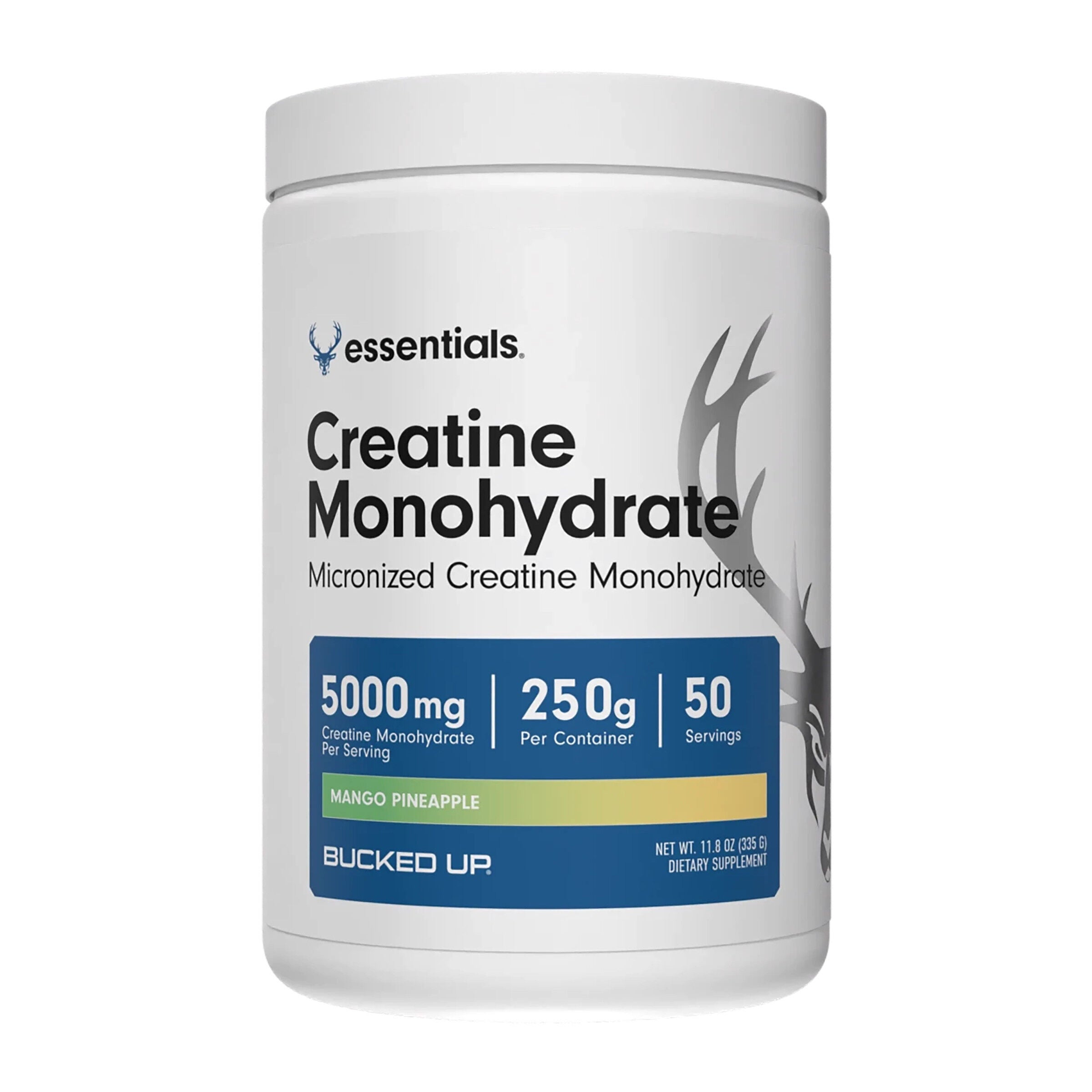
Creatine supplements for fitness goals fit into routines built around purposeful training, whether that means barbell sessions before work, weekend strength workouts, or short bursts of effort on an indoor bike. Creatine is a compound found naturally in the body and in foods such as meat and fish. As a supplement, it may support performance during repeated, high-intensity exercise and may complement strength and muscle-building goals when paired with resistance training. That makes this category particularly relevant to adults whose workouts include squats, presses, rows, sprints, and other demanding efforts separated by periods of rest. The connection is less about the season on the calendar and more about the kind of training someone plans to keep doing as schedules and weather change. A routine that started with outdoor sessions can carry into the cooler months with a familiar gym bag, a written training plan, and a supplement format that fits everyday habits. Creatine monohydrate is a widely studied form and a common starting point for comparing products in this category. Other forms include creatine hydrochloride, often labeled creatine HCl, while micronized creatine generally refers to powder processed into smaller particles rather than an entirely different ingredient. Those distinctions matter when two containers look similar but list different forms, serving sizes, or ingredient combinations. A straightforward creatine powder and a flavored training blend can occupy the same shelf while serving different preferences. Someone who already has a preferred protein shake might gravitate toward an unflavored option; someone who prefers a separate drink might appreciate a flavor that works with water. Neither approach needs to turn an ordinary training day into an elaborate ritual. The practical appeal lies in finding a format that suits an established routine, with clear labeling and an ingredient list that matches the shopper’s preferences. Performance outcomes can vary, and a supplement is only one part of a broader picture that includes training, meals, and rest.
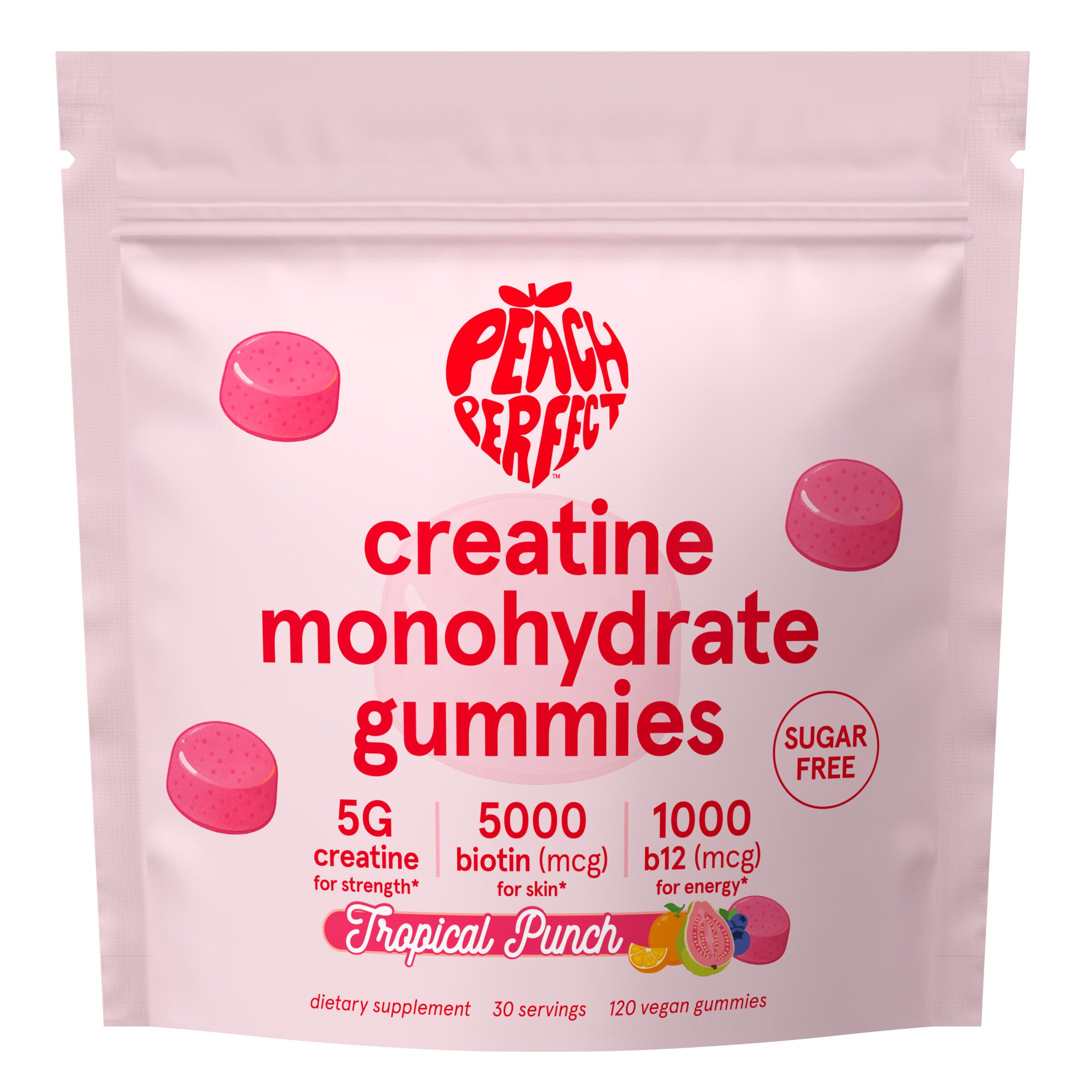
Powders, capsules, and chewable formats offer different experiences, so the best fit often comes down to what happens between opening the container and heading out the door. Powder involves measuring and mixing, which can suit someone who already keeps a shaker beside the coffee maker or packs a drink for an after-work gym visit. Unflavored does not necessarily mean tasteless, and texture can vary with the formula, liquid, and mixing method. Micronized powder has finer particles, but that description alone does not establish a different amount of creatine per serving or a superior training outcome. Flavored powders may include sweeteners, colors, and other ingredients that deserve the same attention as the creatine itself. Capsules avoid the mixing step, although one labeled serving can consist of several capsules rather than just one. Chewable options have their own serving counts, textures, and ingredient profiles, including possible added sugars or sweeteners. Comparing the amount of creatine per labeled serving is more useful than comparing scoop size, capsule count, or the visual size of a container alone. Net weight includes everything in the formula, so a larger serving of a blend does not necessarily contain more creatine than a smaller serving of a simpler powder. For shoppers with dietary preferences, details such as capsule materials, gelatin, animal-derived ingredients, and allergen statements can help narrow the selection. Clearly identified independent testing is another useful detail, particularly for athletes whose organizations have specific ingredient rules. The scope of that testing matters: a label statement about ingredient verification is not automatically the same as testing against a sports organization’s prohibited-substance list. Clear serving information, readable ingredient amounts, and accessible storage directions make comparisons more straightforward. A single-ingredient format can be appealing for someone who wants to keep creatine separate from other supplements, while a blend calls for a closer look at every component. Familiar flavors and convenient packaging can matter, but they do not replace the information on the label.
Intended use also helps distinguish creatine supplements from neighboring categories. Creatine is not a protein powder or a calorie-focused shake, and those categories are not interchangeable simply because they appear in similar tubs. Protein powders provide protein, while mass gainers generally combine protein with carbohydrates and other ingredients in a more calorie-focused format. Creatine supplements center on creatine, although blends can contain additional ingredients. Shoppers comparing those different approaches can also explore Mass Gainers For July Fitness Goals for a related category with a different nutritional emphasis. For an adult who already enjoys regular meals and an established lifting schedule, the shopping decision might center on a plain powder with clearly stated creatine content. For someone who commutes directly from the office to the gym, capsules might be the preferred format because they require no shaker or mixing liquid. In either case, the labeled directions matter more than copying another person’s scoop size or serving schedule. Package design and care also deserve attention, especially when supplements travel between a kitchen cabinet, a locker, and a gym bag. A secure closure, a readable label, and a container that fits the intended storage space are useful everyday details. Powder containers belong in the storage conditions described on their labels, with lids closed and measuring utensils kept dry. A damp scoop or a loosely closed lid can introduce moisture, while leaving packaging in a hot car can expose it to conditions outside its stated storage directions. Portable formats still need the same attention to handling and expiration dates. These are practical considerations for personal use and for gifts, although supplements are a more personal choice than a shaker or workout towel. A gift recipient’s preferred format, flavor, dietary preferences, and existing routine should be familiar before selecting something they will consume. Across the category, thoughtful comparisons come back to a few tangible details: the creatine form, the amount per serving, the other ingredients, the testing information, and how the packaging fits daily life. Those details remain relevant as outdoor workouts move indoors and fitness plans become lasting habits.
Best Sellers
-
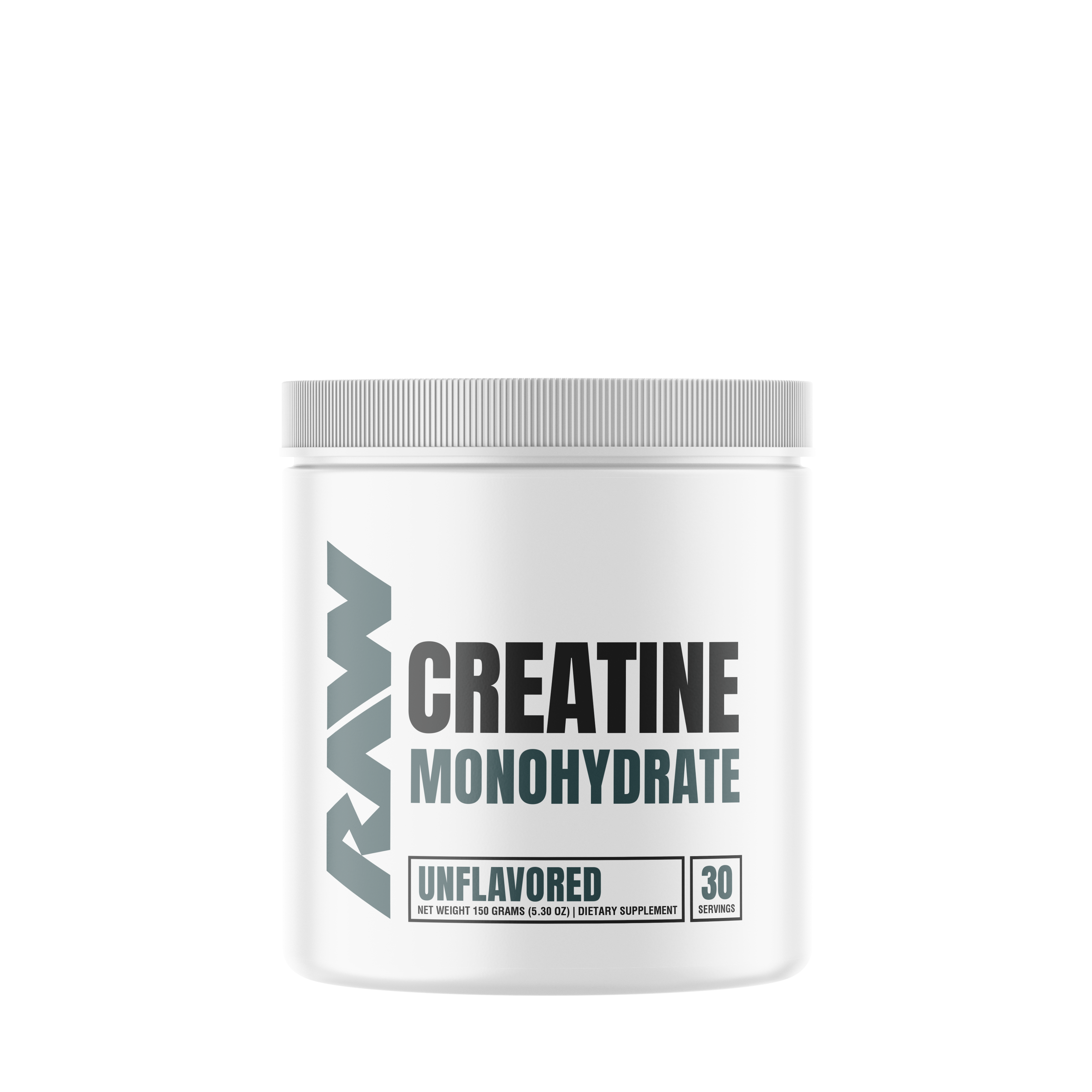 Raw Nutrition
 -
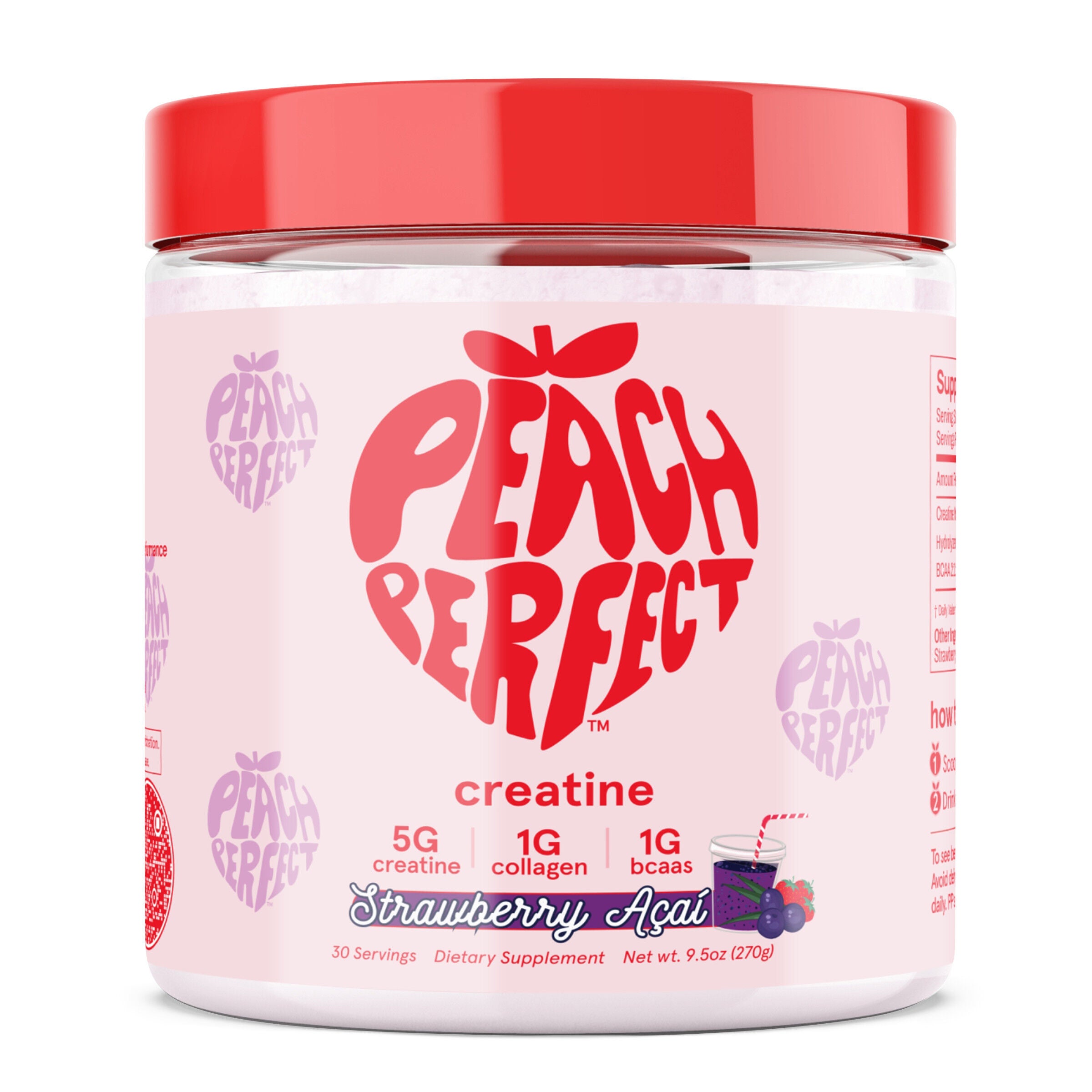
Peach Perfect
-
Peach Perfect