Creatine Supplements For Weightlifters
(0 Results)
Creatine supplements for weightlifters are a popular choice among those looking to support their workout routines and training goals. Whether you’re just starting out or have years of experience in the gym, creatine may be an option to consider as part of your fitness journey. Explore a wide selection designed with athletes and weightlifting enthusiasts in mind, offering convenient ways to fit creatine into your daily regimen. Find options that could complement your routine and help you stay focused on your performance objectives.
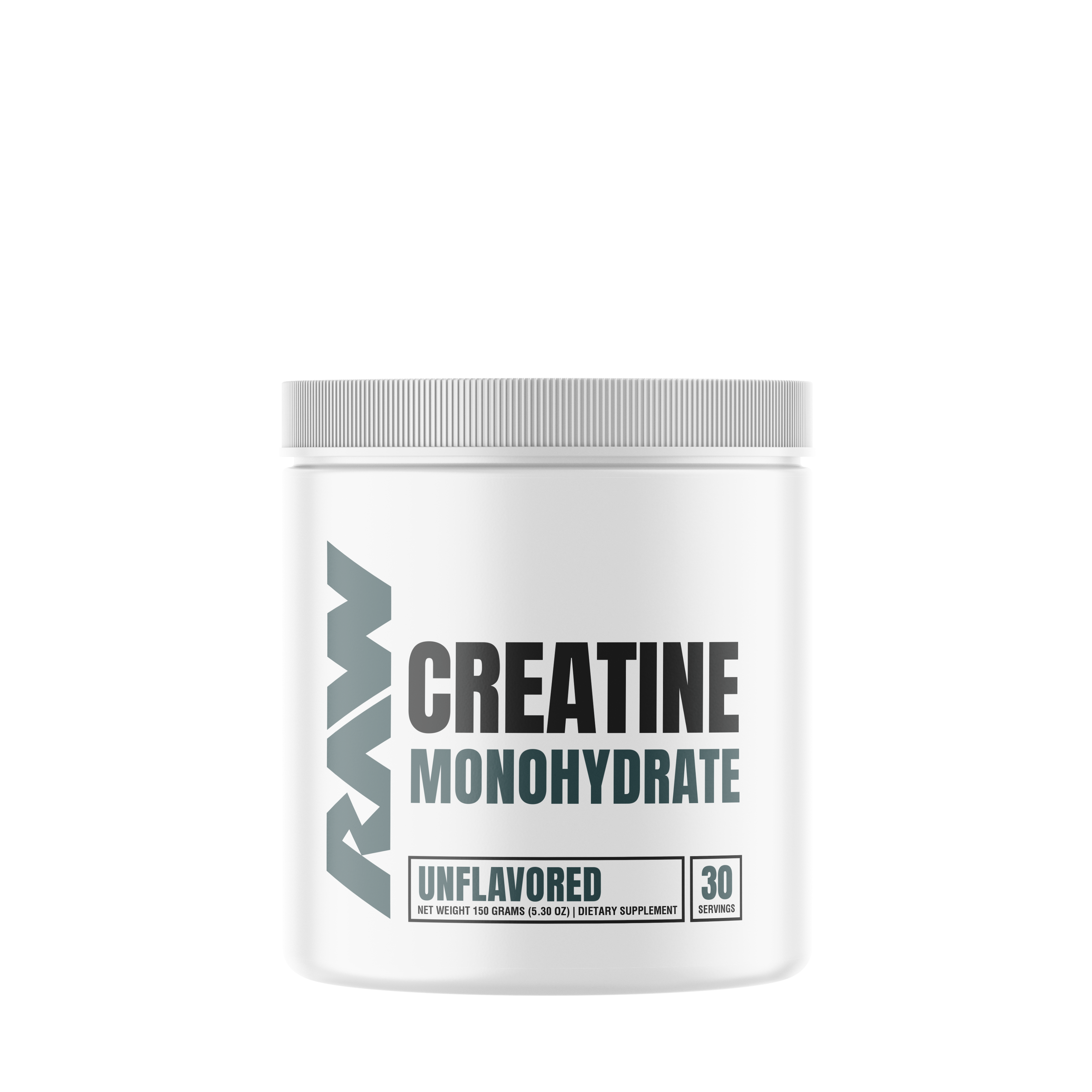
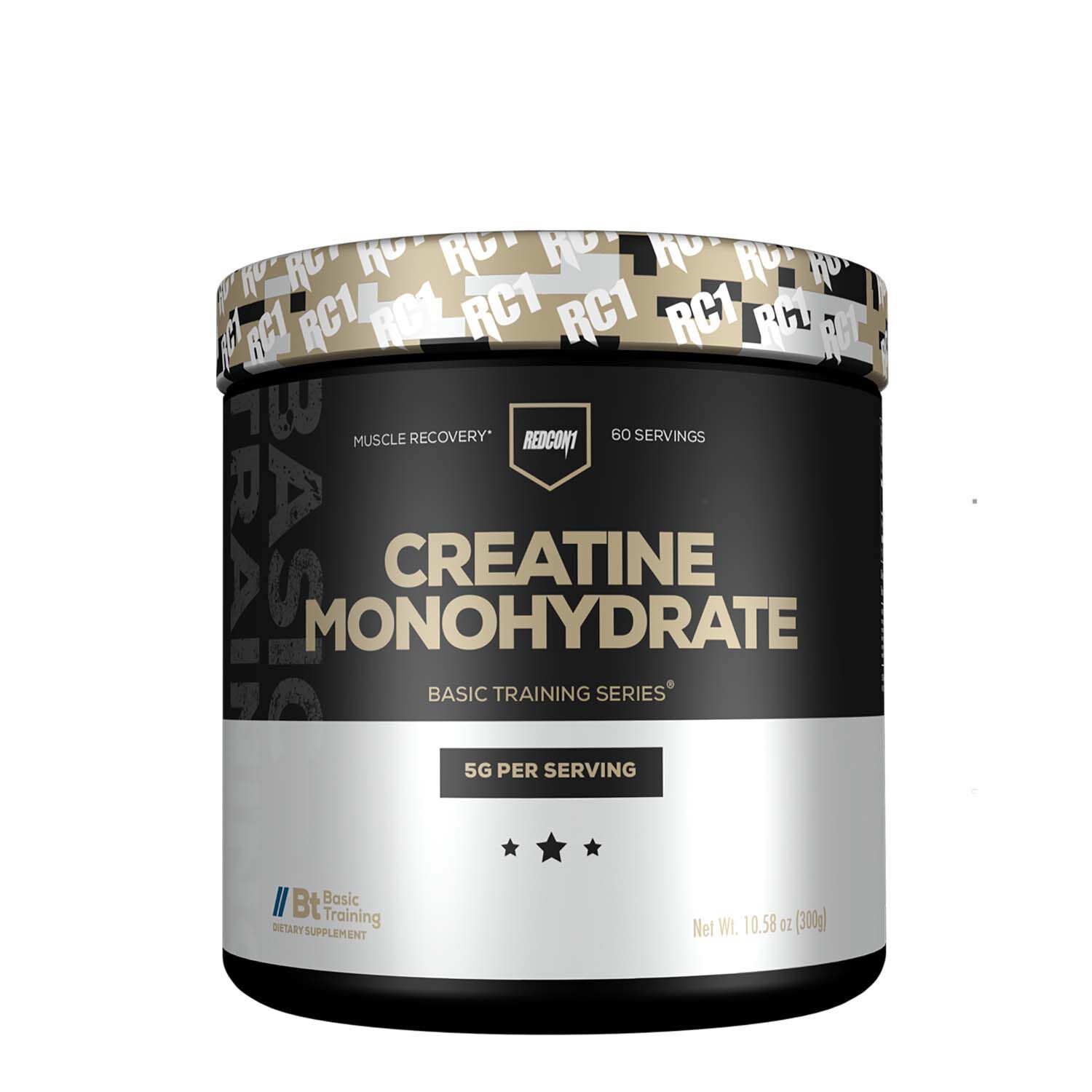


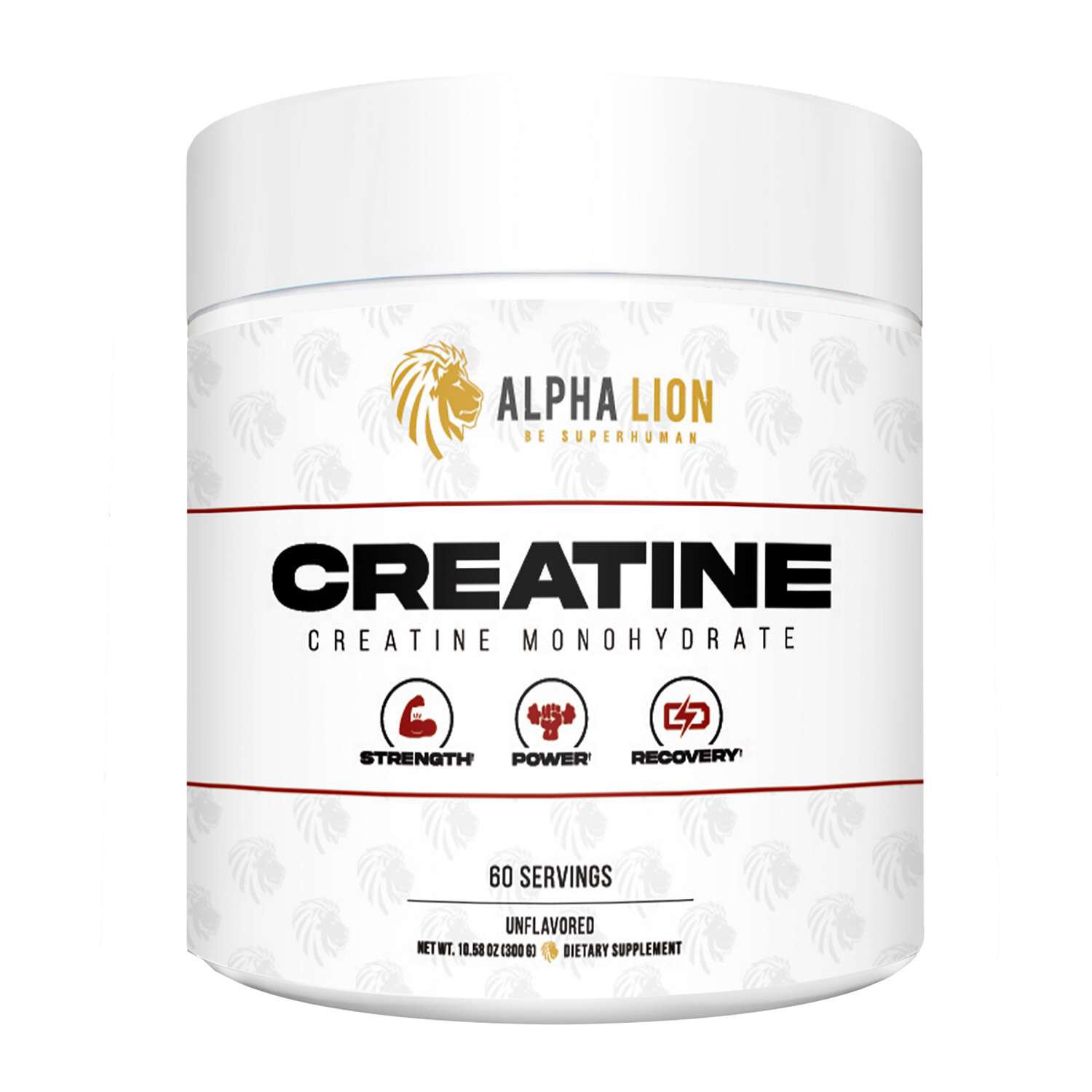





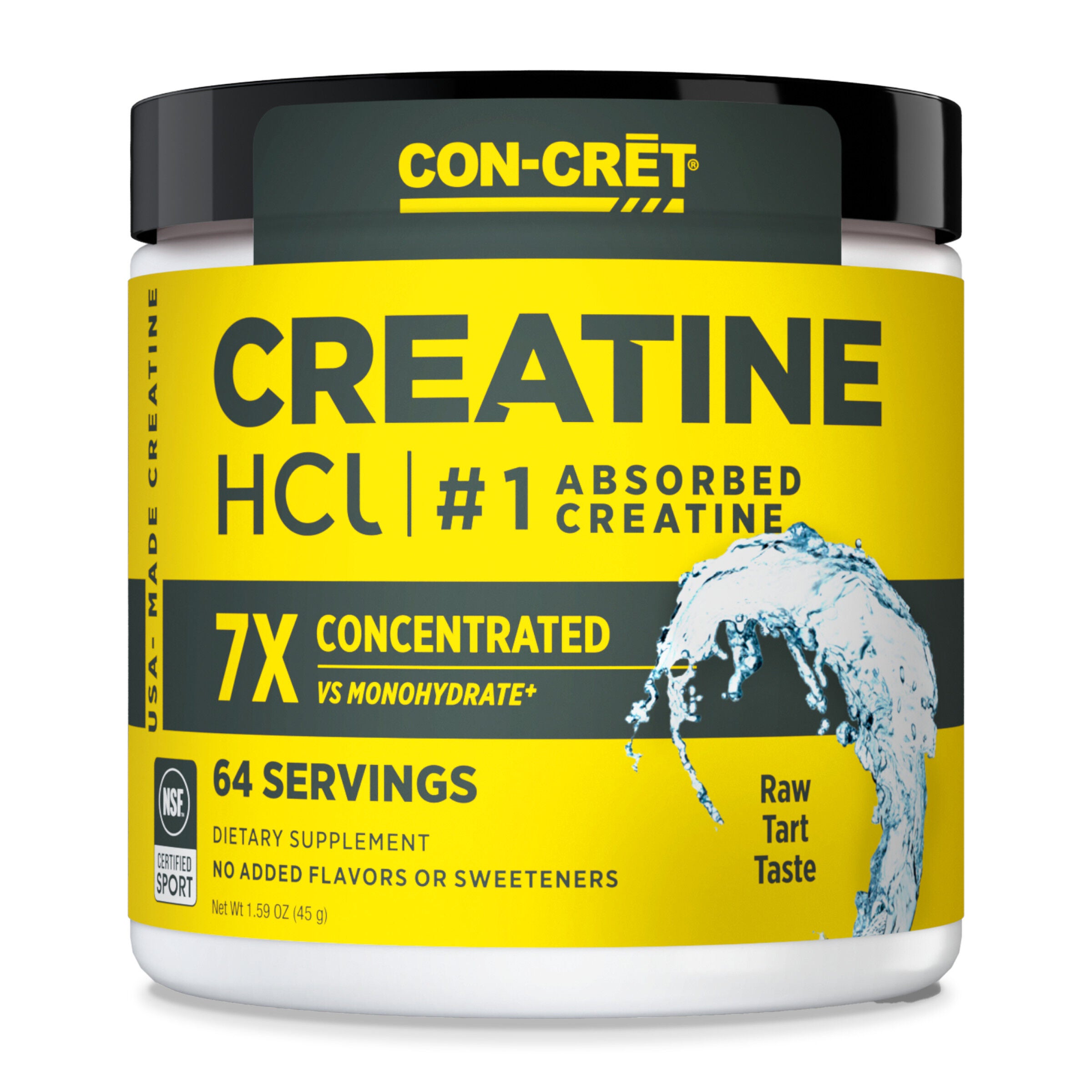


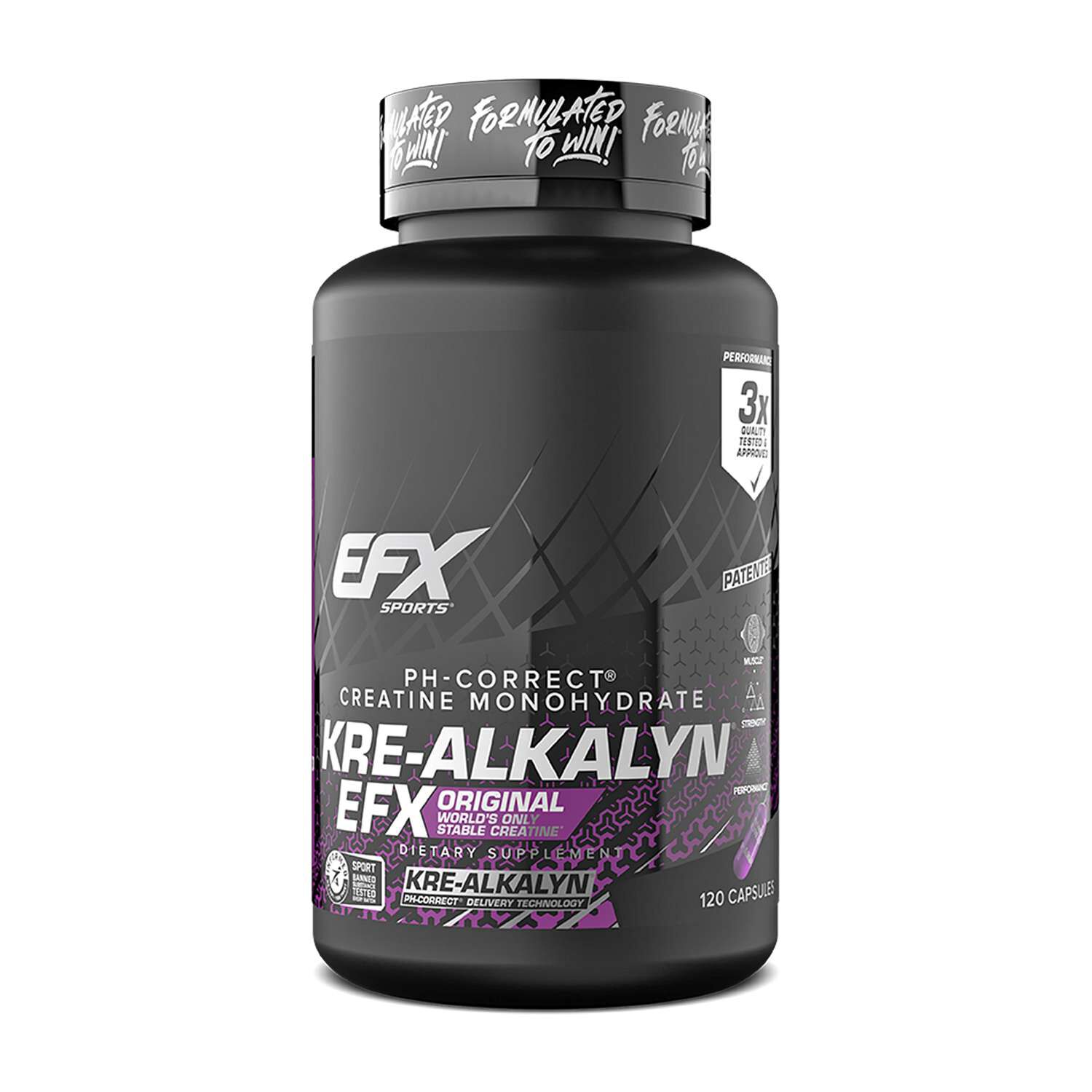


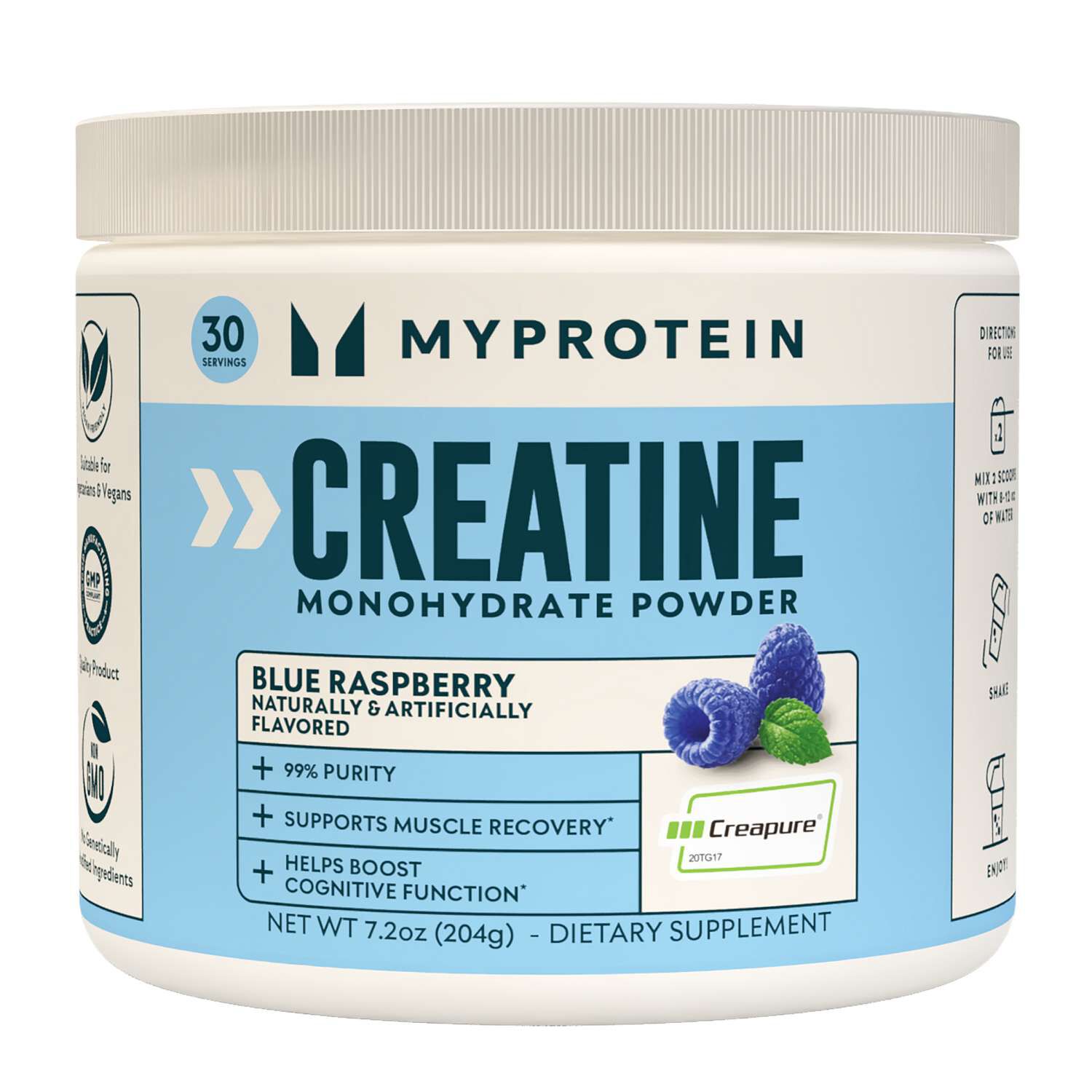
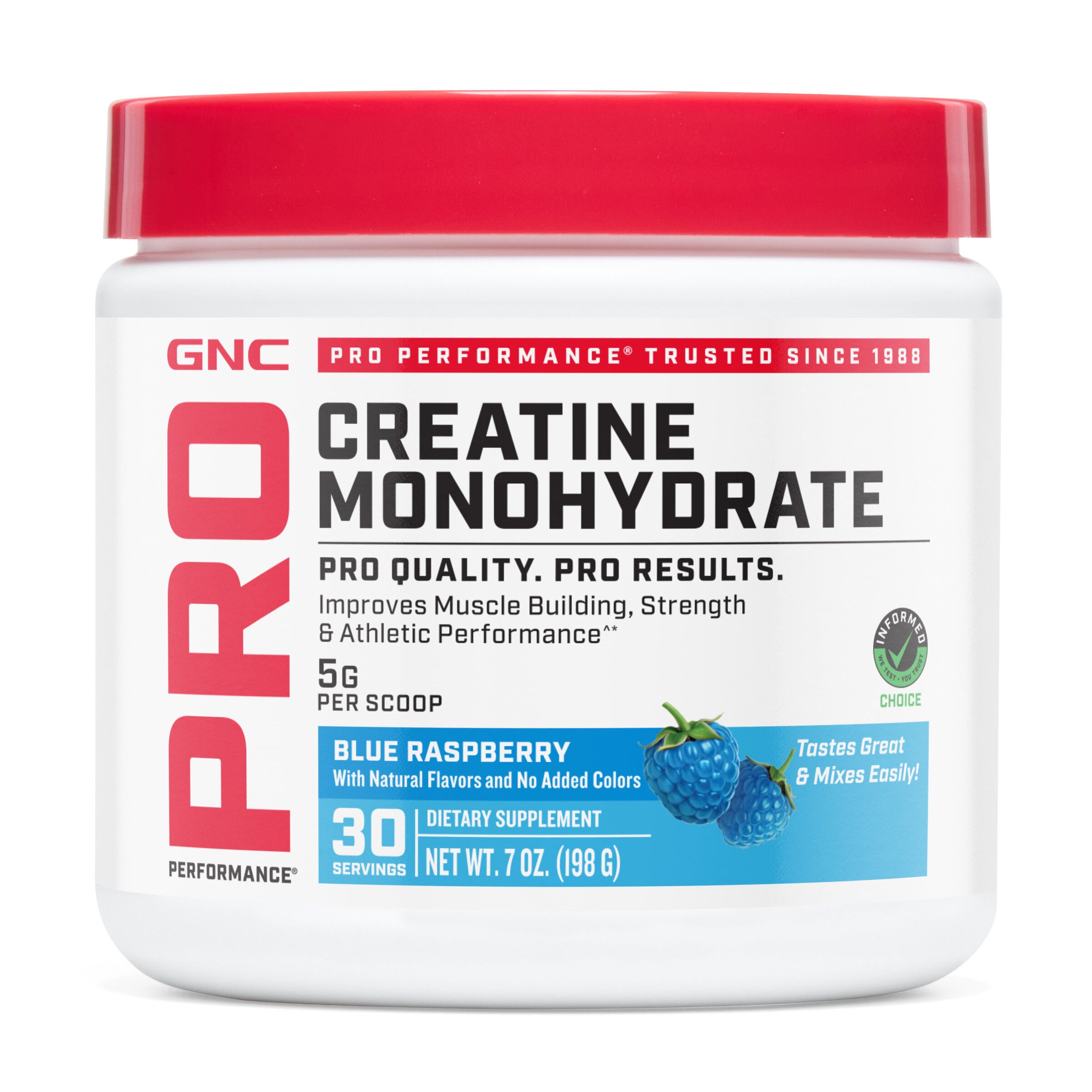
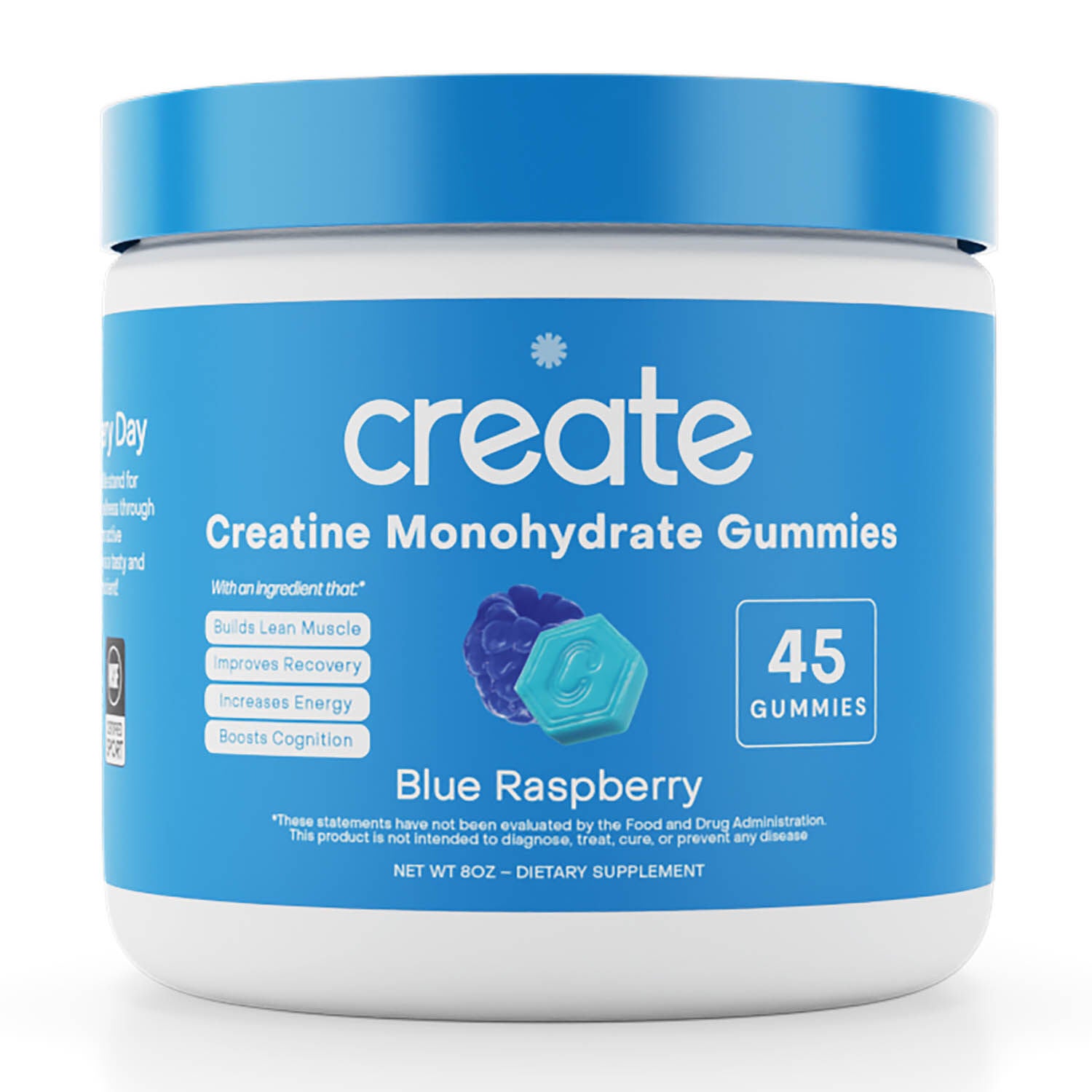
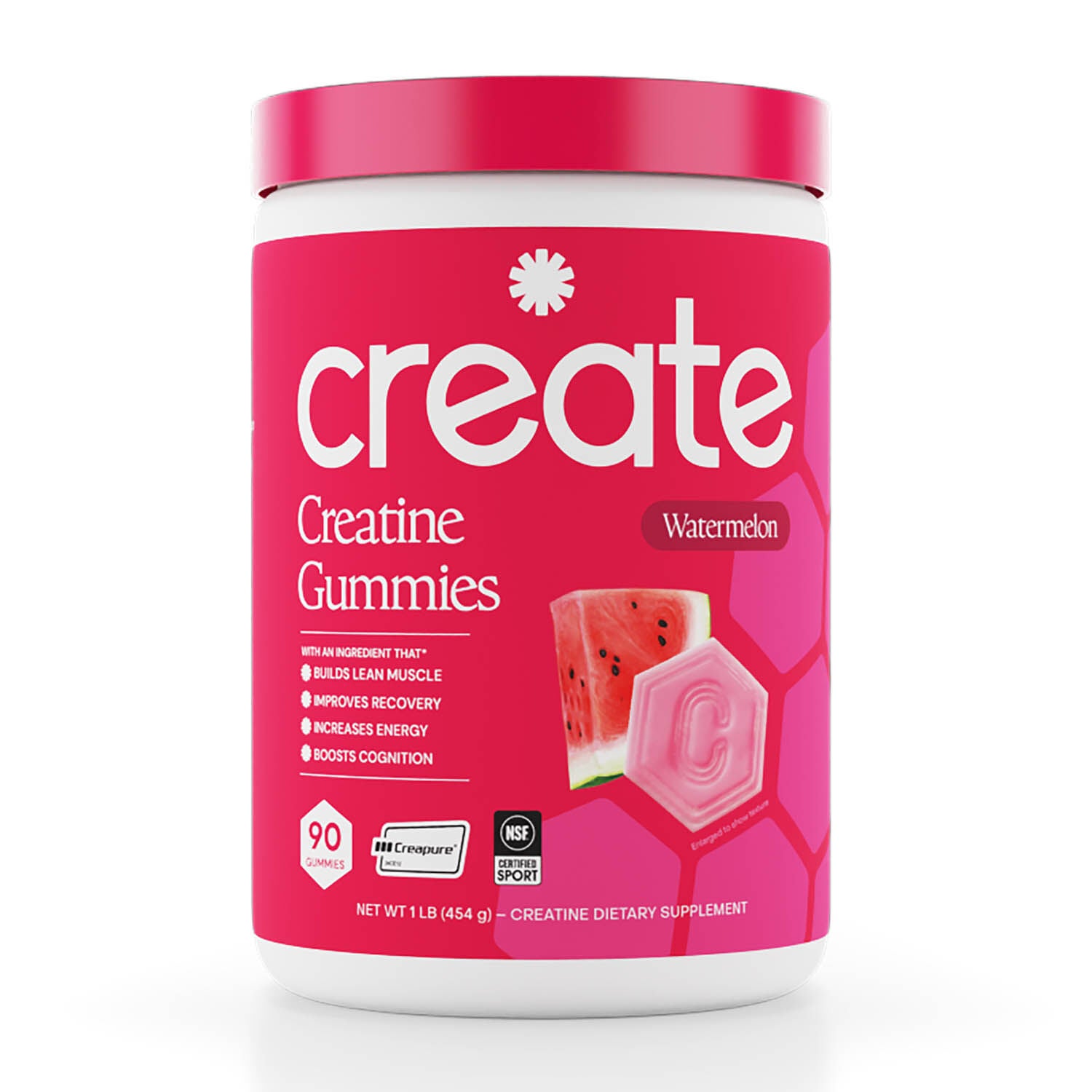
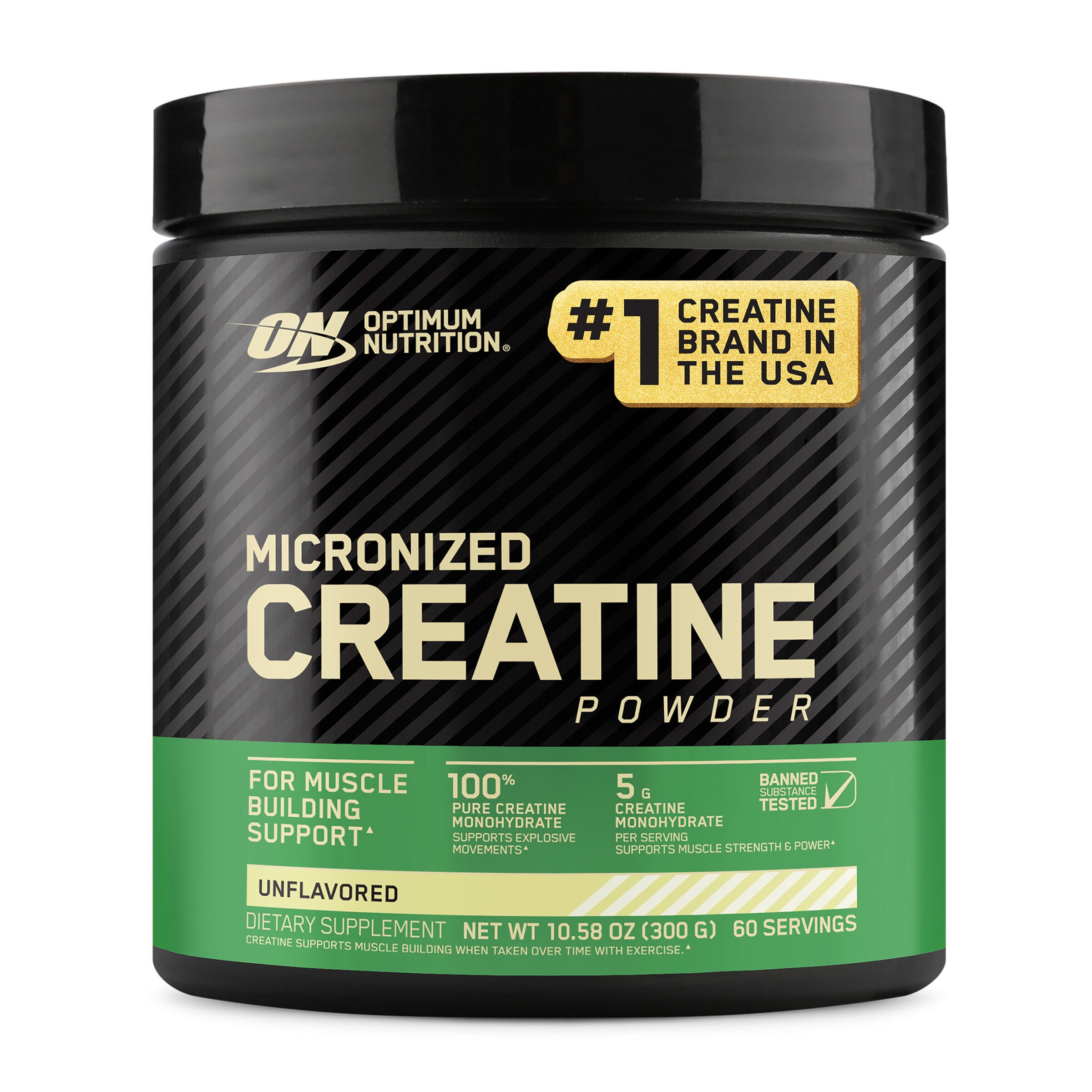
Creatine supplements for weightlifters may support strength, power, and performance during repeated bouts of short, demanding exercise. That makes the category relevant to training built around squats, presses, rows, and other movements performed in challenging sets. Creatine is a compound found naturally in the body and in foods such as meat and fish. In muscle, phosphocreatine participates in the regeneration of adenosine triphosphate, or ATP, an energy source used during muscular effort. Supplemental creatine may support this energy system and help lifters maintain performance across repeated efforts. Alongside consistent resistance training, it may also support gains in strength and muscle size over time. Those potential benefits belong in the context of a training routine rather than a single workout: exercise selection, technique, food, and rest remain part of the picture. Creatine monohydrate is a widely studied form and a familiar starting point for comparing this category. Other forms include creatine hydrochloride, often labeled creatine HCl, while some formulas combine creatine with additional ingredients. Different names do not, by themselves, establish better results, and a longer ingredient list does not necessarily make a formula more appropriate for a particular lifter. Format is another distinction. Powders allow the serving to be measured and mixed into a beverage, while capsules contain a measured amount within each capsule. Gummies provide another format, with their own serving counts, flavors, and additional ingredients. Micronized creatine refers to creatine processed into smaller particles, a physical characteristic that may affect how the powder disperses when mixed. For someone who trains at a neighborhood gym three evenings a week, the practical choice might center on a simple powder kept beside a shaker. For a lifter who goes straight from work to the weight room, a capsule format might fit more neatly into an already packed bag. The category serves both experienced lifters comparing familiar formats and newcomers seeking a straightforward addition to an established resistance-training routine.
The clearest comparisons begin with the amount of creatine supplied per serving, the form of creatine used, and the ingredients accompanying it. Creatine monohydrate serving sizes often fall between 3 and 5 grams, although the amount provided by a scoop, capsule, or gummy varies by formula. A serving is not always one capsule or one gummy, so the serving size and the creatine amount need to be read together. Likewise, the combined weight of a blend is not necessarily the amount of creatine it contains. A plainly identified creatine quantity makes comparisons more meaningful than the size of the container or the number of pieces inside. Single-ingredient powders keep the ingredient panel short, while flavored powders may include sweeteners, colors, acids, or other ingredients that affect taste and texture. Unflavored does not always mean entirely without taste, and the beverage used for mixing can influence the experience. Capsules have shell materials and sometimes other ingredients that matter to shoppers with dietary preferences. Gummies can contain sugars, sweeteners, gelatin, or plant-based gelling ingredients, depending on the formula. These details are worth considering alongside the creatine itself, especially when a supplement needs to fit an existing eating pattern. Lifters who prefer a capsule format for a squat, bench press, and deadlift routine can explore Creatine Monohydrate Capsules for Powerlifters as a related category. Competitive athletes may also place particular importance on independent testing and sport-specific certification. Testing programs have different scopes, so a recognizable seal is most useful when its stated standards are understood. Some programs assess ingredient identity and label accuracy; others also screen for substances prohibited in competition. Such details describe what was evaluated, not how much progress an individual athlete might make. For recreational lifters, similarly clear labeling can make it easier to distinguish a straightforward creatine supplement from a broader workout formula containing caffeine or other ingredients. The most useful comparison keeps the intended use in view rather than treating every formula with creatine in its name as interchangeable.
Everyday handling can matter as much as format when choosing creatine supplements for weightlifters. A wide-mouth powder container may be easier to measure from on a kitchen counter, while a compact capsule bottle takes up less room beside lifting straps, a notebook, and a shaker. Container size, lid design, and serving count all contribute to how a supplement fits into a training routine. Powder texture also deserves attention: a beverage can contain some settled particles even after stirring, and mixing characteristics differ among formulas. The directions on the label provide the relevant serving and preparation information for that formula; a scoop from a different container is not a reliable substitute for the supplied measure. Storage is similarly practical. A tightly closed container, a dry scoop, and protection from moisture help preserve the contents as intended. Original packaging keeps the ingredient panel, serving directions, lot information, and expiration date together, which is useful when a bottle moves between a pantry and a gym bag. Leaving a container open beside a sink or tossing a loose scoop into a damp shaker adds unnecessary handling challenges. For travel, packaging that closes securely may be more useful than a large tub that rarely leaves home. A lifter who already enjoys mixing a shake may prefer powder, while someone who dislikes carrying drink containers may prefer capsules. Neither preference establishes a different training outcome on its own. Potential results may vary with the individual and the broader training routine, and a supplement cannot replace thoughtful programming or regular meals. If creatine is being considered as a gift for a training partner, their preferred format, dietary requirements, and existing supplement choices are more useful reference points than a guess based on how often they lift. A well-matched choice connects clear ingredient information with manageable preparation and storage, whether the intended setting is a home rack, a busy commercial gym, or a powerlifting training session.
- Q: What is creatine and how does it support weightlifting performance?
A: Creatine is a naturally occurring compound found in muscle cells that helps produce energy during high-intensity exercise. For weightlifters, creatine supplementation can help increase the availability of ATP, the primary energy source for muscle contractions, supporting improved strength and power output during workouts. - Q: How should creatine supplements be taken to maximize benefits for weightlifters?
A: Many weightlifters follow a loading phase of 20 grams per day for 5-7 days, split into multiple doses, followed by a maintenance phase of 3-5 grams daily. However, some choose to skip the loading phase and take a consistent daily dose. It's best to mix creatine with water or a carbohydrate-rich beverage for optimal absorption. - Q: Are there different types of creatine supplements available for weightlifters?
A: Yes, several forms of creatine are available, including creatine monohydrate, micronized creatine, creatine hydrochloride (HCl), and buffered creatine. Creatine monohydrate is the most researched and widely used form among weightlifters. - Q: Can creatine supplements be stacked with other workout supplements?
A: Creatine is often combined with other supplements such as protein powders, branched-chain amino acids (BCAAs), or pre-workout formulas. Stacking can help support overall workout performance and recovery, but it's important to follow recommended serving sizes. - Q: Is it necessary to cycle on and off creatine supplements for weightlifting?
A: There is no strict requirement to cycle on and off creatine; many weightlifters use it continuously without breaks. However, some prefer cycling to assess their progress or reset their supplementation routine.
Best Sellers
-
 Create Wellness