

Creatine Supplements For Athletes
(0 Results)
Enhance your athletic performance and power up your workouts with our selection of top-quality creatine supplements designed for athletes. Whether you're looking to crush your personal bests in strength training or seeking that extra edge on game day, incorporating creatine into your supplement regimen can help take your performance to new heights. Discover our range of creatine options tailored to meet your athletic goals and elevate your fitness journey today.

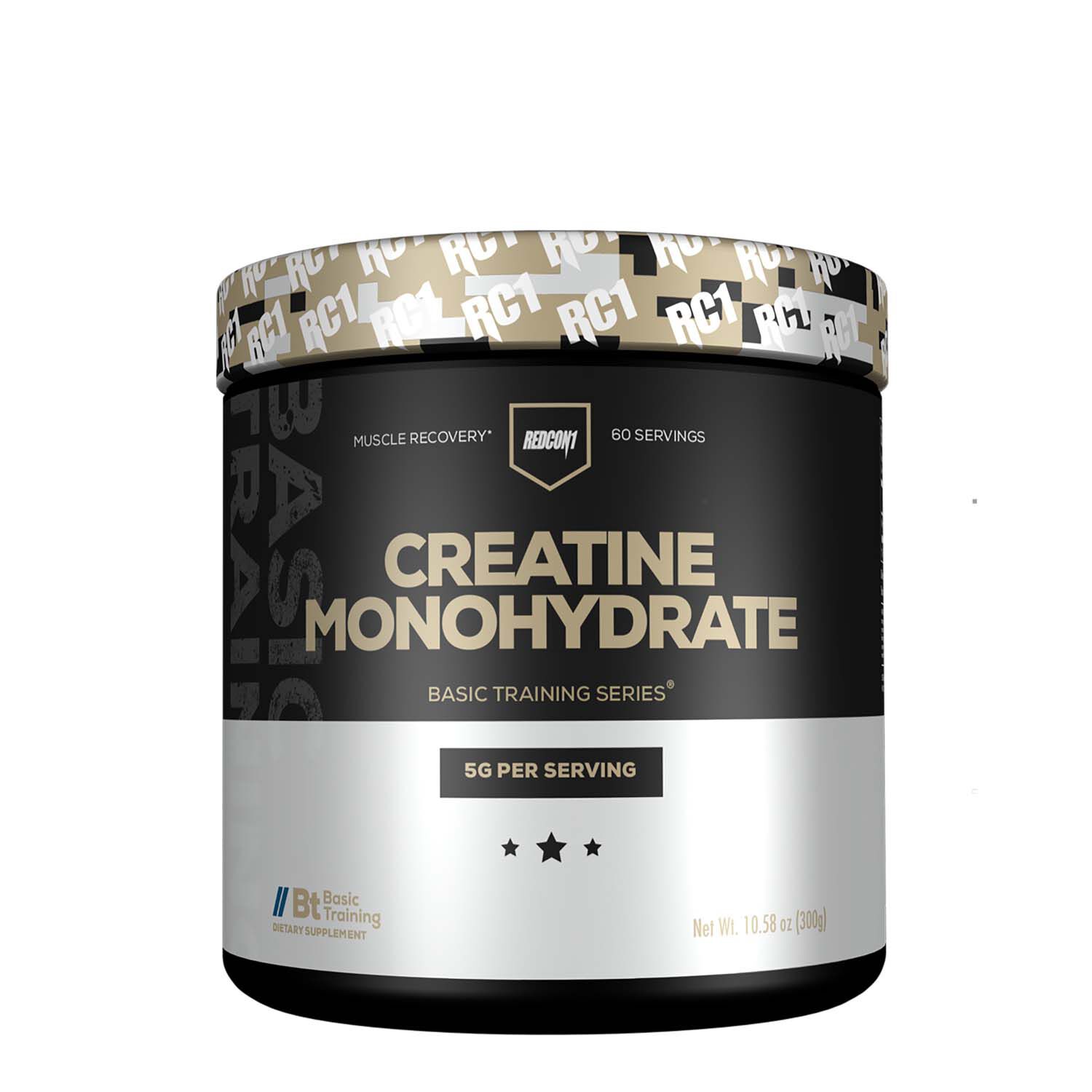

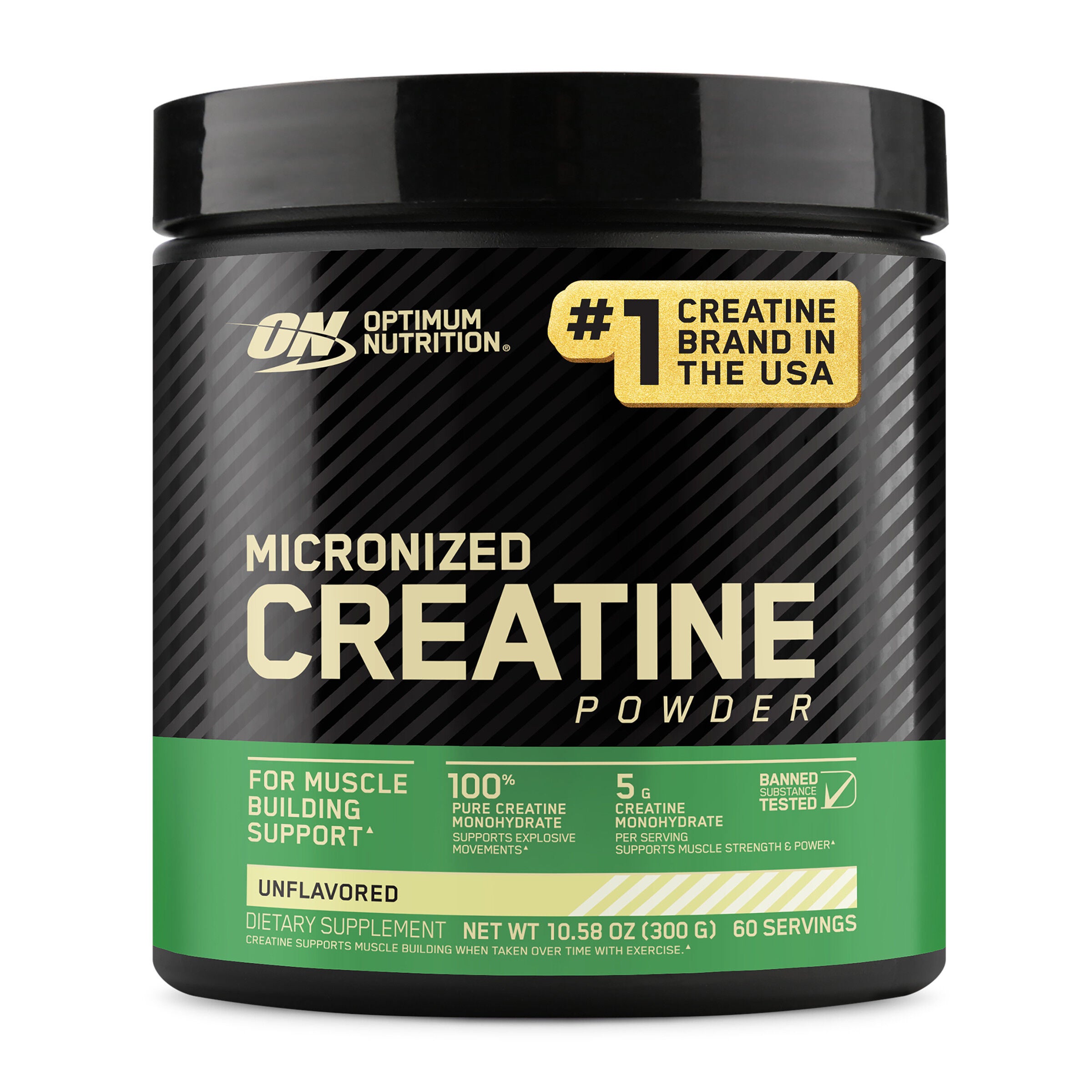


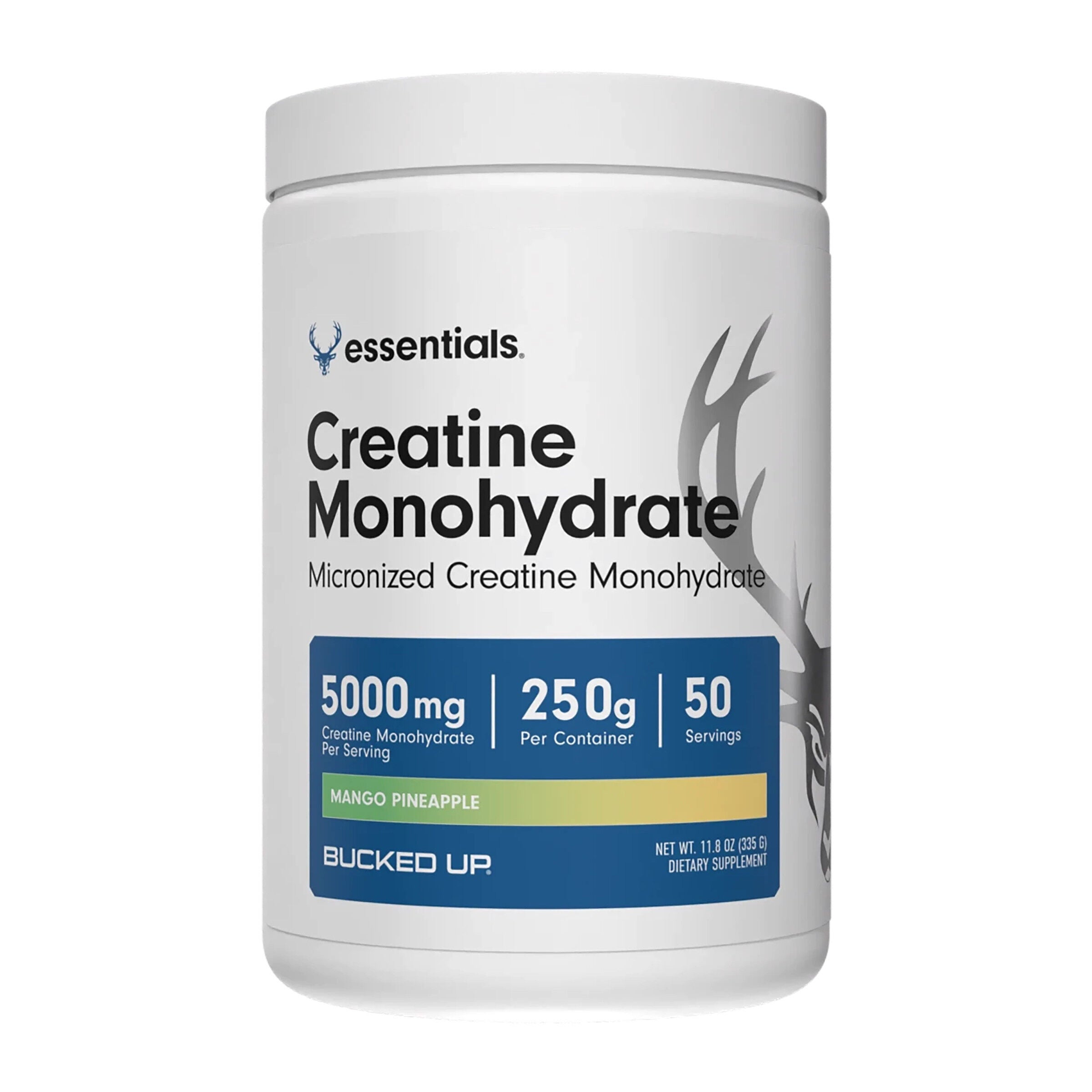

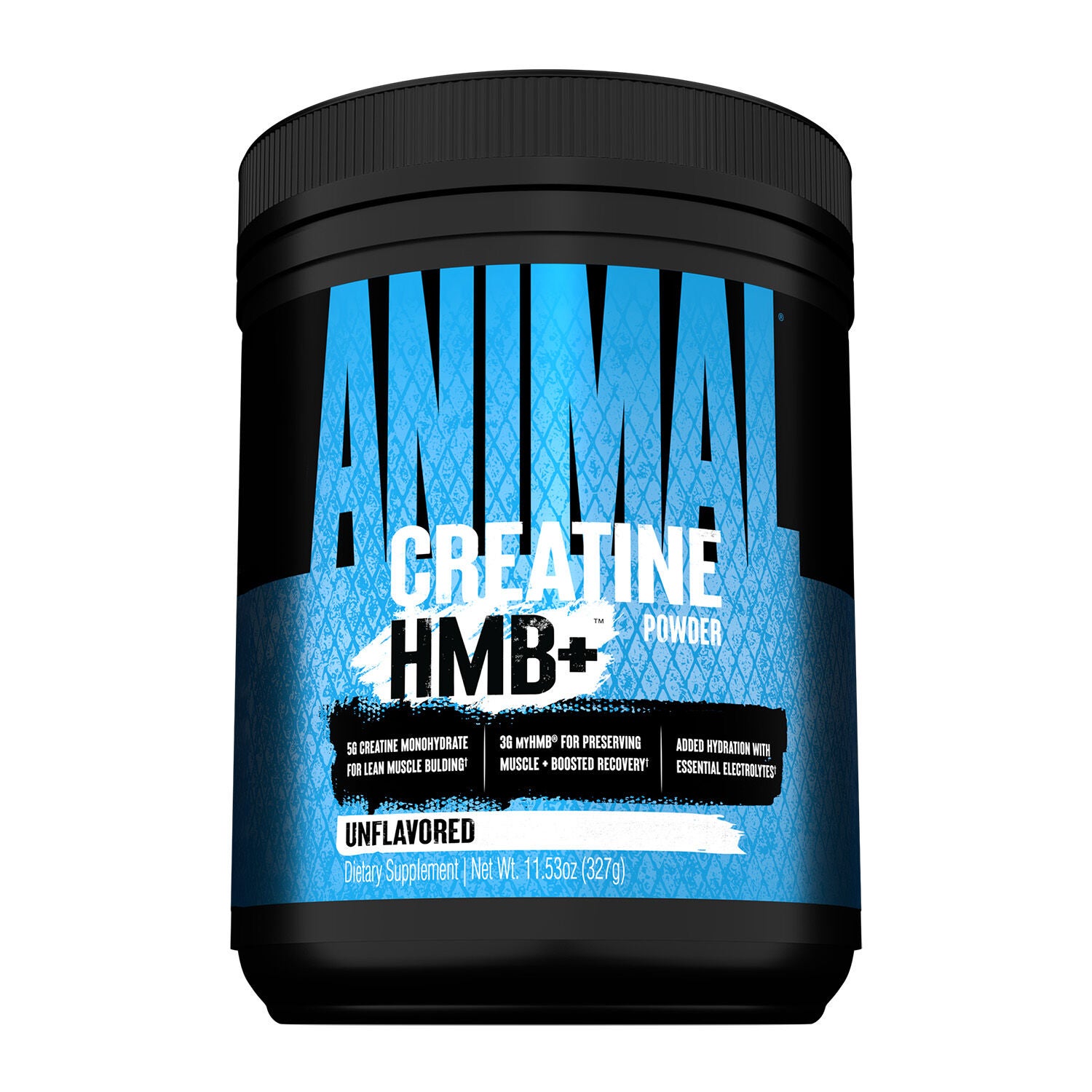
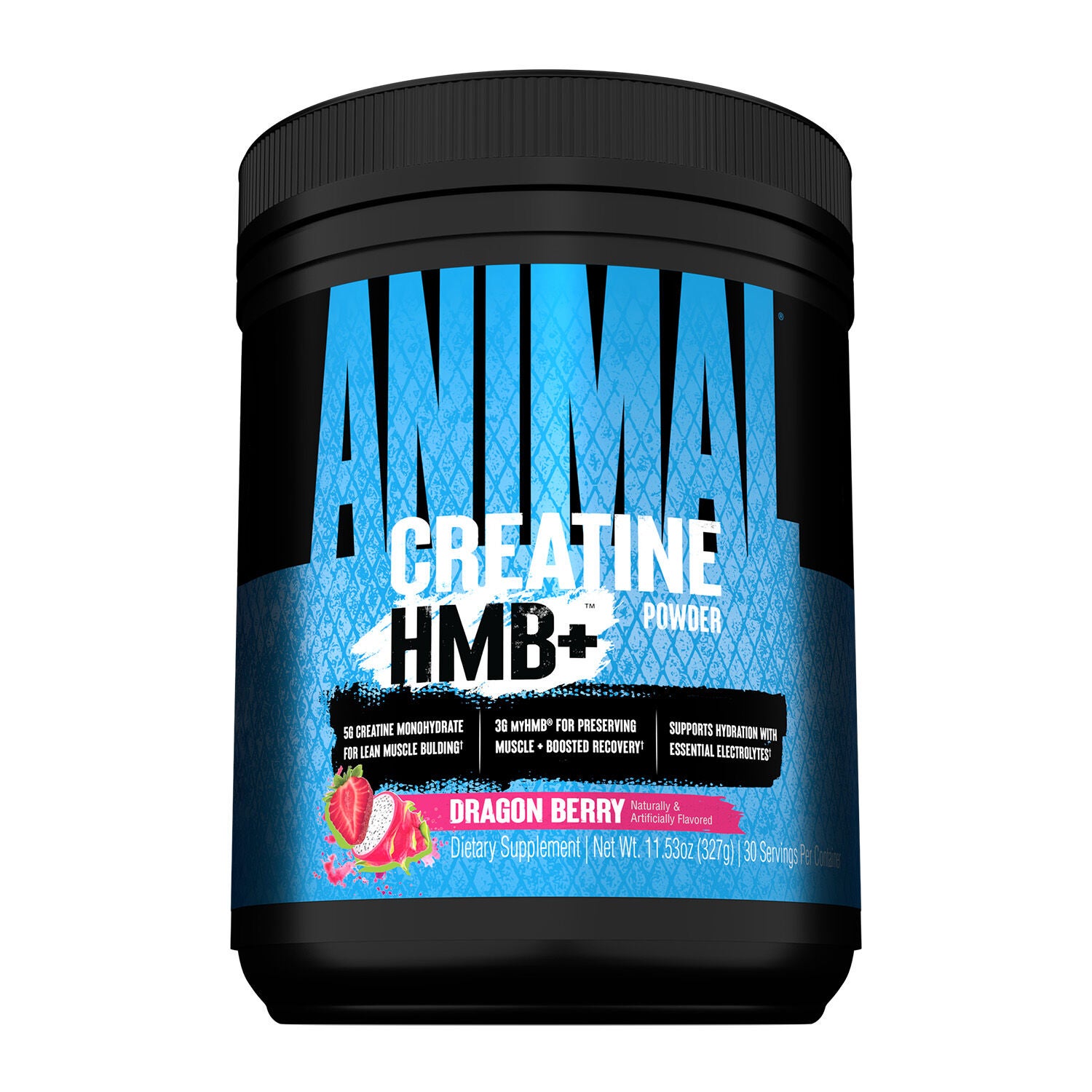


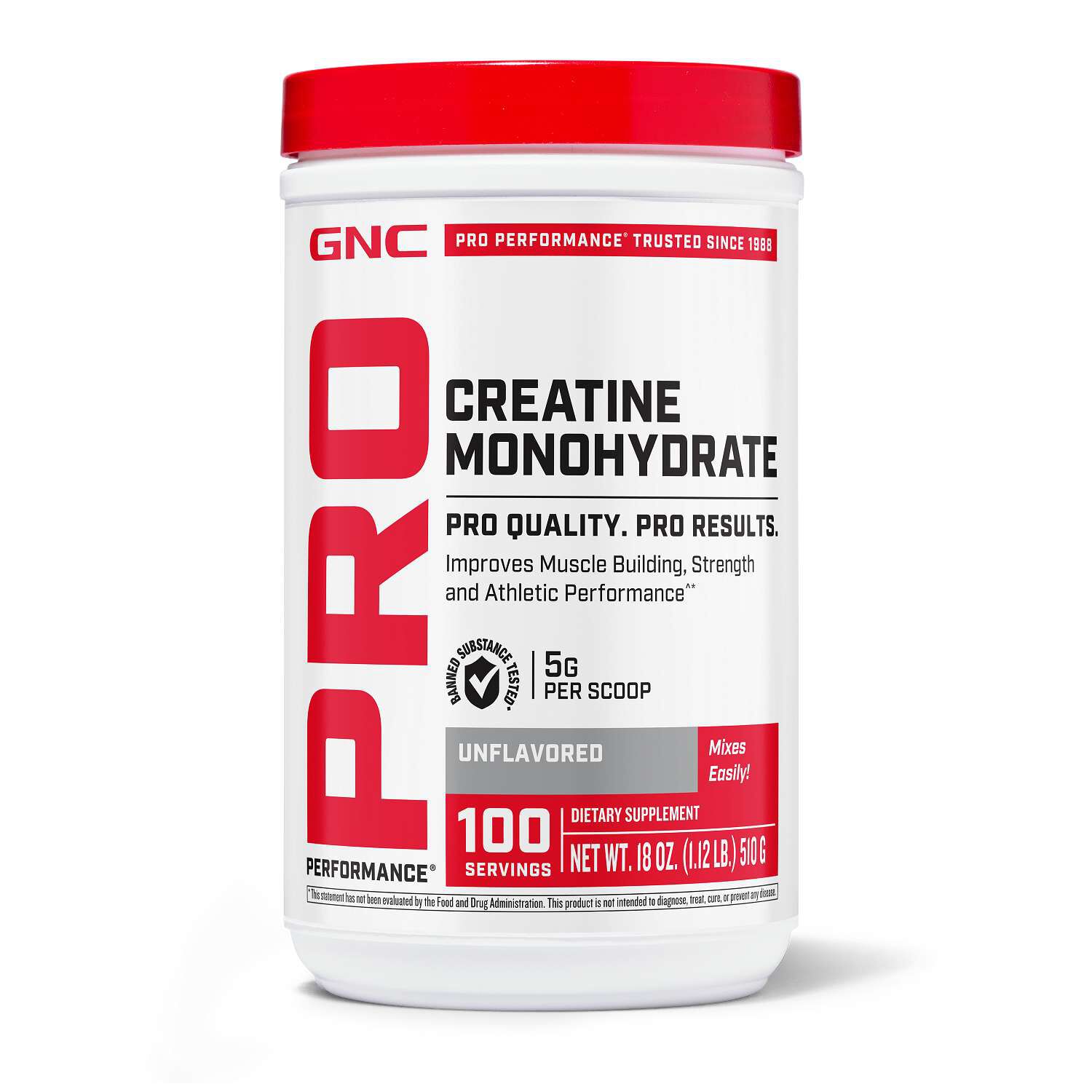


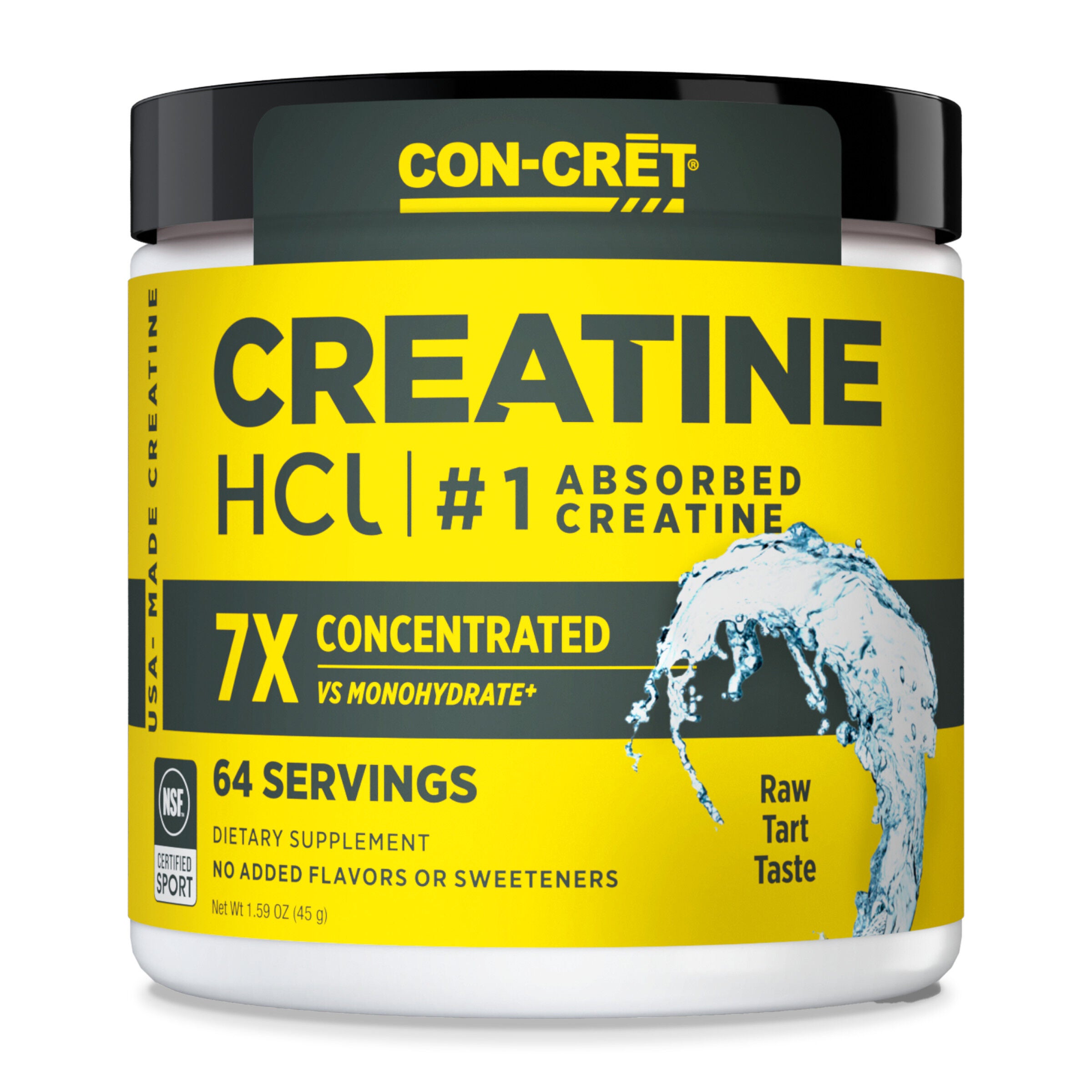


Creatine supplements for athletes are designed for sports nutrition routines that include strength work, sprinting, jumping, and other brief, demanding efforts. Creatine is a compound found naturally in the body and in foods such as meat and fish, with much of the body’s creatine stored in muscle. As a supplement, it may support the rapid recycling of adenosine triphosphate, or ATP, which supplies energy for muscular work. That role makes creatine relevant to the heavy repetitions of a squat session, a hard acceleration across the field, or repeated efforts on a rowing machine. When paired with consistent resistance training, creatine supplementation may support strength, power, and gains in lean muscle mass over time. Those potential benefits differ from the immediate sensation associated with a caffeinated pre-workout; creatine is not a stimulant, and a noticeable rush is not the measure of its purpose. Creatine monohydrate is the most extensively studied form for exercise performance and a familiar starting point when comparing this category. Other forms appear in sports nutrition formulas, but a different name alone does not establish a better fit for an athlete’s goals. The amount of creatine per labeled serving, the other ingredients, and the format all provide more useful context for a purchase. These supplements may suit adult recreational lifters, competitive strength athletes, and team-sport participants whose schedules combine skill practice with demanding gym sessions. Their relevance is particularly clear for activities built around repeated, high-intensity efforts rather than a single steady pace. Results can vary with training experience, eating habits, and the demands of the sport, so creatine belongs in the context of a broader routine that includes meals, hydration, and rest. For an athlete moving between early practice, a workday, and an evening lifting session, the most practical choice is often a straightforward formula with a serving format that fits that schedule.
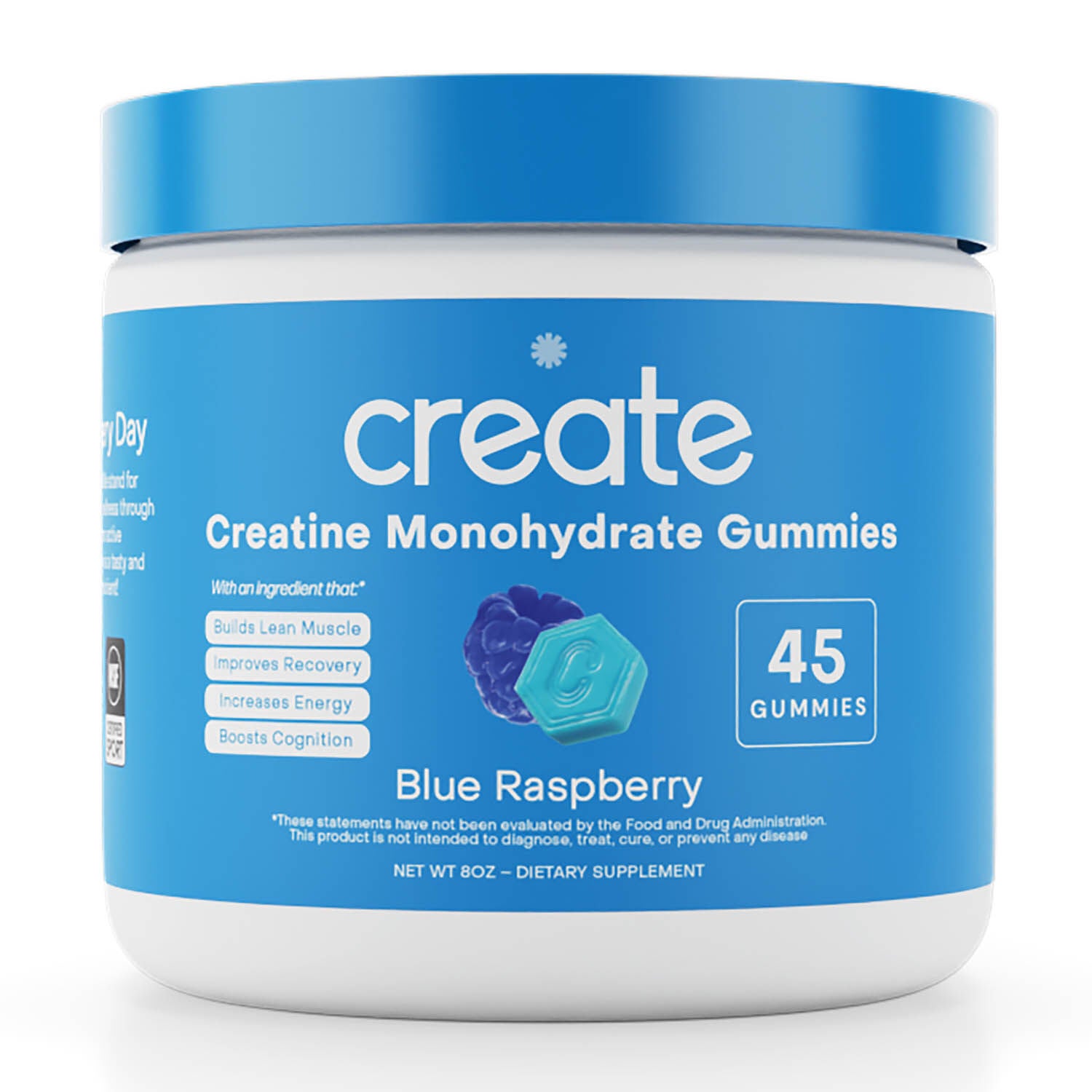
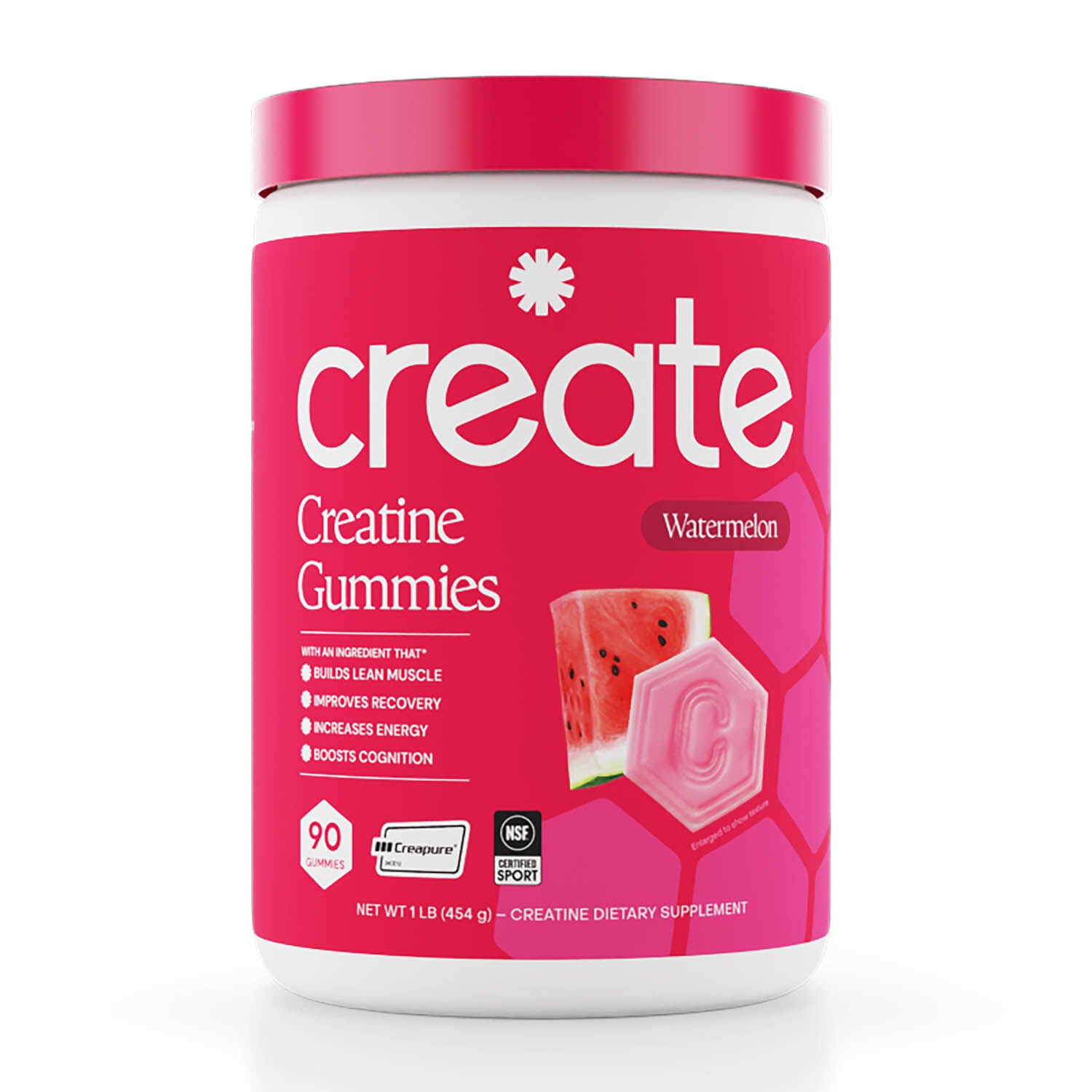
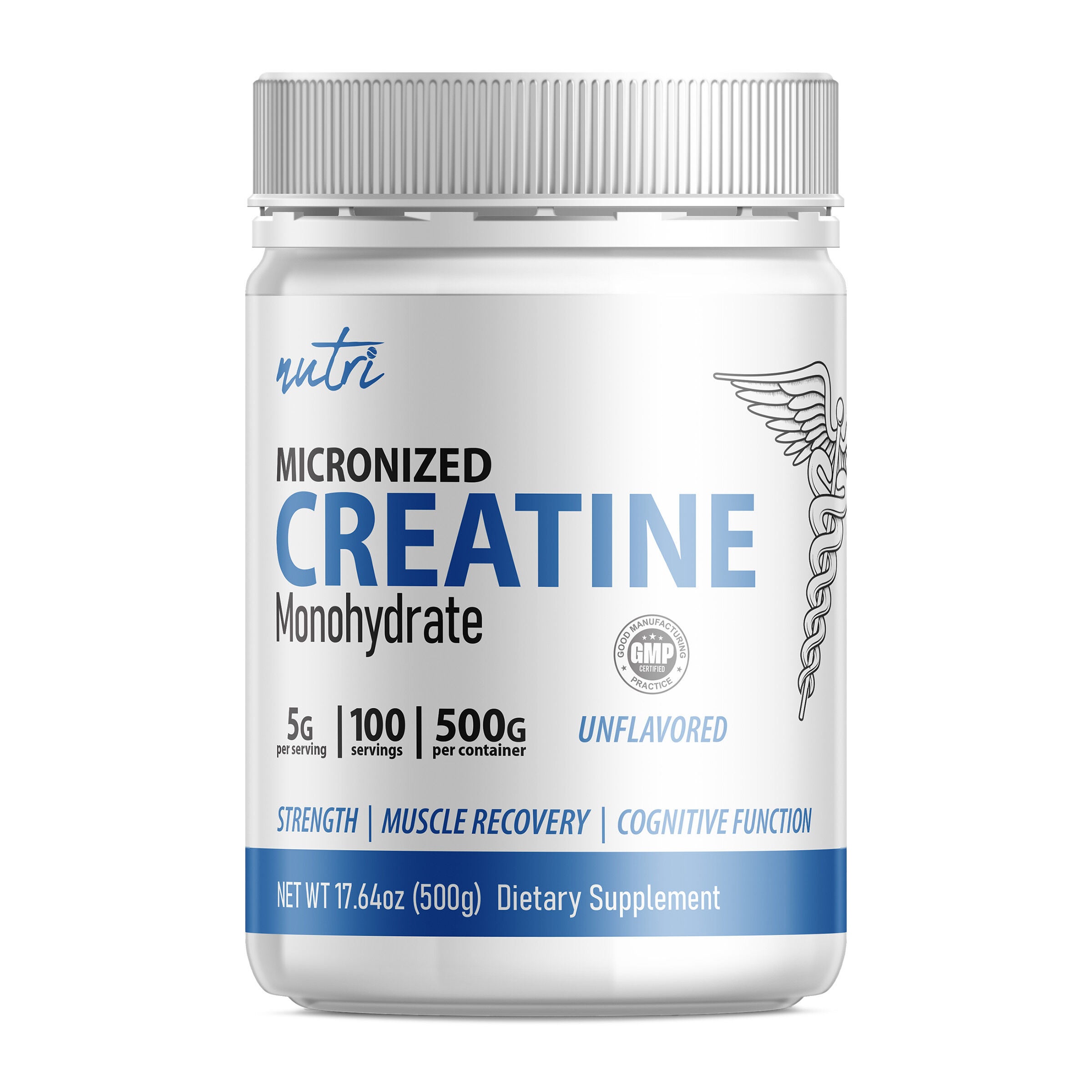
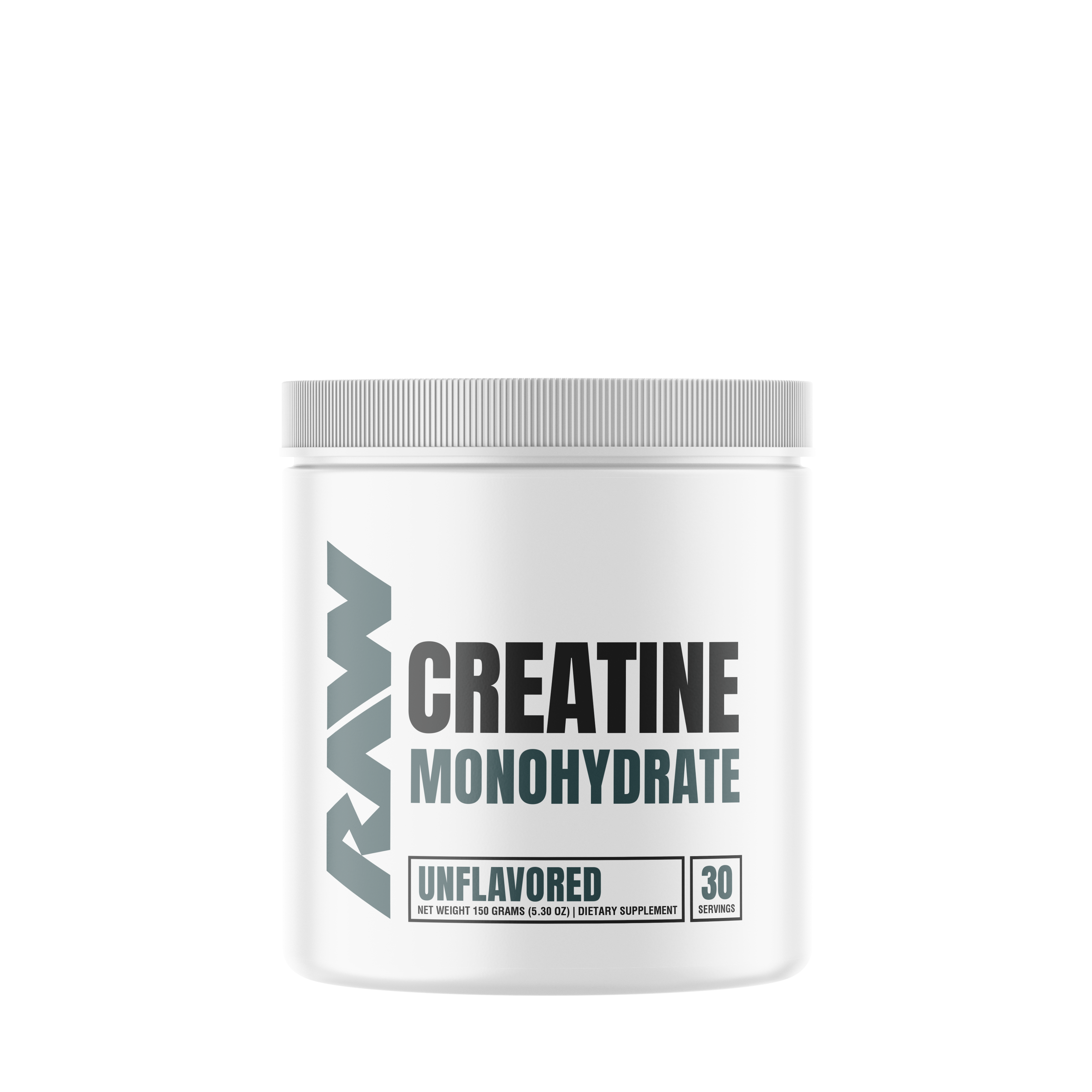
The main differences among creatine supplements for athletes often come down to ingredient composition, serving size, flavor, and everyday convenience. Single-ingredient creatine monohydrate powders keep the ingredient list simple, while blended formulas may include carbohydrates, electrolytes, or other sports nutrition ingredients. Those additions change what is in each serving, making the full label more informative than the wording on the front of a container. An unflavored powder offers flexibility alongside an existing beverage routine, while a flavored powder provides its own taste profile. Sweeteners, colors, and ingredients derived from animals are relevant details for shoppers with particular dietary preferences. Capsules offer a different experience: there is no powder to stir, but one labeled serving may contain several capsules. Comparing the grams of creatine in a serving is more useful than comparing a scoop with a capsule, since the units are not interchangeable. Micronized creatine refers to smaller particles, a feature that may make powder easier to disperse in liquid; it does not identify a separate form of creatine. Texture still matters in daily use. A powder mixed into a small glass may feel different from the same serving stirred into a larger beverage, and some settling can occur. Packaging also shapes convenience, from a container kept beside a shaker at home to individually portioned packaging tucked into a travel bag. Secure closures, readable serving directions, and a scoop that is easy to locate are practical details worth considering. Storage instructions matter as well: keeping the container closed and using a dry utensil may help limit moisture exposure and preserve the powder’s intended texture. Leaving a tub in a damp locker or a car exposed to changing temperatures is different from storing it as directed. For someone purchasing sports nutrition as a gift for an adult athlete, a familiar format and known flavor preference are more thoughtful starting points than an unfamiliar blend. Preferences around capsule materials, ingredient sources, and certification also deserve attention before selecting something for another person’s routine.
Sport-specific demands provide another useful way to compare creatine supplements without treating every athlete’s needs as identical. A sprinter practicing short accelerations, a basketball player repeating jumps, and a weightlifter working through challenging sets all perform activities for which creatine may offer performance support. An endurance athlete’s schedule can include similar demands within an otherwise longer session, such as hill repeats, interval work, or strength training between distance days. Creatine may support those high-intensity components, although that is not the same as expecting a faster pace throughout every long run or ride. The Creatine For Endurance Athletes collection offers a related selection for shoppers whose routines center on distance sports. Across disciplines, transparent labeling is particularly important when several supplements share space on the kitchen counter. A pre-workout or another training formula may already contain creatine, so understanding each ingredient list provides a clearer picture of what a routine includes. Product directions also distinguish the intended serving from the size of the package or the appearance of a scoop; a larger scoop does not necessarily mean more creatine because blends contain other ingredients. Athletes competing under sport-specific rules have an additional consideration: independent certification for sport. Certification programs differ in their testing scope, and the certification organization’s product directory can provide information beyond a logo on a label. Such testing is a quality consideration, not a prediction of athletic results. Consistency and practicality matter more than elaborate presentation. A powder that fits breakfast at home, capsules that fit a busy travel schedule, or a familiar flavor after an afternoon session can each suit a different preference. During cooler months, when outdoor practices may alternate with indoor conditioning, that flexibility can make a sports nutrition routine easier to organize. The strongest basis for choosing within this category remains a clearly stated creatine amount, an understandable ingredient list, appropriate quality checks, and a format suited to the athlete’s intended use. Together, those details make comparisons more meaningful than dramatic performance language and keep attention on how a supplement fits the work already happening in training.
Best Sellers
-
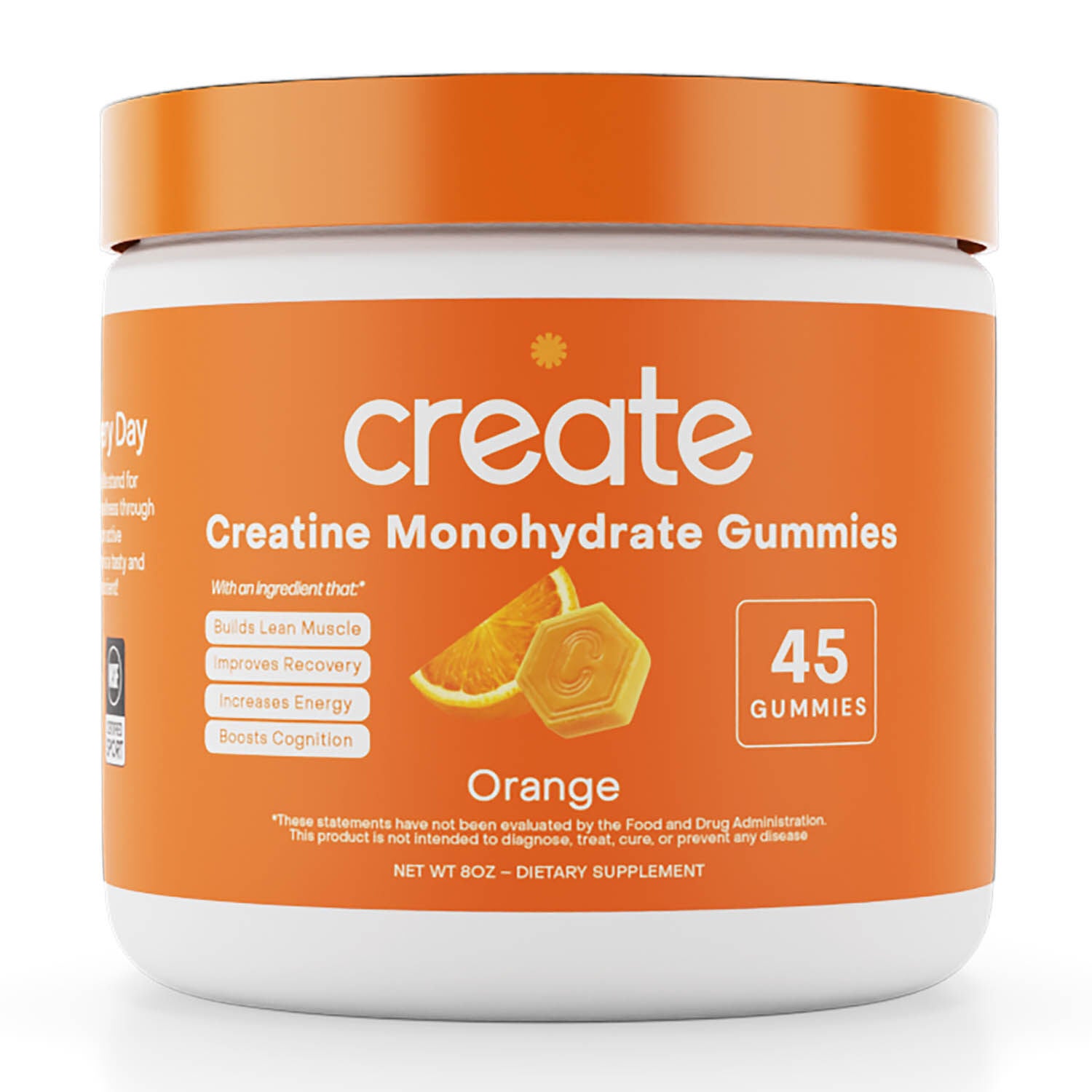 Create Wellness