Creatine For Endurance Athletes
(0 Results)
Endurance athletes constantly seek ways to optimize their performance and recovery, and creatine might be a game-changer in their regimen. Known for its potential to support energy production and muscle endurance, creatine could be an essential addition to your training toolkit. Whether you're running marathons, cycling long distances, or engaging in high-intensity interval training, incorporating creatine into your nutrition plan may help you push through plateaus and achieve new personal best performances. Explore how this supplement might assist in enhancing stamina, reducing fatigue, and supporting overall athletic goals.
-
-
-
 4,336$24.99
 -
-

-
 4,336$24.99
 -
-
-

-

-

-

-
-
 Universal Nutrition238$36.99
 -
 Universal Nutrition238$36.99
 -

-
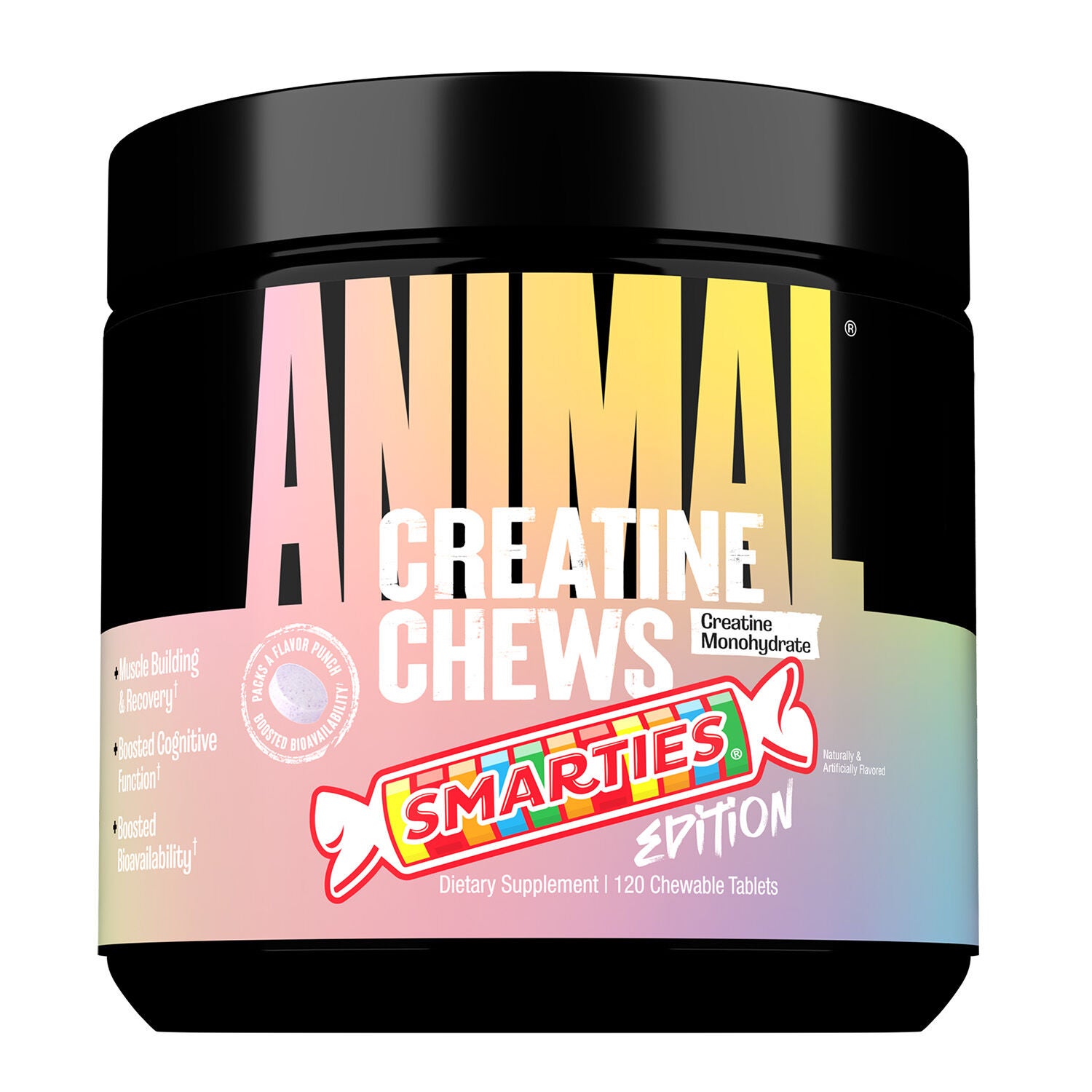 Universal Nutrition238$36.99
 -
-
-
-
-
-
-

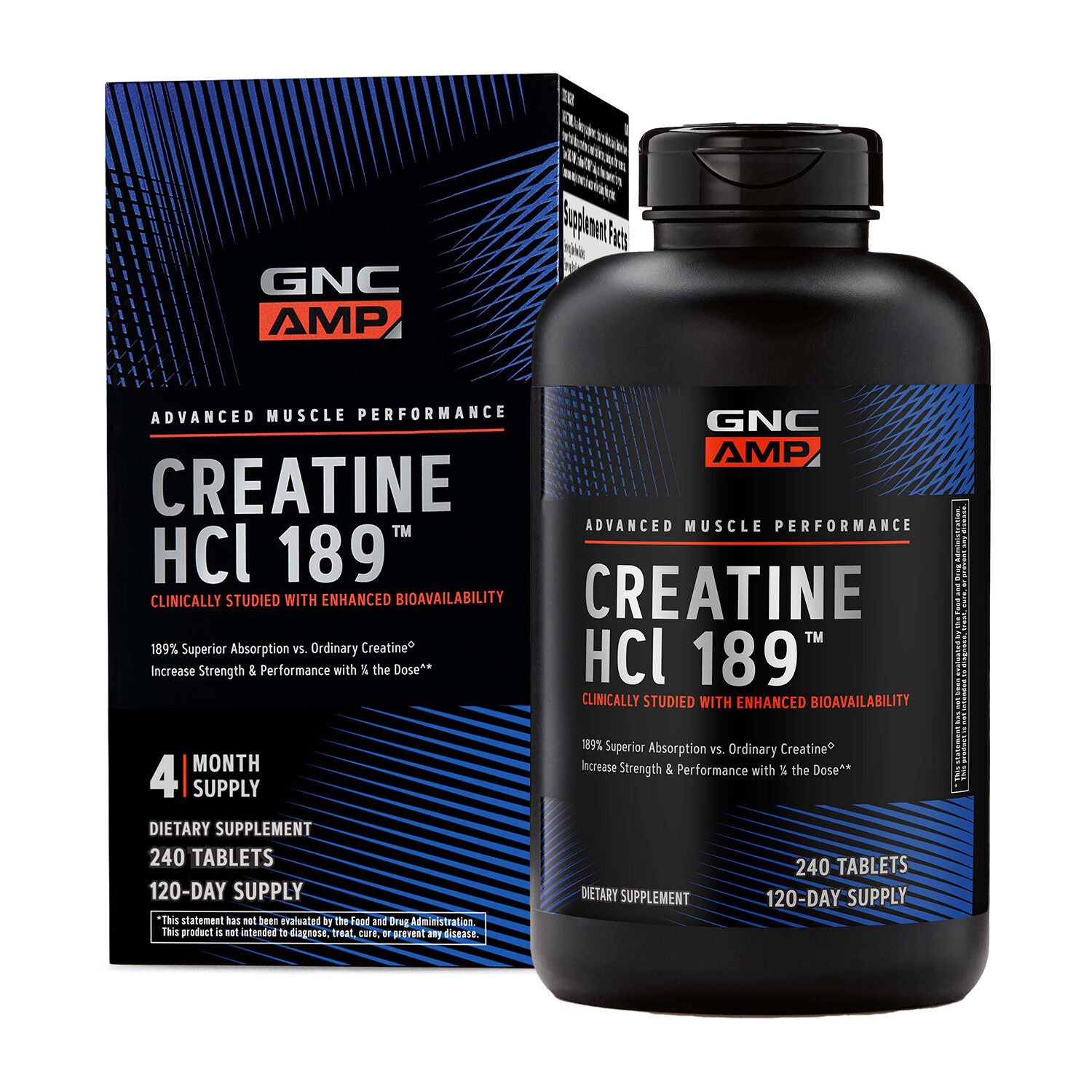
Creatine for endurance athletes sits at the intersection of distance training and the shorter, harder efforts that often shape a workout or race. A long ride can include a sharp climb, a distance run can end with a finishing kick, and a swim session can alternate comfortable laps with fast repeats. Creatine supplements may support the brief, high-intensity work within those sessions rather than the sustained aerobic effort itself. That distinction matters when browsing this category: creatine is not a carbohydrate fuel, an electrolyte replacement, or a substitute for the food and fluids that belong in an endurance nutrition routine. Creatine is a compound naturally present in the body and found in foods such as meat and fish. As a supplement, it may support the muscle energy system involved in short bursts of demanding activity. For runners, cyclists, swimmers, rowers, and triathletes, that makes it relevant to consider alongside interval sessions, hill repeats, and strength training. Its role in endurance sports is more nuanced than simply covering more miles or holding a faster pace. Research on prolonged, steady-paced exercise is less consistent than research on repeated high-intensity efforts, so expectations should reflect the kind of training being performed. An athlete preparing for a long, even-paced outing has different priorities from someone whose schedule includes fast track repeats and regular gym sessions. Creatine may be a better match for the latter demands, even when both athletes identify primarily with endurance sports. It may also lead to an increase in body weight associated with water held in muscle, a consideration for athletes who pay close attention to how they feel on climbs or during longer runs. Choosing among creatine supplements therefore starts with intended use, a clear understanding of the formula, and realistic expectations about what it might contribute. The most useful comparison is not simply between sports, but between the actual demands of an athlete’s training week.
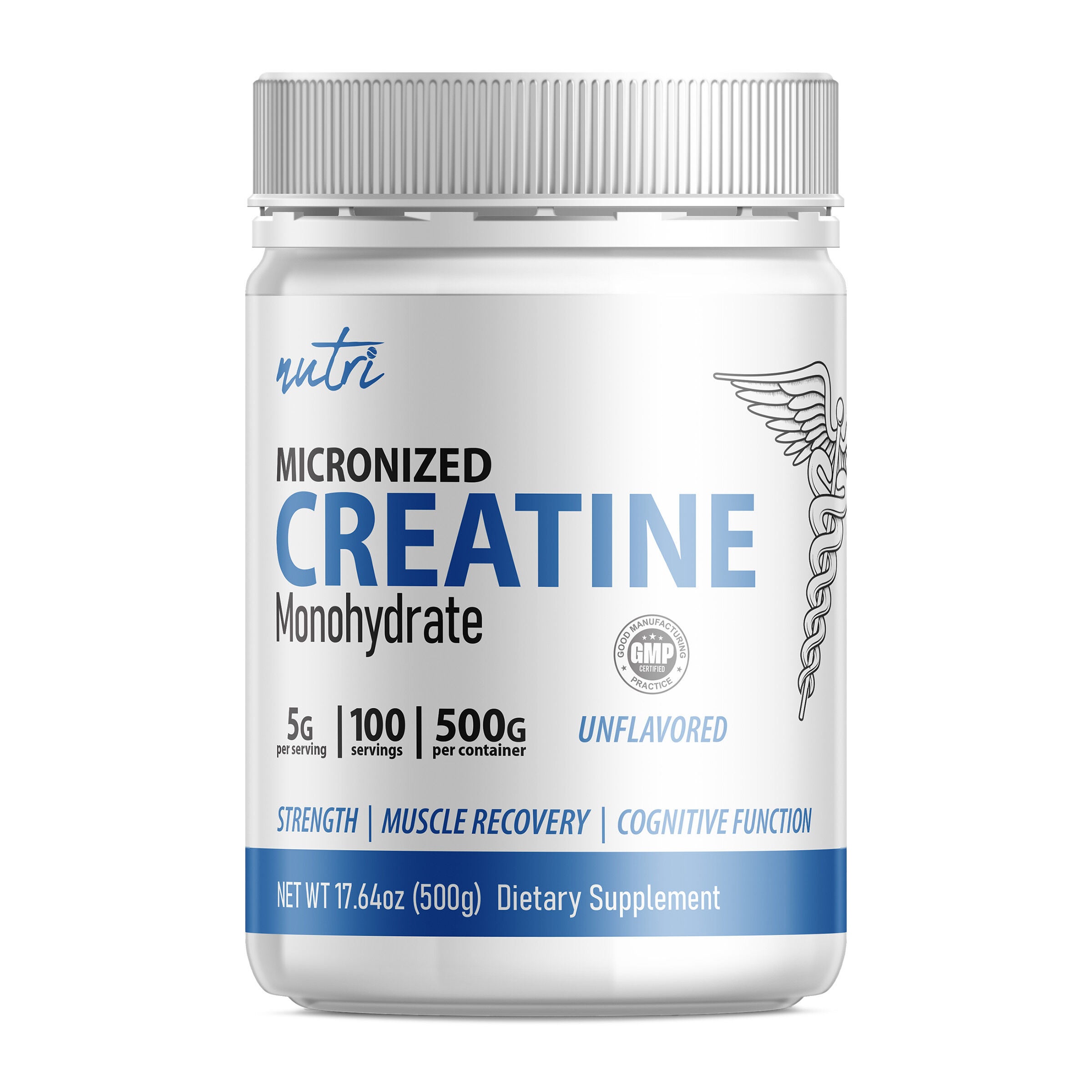
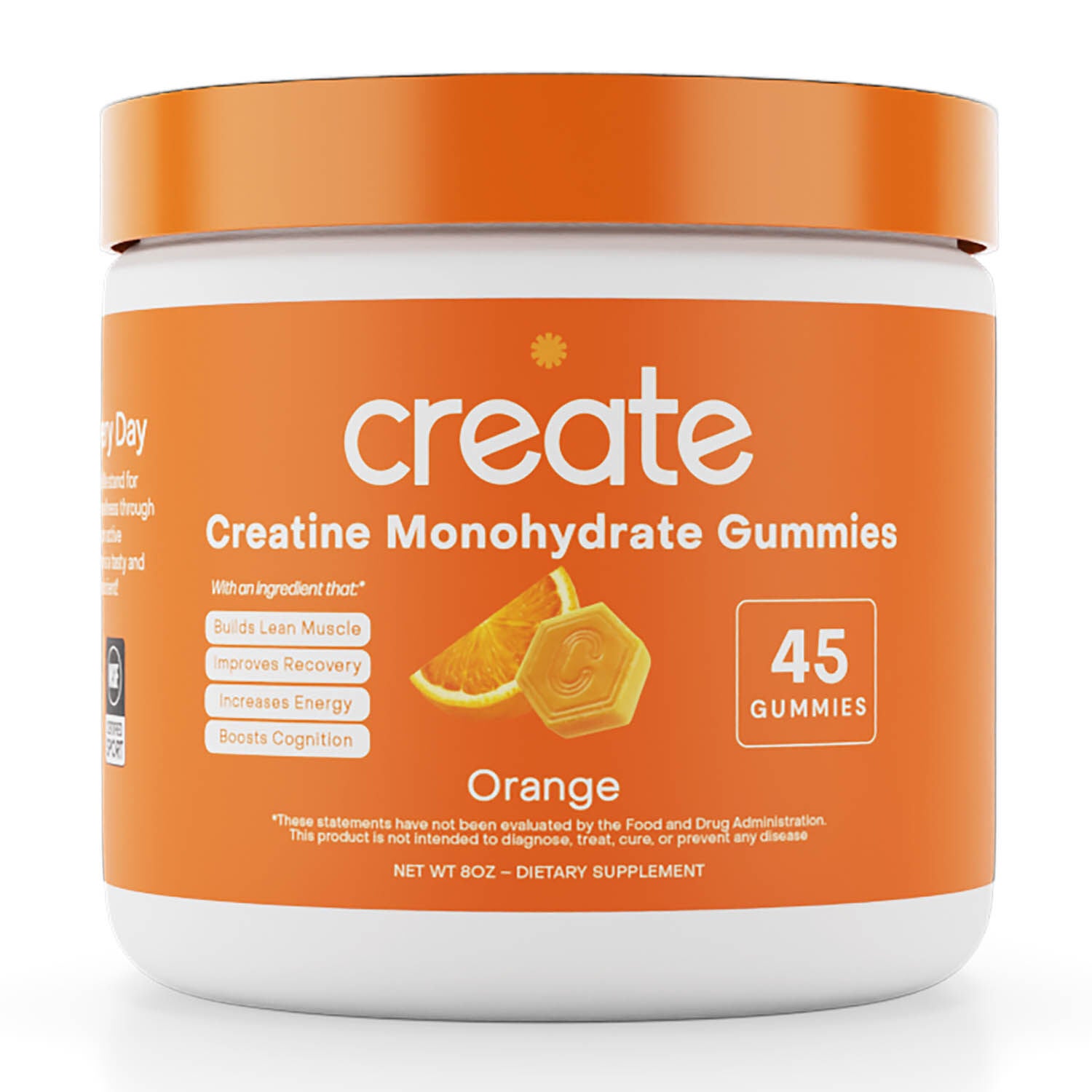
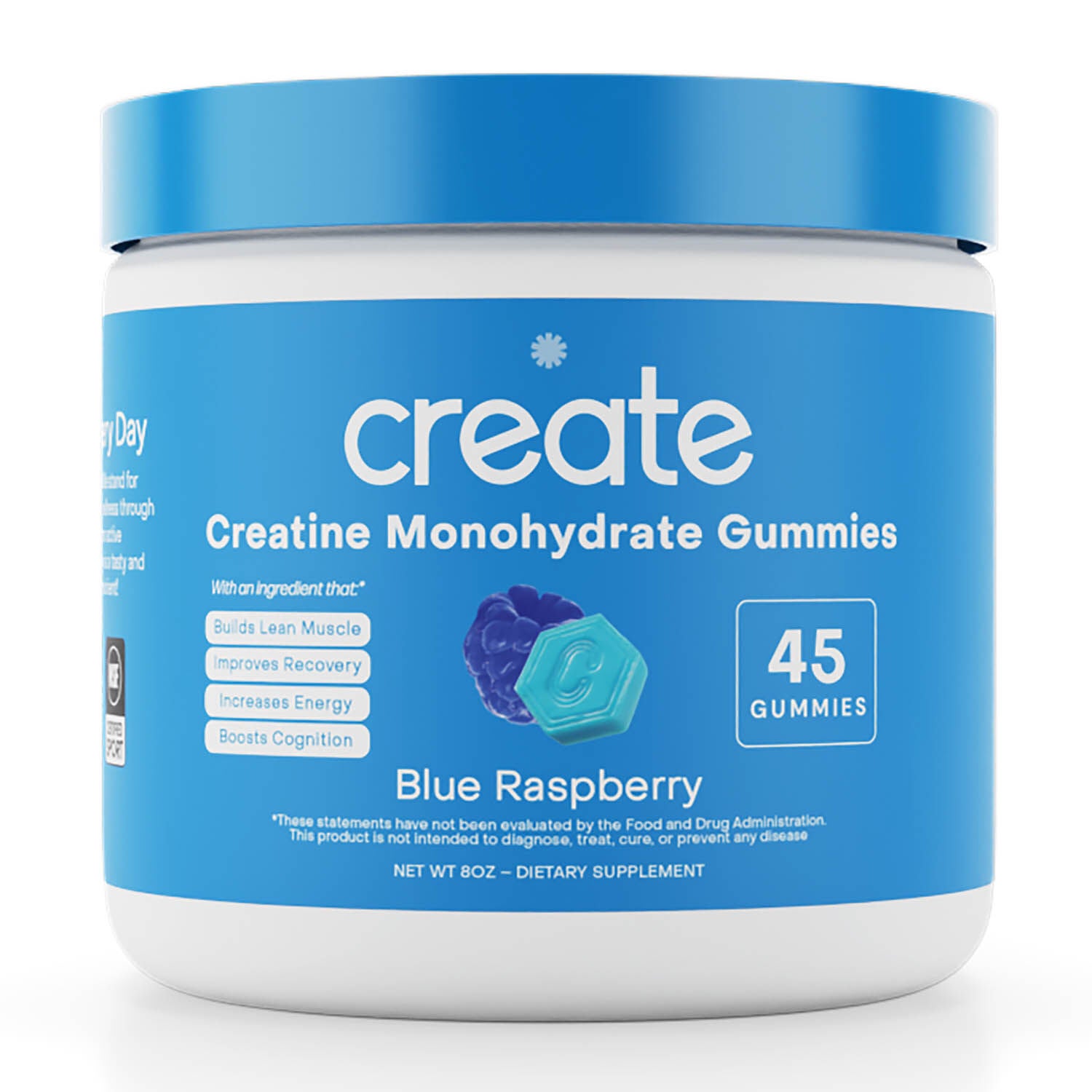
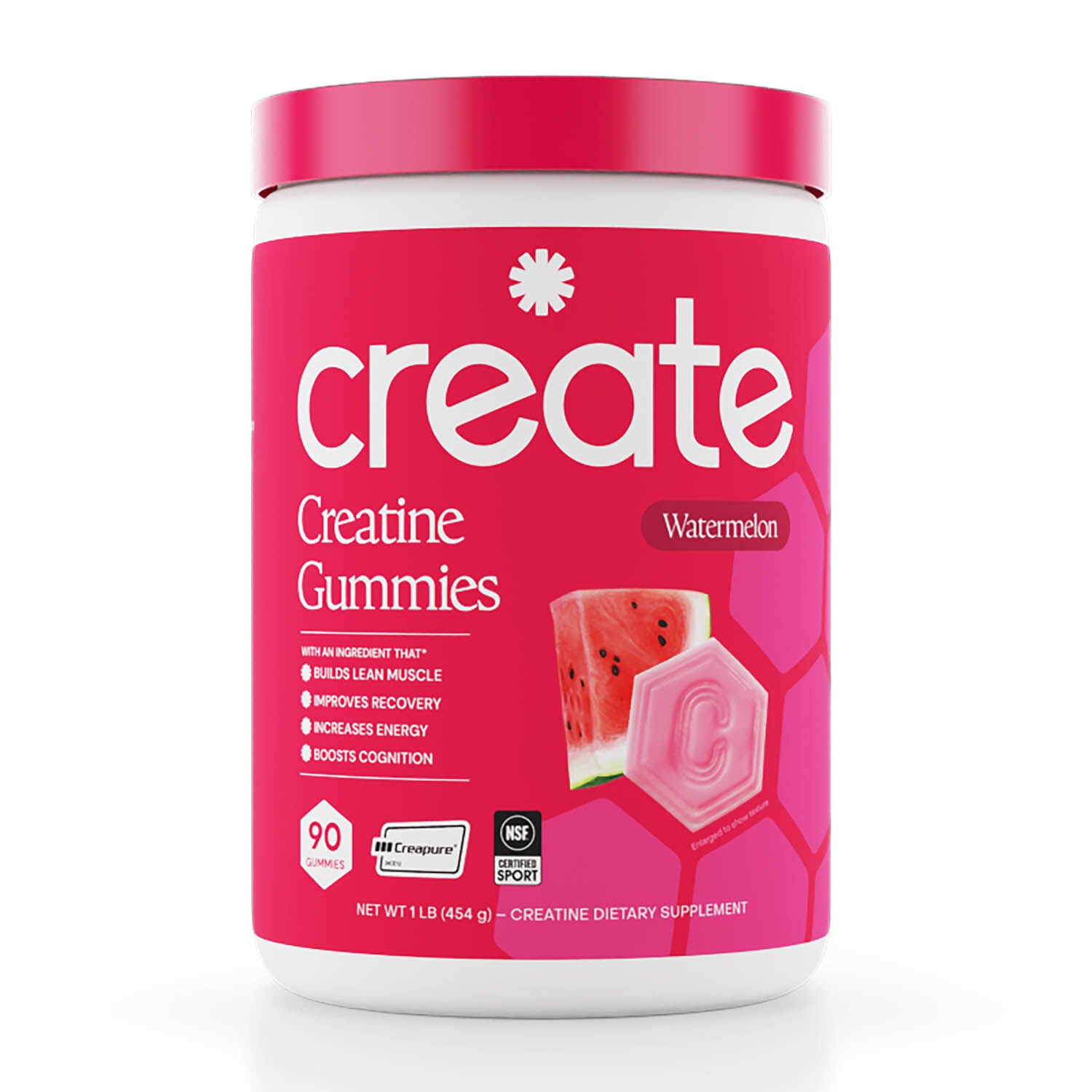
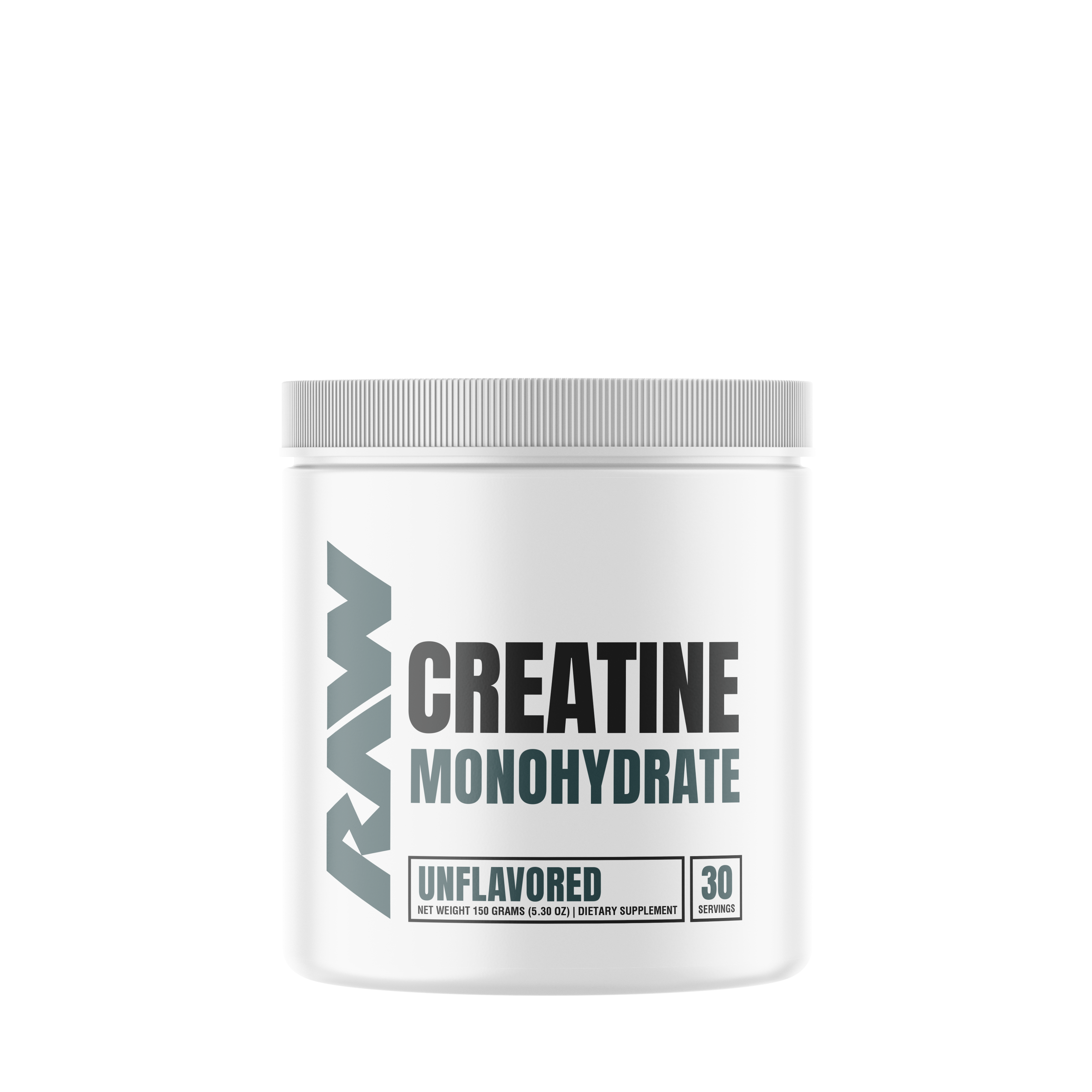
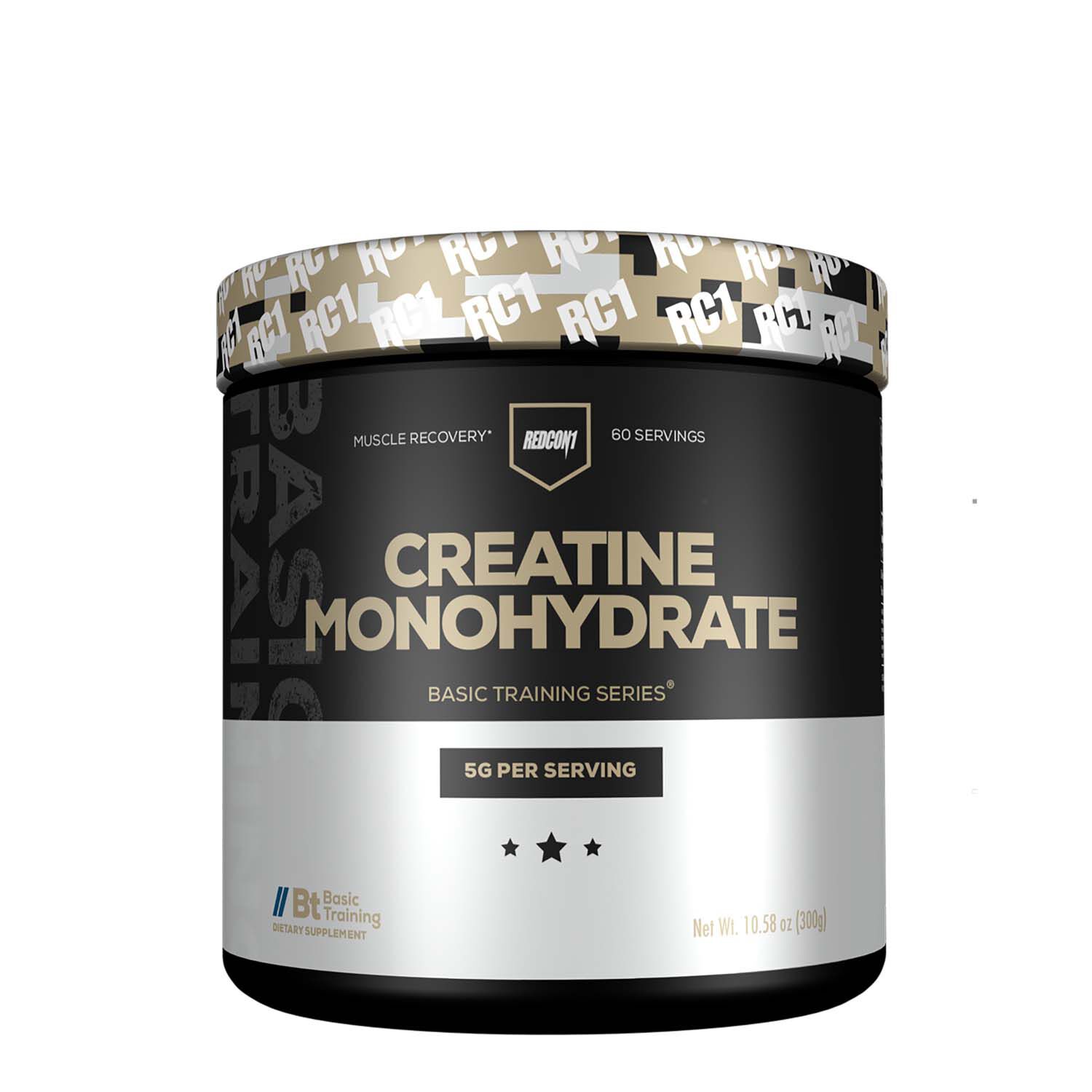
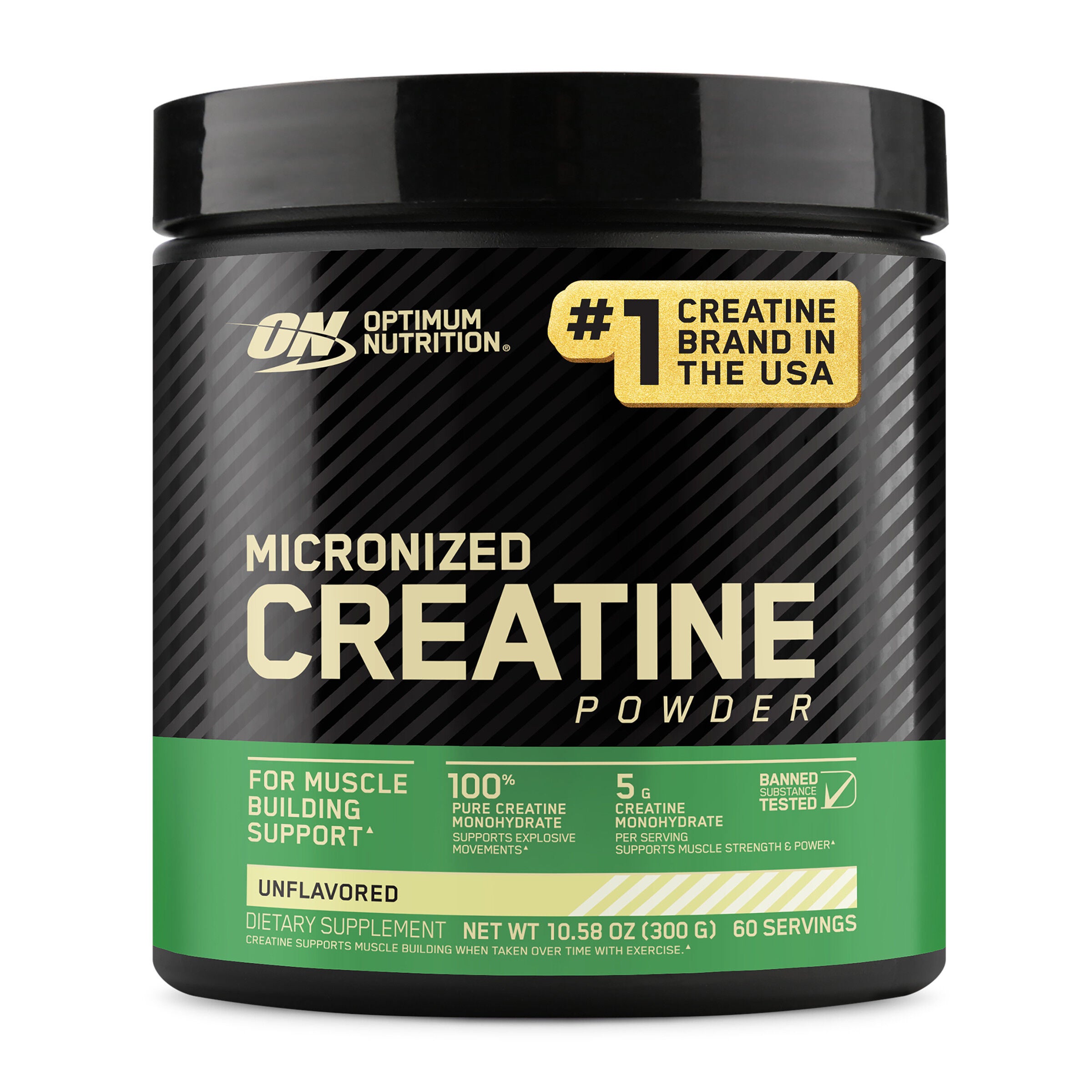
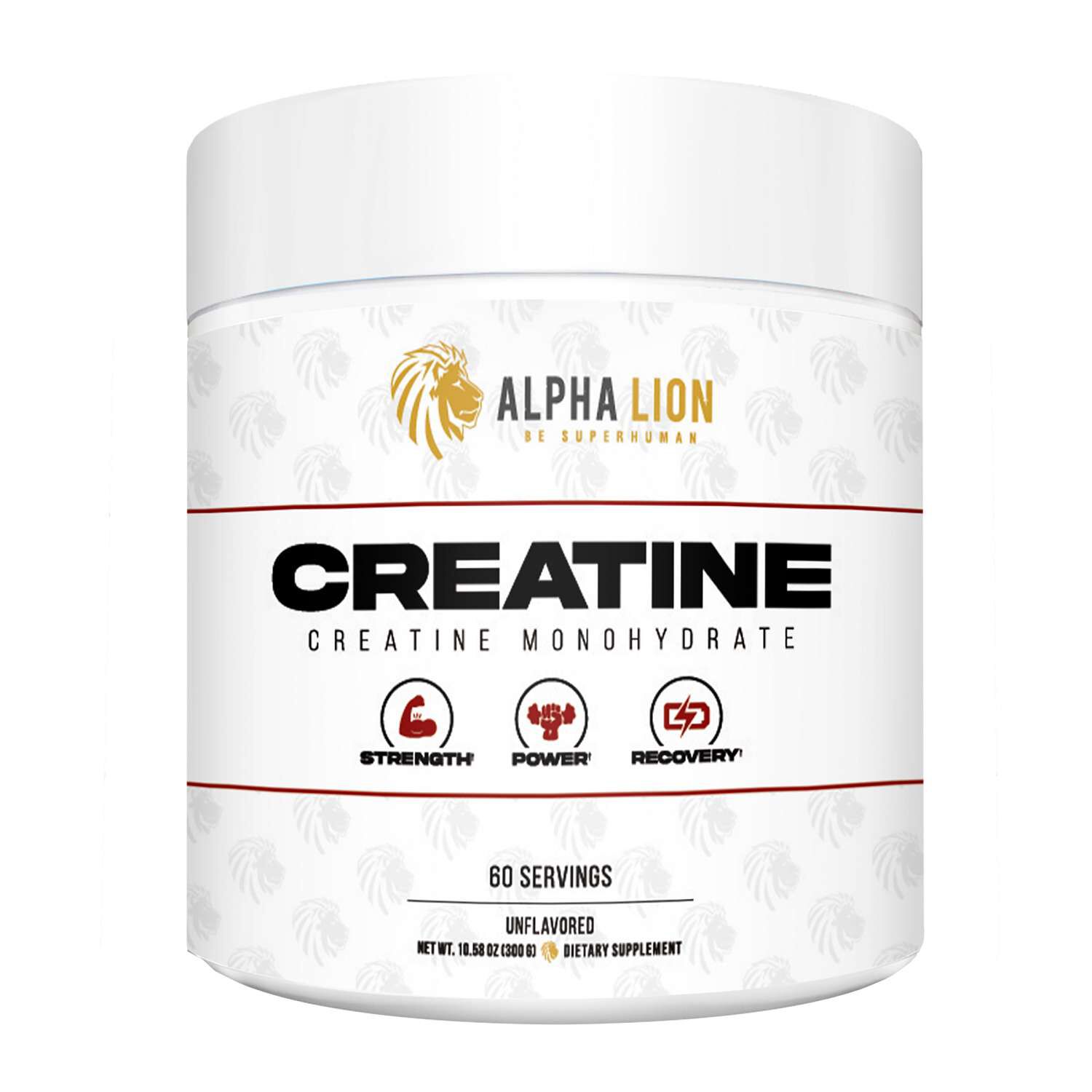
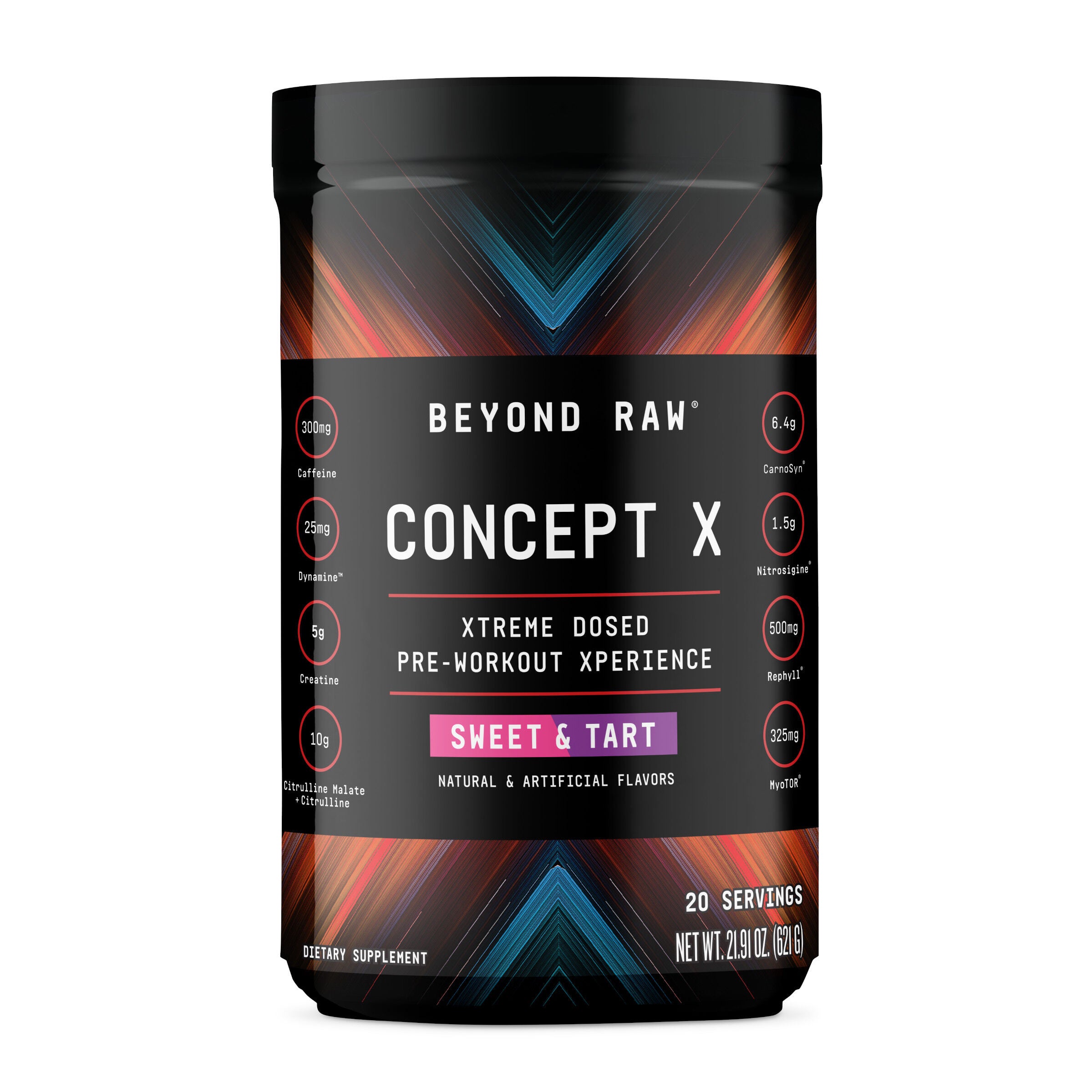
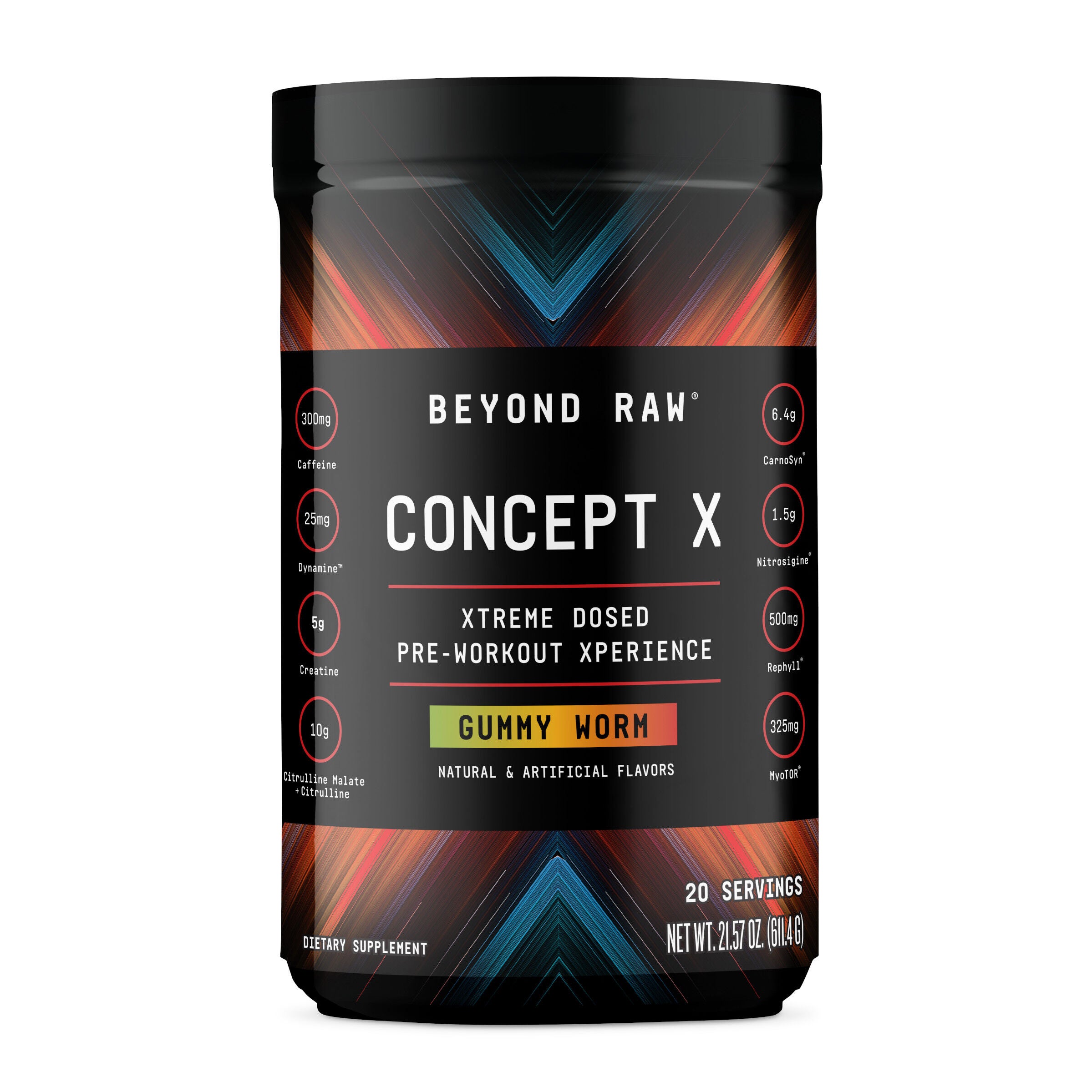
Creatine monohydrate is one of the most extensively studied forms of creatine and a common starting point for comparing formulas. A single-ingredient powder keeps the ingredient list straightforward, while a blended supplement combines creatine with other components that deserve their own review. The amount of creatine per serving is an important label detail, especially when comparing a standalone formula with a blend whose serving also includes other ingredients. Container size alone does not tell the full story; serving size, servings per container, and the stated creatine amount offer a clearer basis for comparison. Powder, capsule, and chewable formats also suit different routines. An unflavored powder may fit an athlete who already uses a shaker after training and prefers to choose the taste of the finished drink. A flavored version may appeal to someone who wants a distinct beverage rather than another ingredient in a smoothie. Capsules avoid drink preparation, although the number needed for a labeled serving varies. Chewable formats bring their own texture, flavor, and serving considerations, so the ingredient panel remains worth reading regardless of format. Sweeteners, flavorings, and other added ingredients can matter just as much as the front-label description when a supplement becomes part of an everyday routine. Micronized creatine refers to smaller particles, a feature that may affect how a powder disperses in liquid; it does not, by itself, establish a greater performance benefit. Texture can still vary with the formula, the drink, and the preparation method. For athletes subject to sport testing, documented independent certification for sport is another useful comparison point, and the certification should be checked for the exact formula being considered. Packaging has a practical role, too. A secure closure, readable serving directions, and a format that fits a kitchen cabinet or training bag may make a supplement easier to incorporate into an established routine. Storage and preparation should follow the package directions, including any instructions about moisture, temperature, and resealing the container.
The everyday fit of a creatine supplement often becomes clearest through ordinary training situations. A cyclist who prepares bottles beside the coffee maker may prefer a powder kept with other nutrition supplies at home. A swimmer heading from an early pool session to work may place more value on a format that requires little preparation. A runner balancing mileage with two weekly strength sessions may be interested in creatine primarily for the demands of the weight room, rather than expecting a different experience on every easy run. During the cooler months, when outdoor sessions may share space with indoor cycling, treadmill workouts, and resistance exercise, that distinction can be especially relevant. Creatine may support repeated demanding efforts, but any contribution will depend on the person, the training, and the broader routine. Benefits related to recovery between endurance sessions are less settled, and a formula should not be judged by sweeping statements about next-day readiness. Nor should creatine be confused with the carbohydrate foods and drinks used to fuel lengthy sessions. Each category has a different purpose, even when several appear on the same kitchen shelf. Athletes comparing combination formulas can also explore Creatine Glutamine Supplements For Endurance Athletes to review a related category while keeping the amounts and roles of individual ingredients in view. A longer ingredient list is not automatically a better match; the relevant details are what the formula contains, how much is in a serving, and whether its format suits the intended use. Consistency with labeled directions matters more than choosing a product around an assumed immediate effect before a single workout. For a gift, a familiar format or a recipient’s stated preference is a more thoughtful starting point than guessing at their training goals, especially for someone with established competition requirements or ingredient preferences. Across this category, a considered choice brings together transparent labeling, practical packaging, taste and texture preferences, and an honest picture of the athlete’s schedule. Creatine may have a place in endurance training, particularly where distance work meets strength and repeated high-intensity effort, without needing to serve every purpose in a sports nutrition routine.
Best Sellers
-
Create Wellness