





Creatine Monohydrate For Athletes
(0 Results)
Shop creatine monohydrate for athletes and compare supplement options by creatine per serving, ingredients, and suggested use. Check individual product labels to find an option that fits your training routine and serving preferences.
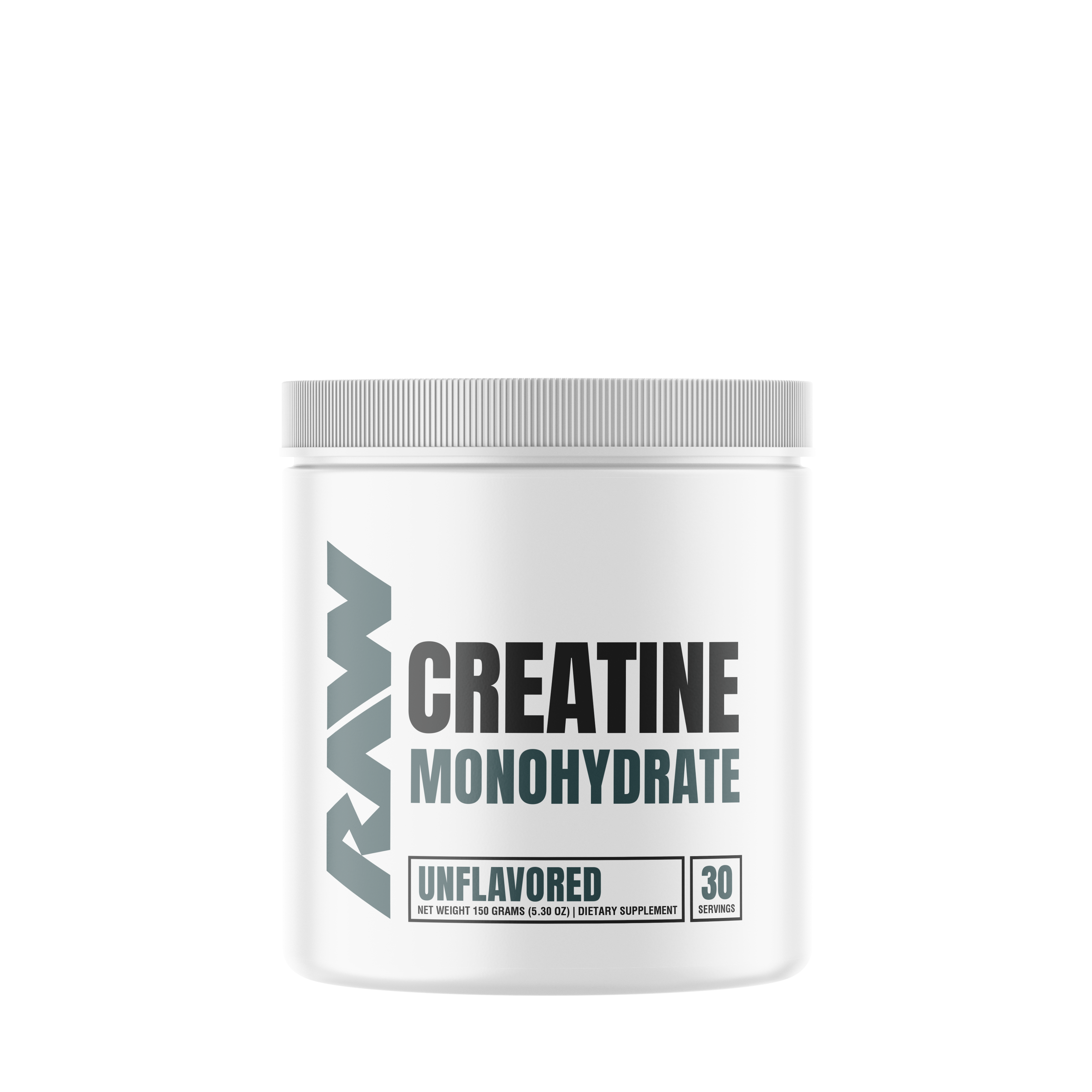
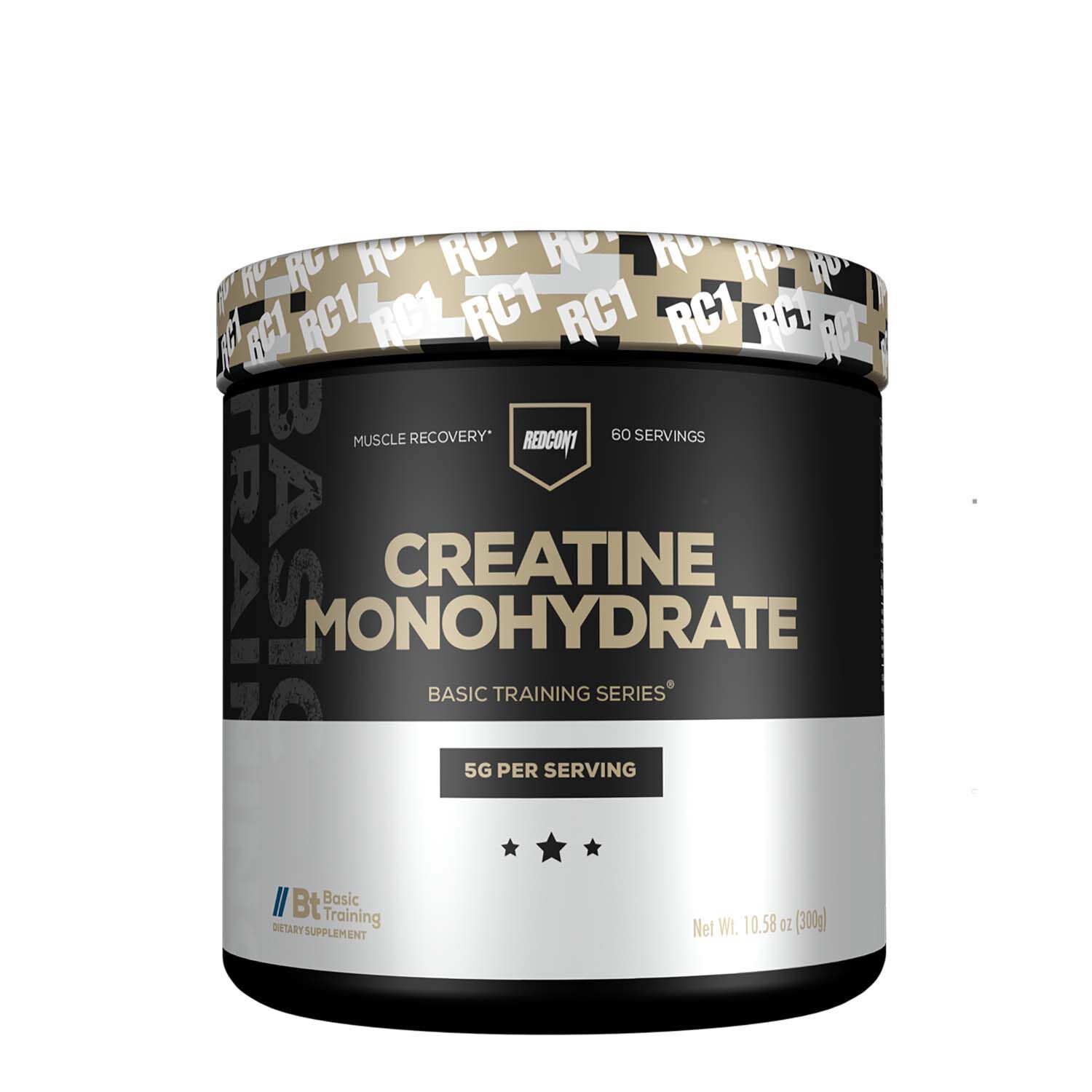
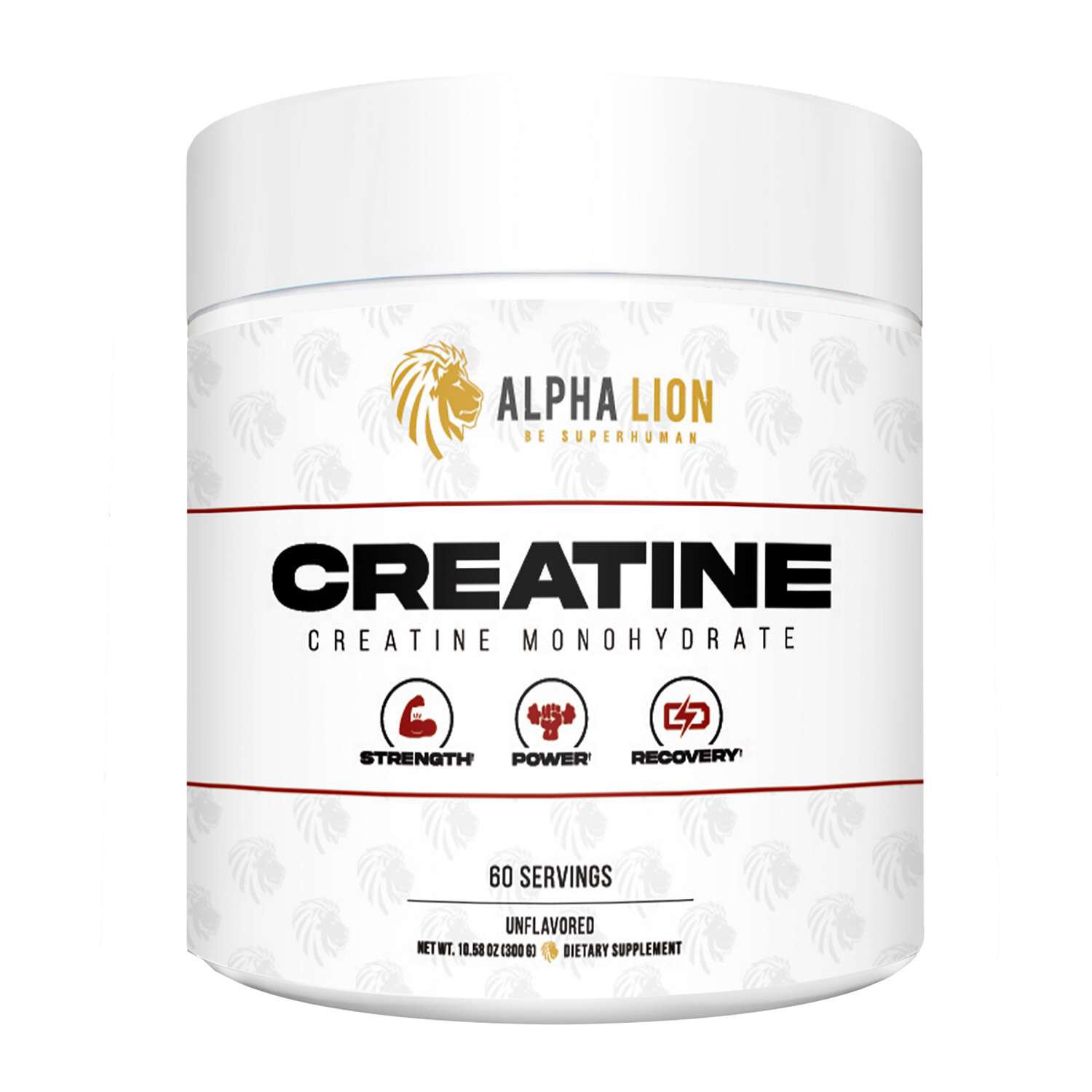


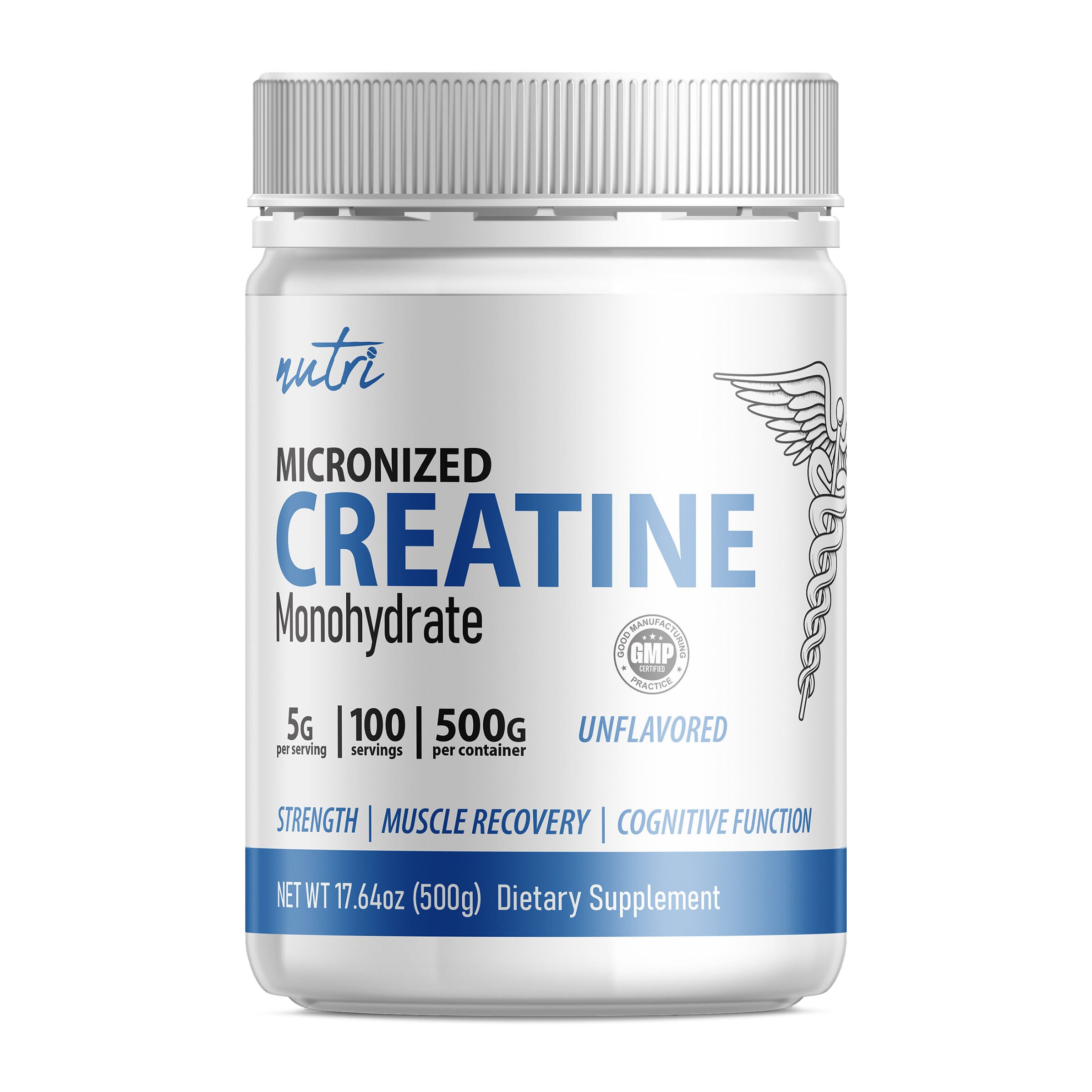



.jpg?sw=305&sh=305&sm=fit "Creatine Monohydrate + HMB (30 Servings) | GNC")
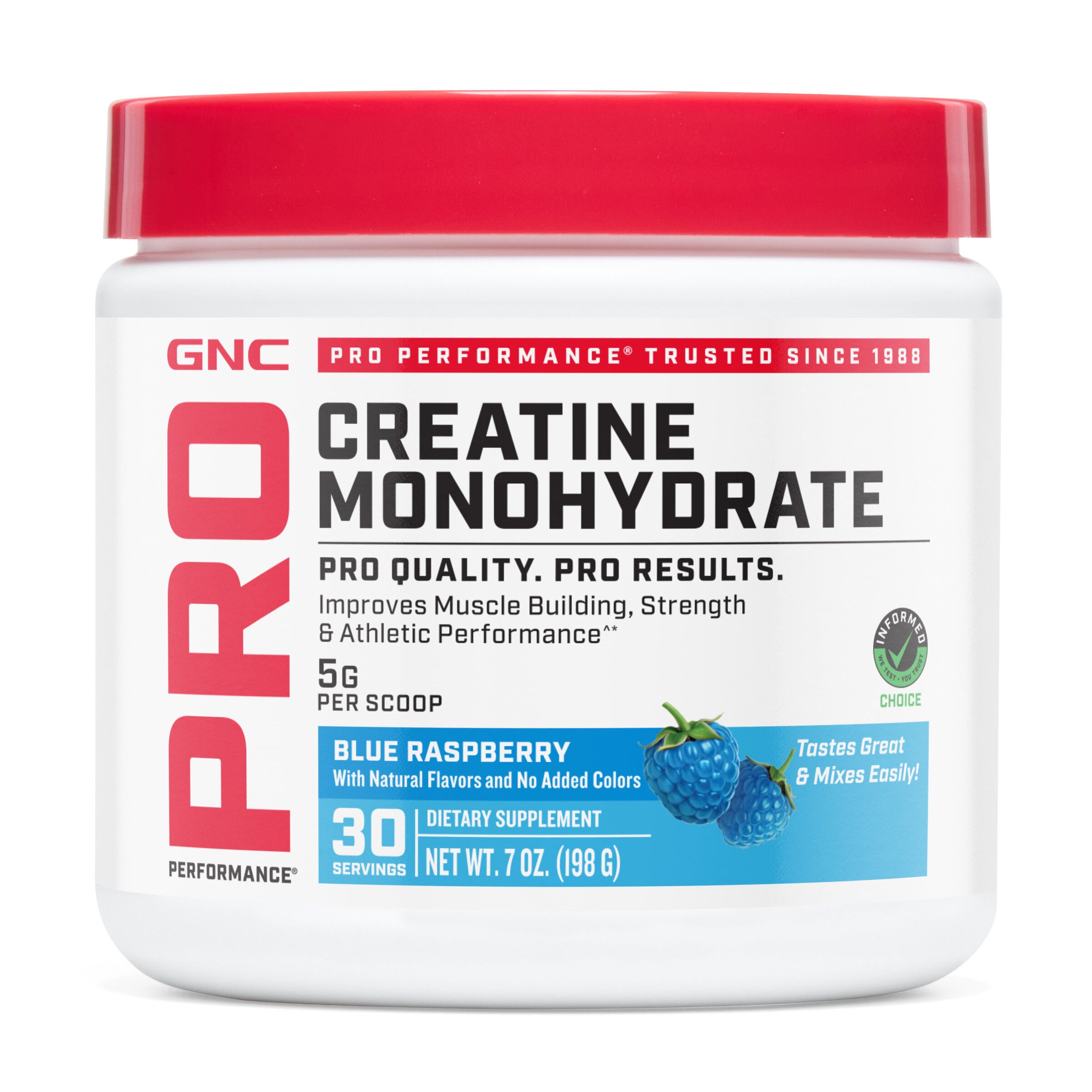

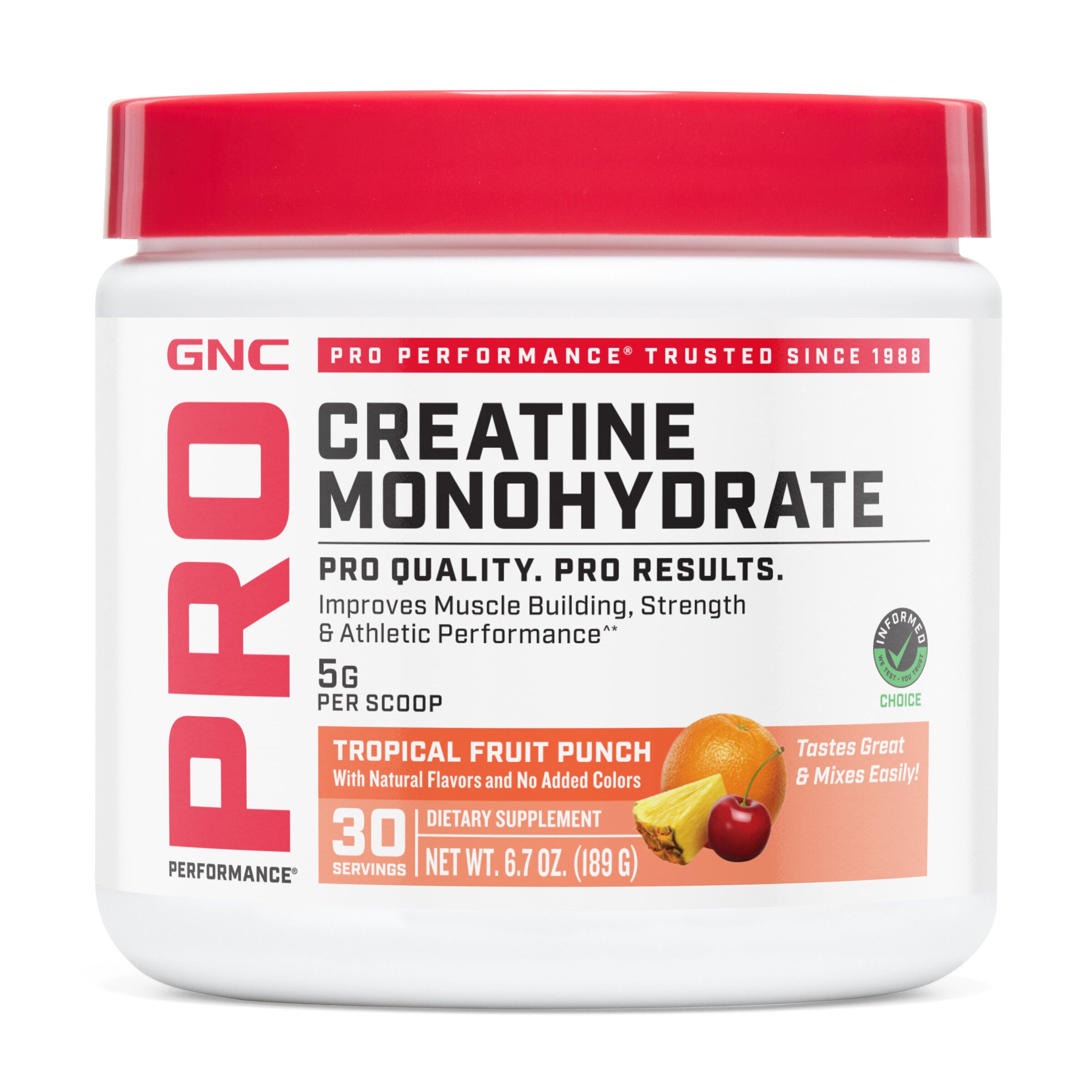
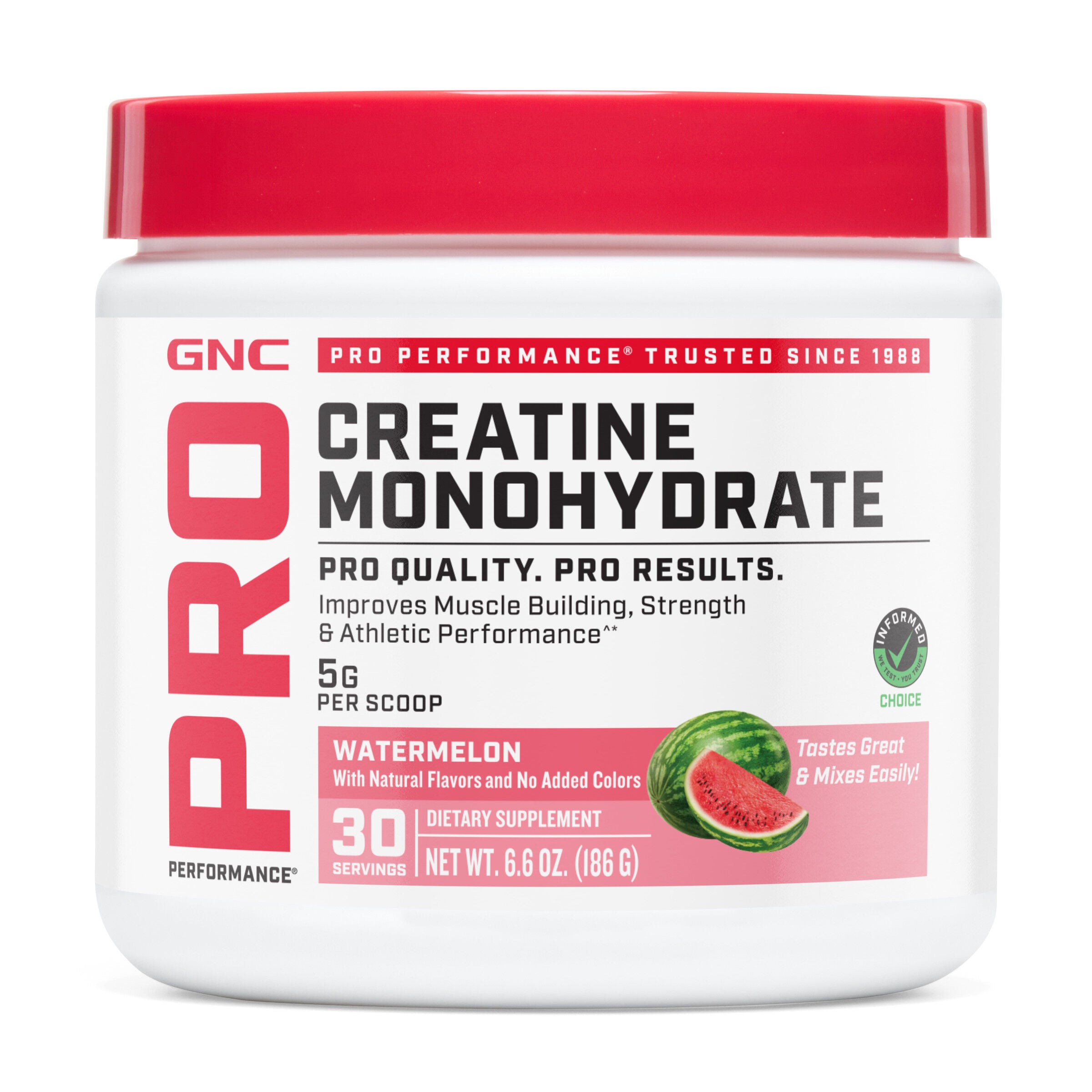
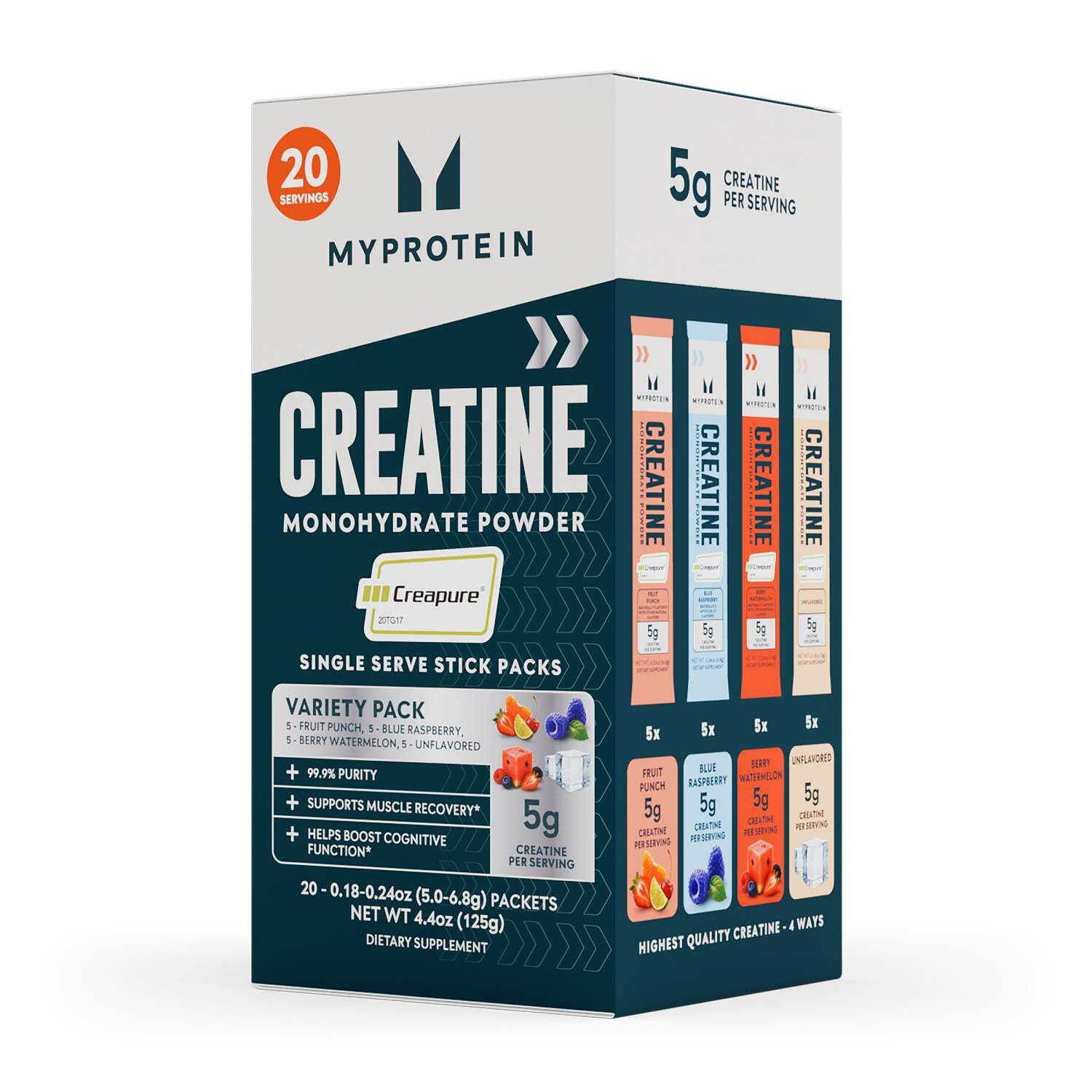

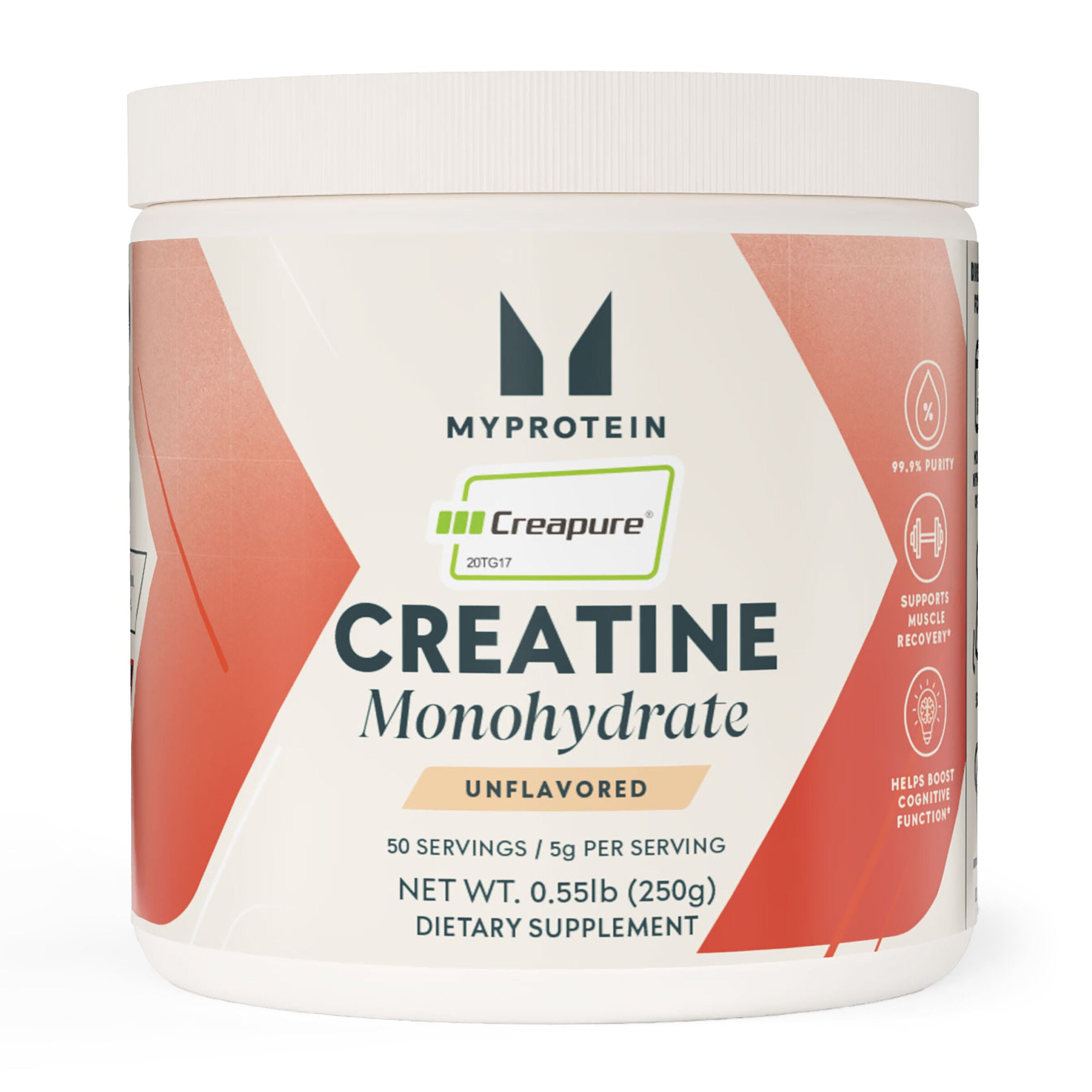
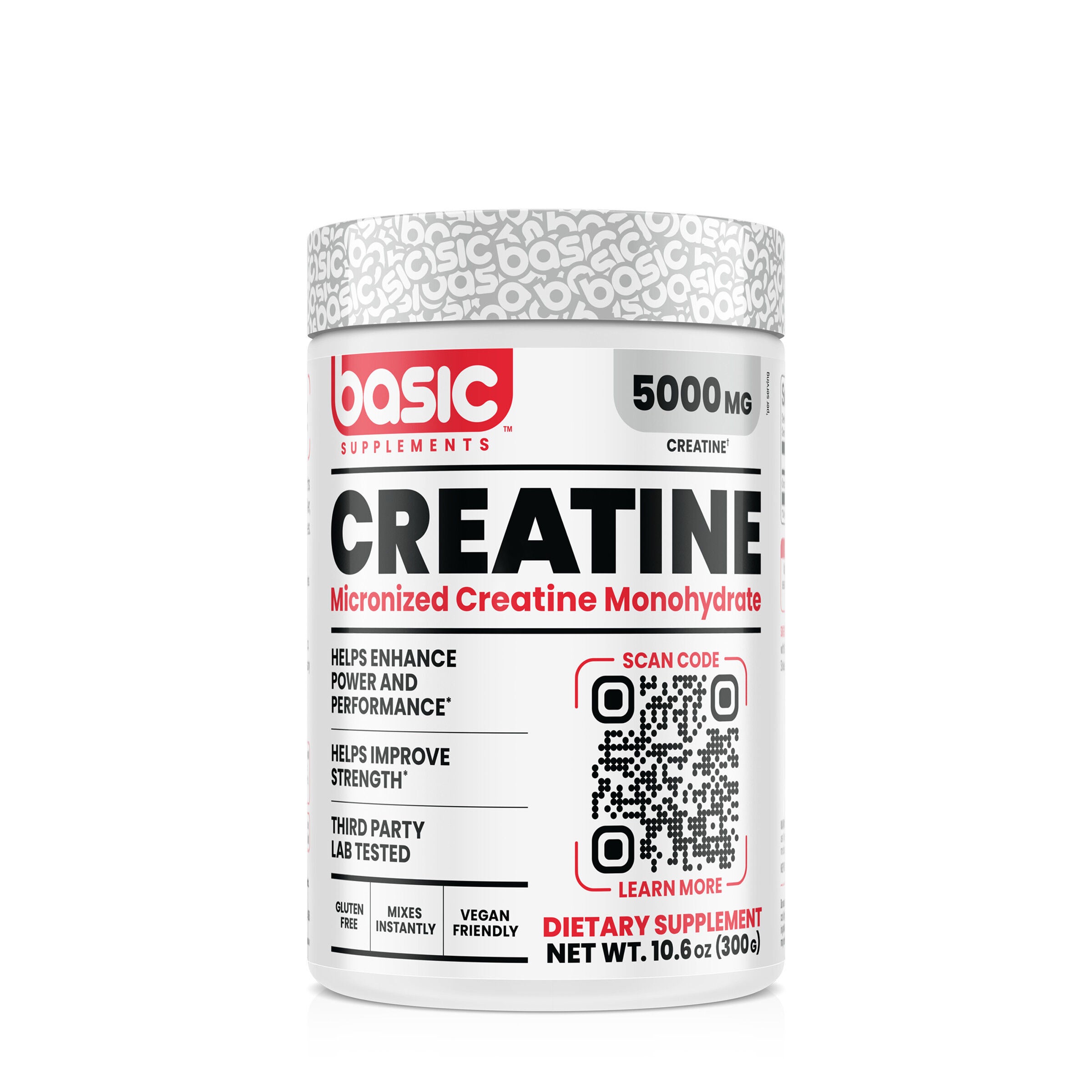
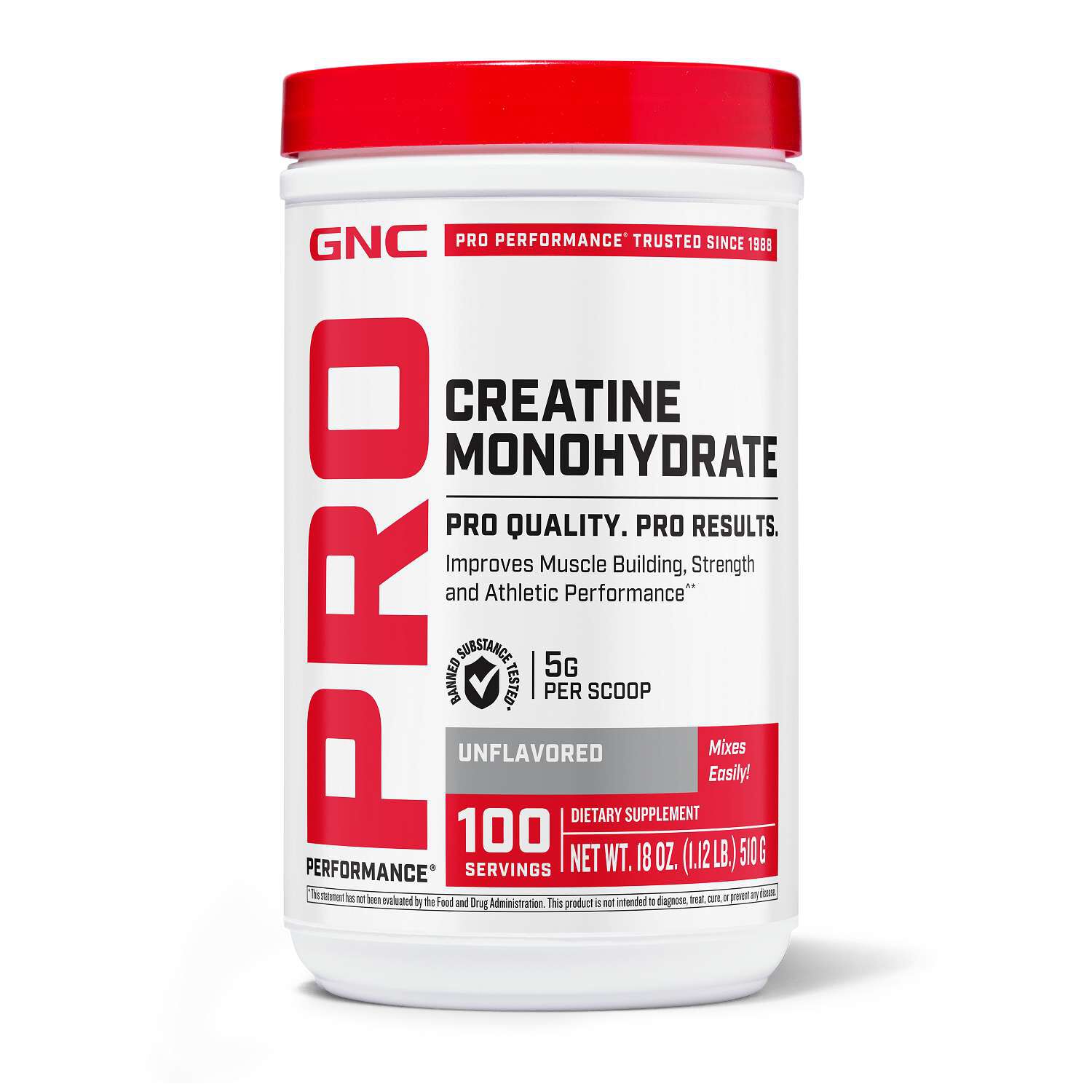
Creatine monohydrate is a form of creatine bound to a water molecule and used in sports nutrition supplements. For athletes, it may support strength and performance during repeated bouts of short, high-intensity exercise, such as lifting weights, sprinting, and jumping. Creatine occurs naturally in the body and is also present in foods such as meat and fish. Within muscle, stored phosphocreatine participates in the regeneration of adenosine triphosphate, or ATP, an energy source for muscular contractions. Supplemental creatine may increase muscle creatine stores, which may help support the rapid energy demands of hard efforts separated by brief rests. That makes creatine monohydrate relevant to a range of training settings: a weightlifter working through challenging sets, a sprinter practicing starts, or a basketball player repeating quick accelerations across the court. It is also one of the most extensively researched forms of creatine in sports nutrition, with research examining its use alongside resistance training and other demanding exercise. Its potential role is different from that of a carbohydrate drink used during a long workout or a protein supplement chosen to help meet daily protein needs. Creatine is not a stimulant, and its use is generally associated with an ongoing routine rather than a caffeine-like sensation before a session. Individual experiences may differ with training history, eating patterns, and regularity of use. For shoppers comparing creatine monohydrate for athletes, the most relevant distinction is often how a formula fits the actual work being done. A program built around heavy squats, repeated hill sprints, or explosive court movements presents different demands from an easy, continuous jog. Creatine may complement the strength and repeated-effort portions of an athletic routine, while training quality, food, rest, and hydration remain separate considerations. The category is best understood through that training context rather than through expectations of an immediate, noticeable feeling after every serving.
Format, ingredient transparency, and serving information provide practical ways to compare creatine monohydrate supplements. Powders and capsules offer different approaches to the same ingredient, and the better fit often depends on a shopper’s daily habits. An unflavored powder may suit an athlete who already prepares a shake or carries a shaker bottle, while capsules may suit someone who prefers not to mix another drink. With capsules, the number required per labeled serving matters as much as the amount printed on the front of the container. With powders, the label’s serving measurement and creatine content deserve separate attention, particularly when a formula includes other ingredients. A single-ingredient option keeps the ingredient list focused on creatine monohydrate; a blended formula may also contain flavoring, sweeteners, carbohydrates, or other sports nutrition ingredients. Those differences matter to athletes coordinating several supplements or choosing around dietary preferences. Micronized creatine monohydrate refers to material processed into smaller particles. That finer texture may affect the mixing experience, but the word does not identify a different form of creatine or, by itself, establish superior athletic results. Powder can also leave some sediment depending on the liquid, serving size, and preparation method, so texture preferences are worth considering alongside flavor. A plain powder in water, a flavored drink between classes, and capsules packed beside lunch each represent a different everyday routine. Label details can help distinguish those experiences without relying on bold front-panel language. For athletes who compete under organized sport rules, independent sport certification information is another meaningful comparison point. Testing programs differ in scope, and the exact certification, applicable standard, and batch documentation provide more context than a general statement about quality. Ingredient lists, allergen statements, serving directions, and certification details together offer a clearer picture of what a supplement contains and how it is intended to be used.
The practical side of choosing creatine monohydrate extends beyond the workout itself. A container that stays on a kitchen shelf serves a different routine from one carried between a campus weight room, an office, and evening practice. Package size, closure design, and the presence of a measuring scoop are useful details to consider, along with the number of labeled servings. Powders require attention to moisture: tightly closed packaging, a dry scoop, and storage according to the label help keep the contents in suitable condition. Capsules have their own storage directions, and original packaging keeps serving information and ingredient details close at hand. For travel or long days away from home, portability and clear labeling may matter more than an elaborate flavor selection. The intended user matters, too. A recreational lifter may prioritize a straightforward ingredient list, while a competitive athlete may place greater emphasis on documented sport certification. Someone returning to structured training may prefer a format that fits an existing meal or shake routine rather than adding another preparation step. Distance athletes bring another perspective, since running, cycling, swimming, and multisport programs often include resistance training, intervals, and short finishing efforts alongside sustained work. Creatine may have a place in those strength-focused or repeated-effort sessions, although that is distinct from expecting faster performance throughout a long, steady event. The Creatine For Endurance Athletes collection offers a related shopping focus for athletes whose routines combine distance work with strength sessions. Across these training styles, a useful comparison comes back to the ingredient form, the amount per labeled serving, the supporting label information, and the practicality of the format. Those concrete details keep the decision centered on intended use: a supplement that may support demanding training while fitting comfortably into the athlete’s established day. From a carefully packed gym bag to a shaker rinsed after practice, the everyday details often determine whether a chosen format feels manageable over time.
- Q: What is creatine monohydrate?
A: Creatine monohydrate is a form of creatine paired with a water molecule. It is a common ingredient in sports nutrition supplements, including powders, capsules, and tablets. - Q: What formats do creatine monohydrate supplements come in?
A: Common formats include powders, capsules, and tablets. Powders are mixed into beverages, while capsules and tablets offer an option that does not require mixing. Follow the preparation and use directions on the product label. - Q: What can athletes mix creatine monohydrate powder with?
A: Creatine monohydrate powder can be stirred into water, juice, or a protein shake. Check the product label for mixing directions, and choose a beverage that fits your taste preferences and nutrition routine. - Q: What is the difference between flavored and unflavored creatine monohydrate?
A: Flavored creatine monohydrate typically includes ingredients that add a specific taste, such as fruit flavors. Unflavored options do not have added flavoring and can be mixed into a preferred beverage. Review the ingredient list for sweeteners and other additions. - Q: How does single-ingredient creatine monohydrate differ from a creatine blend?
A: A single-ingredient supplement lists creatine monohydrate as its only ingredient. A creatine blend combines multiple forms of creatine and may include other sports nutrition ingredients. Check the Supplement Facts panel and ingredient list to compare formulas.
Best Sellers
-
 Create Wellness

Related Pages


Top Collections
- GLP 1 Support For Adults
- Supplements For Yoga Joint Flexibility
- Joint Mobility Supplement Packs
- Supplements For Balance
- Zinc Supplements For Men
- Chronic Fatigue Supplements
- Capsule Supplements For Energy And Stamina
- Zinc Supplements | Top Brands at Great Prices | GNC
- Supplements For Anxiety Relief Support
- Adult Mobility Supplements