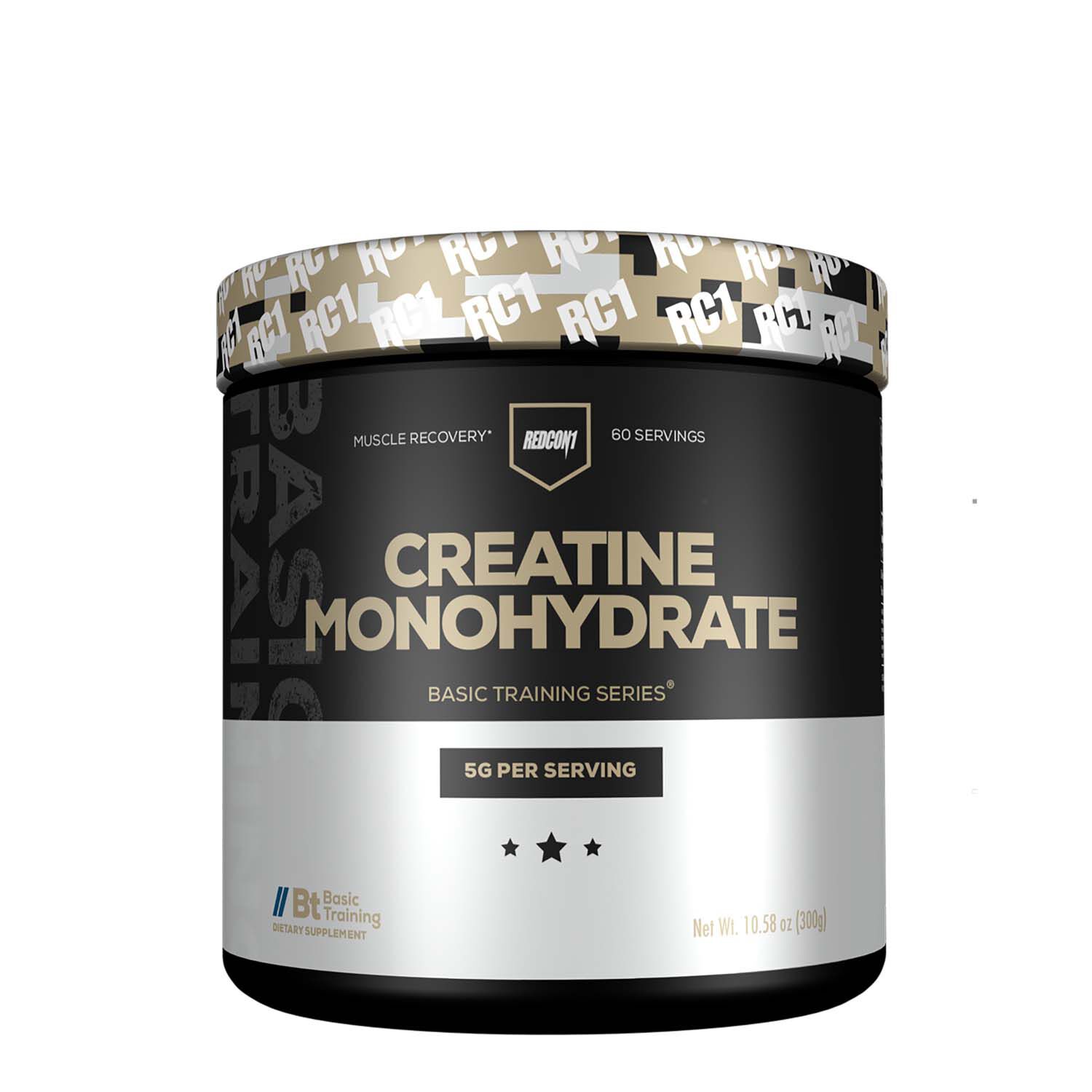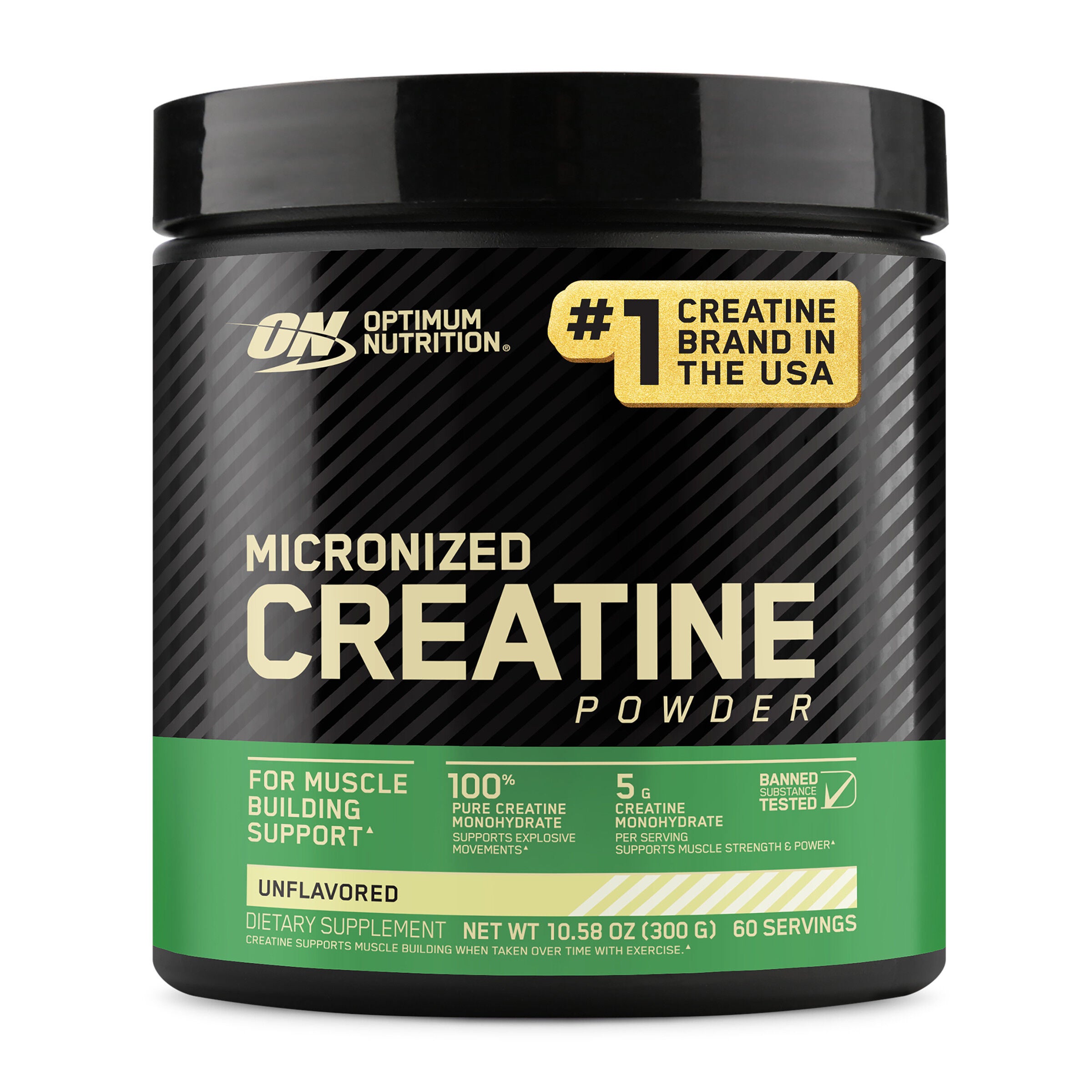


Creatine Monohydrate Capsules For Powerlifters
(0 Results)
Creatine monohydrate capsules for powerlifters offer a convenient way to support your training routine. Designed with athletes in mind, these capsules may fit seamlessly into your daily regimen, whether you’re preparing for a big lift or focusing on recovery. Explore a range of options that could complement your strength goals and help you stay on track with your performance journey.
-

-

-
 $59.99
 -

-

-
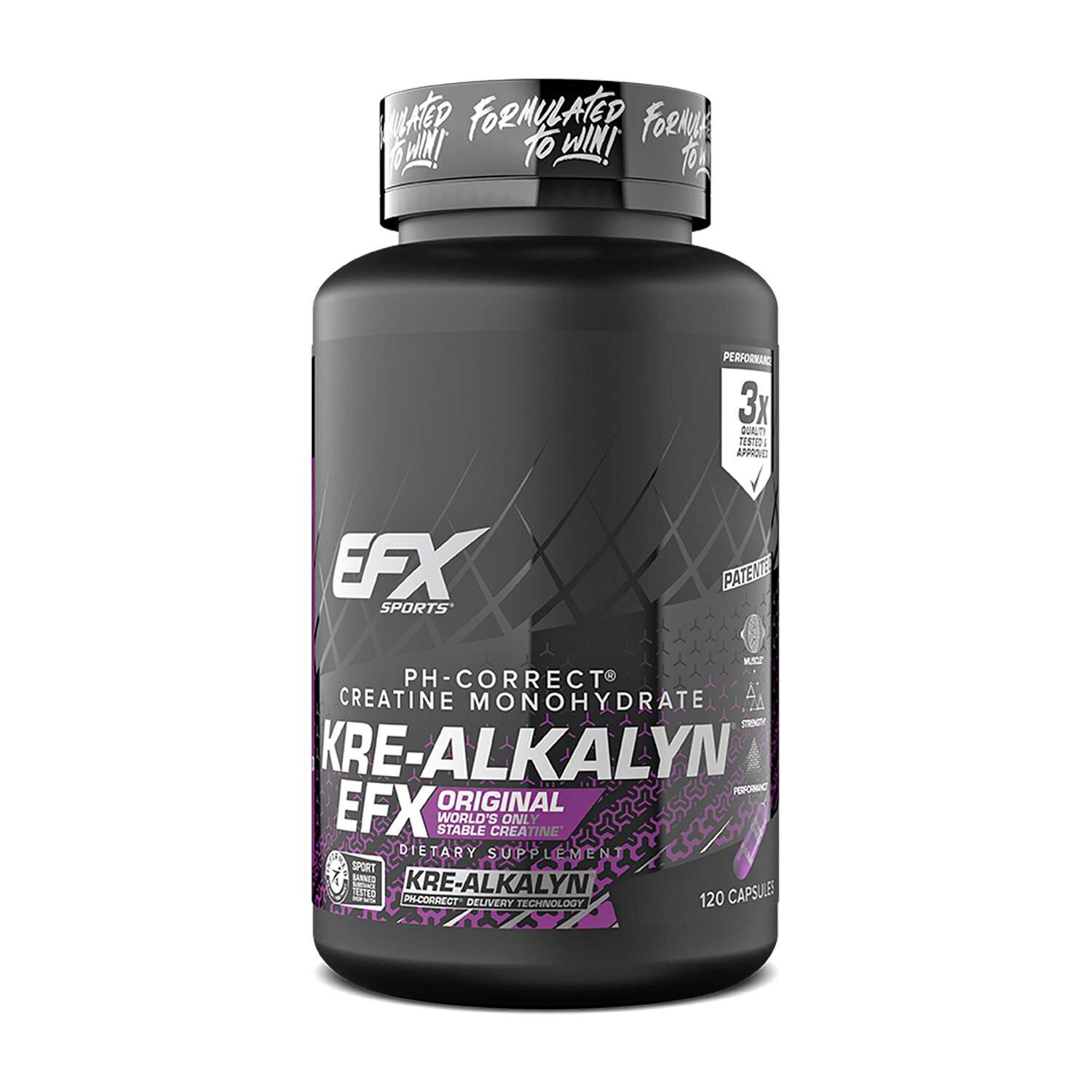
Creatine monohydrate capsules for powerlifters bring a familiar sports nutrition ingredient into a format that fits alongside a training log, lifting belt, and carefully planned barbell sessions. Powerlifting centers on brief, demanding efforts, with much of a workout devoted to preparing for a handful of challenging repetitions. Creatine monohydrate may support performance during repeated bouts of high-intensity exercise, making it relevant to lifters whose training includes heavy squats, bench presses, and pulls from the floor. It may also support strength development when paired with consistent resistance training, although individual experiences vary and a supplement is not a substitute for programming, food, or rest. The capsule format is primarily a matter of preference and practicality: it packages a measured amount of creatine monohydrate inside a capsule shell rather than requiring a scoop and a drink mixture. For someone heading from work to an evening lifting session, that distinction may make the format a convenient match for an established routine. There is no flavored beverage to coordinate with a meal, and no powder to measure at a crowded gym counter. Capsules also suit shoppers who prefer to keep their supplements separate from protein shakes or other drinks. Their appeal does not depend on being an advanced competitor. Recreational strength athletes, lifters preparing for a first meet, and experienced competitors may all be interested in the same straightforward ingredient, while placing different importance on capsule size, serving count, and formula composition. A heavier training block does not automatically call for a more elaborate ingredient list. For many shoppers, the central comparison is between a formula focused on creatine monohydrate and one that includes additional ingredients. This category is about finding a suitable format for a specific training interest, not expecting every bottle to produce the same outcome or every lifter to respond in the same way.
The most useful distinctions between creatine monohydrate capsules often appear in the Supplement Facts panel and the accompanying ingredient list. Capsule count, serving size, and the amount of creatine monohydrate per serving describe different things. A bottle containing more capsules does not necessarily provide more servings, and a serving consisting of several capsules should not be confused with the amount contained in one capsule. Comparing those details side by side gives shoppers a clearer picture of what each format involves. Amounts may be listed in grams or milligrams; one gram equals 1,000 milligrams, so matching the units matters when comparing labels. The front label alone may not provide enough context for that comparison. Capsule dimensions also deserve attention, particularly for someone who has a strong preference for smaller capsules or fewer capsules per labeled serving. A smaller capsule may contain less material, which can mean a different serving count. Shell materials vary and may include gelatin or plant-derived cellulose, so the ingredient list is relevant to dietary preferences as well as formula composition. A plant-derived shell does not by itself establish that every ingredient meets a particular dietary standard; any stated suitability applies to the formula as labeled. Other ingredients may serve manufacturing purposes, such as helping the contents move through equipment or maintaining the capsule’s structure. Their presence should be understood from the actual label rather than inferred from the product’s appearance. For competitive powerlifters, clearly identified independent sport certification may be another meaningful consideration. Certification programs differ in scope, and a general quality statement is not the same as a named testing program. Shoppers who compete under a federation’s rules have a reason to compare those details carefully. Straightforward labeling, a clearly stated creatine amount, and transparent information about capsule materials make this category easier to evaluate without relying on dramatic performance language or treating a long ingredient list as an advantage in itself.
Everyday fit matters because a supplement purchase becomes part of an ordinary routine, not just the most memorable session of a training cycle. A lifter may spend one day working through deliberate warm-up sets and another practicing competition commands with training partners; the capsule format remains a packaging choice across those different sessions. Label directions provide the relevant serving and use information, rather than assumptions based on how difficult a workout feels. Capsules should not be expected to act as an immediate signal that a heavy attempt will go well, and their convenience should not be confused with a different form of creatine. When the ingredient is creatine monohydrate, comparing capsules with powder is largely about the labeled amount, supporting ingredients, and preferred method of use. Bottle design and storage instructions also have practical importance. A secure closure and readable label are useful features for a container that gets handled regularly, while the labeled storage conditions govern where it belongs between uses. Keeping capsules in their original packaging preserves access to the ingredient information, directions, lot details, and expiration date. A gym bag may seem like a convenient place to leave a bottle, but the storage location still needs to match its instructions. Packaging durability is about protecting the contents during ordinary handling, not treating the bottle like another piece of lifting equipment. Shoppers considering a supplement as a gift may find that an athlete’s known capsule preferences and dietary requirements matter more than a surprise selection. Training goals can also change without making every product distinction irrelevant. For those comparing formats across different training phases, Creatine Monohydrate Capsules for Cutting Cycles offers a related category to explore while keeping attention on the same labeling and composition details. Across these considerations, the strongest match is a capsule format whose materials, labeled serving, and intended use align with the shopper’s preferences and powerlifting routine.
Best Sellers
-
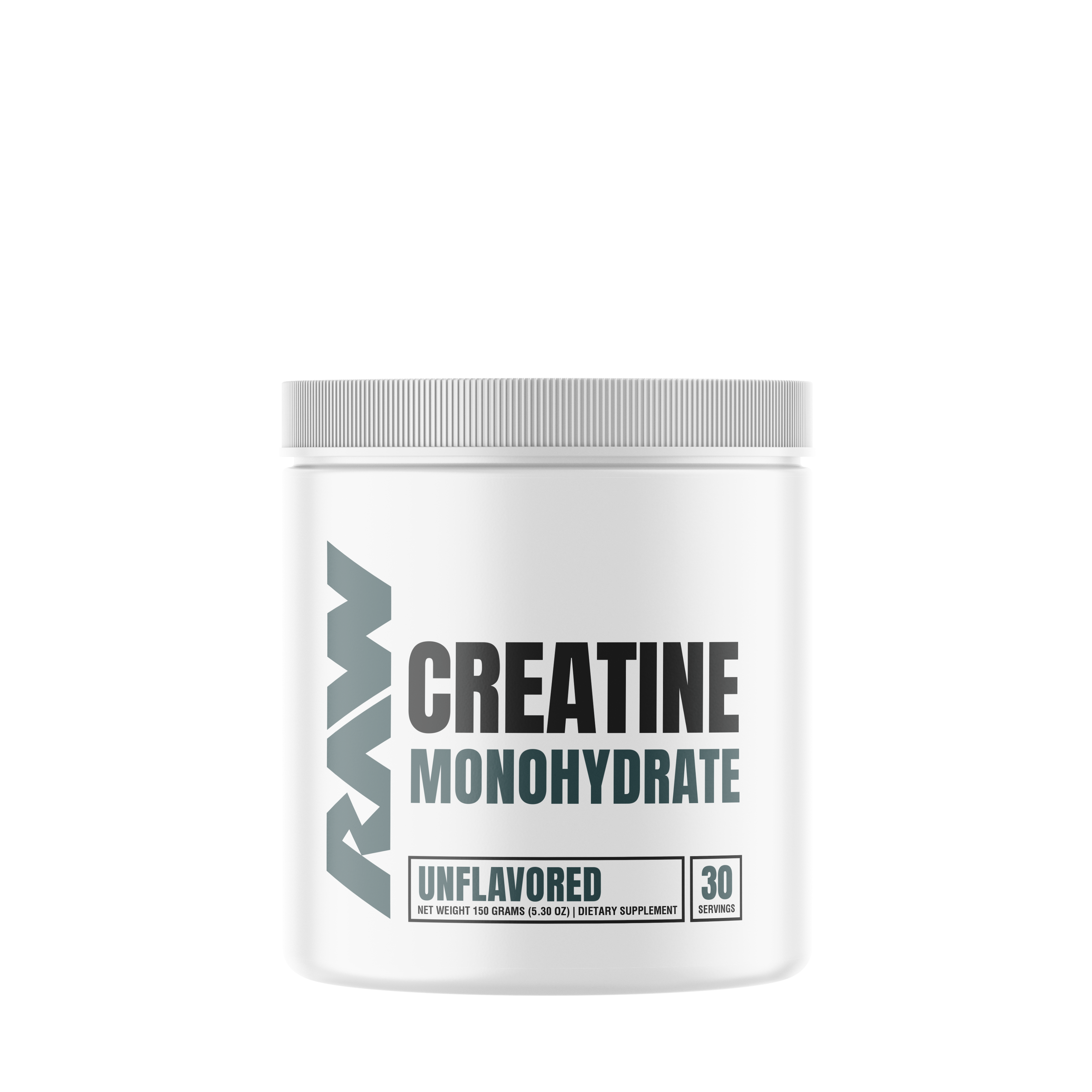 Raw Nutrition
 -
 Peach Perfect
 -
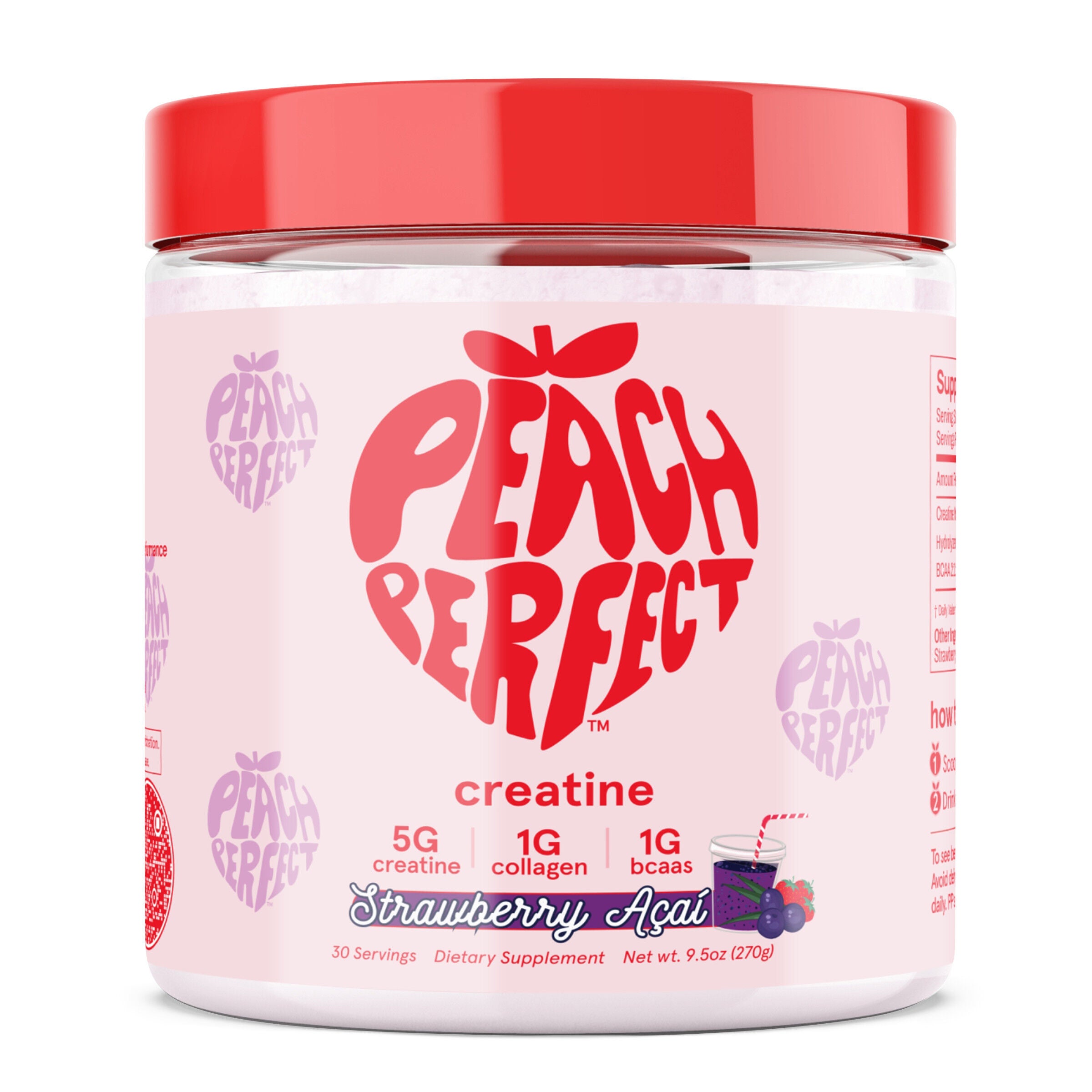 Peach Perfect