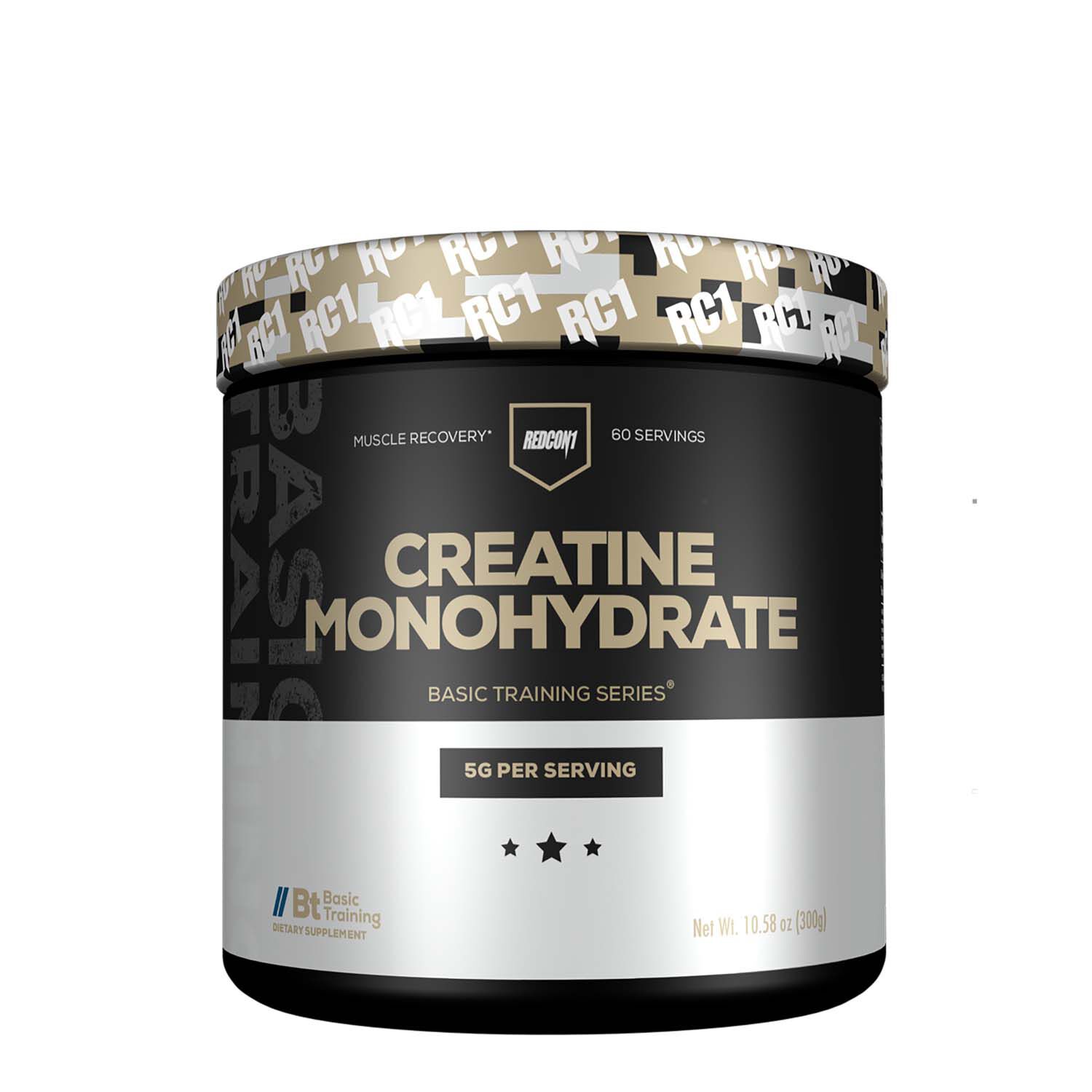


Creatine Monohydrate Capsules For Cutting Cycles
(0 Results)
Creatine monohydrate capsules for cutting cycles may offer a convenient way to support your fitness goals during periods of calorie reduction and intense training. Many athletes and fitness enthusiasts incorporate creatine into their routines when focusing on muscle definition and performance. With easy-to-take capsules, adding creatine monohydrate to your regimen could fit seamlessly into your daily schedule as you work toward your desired results. Explore options that may align with your cutting cycle needs and active lifestyle.


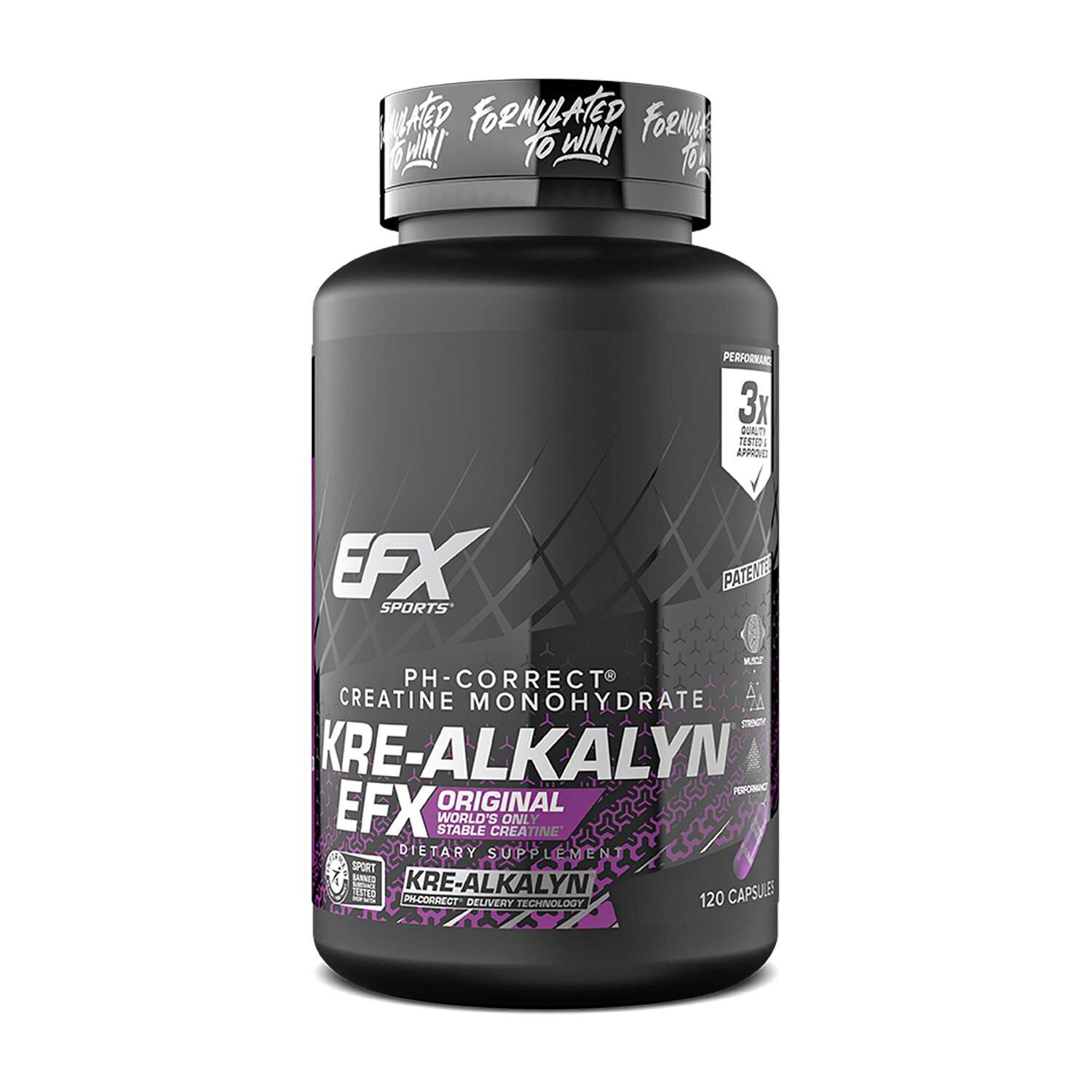
Creatine monohydrate capsules for cutting cycles offer a measured, portable format for shoppers who want creatine to fit into a training routine without another powder to mix. In fitness settings, a cutting cycle generally refers to a period focused on reducing body fat while working to retain muscle and strength. That makes these capsules relevant to recreational lifters, experienced strength athletes, and people whose workouts remain centered on resistance training as their nutrition priorities shift. Creatine monohydrate may support performance during repeated, short bursts of high-intensity exercise, including demanding sets in the weight room. During a cutting phase, that potential support may appeal to someone who still values the quality of each session, even when gaining body weight is no longer the goal. The appeal is less about changing the character of a workout and more about choosing a supplement format that suits an established routine. Picture an early training session followed by a commute: shoes by the door, lunch packed, and just enough time to gather what belongs in the gym bag. Capsules require no shaker, flavor choice, or mixing step, which can make them a practical option for that kind of schedule. They also keep creatine separate from a protein shake or other beverage, so shoppers can choose each product on its own merits. The distinction matters because capsule convenience and exercise-related benefits are separate considerations. Creatine monohydrate may support certain aspects of training performance, while the capsule format simply provides another way to purchase and use the ingredient. A product’s relevance to a cutting cycle comes from its place within the broader training routine, not from its packaging or an implication that it directly reduces body fat. For shoppers browsing this category, the most useful starting point is a clear understanding of the ingredient, the serving information, and the everyday details that make one bottle more suitable than another.
Comparing creatine monohydrate capsules starts with the Supplement Facts panel, particularly the amount of creatine monohydrate in a serving and the number of capsules that serving contains. A large capsule count on the front of a bottle does not necessarily mean more servings inside. Two bottles with similar counts can represent different purchase values when their serving sizes differ, so price per labeled serving is often more informative than bottle price alone. The distinction between an amount listed per capsule and an amount listed per serving also deserves attention; those figures are not always interchangeable. Some shoppers prefer a formula centered on creatine monohydrate, while others may consider products containing additional ingredients. A shorter ingredient list can be easier to compare with supplements already in a routine, though the label remains the source for what a particular product contains. Capsule materials are another meaningful point of difference. Gelatin and plant-derived shells may suit different dietary preferences, and shoppers following a vegetarian or vegan eating pattern can look for explicit labeling rather than relying on the appearance of the bottle. Capsule dimensions, when provided, may also influence format preference, especially for someone who already uses several capsule-based supplements. Beyond the formula, packaging details have a place in the decision. A smaller bottle may fit more comfortably into a work bag, while a larger bottle may appeal to someone who keeps supplements in one designated spot at home. The manufacturer’s storage directions matter in either setting. Flavor is less central here than it is with drink mixes, but capsules should not automatically be assumed to have a particular calorie content or dietary attribute without checking the label. Any quality-testing statements are worth reading closely for what was evaluated, rather than treating a broad statement as proof of every possible attribute. These are practical distinctions, but they can meaningfully shape the purchase: a clearly labeled serving, a suitable capsule shell, and a reasonable cost per serving often matter more in everyday use than an eye-catching bottle design.
The best fit for creatine monohydrate capsules during a cutting cycle is often someone who wants consistency in product format while other parts of a fitness routine change. A lifter might move from an after-work session to a morning workout, or trade a long outdoor warmup for more time inside during the cooler months, without wanting to rethink every supplement in the cabinet. Capsules can suit that preference because they do not depend on a particular drink, texture, or recipe. They may also appeal to shoppers who enjoy their existing protein powder and would rather not change its taste by adding another powdered ingredient. Expectations still deserve care. Creatine may influence water held within muscle cells, and that may affect body weight or how muscles look; those changes are not the same as changes in body fat. Individual experiences can differ, so a specific shift in weight or appearance should not be treated as an expected result of choosing this category. Likewise, creatine may support repeated high-intensity efforts, but no capsule can stand in for the broader work involved in a training program. The most relatable reason to choose the format is often modest: it belongs comfortably in the routine someone already has. For gift shopping, that familiarity is particularly important. These products may suit an adult fitness enthusiast who has specifically asked for creatine capsules, provided the giver knows the recipient’s ingredient and capsule preferences. They are a more personal purchase than a gym towel or water bottle, so guessing based only on someone’s interest in lifting may miss what they actually want. Shoppers comparing formats across different training phases can also browse Creatine Monohydrate Powders For Bulking Cycles for another presentation of the same core ingredient. Capsules are not inherently reserved for cutting, just as powders are not inherently reserved for gaining phases. The distinction is primarily about format, labeled formulation, and preference. For this selection, the strongest purchase considerations remain straightforward: clearly identified creatine monohydrate, understandable serving details, suitable capsule materials, and packaging that makes sense for the way the product will be stored and used.
Best Sellers
-
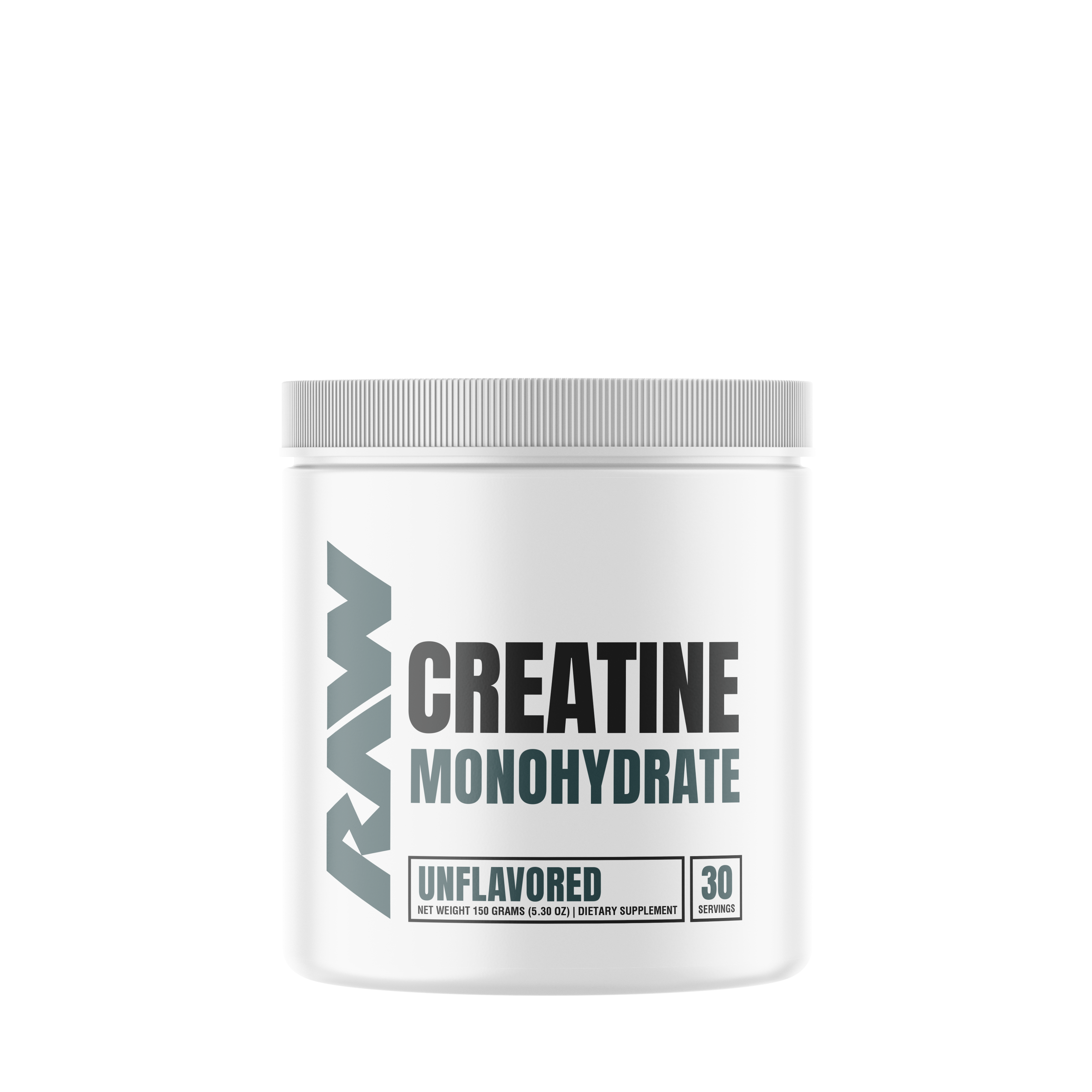 Raw Nutrition
 -
 Peach Perfect
 -
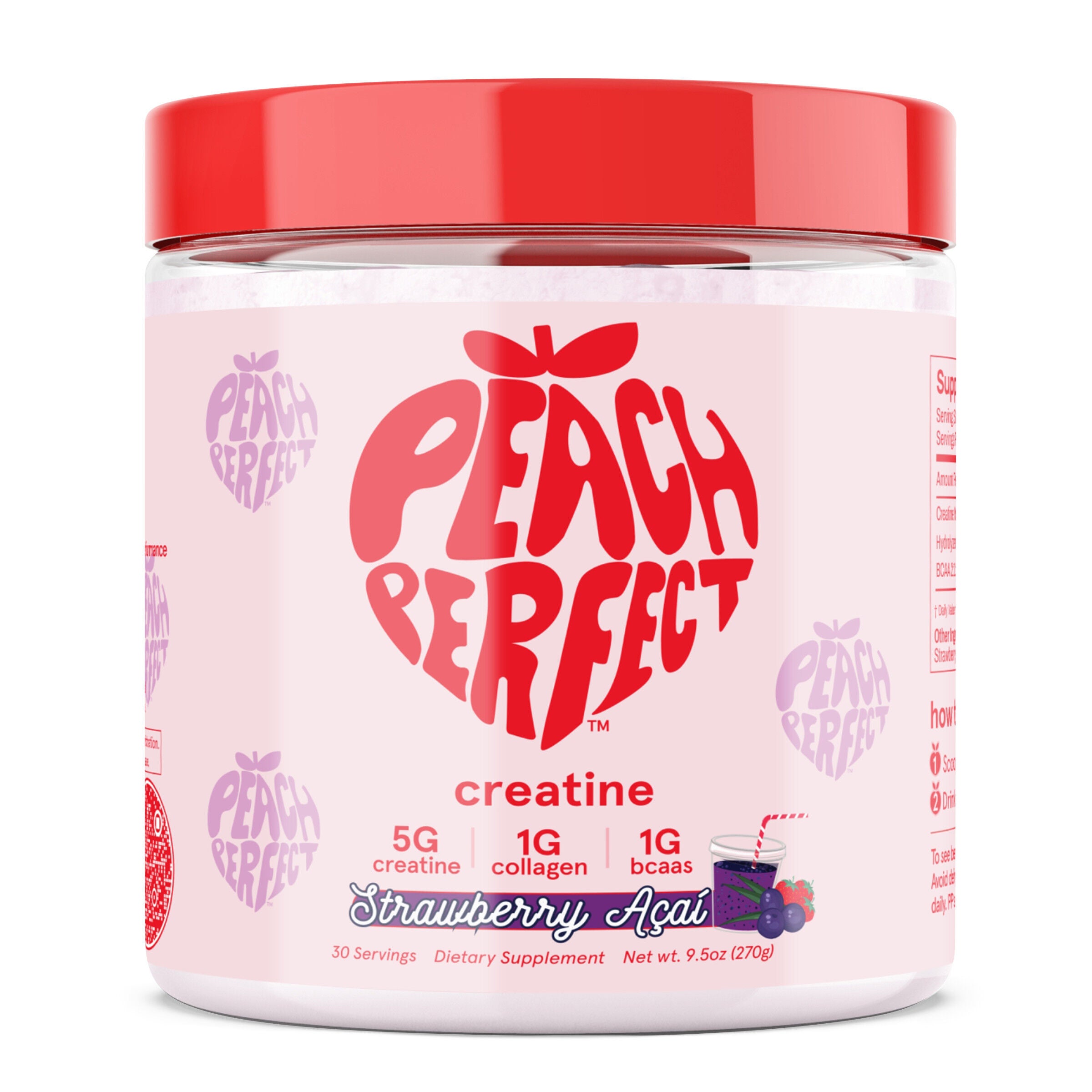 Peach Perfect