





Creatine Monohydrate Powders For Bulking Cycles
(0 Results)
Creatine monohydrate powders for bulking cycles are a popular addition to many fitness routines. Whether you’re looking to support your training goals or aiming to maximize your gym sessions, these supplements may be an option to consider. With a variety of formulas and serving sizes available, finding the right creatine monohydrate powder for your bulking cycle could help you personalize your supplement stack and stay on track with your fitness journey. Explore options designed for convenience and versatility as you work toward your next milestone.
-
-

-

-

-

-

-

-
-
 Angry Supplements$29.99
-
-

-
-

-
-
-

-

-
-
-

-

-
-

-

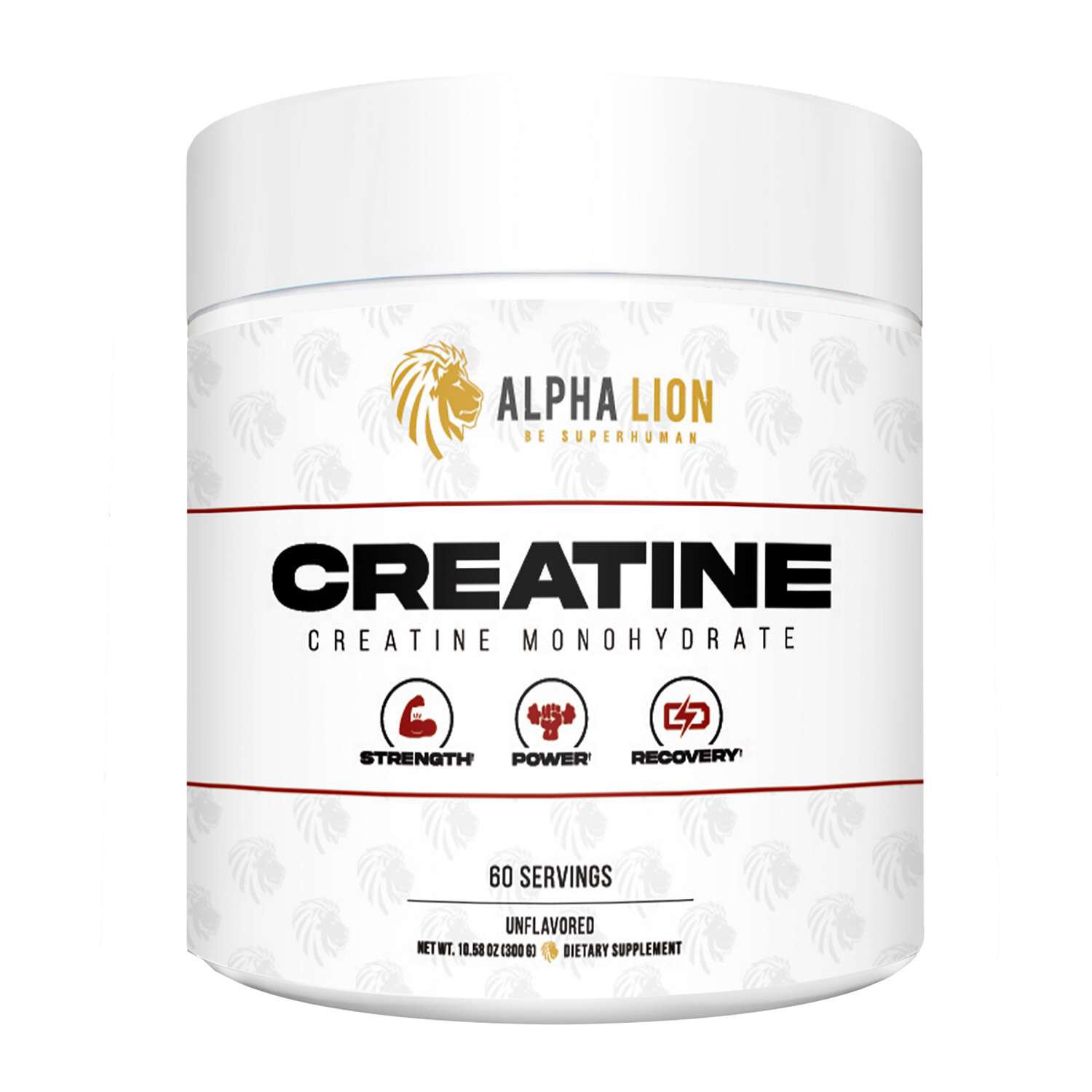
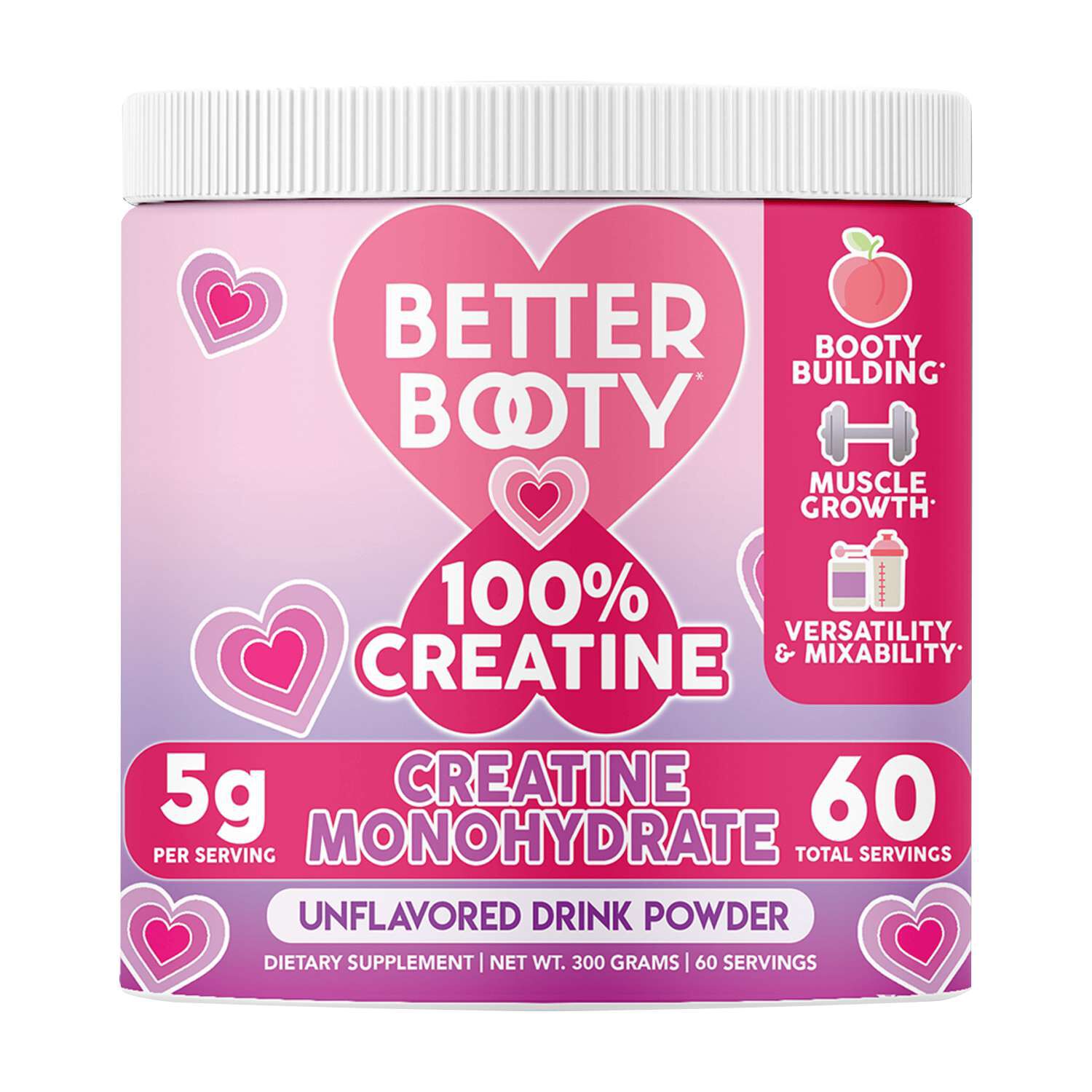
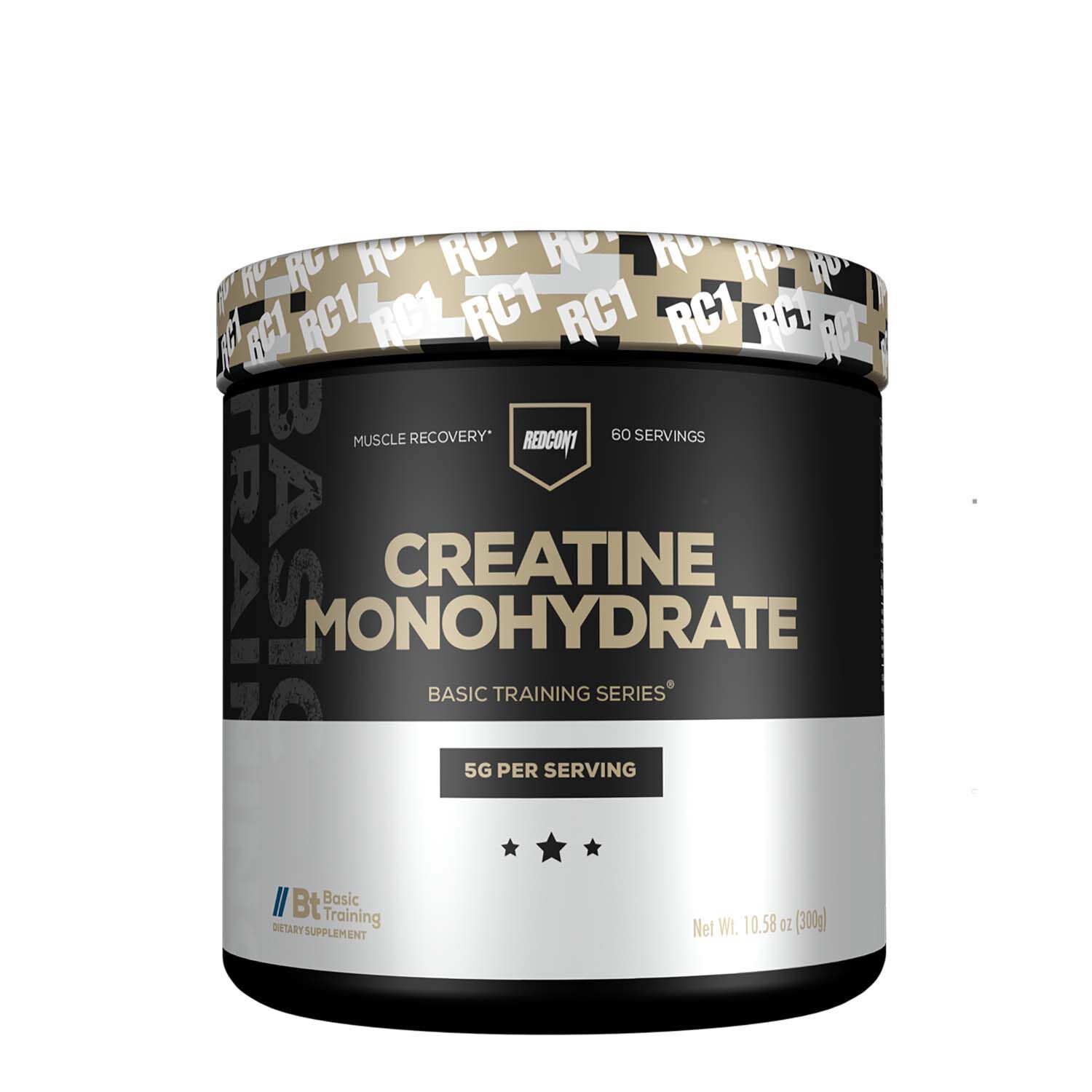
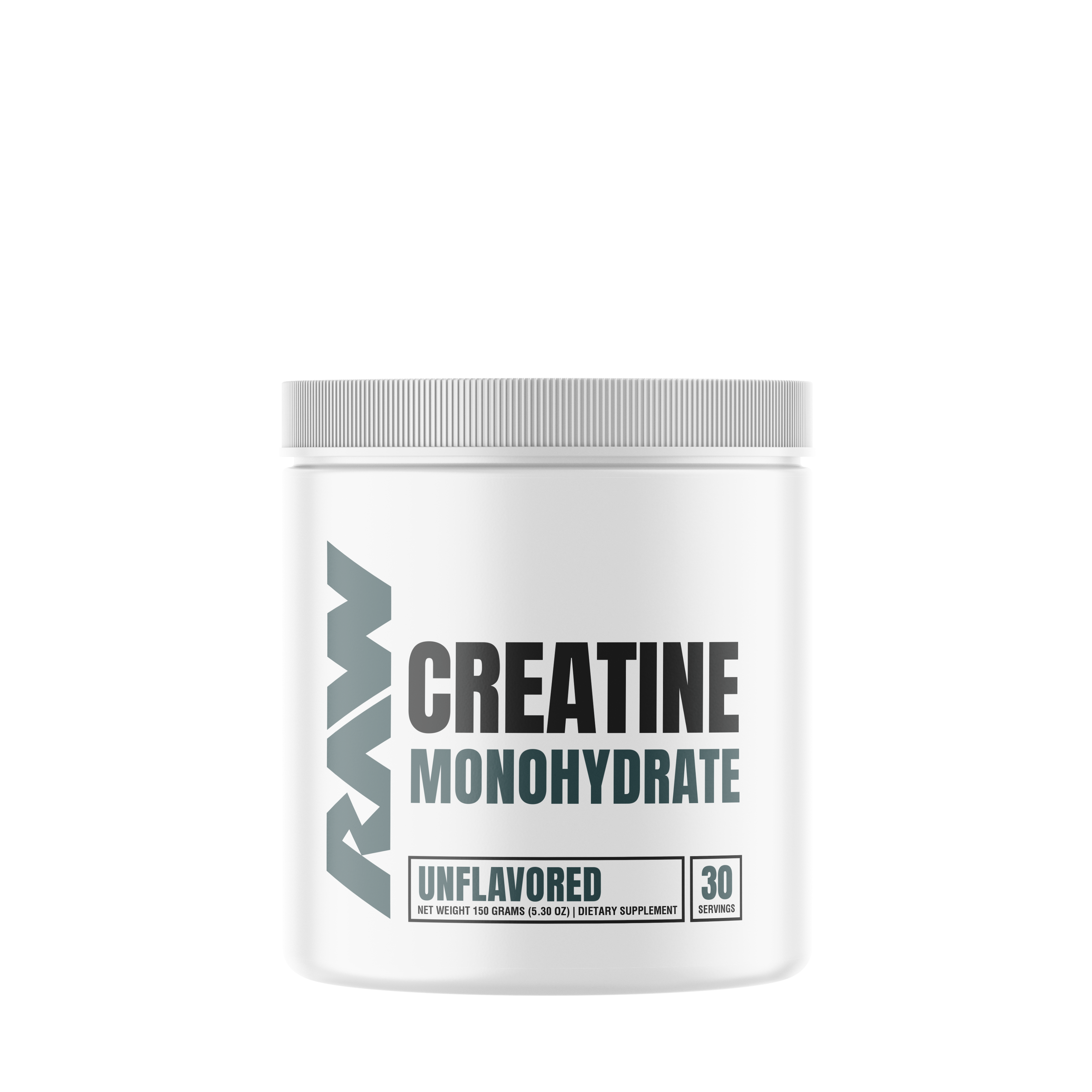
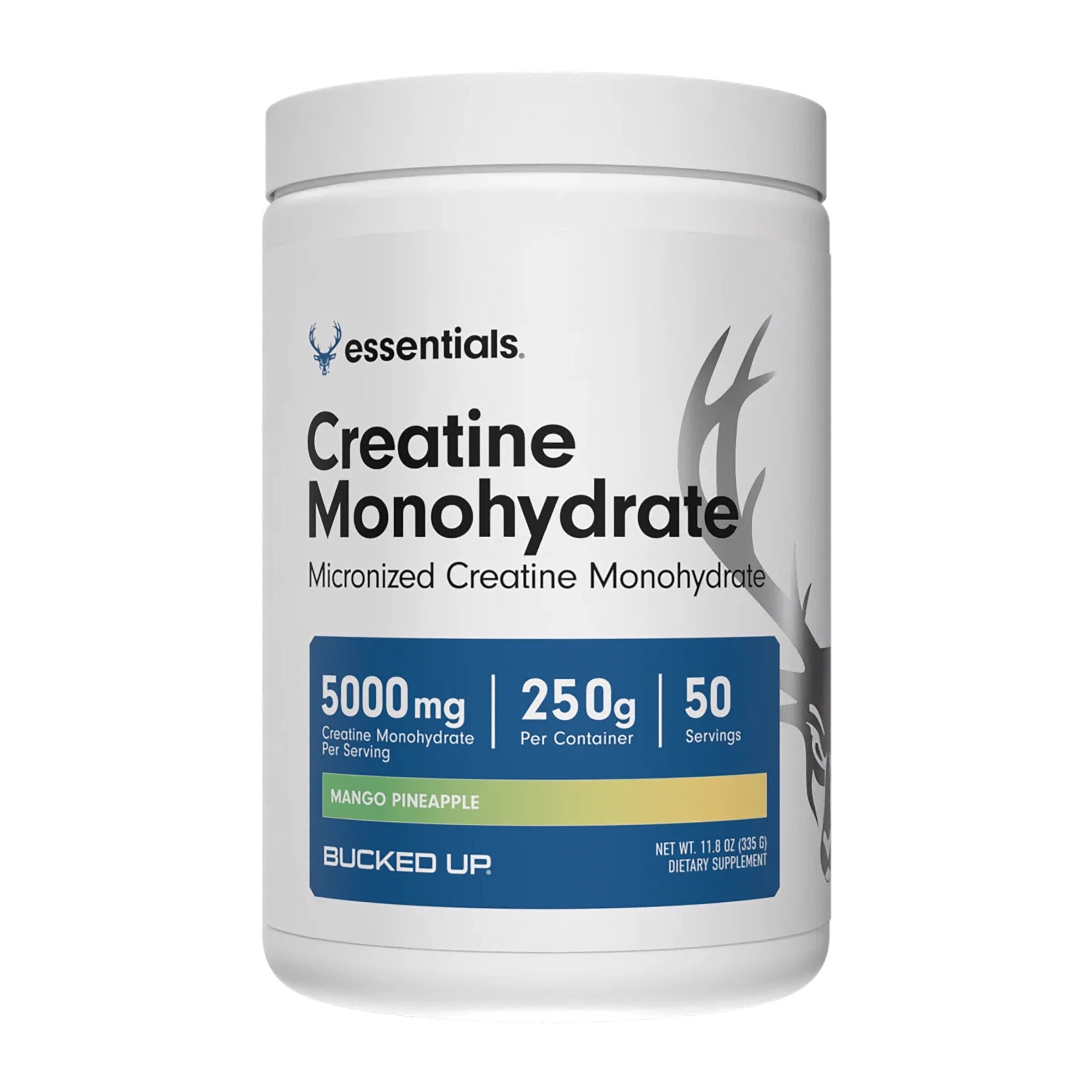
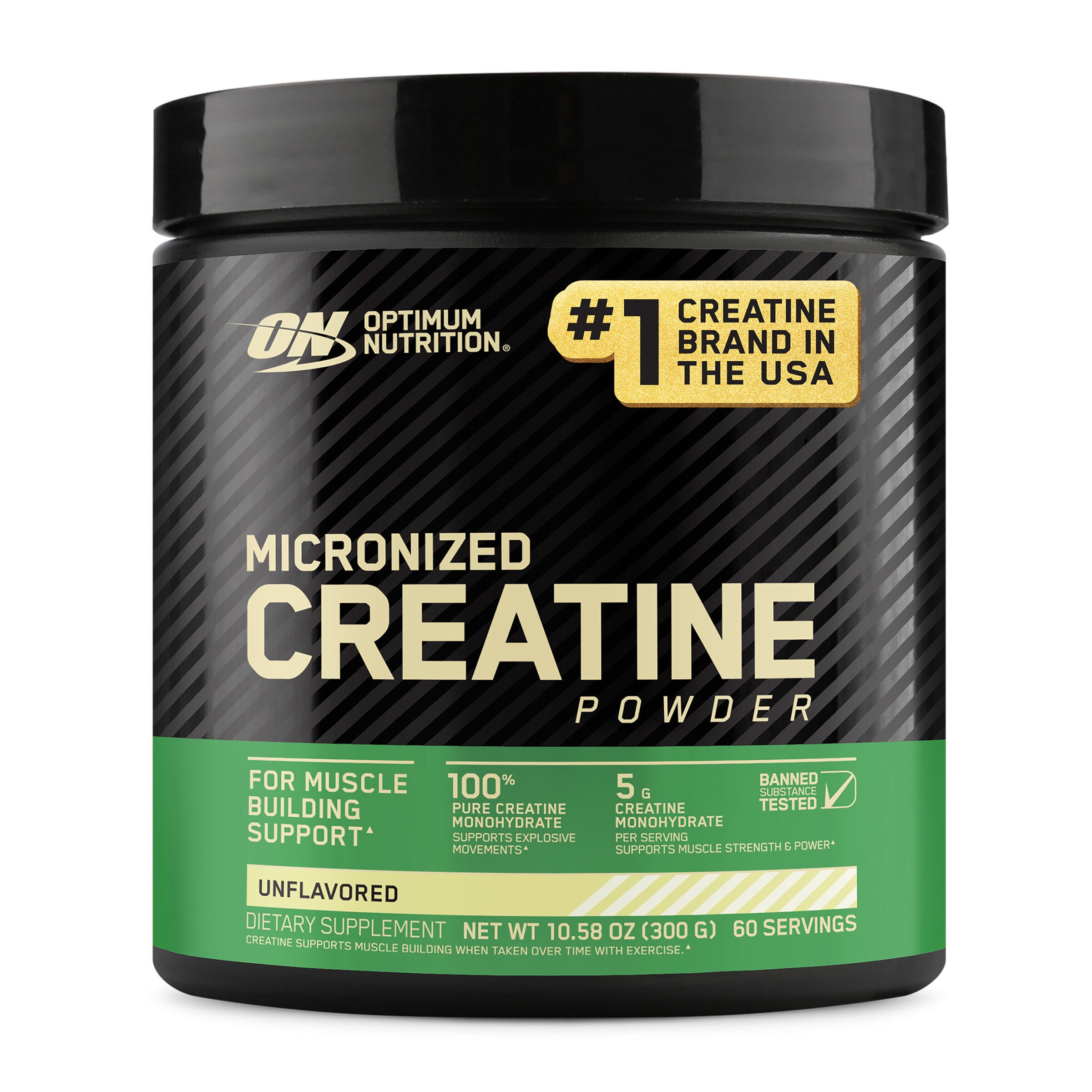
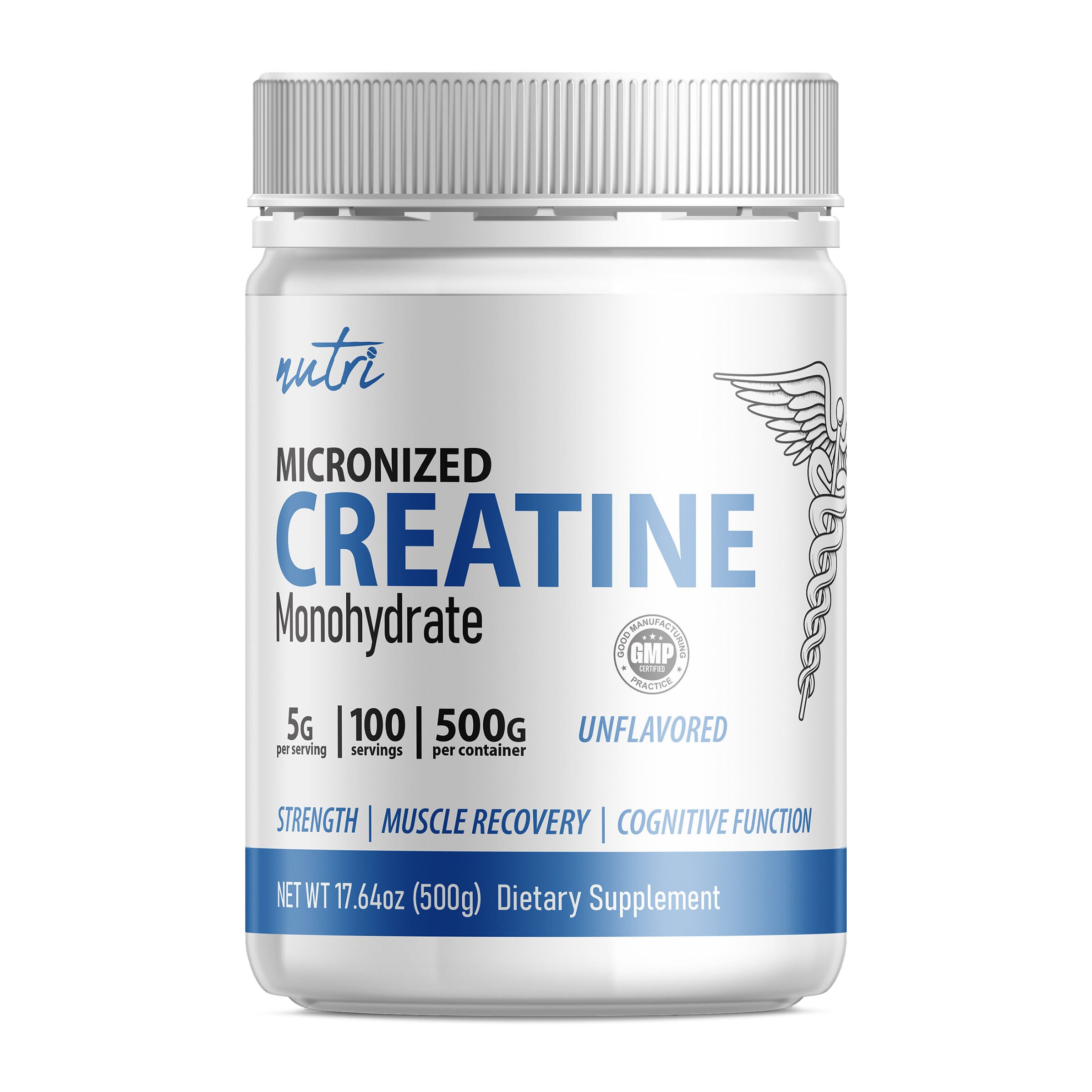
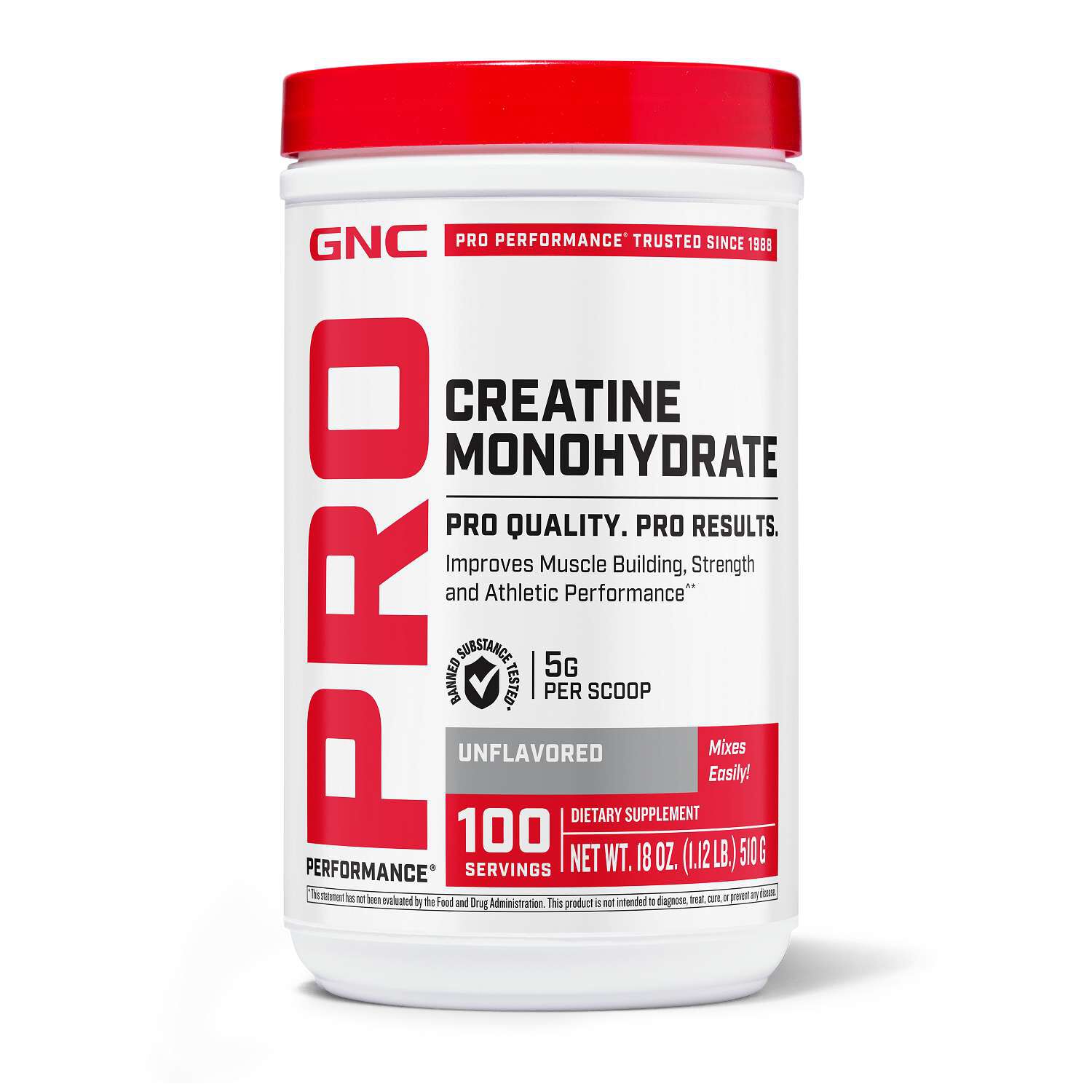
Creatine monohydrate powders for bulking cycles fit into strength-training routines built around progressive resistance exercise, adequate food intake, and regular recovery time. In this context, a bulking cycle means a planned period of eating and training with muscle gain as a primary goal. Creatine is a compound found naturally in the body and in foods such as meat and fish; creatine monohydrate pairs creatine with a water molecule in a powdered ingredient. As a supplement, it may support performance during repeated, short bursts of high-intensity exercise, including demanding sets of resistance training. Alongside a structured lifting program, it may also support gains in strength and lean mass over time. Those potential benefits explain its connection to bulking, but creatine powder is not the same as protein powder or a mass-gainer formula. A single-ingredient creatine powder is not intended to provide the substantial calories or protein associated with those other categories. Instead, it offers a way to incorporate creatine without making a large shake part of every serving. That distinction matters to someone already preparing substantial meals, as well as a lifter who prefers to keep protein, carbohydrates, and other supplements separate. Powder formats also allow shoppers to choose between a neutral addition to an existing drink and a flavored beverage that stands on its own. The relevant details extend beyond the name on the front of the container: the amount of creatine monohydrate per serving, the ingredient list, the preparation directions, and the number of servings all help distinguish one formula from another. For a bulking-focused routine, the strongest fit is a powder whose composition and preparation match the way a person already eats and trains. A carefully planned supplement shelf does not need to be complicated, and a straightforward formula may suit someone who values a repeatable routine more than an elaborate combination of ingredients.
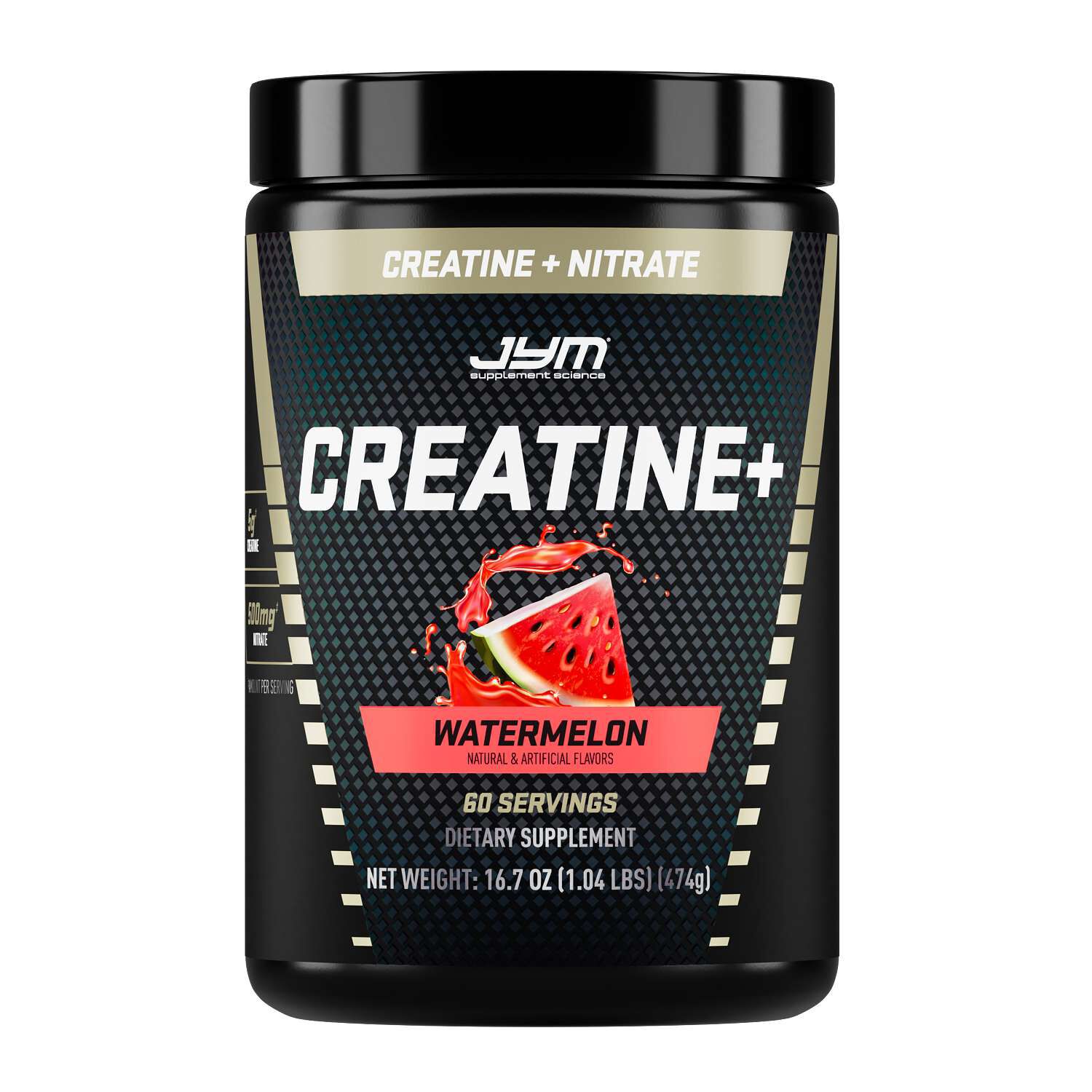
Texture, flavor, and ingredient simplicity are important differences among creatine monohydrate powders. Micronized creatine monohydrate has been processed into smaller particles, which may disperse more readily in liquid and feel less gritty than a coarser powder. Micronized describes particle size rather than a different form of creatine, and the term alone does not establish better training results. Some settling can still occur, so a powder's preparation directions are more useful than an expectation that every serving will disappear into a drink without stirring. Unflavored formulas are often a practical match for someone who already enjoys a chocolate protein shake, a fruit smoothie, or another beverage with its own flavor. Unflavored does not necessarily mean undetectable: the finished drink can still have a different texture or a faint taste. Flavored powders offer another approach, particularly for shoppers who prefer their creatine drink separate from meals or protein shakes. Sweeteners, colors, and other ingredients vary, making the full ingredient list relevant to taste preferences and dietary requirements. A single-ingredient formula offers a different experience from a blend that includes carbohydrates, electrolytes, or other workout-oriented ingredients. Those additions change what a serving contains, even when creatine monohydrate remains prominent on the label. Serving weight and creatine content are also different measurements; several grams of finished powder do not automatically represent the same number of grams of creatine. Clear labeling makes that distinction easier to understand. For shoppers comparing containers, the stated creatine amount per serving offers a more meaningful point of comparison than scoop size or tub dimensions. Preparation directions can also clarify the suggested amount of liquid and the intended serving measure. Someone mixing a drink at a kitchen counter may favor a wide-mouth container, while a gym-bag routine may call for a more compact package with a secure closure. These everyday details can make the powder a better match for a routine without implying that packaging or flavor determines its potential benefits.
Intended use matters just as much as powder texture. Creatine monohydrate powders may appeal to adult recreational lifters, experienced bodybuilding enthusiasts, and strength athletes whose training includes repeated efforts under demanding loads. A physique-focused bulking phase and a strength-focused training block are not identical, but both can involve planned progression and attention to food intake. Shoppers whose routines center on the squat, bench press, and deadlift can also explore Creatine Monohydrate Powders For Powerlifters for a closely related training emphasis. Across these uses, realistic expectations remain important. Creatine may contribute to an increase in body weight through water held within muscle, so a change in body weight does not necessarily represent new muscle tissue. Individual experiences may differ, and a supplement is not a replacement for the training, meals, and rest that define a bulking plan. There is also no single package size or flavor format that suits every training schedule. A larger container can suit an established routine, while a smaller format can fit limited cabinet space or a preference for fewer open containers. Durable packaging, a tightly closing lid, and a readable label are useful features for a powder that may be handled regularly. Keeping the scoop dry, closing the container after use, and following the labeled storage directions may help limit moisture exposure and clumping. The printed serving directions and date information remain relevant throughout use, particularly when several powders share the same shelf. For competitive athletes, independent sport-focused certification can be another selection consideration; the specific certification and its scope matter more than a broad quality statement. Testing information is not evidence that a powder will produce a particular training outcome. Ultimately, the most useful comparisons stay grounded in identifiable characteristics: creatine form, creatine amount per serving, added ingredients, flavor, texture, labeling, and packaging. Those details help connect creatine monohydrate powder with the practical demands of a bulking cycle, whether that means a simple drink alongside breakfast or a separately prepared serving within an established workout routine.
Best Sellers
-
 Create Wellness

Related Pages

Top Collections
- Daily Collagen Supplements | Top Brands & Deals | GNC
- Natural Collagen Supplements | Top Brands & Deals | GNC
- Top Rated Collagen | Shop Customer Favorites | GNC
- Cortisol Supplements
- Vitamins For Hair Loss
- Spirulina Tablets
- NAD+ Supplement Tablets
- Peptide Supplements
- Best Brand of Magnesium Glycinate
- Vitamins That Help Support Weight Gain