Cyber Monday Deals On Omega Supplements
(0 Results)
Browse Cyber Monday deals on omega supplements and compare the available offers. Review product labels for the types and amounts of omega fatty acids per serving, then compare serving counts, prices, and offer details to find an option that fits your routine and budget.
-
-

-

-
-

-

-

-
-
-
-

-
-

-
-
-

-
 $24.99
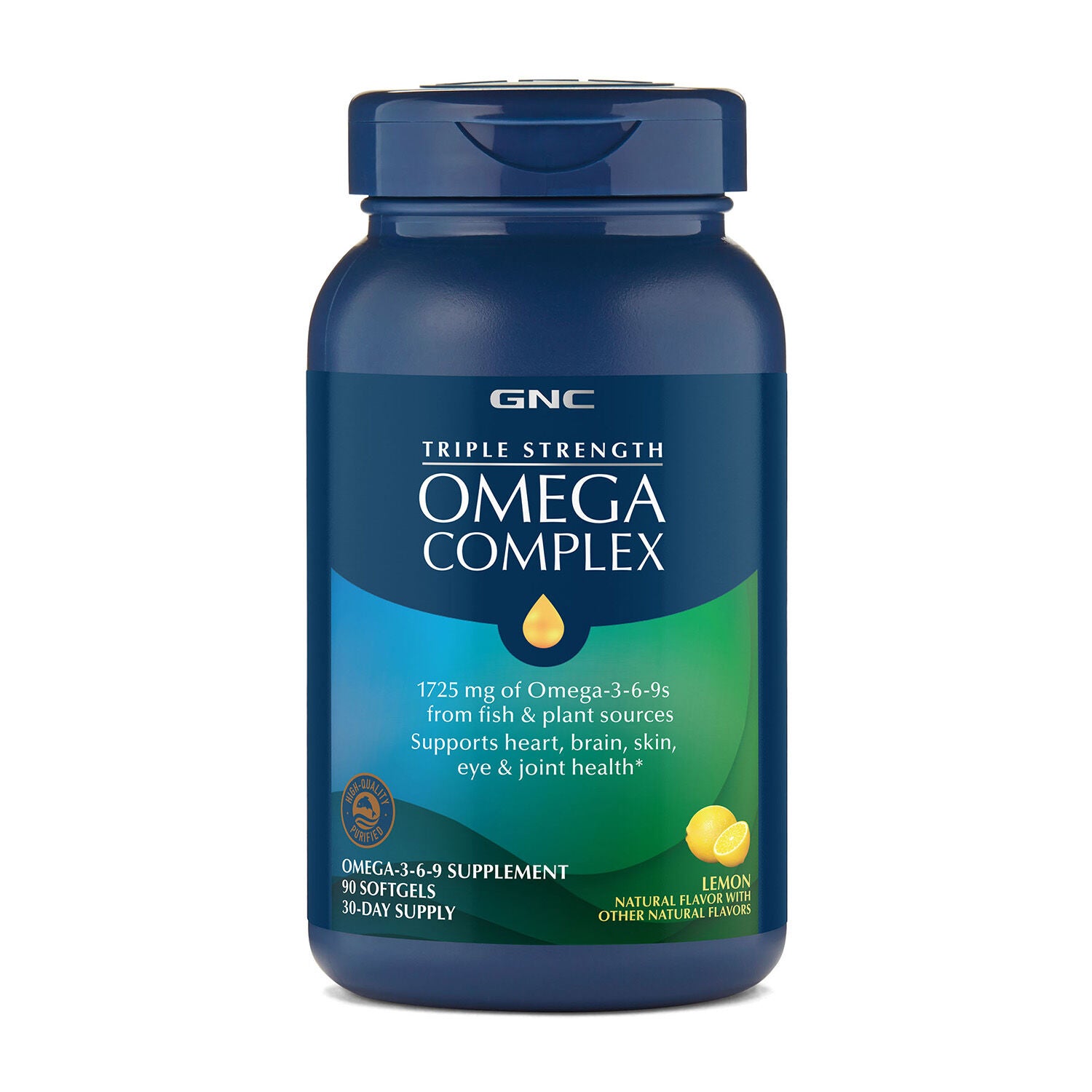

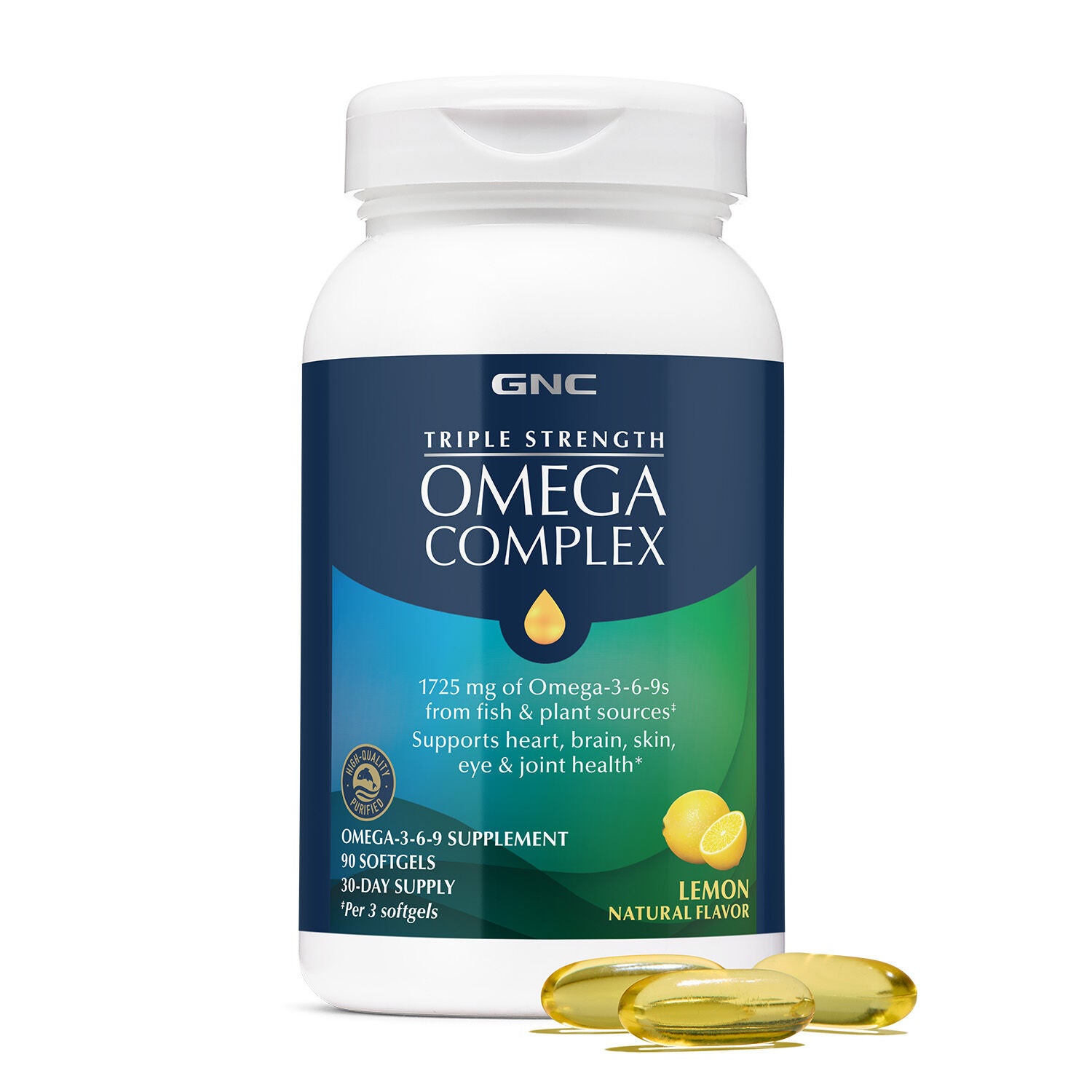
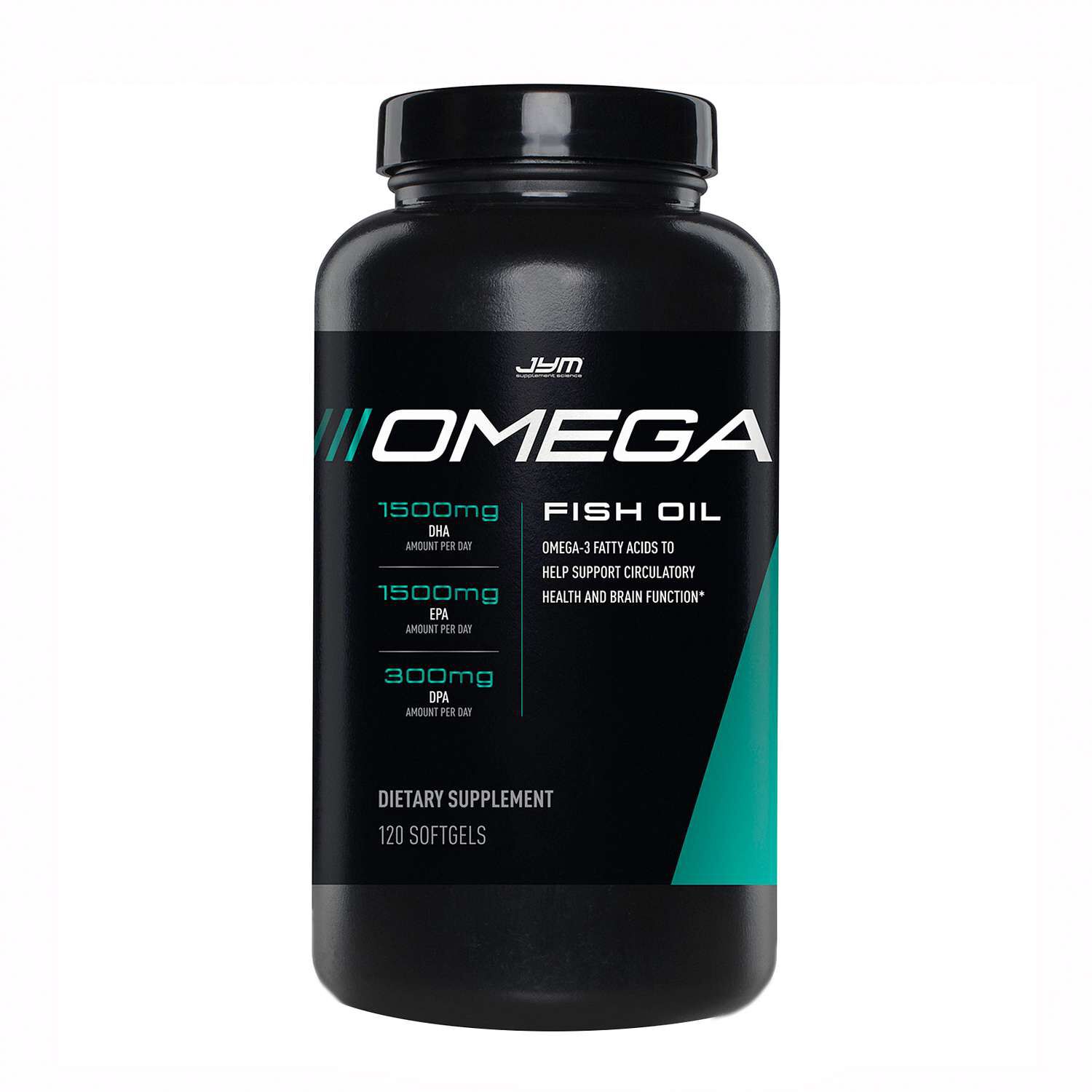
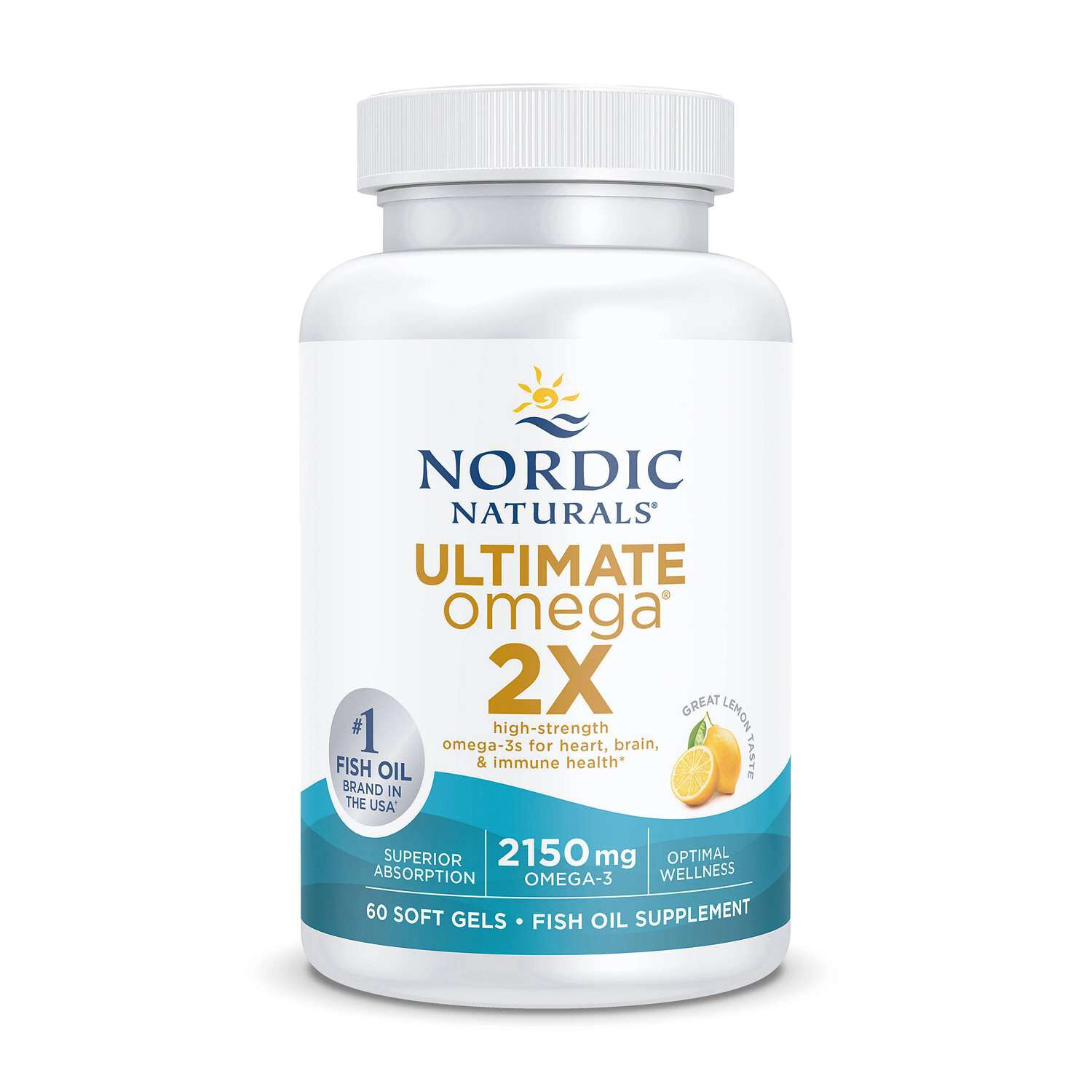
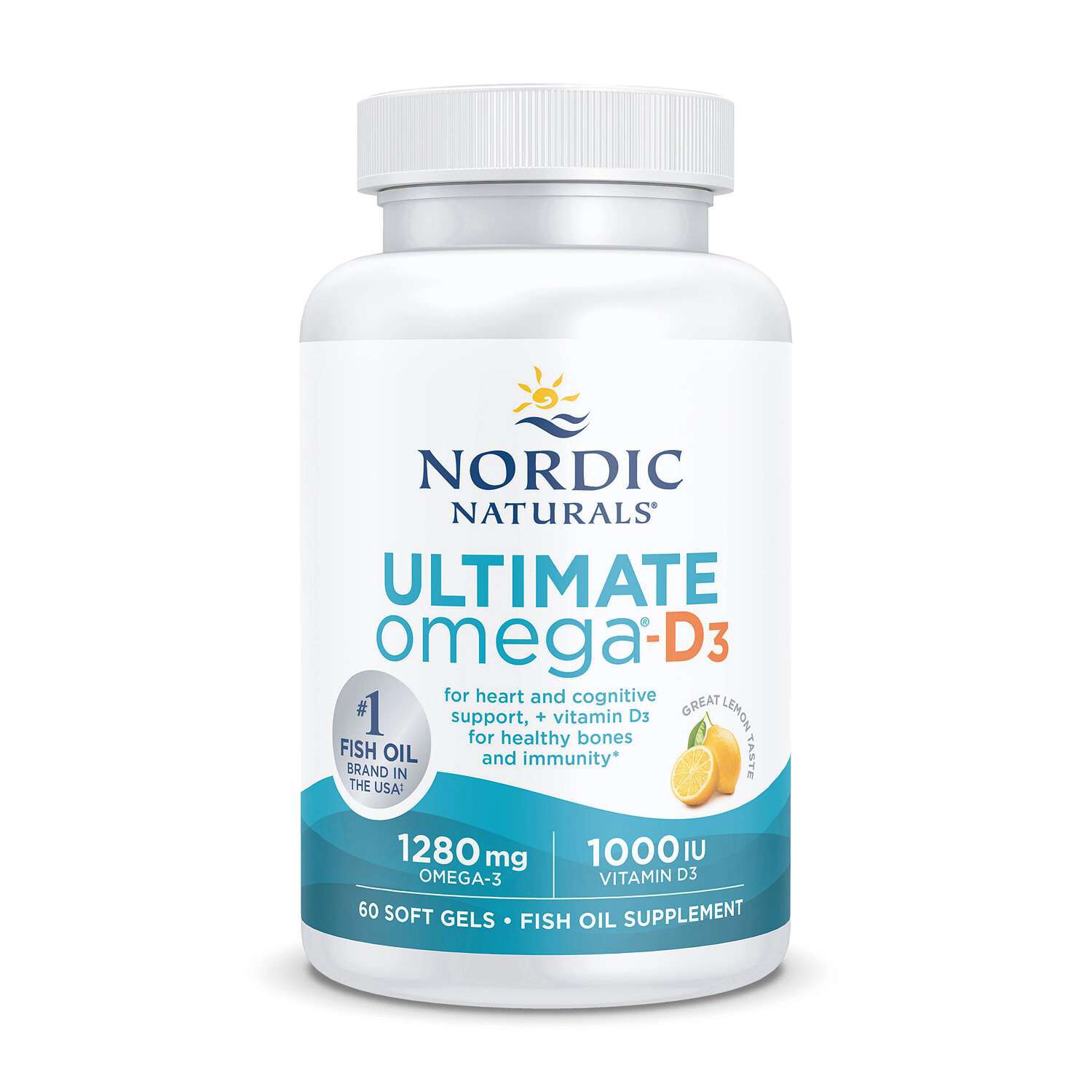
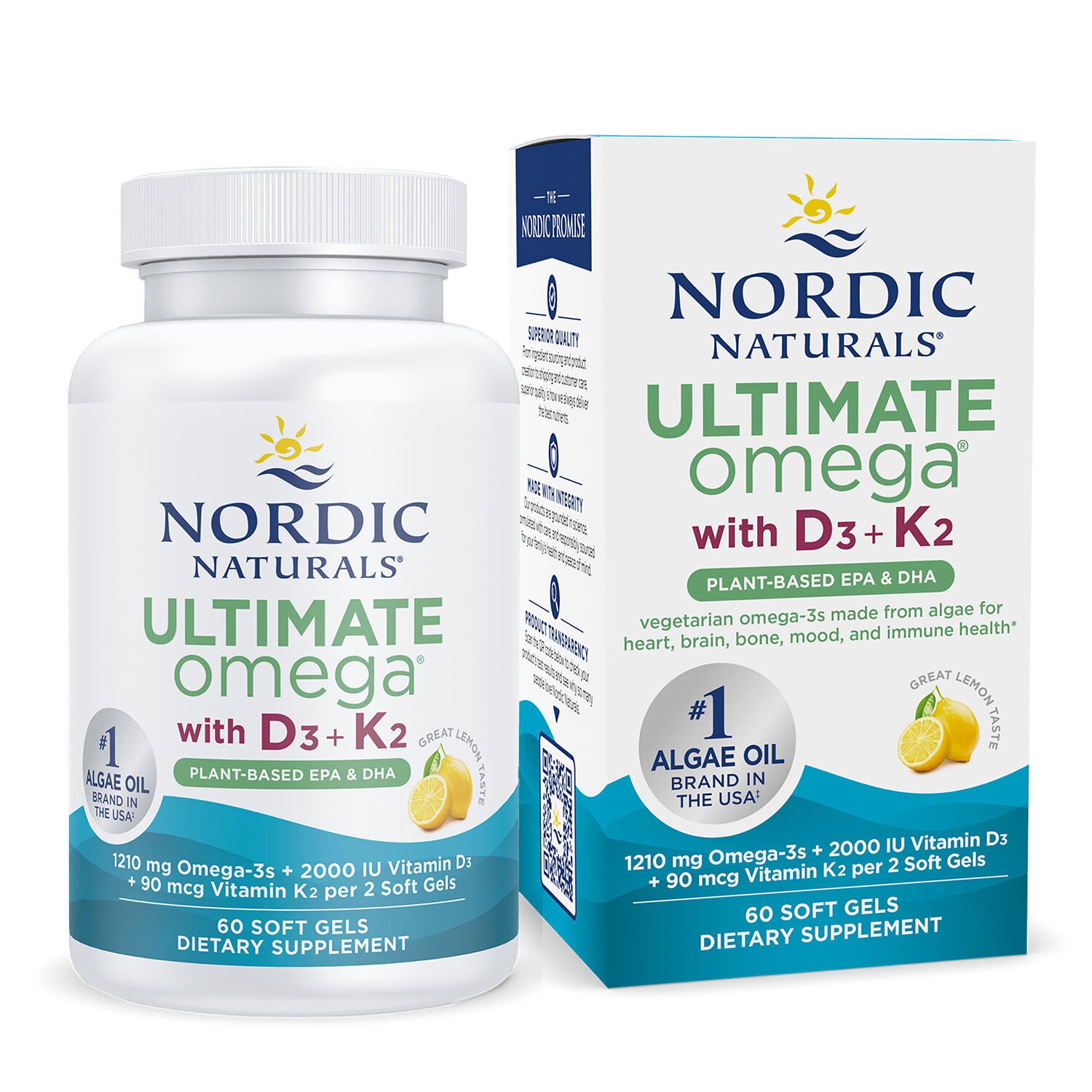
Cyber Monday shopping for omega supplements starts with a distinction that’s easy to miss: the amount of oil named on the front of a bottle isn’t necessarily the amount of omega-3 fatty acids listed on the back. Fish oil, for example, contains more than just the omega-3s EPA and DHA, so a milligram figure for the oil describes something different from a milligram figure for either fatty acid. The serving size matters, too. A number on the Supplement Facts panel might describe one softgel, two softgels, or a measured portion of liquid. Reading the amount and serving size together helps put two labels on the same footing, especially when the bottles look similar but describe different portions. The source of the oil is another useful distinction. EPA and DHA are commonly associated with fish oil, but algae-derived oils can also contain one or both. ALA is a different omega-3 fatty acid found in sources such as flaxseed. A label that says “plant-based omega-3” doesn’t tell the whole story on its own: flaxseed oil and algal oil don’t necessarily contain the same fatty acids. Some formulas also list omega-6 or omega-9 fatty acids, so the word “omega” by itself doesn’t specify what’s in a blend. The ingredient list adds details that the name on the front often leaves out. For anyone who avoids ingredients from particular sources, the oil and the capsule shell are worth checking separately. An algae-derived oil, for instance, doesn’t tell shoppers whether the shell is made with gelatin or plant-derived ingredients. The same part of the label identifies additions such as flavorings or sweeteners. Those details make a difference when two bottles share a broad description, yet one contains a plain oil in a softgel and the other contains a flavored liquid with a longer ingredient list.
Format matters once the bottle is part of an ordinary routine. A softgel holds oil inside a shell, with no measuring spoon to rinse afterward. Softgels vary in size, though, and a serving of two smaller ones feels different from one larger one for someone who cares about capsule size. A bottled liquid involves a measuring step and puts the flavor of the oil front and center. Someone who notices the taste of an unflavored oil might prefer a flavored liquid, while someone who would rather skip the taste and measuring step might prefer a softgel. Chewable formats bring texture and sweetness into the comparison, along with ingredients that aren’t always found in plain oils. Packaging deserves a look as well, particularly for a bottle that will be opened often. A cap with a wide rim can be easier to grip, and a liquid bottle that pours neatly is a practical detail when the measuring spoon is small. Storage directions help determine where the bottle fits. If a liquid calls for refrigeration after opening, it belongs in a different spot from a bottle that can sit in a dry cupboard away from direct light. A softgel bottle that fits neatly beside other supplements at home may still be bulkier than someone wants to pack for a trip. A liquid that needs refrigeration adds another consideration for travel, even if the bottle itself is compact. For a larger package, the best-by date and any separate directions for keeping the oil after opening are worth reading together. Someone who opens a bottle only occasionally may prefer a smaller package rather than finding a larger one still on the shelf long after opening it. The original container also keeps the ingredient list, serving information, and storage directions together, which is handy in a household where two similar-looking bottles contain different oils.
Omega supplements are a personal choice, whether they’re going into a familiar routine or onto a Cyber Monday gift list. A shopper replacing a familiar formula may already know the oil source and softgel size they prefer, while someone comparing formats for the first time may pay more attention to flavor, capsule materials, or how much space a bottle takes up. As a gift, an omega supplement makes the most sense when the recipient has asked for one or has shared what they like to use. Someone who keeps an algae-derived softgel beside the breakfast mugs may not see a bottle of flavored fish oil as interchangeable, even when both labels say omega-3. Likewise, someone who prefers a liquid and already keeps a measuring spoon beside the bottle may have chosen that format quite deliberately. If the request is simply “omega supplements,” knowing the preferred oil source, the fatty acids listed on the label, and the form can help narrow the choice without guessing. A sealed package with its original label lets the recipient review the ingredients and see how the bottle should be stored before opening it. For a shopping list that includes more than one supplement category, the Cyber Monday amino acid supplement page covers a separate family of ingredients: amino acids are the building blocks of proteins, while omega-3s are fatty acids. The details that distinguish one omega formula from another tend to be plain ones: what the oil comes from, what the label lists per serving, and what it takes to use and store that particular format. A bottle that fits beside the breakfast mugs and a liquid that belongs on a refrigerator shelf can have similar front labels, yet fit into the day in noticeably different ways.
- Q: How do omega-3 supplements differ from omega-3-6-9 blends?
A: Omega-3 supplements focus on omega-3 fatty acids, such as EPA, DHA, or ALA. Omega-3-6-9 blends combine fatty acids from all three groups. The sources and proportions vary by formula, so check the label for the specific fatty acids included. - Q: What do EPA and DHA mean on omega supplement labels?
A: EPA stands for eicosapentaenoic acid, and DHA stands for docosahexaenoic acid. Both are omega-3 fatty acids commonly found in fish oil and certain algae-derived oils. Labels may list EPA and DHA separately to show the composition of the formula. - Q: What is the difference between fish oil and algal oil omega supplements?
A: Fish oil comes from fish, while algal oil comes from algae. Fish oil typically contains both EPA and DHA; algal oil formulas can contain DHA, EPA, or both. For vegetarian or vegan preferences, check the entire ingredient list, including the capsule ingredients. - Q: What formats do omega supplements come in?
A: Common omega supplement formats include softgels, capsules, liquids, and gummies. Some formulas also include flavorings. Comparing formats and ingredients can help you choose an option that fits your personal preferences. - Q: What label details should I compare when browsing Cyber Monday deals on omega supplements?
A: Compare the oil source, the fatty acids listed, the supplement format, and any added ingredients. If you follow a particular eating pattern, review dietary designations and capsule ingredients as well. These details help distinguish formulas beyond their names.
Best Sellers
-
Nordic Naturals
-
Nordic Naturals
-
Nordic Naturals