D3 Immune Support
(0 Results)
Looking to bolster your immune system? D3 immune support might be the perfect addition to your wellness routine. Vitamin D3, often referred to as the "sunshine vitamin," plays a crucial role in maintaining overall health and well-being. Incorporating D3 immune support into your daily regimen could help you stay resilient and support your body's natural defenses. Explore a range of options that may contribute to a healthier, more balanced lifestyle.


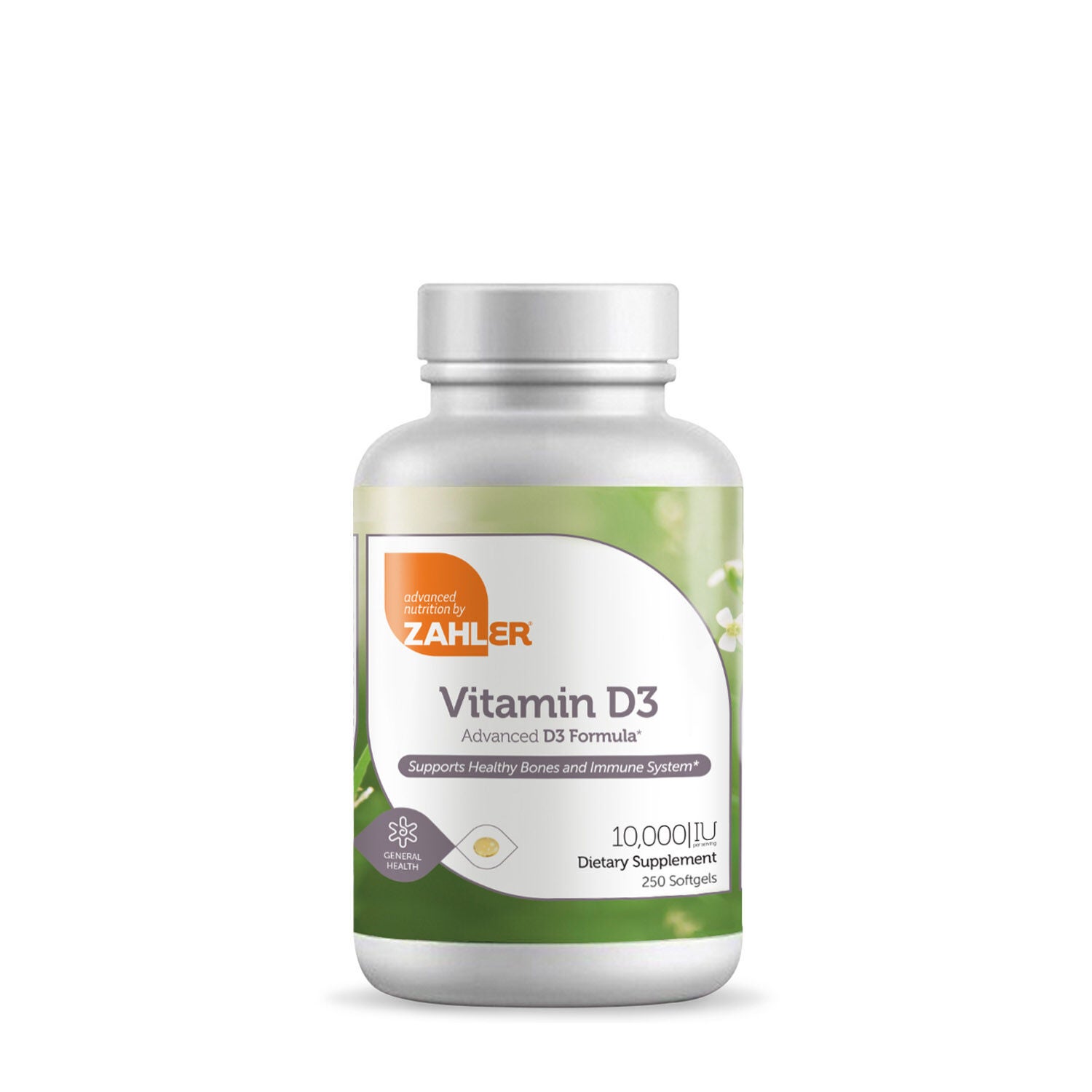
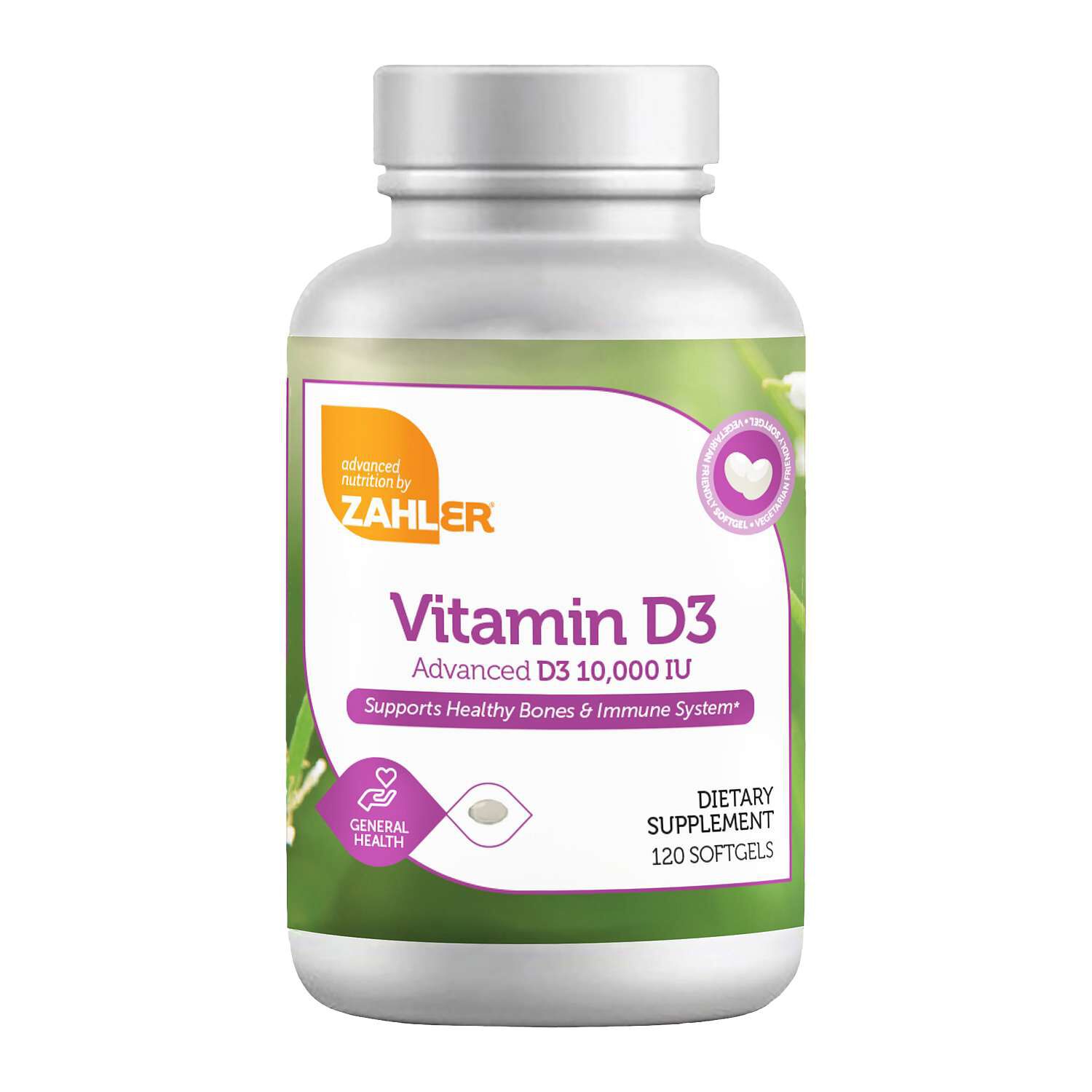


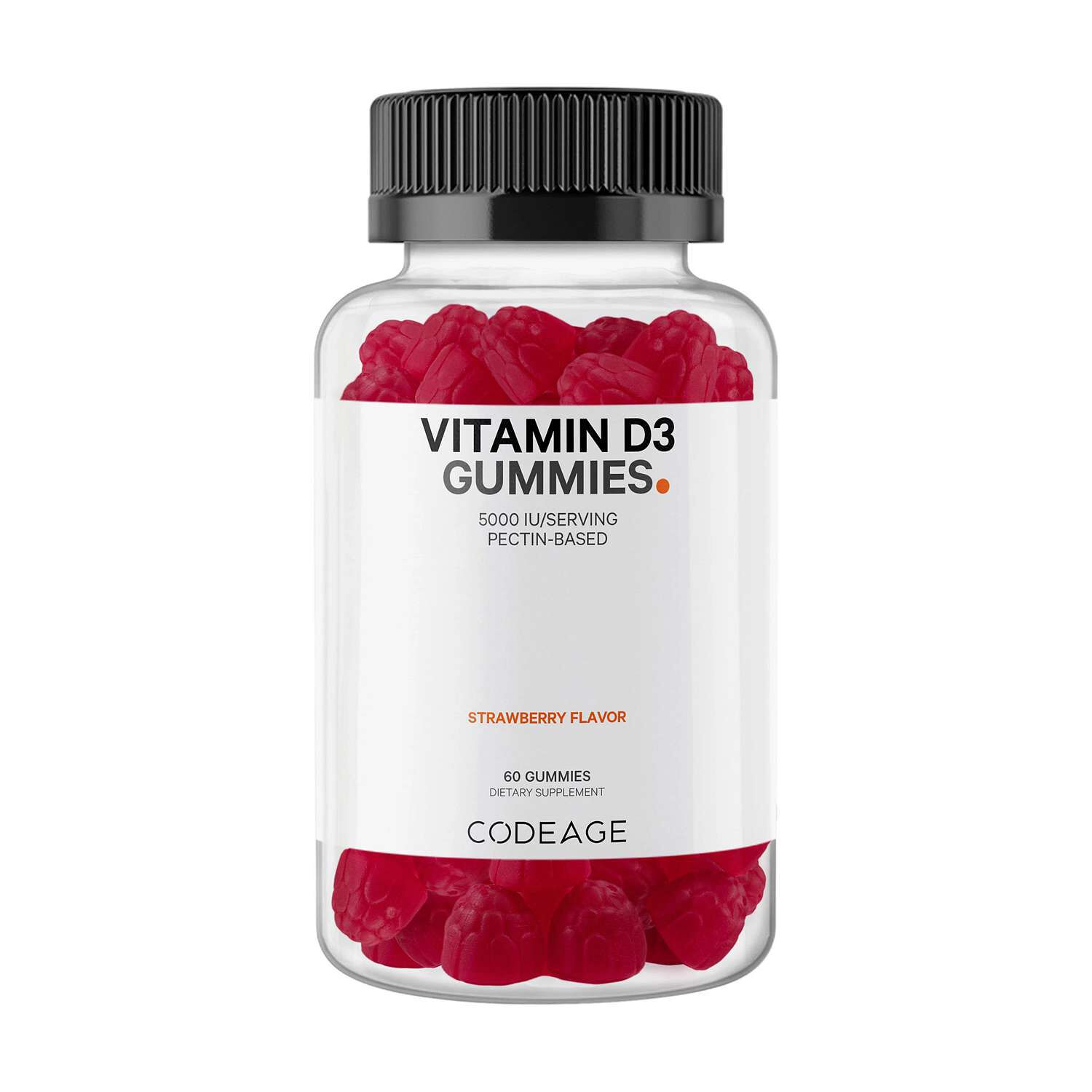
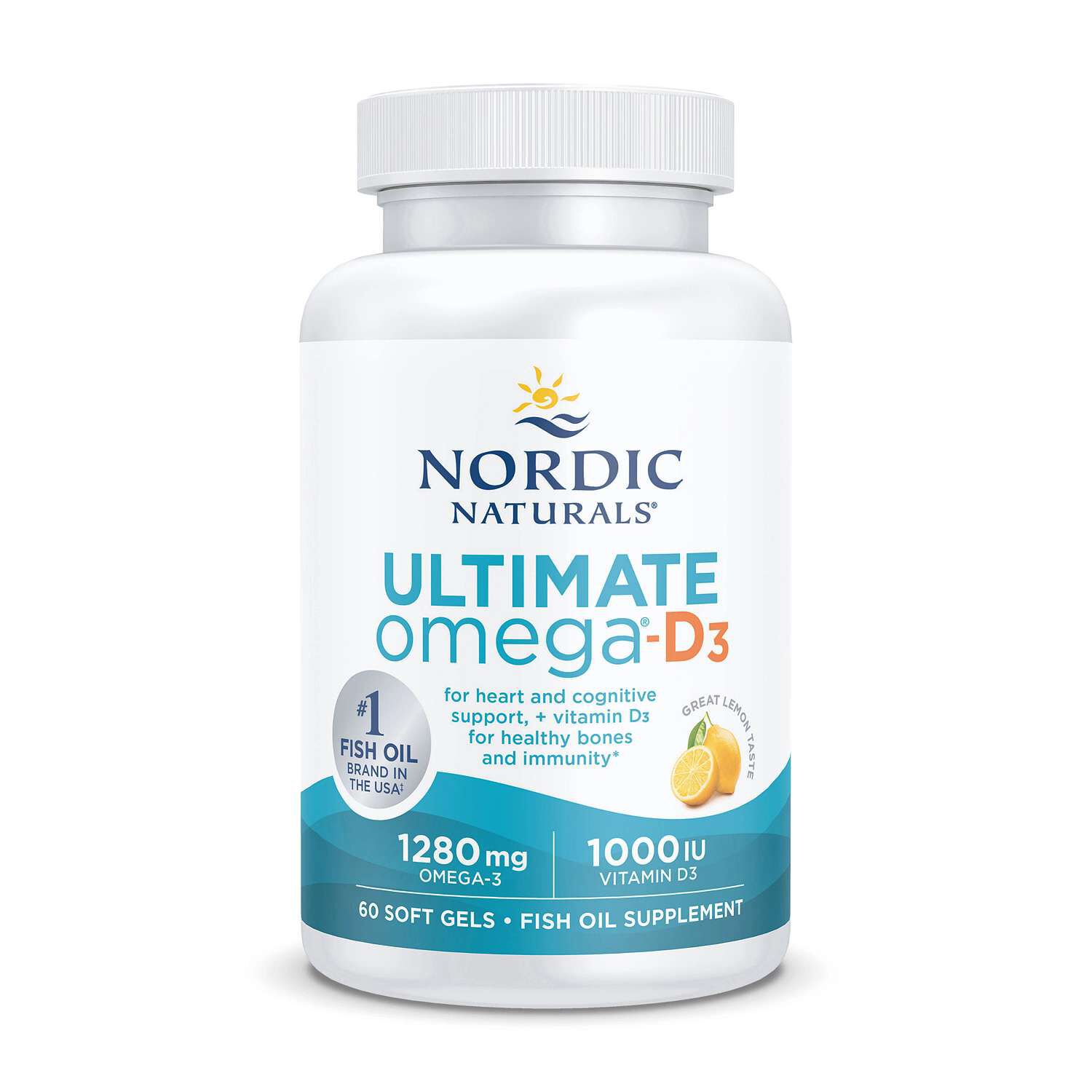
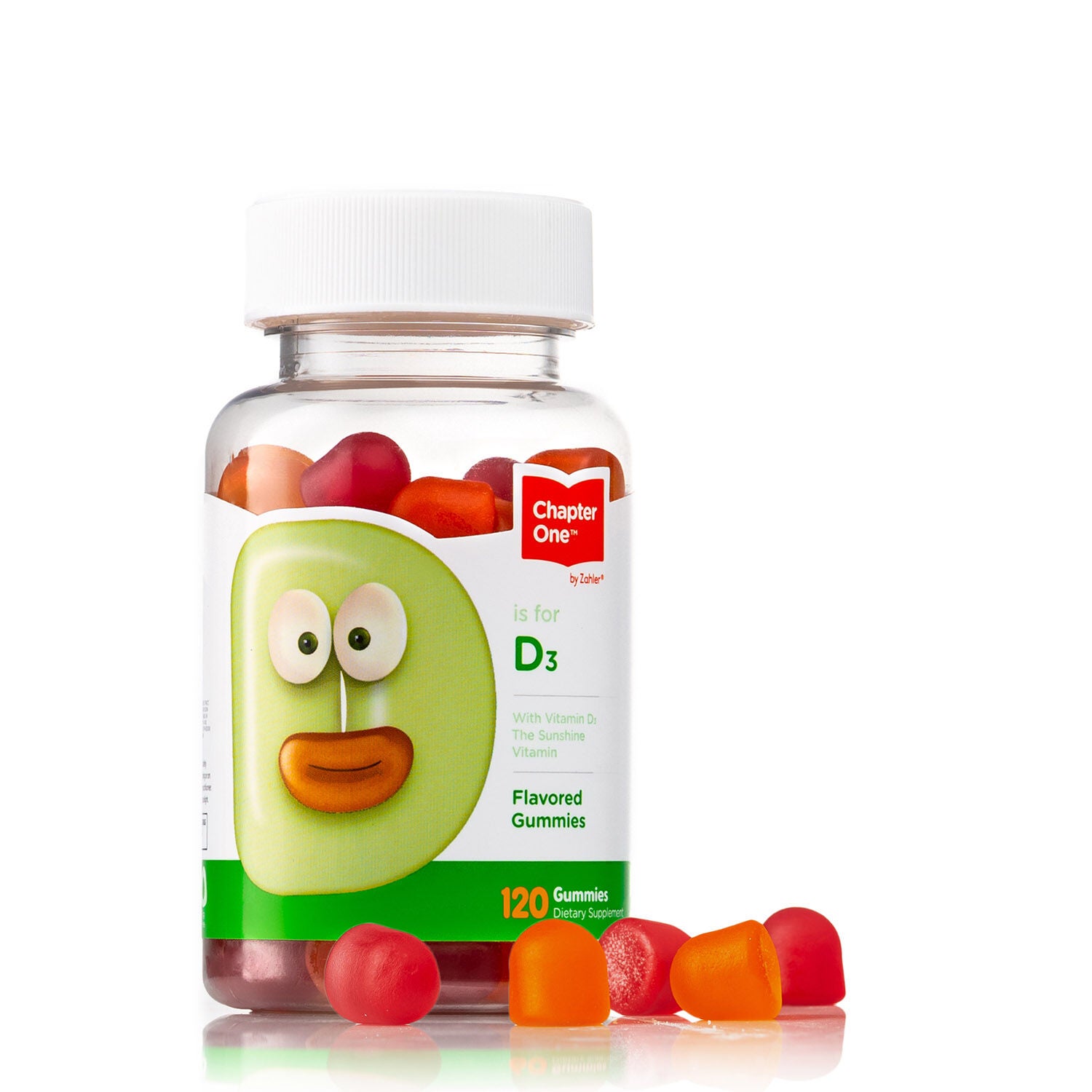

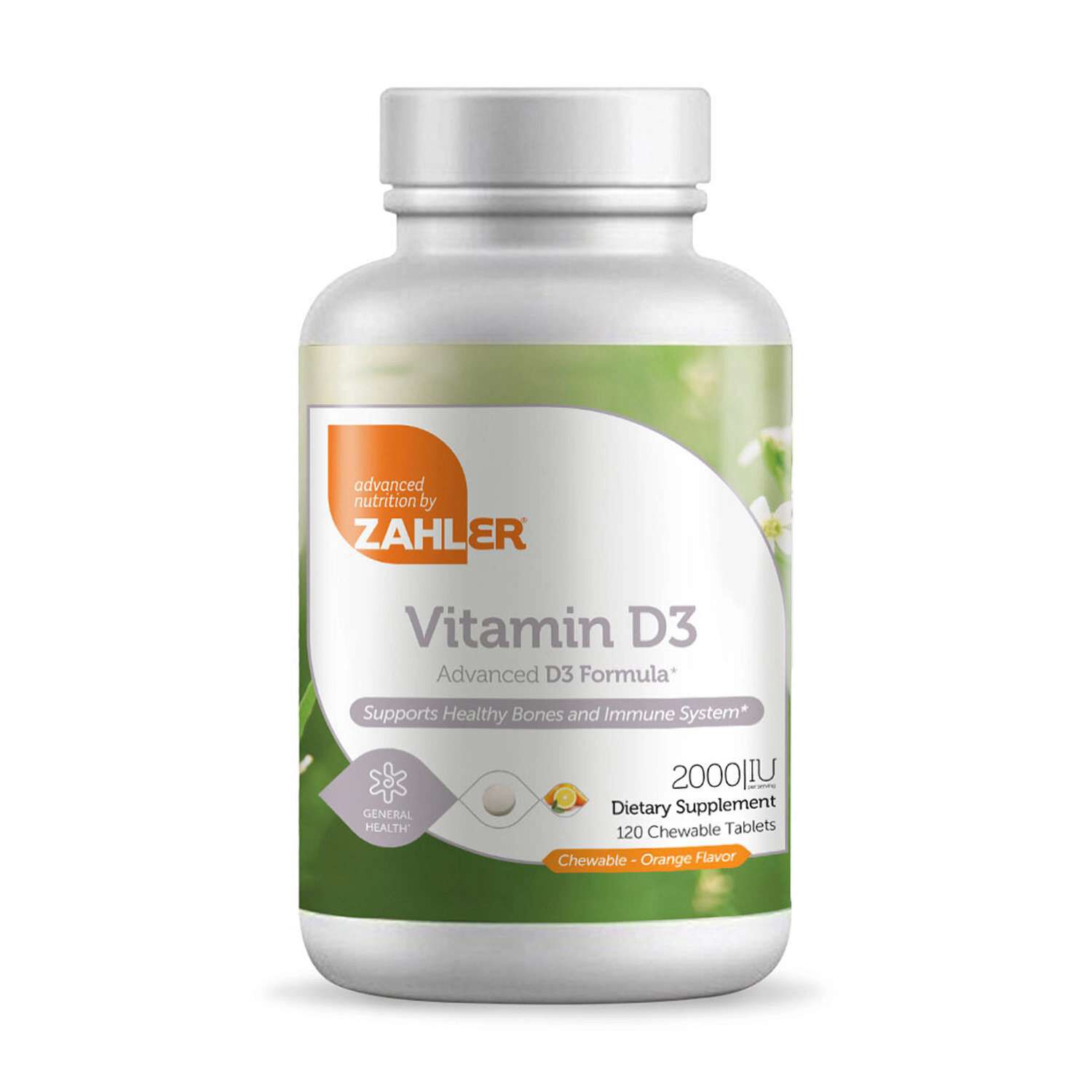


D3 immune support supplements bring vitamin D3 into everyday nutrition routines through formats such as softgels, capsules, tablets, gummies, and liquids. Vitamin D3, also called cholecalciferol, is one form of vitamin D used in dietary supplements and found naturally in foods such as egg yolks and fatty fish. The term “D3 immune support” describes a supplement category rather than a single formula: some options contain vitamin D3 on its own, while others pair it with additional vitamins or minerals. That distinction matters when comparing labels, especially for shoppers who already use a multivitamin or another nutritional supplement. A single-nutrient formula keeps the ingredient focus narrow; a combination formula places several nutrients in one serving. Neither format tells the whole story without the Supplement Facts panel, which identifies the amount of each nutrient and the serving size. Vitamin D quantities may appear in micrograms, abbreviated mcg, and international units, abbreviated IU. These are different ways of expressing an amount, not different ingredients. Comparing the same unit across labels makes the differences between formulas easier to understand. The amount shown is generally per labeled serving, so a serving of two gummies is not directly comparable to one softgel without checking the details. Bottle count and serving count can differ for the same reason. For adults considering D3 as part of an established supplement routine, those practical distinctions can be more useful than choosing by the front label alone. Intended age group also deserves attention, since adult and children’s formulas have different labeling and directions. A familiar format, clearly stated ingredient information, and a serving size that suits the intended user are useful points of comparison. The category covers a range of preferences, from shoppers who want an unflavored capsule to those who prefer a chewable format or a measured liquid. Reading beyond the category name gives each of those choices a more concrete basis.
The experience of using a D3 supplement depends partly on its format and supporting ingredients. Softgels typically have a smooth shell surrounding a liquid fill, often with an oil carrier. Vitamin D3 is fat-soluble, and oils such as olive oil or medium-chain triglyceride oil may appear in these formulas; the actual carrier is listed on the individual label. Capsules and tablets have different textures, dimensions, and ingredient compositions, making physical size worth considering alongside nutrient amount. Gummies introduce flavor and chewable texture, but they also have their own serving counts, sweeteners, and other ingredients. Someone who dislikes a sweet aftertaste may prefer an unflavored option, while another shopper may find a fruit-flavored chewable more pleasant to include in a routine. Liquid D3 brings another set of details into focus: bottle design, measuring method, and whether the serving is expressed in drops or a measured volume. Those measurements are not interchangeable across formulas, so the directions on each label matter. Dietary preferences can also influence the comparison. Vitamin D3 may come from lanolin or lichen, and the source of the vitamin is separate from the materials used in a capsule or softgel shell. A plant-derived D3 source does not, by itself, establish the composition of the rest of the formula. Gelatin, plant-based capsule materials, pectin, flavorings, colors, and carrier oils are all examples of ingredients that may deserve a closer look. Shoppers who follow a vegan or vegetarian eating pattern can check the stated dietary designation rather than make assumptions based on the format. Allergen information and the other-ingredients list provide additional context. These details help distinguish formulas that look similar at first glance, particularly when the front labels show the same vitamin D3 amount. A small bottle with a simple label can still contain several supporting ingredients, while a larger container may reflect serving count rather than a different nutrient concentration. Texture, source, and packaging each add useful information to the comparison.
Choosing between D3 alone and a blend often comes down to how the formula fits alongside the rest of a shopper’s nutritional routine. Someone already using several supplements may want to compare overlapping nutrients before adding another bottle to the cabinet. Another shopper may prefer to examine combination formulas that include vitamin C and zinc alongside D3. The Vitamin C D3 Zinc For Immune Defense collection offers a related category for that comparison. Each nutrient in a blend has its own listed amount, and the presence of several ingredients does not mean their proportions are the same across formulas. The label remains the most useful place to distinguish a D3-focused option from a broader vitamin-and-mineral combination. Beyond formula selection, everyday handling deserves attention. Supplement packaging is designed for a labeled storage period and specified conditions, rather than the wear-and-tear expectations associated with household goods. The expiration date, closure, and storage directions therefore matter more than the appearance of the container. A designated cabinet away from moisture and direct light is a different environment from a steamy bathroom shelf or a bottle left in a car; the label specifies the conditions intended for that formula. Keeping the original packaging also preserves access to the ingredient list, serving directions, and identifying information. For a liquid, the measuring component and any instructions about storage after opening are particularly relevant. For gummies and softgels, a securely closed container and careful attention to storage directions are practical considerations. A busy household may also value a package whose directions are easy to read and whose serving format is easy to distinguish from other supplements. These everyday details make a comparison more personal without relying on sweeping claims about what a supplement can do. D3 immune support products can be considered through a straightforward set of characteristics: vitamin form, nutrient amount per serving, ingredient source, dietary suitability, texture, and labeled use. Together, those characteristics offer a clearer picture of how a formula might fit an individual’s preferences and established nutrition habits.